Hotels in Kawakami
Discover your perfect stay in Kawakami.
Kawakami(Japan) Travel 2026: Cheap Flights, Hotels & Top Attractions
Popular Landmarks in Kawakami
Discover the most iconic attractions in Kawakami
Recommended Hotels in Kawakami
Find the perfect place to stay in Kawakami
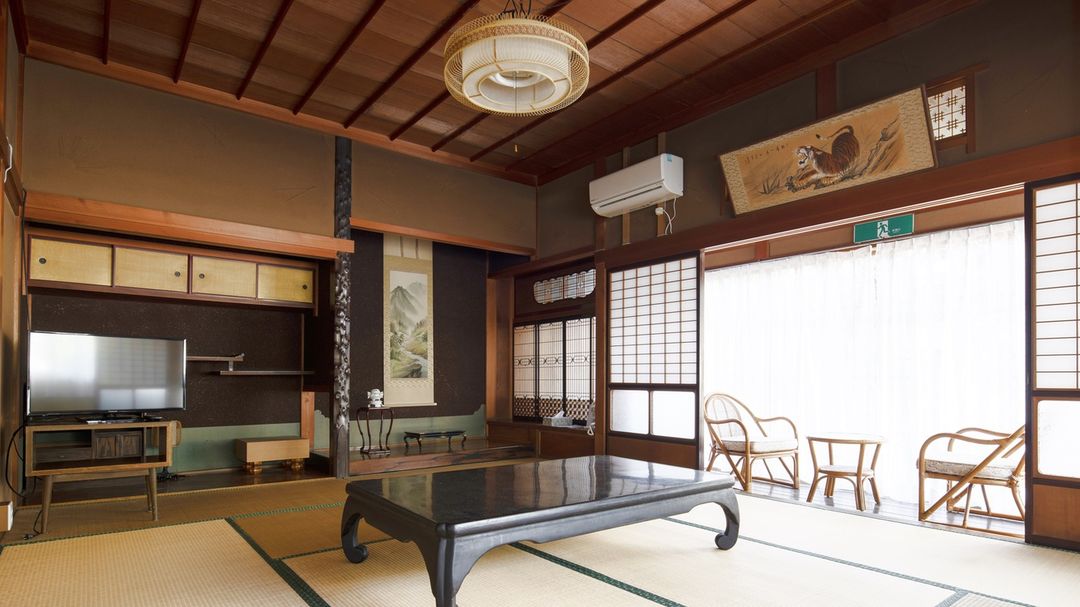
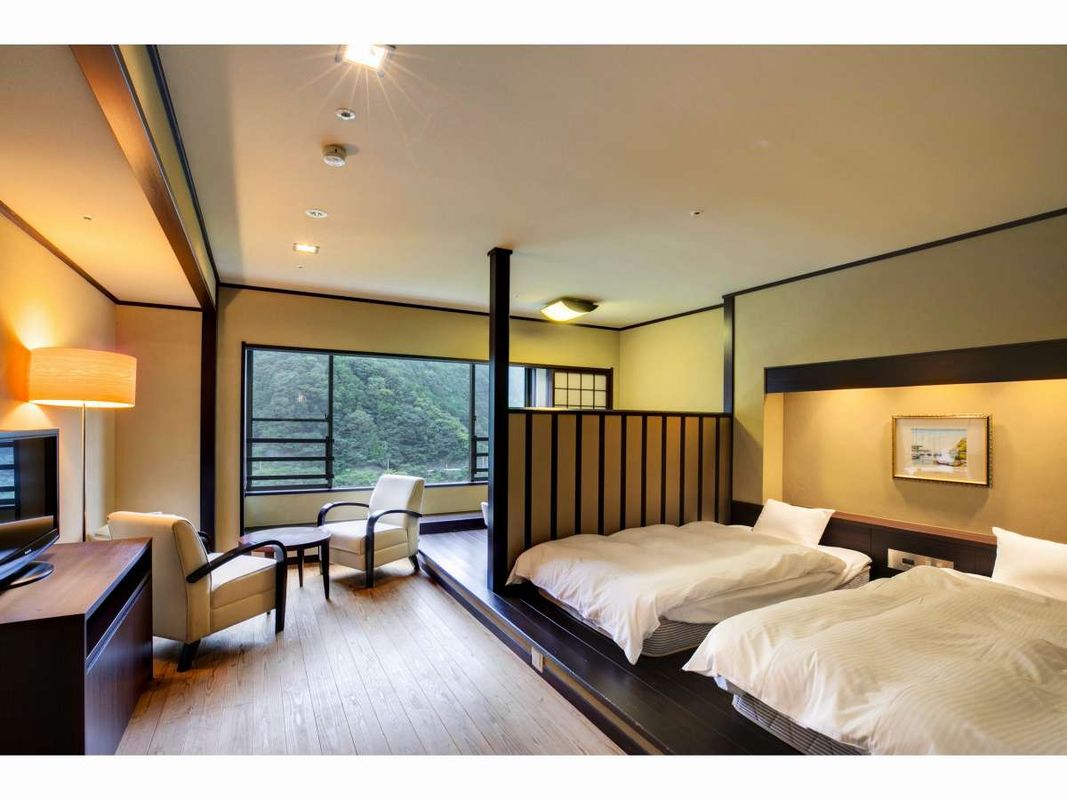
Best Hotels in Kawakami
Discover curated hotel collections in Kawakami











































































Frequently Asked Questions about Traveling to Kawakami
Questions You Might Need to Know About Traveling to Kawakami
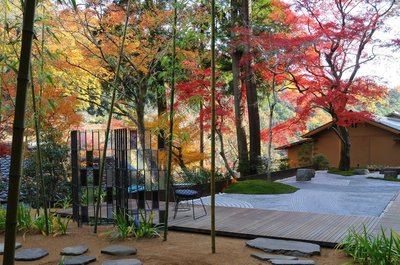
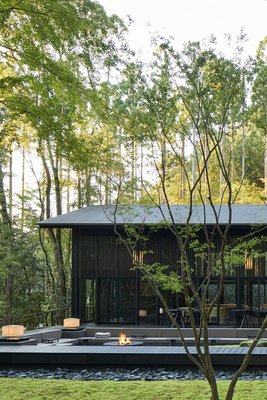
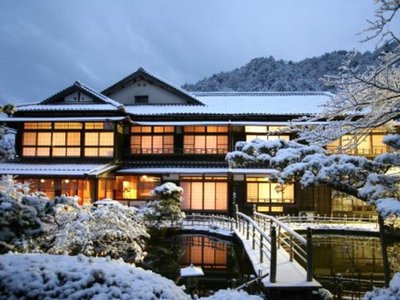
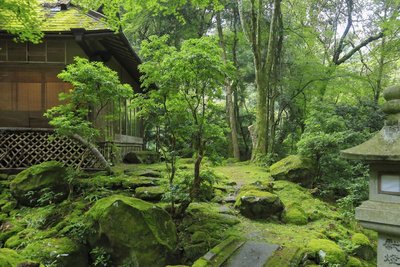
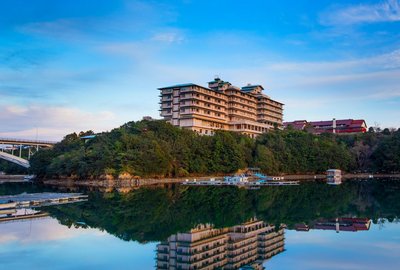
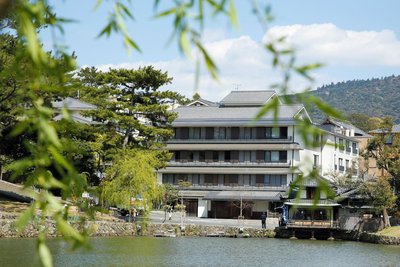
For a serene mountain retreat in Kawakami Village, stay near the Yoshino River corridor, where the air is crisp and the scenery untouched. The Kawakami Forest Retreat offers eco-friendly cabins surrounded by cedars and wildflowers, ideal for nature lovers.
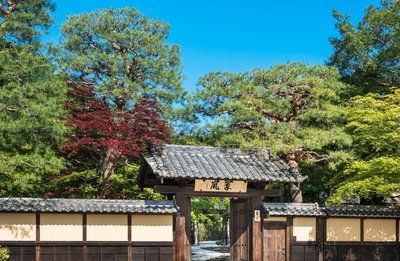
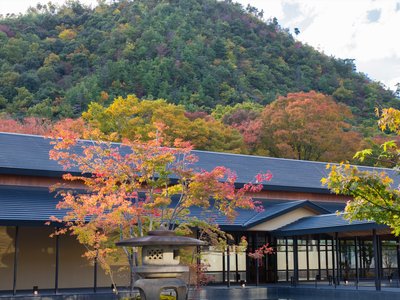
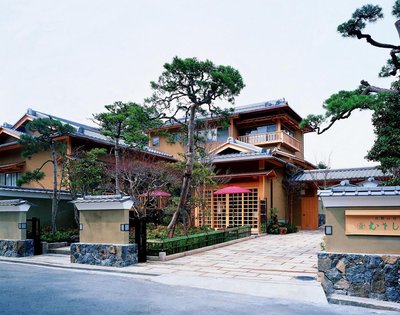
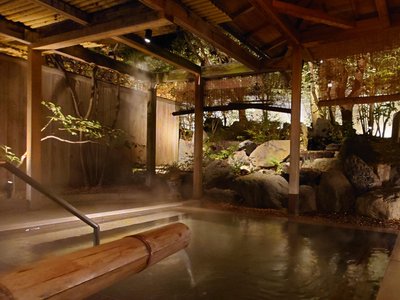
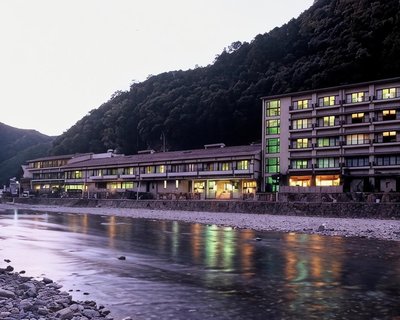
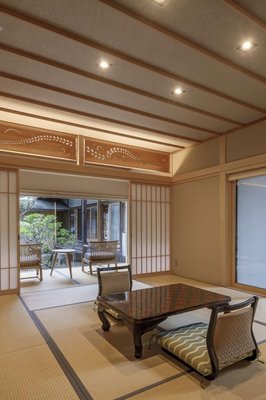
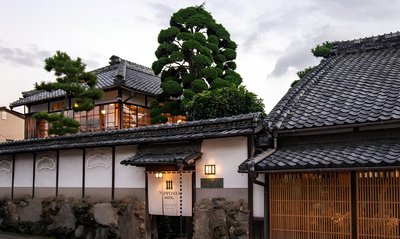
Alternatively, choose Kawakami Onsen Ryokan, a traditional inn with private outdoor baths and seasonal kaiseki meals sourced from local farms. Its location along the riverbanks provides quiet mornings with mist rising over the water and starlit evenings under a clear sky.
These accommodations are nestled within Nara Prefecture’s remote highlands, far from crowds yet deeply connected to rural Japanese life—perfect for travelers seeking authenticity and tranquility.
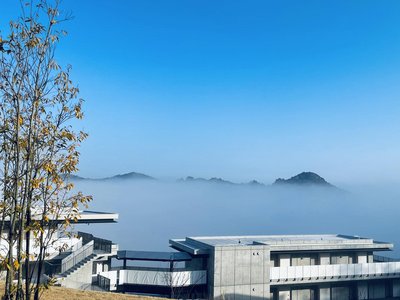
Kawakami Village is perfect for travelers seeking solitude, natural beauty, and authentic rural Japan. Ideal guests include hikers who love winding trails along the Yoshino River, photographers drawn to misty mountain landscapes, and culture enthusiasts eager to explore traditional village life.
It's especially suited for those interested in Japanese craftsmanship, organic farming, or seasonal festivals like the spring cherry blossom festival and autumn maple leaf viewing.
With no large hotels or tourist crowds, this hidden gem in Nara Prefecture offers a true escape from urban life—ideal for couples, families, or solo travelers looking for mindfulness, connection with nature, and a slower pace of living.
Must-try experiences in Kawakami Village include joining a local bamboo weaving workshop, where artisans teach traditional techniques using native highland bamboo. These hands-on sessions produce functional crafts like baskets and lanterns, rooted in generations of craftsmanship.
Another highlight is attending a mountain tea ceremony held in a rustic teahouse surrounded by ancient trees. Guests sip wild-picked sencha tea paired with house-made wagashi sweets.
Many guesthouses also offer rice planting and harvesting experiences, allowing visitors to work alongside farmers from seedling to harvest—a rare chance to connect with sustainable agriculture.
The annual Kawakami Harvest Festival in autumn features traditional dances, folk music, and communal meals made from locally grown ingredients, offering a deep immersion into rural Japanese heritage.
The best times to visit Kawakami Village are spring (March to May) and autumn (September to November). Spring brings blooming cherry blossoms along the Yoshino River, creating dreamlike scenes of pink clouds above misty valleys. Temperatures are mild and perfect for hiking.
Autumn transforms the region into a kaleidoscope of red and gold foliage. The vibrant maple leaves reflect in crystal-clear streams, making it a paradise for photographers.
Summer is cool in the mountains despite hot lowlands—ideal for escaping heat. Winter may bring snow, adding a serene, secluded charm, though roads can close due to weather.
Avoid peak holidays for a more tranquil experience, letting you truly connect with the village’s quiet rhythm.
Accessing Kawakami Village is best done via car or pre-arranged transport. The nearest train station is Kawakami Station on the Kintetsu Yoshino Line, but a shuttle bus (approx. 20 minutes) is required to reach the village center.
Driving is recommended: take National Route 421 from Nara City, a scenic 1-hour journey through mountainous terrain. Note that village roads are narrow—smaller vehicles are preferable.
There are no taxis in the village, so arrange pickups with your accommodation in advance. Some tour operators in Osaka or Kyoto offer full-day private transfers, ideal for travelers avoiding driving.
Must-try dishes in Kawakami Village include Yoshino River trout, raised in pristine mountain streams and often grilled over charcoal or served as sashimi—delicate and fresh.
Another highlight is wild mountain vegetable tempura, featuring seasonal greens like ferns, fuki-no-tobo, and bamboo shoots, lightly battered and fried to perfection.
Many ryokans offer local-style bento boxes filled with homegrown vegetables, handmade tofu, pickled mushrooms, and rice cooked in natural spring water—simple yet deeply flavorful.
Don’t miss the handcrafted sake brewed from local rice and pure mountain spring water, known for its clean, subtle aroma. These dishes reflect the village’s commitment to sustainability and respect for nature.
Kawakami Overview
City Summary
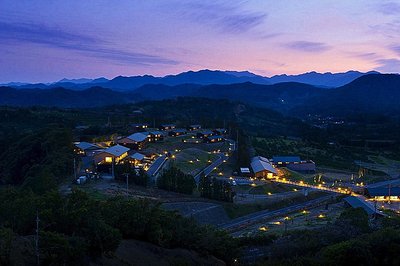
Kawakami Village is located in the southern part of Nara Prefecture, Japan, surrounded by stunning natural beauty. Known for its fresh air, dense forests, and clear streams, it is an ideal destination for those seeking escape from urban chaos. The village retains the traditional Japanese rural landscape and attracts visitors with its harmonious coexistence of humans and nature. The main appeal of Kawakami lies in its serene environment and abundant outdoor activities such as hiking and wildlife observation.
Must-See Attractions
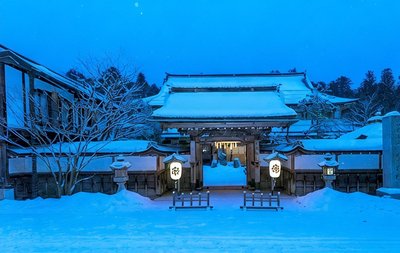
In Kawakami Village, must-visit spots include the forest trails around the village, which lead to hidden waterfalls and scenic viewpoints offering breathtaking natural beauty. The village also houses several traditional temples and shrines, like Kawakami Shrine, reflecting its deep religious culture. During spring, cherry blossoms turn the village into a pink paradise. Additionally, local markets and handicraft shops provide a great way to experience daily life here.
Food Guide
Kawakami’s culinary culture is centered around mountain delicacies such as wild mushrooms and vegetables. Be sure to try the local specialty "Sansai Tempura" (mountain vegetable tempura) and "Shioyaki" (salt-grilled river fish). Homemade miso and pickled plums are also popular among visitors and can be found in village restaurants or markets.
Transportation Guide
Public transport in Kawakami is limited, and renting a car is recommended for flexible exploration of the surrounding nature. From Nara City, you can take a bus to the nearest station and then transfer to a taxi or arrange for local pick-up. Narrow mountain roads make walking or biking the preferred way to get around within the village. Some attractions require hiking, so comfortable trekking shoes are advised.
Best Time to Visit
The best times to visit are spring (March to May) and autumn (September to November), when the weather is pleasant and nature is at its most vibrant. Cherry blossoms bloom in spring, while autumn offers stunning foliage. Summers can be humid, and winters may bring snow, potentially closing some roads.
Travel Tips
- Respect local customs; follow shrine etiquette such as purifying your hands and mouth before entering.
- As Kawakami is mostly natural terrain, carry insect repellent and sunscreen.
- Some restaurants only accept cash, so bring enough yen.
- Mountain weather changes quickly—pack a lightweight raincoat.
- Take your trash with you, as public bins are scarce.
- Stick to marked hiking trails and avoid undeveloped areas.
Useful Information
The primary language in Kawakami is Japanese, and English proficiency is limited—a translation app is helpful. Wi-Fi coverage is spotty; consider bringing a portable Wi-Fi device or a local SIM card. Most shops accept cash, with few accepting credit cards. Medical facilities are limited, so bring personal medications; the nearest hospital is in a neighboring town. There are no large supermarkets in the village; stock up on essentials beforehand.









