Hotels in Kawakami
Discover your perfect stay in Kawakami.
Kawakami(Japan) Travel 2026: Cheap Flights, Hotels & Top Attractions
Popular Landmarks in Kawakami
Discover the most iconic attractions in Kawakami
Recommended Hotels in Kawakami
Find the perfect place to stay in Kawakami
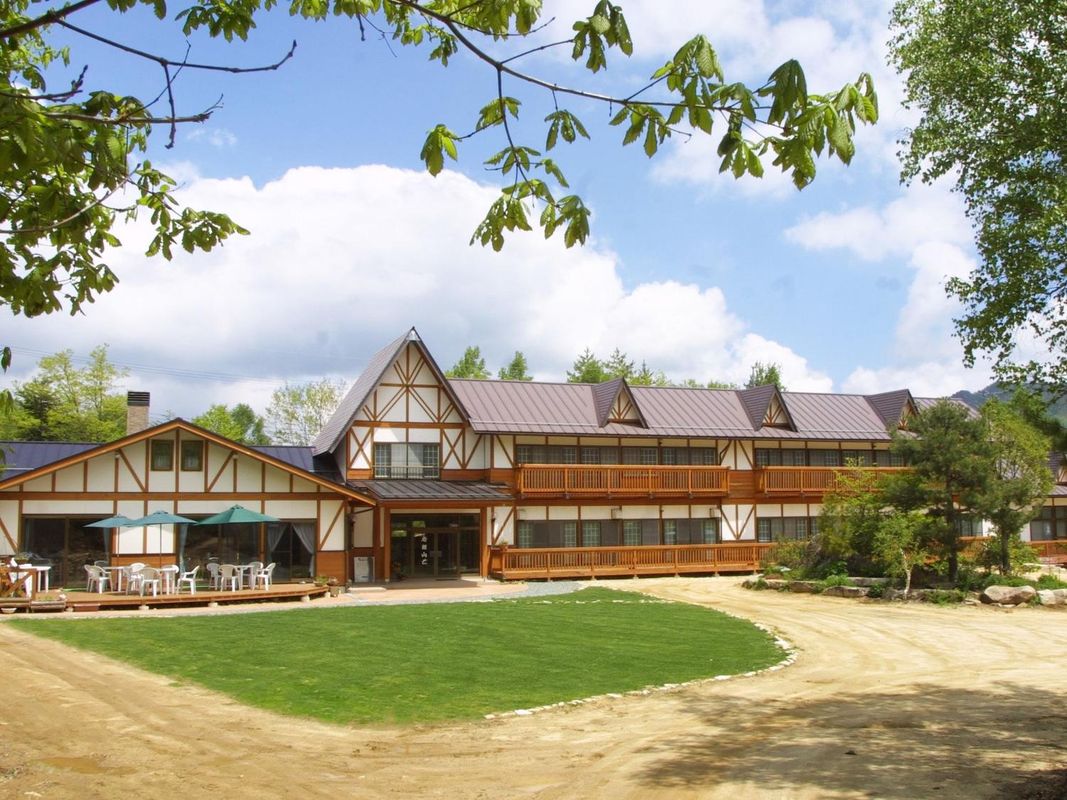
Iwane Sanso
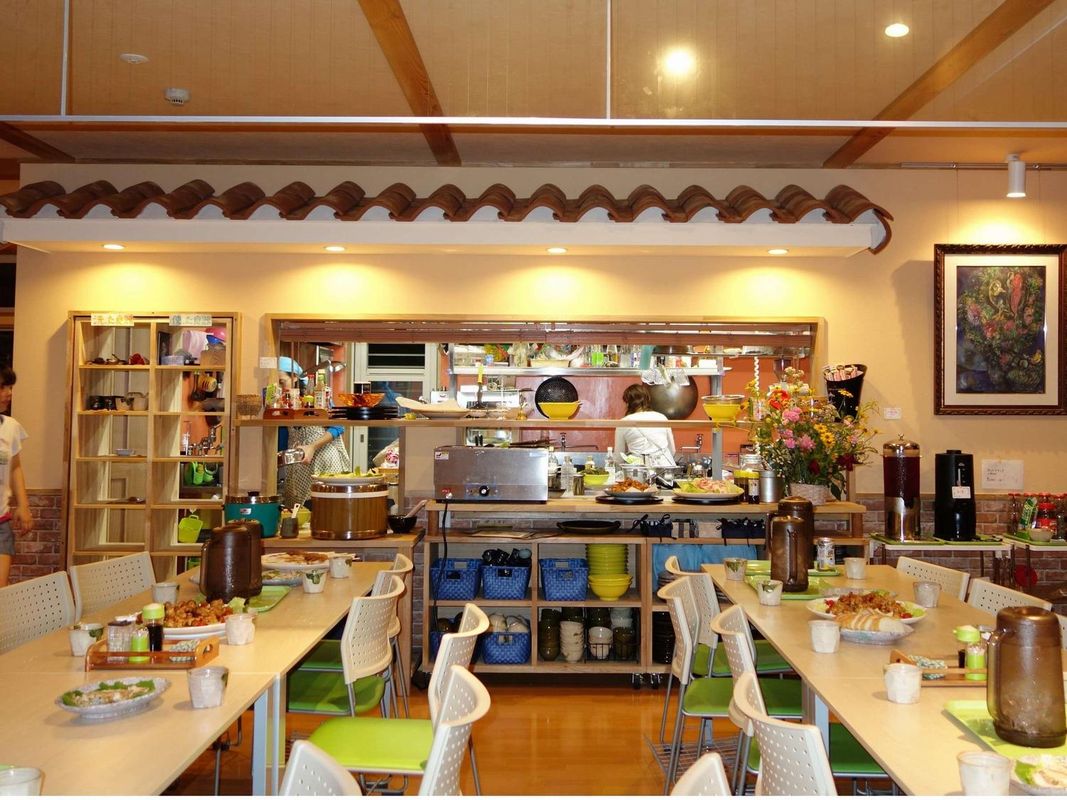
Kawakami Sanso Mountain Inn
Best Hotels in Kawakami
Discover curated hotel collections in Kawakami
Bellustar Tokyo, A Pan Pacific Hotel

Bvlgari Hotel Tokyo

Shima Kanko Hotel the Bay Suites
Loquat Nishiizu
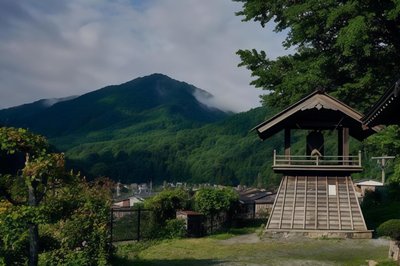
Byaku Narai
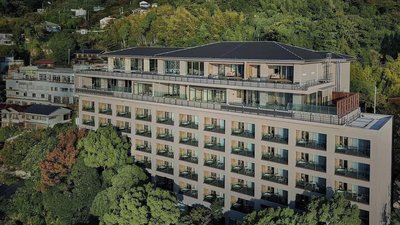
Atami Izusan Karaku
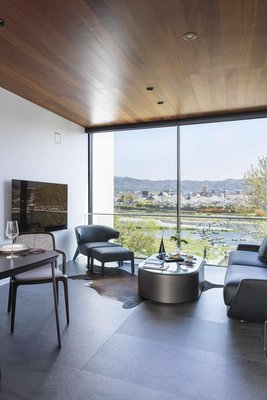
Kamo Residences by Reflections
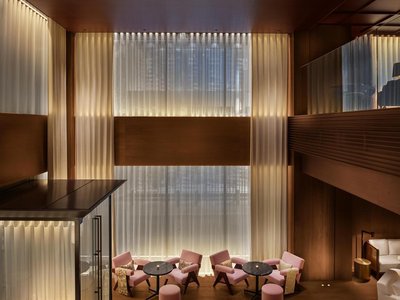
The Tokyo Edition, Ginza

Janu Tokyo
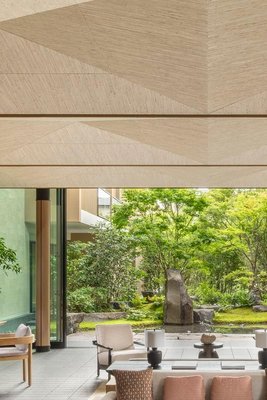
Six Senses Kyoto

JW Marriott Hotel Tokyo
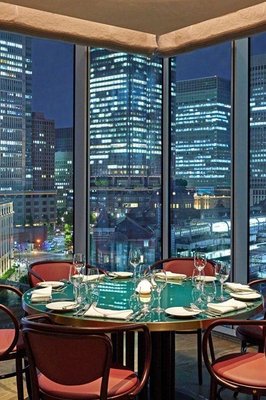
Four Seasons Hotel Tokyo at Marunouchi

Mandarin Oriental, Tokyo
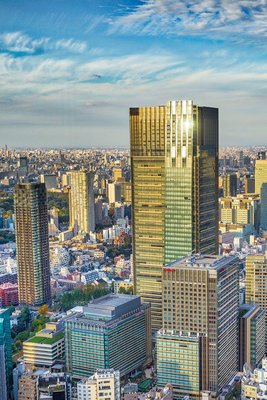
The Ritz-Carlton, Tokyo

Andaz Tokyo Toranomon Hills- A Concept by Hyatt
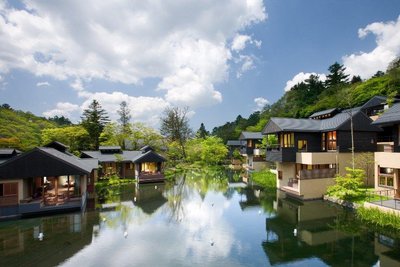
Hoshinoya Karuizawa
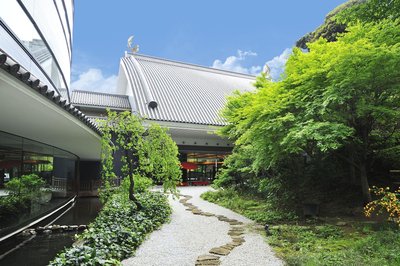
Hotel Gajoen Tokyo
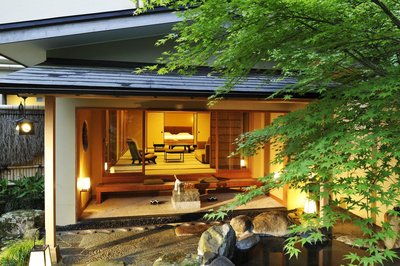
Gora Kadan
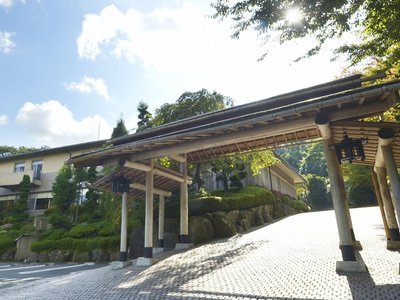
Gora Hanaougi
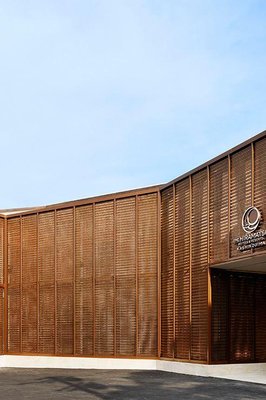
The Hiramatsu Hotels & Resorts Kashikojima
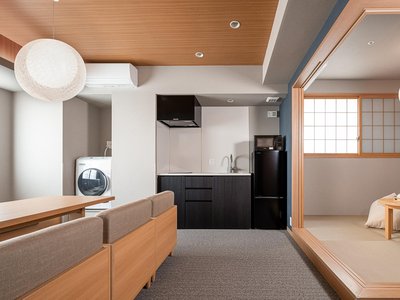
MIMARU SUITES Tokyo Asakusa

La Terra Resort
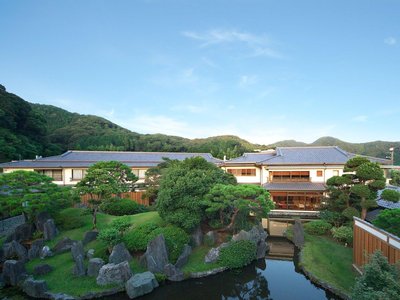
Kagetsutei

karaksa hotel colors Tokyo Yaesu

HOTEL GROOVE SHINJUKU, A PARKROYAL Hotel

GOLD STAY Nagoya Sakae

Awaumi Fujikawaguchiko Resort
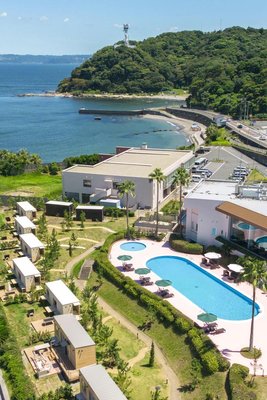
La vista Yokosuka Kannonzaki Terrace
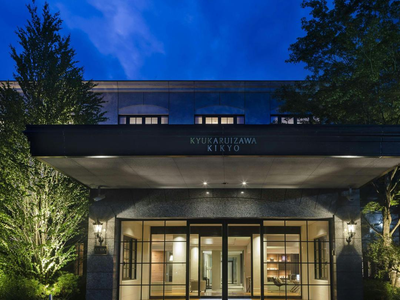
Fufu Karuizawa Wind of Sunshine

Hotel Taiko, Akakura Onsen
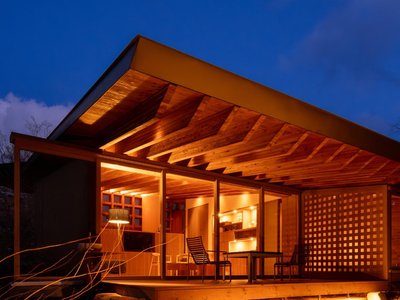
Nasu Mukunone

Scapes the Suite
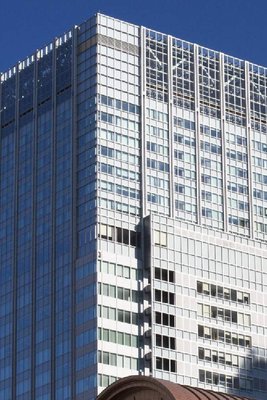
Hotel Metropolitan Tokyo Marunouchi
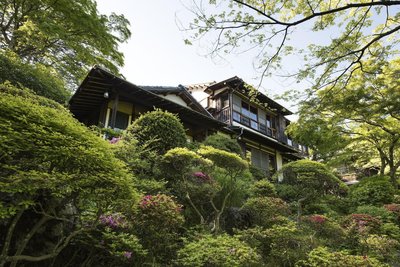
Gora Kansuiro
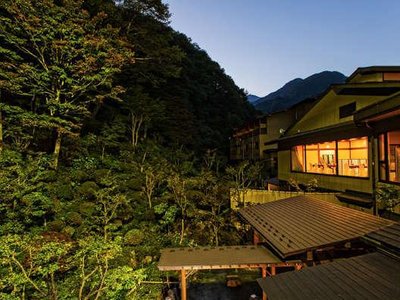
Futari Shizuka
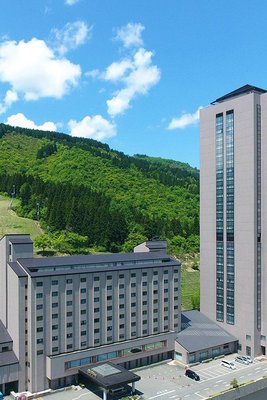
Naspa New Otani
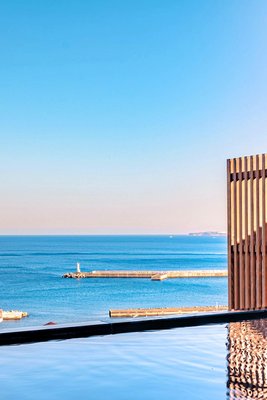
HOTEL KANICHI
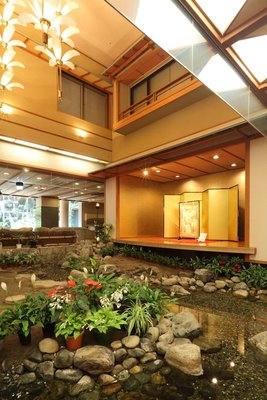
Hotel Futaba
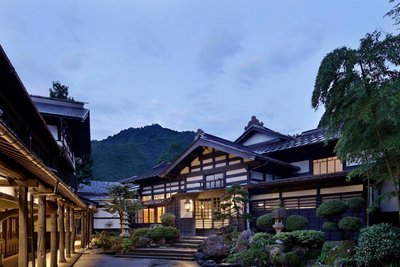
Ryugon
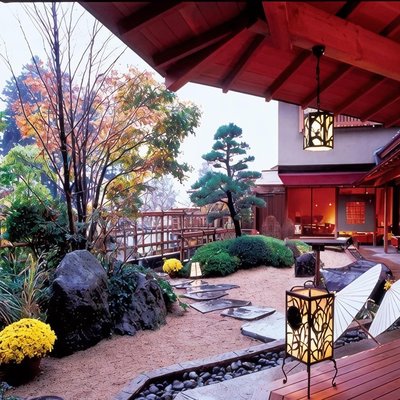
Oyado Tamaki
Bellustar Tokyo, A Pan Pacific Hotel
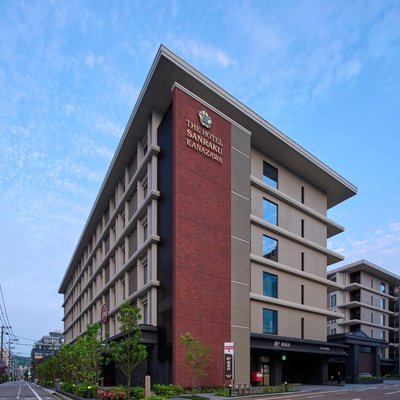
The Hotel Sanraku Kanazawa 21th December 2022 Open

22 PIECES
JW Marriott Hotel Tokyo
Andaz Tokyo Toranomon Hills- A Concept by Hyatt

The Thousand Kyoto
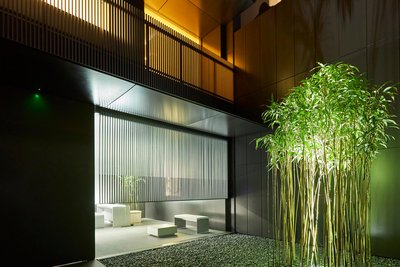
Mogana

GOOD NATURE HOTEL KYOTO

The Okura Tokyo

The Lively Azabujuban Tokyo

Kimpton Shinjuku Tokyo
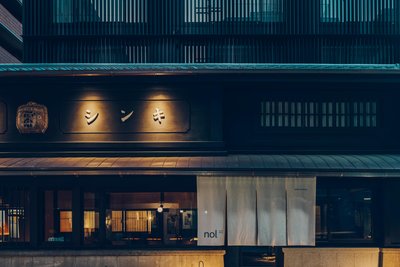
Nol Kyoto Sanjo

HOTEL K5

The Prince Gallery Tokyo Kioicho, a Luxury Collection Hotel

Garrya Nijo Castle Kyoto

Hotel Kanra Kyoto
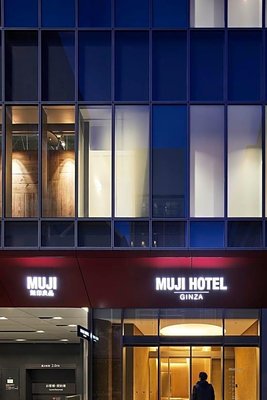
Muji Hotel Ginza
Bvlgari Hotel Tokyo
Four Seasons Hotel Tokyo at Marunouchi
Mandarin Oriental, Tokyo
The Ritz-Carlton, Tokyo
Andaz Tokyo Toranomon Hills- A Concept by Hyatt
Gora Kadan
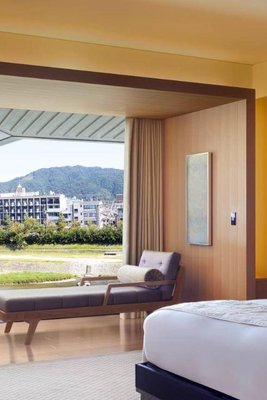
The Ritz-Carlton, Kyoto

Hotel New Otani Tokyo the Main
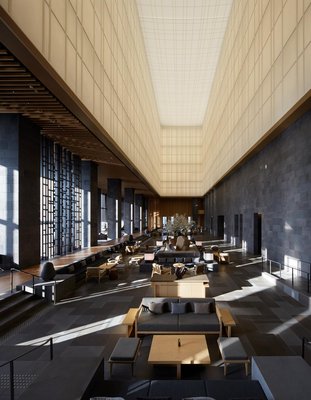
Aman Tokyo
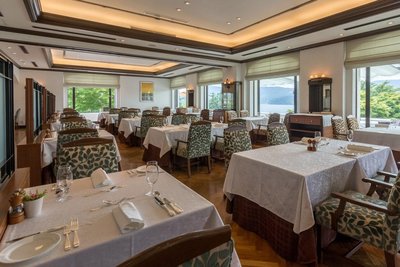
Odakyu Hotel de Yama
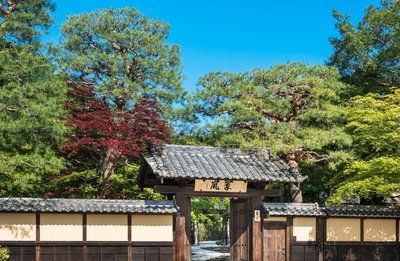
Suiran, a Luxury Collection Hotel, Kyoto
GOOD NATURE HOTEL KYOTO
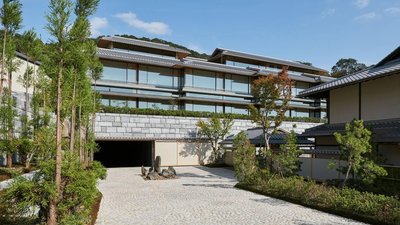
Park Hyatt Kyoto

Four Seasons Hotel Tokyo at Otemachi

The Tokyo Edition, Toranomon

Hyatt Centric Kanazawa
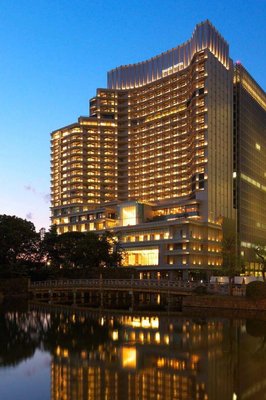
Palace Hotel Tokyo
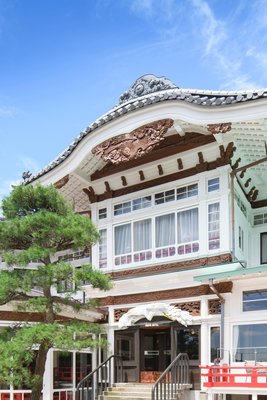
Fujiya Hotel
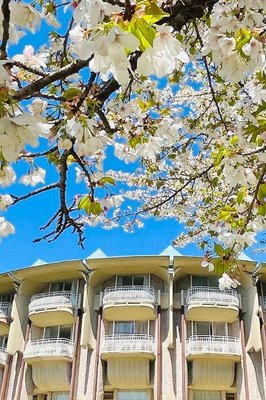
The Prince Hakone Lake Ashinoko
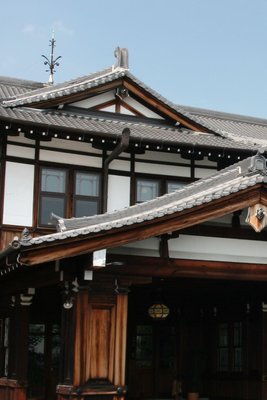
Nara Hotel

Rakuten STAY VILLA Nasu
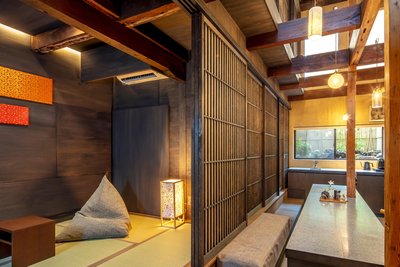
Kyo No Oozora Kihana
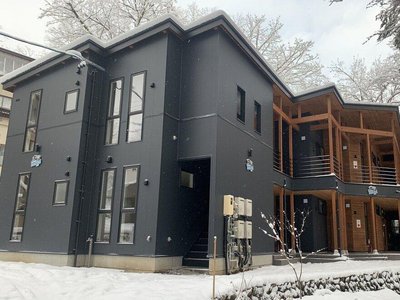
Hakuba Gondola Apartments
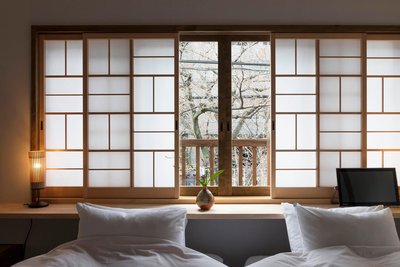
Hanagoromo Machiya House
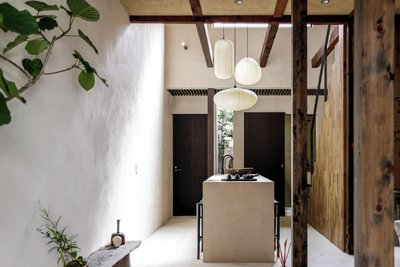
Maana Kiyomizu
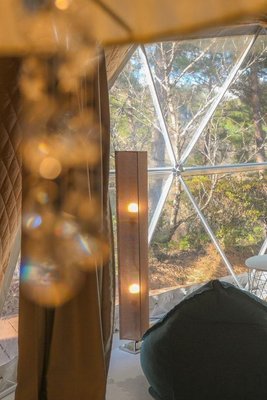
glampark Gekkabijin Nagano
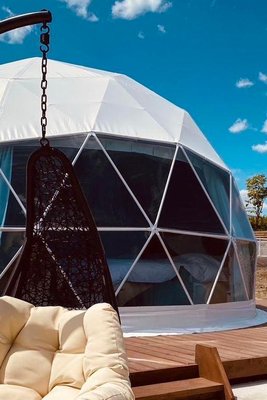
chillout glamping zao
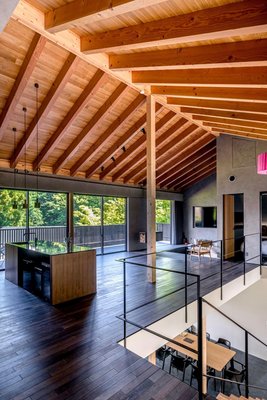
MONS GORA

Phoenix Chalets by Hhg
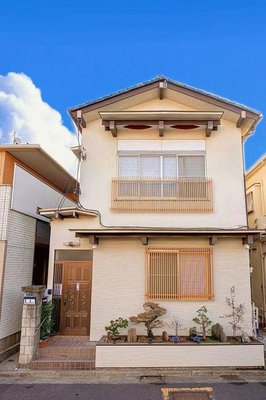
Tokyo Star House-Shinkoiwa
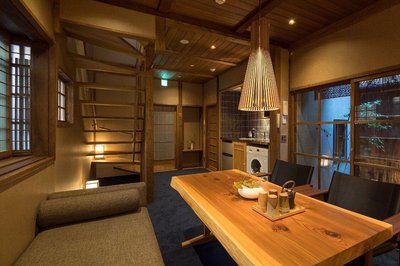
Bonbori an Machiya House
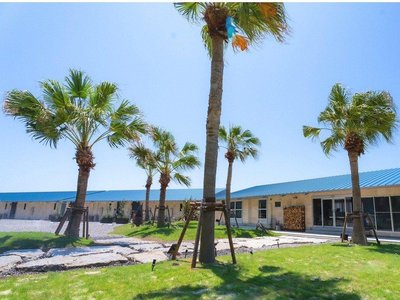
Glamping&Resort Wood Design Park Noma
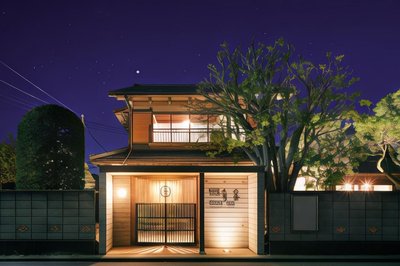
Machi-Jyu
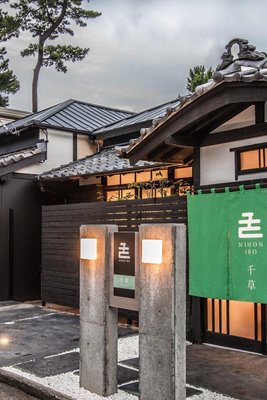
Nihon Iro
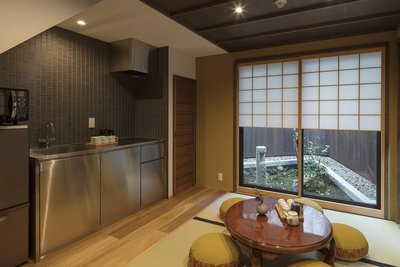
The Machiya Villa Sanjo Shirakawa Koji
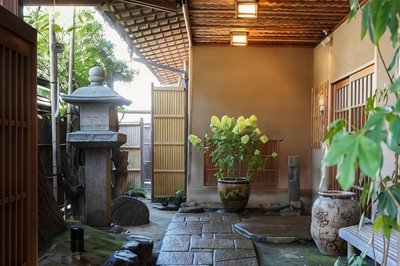
Ryokan Asadaya
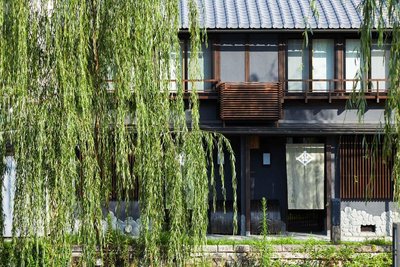
Gion Shirakawa No Yado

Kitashirakawa Natural Radium Onsen
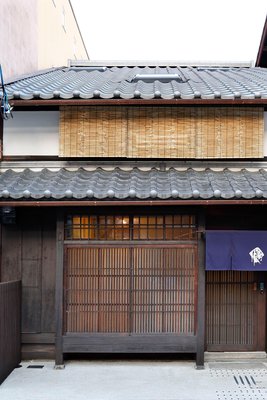
Kyo No Ondokoro Kamanza Nijo #2
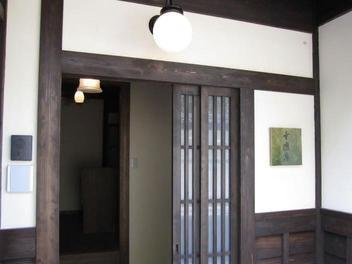
Gion Koyu an Machiya House
Frequently Asked Questions about Traveling to Kawakami
Questions You Might Need to Know About Traveling to Kawakami
In Kawakami Village, recommend staying at Kawakami Village Nature House, a renovated old farmhouse offering wooden cabins with kotatsu heaters and private Japanese gardens. Nestled along the Sinentan River, it provides panoramic views of mountain streams and seasonal landscapes. The property hosts family-oriented activities like fruit picking, craft workshops, and guided forest walks. Nearby Kawakami Village Eco Trail is ideal for kids to explore nature safely. Hosts serve organic meals made from local produce, offering an authentic rural experience in Nagano Prefecture.
The best area for tranquil, scenic stays in Kawakami Village is the upper Sinentan River valley, where lush forests meet clear streams and minimal light pollution. Stay near the Kawakami Village Tourist Center for easy access to walking trails like the Bamboo Grove Path and onsen open-air baths. Most lodgings here are traditional wooden houses, perfect for stargazing and relaxation. Many offer free shuttle services to nearby attractions such as Ootaki Waterfall and Senbon Sugi Forest, making it ideal for travelers seeking deep immersion in rural mountain life.
Visitors to Kawakami Village must try the traditional woodworking workshop, where you can craft bamboo utensils or wooden carvings under local artisans’ guidance. Don’t miss the annual Harvest Festival in autumn, featuring rice doll-making, sake brewing demonstrations, and folk dances. Guided tours of century-old farmhouses reveal ancestral stories tied to the land. During winter, join the snowfire storytelling night, where elders share mountain legends by the fire—perfect for experiencing genuine village heritage and warmth.
Yes, Kawakami Onsen Bijin Yukata is a top-rated onsen hotel nestled deep in the forest. It features private hot spring baths, fully wooden Japanese-style rooms, and natural sulfur springs sourced from 800 meters underground—excellent for skin and joint health. Daily meals include mountain vegetable kaiseki cuisine made with ingredients harvested that morning. Guests enjoy evening soaks under open skies, surrounded by pines, creating a true "forest wellness" retreat in the heart of Nagano.
The best photography seasons in Kawakami Village are spring cherry blossom season and autumn maple season. Capture the Sinentan River cherry grove in full bloom against mountain backdrops, or photograph the Senbon Sugi Forest ablaze with red and gold hues. Early mornings offer misty valleys and golden sunlight filtering through trees. For cultural shots, visit during the local market day to capture villagers selling crafts, children playing, and vibrant daily life—ideal for documentary-style photography.
Ideal hiking trails in Kawakami Village include the Ootaki Waterfall Loop (3.5 km), winding through ancient broadleaf forests with sounds of cascading water and occasional deer sightings. Another favorite is the Senbon Sugi to Shrine Trail (5 km), lined with century-old cedar trees, releasing crisp pine scents. Well-marked paths feature educational plaques about local ecology and history. Bring sturdy shoes, water, and snacks—rest shelters are available. Perfect for a half-day hike, this route offers serene connection with nature.
Must-try dishes in Kawakami Village include Sinentan Trout Hot Pot, made with trout raised in pristine river waters, served in a delicate broth with seasonal wild vegetables. Also sample Mountain Vegetable Tempura, using fresh foraged greens like ferns and shiso. Kawakami Buckwheat Noodles, crafted from locally grown buckwheat, pair perfectly with spicy sansho sauce. Don’t forget Honey Plum Candies and Chestnut Mochi, sold at village stalls—sweet, chewy treats that make excellent souvenirs. All ingredients are sourced locally, emphasizing freshness and sustainability.
Yes, Kawakami Village Children’s Nature School offers hands-on programs like insect observation, plant identification, and stream ecology experiments, led by trained guides. Kids can plant carrots and tomatoes in the mini-farm, learning the full cycle from seed to harvest. During summer, participate in the Forest Treasure Hunt, combining map reading with nature quizzes—fun and educational. At the end, create a leaf specimen book as a keepsake, fostering appreciation for the natural world.
From Nagano City, take the Nagano Electric Railway to Kawanakajima Station, then transfer to the Kawakami Village Community Bus (approx. 45 minutes). Alternatively, drive via National Route 19, taking about 1 hour through scenic tunnels and the Sinentan Bridge. Avoid weekends due to narrow mountain roads. Free parking is available at village entrances, and many lodges offer pickup service. Pick up a Kawakami Village Travel Guide upon arrival—includes maps, event schedules, and eco-tips.
Kawakami Village has a highland climate: cool summers (~20°C), cold winters with heavy snowfall (up to 50 cm). Best visiting times are spring and autumn—pleasant temperatures and stunning scenery. Summer is ideal for hiking and cooling off, but bring bug repellent and rain gear. Winter brings snowy beauty perfect for skiing and onsen visits, though roads may be restricted. Days are sunny, but nights are chilly—pack layers and sunscreen. Always check mountain weather alerts before heading out to ensure safe travel.
Kawakami Overview
City Summary
Located in Nagano Prefecture, Japan, Kawakami Village is a tranquil hamlet surrounded by majestic mountains, renowned for its breathtaking natural scenery and traditional Japanese rural culture. It's an ideal destination for those seeking to escape urban hustle and immerse in pristine nature, especially during autumn foliage and winter snowscapes that attract photographers and nature lovers alike. The village is also famous for its traditional handicrafts and onsen culture, offering unique local experiences.
Must-See Attractions
Must-see spots in Kawakami Village include hiking trails in the Yatsugatake Mountain Range, suitable for all skill levels. The traditional farming hamlet preserves Edo-period architecture where visitors can experience rural life. Kawakami Onsen provides mineral-rich hot springs for relaxation. Seasonal festivals like snow festivals and harvest celebrations showcase vibrant local culture.
Food Guide
Don't miss sansai cuisine featuring mountain vegetables and Nagano's famous soba noodles. In winter, enjoy hearty irori cooking around sunken hearths. Small restaurants and farm stays often serve homemade pickles and miso, offering authentic rural flavors.
Transportation Guide
The most convenient access is by bus from Nagano City (2 hours). Local transportation relies on infrequent buses and taxis, so check schedules in advance. Self-driving offers more flexibility with ample parking available. Some roads may close during heavy snowfall in winter.
Best Time to Visit
The best visiting period is autumn (September-November) for spectacular foliage. Winter (December-February) appeals to snow and onsen enthusiasts despite colder temperatures. Spring and summer see fewer visitors, ideal for peace-seekers.
Travel Tips
- Cultural respect: Maintain quietness in traditional areas.
- Winter preparation: Temperatures may drop below freezing - pack warm clothing.
- Cash payments: Bring sufficient cash as credit cards aren't widely accepted.
- Waste disposal: Limited public bins - take trash back to accommodations.
- Onsen etiquette: Shower before entering baths; swimwear is prohibited.
- Hiking safety: Carry proper equipment and monitor weather conditions.
Useful Information
Language: Limited English proficiency - learn basic Japanese or use translation apps. Internet: Spotty Wi-Fi coverage - consider local SIM cards. Payments: Most small businesses are cash-only - exchange currency in Nagano City. Emergency: Nearest hospitals are in neighboring towns - travel insurance is advisable. Accommodation: Mainly traditional minshuku (inns) requiring advance bookings, some with meals included.