Hotels in Kawanehon
Discover your perfect stay in Kawanehon.
Kawanehon(Japan) Travel 2026: Cheap Flights, Hotels & Top Attractions
Popular Landmarks in Kawanehon
Discover the most iconic attractions in Kawanehon
Recommended Hotels in Kawanehon
Find the perfect place to stay in Kawanehon
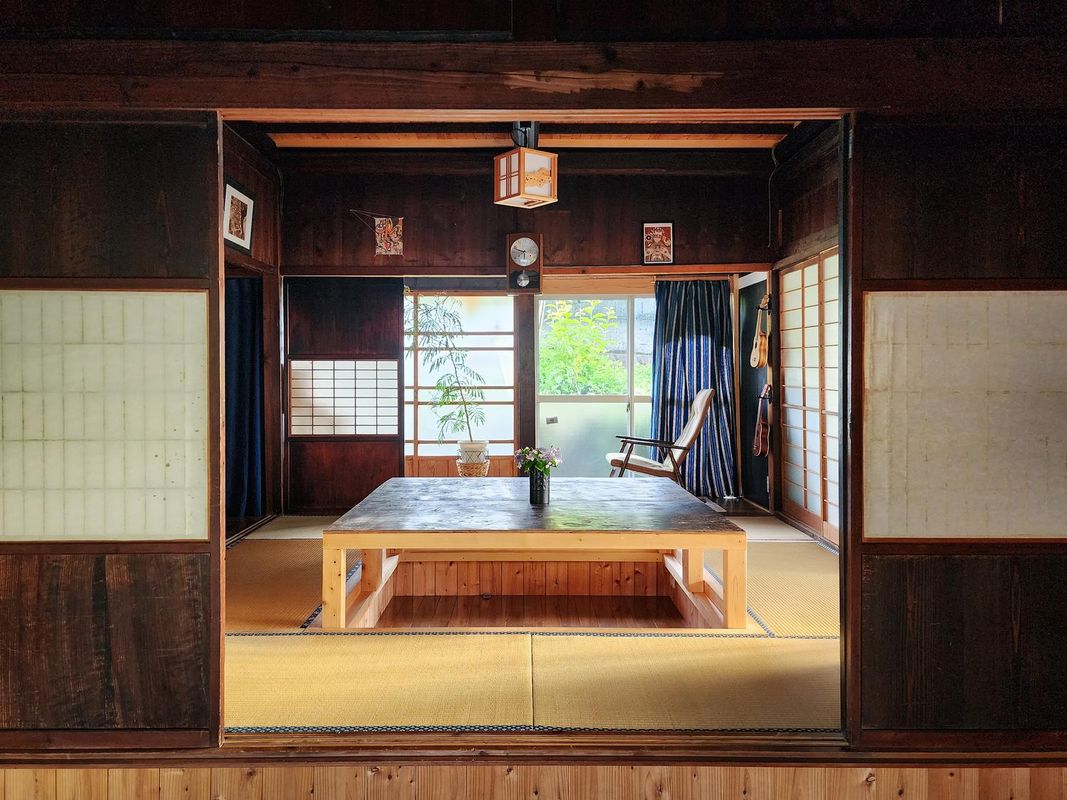
Guesthouse Mikansei
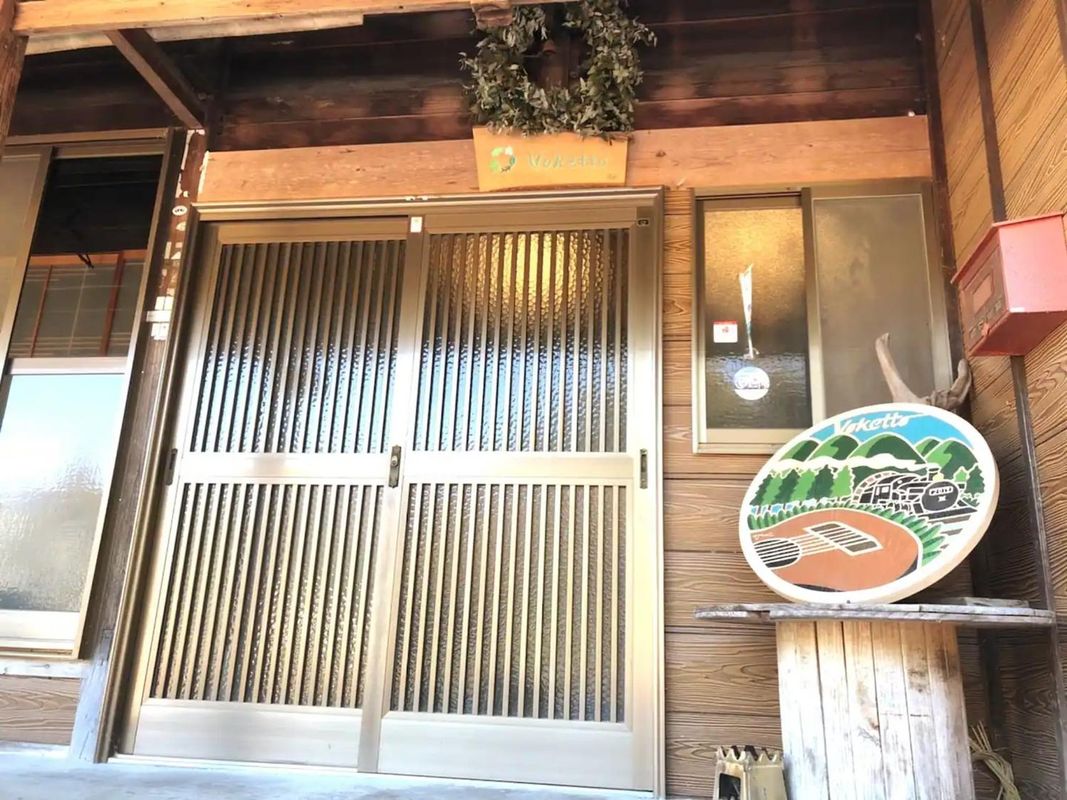
Guesthouse Voketto - Hostel
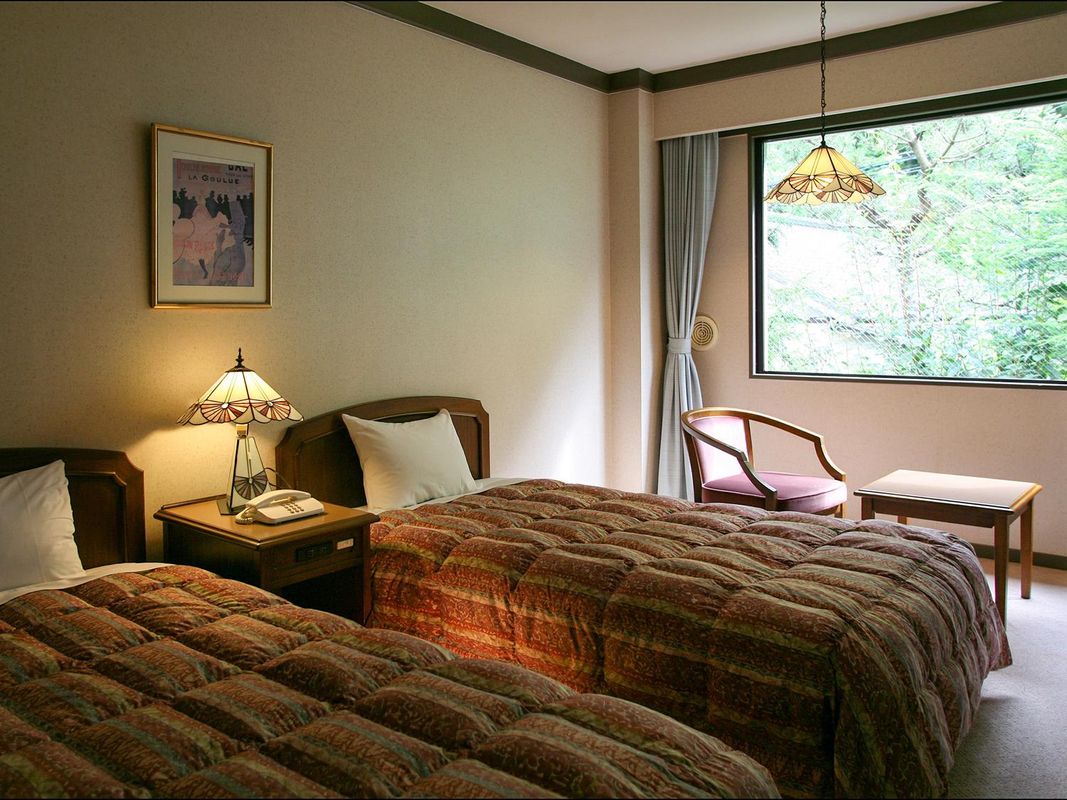
Suikoen
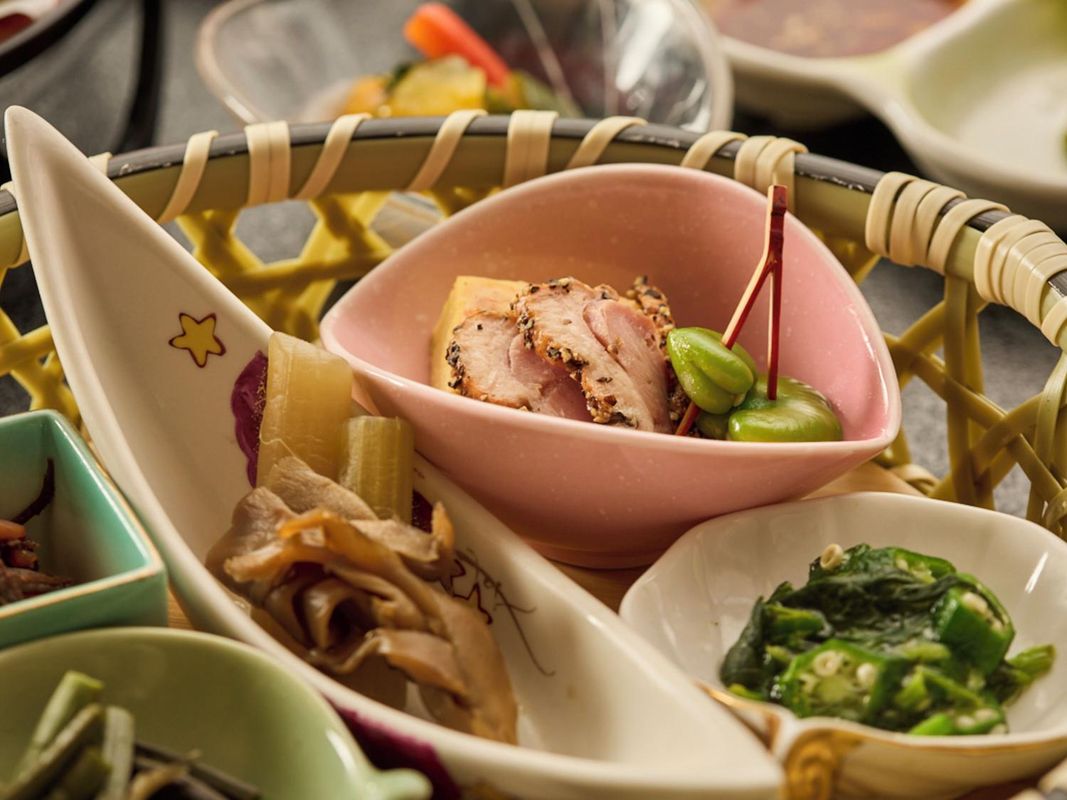
Sumatakyo Onsen Suikoen
Best Hotels in Kawanehon
Discover curated hotel collections in Kawanehon
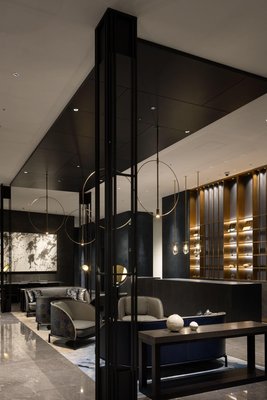
Bellustar Tokyo, A Pan Pacific Hotel

Bvlgari Hotel Tokyo
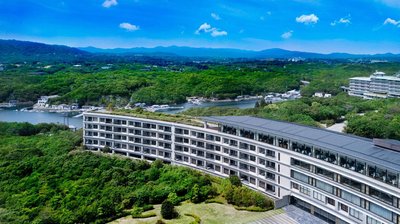
Shima Kanko Hotel the Bay Suites
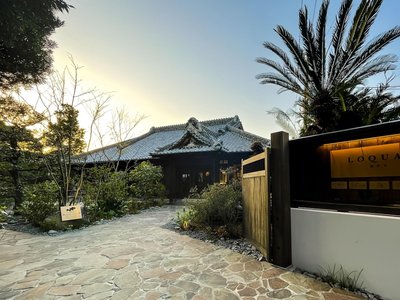
Loquat Nishiizu
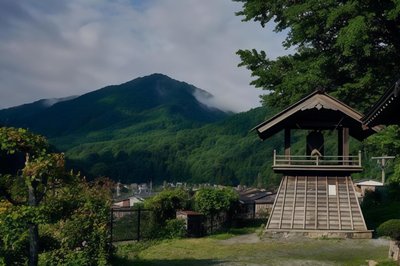
Byaku Narai
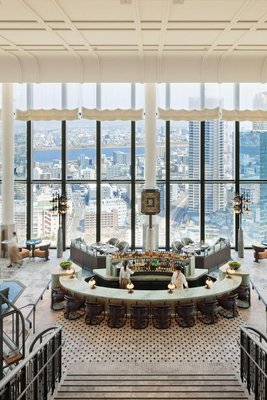
Waldorf Astoria Osaka
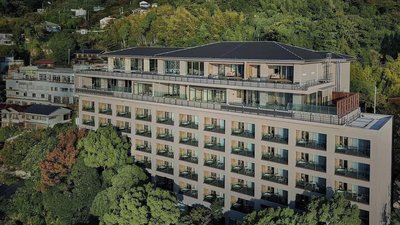
Atami Izusan Karaku
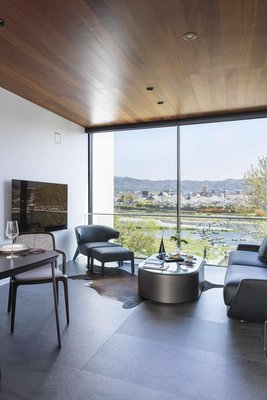
Kamo Residences by Reflections
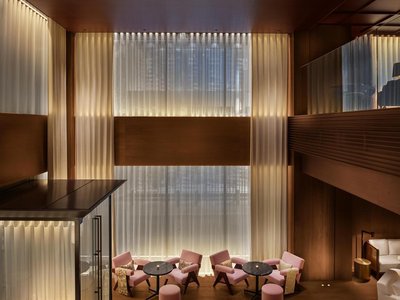
The Tokyo Edition, Ginza

Janu Tokyo
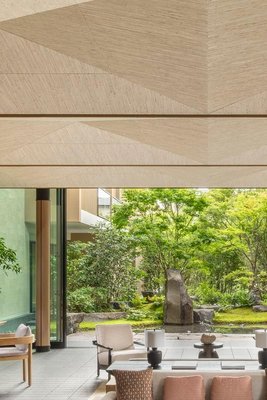
Six Senses Kyoto
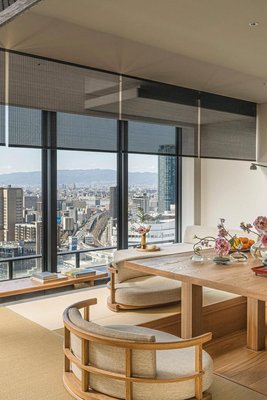
Four Seasons Hotel Osaka
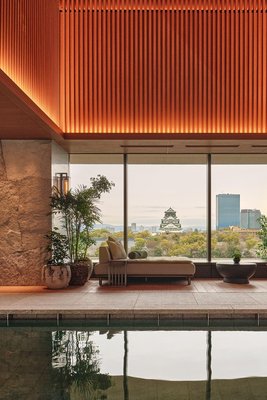
Patina Osaka

The Ritz-Carlton, Osaka
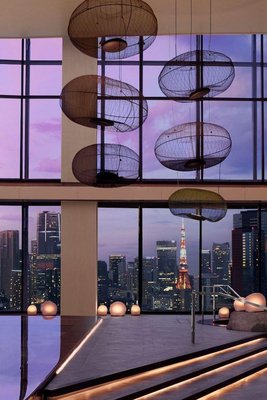
JW Marriott Hotel Tokyo
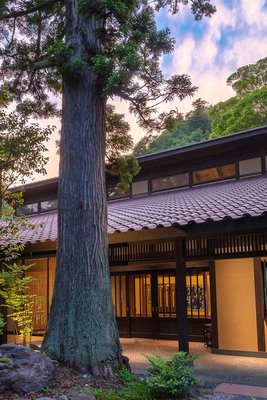
Arimasansoh Goshobessho
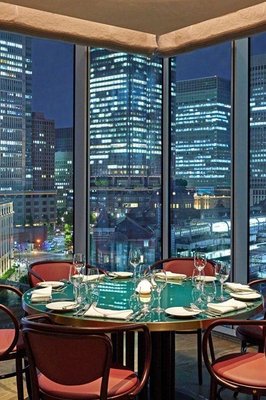
Four Seasons Hotel Tokyo at Marunouchi

Mandarin Oriental, Tokyo
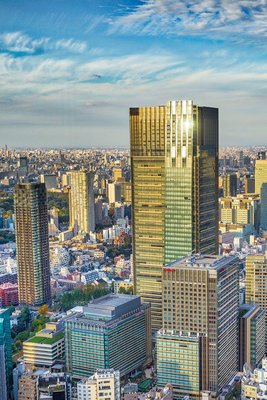
The Ritz-Carlton, Tokyo

Andaz Tokyo Toranomon Hills- A Concept by Hyatt
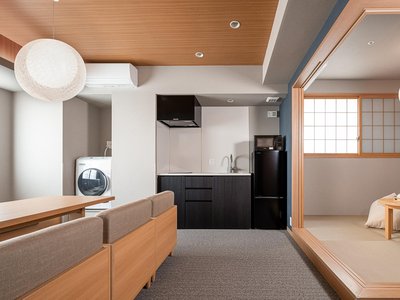
MIMARU SUITES Tokyo Asakusa

Toba International Hotel Shiojitei

Gold Stay Nagoya OSU
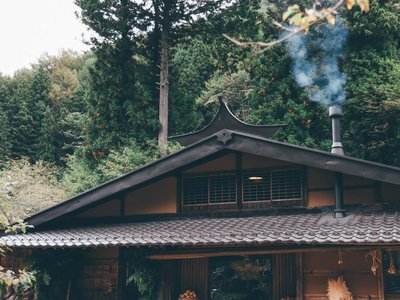
La Terra Resort
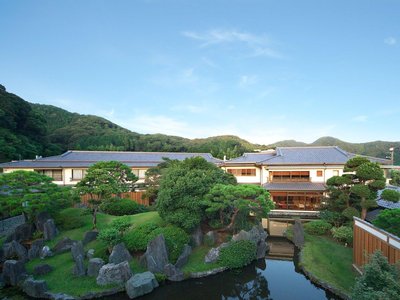
Kagetsutei

karaksa hotel colors Tokyo Yaesu

HOTEL GROOVE SHINJUKU, A PARKROYAL Hotel

GOLD STAY Nagoya Sakae
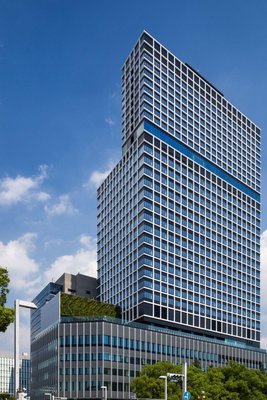
The Royal Park Hotel Iconic Nagoya

Awaumi Fujikawaguchiko Resort
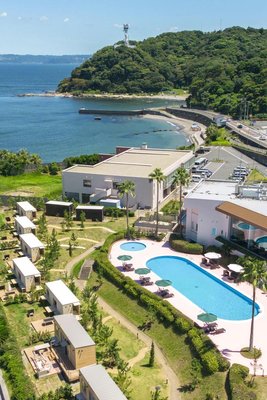
La vista Yokosuka Kannonzaki Terrace
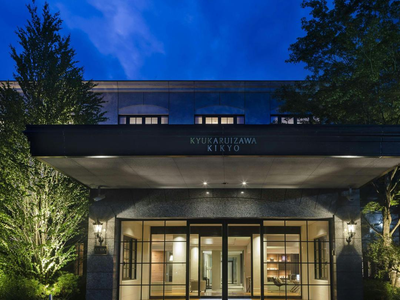
Fufu Karuizawa Wind of Sunshine
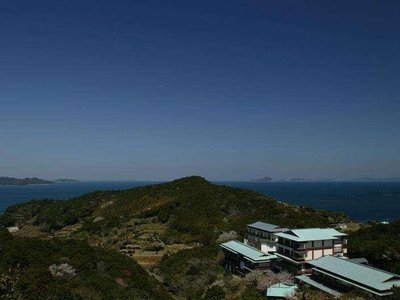
Hanashinsui
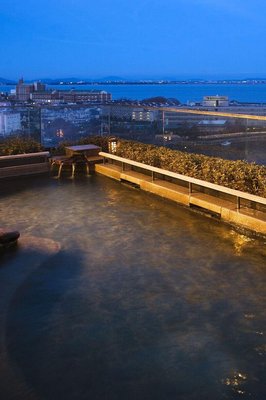
Yumotokan

Scapes the Suite
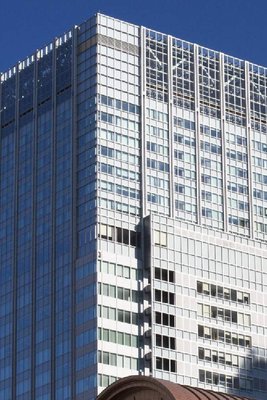
Hotel Metropolitan Tokyo Marunouchi
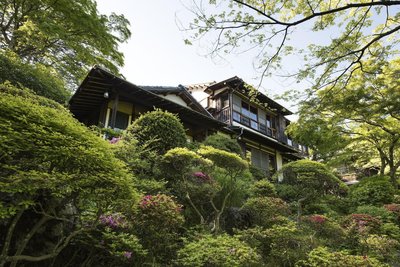
Gora Kansuiro
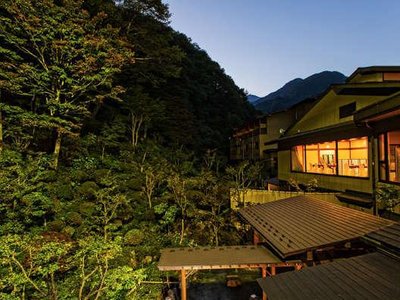
Futari Shizuka

HOTEL KANICHI
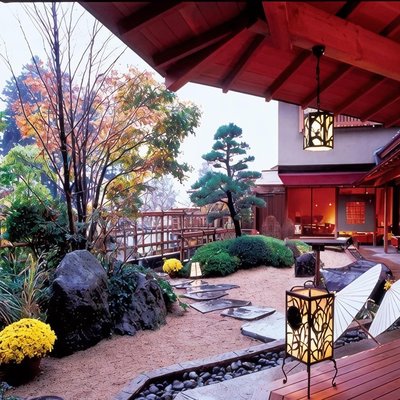
Oyado Tamaki
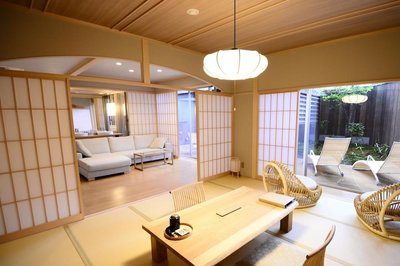
Hakone Gora Byakudan
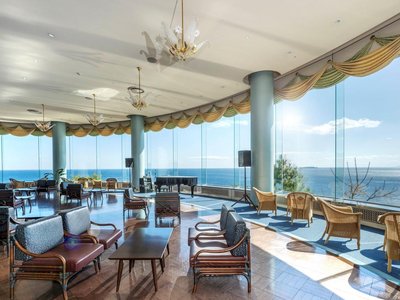
Hotel New Akao

XYZ Private Spa and Seaside Resort
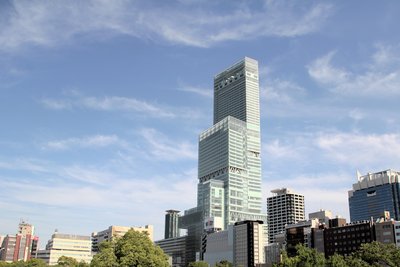
Osaka Marriott Miyako Hotel
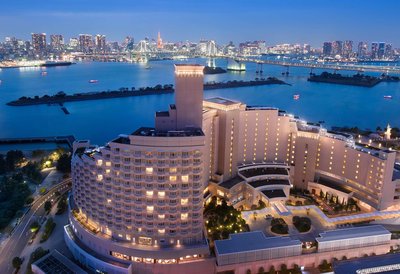
Hilton Tokyo Odaiba
JW Marriott Hotel Tokyo
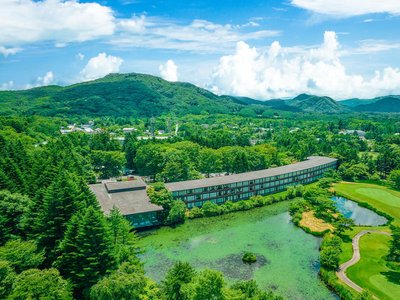
The Prince Karuizawa
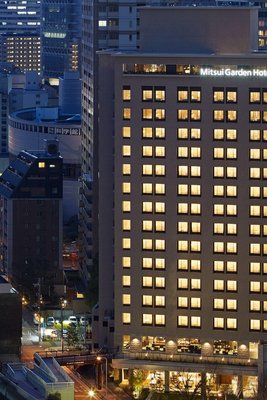
Mitsui Garden Hotel Osaka Premier

Izumigo Hotel Altia Toba
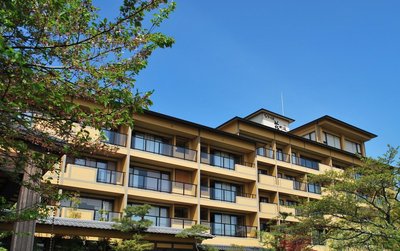
BIWAKO HANAKAIDO
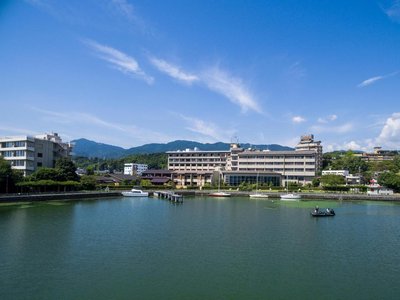
Biwako Ryokusuitei
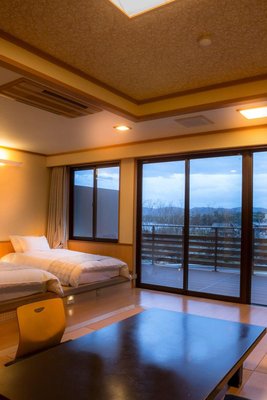
Hotel Kitanoya
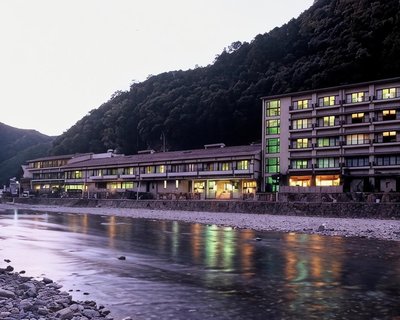
Kawayu Onsen Fujiya

Hotel La Suite Kobe Harborland

The Kukuna
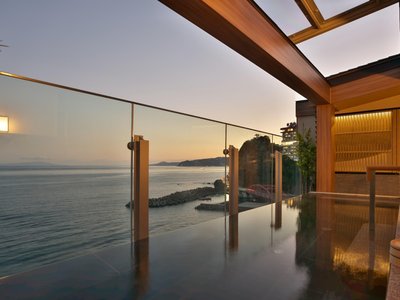
Hotel New Sagamiya
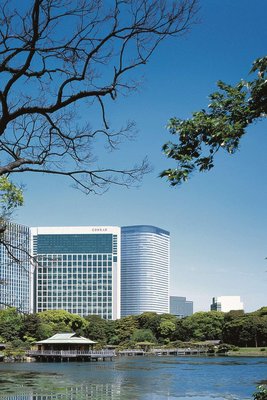
Conrad Tokyo
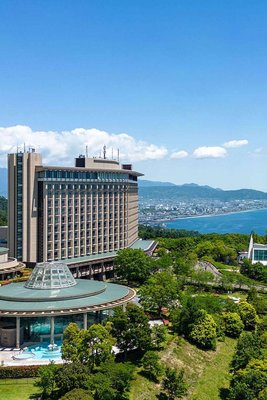
Hilton Odawara Resort & Spa
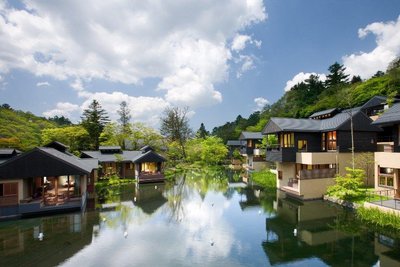
Hoshinoya Karuizawa
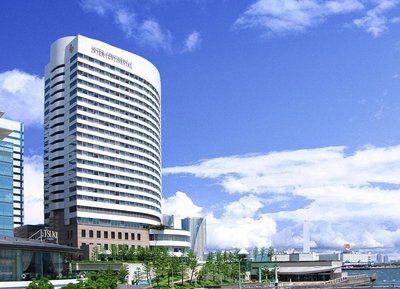
InterContinental Tokyo Bay
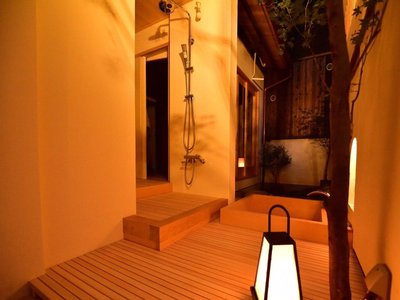
Yado Kiramachi
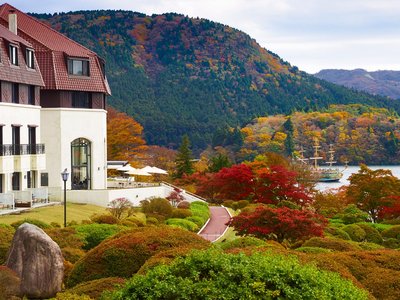
Hotakajyo

Onyado Nono Asakusa Bettei Hot Spring
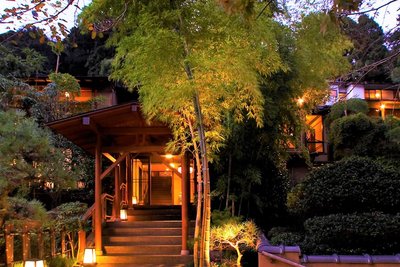
Shiki wo Ajiwau Yado Yamano Chaya
Arimasansoh Goshobessho
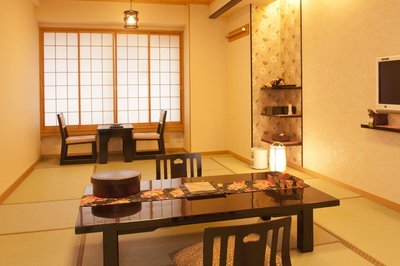
Matsui-Bekkan Hanakanzashi
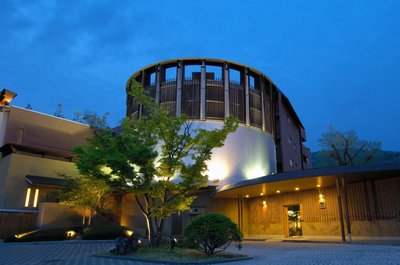
Hoshino Resorts Kai Matsumoto

Taikyourou
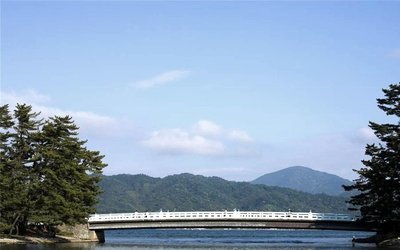
Monjusou Shourotei
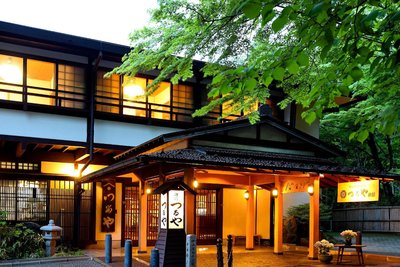
Tsuruya Ryokan
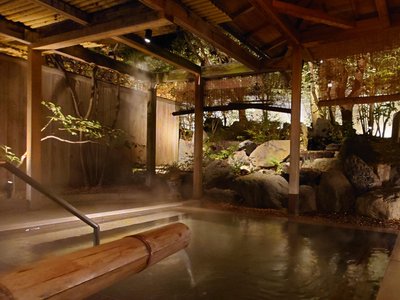
Kasuga Hotel
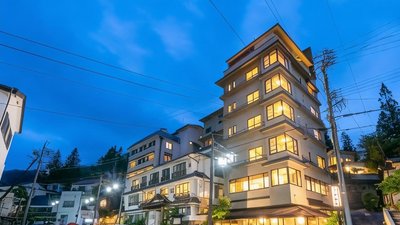
Nakamatsuya Ryokan
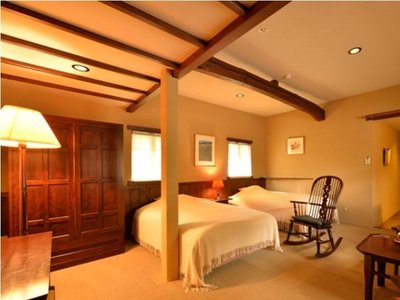
Ryokan Sugimoto
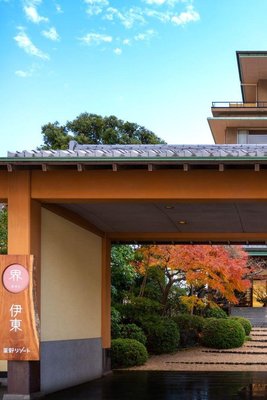
Hoshino Resorts Kai Ito
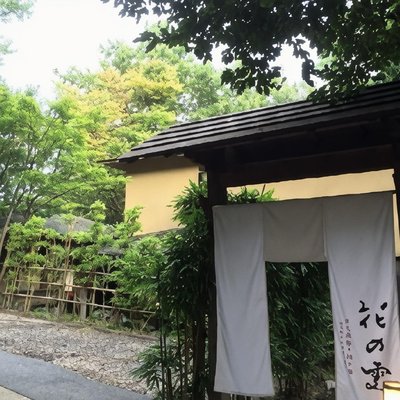
Hana No Kumo
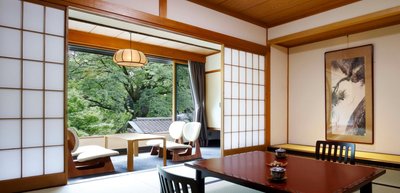
Yoshiike Ryokan
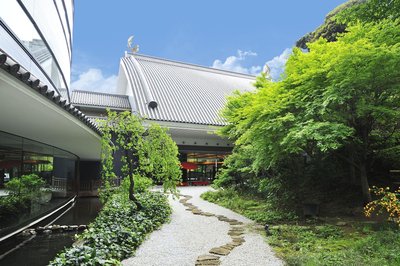
Hotel Gajoen Tokyo
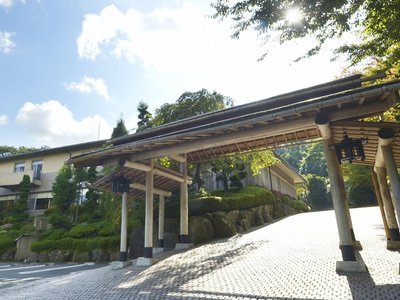
Gora Hanaougi
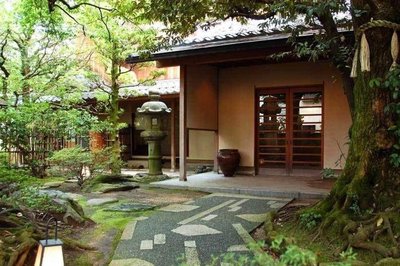
Kocho

Hotel New Wakasa
Bellustar Tokyo, A Pan Pacific Hotel

The Hotel Sanraku Kanazawa 21th December 2022 Open

22 PIECES
The Ritz-Carlton, Osaka
JW Marriott Hotel Tokyo
Andaz Tokyo Toranomon Hills- A Concept by Hyatt

The Thousand Kyoto
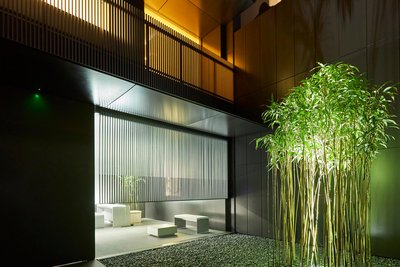
Mogana
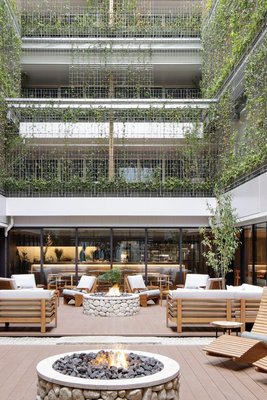
GOOD NATURE HOTEL KYOTO

The Okura Tokyo

The Lively Azabujuban Tokyo

Kimpton Shinjuku Tokyo

Nol Kyoto Sanjo

HOTEL K5
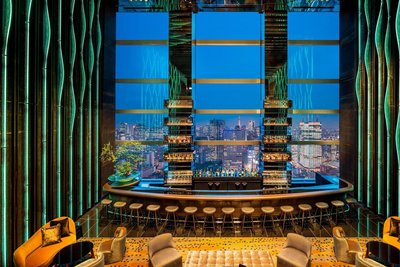
The Prince Gallery Tokyo Kioicho, a Luxury Collection Hotel

Zentis Osaka

Garrya Nijo Castle Kyoto

W Osaka

Hotel Kanra Kyoto

Aloft Osaka Dojima
Hakone Gora Byakudan
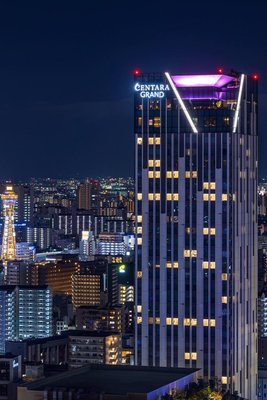
Centara Grand Hotel Osaka
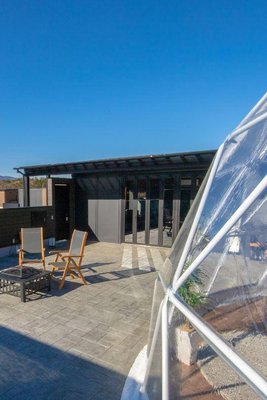
Panoramic Mt. Fuji Views from All Rooms – Vision Glamping Resort & Spa Yamanakako
voco Osaka Central
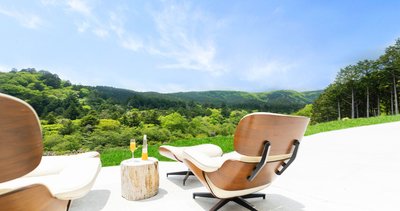
Shelter Garden Nikko
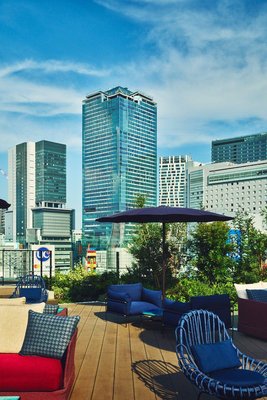
Hotel Indigo Tokyo Shibuya

TIAD, AUTOGRAPH COLLECTION
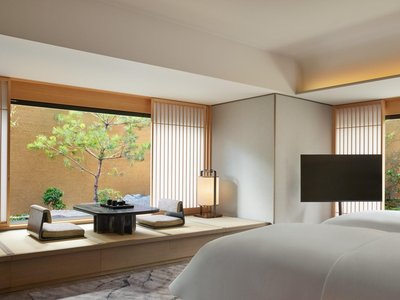
Dusit Thani Kyoto
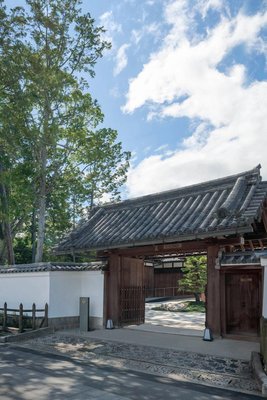
Shisui, a Luxury Collection Hotel, Nara

Hilton Kyoto
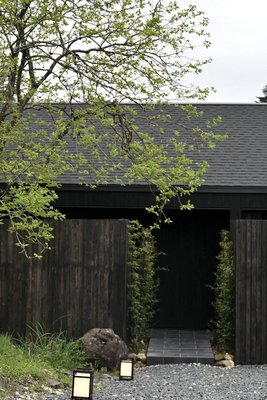
THE LAKOTAN
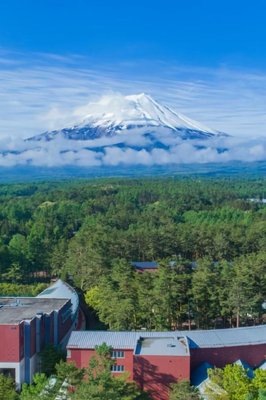
Forest Village (Fuji Premium Resort)

Hotel Toranomon Hills
Osaka Marriott Miyako Hotel
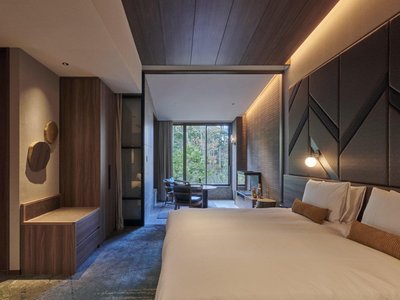
Fufu Kyu-Karuizawa Restful Forest
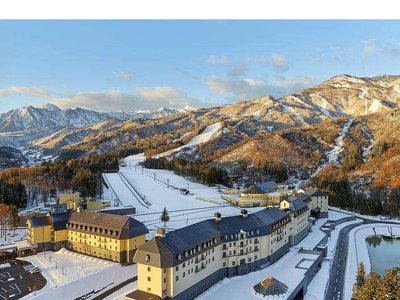
Lotte Arai Resort
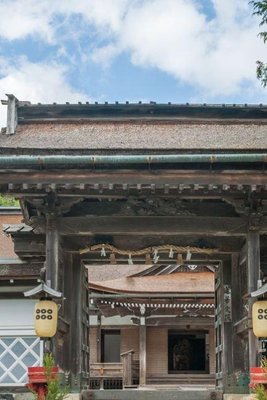
Koyasan Rengejoin
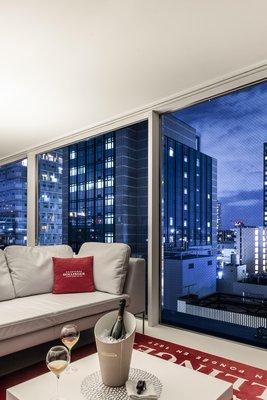
CUVÉE J2 HOTEL OSAKA by Onko Chishin

Sengokubara Cocon
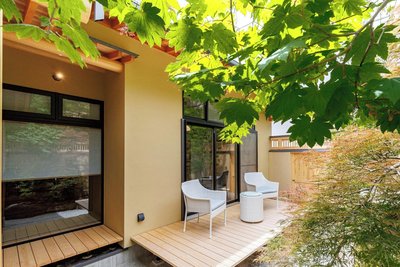
Shoraiso
Bvlgari Hotel Tokyo
Osaka Marriott Miyako Hotel
The Ritz-Carlton, Osaka
Four Seasons Hotel Tokyo at Marunouchi
Mandarin Oriental, Tokyo
The Ritz-Carlton, Tokyo
Andaz Tokyo Toranomon Hills- A Concept by Hyatt
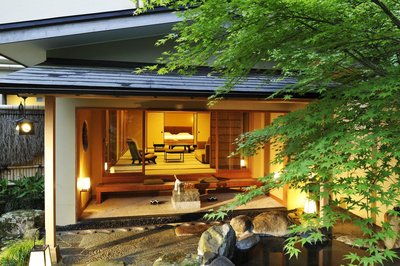
Gora Kadan
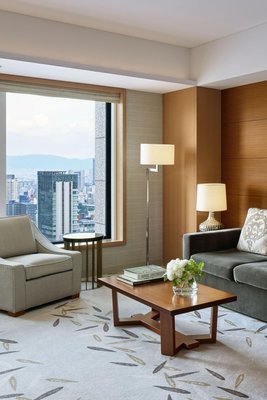
InterContinental Hotel Osaka
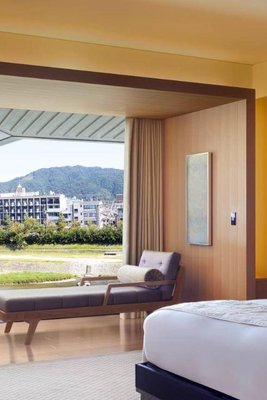
The Ritz-Carlton, Kyoto

Hotel New Otani Tokyo the Main
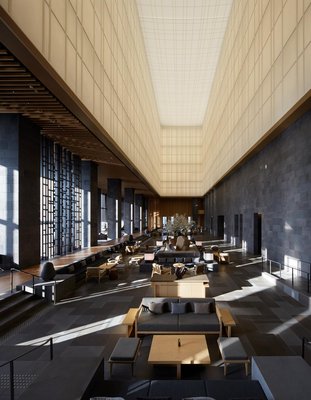
Aman Tokyo
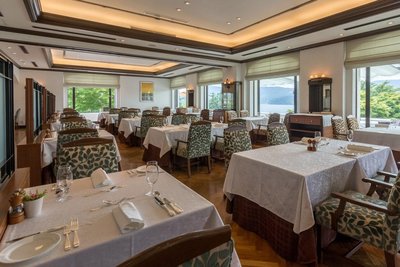
Odakyu Hotel de Yama
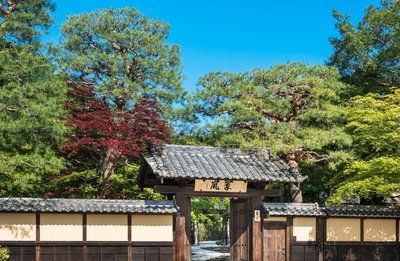
Suiran, a Luxury Collection Hotel, Kyoto
GOOD NATURE HOTEL KYOTO
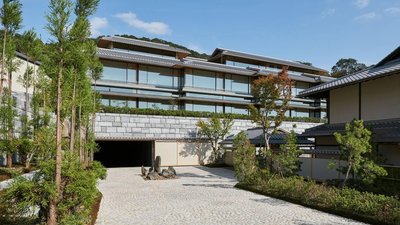
Park Hyatt Kyoto

Four Seasons Hotel Tokyo at Otemachi

The Tokyo Edition, Toranomon

Hyatt Centric Kanazawa
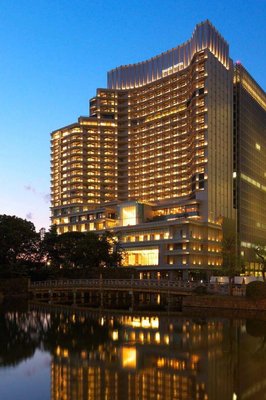
Palace Hotel Tokyo

Rakuten STAY VILLA Nasu
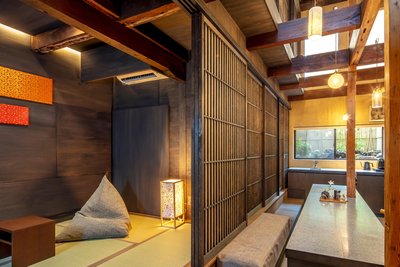
Kyo No Oozora Kihana
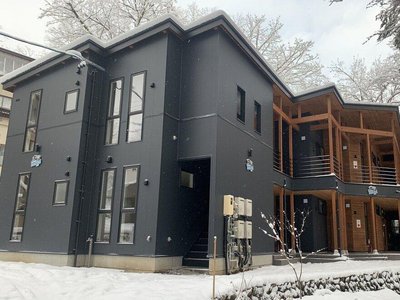
Hakuba Gondola Apartments
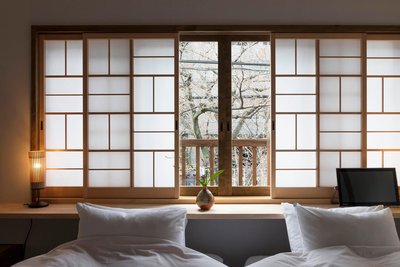
Hanagoromo Machiya House
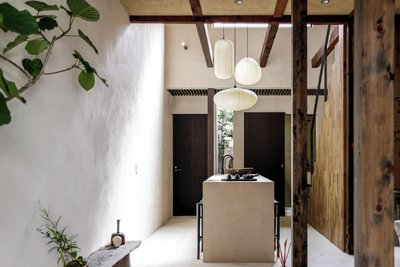
Maana Kiyomizu
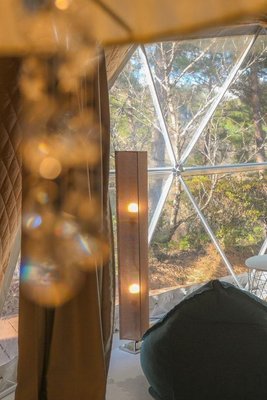
glampark Gekkabijin Nagano
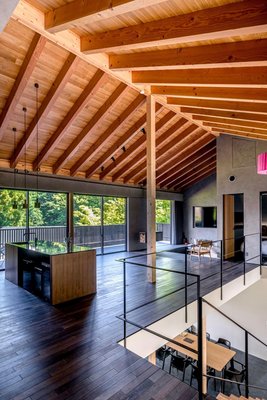
MONS GORA

Phoenix Chalets by Hhg
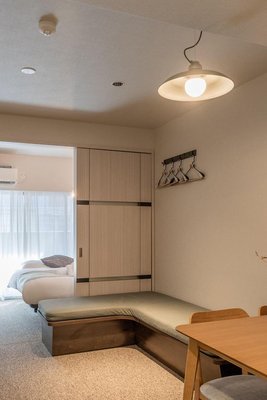
Apartment Hotel 11 Shinsaibashi
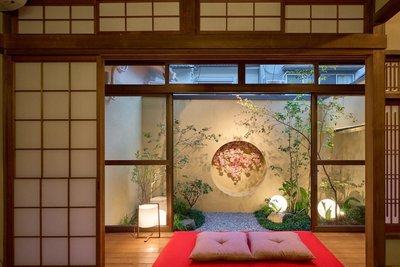
KONJAKUSO Osaka Tengachaya "NIHONCHA" Tea & Relax
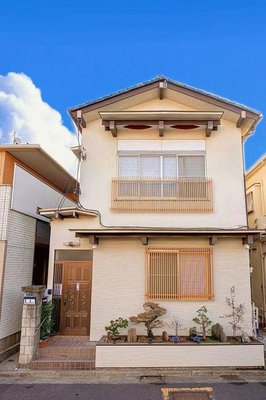
Tokyo Star House-Shinkoiwa
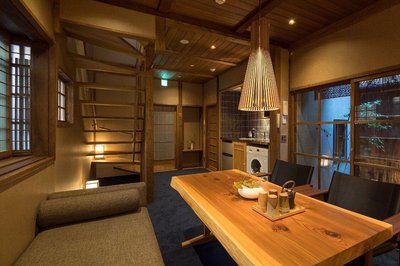
Bonbori an Machiya House
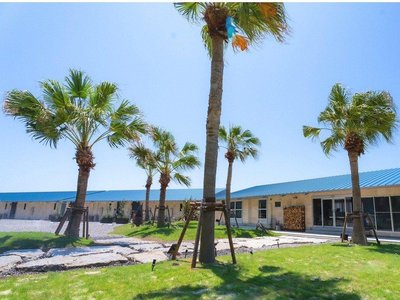
Glamping&Resort Wood Design Park Noma
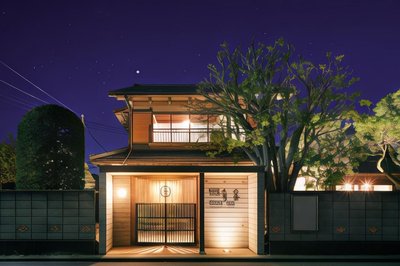
Machi-Jyu
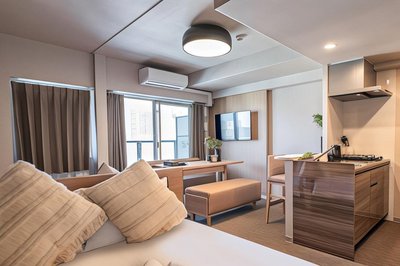
Apartment Hotel 11 Shinsaibashi III
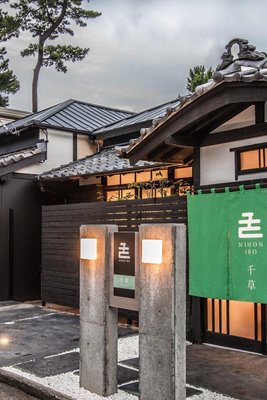
Nihon Iro
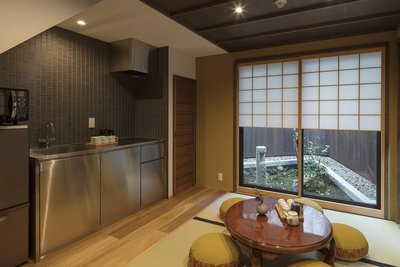
The Machiya Villa Sanjo Shirakawa Koji
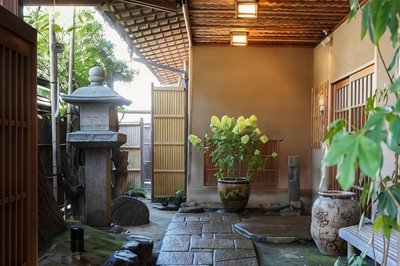
Ryokan Asadaya
Konjaku-So Dotonbori
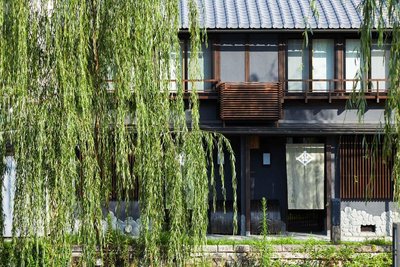
Gion Shirakawa No Yado
Bellustar Tokyo, A Pan Pacific Hotel

Hotel Barrière Fouquet's New York
Bvlgari Hotel Tokyo

Shima Kanko Hotel the Bay Suites
Loquat Nishiizu
Byaku Narai
Waldorf Astoria Osaka
Atami Izusan Karaku
Kamo Residences by Reflections
The Tokyo Edition, Ginza
Janu Tokyo
Six Senses Kyoto
Four Seasons Hotel Osaka
Patina Osaka
The Ritz-Carlton, Osaka
JW Marriott Hotel Tokyo
Arimasansoh Goshobessho
Four Seasons Hotel Tokyo at Marunouchi

The Plaza - A Fairmont Managed Hotel
Mandarin Oriental, Tokyo
Frequently Asked Questions about Traveling to Kawanehon
Questions You Might Need to Know About Traveling to Kawanehon
In Kanbe-machi, the top choice is Kanbe Onsen Yado, a traditional ryokan nestled in the Takagawa Valley. This family-run inn features private outdoor baths overlooking bamboo groves and mountain views, offering serene relaxation. The water comes from natural thermal springs rich in minerals, known for soothing skin and easing fatigue.
Guests can enjoy authentic Japanese meals featuring local ingredients like fresh Shizuoka matcha dishes and seasonal vegetables. Many rooms include tatami mats and sliding shoji screens, providing an immersive cultural experience. The ryokan also offers guided tea-picking tours and on-site matcha workshops, connecting guests to the region’s deep-rooted tea culture.
Located just 10 minutes from the town center, it’s ideal for travelers seeking tranquility and authenticity. Complimentary shuttle services are available to nearby hiking trails and shrines, making it easy to explore this hidden gem of Shizuoka Prefecture.
The best area for accommodation in Kanbe-machi is the Kanbe Onsen District, located along the tranquil Takagawa River. This scenic zone combines access to natural hot springs with proximity to tea fields and forest trails. Staying here allows visitors to enjoy quiet mornings surrounded by misty valleys and lush greenery.
Top-rated lodgings include boutique ryokans like Chajō Kanko and Yamagataya Inn, both offering traditional Japanese design with modern comforts. These properties emphasize sustainability, using locally sourced materials and organic bath products. Many provide free bicycles for exploring the surrounding tea terraces and ancient pathways.
The district is also home to the Kanbe Tourism Information Center, which offers multilingual support and curated walking maps. With minimal light pollution, it’s perfect for stargazing—ideal for couples or families seeking a peaceful, nature-immersed getaway away from urban crowds.
Visitors to Kanbe-machi can participate in rare cultural experiences rooted in its tea heritage. The highlight is the Matcha Craftsmanship Workshop at the Kanbe Tea Industry Hall, where guests learn to hand-pick tea leaves, pan-roast them, and grind them into fine matcha powder under expert guidance.
Another must-do is the Morning Tea Ceremony & Forest Walk, a guided journey through the Thousand-Bamboo Pathway to Oharasama Shrine, where participants perform a brief ritual while reflecting on nature’s rhythm. For those interested in tradition, the annual Tea Festival (March–May) includes live performances of chanoyu (tea ceremony), artisan markets, and limited-edition matcha desserts.
Evenings feature Zen Meditation Sessions at select ryokans, combining breathing exercises with mindful observation of the surrounding landscape. These activities reflect Kanbe-machi’s philosophy of harmony between people, nature, and time—a true immersion into Japan’s spiritual traditions.
Kanbe-machi’s hot springs are renowned for their mild alkaline single-mineral water, naturally sourced from deep underground aquifers. The water is soft, clear, and gentle on sensitive skin—ideal for long-term wellness and stress relief.
The most celebrated spring is located at Kanbe Onsen Yado, where private open-air baths overlook the Takagawa Valley and dense bamboo forests. The temperature averages 42°C (108°F), enriched with calcium and magnesium, promoting circulation and muscle recovery.
A unique feature is the Matcha Bath Experience, offered at several ryokans, where finely ground local matcha is added to the bathwater, releasing aromatic compounds believed to enhance mental clarity and relaxation. The springs are part of a protected ecosystem, with strict conservation policies ensuring sustainable use. Visitors can learn about this preservation effort at the on-site Hot Spring Museum, which displays geological data and historical records of the region’s thermal activity.
Photography enthusiasts will love Takagawa Valley at dawn, when mist floats above the river, creating mirror-like reflections of trees and sky—perfect for long-exposure shots. The Thousand-Bamboo Pathway offers dramatic vertical lines and shifting light patterns, ideal for abstract and minimalist compositions.
During autumn, the terraced tea fields transform into golden-green canvases, especially after rainfall when the air is hazy and colors more vivid. The Oharasama Shrine’s torii gate, framed by ancient cedars, becomes a striking silhouette against early morning sun.
For night photography, visit during the Firefly Night Event (June–August), where thousands of fireflies glow beneath the canopy—capture them using a tripod and low shutter speed. Some ryokans offer free photography guides and rental equipment, including wide-angle lenses and filters. Early arrival is key: sunrise and twilight yield the most magical moments.
Must-try dishes in Kanbe-machi include Matcha Mochi, made with freshly ground local matcha and sweet red bean paste, available at Chaoya Furusato. Its rich flavor and delicate texture make it a favorite among visitors.
Another highlight is Matcha Tofu Hot Pot, prepared with mineral-rich mountain water and infused with matcha broth, served with tender tofu and seasonal vegetables. It’s light yet deeply satisfying, showcasing the region’s culinary balance.
Don’t miss Kanbe Tea Pancakes, a local specialty topped with matcha syrup and fresh strawberries. They’re often enjoyed at roadside cafes during the Tea Festival. For souvenirs, try handcrafted matcha chocolates and tea-infused rice crackers sold at the monthly Artisan Market.
All ingredients are sourced from nearby farms, emphasizing freshness and sustainability. Many restaurants offer tasting menus that showcase the full spectrum of matcha—from savory to dessert—making it a true gastronomic journey.
Couples visiting Kanbe-machi will find unforgettable experiences at boutique ryokans like Kanbe Love Villa. Each room features a private outdoor onsen facing the bamboo forest, with custom lighting and ambient music for intimate evenings.
The "Two-Person Matcha Ceremony Night" includes a personalized tea ritual, a candlelit dinner featuring seasonal matcha-infused dishes, and a handwritten love letter delivered by staff. Guests can also book a morning forest walk together, hand-in-hand through the dew-covered path leading to Oharasama Shrine.
Some villas offer fireplace-equipped rooms with futons and heated floors, perfect for winter stays. In summer, there’s a secluded garden terrace with star-gazing tools. Staff go beyond expectations—arranging surprise rose petal paths or arranging a private picnic under cherry blossoms. These thoughtful touches turn a simple stay into a cherished memory.
Yes, Kanbe-machi is highly suitable for self-drivers. From Tokyo, take the Tomei Expressway then transfer to the Izu Expressway, reaching Kanbe in about 2.5 hours. The town has well-marked roads with ample parking at hotels, temples, and trailheads.
Self-driving allows easy access to remote spots like Takagawa Gorge Trail, hidden tea houses, and off-the-beaten-path shrines not reachable by public transit. Many ryokans offer free parking and bicycle rentals, enabling exploration along scenic tea-circuit routes.
For convenience, download the Kanbe Town Tour Guide App, which provides real-time navigation, audio commentary in multiple languages, and alerts for seasonal events. While public buses connect major points, driving gives flexibility and privacy—ideal for couples, families, or solo travelers wanting to explore at their own pace.
Kanbe-machi hosts vibrant seasonal events throughout the year. In spring (March–May), the Tea Festival features tea-picking contests, live chanoyu demonstrations, and matcha-themed treats. Summer (June–August) brings the Firefly Night Walk, where guided tours through the Takagawa Valley allow visitors to witness thousands of glowing insects.
During autumn (September–November), the Autumn Leaf Tea Tour invites guests to hike tea terraces painted in red and gold hues. Winter (December–February) offers the Snow-Covered Tea House Experience, where guests sip steaming matcha amid snow-dusted gardens.
Monthly, the Artisan Market showcases handmade pottery, textiles, and tea crafts. All events require advance HopeGoo via the official tourism website. These festivals celebrate the town’s deep connection to nature, tea, and tradition—offering a truly immersive cultural journey.
Kanbe-machi boasts several significant historical sites. The Oharasama Shrine, dating back to the Heian period, is dedicated to Futsunushi-no-Kami, a deity associated with prosperity and protection. Its massive cedar torii gate, carved with names of past artisans, stands as a testament to community craftsmanship.
Nearby, the Kanbe Tea Industry Hall Historic Site was once a Edo-era tea warehouse. Now a museum, it displays antique tea baskets, trade documents, and traditional processing tools, revealing how Kanbe became a key hub in the Eastern tea trade network.
The Takagawa Bridge Ruins preserve Meiji-era stone masonry, complete with inscribed worker names. These remnants offer insight into regional engineering and social history. All sites are accessible via well-signed paths and supported by multilingual audio guides. Visiting these landmarks provides a profound understanding of Kanbe’s identity as a town shaped by tea, faith, and resilience over centuries.
Kawanehon Overview
City Summary
Kawanehoncho in Shizuoka Prefecture, Japan, is the source of the Oi River, known as "Japan's last clear stream". Famous for its pristine nature and traditional onsen culture, it offers dense forests and crystal-clear rivers as an ideal escape from urban life. Key attractions include hidden hot springs, century-old cedar forests, and the unique Oigawa Railway heritage, showcasing rural Japan's tranquility.
Must-See Attractions
Must-see spots: SL Steam Train on Oigawa Railway through scenic gorges; Sumatakyo Onsen with open-air baths and suspension bridges; Okuoi Lake Station, a legendary "hidden station". Experience local handicraft workshops or tea ceremonies in Shizuoka's famed tea-growing region.
Food Guide
Try Kawane soba noodles made with mountain spring water, and Oi River ayu fish salt-grilled. Seasonal wild vegetable dishes and matcha desserts are highlights. Stay at ryokans for kaiseki meals paired with local sake "Kawane Dream".
Transportation Guide
Rely on Oigawa Railway and buses (recommend "Oi River Free Pass"). Drive cautiously on mountain roads; some onsens offer shuttle service. From Shizuoka City, take JR Tokaido Line (2hrs transfer). No direct airport access.
Best Time to Visit
Best in spring/autumn (Apr-May cherry blossoms, Oct-Nov foliage). Summer is cooler but rainy; some onsens close in winter. Weekdays are less crowded; train seats fill fast on holidays.
Travel Tips
- Wash thoroughly before entering onsens (no swimsuits)
- Download offline maps for spotty mountain signals
- Book SL trains 1 month ahead
- Carry cash as some eateries don't accept cards
- Respect "no entry" signs in tea fields
- Monitor water levels near rivers
Useful Information
Japanese is primary; basic English at tourist spots. Rent WiFi devices (no signal in mountains). Cash preferred (credit cards only at hotels/large stores). Emergency: call #7119 (Shizuoka Medical Helpline). Post office near town hall closes weekends. Voltage 100V, Type A plugs.









