Hotels in Kawanishi
Discover your perfect stay in Kawanishi.
Kawanishi(Japan) Travel 2026: Cheap Flights, Hotels & Top Attractions
Popular Landmarks in Kawanishi
Discover the most iconic attractions in Kawanishi
Best Hotels in Kawanishi
Discover curated hotel collections in Kawanishi
























































Frequently Asked Questions about Traveling to Kawanishi
Questions You Might Need to Know About Traveling to Kawanishi
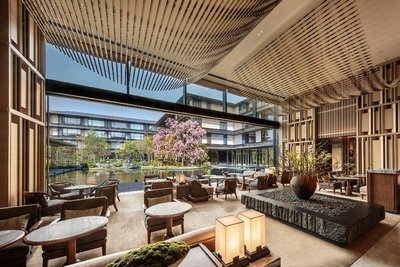
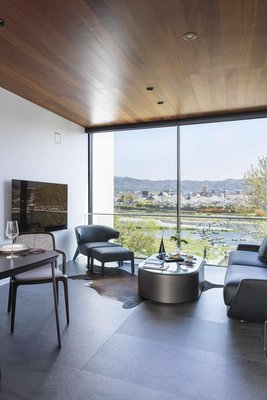
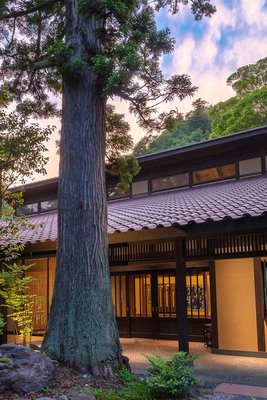
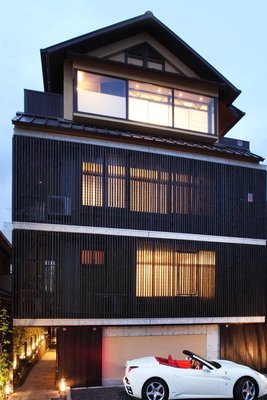
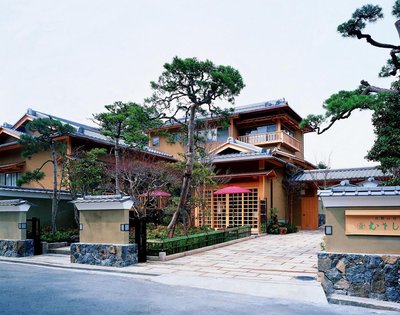
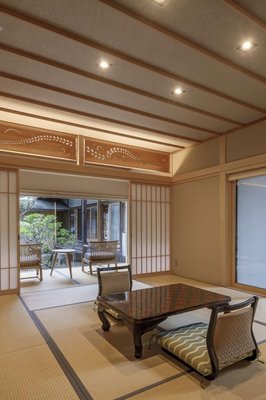
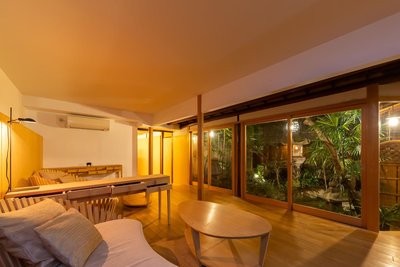
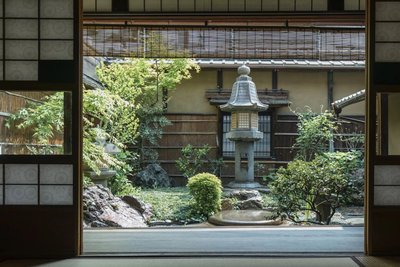
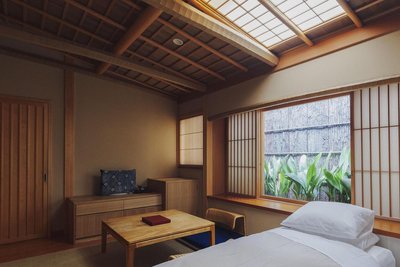
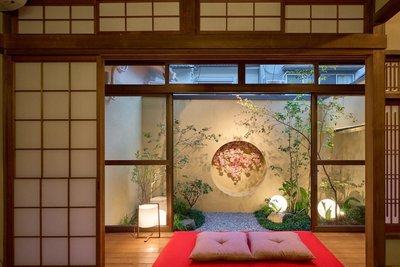
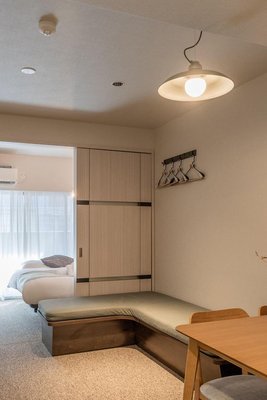
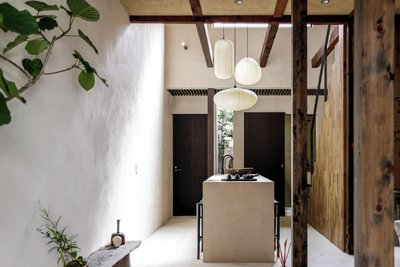
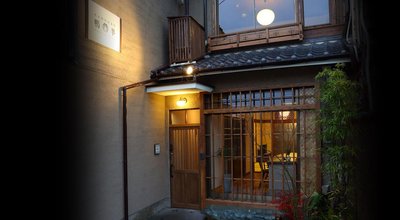
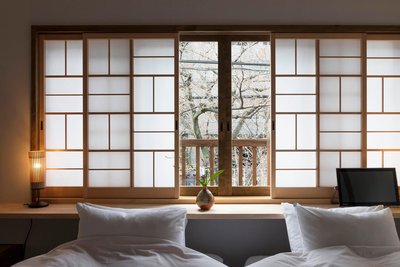
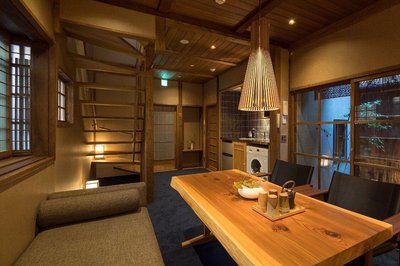
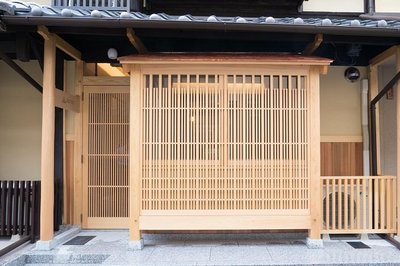
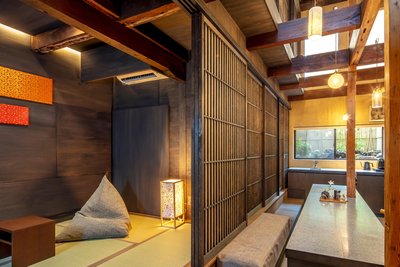
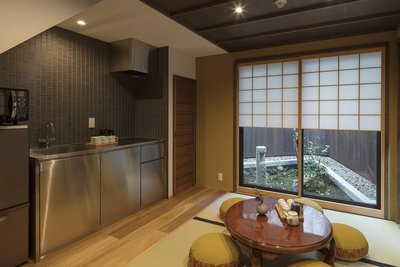
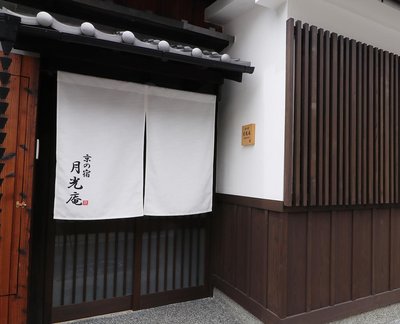
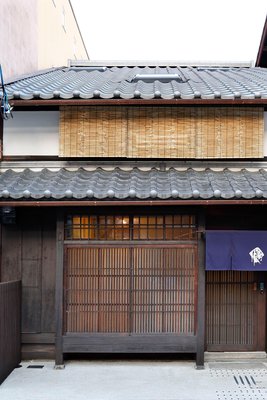
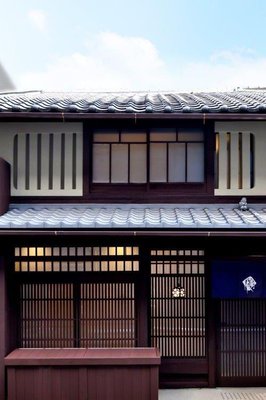
In Kawakami, Nara, the top boutique stay is Yamaichi Izo, a meticulously restored traditional farmhouse with exposed wooden beams and shoji screens. Each room is named after nature elements like "Sakura Garden" or "Deer's Whisper," reflecting the local landscape. The owners offer personalized welcome kits with hand-drawn maps and seasonal treats. Another standout is Bamboo Forest Cabin, nestled in a grove of bamboo, featuring thatched roofs and minimalist interiors. Guests enjoy quiet mornings with tea served on tatami mats and access to private forest trails. Both properties emphasize sustainable design and cultural immersion, making them ideal for travelers seeking authentic, low-impact experiences in rural Japan.
The eastern hillside district of Kawakami offers the most serene countryside accommodations. Surrounded by Nara Prefectural Natural Park, this region features low-density housing and eco-friendly guesthouses like Green Valley House and Yamagata Lodge. These stays provide direct access to hiking trails, rice paddies, and ancient footpaths leading to Kawakami Shrine. With minimal light pollution and gentle morning bird calls, it’s perfect for those seeking digital detox and deep connection with nature. Easy access to Nara City (40 minutes) ensures convenience without sacrificing tranquility—ideal for couples, solo travelers, or wellness seekers.
Visitors to Kawakami can participate in rare traditional washi paper-making workshops at the Kawakami Cultural Hall, where artisans teach the 1,000-year-old method using mulberry bark. Another highlight is the Kawakami Farm Festival, held every spring, featuring rice planting ceremonies, local music, and handmade rice dumplings. At night, the Lantern Procession illuminates old village lanes with paper lanterns, creating a dreamlike atmosphere. These events reflect the town’s commitment to preserving intangible heritage, allowing guests to become part of living traditions rather than passive observers.
Yes, Kawakami Family Resort is the premier family-friendly lodging in the town, offering spacious multi-bedroom cottages with kitchens, outdoor pools, and a kids’ farm where children can interact with friendly deer (non-wild). The resort also hosts themed activities like "Find the Hidden Deer Statues" and seasonal cooking classes using local ingredients. Nearby, Green Valley Kids Stay provides child-safe amenities, including illustrated activity books and handmade souvenirs. Both properties are located within walking distance of nature trails and libraries, ensuring safe, enriching experiences for all ages—perfect for multigenerational travel.
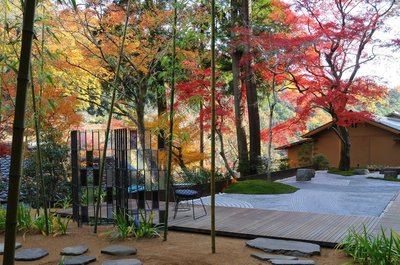
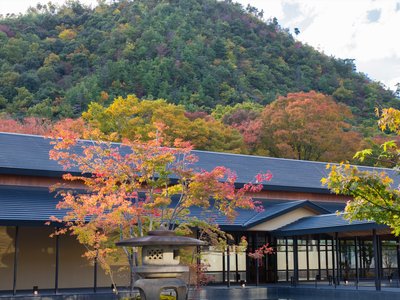
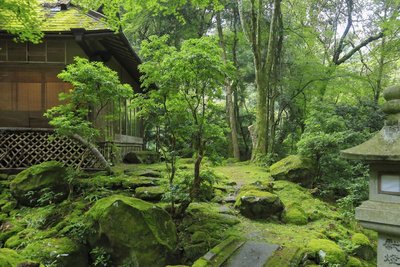
Near Kawakami, must-visit natural sites include Nara Prefectural Natural Park and the Kawakami River Trail. The park boasts diverse ecosystems, with trails ideal for birdwatching and summer firefly viewing. The river trail runs along crystal-clear waters, featuring scenic overlooks and rest platforms perfect for picnics. Look out for carp and egrets along the banks. In autumn, West Mountain Viewpoint transforms into a sea of crimson and gold foliage—renowned among photographers. All areas prioritize ecological preservation, offering immersive, low-impact encounters with pristine Japanese nature.
Tourists in Kawakami should try Kawakami Rice Balls, made from locally grown Nara Koshihikari rice, filled with umeboshi, tuna, and mountain vegetables. Another specialty is Kawakami Tofu, known for its silky texture and served in hot pots or chilled with soy sauce. The town also produces premium persimmons and pears, available during harvest season via pick-your-own farms. Restaurants like Kawakami Dining Hall and Yamano Mise use only pesticide-free ingredients, offering seasonal menus that showcase the true flavor of rural Nara’s culinary soul.
Yes, Kawakami is well-connected even without a car. From Nara Station, take the Kintetsu Bus (40 minutes) to central Kawakami, with multilingual announcements. Free electric shuttle services link major attractions like Kawakami Shrine, the Natural Park entrance, and popular guesthouses. For those preferring public transit, Nara Prefecture Tourist Pass includes discounted bus fares and entry to key sites. Signage is clear, and stations are equipped with English displays. While driving offers flexibility, the reliable network ensures hassle-free exploration—making it easy to enjoy slow travel in a remote yet welcoming community.
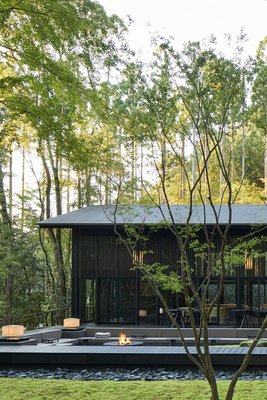
Kawakami’s guesthouses stand out for their deep integration with local culture and environment. Yamaichi Izo repurposes an old farmhouse with original woodwork and paper sliding doors, offering rooms named after natural sounds. The hosts share stories of the region’s history and guide guests through seasonal rituals. Bamboo Forest Cabin blends modern comfort with traditional materials—thatched roofs, tatami floors, and natural lighting. Some guesthouses host night sky tours and morning tai chi sessions, fostering mindfulness. All emphasize sustainability, using solar power and local crafts. These aren’t just places to sleep—they’re immersive spaces where travelers become part of the village’s rhythm.
Top photography locations in Kawakami include Kawakami River Embankment at Sunset, where golden light reflects off the water beneath willow trees; Ancient Pathway to Shinto Shrine, lined with towering cedars casting dramatic shadows; and West Mountain Viewpoint in Autumn, offering panoramic views of fiery red and amber foliage. The lantern-lit village alleys during the evening festival create magical, cinematic scenes. Early morning mist over rice paddies and the foggy forest paths add ethereal beauty. Bring a telephoto lens and tripod—these moments require patience and timing, but reward photographers with timeless images of Japan’s quiet soul.
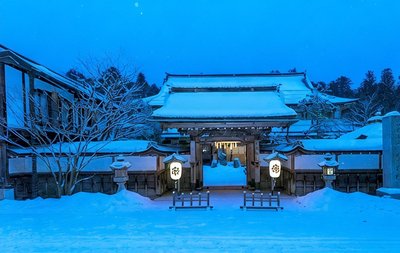
The peak HopeGoo seasons in Kawakami are spring (March–May) and autumn (October–November). Spring brings cherry blossoms and the Farm Festival, drawing families and photographers. Autumn sees stunning foliage at West Mountain Viewpoint, making it a hotspot for domestic and international visitors. Events like the Mountain God Festival (September) also spike demand. Book at least 6 weeks in advance, especially during Golden Week and Obon. Off-season visits (December–February) offer quieter stays, snow-covered landscapes, and stargazing opportunities—ideal for those seeking solitude and unique winter charm.
Kawanishi Overview
City Summary
Kawanishi Town, located in the northern part of Nara Prefecture, Japan, is a charming rural town known for its traditional agriculture and handicrafts. It is particularly famous for its Yamato tea and kakinoha sushi. Visitors can experience authentic Japanese countryside life and enjoy the peaceful atmosphere away from urban hustle.
Must-See Attractions
Key attractions in Kawanishi Town include Daimonji Temple, a Buddhist temple with a thousand-year history, renowned for its unique Mandala Hall. The Kawanishi Town Historical Folk Museum showcases local history and culture. For nature lovers, the hiking trails of Mount Katsuragi offer excellent outdoor experiences.
Food Guide
Kawanishi Town is best known for kakinoha sushi, a type of fermented sushi wrapped in persimmon leaves, offering a unique flavor. The locally produced Yamato tea is also a must-try. Visitors can enjoy fresh vegetable dishes and local chicken dishes at farm restaurants.
Transportation Guide
Transportation in Kawanishi Town mainly relies on buses and taxis. From Nara City or Osaka, visitors can take the Kintetsu train to Daimonji Station and then transfer to a bus to Kawanishi Town. Self-driving is also a good option, with well-maintained roads and convenient parking.
Best Time to Visit
The best times to visit are spring (March to May) and autumn (September to November), when the weather is pleasant for outdoor activities. Spring offers cherry blossoms, while autumn features stunning fall foliage. Summers can be hot, and winters are cold with fewer tourists.
Travel Tips
- Respect local culture; remove shoes when entering temples.
- Shops and restaurants in Kawanishi Town have short operating hours, so plan meals in advance.
- Be cautious on narrow rural roads if driving.
- Try interacting with local farmers, who are often happy to share their farming experiences.
- Carry cash, as some small shops do not accept credit cards.
- Strict garbage separation rules; follow local guidelines.
Useful Information
Language-wise, Japanese is primarily spoken in Kawanishi Town, with limited English proficiency, so a translation app is recommended. Network coverage is good, but some rural areas may have weak signals. Cash is the main payment method, though some larger stores accept credit cards. For medical emergencies, the nearest hospital is in neighboring Katsuragi City; travel insurance is advisable.