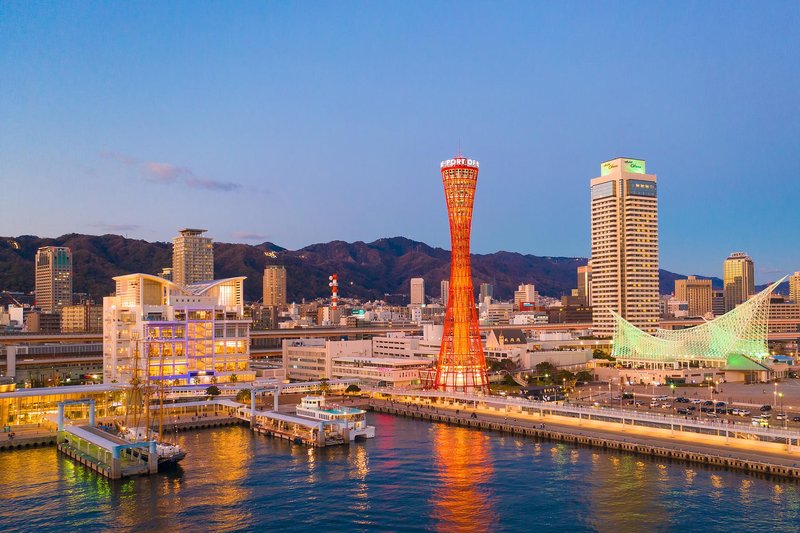
Hotels in Kawara
Discover your perfect stay in Kawara.
Kawara(Japan) Travel 2026: Cheap Flights, Hotels & Top Attractions
Popular Landmarks in Kawara
Discover the most iconic attractions in Kawara
Best Hotels in Kawara
Discover curated hotel collections in Kawara
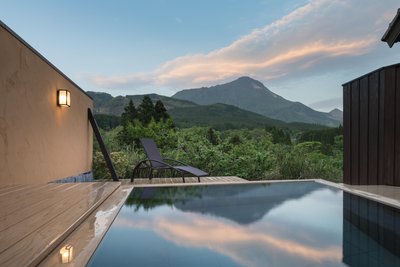
Ikkoten
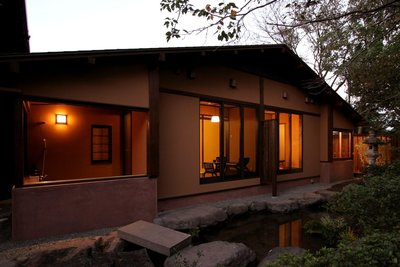
SEKIYA RESORT Bettei Haruki
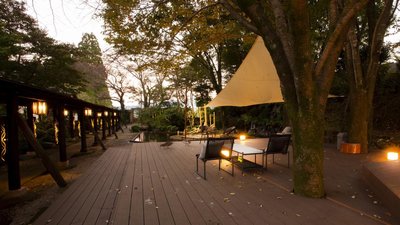
Chikurakutei

The Royal Park Canvas Fukuoka Nakasu
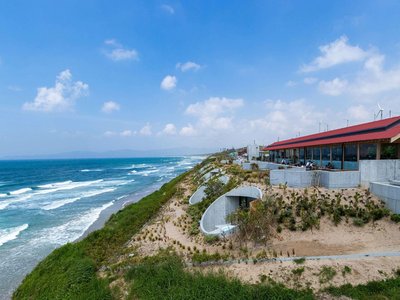
Izumo Hotel the Cliff
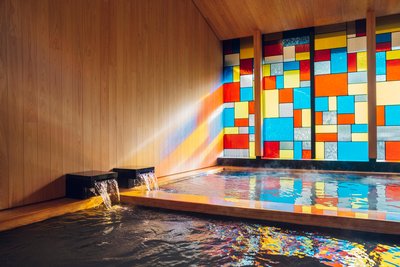
Hoshino Resorts Kai Unzen

Alfacio Resort Stay Itoshima

Ureshino Yadoya

seven x seven itoshima
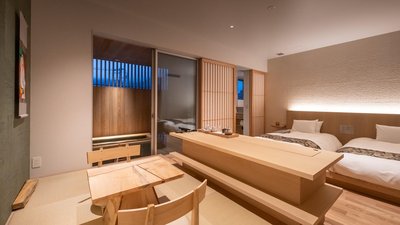
Japanese Auberge Kararako
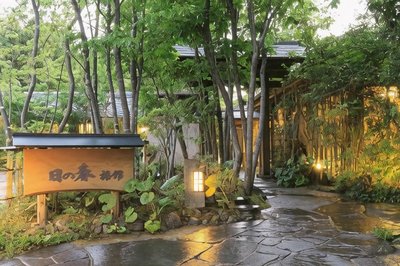
Yufuin Onsen Hinoharu Ryokan
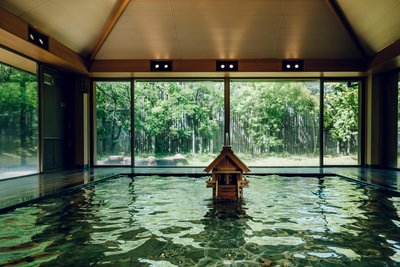
Hoshino Resorts KAI Tamatsukuri
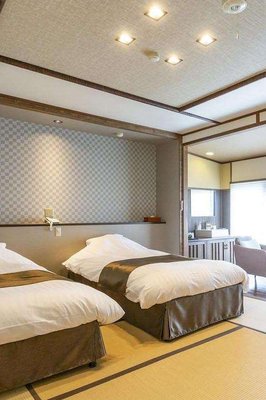
Sozankyo
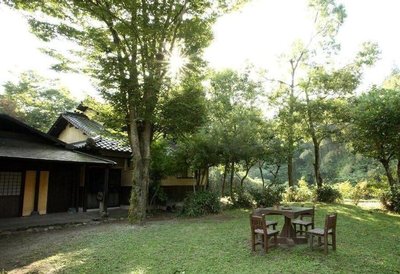
Yamashinobu
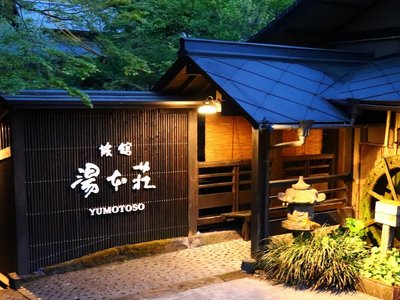
Ryokan Yumotosou
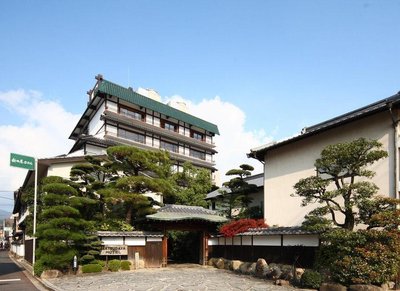
Matsudaya Hotel
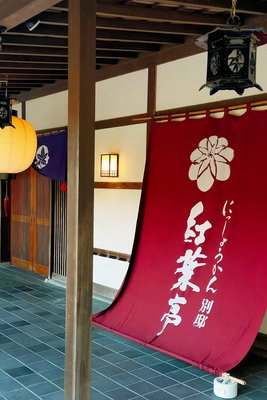
Nisshokan Bettei Koyotei
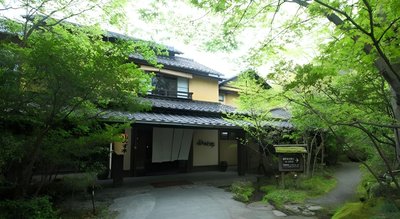
Kurokawaonsen Yamamizuki
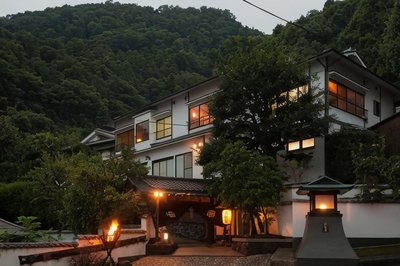
Beppu Showaen
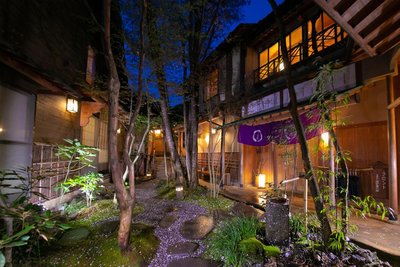
Oyado Ichizen

Garden Terrace Nagasaki Hotel & Resort

Holiday Inn Resort Miyazaki
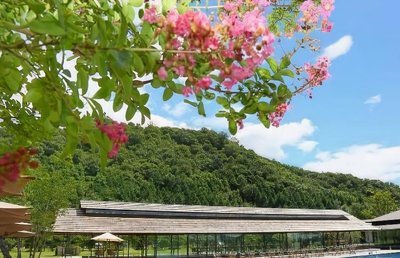
Bella Vista Spa and Marina Onomichi

Yufuin Kotobuki Hananosho
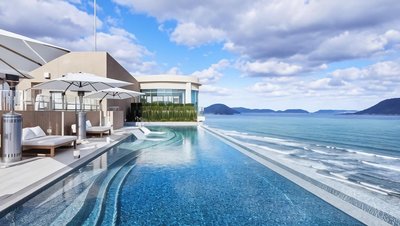
Karatsu Seaside Hotel
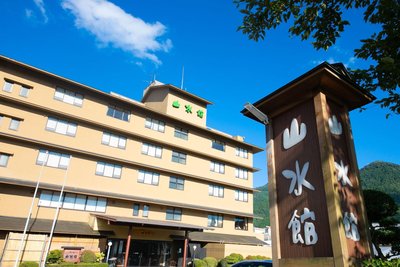
Yufuin Sansuikan
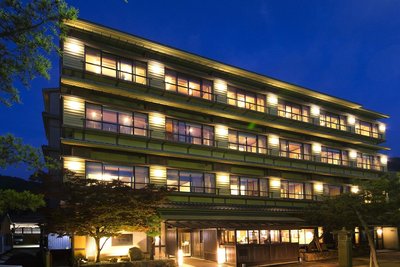
Kinsuikan
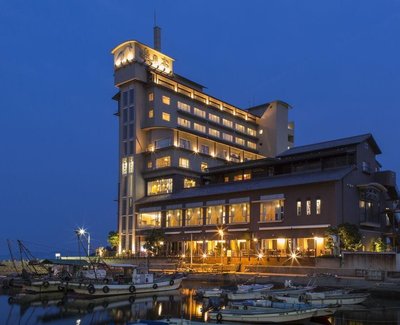
Hotel Ofutei
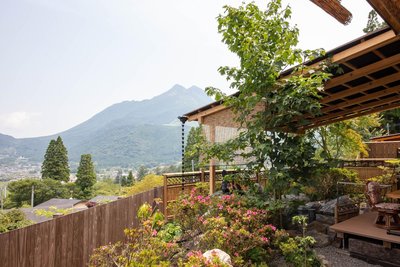
Yufuin-Sanso Waremokou
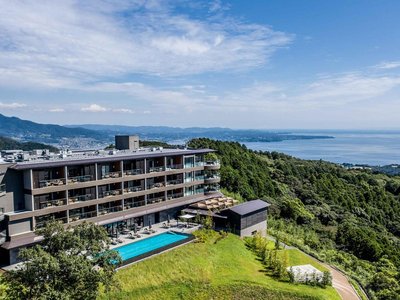
Ana InterContinental Beppu Resort & Spa
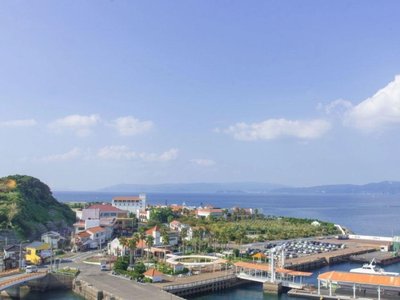
I+Land Nagasaki

The OneFive Villa Fukuoka
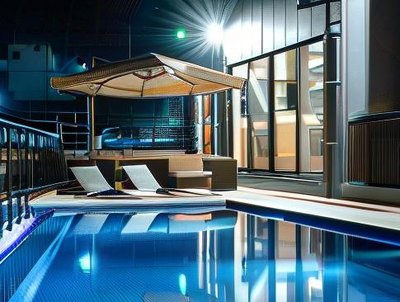
LiVEMAX RESORT MIYAHAMA ONSEN OCEAN
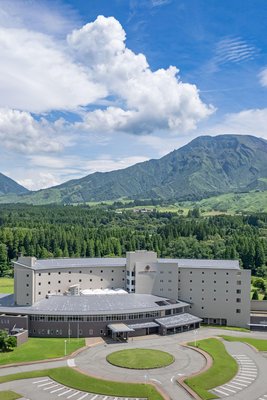
KAMENOI HOTEL ASO
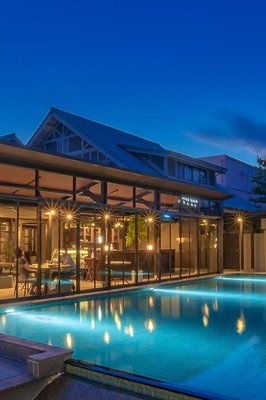
Amane Resort Gahama
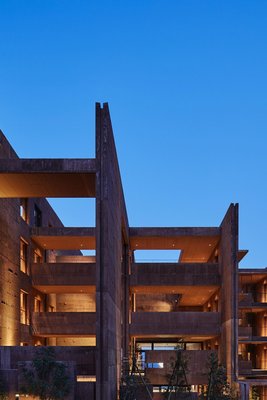
SEKIYA RESORT GALLERIA MIDOBARU

Beppu Suginoi Hotel

Phoenix Seagaia Ocean Tower
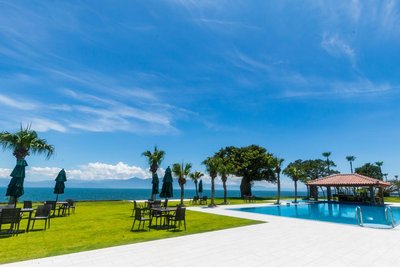
Kagoshima Sunamushi Onsen Ibusuki Hakusuikan
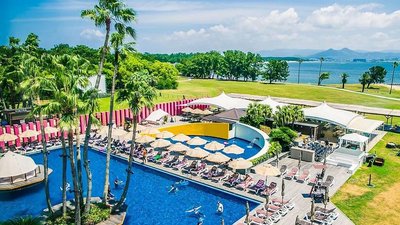
The Luigans Spa and Resort
Hoshino Resorts KAI Tamatsukuri
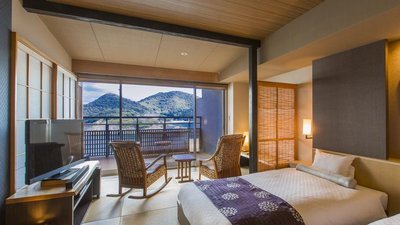
Migiwatei Ochi Kochi
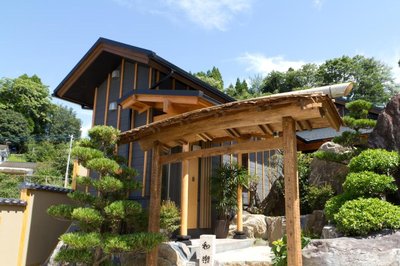
Ryokan Shinsen
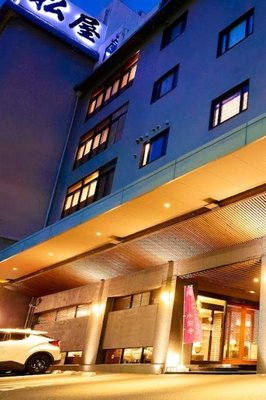
Ryotei Matsuya Honkan Suizenji
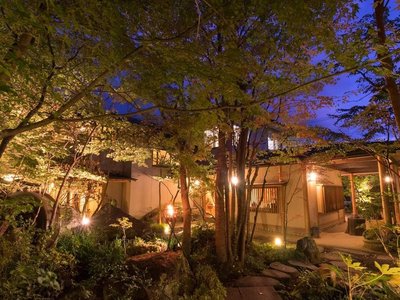
Ryoso Yufuin Yamadaya
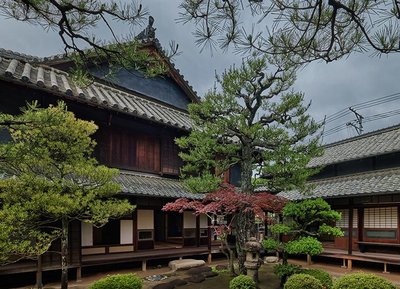
NIPPONIA HOTEL Takehara Saltworks Town
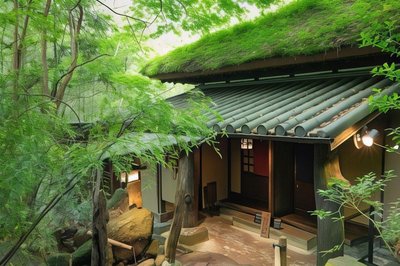
Sanso Tensui
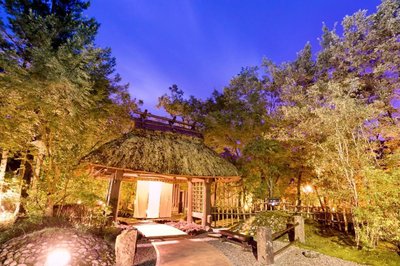
Satonoyu Waraku
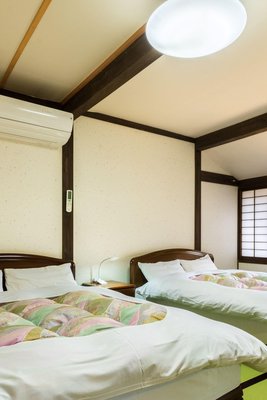
Tobise Onsen Tenga Sanso
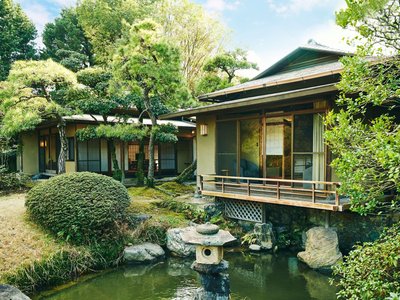
Suisui Garden Ryokan (in the Art Hotel Kokura New Tagawa)
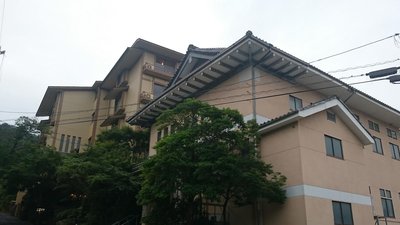
Miyajima Hotel Makoto
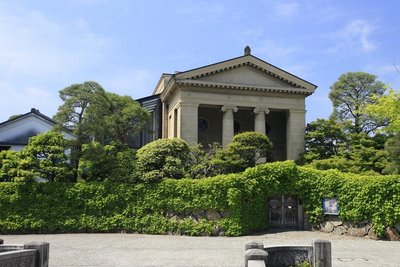
Ryori Ryokan Tsurugata
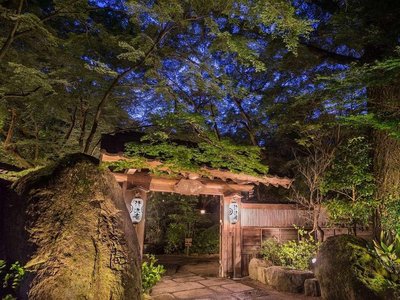
Akizuki Spa Ryokan Seiryuan
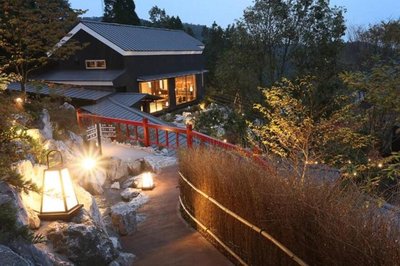
Gekkoju Kurokawa
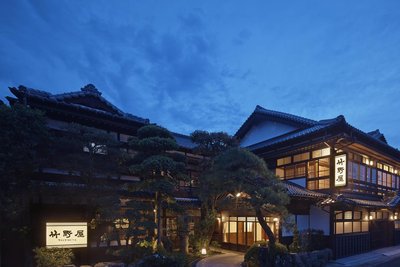
Takenoya

Sheraton Kagoshima
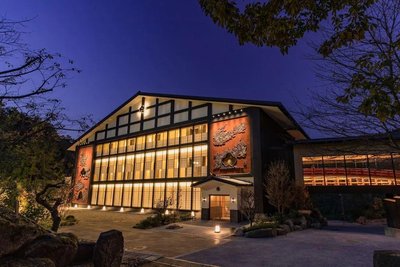
Okuhita Onsen Umehibiki
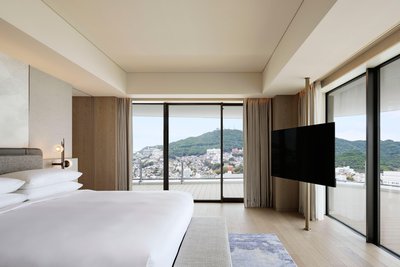
Nagasaki Marriott Hotel
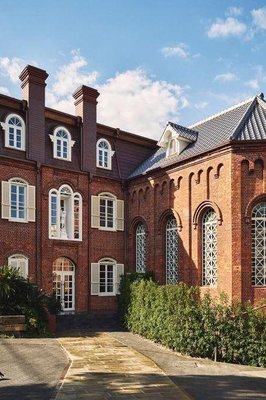
Hotel Indigo Nagasaki Glover Street by IHG

Stadium City Hotel Nagasaki

ONE FUKUOKA HOTEL
Ryokan Shinsen
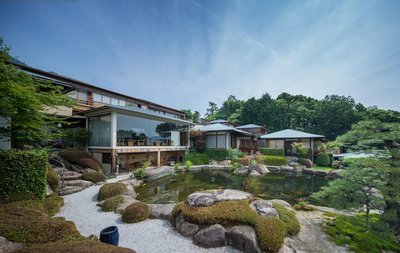
SEKITEI

Yamatoya Besso
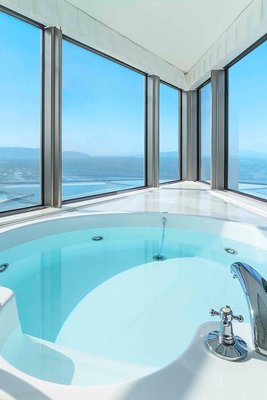
Hilton Fukuoka Sea Hawk

Olive Bay Hotel
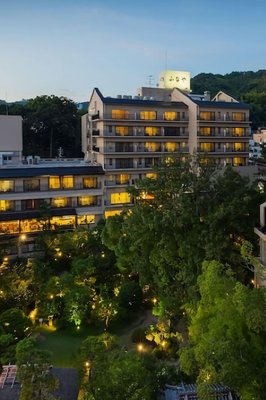
Funaya

Hotel Okura Jr Huis Ten Bosch

Bettei Oborozukiyo

La Vista Kirishima Hills
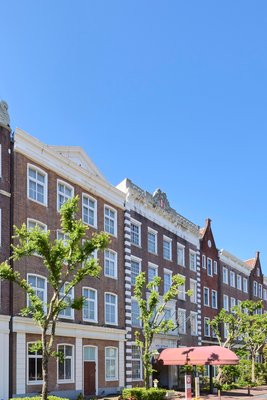
Hotel Amsterdam Huis Ten Bosch

Yumotoankiyohime
Ana InterContinental Beppu Resort & Spa
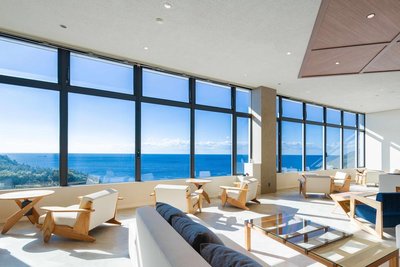
TheMana Village
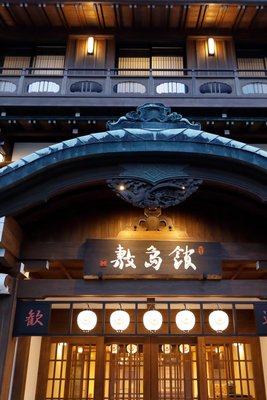
Onyado Shikishima-Kan

Hotel Barrière Fouquet's New York

The Ritz-Carlton, Fukuoka

The Plaza - A Fairmont Managed Hotel
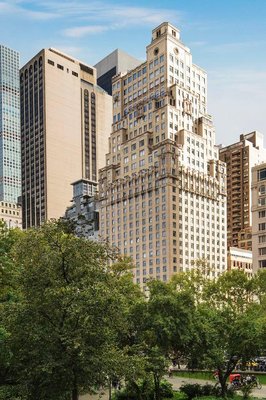
The Ritz-Carlton New York, Central Park

Four Seasons Hotel New York

The St. Regis New York

Park Hyatt New York
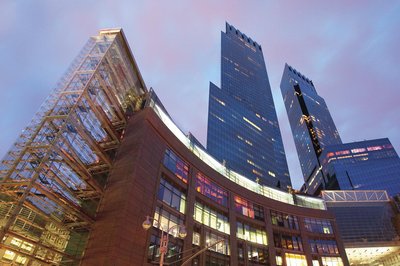
Mandarin Oriental New York

Times Square Edition New York

Loews Regency New York Hotel

Lowell Hotel
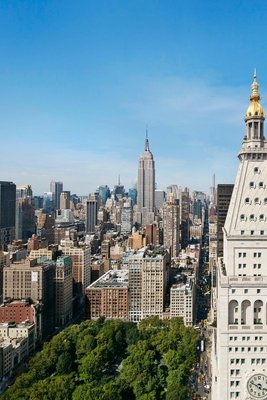
New York Edition

Baccarat Hotel New York

Equinox Hotel New York

Four Seasons Hotel New York Downtown
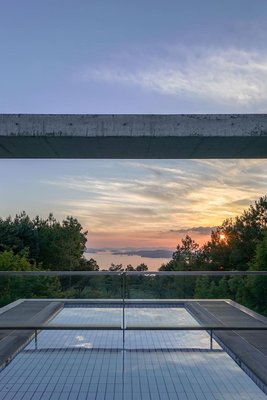
SETOUCHI RETREAT by Onko Chishin

The Langham, New York, Fifth Avenue

The Carlyle, A Rosewood Hotel

The Chatwal, in the Unbound Collection by Hyatt

The Mark New York
Frequently Asked Questions about Traveling to Kawara
Questions You Might Need to Know About Traveling to Kawara
In Kasugajō, the best hotels offering forest and mountain views include Kasuga Forest Retreat and Mount Kasuga Lodge. Both are nestled within dense cedar and bamboo forests, providing serene, private accommodations with floor-to-ceiling windows that frame panoramic views of the surrounding hills and valleys.
Kasuga Forest Retreat specializes in eco-friendly design, featuring wooden cabins with traditional Japanese tatami mats and private outdoor hot springs. Guests enjoy guided morning walks through ancient woodland trails, while the on-site restaurant serves seasonal dishes made from local foraged ingredients like wild mushrooms and mountain greens.
Meanwhile, Mount Kasuga Lodge offers a more modern take with glass-walled suites and a rooftop observatory perfect for stargazing. The hotel also hosts monthly "Forest Wellness" programs, including meditation sessions, herbal tea ceremonies, and nature sketching workshops. These stays deliver an immersive connection to Kasugajō’s pristine natural landscape.
The Hillside & Riverbank Zone is the most ideal area for quiet, nature-focused stays in Kasugajō. This region blends peaceful forested slopes with gentle streams, making it perfect for travelers seeking tranquility and immersion in nature.
Staying in the Hillside Zone means waking up surrounded by towering cedars and listening to birdsong at dawn. Hotels like Kasuga Mountain Hideaway offer secluded villas with private terraces overlooking the valley, plus access to hiking trails leading to hidden waterfalls and ancient stone shrines.
The Riverbank Zone, along the Kasuga River, provides a calming rhythm of flowing water and lush greenery. Here, guests can enjoy riverside yoga, night-time firelight storytelling, and evening strolls under willow trees. Many lodges feature open-air baths facing the river, where you can soak while watching dragonflies skim the surface. With minimal light pollution and close proximity to key attractions like Kasuga Shrine and Three Cherry Blossom Tunnels, this area strikes the perfect balance between seclusion and accessibility.
Visitors to Kasugajō can enjoy several unique cultural experiences, including the Spring Cherry Blossom Festival and Traditional Pottery Workshops. During the festival, held annually in late March to early April, the Three Cherry Blossom Tunnels bloom into a pink canopy, and locals host traditional tea ceremonies, kimono parades, and hanami banquets under the blossoms.
The town’s heritage pottery tradition is preserved at Kasuga Earth Studio, where guests can participate in hands-on workshops using locally sourced clay. Learn the ancient techniques of wheel-throwing, glazing, and wood-firing in a historic kiln. Each piece becomes a personal keepsake, reflecting the earthy tones and textures of the region.
Additionally, some guesthouses offer farm-to-table dining experiences, where visitors help harvest vegetables in organic fields before enjoying a multi-course meal featuring seasonal ingredients. These immersive activities allow travelers to connect deeply with the authentic spirit of Kasugajō’s rural culture.
Yes, Kasugajō features several ryokan-style inns with private onsen, offering a quintessential Japanese wellness experience. Among them, Kasuga Yama no Yu Ryokan stands out—this intimate, family-run inn offers seven private wooden cottages, each equipped with its own outdoor onsen bath carved into the hillside.
The mineral-rich waters come from a natural spring with high levels of sodium bicarbonate, known for soothing skin and muscles. Guests can soak surrounded by pine trees and starlit skies, often accompanied by soft background music from a nearby shakuhachi flute player during evening hours.
The inn also provides kaiseki meals featuring locally foraged ingredients such as wild mushrooms, mountain vegetables, and fresh river fish. Traditional futon bedding, yukata robes, and morning tea service complete the authentic ryokan atmosphere. Due to limited capacity (only 14 guests), advance HopeGoo is essential, especially during cherry blossom season.
For families visiting Kasugajō, the best accommodation option is Kasuga Family Forest House, a spacious wooden villa with three separate bedrooms, a large garden, and child-friendly amenities. The property includes a mini farm where kids can feed goats and collect eggs, as well as a vegetable patch for hands-on gardening.
The house offers family-friendly activities such as guided nature scavenger hunts, traditional craft workshops (like paper umbrella painting), and evening campfire storytelling. A dedicated children’s menu features healthy, locally sourced meals, including rice balls with wild herbs and fruit compotes made from regional berries.
Located just a 5-minute walk from Kasuga River Park, families can enjoy safe, open spaces for play and picnics. The staff also provides free rental bikes and strollers. With its emphasis on learning through play and connection with nature, this is one of the most welcoming family retreats in the region.
Nighttime in Kasugajō is magical, thanks to its low light pollution and scenic landscapes. The top activity is stargazing at Mount Kasuga Observatory, where visitors can use telescopes to view constellations and even catch meteor showers during peak seasons like August’s Perseids.
Another highlight is the annual Kasuga Light Forest Festival, held in autumn. Thousands of handmade paper lanterns are hung along forest trails, creating a glowing path that mimics a river of stars. The event features live performances of shakuhachi flutes and taiko drums, and includes a bonfire gathering with storytelling and warm mochi snacks.
Many guesthouses offer special night stay packages, including private onsen access after dark, moonlit forest walks, and photography sessions under the stars. These experiences make Kasugajō a dream destination for night adventurers and lovers of serene, mystical atmospheres.
Tourists visiting Kasugajō should definitely try mountain mushroom cuisine and bamboo shoot sushi platters. The region’s rich forests yield wild varieties like matsutake, boletus, and chicken-of-the-woods mushrooms, which are featured in dishes such as grilled mountain mushroom risotto and mushroom miso soup.
Bamboo shoots are another local specialty, harvested in spring and used in both savory and sweet preparations. Try steamed bamboo shoot rice with pickled ginger or bamboo shoot tempura served with citrus dipping sauce. Some farms even offer hands-on bamboo shoot harvesting tours, where guests learn how to identify young shoots and prepare them using traditional methods.
Don’t miss Kasugajō Rice Wine, brewed from locally grown rice with a delicate aroma and slightly tart finish. It pairs perfectly with the region’s rustic dishes. Many restaurants serve these delicacies in seasonal tasting menus, giving visitors a full sensory journey through the flavors of the mountains.
Public transportation in Kasugajō is limited but manageable for independent travelers. The nearest major hub is Fukuoka City, from which you can take the Nishi-Nippon Railway Bus to Kasugajō Station—approximately 60 minutes with 4–6 daily departures.
Once in town, there’s no subway or tram system, but many hotels offer free shuttle services from the bus stop or parking lot. For greater flexibility, renting an electric bicycle is highly recommended—it allows easy exploration of scenic trails like the Three Cherry Blossom Tunnels and Kasuga River Pathway.
Some guesthouses also provide airport transfer bookings upon request, particularly during peak seasons. While not ideal for those reliant on frequent transit, the town’s small size and strong focus on sustainable travel make it well-suited for self-guided trips and eco-conscious travelers.
Photographers visiting Kasugajō will find endless inspiration in its ever-changing natural beauty. The Three Cherry Blossom Tunnels in spring are a must-photograph location, especially at sunrise when mist curls around the pink petals and old stone bridges.
During summer, the Kasuga River becomes a mirror for reflections of trees and sky, ideal for long-exposure shots of still water and drifting clouds. Early mornings are best for capturing dew-covered spiderwebs and wildlife in the reeds.
Autumn transforms the hills into a kaleidoscope of red and gold foliage, perfect for wide-angle landscape photography. The Kasuga Mountain Observatory offers a vantage point for capturing sweeping panoramas of the entire valley.
Winter brings snow-dusted bamboo groves, creating ethereal scenes reminiscent of traditional Japanese ink paintings. Many guesthouses offer photography packages including equipment rentals, guided photo walks, and post-processing tips—making Kasugajō a paradise for both amateur and professional photographers.
Travelers should attend two signature events in Kasugajō: the Cherry Blossom Festival in spring and the Mountain Harvest Festival in autumn. The Cherry Blossom Festival, held in late March to early April, turns the Three Cherry Blossom Tunnels into a breathtaking pink corridor. Visitors enjoy kimono parades, tea ceremonies, and themed banquets under the blooms.
The Mountain Harvest Festival celebrates local agriculture with events like a bamboo shoot harvesting contest, a wild mushroom cooking competition, and a handmade pottery market. At night, the village is illuminated with thousands of paper lanterns, forming a luminous “star river” along the forest paths. Traditional drumming, bonfires, and communal storytelling create a warm, festive atmosphere.
These festivals not only showcase Kasugajō’s cultural heritage but also encourage direct participation, allowing travelers to engage with the community and experience the heart of rural Japan firsthand.
Kawara Overview
City Summary
Kawaracho, located in the eastern part of Fukuoka Prefecture, Japan, is a small town rich in rural charm and historical heritage. Known for Kawara Shrine and quarry ruins, it showcases the blend of traditional Japanese beliefs and industrial history. The surrounding natural landscapes, such as Kochosan Mountain, offer excellent hiking trails, making it an ideal escape from urban hustle.
Must-See Attractions
Key attractions in Kawaracho include Kawara Shrine, a millennium-old shrine dedicated to local guardian deities. The quarry ruins display Edo-period stone mining techniques, a must-visit for industrial heritage enthusiasts. Additionally, the hiking trails of Kochosan Mountain are perfect for outdoor lovers, with panoramic views of the town from the summit.
Food Guide
Kawaracho's culinary culture is deeply influenced by local produce. Must-try dishes include local chicken cuisine and mountain vegetable tempura. Street snacks like grilled dango and soy sauce dango are also popular traditional treats among locals.
Transportation Guide
Public transport in Kawaracho primarily relies on buses, with several routes connecting major attractions and Fukuoka city. From Fukuoka, take the JR Nippo Main Line to Tagawa, then transfer to a bus to Kawaracho. Consider purchasing a one-day bus pass for cost-effective travel. Renting a car is another convenient option, with ample parking available.
Best Time to Visit
The best times to visit are spring (March-May) and autumn (September-November), when the weather is mild and ideal for outdoor activities. Summers can be hot, while winters may bring snow, requiring warm clothing.
Travel Tips
- Etiquette: Observe local customs when visiting shrines, such as purifying hands and mouth before entering.
- Attire: Wear comfortable shoes and clothing for hiking.
- Cash: Small shops may only accept cash, so carry some with you.
- Language: English is not widely spoken; learning basic Japanese phrases is helpful.
- Safety: Be cautious on mountain trails, especially after rain.
- Waste: Strictly follow waste segregation rules; do not litter.
Useful Information
English proficiency is low in Kawaracho; learning basic Japanese or using a translation app is advisable. Network coverage is generally good but may be unstable in mountainous areas. Cash is the primary payment method, though some shops accept credit cards. For emergencies, dial 110 (police) or 119 (ambulance). The town has small clinics, but serious medical issues require treatment at larger hospitals in Fukuoka.