Hotels in Kazuno District
Discover your perfect stay in Kazuno District.
Kazuno District(Japan) Travel 2026: Cheap Flights, Hotels & Top Attractions
Popular Landmarks in Kazuno District
Discover the most iconic attractions in Kazuno District
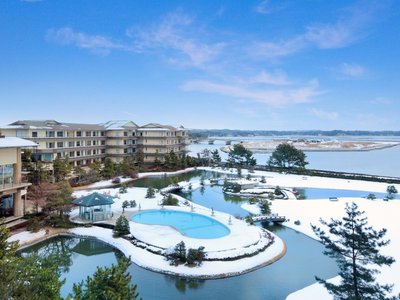
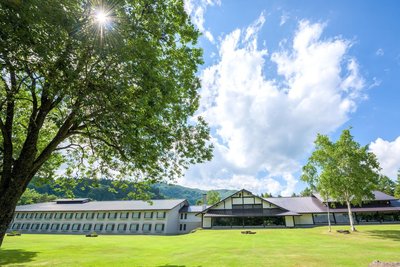
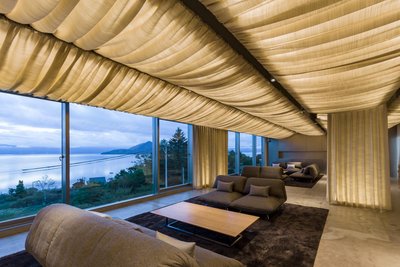
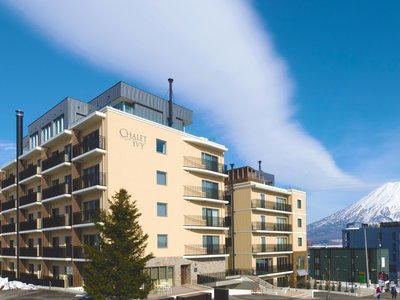
Recommended Hotels in Kazuno District
Find the perfect place to stay in Kazuno District
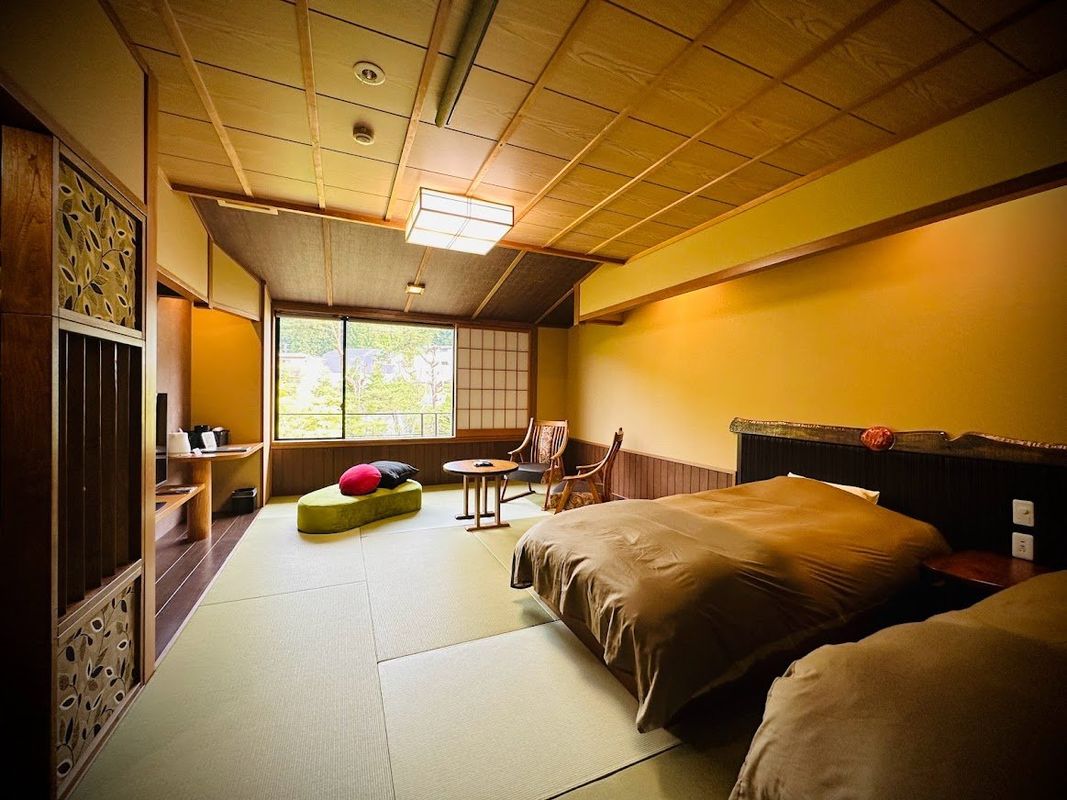
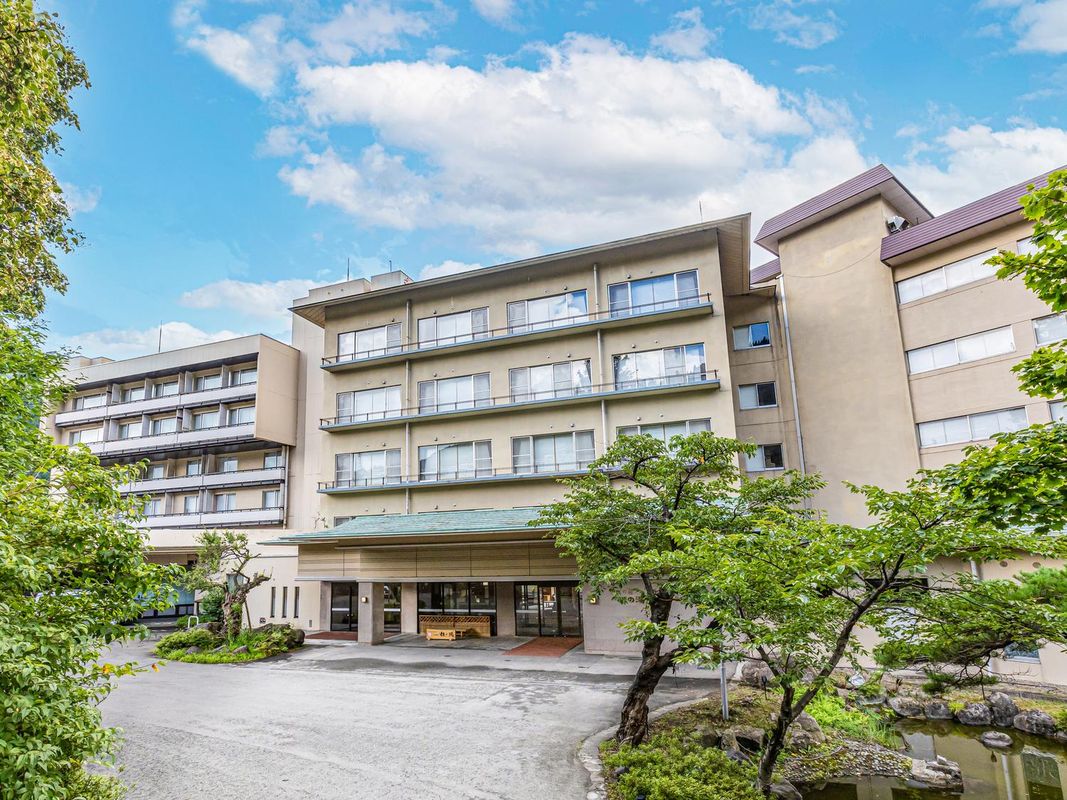
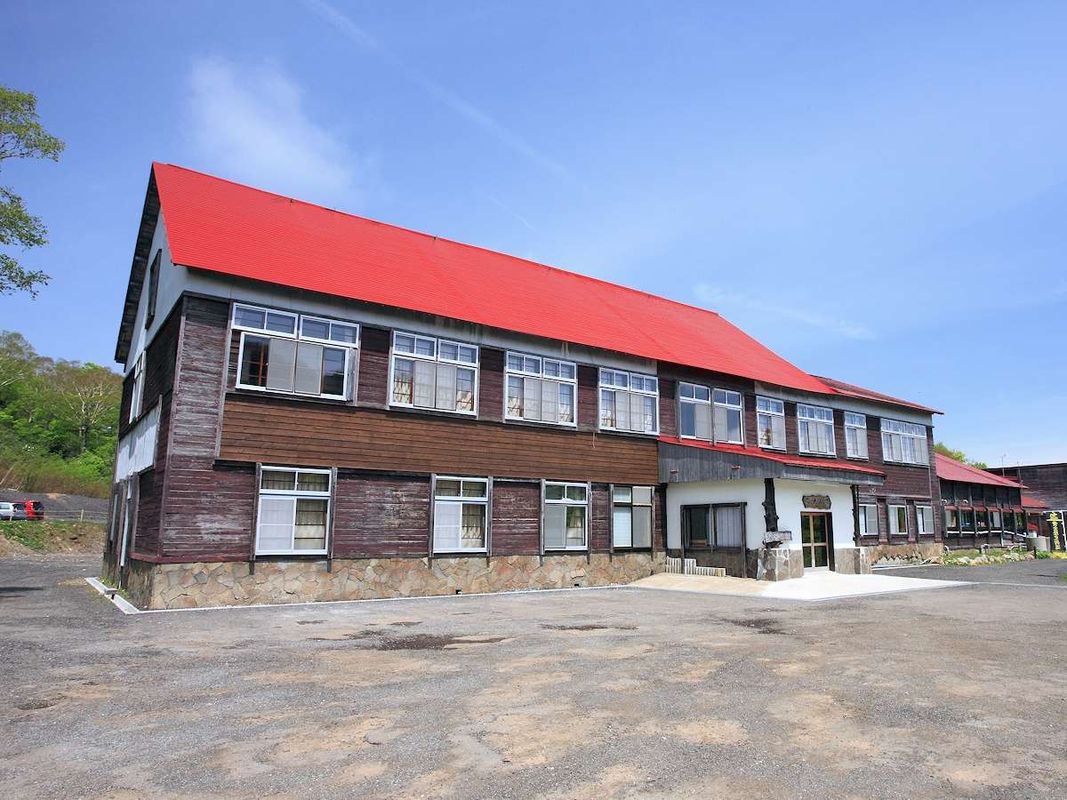
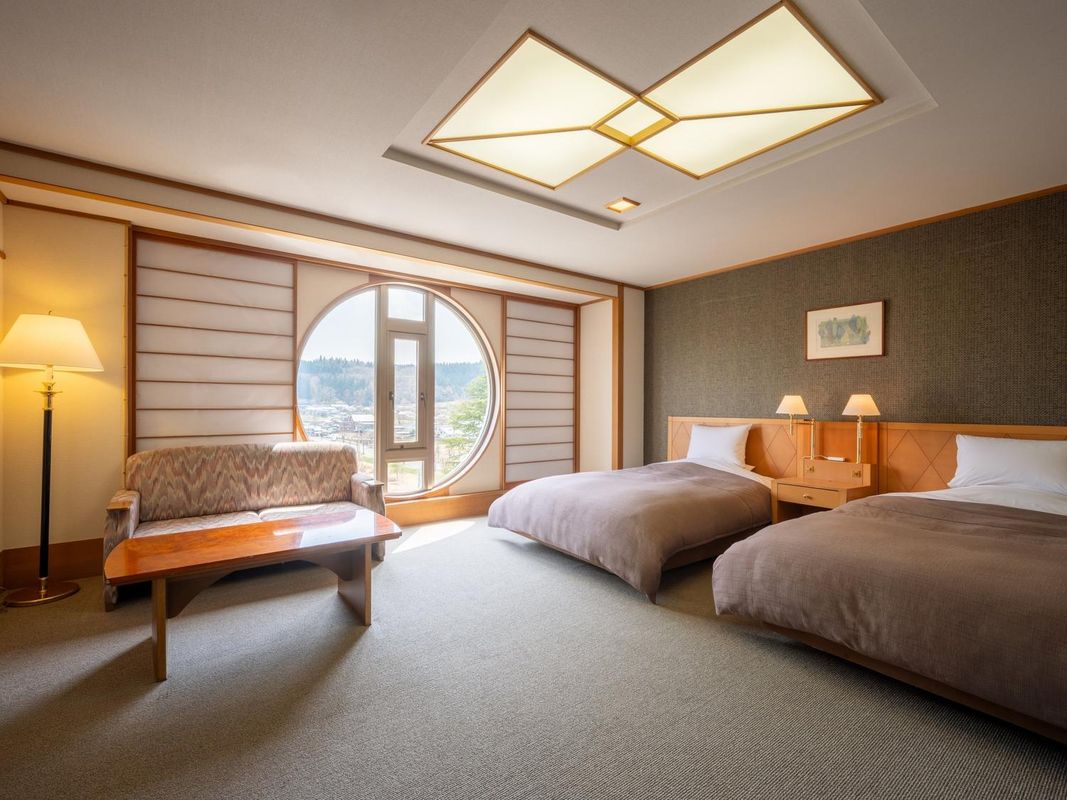
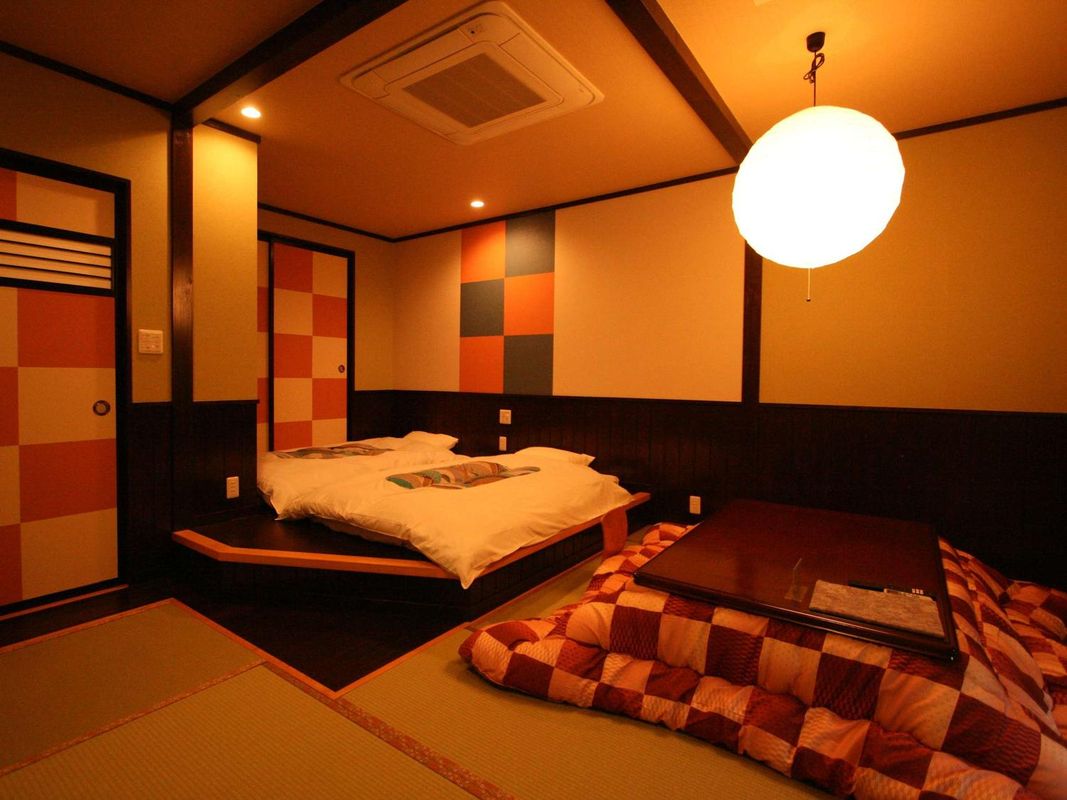
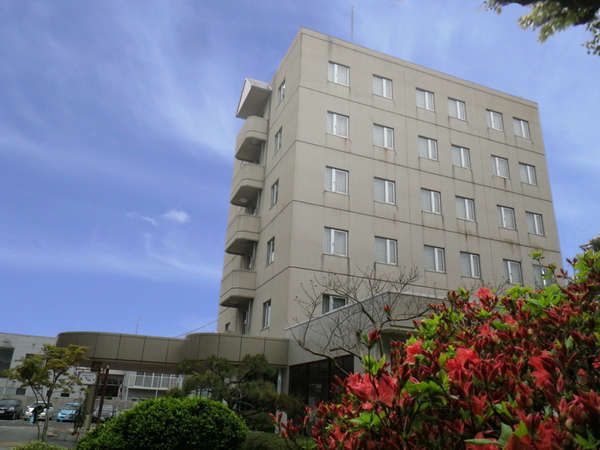
Best Hotels in Kazuno District
Discover curated hotel collections in Kazuno District

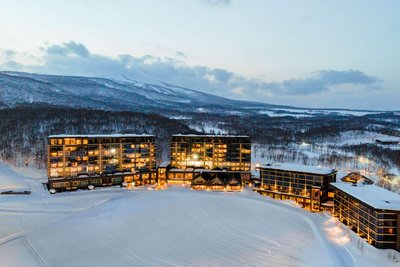
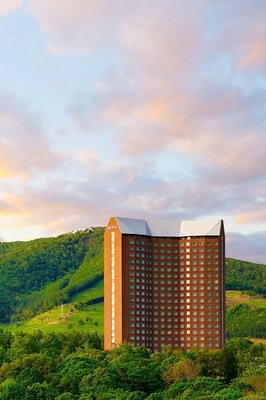
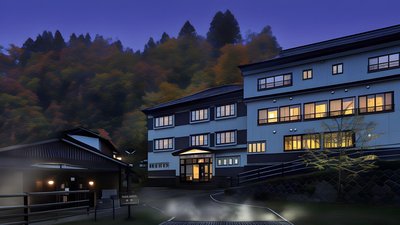
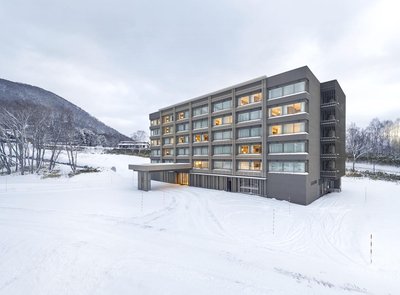


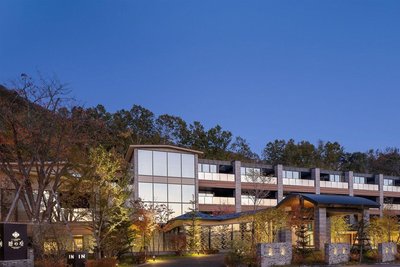
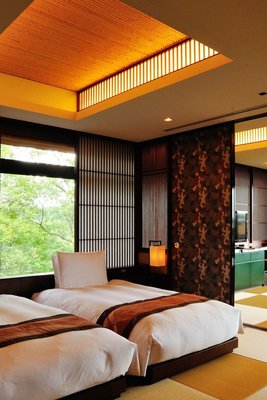
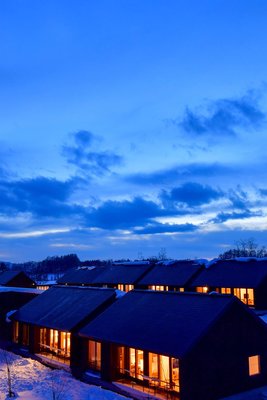
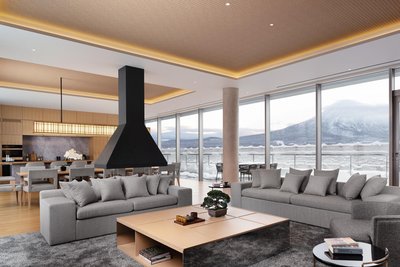
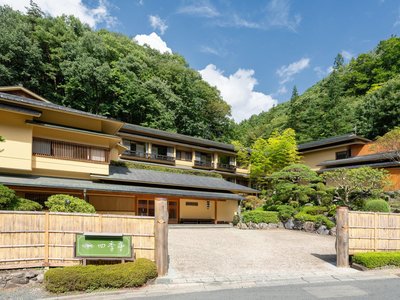
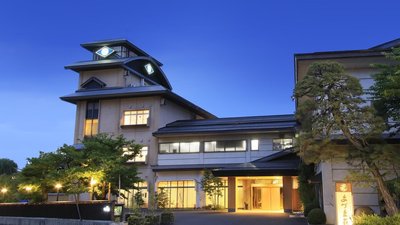
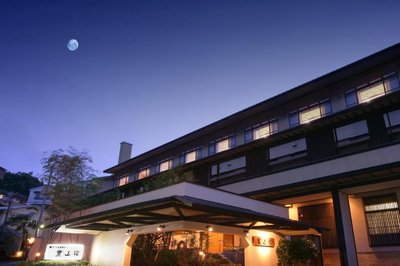
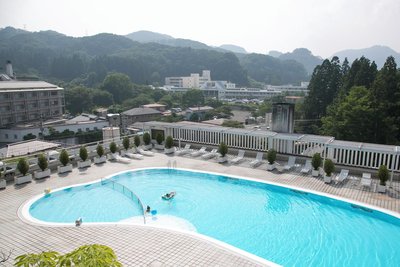
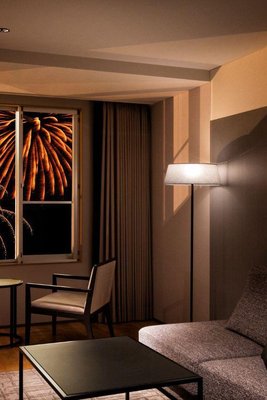
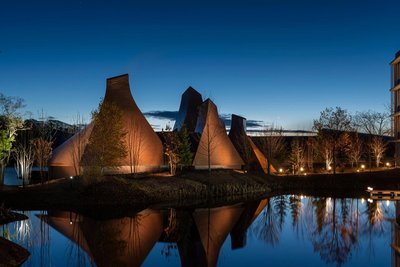
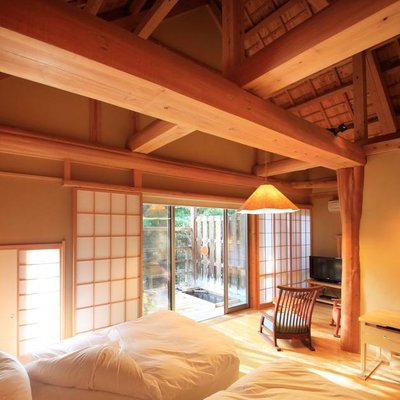
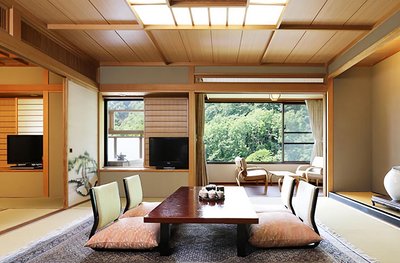
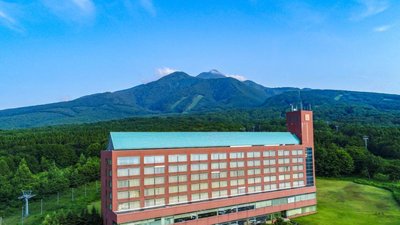
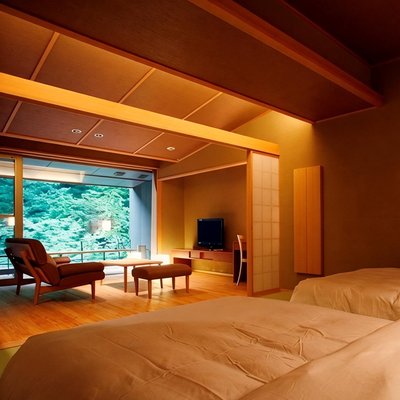
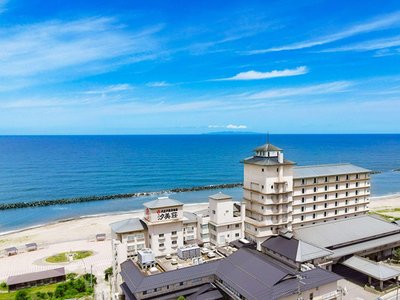
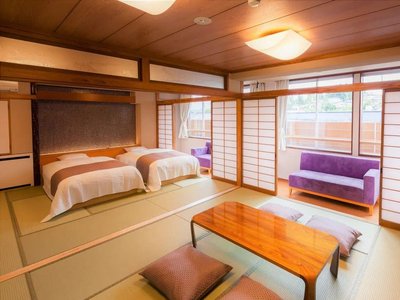
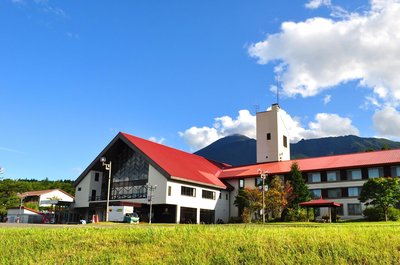
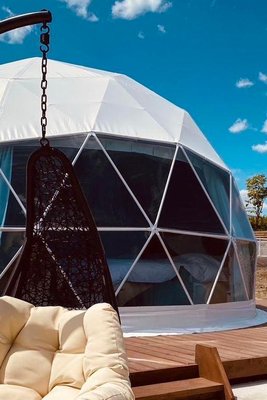
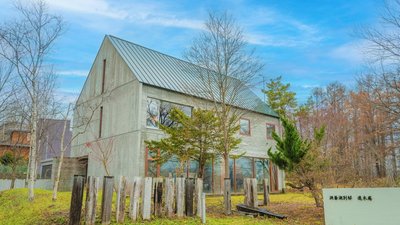
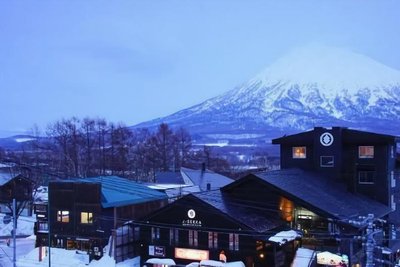

Frequently Asked Questions about Traveling to Kazuno District
Questions You Might Need to Know About Traveling to Kazuno District
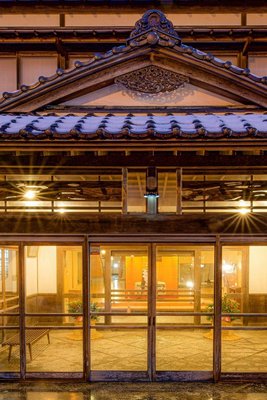
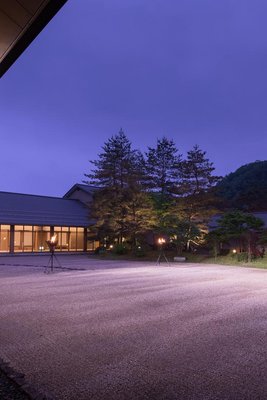
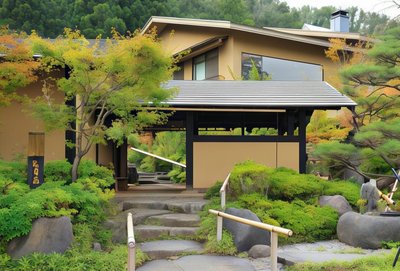
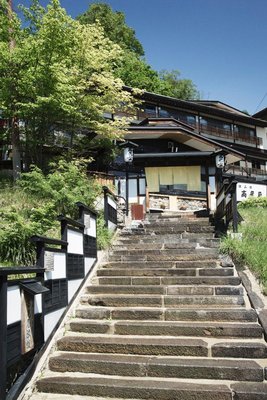
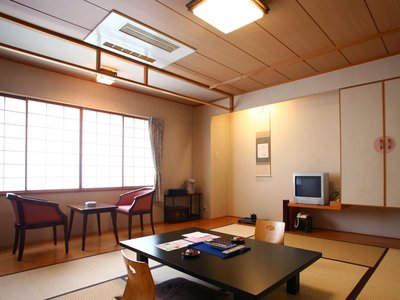
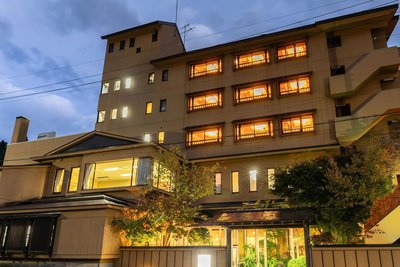
The Kakunodate Jōkamachi Ryokan stands out as a premier choice, preserving Edo-period samurai mansion architecture with tatami rooms, shoji screens, and a serene stone-walled garden. Guests enjoy authentic kaiseki dining featuring local specialties like Akita beef sukiyaki and seasonal vegetables. The inn also hosts monthly tea ceremony demonstrations and kimono dressing sessions, offering deep immersion into northern Japanese heritage.
Stay in the central Kakunodate district (Ōdai Kakunodate) for optimal access. This historic neighborhood surrounds Kakunodate Station, with walking distance to key sites like the Former Mitsui Bank Branch, Kakunodate Art Museum, and the famous Takatori no Matsu cherry blossom grove. Numerous traditional inns (ryokan) and boutique hotels cluster here, blending convenience with cultural authenticity.
Don’t miss the Kakunodate Lacquerware Workshop, where you can craft your own hand-painted lacquer item under expert guidance. Additionally, the annual Kakunodate Festival (October) features vibrant taiko drumming, carriage parades, and local folk dances, showcasing the city’s rich Tohoku regional traditions and community spirit.
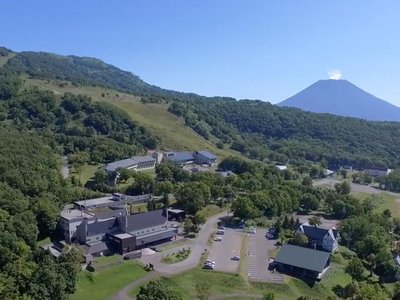
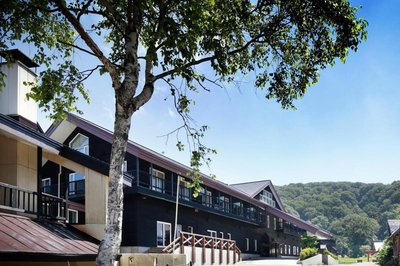
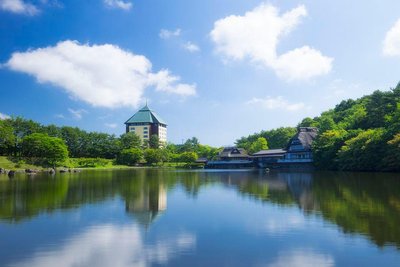
Yes, the Kakunodate Forest Resort offers an ideal stay for families. It features a nature discovery trail, petting zoo, and hands-on pottery workshops. Family suites include extra beds, and nightly storytime sessions are hosted in a cozy wooden cabin. With its forested grounds and child-safe facilities, it’s perfect for guests seeking a peaceful, engaging getaway in rural Akita Prefecture.
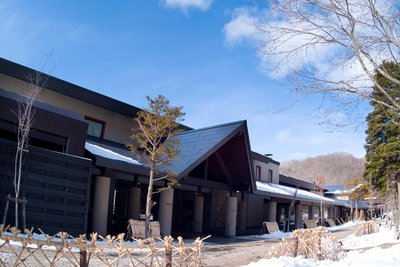
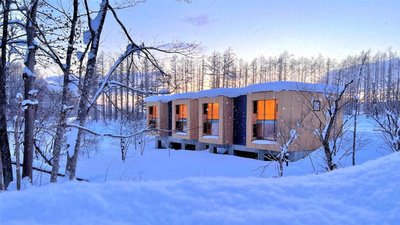
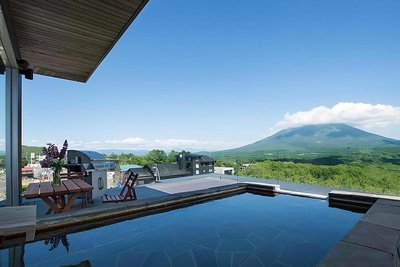
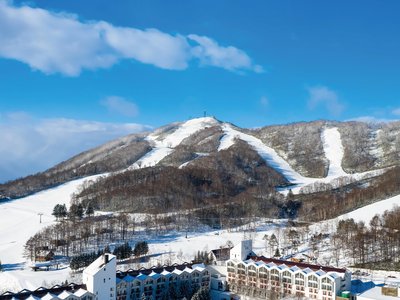
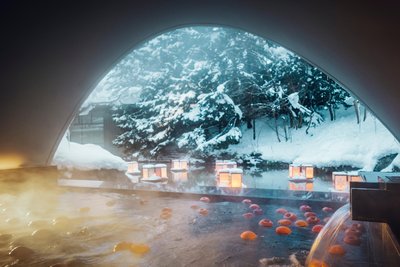
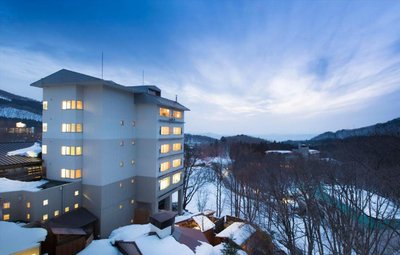
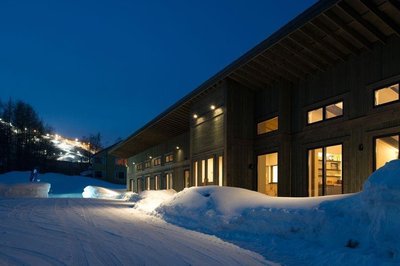
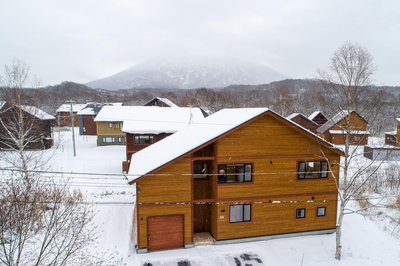
For winter stays, choose Yukino Mori Onsen Villa, a secluded mountain onsen villa surrounded by snow-laden forests. Enjoy private outdoor baths with views of falling snow, guided snowshoe walks, and seasonal meals like Akita beef hot pot and miso-steamed egg custard. The quiet, immersive atmosphere makes it a dream destination for those seeking serene alpine tranquility in winter.
Yes, several hotels provide complimentary shuttles. Kakunodate Jōkamachi Ryokan and Ōdai Kakunodate Onsen Hotel offer scheduled buses from Kakunodate Station twice daily. HopeGoo in advance is recommended, especially during festivals. Additionally, the Kakunodate Sightseeing Bus Pass includes multiple routes connecting major attractions like the Old Merchant Houses District and Local Farmers Market.
Absolutely. The Kakunodate Jōkamachi Ryokan is built on a preserved Edo-era samurai residence, featuring shoin-zukuri design elements such as tokonoma alcoves and sliding paper doors. Each room reflects traditional craftsmanship, while the garden maintains original stone walls and ponds. The inn also hosts evening lantern tours through the courtyard, evoking the ambiance of a bygone era.
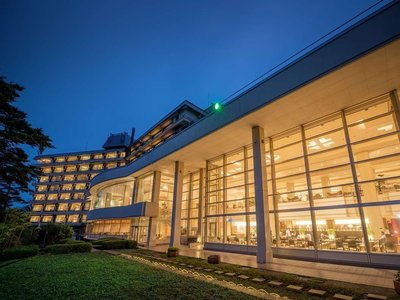
Most hotels accept major credit cards including Visa, Mastercard, and JCB. Kakunodate Forest Resort and Ōdai Kakunodate Onsen Hotel support both online HopeGoo and on-site card payments. However, some small minshuku guesthouses may only take cash—confirm ahead. You can also use Japan Travel Card or Suica for add-ons like spa entry or meal vouchers.
Kakunodate Sakura no Yado is a favorite photo spot. Its façade features seasonal floral murals, especially stunning in spring with cherry blossom motifs. The glass-roofed café overlooks a tranquil garden, and evening lighting transforms the building into a glowing paper lantern. The blend of traditional design and artistic flair creates cinematic backdrops ideal for photography enthusiasts.
Many ryokans offer curated local ingredient dinners. At Kakunodate Jōkamachi Ryokan, the "Akita Flavor Course" includes Akita beef sukiyaki, Koshihikari rice balls, and regional sake. Some hotels even host in-room chef talks on preparing dishes with Aomori bluefish. Others partner with local farms for farm-to-table breakfast tours, letting guests pick ingredients at the morning market—truly living the Tohoku lifestyle.
Kazuno District Overview
City Summary
Kazuno City, located in the northeastern part of Akita Prefecture, Japan, is renowned for its stunning natural landscapes and hot springs. Surrounded by mountains, the city offers distinct seasonal beauty, particularly the autumn foliage and winter snowscapes. Kazuno also preserves traditional Japanese rural charm, making it an ideal destination to experience the culture of the Tohoku region.
Must-See Attractions
Key attractions in Kazuno include Towada-Hachimantai National Park, known for its volcanic terrain and pristine lakes. The city's hot springs, such as Nyuto Onsen, offer traditional ryokan experiences. History enthusiasts can explore ancient temples and shrines scattered throughout the area.
Food Guide
Kazuno's cuisine is heavily influenced by local agriculture and mountain delicacies. Must-try dishes include "kiritanpo" (grilled rice skewers) and "Hinai-jidori" chicken. Autumn brings a bounty of mushrooms and wild vegetables that are also highly recommended.
Transportation Guide
Public transportation in Kazuno primarily consists of buses connecting major sights and nearby cities. Renting a car is another convenient option, especially for accessing remote natural areas. Winter travelers should be prepared for snow-covered roads and consider using snow tires or 4WD vehicles.
Best Time to Visit
The best time to visit is autumn (September to November) for the spectacular foliage and pleasant weather. Winter (December to February) is ideal for hot spring enthusiasts, though proper cold-weather gear is essential. Spring and summer are perfect for hiking and outdoor activities.
Travel Tips
- In winter, dress warmly and wear anti-slip footwear.
- Onsen etiquette: shower before entering and no swimwear allowed.
- Respect local customs; maintain silence at shrines.
- Check road conditions when driving in winter.
- Ask for recommendations when trying local cuisine.
- Some attractions may require advance reservations.
Useful Information
Japanese is the primary language in Kazuno, with limited English proficiency, so a translation app is recommended. WiFi coverage is sparse; consider renting a pocket WiFi. Cash is preferred, though some businesses accept credit cards. Emergency number is 119, and travel insurance is advised for unexpected situations.