Hotels in Kejajar
Discover your perfect stay in Kejajar.
Kejajar(Indonesia) Travel 2026: Cheap Flights, Hotels & Top Attractions
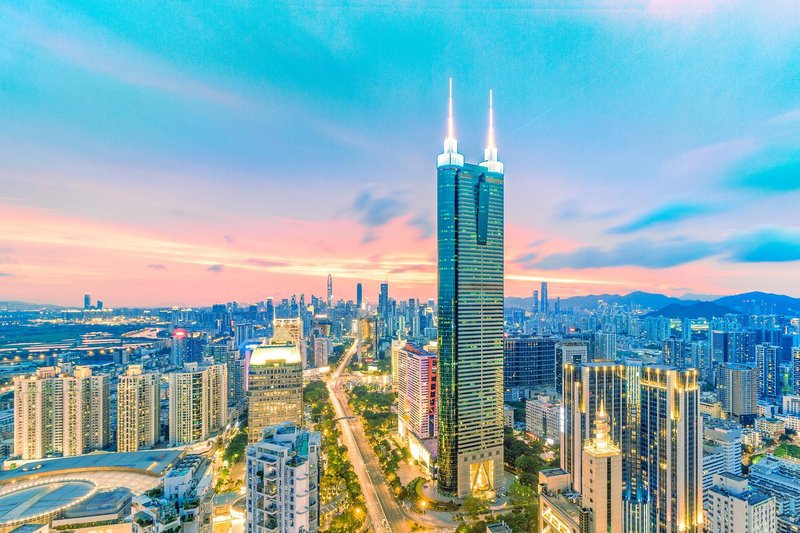
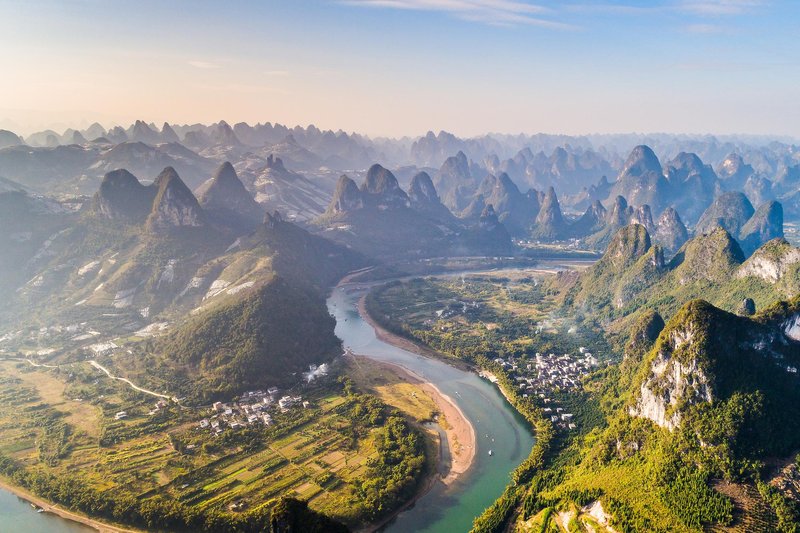
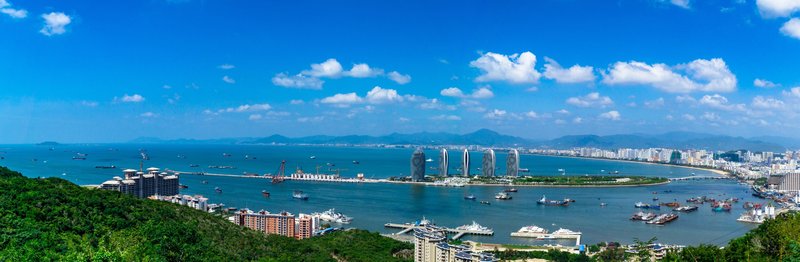
Popular Landmarks in Kejajar
Discover the most iconic attractions in Kejajar
Recommended Hotels in Kejajar
Find the perfect place to stay in Kejajar
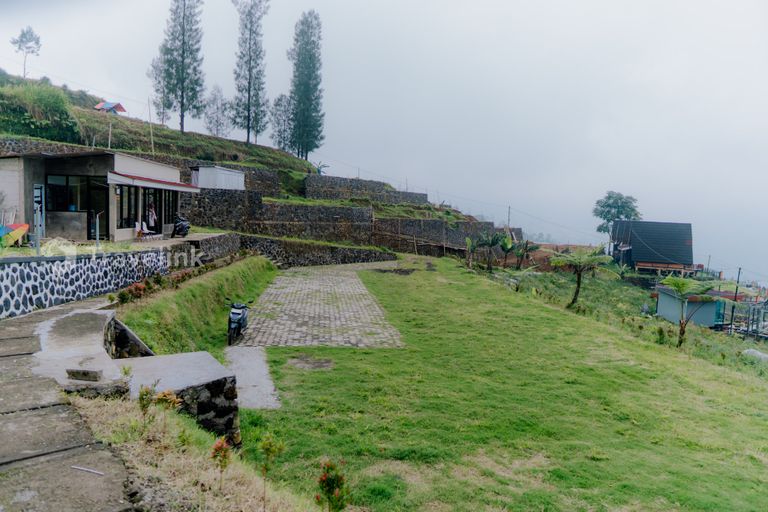
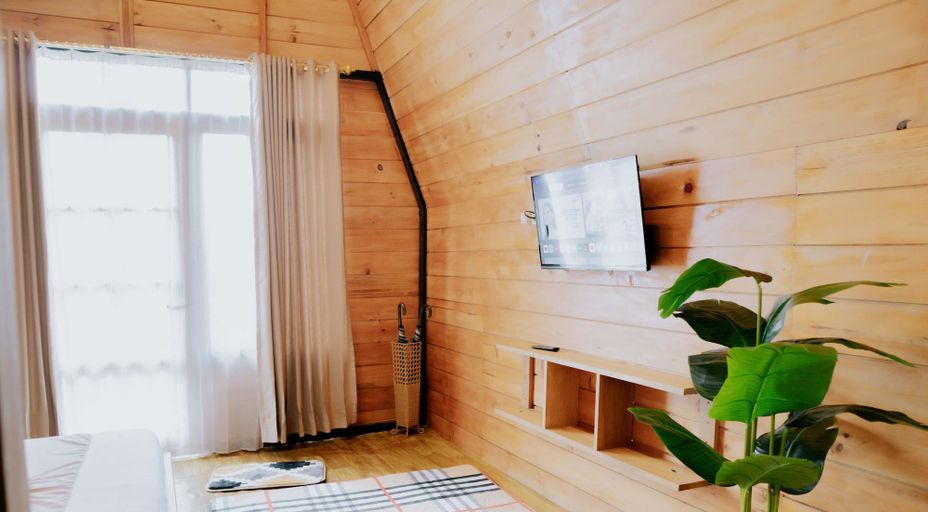
Vianda Cabin By Travelink
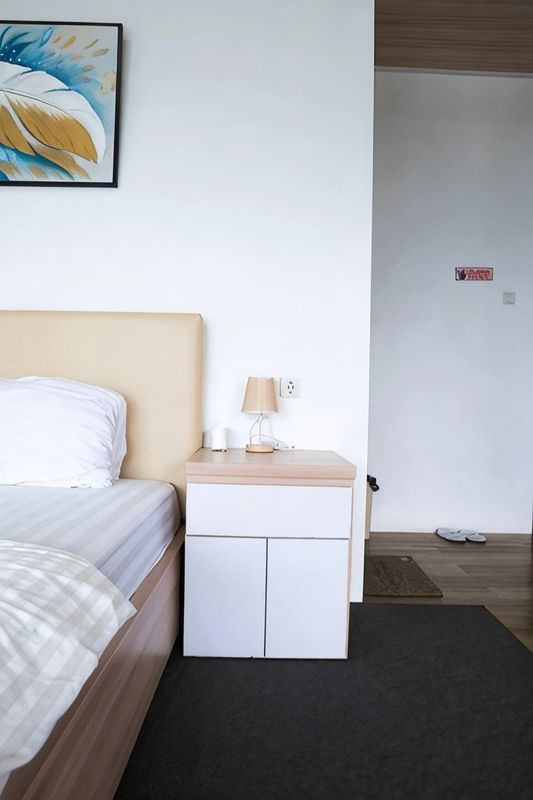
Sikunir Pondok Cabin By Travelink
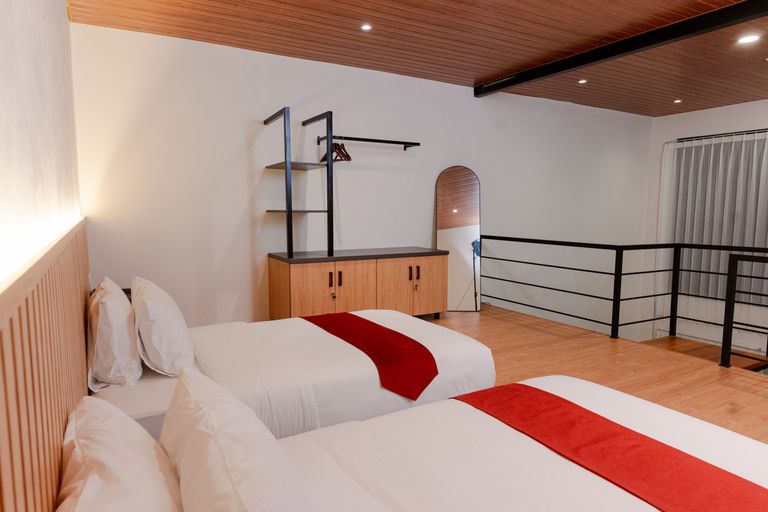
Migu Villa By Travelink
The Sikarim Waterfall View
Best Hotels in Kejajar
Discover curated hotel collections in Kejajar

Forest Hills Ciwidey

MAHALAYA The Legacy Hotel
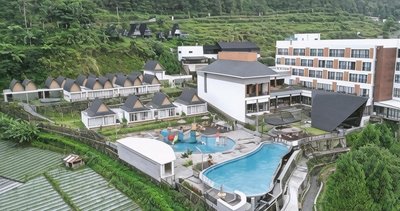
Gulala Azana Hotel & Resort Guci Tegal
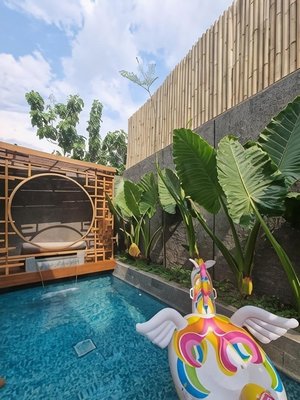
Akaya Villas Solo

Somerset Queen City Semarang
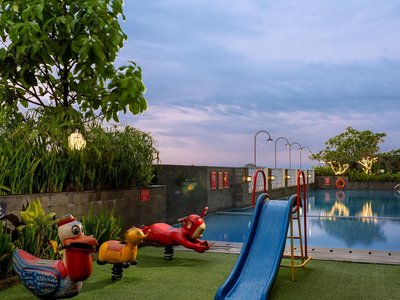
Aston Solo Hotel
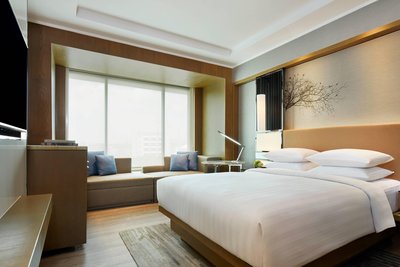
Courtyard Bandung Dago
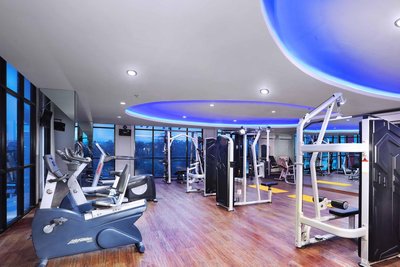
Aston Inn Pandanaran
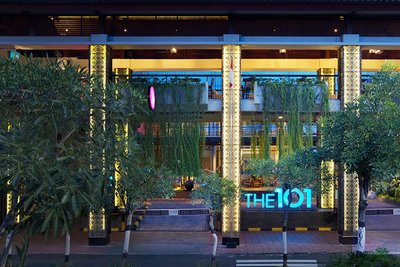
THE 1O1 Yogyakarta Tugu
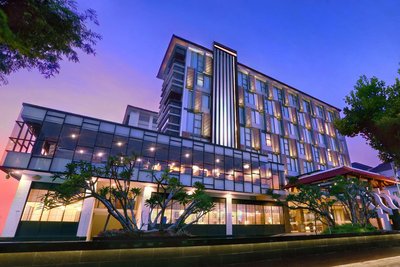
Harper Malioboro Yogyakarta by ASTON
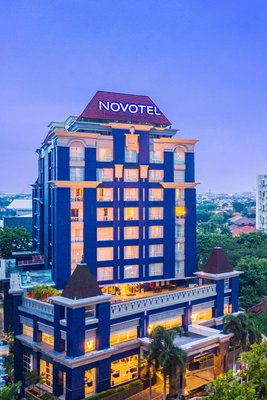
Novotel Semarang
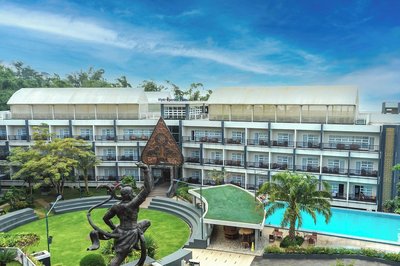
Griya Persada Convention Hotel & Resort
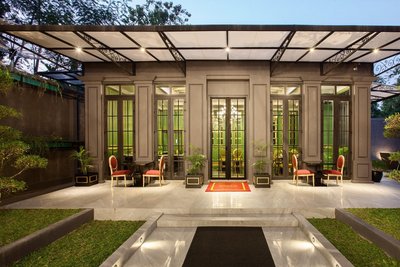
Sofia Boutique Residence
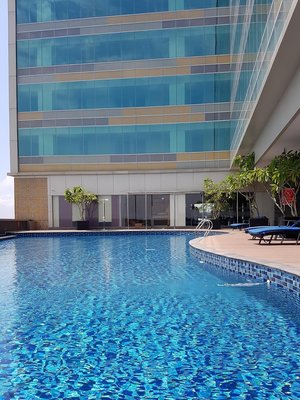
The Alana Hotel & Convention Center Solo by Aston
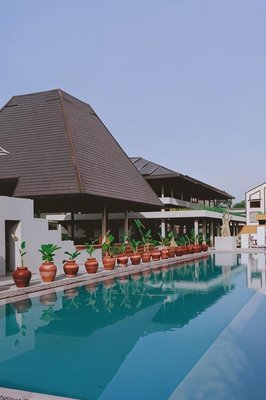
Ayom Java Village Solo
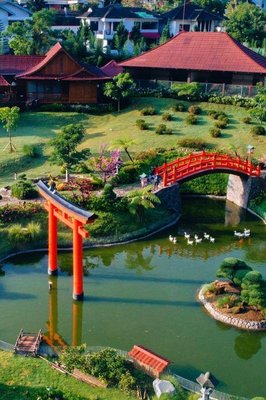
The Onsen Hot Spring Resort
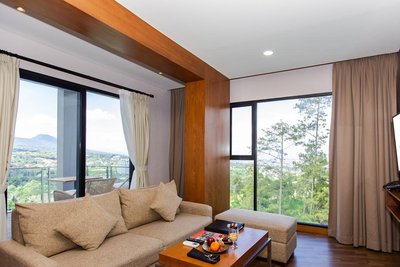
Swiss-Belresort Dago Heritage
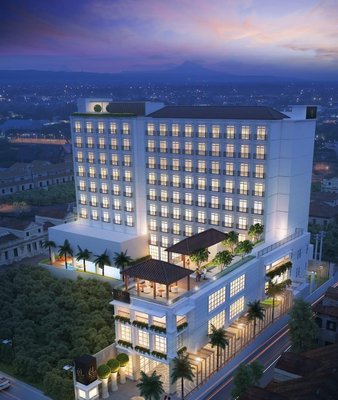
El Hotel Yogyakarta Malioboro

Susan Spa and Resort
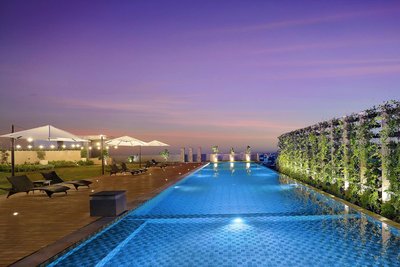
Novotel Suites Yogyakarta Malioboro
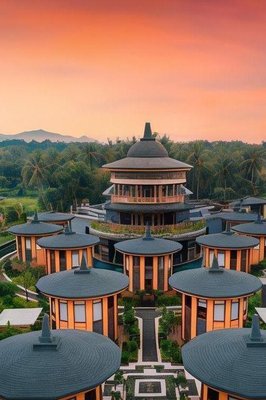
Hotel Le Temple Borobudur
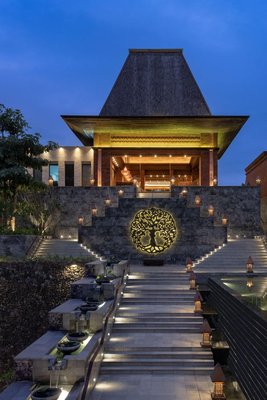
Garrya Bianti Yogyakarta
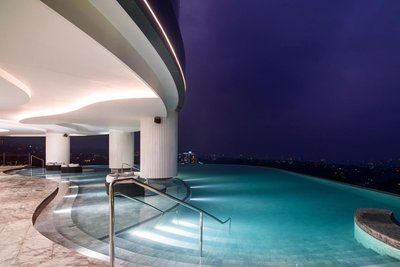
Hotel Indigo Bandung Dago Pakar
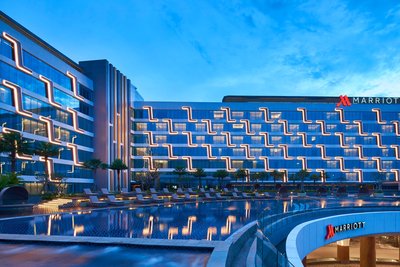
Yogyakarta Marriott Hotel
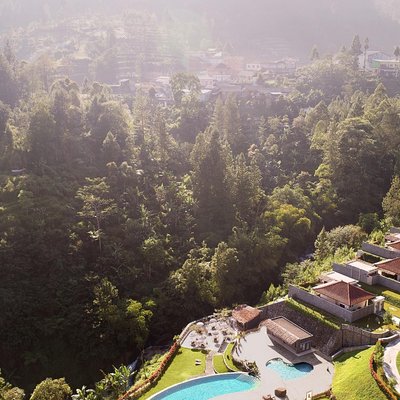
Joglo Ageng Guci Tegal
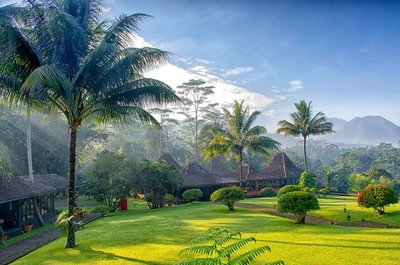
MesaStila Resort and Spa
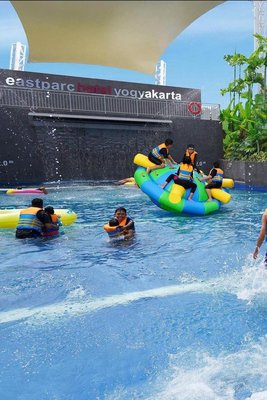
Eastparc Hotel Yogyakarta

The Phoenix Hotel Yogyakarta - Handwritten Collection
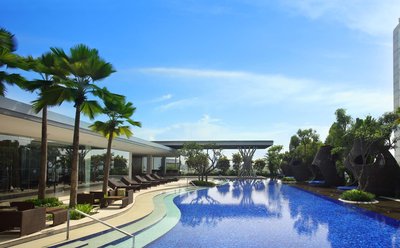
Hilton Bandung
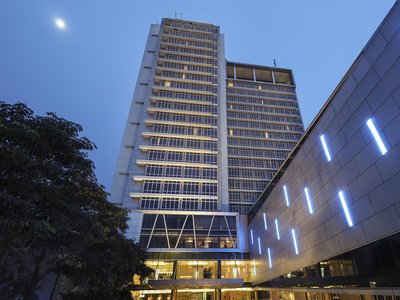
Grand Mercure Solo Baru
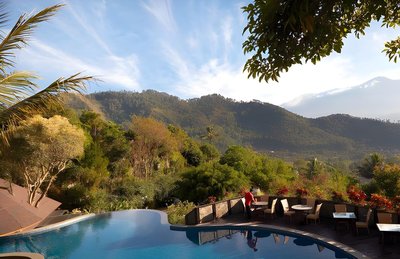
Jambuluwuk Convention Hall & Resort Batu
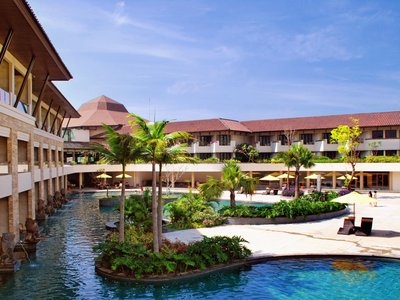
The Singhasari Resort Batu
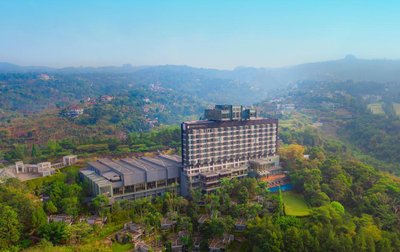
InterContinental Bandung Dago Pakar
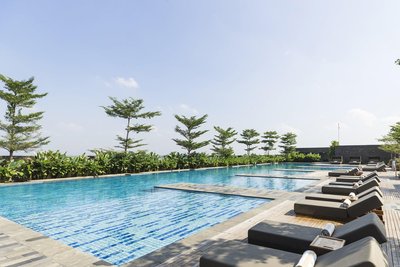
Alila Solo
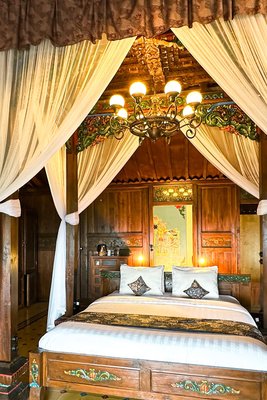
Villa Borobudur Resort
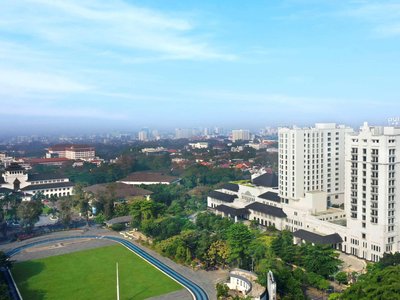
Pullman Bandung Grand Central
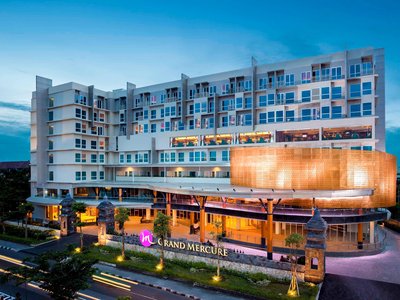
Grand Mercure Yogyakarta Adi Sucipto
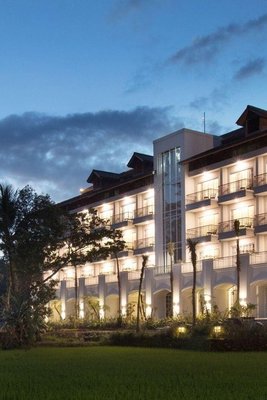
Plataran Heritage Borobudur Hotel

Hyatt Regency Yogyakarta
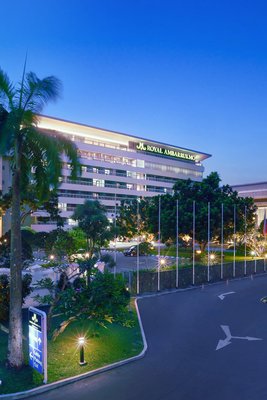
Royal Ambarrukmo Yogyakarta

Hotel Barrière Fouquet's New York

The Plaza - A Fairmont Managed Hotel

The Ritz-Carlton New York, Central Park

Four Seasons Hotel New York

The St. Regis New York

Park Hyatt New York

Mandarin Oriental New York
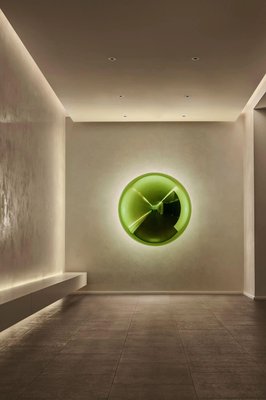
Times Square Edition New York

Loews Regency New York Hotel

Lowell Hotel
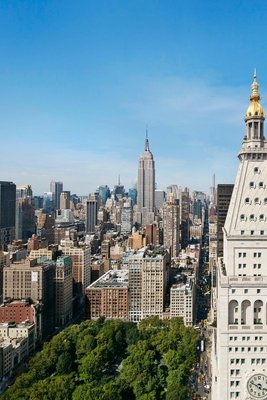
New York Edition
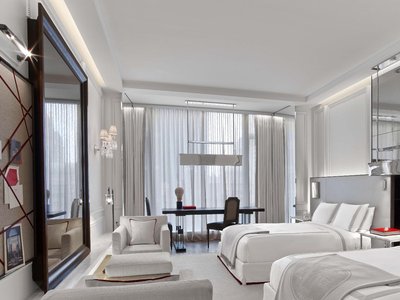
Baccarat Hotel New York

Equinox Hotel New York

Four Seasons Hotel New York Downtown

The Langham, New York, Fifth Avenue

The Carlyle, A Rosewood Hotel

The Chatwal, in the Unbound Collection by Hyatt

The Mark New York

Trump International Hotel & Tower® New York
Casa Cipriani New York
Frequently Asked Questions about Traveling to Kejajar
Questions You Might Need to Know About Traveling to Kejajar
In Kediri, the best choice for cultural immersion is Pondok Kali Bening Resort, a bamboo eco-lodge nestled beside the clear Kali Kreo river. Guests can participate in traditional Javanese weaving workshops, morning meditation sessions, and night stargazing under open skies. The resort’s architecture reflects ancient Hindu-Buddhist temple styles, and local guides lead visits to nearby Candi Kidal ruins. For urban convenience, Hotel Kutojaya offers daily cultural tours to Borobudur Temple and hosts nightly Gamelan music performances, blending comfort with authenticity.
The city center of Kediri is ideal for first-time visitors, offering easy access to major attractions like Borobudur Temple, local markets, and historical sites. Hotels such as Hotel Kutojaya and Sumber Rejeki Homestay provide reliable amenities, Wi-Fi, and multilingual staff. Most restaurants, shops, and transportation hubs are within walking distance. For those preferring a quieter stay, the riverside district near Kali Kreo offers peaceful accommodations with scenic views, just a short ride from central landmarks.
Travelers to Kediri should experience the dawn ritual at Borobudur Temple, where sunlight illuminates the sacred stone terraces amid chanting monks—an unforgettable spiritual moment. Participate in a traditional Javanese dance workshop learning Ramayana or Bedhaya dances from master performers. At night, visit the candlelit night market, savoring local delicacies like Gudeg (young jackfruit stew) and Tahu Goreng, while soaking in authentic village life and community warmth.
Start early: Visit Borobudur Temple at sunrise for breathtaking views. Then head to Prambanan Temple Complex to explore its intricate Shivaite architecture. Return to Kediri city center for breakfast at Warung Sari Bumi, sampling Nasi Liwet and fresh coconut water. Afternoon activities include touring the Ancient Relics Museum and taking a guided walk through the old town alleys. End your day with a riverside stroll along Kali Kreo, followed by a cultural performance at Bajra Seta Square under the stars.
Yes, most reputable hotels like Pondok Kali Bening Resort and Hotel Kutojaya provide airport and temple transfer services, including pickups from Juanda Airport and drop-offs at Borobudur Temple. These services are often bookable via hotel websites or front desk. For flexibility, locals recommend using Gojek or renting a scooter (around IDR 15,000/day). Some homestays also assist with arranging private drivers for group tours.
Pondok Kali Bening Resort is perfect for families, featuring spacious family rooms, a children’s play area, and nature-guided activities like bamboo crafting and river walks. Hotel Kutojaya offers family suites with baby cots and kid-friendly menus, plus a safe swimming pool. Both properties provide multilingual staff and organize family-friendly events like farm visits and traditional craft workshops, making it easy for parents and kids to enjoy immersive cultural experiences together.
Kediri’s cuisine centers on Javanese flavors, with signature dishes like Gudeg (slow-cooked young jackfruit in coconut milk), Nasi Liwet (fragrant rice cooked in spiced broth), and Sate Klatak (grilled chicken skewers). Try Warung Mulya for authentic home-style meals using locally grown ingredients. During festivals, join ritual food ceremonies featuring Laksa Jawa and Pepes Ikan (herb-steamed fish), showcasing the deep connection between food and spirituality in Javanese culture. All dishes emphasize balance—sweet, sour, salty, bitter, umami.
The optimal time to visit Kediri is from April to October, when the weather is dry and sunny—ideal for temple visits and outdoor exploration. Peak tourist season runs from June to August, coinciding with Hindu festivals like Nyepi Day, which brings vibrant cultural events. The rainy season (December to February) sees fewer tourists and misty mornings at Borobudur, perfect for photographers seeking ethereal, quiet landscapes. Avoid heavy rain periods for maximum comfort.
While Kediri lacks bustling nightlife, it offers rich cultural evenings. Attend Wayang Kulit shadow puppet shows or Gamelan concerts at Bajra Seta Square, often performed by master artists. Pondok Kali Bening Resort hosts themed starlight dinners with live music and crafts. The Kali Kreo riverside night market serves warm Mie Gacoan and chilled Es Kelapa Muda, offering an intimate glimpse into local evening routines—perfect for travelers seeking authentic, low-key experiences.
Absolutely. Kediri is known for its safety, friendly locals, and welcoming atmosphere. Many guesthouses like Sumber Rejeki Homestay offer single rooms and communal spaces ideal for meeting fellow travelers. Solo adventurers can join guided temple hikes, yoga retreats, or language exchange meetups organized by local cultural groups. The sunrise climb at Borobudur is especially powerful for solo reflection, allowing introspection amidst ancient stone carvings and golden light.
Kejajar Overview
City Summary
Kudus, located in Central Java, Indonesia, is a city rich in history and religious culture, renowned for its mosque architecture and traditional crafts. It is one of the key centers of Islam in Indonesia, home to the ancient Menara Kudus Mosque, which blends Hindu and Islamic architectural styles. Additionally, Kudus is famous for producing kretek (clove cigarettes), making it an ideal destination to experience traditional Indonesian handicrafts.
Must-See Attractions
Must-see attractions include:
- Menara Kudus Mosque: Built in the 16th century, it is one of the oldest mosques in Indonesia, featuring unique Hindu-style architecture.
- Kretek Museum: Learn about the local clove cigarette industry and its history.
- Sunan Kudus Tomb: A pilgrimage site for many Muslims.
- Traditional markets: Such as Pasar Kliwon, where you can experience local life and handicrafts.
Food Guide
Food recommendations:
- Soto Kudus: A local chicken soup with a distinctive flavor.
- Nasi Pindang: Rice cooked with spices, served with fish or chicken.
- Jenang Kudus: A traditional sweet made from glutinous rice and coconut milk. Street food like Lumpia Kudus (spring rolls) is also worth trying.
Transportation Guide
Transportation guide:
- Public transport: Kudus relies mainly on buses and motorcycle taxis (ojek), but routes are limited.
- Car rental: Renting a motorcycle or car is recommended for exploring nearby attractions.
- Train: Kudus Railway Station connects to major cities like Semarang and Surabaya, but services are infrequent.
- Travel tips: Walking or renting a motorcycle is the most convenient way to get around the city; for long-distance travel, consider trains or private car rentals.
Best Time to Visit
The best time to visit is from May to September, when the weather is dry and cool, ideal for outdoor activities. Avoid the rainy season (November to March) to prevent travel disruptions.
Travel Tips
1. Respect religious sites: Dress modestly when entering mosques; women may consider wearing a headscarf. 2. Be cautious with traffic: Motorcycles are abundant, so cross roads carefully. 3. Cash is king: Smaller vendors may not accept credit cards. 4. Learn basic Indonesian: Phrases like "Terima kasih" (thank you) can help with communication. 5. Sun protection: The sun can be intense during the day, so bring sunscreen. 6. Food hygiene: Opt for popular eateries to ensure food safety.
Useful Information
Practical information:
- Language: The primary language is Indonesian; English proficiency is low.
- Internet: 4G is available in the city, but rural areas may have unstable signals.
- Payment: Cash is the main payment method; some larger stores or hotels may accept credit cards.
- Emergency: The city has a hospital (RSUD Kudus); travel insurance is recommended.
- Voltage: 220V, with two-round-pin plugs.
- Visa: Indonesia offers visa-on-arrival for many nationalities; check requirements in advance.