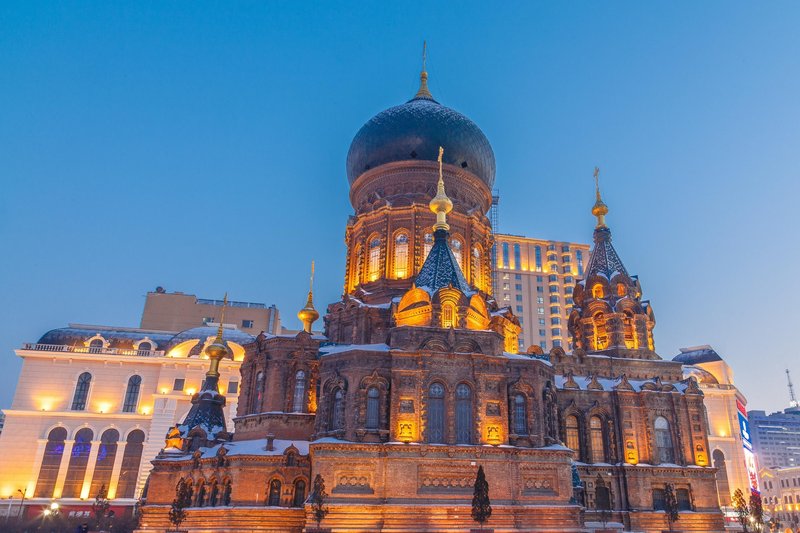
Hotels in Kemang
Discover your perfect stay in Kemang.
Kemang(Indonesia) Travel 2026: Cheap Flights, Hotels & Top Attractions
Popular Landmarks in Kemang
Discover the most iconic attractions in Kemang
Recommended Hotels in Kemang
Find the perfect place to stay in Kemang
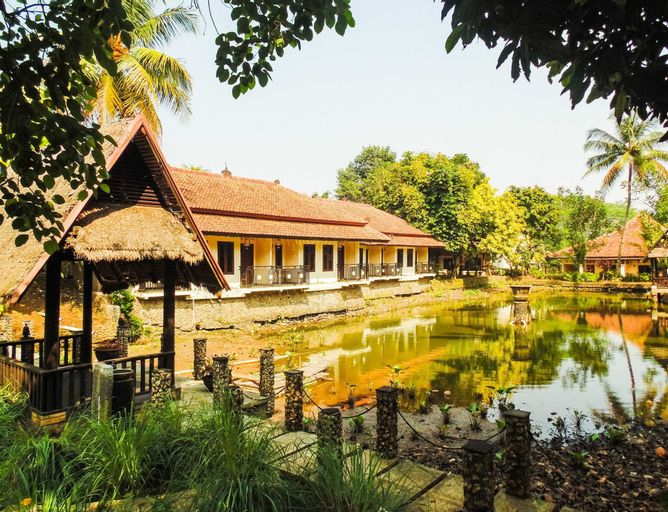
Frequently Asked Questions about Traveling to Kemang
Questions You Might Need to Know About Traveling to Kemang
In Klang, the best hotel with panoramic views of Batu Caves is Batu Caves Resort & Spa. Nestled on the hillside just minutes from the iconic entrance, this resort offers spacious rooms and private balconies overlooking the limestone cliffs and lush jungle canopy. The architecture blends traditional Malay motifs with modern comfort, featuring open-air lounges and a serene infinity pool. Guests can enjoy sunrise views over the caves and hear the distant chants during morning rituals. The resort also provides guided nature walks and cultural tours, making it ideal for travelers seeking both relaxation and local immersion.
For first-time visitors, the safest and most convenient area in Klang is the Batu Caves vicinity, particularly around the main temple complex and surrounding streets. This zone offers easy access to public transport, restaurants, souvenir shops, and well-maintained walking paths. Hotels like The Hillside Retreat and Cave View Homestay provide secure, family-friendly accommodations with 24-hour front desk service and reliable Wi-Fi. The area is well-lit at night and frequently patrolled by security personnel, especially near religious sites during festivals. It’s an ideal base for exploring both spiritual landmarks and nearby urban attractions.
Tourists in Klang should experience the annual Thaipusam festival at Batu Caves, one of Southeast Asia’s most vibrant Hindu celebrations. Pilgrims climb the 272 steps carrying ornate kavadis—metal structures adorned with hooks and flowers—as acts of devotion. Visitors can witness the dramatic procession, see devotees pierced through the skin with skewers, and observe ritual offerings made at the inner sanctum. Beyond the festival, locals host traditional Ramli dance performances and craft markets selling handwoven textiles and sacred idols. These experiences offer deep insight into the region’s Indian-Malay heritage and spiritual traditions.
Yes, Klang offers several must-visit night attractions. The Batu Caves Night Light Show transforms the cave entrance into a glowing spectacle with colorful LED projections, creating a mystical atmosphere after sunset. Many visitors stay overnight to watch the city lights stretch across the valley below. Additionally, the Pasar Malam (Night Market) near the temple opens daily from 6 PM, offering grilled satay, fresh tropical fruits, and handmade souvenirs. Street vendors sell everything from batik fabrics to wooden carvings, while live music adds to the festive vibe. It’s a perfect blend of culture, cuisine, and community life.
While some luxury hotels in Klang, such as Batu Caves Resort & Spa, provide complimentary airport or train station pickup, most mid-range and budget accommodations do not include this service. However, ride-hailing apps like Grab and Gojek operate reliably throughout the city, with fares starting at around IDR 30,000. For travelers planning to visit Batu Caves, many hotels offer scheduled shuttle buses—especially during peak season—which are a cost-effective and convenient option. Always confirm transfer availability when HopeGoo, as policies vary significantly between properties.
Klang’s hot, humid tropical climate (average 28°C, high rainfall) influences hotel selection significantly. Opt for hotels with air conditioning, ceiling fans, and dehumidifiers, especially those located at higher elevations like The Hillside Retreat, which enjoys cooler temperatures. Rooms with cross-ventilation and outdoor terraces help combat stickiness. Avoid low-lying areas prone to flooding during monsoon months (November–February). Properties with indoor pools, shaded gardens, and mosquito netting are preferred for comfort and health. Staying in elevated, green-certified lodges enhances overall well-being and reduces heat stress during long stays.
Photography lovers will appreciate Batu Caves Resort & Spa for its stunning architectural design and natural backdrop. The building’s tiered roofs, bamboo walls, and stone pathways create striking contrast against the jungle and limestone cliffs. Early morning light filters through the trees, casting golden hues ideal for landscape shots. Nearby, The Hillside Retreat features glass-walled suites perched above the valley, offering unobstructed 360-degree views of Batu Caves at sunrise and twilight. The reflection of the cave in the infinity pool makes for a breathtaking image. Bring a wide-angle lens and tripod—these spots are perfect for capturing both solitude and grandeur.
Locals swear by Warung Sari Buana, a family-run eatery tucked just off the main road leading to Batu Caves. Open since 1950, it serves authentic Indonesian-style Kopi Tubruk coffee and Nasi Lemak with crispy fried anchovies, sambal, and boiled egg. The food is served on banana leaves with bamboo utensils, adding to the rustic charm. Located near the temple gate, it attracts early risers and pilgrims alike. Prices are affordable (around IDR 15,000), and the outdoor seating offers a quiet spot to enjoy the morning mist rising from the caves—a true taste of local life.
Absolutely. Klang is increasingly popular among digital nomads and long-term travelers. Hotels like Batu Caves Resort & Spa offer long-stay packages with discounts for stays over 7 days, including free Wi-Fi, daily housekeeping, and breakfast. Many rooms come equipped with desks, ergonomic chairs, and power outlets. The peaceful environment, surrounded by nature and away from city noise, supports productivity. Nearby co-working spaces and cafes provide alternative work settings. With stable internet and proximity to cultural sites, Klang offers a balanced mix of comfort, tranquility, and connectivity—ideal for remote workers seeking inspiration.
The best time to visit Klang without crowds is during the off-season (March to October), especially outside of major festivals like Thaipusam. During these months, rainfall is more frequent, but tourist numbers drop significantly, allowing for quieter exploration of Batu Caves and surrounding trails. Fewer people mean easier access to photo spots, better hotel rates, and less congestion at temples and markets. While humidity remains high, the lush greenery compensates with a refreshing, immersive jungle atmosphere. For travelers prioritizing peace and authenticity, this period offers a more intimate connection with the region’s natural and cultural heart.
Kemang Overview
City Summary
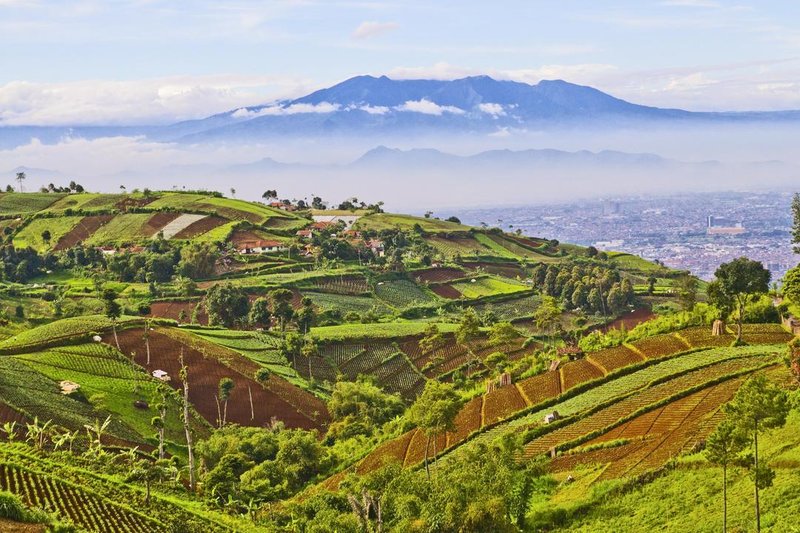
Cimahi is a charming town in West Java, Indonesia, renowned for its rich cultural heritage and natural beauty. It embodies traditional Sundanese culture with warm hospitality, offering visitors an authentic glimpse of rural Indonesian life. Surrounded by lush rice fields and volcanic landscapes, it's an ideal escape from urban bustle.
Must-See Attractions
Key attractions include traditional Sundanese villages where visitors can observe batik and woodcraft workshops. Nearby Mount Patuha offers hiking opportunities with breathtaking summit views. Don't miss cultural performances like Sundanese dances and music, typically held in village squares.
Food Guide
Street food showcases Sundanese flavors - try "Soto Bandung" (beef soup with radish and peanuts) and "Karedok" (raw vegetables with peanut sauce). Local markets offer fresh fruits and traditional snacks like "Dodol" (palm sugar rice cake). The cuisine emphasizes fresh ingredients and rich spice blends.
Transportation Guide
Public transport relies on minibuses ("angkot") and motorcycle taxis ("ojek"). Renting a motorbike or bicycle provides flexibility. From Bandung or Jakarta, reach Cimahi by train or bus (2-3 hours). Traffic can be congested - avoid rush hours.
Best Time to Visit
The best time to visit is during the dry season (May-September) for outdoor activities. The rainy season (October-April) may affect transportation and hiking. Festive periods like Eid bring special events but more crowds.
Travel Tips
- Respect local customs - dress modestly for mosques.
- Drink bottled water to avoid stomach issues.
- Learn basic Indonesian phrases for communication.
- Carry small cash as cards aren't widely accepted.
- Use sun protection and mosquito repellent.
- Polite bargaining is expected for handicrafts.
Useful Information
Bahasa Indonesia is the main language with limited English in tourist areas. Download offline translation apps. Mobile coverage is decent but spotty in villages. Use Indonesian Rupiah in cash - ATMs are available downtown. Dial 112 for emergencies. Medical facilities are basic; serious cases require transfer to Bandung. Electricity is 220V with two-round-pin plugs.