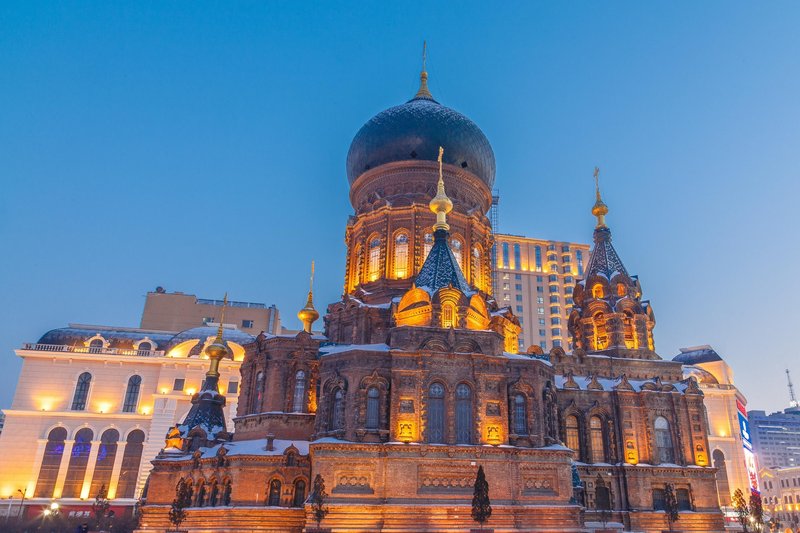
Hotels in Kerepes
Discover your perfect stay in Kerepes.
Kerepes(Hungary) Travel 2026: Cheap Flights, Hotels & Top Attractions

Popular Landmarks in Kerepes
Discover the most iconic attractions in Kerepes
Recommended Hotels in Kerepes
Find the perfect place to stay in Kerepes
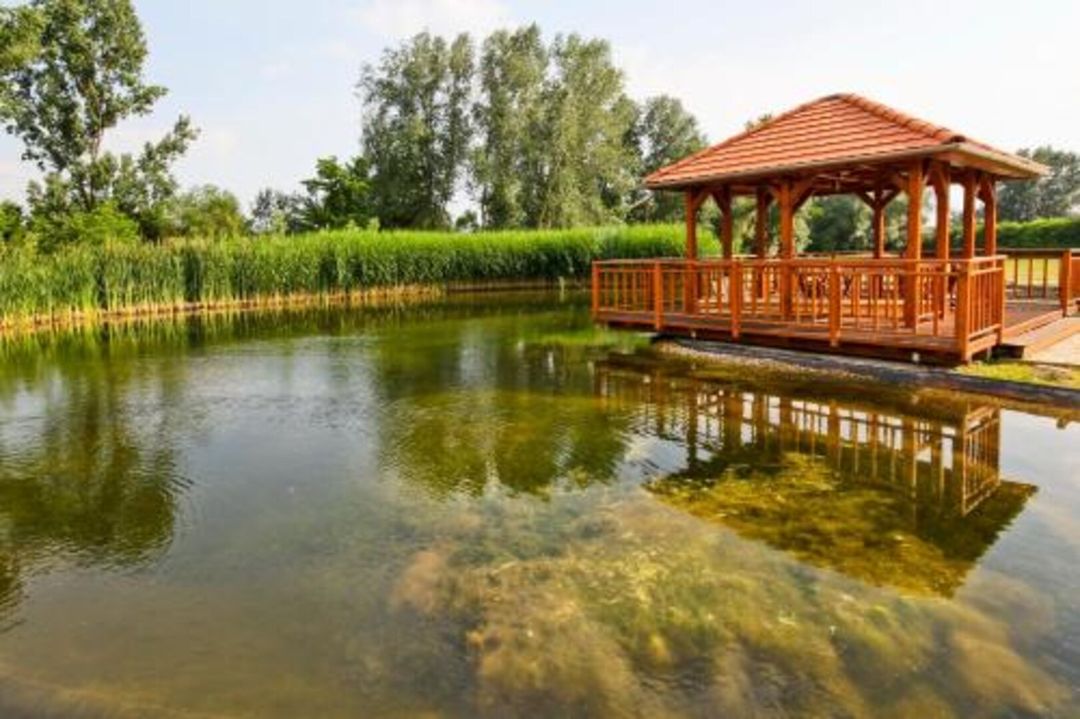
Best Hotels in Kerepes
Discover curated hotel collections in Kerepes


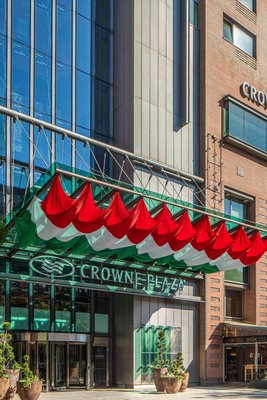











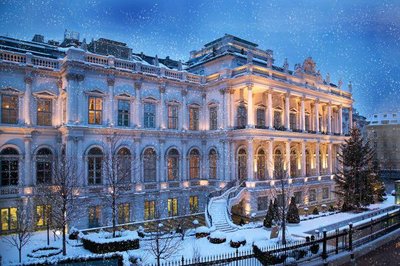
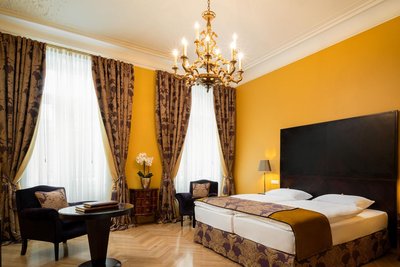





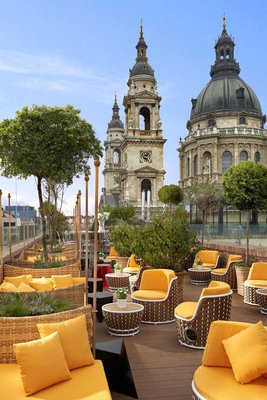


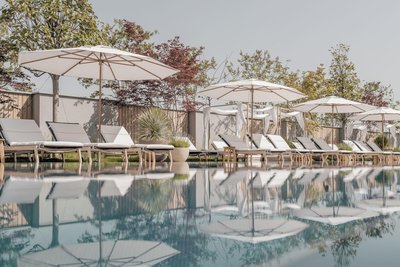
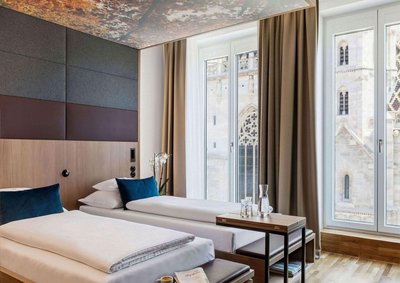
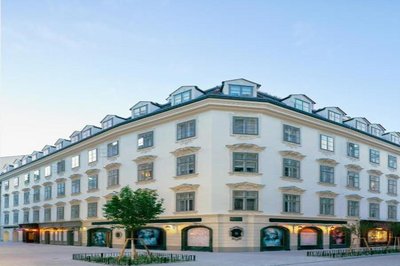
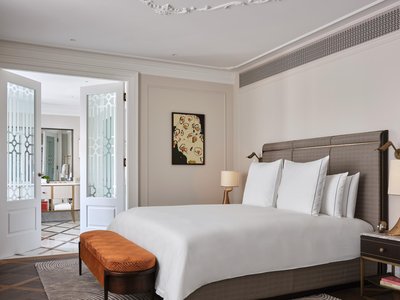

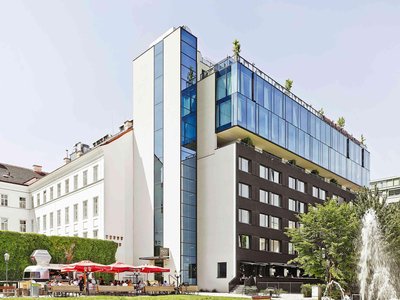










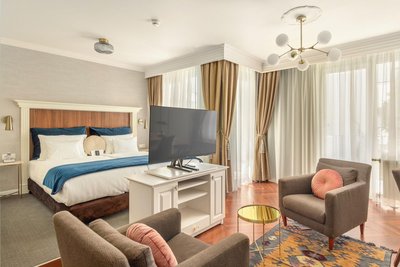

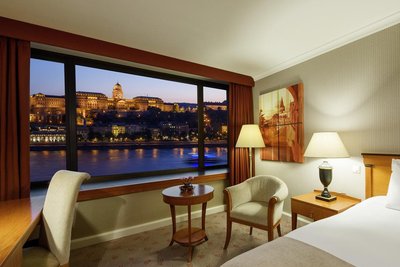
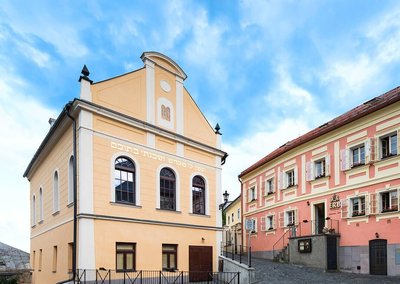
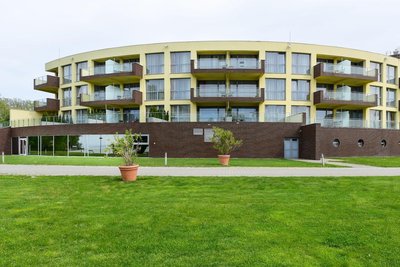


Frequently Asked Questions about Traveling to Kerepes
Questions You Might Need to Know About Traveling to Kerepes
Kerepes Overview
City Summary
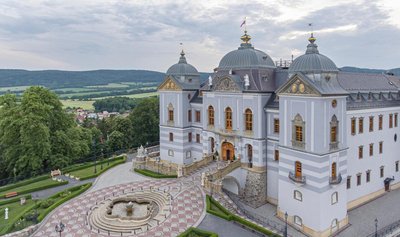
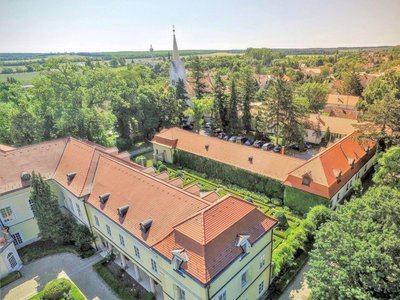
Kerepes, a charming small town in Pest County, Hungary, is known for its serene rural landscapes and rich historical heritage. The Baroque architecture and medieval churches exude a strong cultural atmosphere, while the surrounding nature reserves offer an ideal escape from urban life. Though small, Kerepes embodies the essence of traditional Hungarian culture.
Must-See Attractions
In Kerepes, visitors should not miss St. Michael's Church, a Baroque landmark. The Kerepes Castle ruins showcase medieval grandeur, while the local folk museum houses exquisite traditional crafts. Nearby nature reserves are perfect for hiking and birdwatching, making them a paradise for nature lovers.
Food Guide
Kerepes's cuisine is deeply influenced by Hungarian traditions. Must-tries include goulash soup and lángos. Local eateries serve smoked sausages and artisanal cheeses, paired with Hungary's famous Tokaji wine. Street markets often feature fresh produce and homemade preserves, worth exploring.
Transportation Guide
Public transport in Kerepes relies on buses, with limited but essential coverage. Renting a bike is ideal for exploring the countryside, while taxis are useful for distant areas. From Budapest, take a train or long-distance bus (approx. 1.5 hours). Drivers should note that rural roads can be narrow and poorly marked.
Best Time to Visit
The best time to visit is May to September, with mild weather and vibrant festivals. Though summer attracts more visitors, Kerepes remains quieter than Hungary's major cities. Autumn's grape harvest offers unique experiences, while winter is relatively dormant.
Travel Tips
- Currency: Hungary uses the forint; small shops may not accept cards.
- Etiquette: Dress modestly in churches and avoid loud noises.
- Safety: Rural roads lack lighting; exercise caution at night.
- Language: Basic Hungarian greetings are appreciated.
- Tipping: A 10% tip is customary in restaurants.
- Internet: Urban areas have Wi-Fi, but coverage is spotty in the countryside.
Useful Information
Language: Hungarian is spoken; English proficiency is low—download a translation app. Payments: Cash is preferred; credit cards are accepted at larger establishments. Emergencies: A small clinic serves the town center; serious cases require Budapest hospitals. Internet: Local SIM cards (e.g., Vodafone/Telenor) are cost-effective. Voltage: 230V, with European-style plugs. Water: Tap water is safe, but bottled water is more common.