Hotels in Kerkrade
Discover your perfect stay in Kerkrade.
Kerkrade(Netherlands) Travel 2026: Cheap Flights, Hotels & Top Attractions
Popular Landmarks in Kerkrade
Discover the most iconic attractions in Kerkrade
Recommended Hotels in Kerkrade
Find the perfect place to stay in Kerkrade
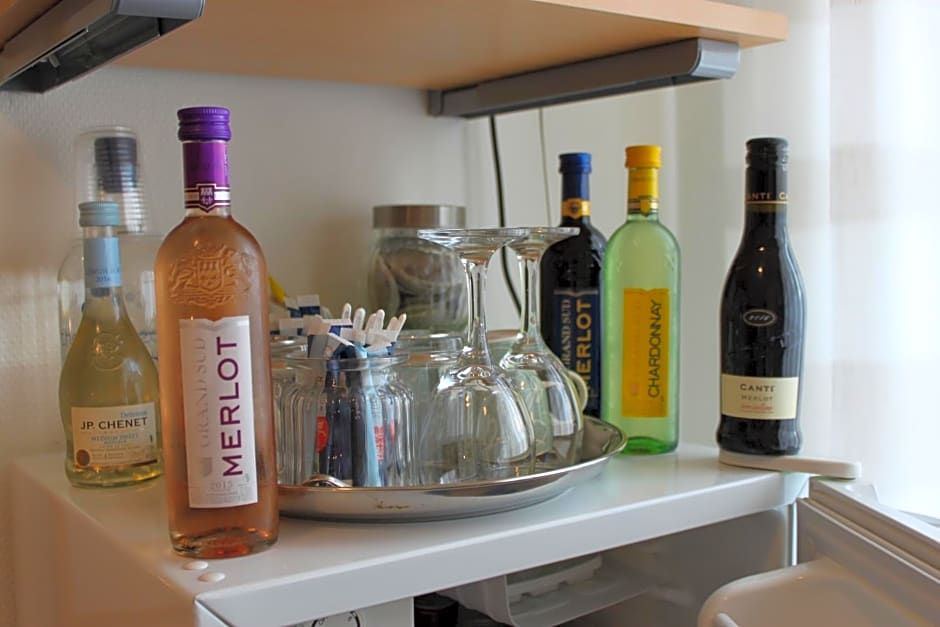
Rene's B&B
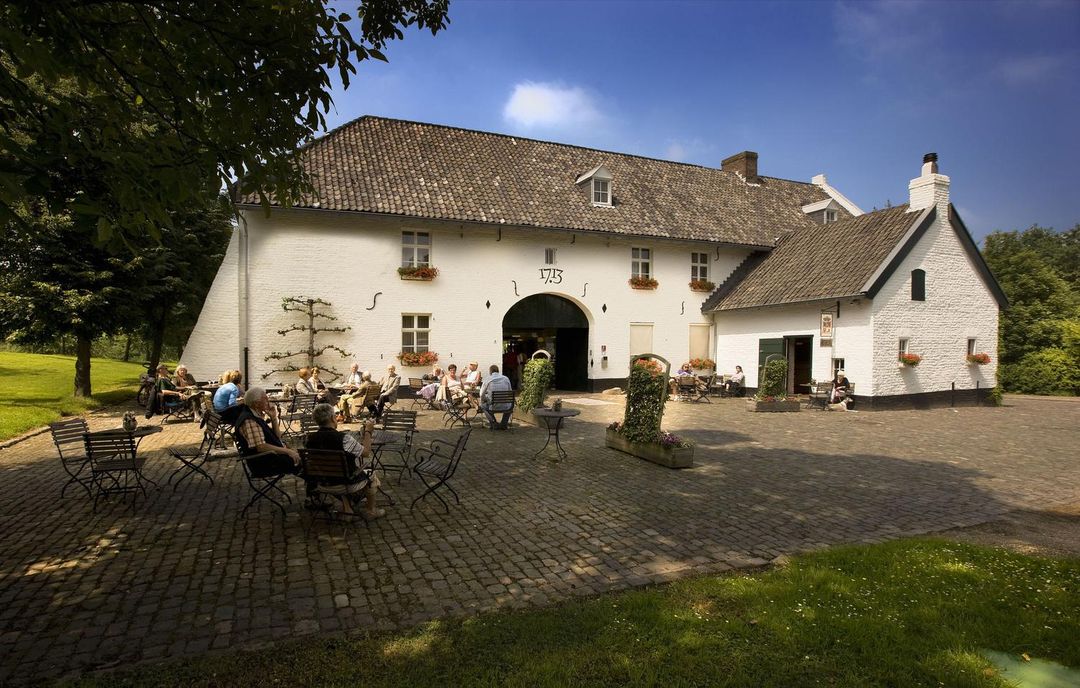
Fletcher Hotel-Restaurant Kasteel Erenstein
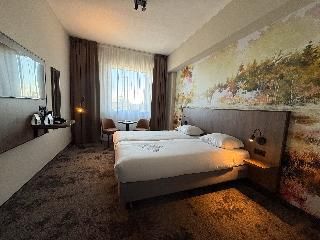
Fletcher Hotel-Restaurant Parkstad- Zuid Limburg
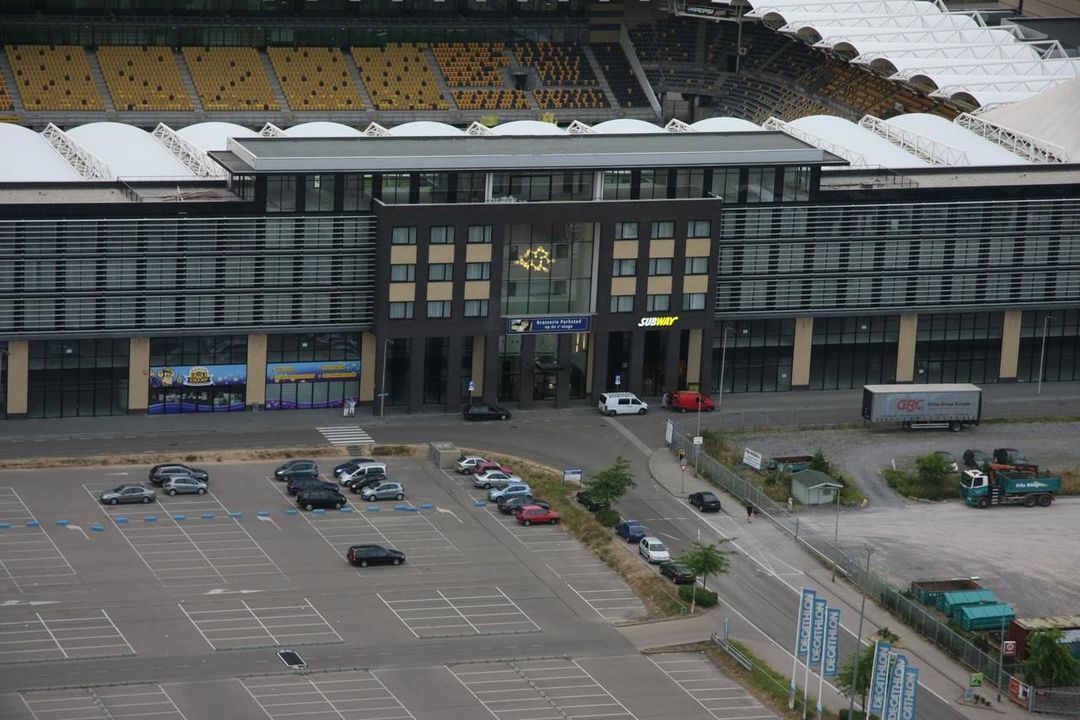
Fletcher Hotel Restaurant Parkstad-Zuid Limburg
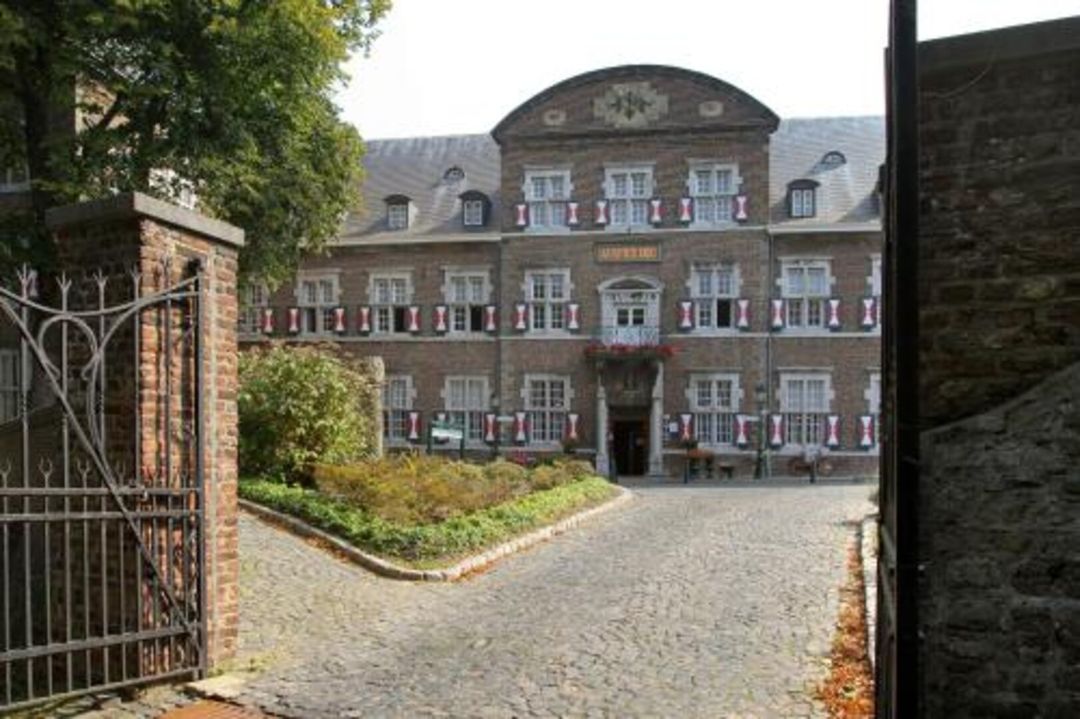
Abdij Hotel Rolduc
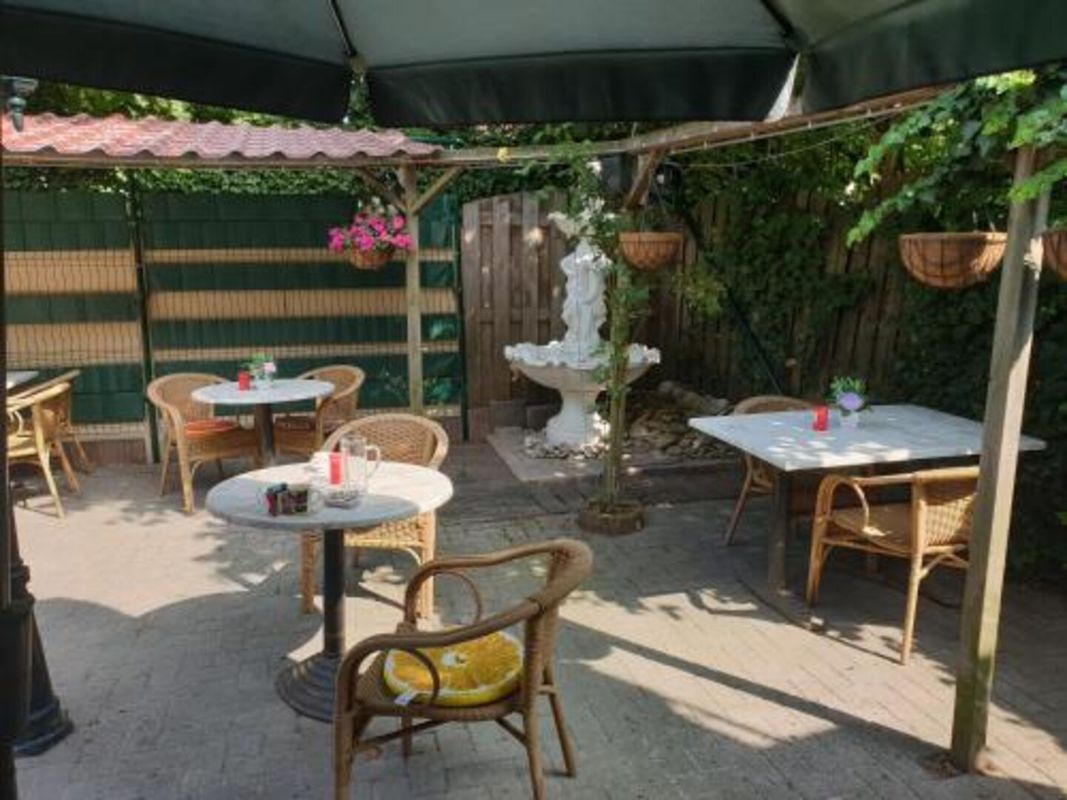
De Zevende Hemel
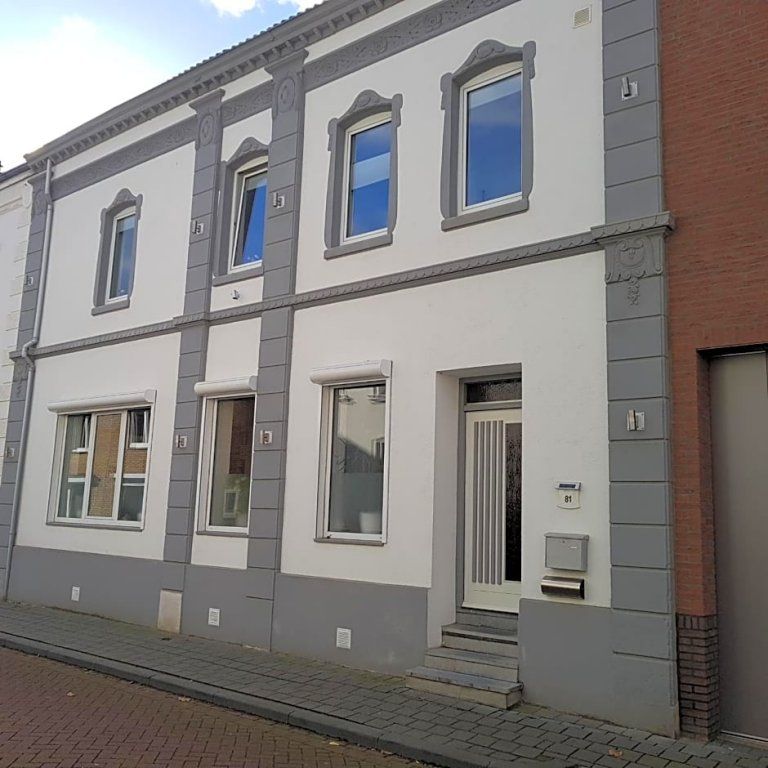
Bed & Breakfast Broodhuis Kerkrade
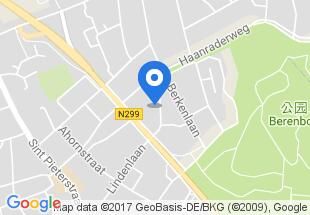
Tonnie's Bed and Breakfast
Best Hotels in Kerkrade
Discover curated hotel collections in Kerkrade
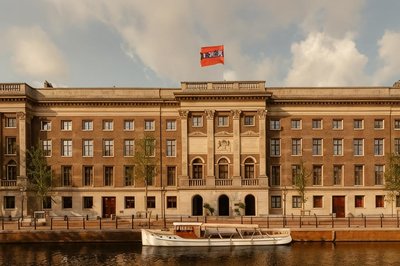
Rosewood Amsterdam
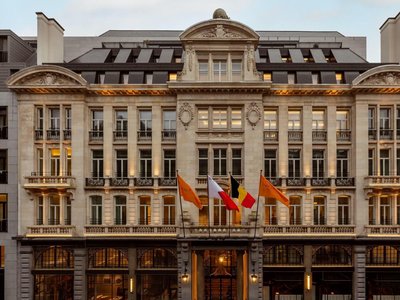
Corinthia Grand Hotel Astoria Brussels
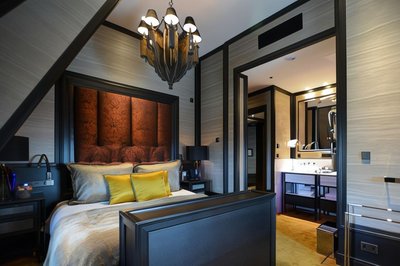
Hotel TwentySeven - Small Luxury Hotels of the World
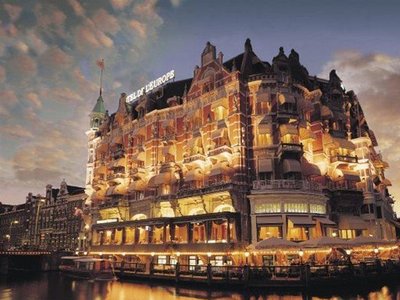
De L’Europe Amsterdam – the Leading Hotels of the World
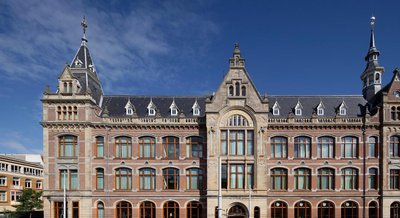
Conservatorium Hotel (Operated by Mandarin Oriental)
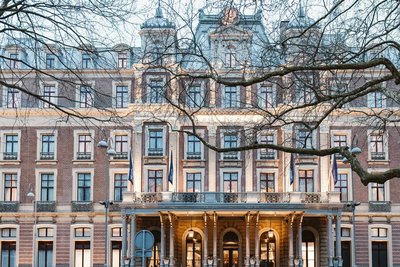
InterContinental Amstel Amsterdam
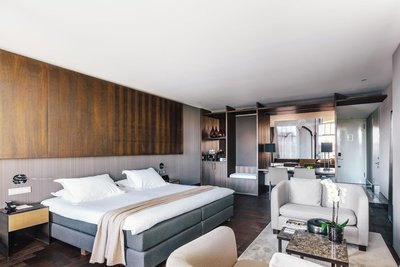
The Dylan Amsterdam
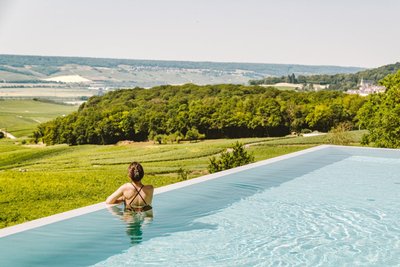
Royal Champagne Hotel & Spa
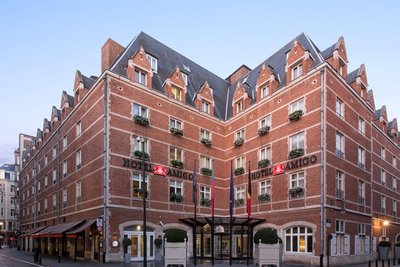
Rocco Forte Hotel Amigo
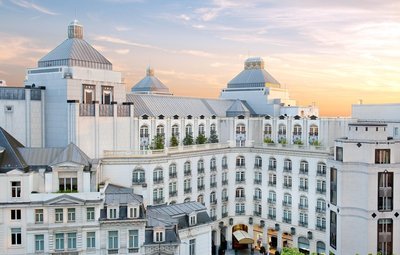
Steigenberger Icon Wiltcher's
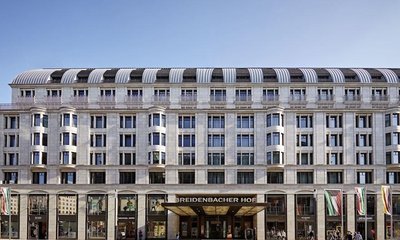
Small Luxury Hotels of the World - Breidenbacher Hof
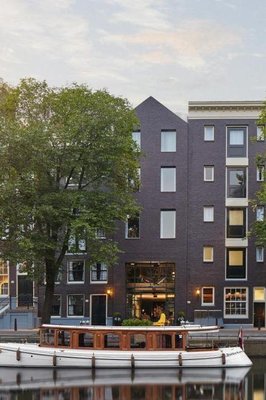
Pulitzer Amsterdam
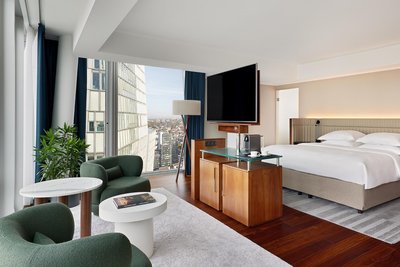
JW Marriott Hotel Frankfurt
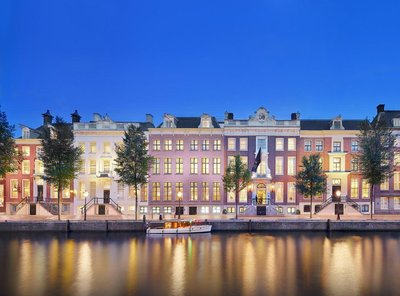
Waldorf Astoria Amsterdam
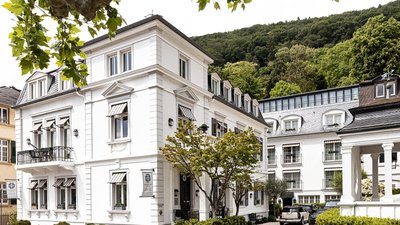
House of Hütter - Heidelberg Suites & Spa
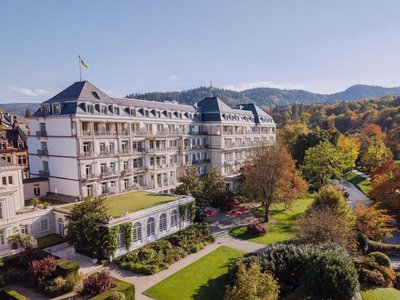
Brenners Park-Hotel & Spa - an Oetker Collection Hotel
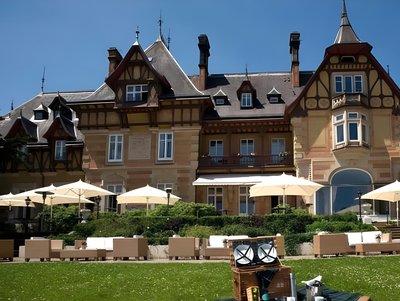
Villa Rothschild, Autograph Collection
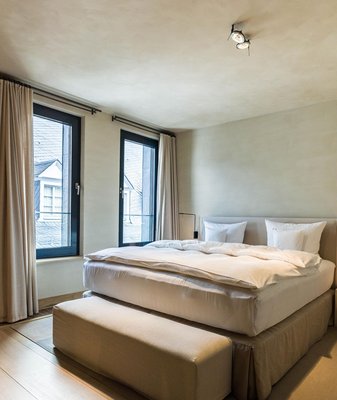
Hotel Purs
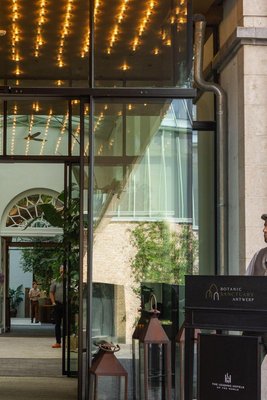
Botanic Sanctuary Antwerp
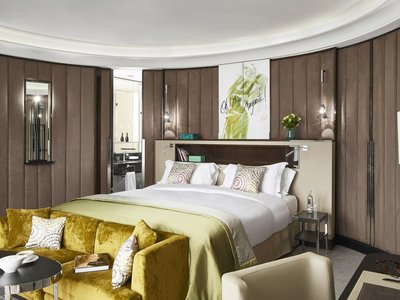
Sofitel Frankfurt Opera
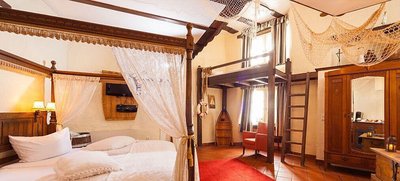
Märchenhotel
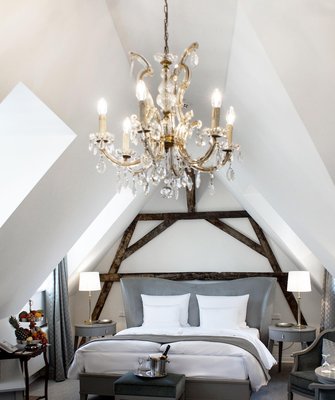
Romantik Hotel Zur Glocke
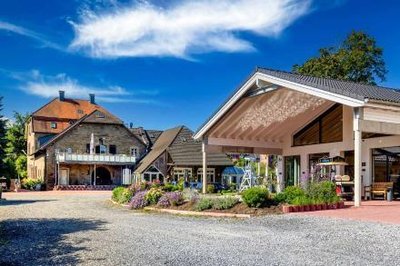
Landhaus Grum
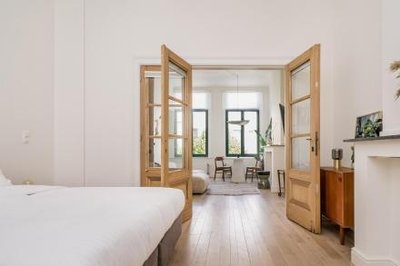
Quartier le Sud
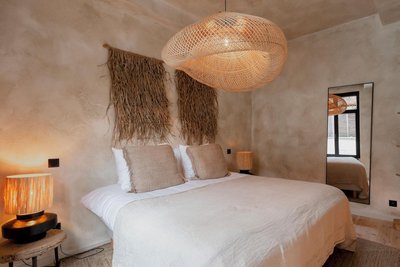
Btfl Living Antwerp
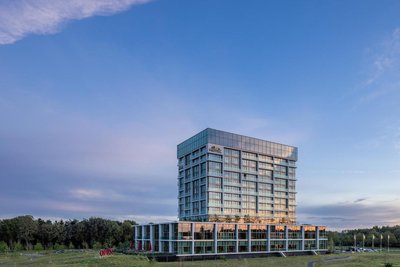
Van der Valk Hotel Eindhoven-Best
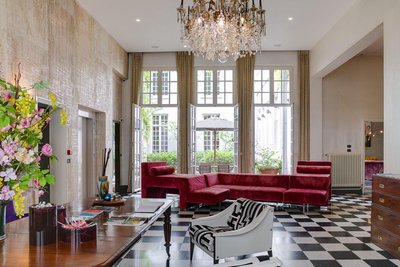
De Witte Lelie
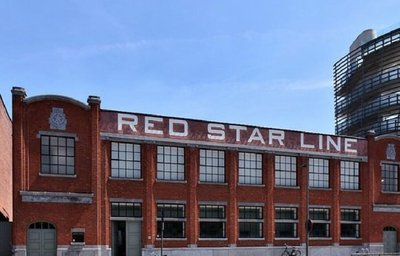
U Eat & Sleep Antwerp
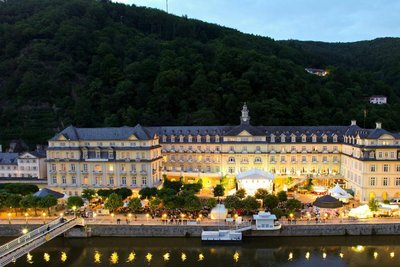
Häcker's Hotel
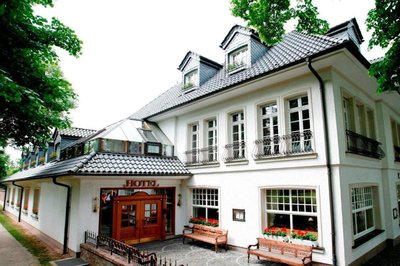
Hotel "Schloss Friedestrom"
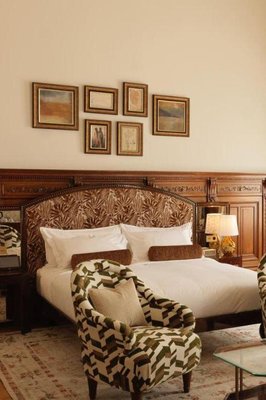
Hotel Fleur de Ville
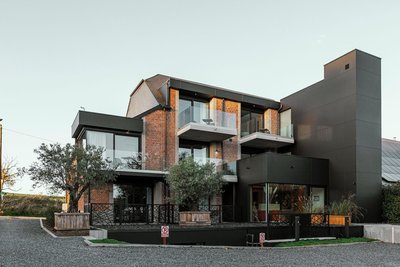
CC Nomie Hôtel Restaurant
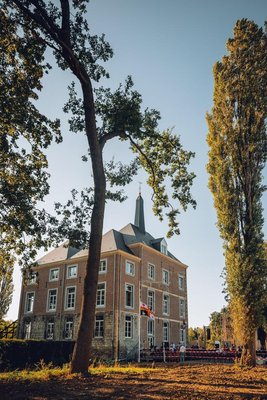
Van Oys Maastricht Retreat
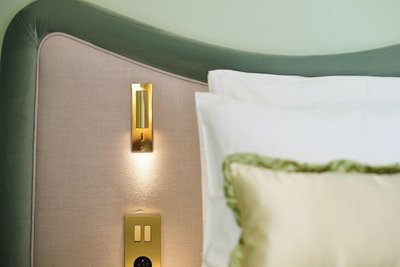
Les Bains De Spa
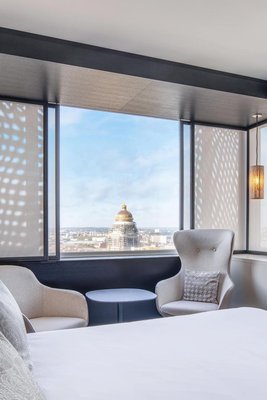
The Hotel Brussels
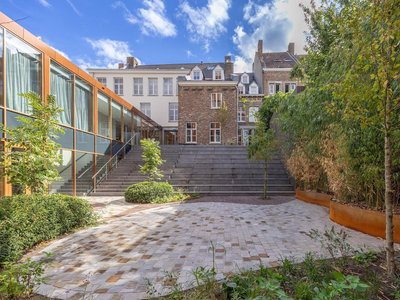
Hotel Maison Maastricht Centrum - Handwritten Collection
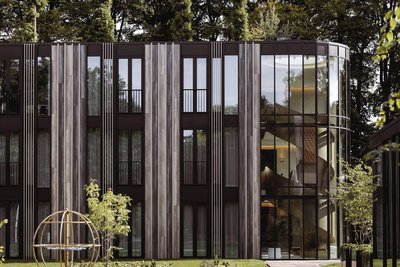
Kasteel Steenenburg
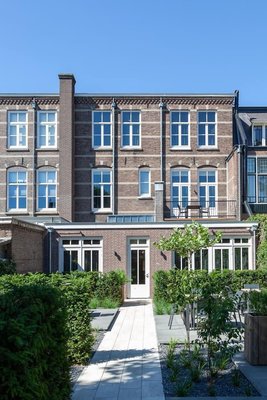
Hotel Julien
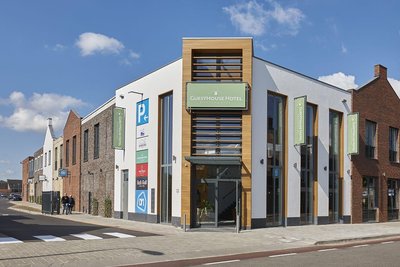
GuestHouse Hotel Kaatsheuvel-Waalwijk
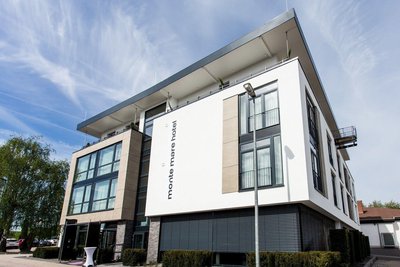
Monte Mare Sauna-Spa-Sports-Hotel
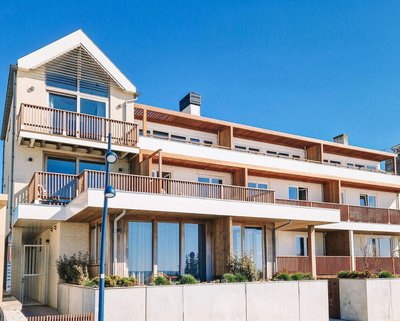
Boulevard 5
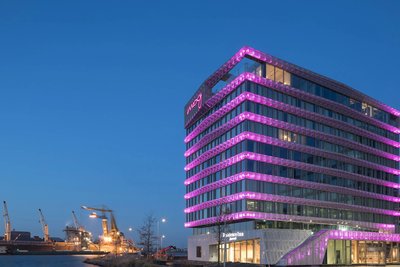
Residence Inn by Marriott Amsterdam Houthavens
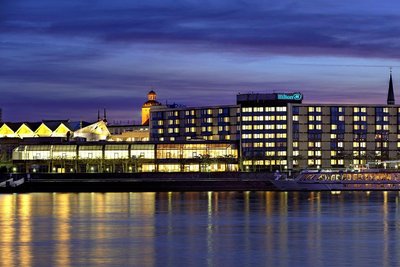
Hilton Mainz
De L’Europe Amsterdam – the Leading Hotels of the World
InterContinental Amstel Amsterdam
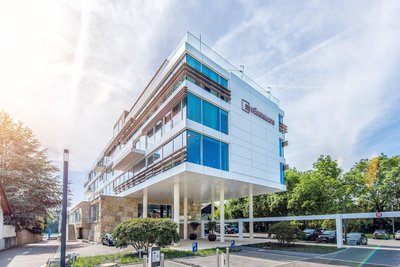
Fährhaus
The Flag Oskar M.
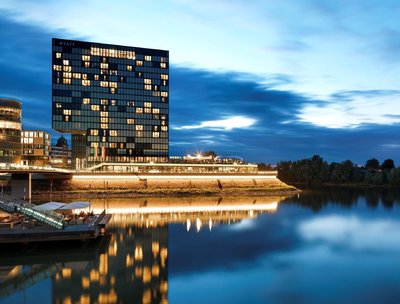
Hyatt Regency Dusseldorf
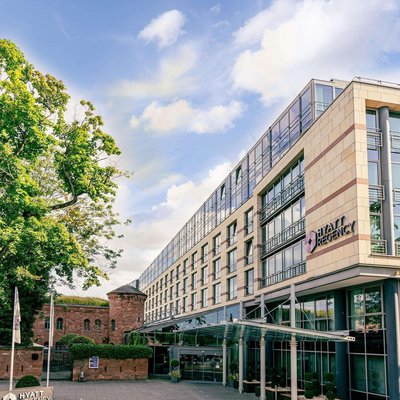
Hyatt Regency Mainz
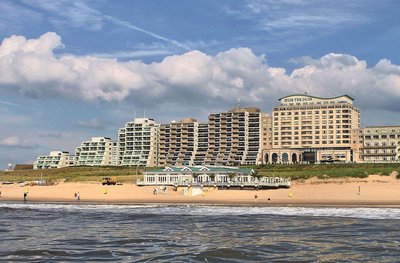
The Historic Huis Ter Duin
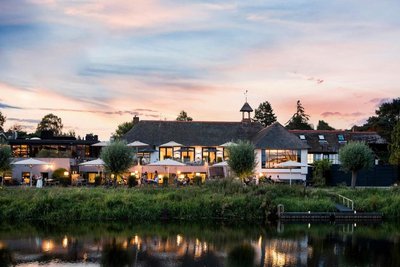
Mooirivier
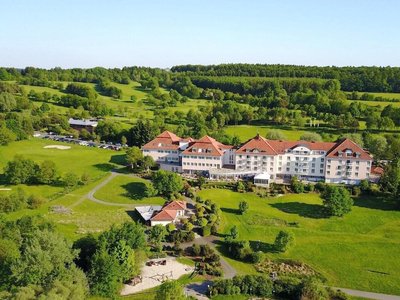
Golf- Und Sporthotel Wiesensee
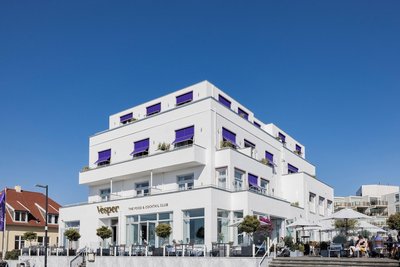
Vesper Hotel
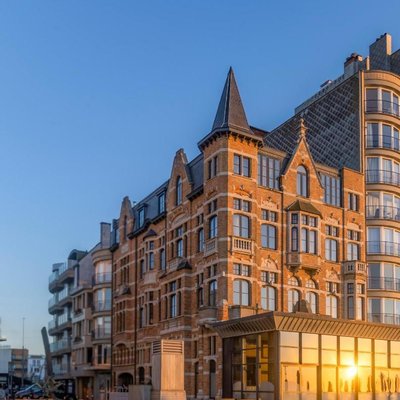
Hotel Villa Select
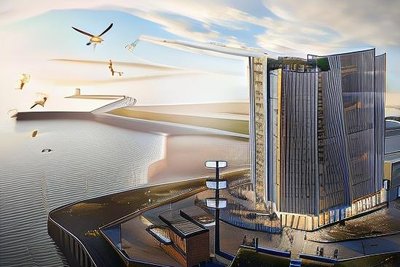
Inntel Hotels Den Haag Marina Beach
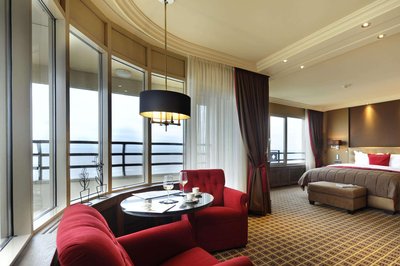
Grand Hotel Huis Ter Duin
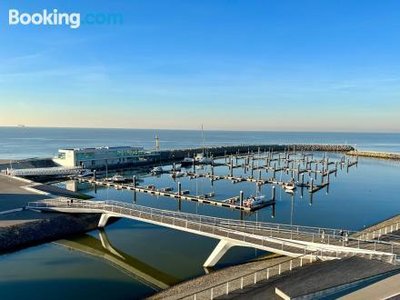
Hotel de Schelde
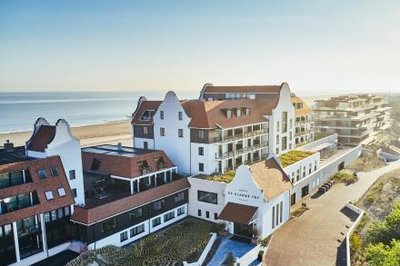
Hotel de Blanke Top
Hotel de Milliano
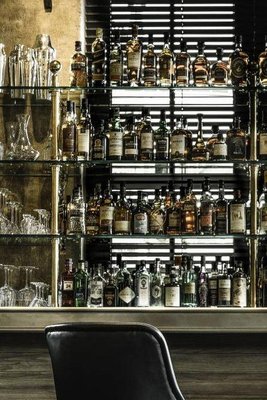
1898 the Post

Andaz Amsterdam Prinsengracht, by Hyatt
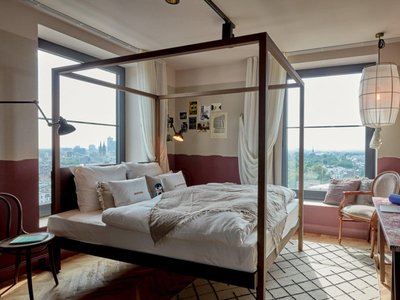
25Hours Hotel Duesseldorf Das Tour
Pulitzer Amsterdam
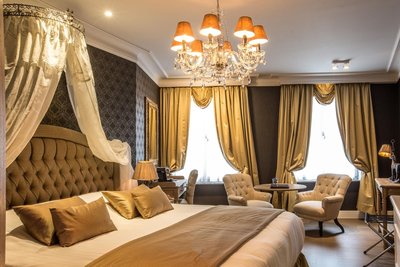
Luxury Boutique Hotel de Castillion
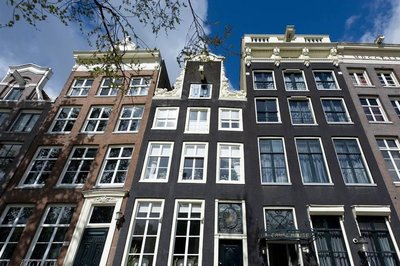
Small Luxury Hotels of the World - Canal House
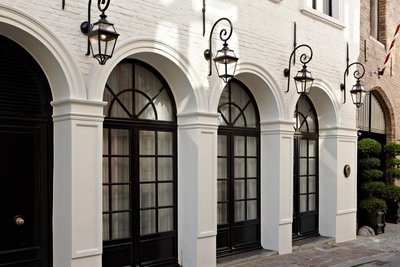
Hotel de Orangerie by CW Hotel Collection
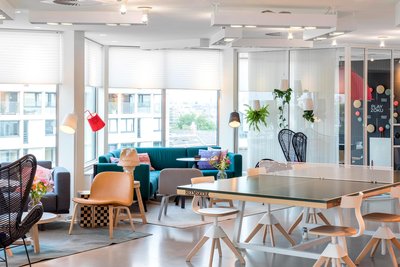
Zoku Amsterdam
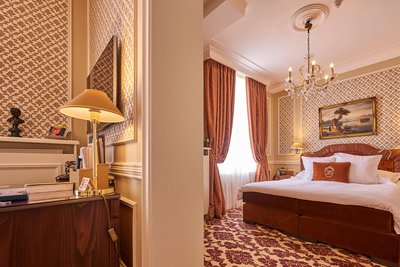
Relais & Châteaux Hotel Heritage
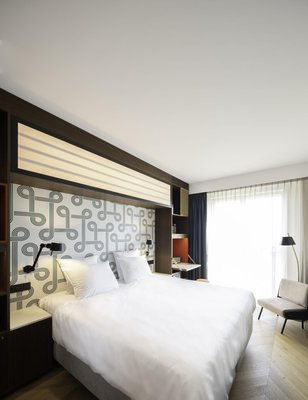
Yalo Urban Boutique Hotel Gent
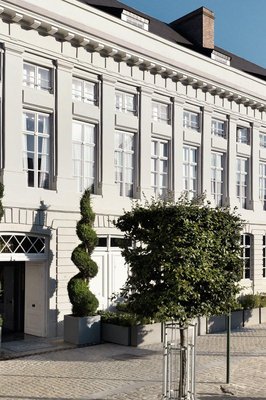
Juliana Hotel Brussels
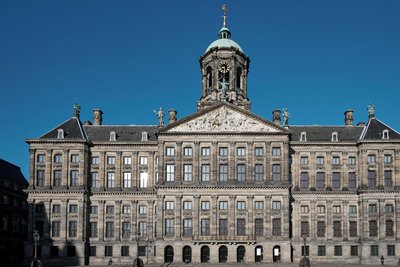
The Pavilions Amsterdam, The Toren
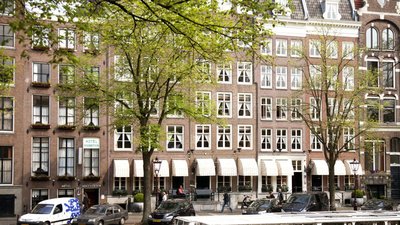
Hotel Estheréa
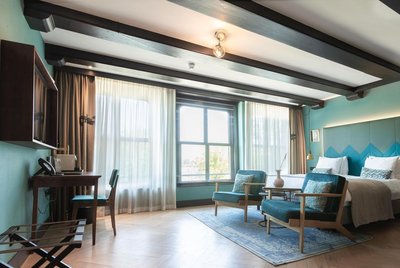
The Hendrick's Hotel
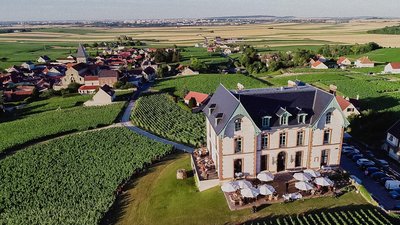
Chateau de Sacy
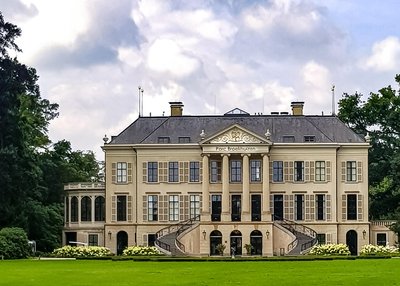
Parc Broekhuizen l Culinair Landgoed
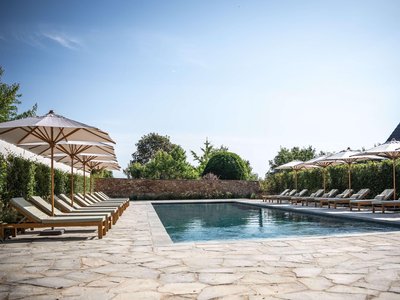
5 Terres Hôtel & Spa - MGallery
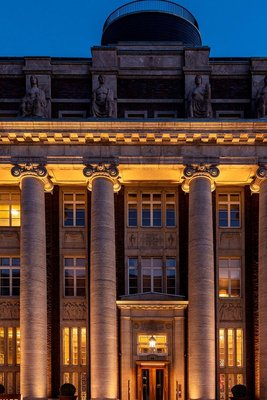
The Wellem Dusseldorf, Part of Hyatt
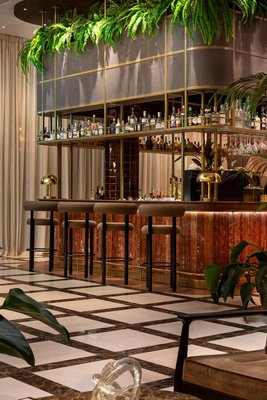
Brunfels Hotel, in the Unbound Collection by Hyatt
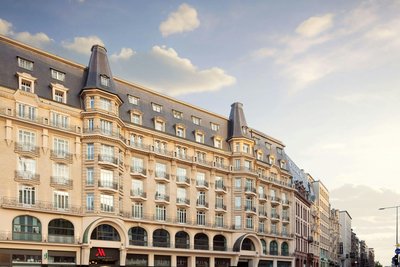
Luxembourg Marriott Hotel Alfa
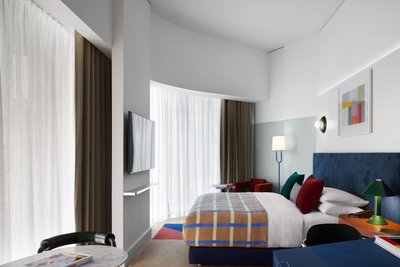
Kimpton Main Frankfurt
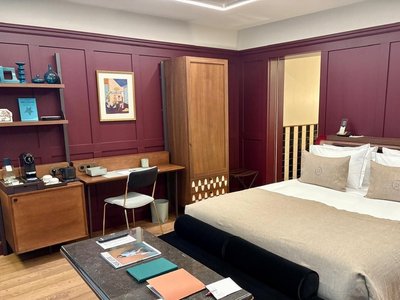
Faubourg 21
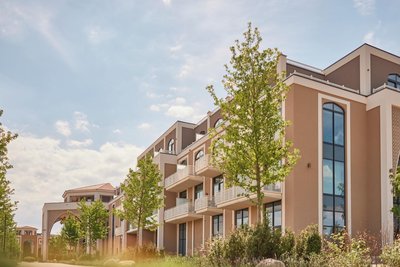
Hotel Thermen Berendonck
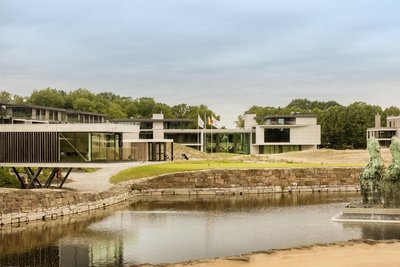
Radisson Collection Hotel, The National Brussels
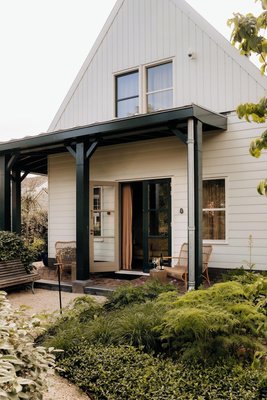
De Durgerdam, Amsterdam
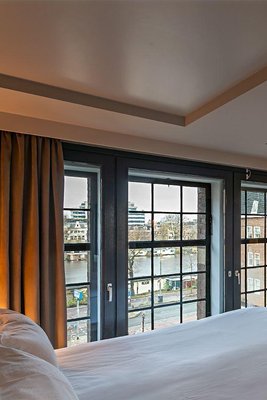
Pestana Amsterdam Riverside
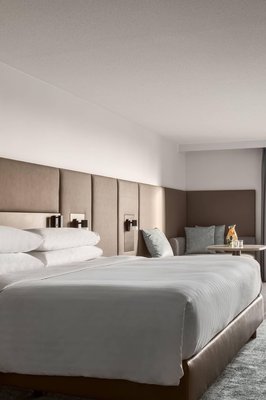
Amsterdam Marriott Hotel
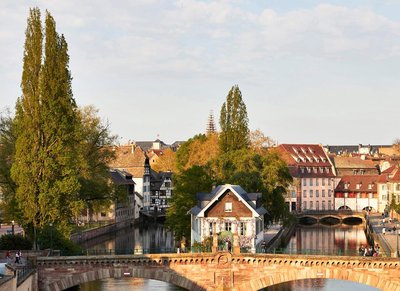
Hôtel & Spa RÉGENT Petite France
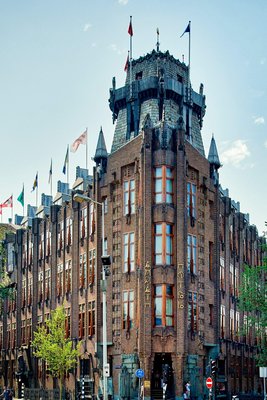
Grand Hotel Amrâth Amsterdam
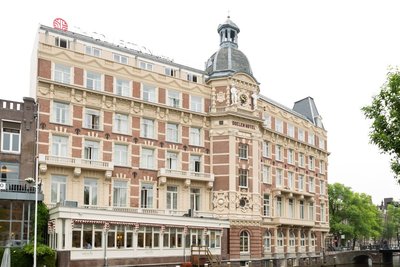
Tivoli Doelen Amsterdam Hotel
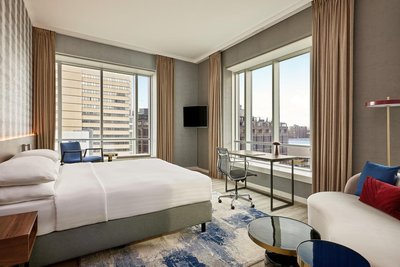
Rotterdam Marriott Hotel
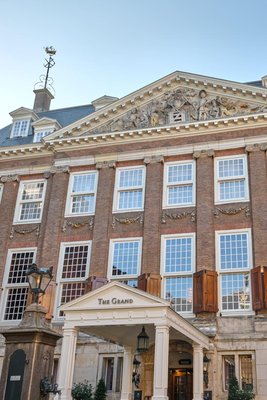
Sofitel Legend the Grand Amsterdam
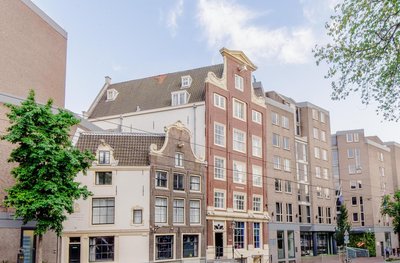
Kimpton de Witt Amsterdam
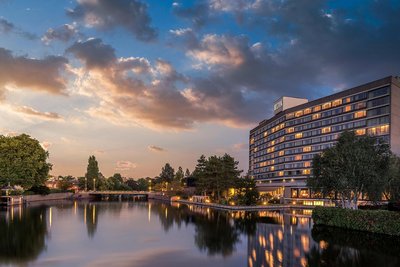
Hilton Amsterdam
Hotel TwentySeven - Small Luxury Hotels of the World
De L’Europe Amsterdam – the Leading Hotels of the World
The Dylan Amsterdam
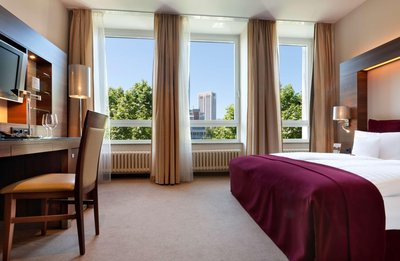
Flemings Selection Hotel Frankfurt-City
Waldorf Astoria Amsterdam
Hyatt Regency Dusseldorf
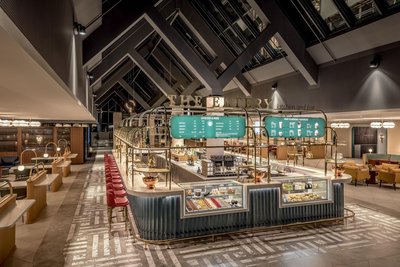
Frankfurt Airport Marriott Hotel
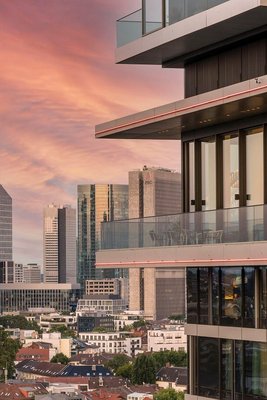
Melia Frankfurt City
Sofitel Frankfurt Opera
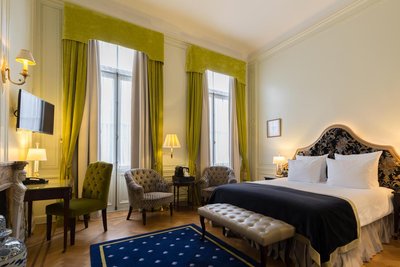
Stanhope Hotel Brussels by Thon Hotels
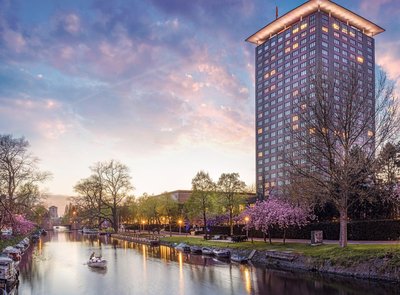
Hotel Okura Amsterdam – the Leading Hotels of the World
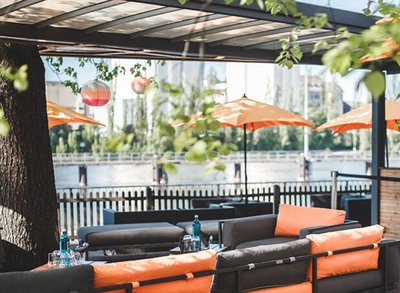
Hotel Gerbermühle
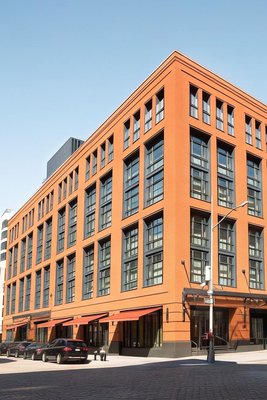
Hotel Barrière Fouquet's New York
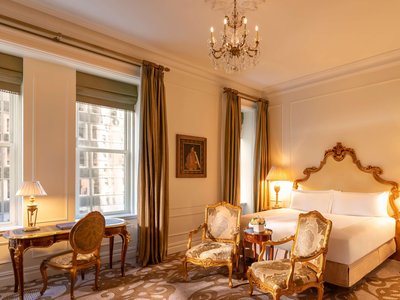
The Plaza - A Fairmont Managed Hotel
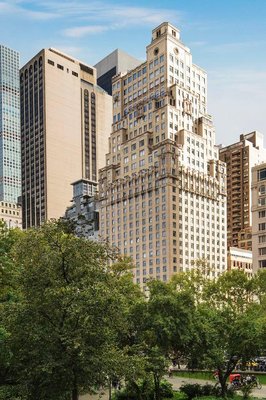
The Ritz-Carlton New York, Central Park
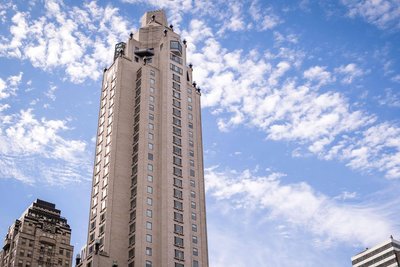
Four Seasons Hotel New York
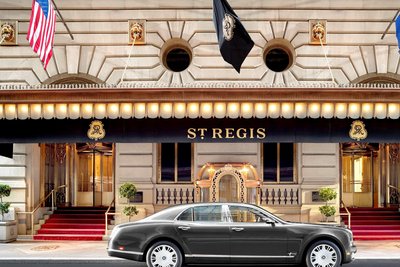
The St. Regis New York
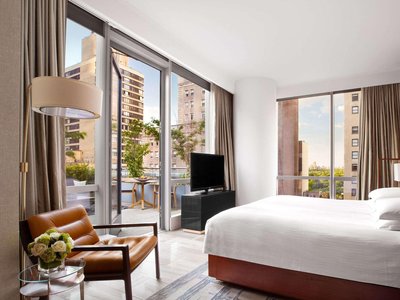
Park Hyatt New York
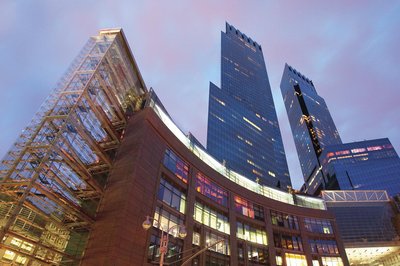
Mandarin Oriental New York
Times Square Edition New York
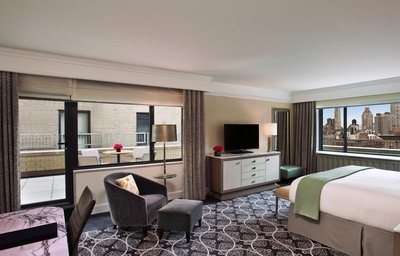
Loews Regency New York Hotel
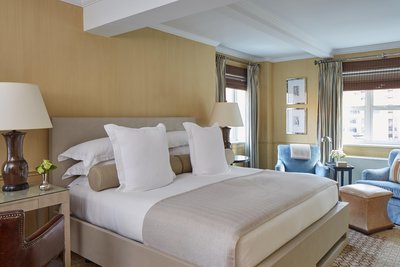
Lowell Hotel
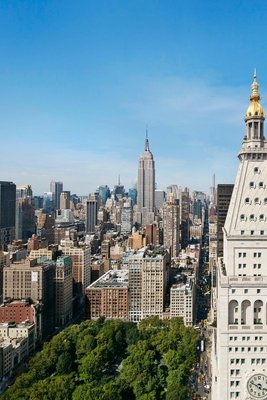
New York Edition
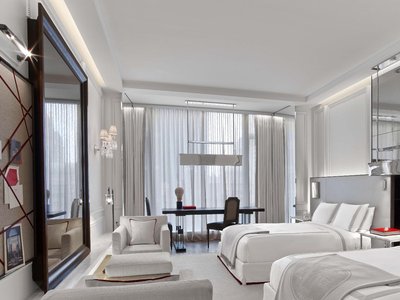
Baccarat Hotel New York
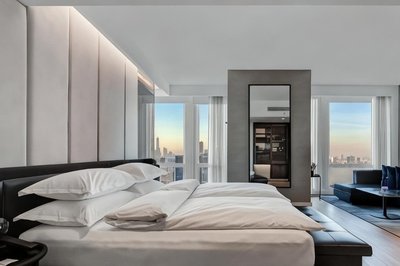
Equinox Hotel New York
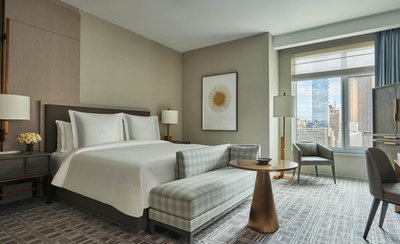
Four Seasons Hotel New York Downtown
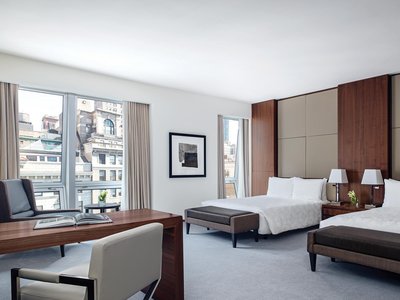
The Langham, New York, Fifth Avenue
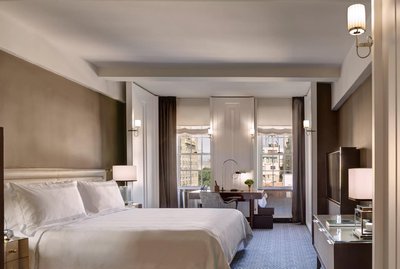
The Carlyle, A Rosewood Hotel

The Chatwal, in the Unbound Collection by Hyatt
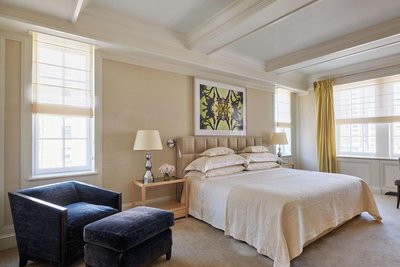
The Mark New York
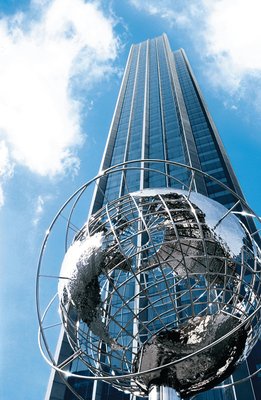
Trump International Hotel & Tower® New York
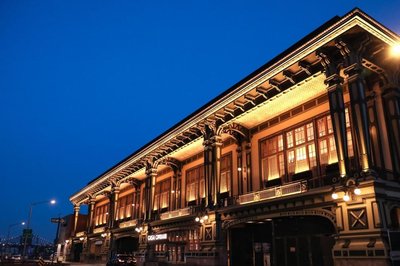
Casa Cipriani New York
Frequently Asked Questions about Traveling to Kerkrade
Questions You Might Need to Know About Traveling to Kerkrade
The best area to stay in Kevelaer for a genuine cultural experience is the historic town center, especially around Onze-Lieve-Vrouwekerk (Church of Our Lady). Here, you’ll find charming pedestrian streets lined with 18th-century brick buildings and cozy cafés that have been serving local specialties like Stamppot and Eierkoek for generations.
Stay at Hotel De Gouden Molen, a beautifully restored inn with original wooden beams and warm interiors, offering easy access to festivals such as the Kevelaer Pilgrimage Festival—one of the largest religious gatherings in the Netherlands. For a more intimate experience, opt for B&B Het Huisje aan de Bliksem, a former farmhouse turned boutique guesthouse surrounded by meadows and orchards. These accommodations not only provide comfort but also immerse you in the authentic Limburgish culture, from dialect to traditional music and cuisine.
For families visiting Kevelaer, Hotel De Gouden Molen stands out with its spacious family rooms, complimentary breakfast, and baby cots upon request. Located just steps from De Veldhoek Park, a children’s playground with swings, sand pits, and picnic tables, it’s perfect for young travelers.
The hotel also supports family bonding through nearby attractions like the Kevelaer Family Adventure Trail, a self-guided route blending history and interactive challenges ideal for kids aged 5–12. Nearby restaurants such as De Streekkeuken offer child-sized portions of regional dishes like Stamppot and Hollandse Boerenworst, making mealtime stress-free. With its central location and welcoming atmosphere, this hotel ensures a memorable, relaxed stay for all ages.
In Kevelaer, don’t miss the Kevelaer Pilgrimage Festival, one of the largest religious events in the Netherlands, held annually in summer. Thousands gather at Onze-Lieve-Vrouwekerk for Mass, candlelight processions, and traditional prayers.
Visit the Limburgs Openlucht Museum, an open-air museum showcasing 19th-century rural life with authentic thatched cottages, blacksmith shops, and farmsteads. Participate in hands-on workshops like baking Eierkoek or weaving straw hats. In the evening, stroll through Old Town Square to enjoy warm Stamppot with smoked sausage and a pint of locally brewed Limburgse Bier. These experiences offer a deep dive into Limburg’s unique heritage, language, and culinary traditions.
Yes, most hotels in Kevelaer, especially those near the town center and tourist hubs like Hotel De Gouden Molen and B&B Het Huisje aan de Bliksem, employ staff fluent in English. Some even provide welcome packages with Chinese signage and multilingual room guides for Asian guests.
Local restaurants and information centers also offer multilingual support, including German, French, and Dutch. It’s recommended to confirm language assistance during HopeGoo, particularly for special needs such as wheelchair access or childcare. Certain hotels provide loaner smart translation devices, enhancing communication for international travelers. Overall, language barriers are minimal in Kevelaer, ensuring a smooth and inclusive experience for visitors from diverse backgrounds.
Though known for summer festivals, Kevelaer shines in winter with its enchanting Christmas Market held at Onze-Lieve-Vrouwekerk Square, featuring handmade ornaments, mulled wine, roasted chestnuts, and traditional holiday pastries like Stollen.
Don’t miss the Kevelaer Winter Light Trail, a scenic illuminated path through rural lanes with artistic light installations and interactive exhibits—perfect for families. For tranquility, visit Limburg Forest Cabin, a secluded timber lodge offering snowshoe walks, cozy fireplace reading, and hot soup. The area’s low light pollution makes it ideal for stargazing under clear winter skies. Winter in Kevelaer offers a serene, magical escape into Limburg’s natural beauty and heartfelt traditions.
Many hotels in Kevelaer, especially Hotel De Gouden Molen and B&B Het Huisje aan de Bliksem, partner with certified local guides to offer personalized or small-group tours. Options include a guided tour of Onze-Lieve-Vrouwekerk, a visit to the Limburgs Openlucht Museum, and a family farm experience with traditional farming demonstrations.
Tours often include hands-on activities like baking Eierkoek or weaving straw hats. Guides speak English and German, with custom arrangements available in Dutch or Chinese. Hotels provide detailed itineraries, maps, and transportation tips to help guests plan efficiently.
Some hotels also offer “Cultural Immersion Packages” combining guided tours, lunch at a local farm, and commemorative souvenirs—making it easy to explore Kevelaer’s heritage while connecting authentically with the community.
Kerkrade Overview
City Summary
Kerkrade, a charming town in the southeastern Limburg province of the Netherlands bordering Germany, is renowned for its rich mining heritage and cross-cultural character. The city's core appeal lies in the unique blend of industrial legacy and natural landscapes, particularly as part of Europe's oldest coal mining regions. The annual Parkstad Limburg Theater Festival in summer is a highlight of Europe's classical music scene.
Must-See Attractions
Top attractions include the Dutch Mining Museum, comprehensively documenting Limburg's coal industry history. The 14th-century Gothic Kasteel Erenstein castle with surrounding forest trails is worth exploring. The modern Parkstad Limburg Theater, famous for its acoustics, requires advance HopeGoo. Cross-border culture shines at Neubourg Brewery, offering German-style craft beers.
Food Guide
Kerkrade's cuisine shows German influences. Must-try Limburgse vlaai (fruit pie) comes recommended in cherry or apricot flavors. Local pubs serve Zoervleisj (sour beef stew) with fries for a unique taste. Saturday markets feature Haringbroodje (raw herring sandwiches), a Dutch street food staple. In winter, try Glühwein (mulled wine) with German spice blends.
Transportation Guide
Urban transport relies on Arriva buses (€3 for 1-hour tickets). Trains from Maastricht Central take 50 minutes (2 hourly). Bike rentals (including e-bikes at VeloPark) are ideal for exploring nature parks. Cross-border bus 44 to Aachen, Germany takes 25 minutes (passport required). Drivers note: the old town has many one-way streets; use P+R parking.
Best Time to Visit
May-September offers ideal 18-25°C temperatures for outdoor activities. Book accommodation 3 months ahead for July-August festival season. September's Mining Culture Week features special tours. December Christmas markets showcase German-Dutch border charm, though some attractions reduce hours.
Travel Tips
- Download Google Translate offline for Dutch museum labels
- Supermarkets close Sundays; stock up Saturdays
- Service charge included in bills; no tipping expected
- Carry ID for random border checks
- Hard hats required in some mining sites (available onsite)
- Never cycle side-by-side; bike lanes are strictly separated
Useful Information
Language: Dutch primary, 70% German fluency, ~50% English. Payments: VISA/Mastercard widely accepted, but cash (Euros) needed at markets. Emergency: Dial 112 (EU-wide). Medical: St Jans Gasthuis Hospital offers 24/7 ER (EHIC card required). WiFi: Free city hotspots (SSID:Parkstad-Free), café networks often require purchase. Voltage: 230V (Type C plugs). Tourist Office: Markt 18,6461 EX Kerkrade.