Hotels in Kerpen
Discover your perfect stay in Kerpen.
Kerpen(Germany) Travel 2026: Cheap Flights, Hotels & Top Attractions

Popular Landmarks in Kerpen
Discover the most iconic attractions in Kerpen
Recommended Hotels in Kerpen
Find the perfect place to stay in Kerpen
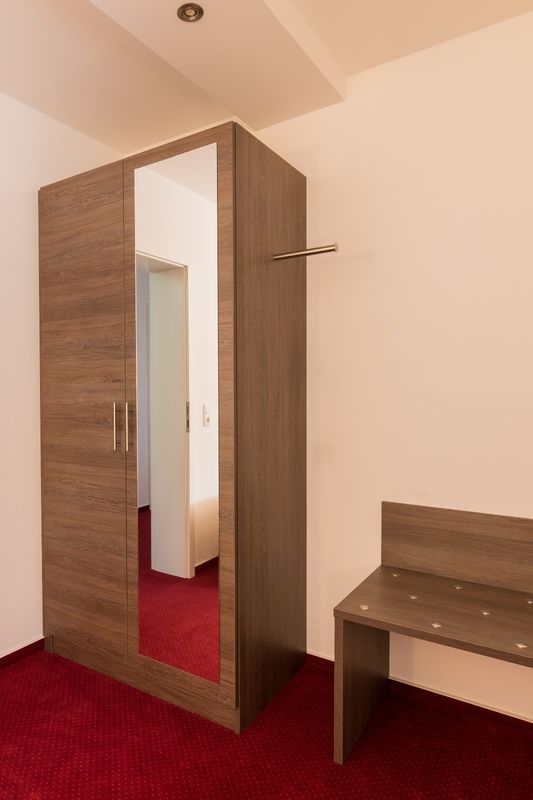
Best Hotels in Kerpen
Discover curated hotel collections in Kerpen
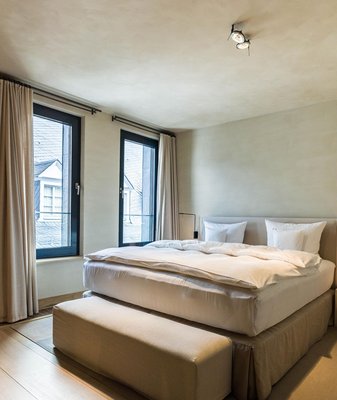
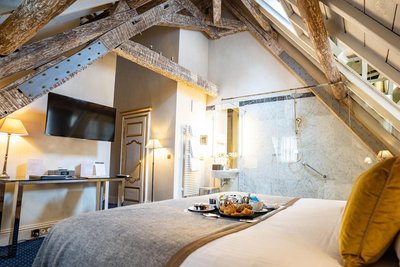
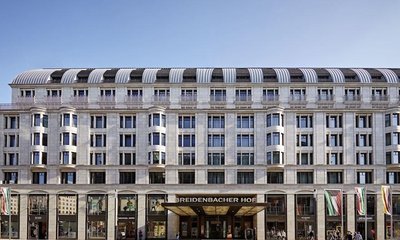












Frequently Asked Questions about Traveling to Kerpen
Questions You Might Need to Know About Traveling to Kerpen
Kerpen Overview
City Summary
Kerpen is a charming small town in North Rhine-Westphalia, Germany, known for its rich historical heritage and cozy atmosphere. The town boasts well-preserved medieval architecture, including Kerpen Castle and the Church of the Assumption, reflecting its deep cultural roots. Kerpen attracts visitors with its quiet streets, friendly locals, and strong community spirit, making it an ideal escape from urban hustle.
Must-See Attractions
Must-see attractions in Kerpen include Kerpen Castle, a medieval fortress that serves as the town's landmark, where visitors can explore its historic structures and exhibits. The Church of the Assumption is a Gothic-style building with exquisite interior decor. The Market Square in the city center is surrounded by traditional German architecture and small cafes, offering a glimpse into local culture. Nature lovers can visit the nearby Eifel Nature Park for hiking and cycling.
Food Guide
Kerpen's culinary scene is deeply influenced by traditional German cuisine. Recommended dishes include local sausages and rye bread. Restaurants and taverns in the city center serve classic German fare like pork knuckle (Schweinshaxe) and potato pancakes (Kartoffelpuffer). For dessert, try apple strudel or Black Forest cake, paired with local beer or cider. Street food such as currywurst is also a must-try.
Transportation Guide
Public transport in Kerpen primarily consists of buses, which cover the town and surrounding areas with reasonable fares and frequent schedules. Most attractions are concentrated in the city center and are easily walkable. To visit places like the Eifel Nature Park, renting a car or using local taxis is recommended. Kerpen's train station connects to major cities like Cologne and Bonn, ideal for day trips. Drivers should note parking restrictions in the town center.
Best Time to Visit
The best time to visit is during spring (April to June) and autumn (September to October), when the weather is mild and ideal for outdoor activities. Summer (July to August) is warmer but busier, while winter is cold but festive. Avoid holidays for a quieter experience.
Travel Tips
- Be punctual and orderly, as Germans value these traits.
- Most shops are closed on Sundays, so plan shopping needs in advance.
- Tipping customs suggest 5%-10% of the meal cost.
- Smoking is prohibited in public places; fines may apply.
- Cash is preferred in smaller shops and markets.
- Learning basic German phrases can enhance interactions with locals.
Useful Information
German is the primary language, but English is widely understood in tourist areas. WiFi is available in hotels, cafes, and some public spaces; a local SIM card ensures stable connectivity. The Euro is the official currency, and credit cards are accepted, but carrying cash is advisable. Emergency services can be reached at 112. Pharmacies are labeled "Apotheke," and most shops close by 6 PM. For medical assistance, visit local clinics or hospitals. Note that Germany uses Type C/F plugs with 230V voltage.