Hotels in Kesennuma
Discover your perfect stay in Kesennuma.
Kesennuma(Japan) Travel 2026: Cheap Flights, Hotels & Top Attractions
Popular Landmarks in Kesennuma
Discover the most iconic attractions in Kesennuma
Recommended Hotels in Kesennuma
Find the perfect place to stay in Kesennuma
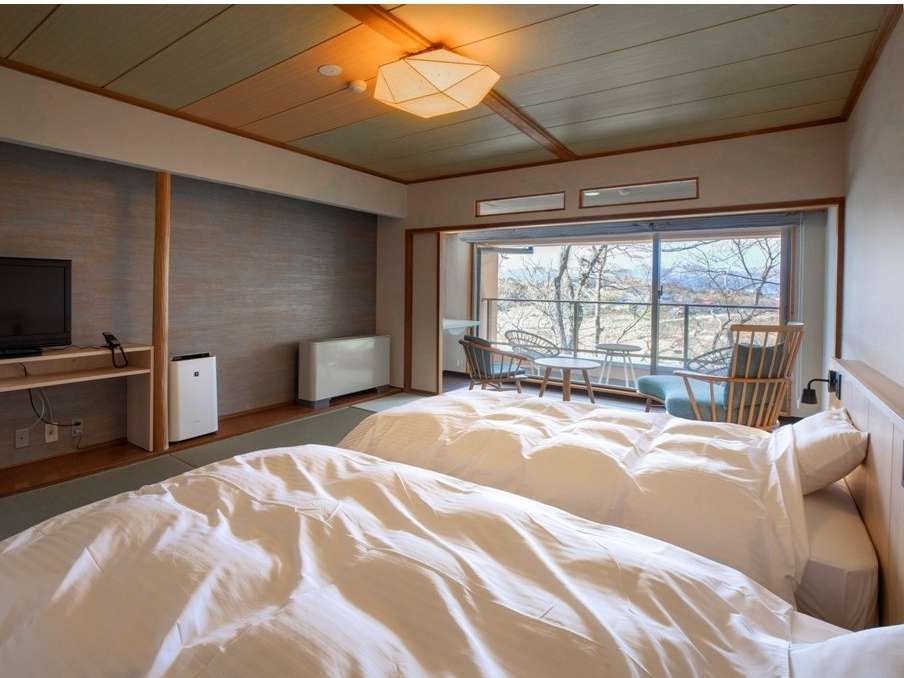
Kyukamura Kesennuma-Ohshima
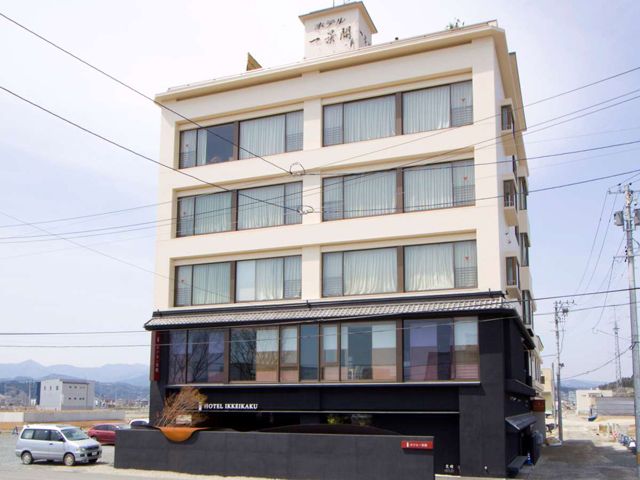
Hotel Ikkeikaku
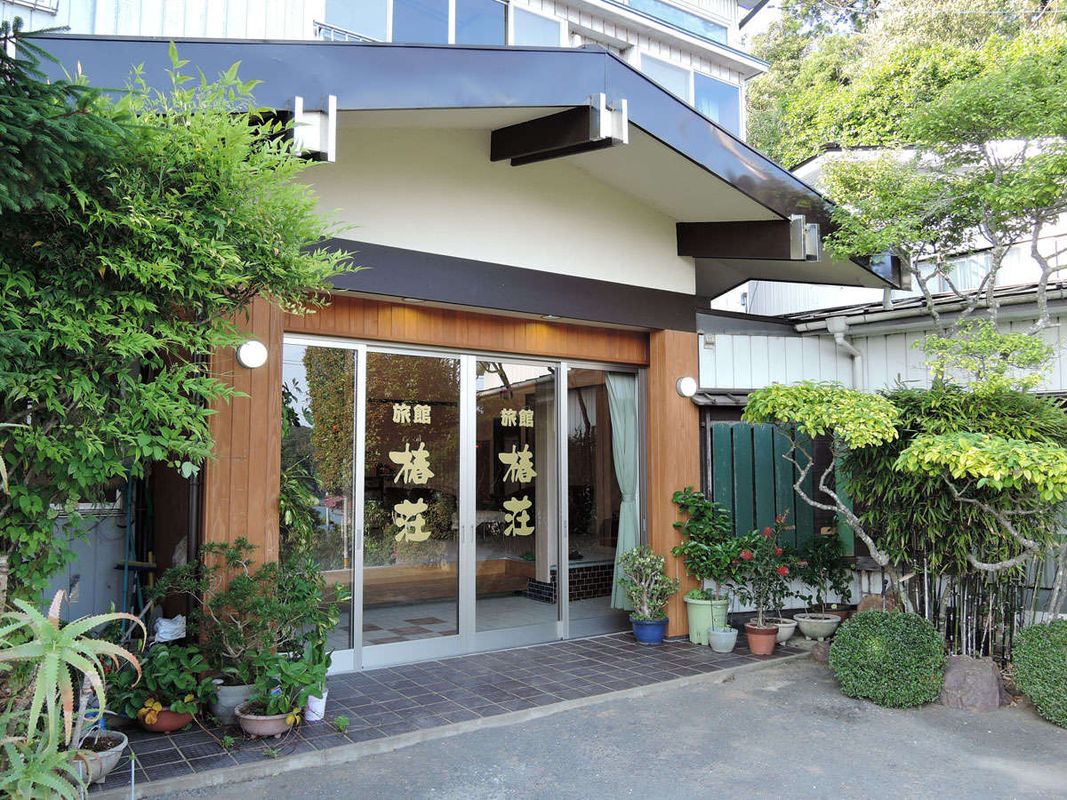
Tsubakiso Kagetsu
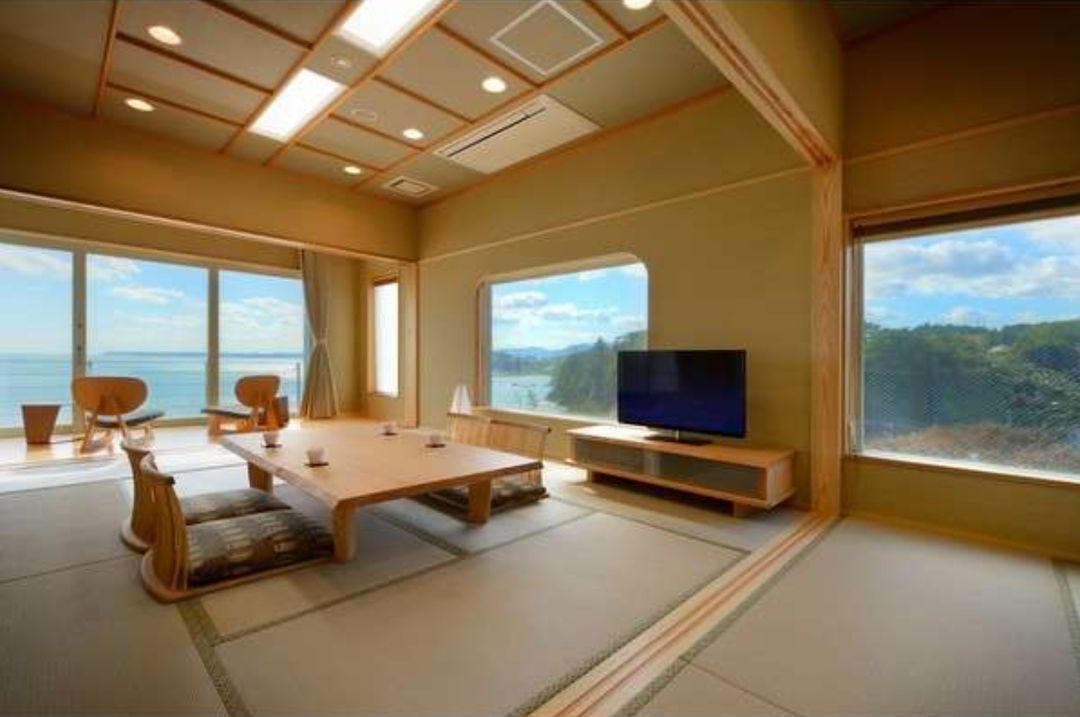
Hamanasukaiyoukan
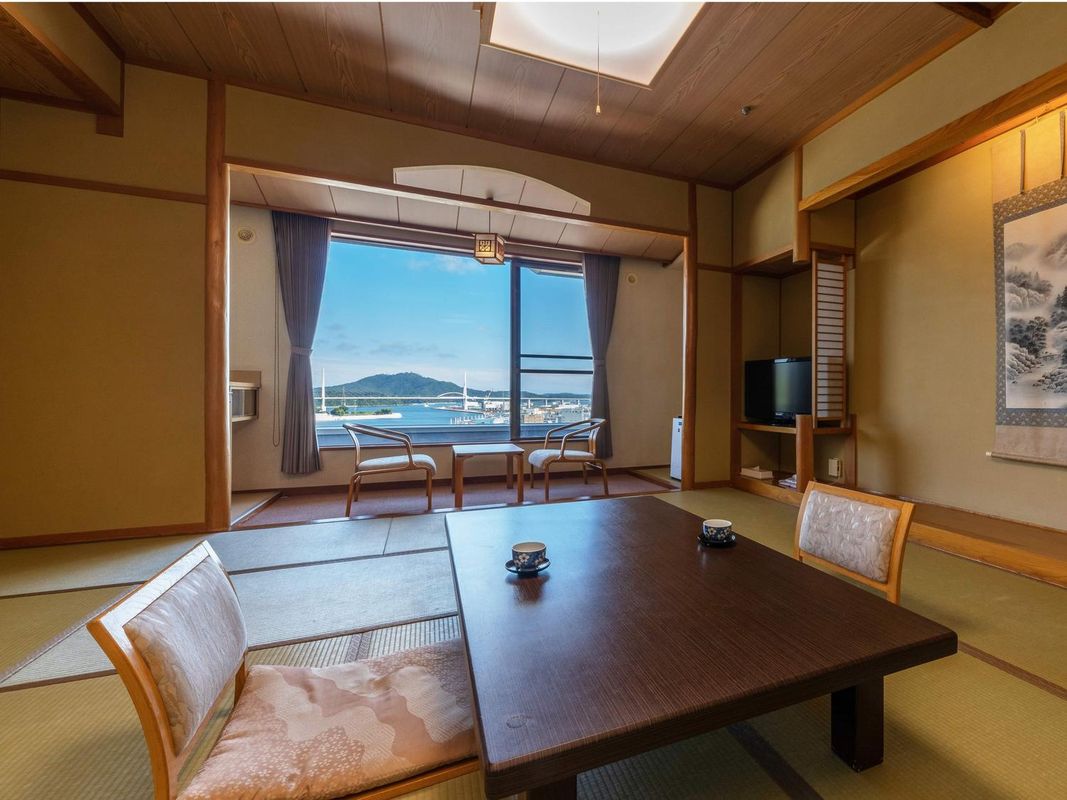
Sun Marine Kesennuma Hotel Kanyo
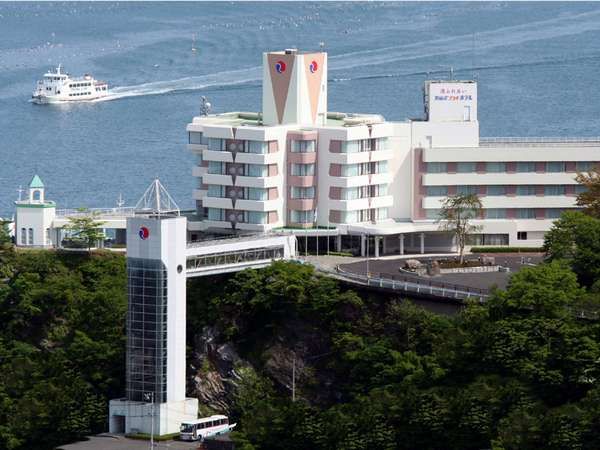
Kesennuma Plaza Hotel
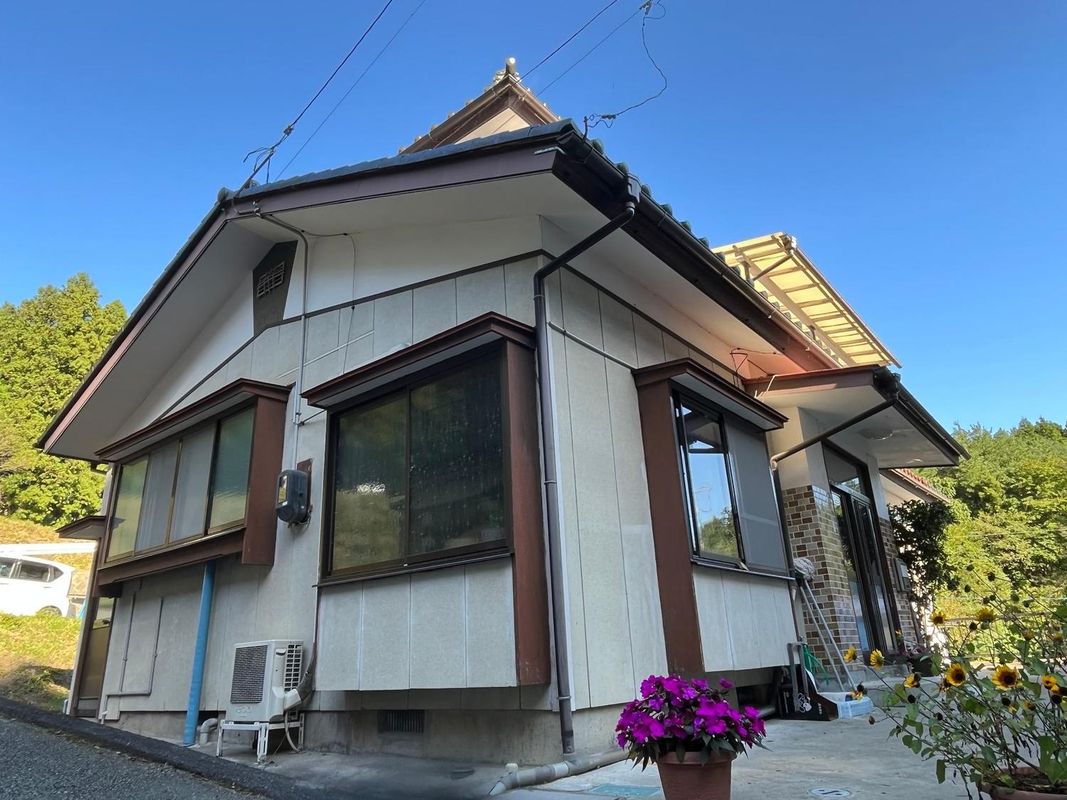
Kakomu
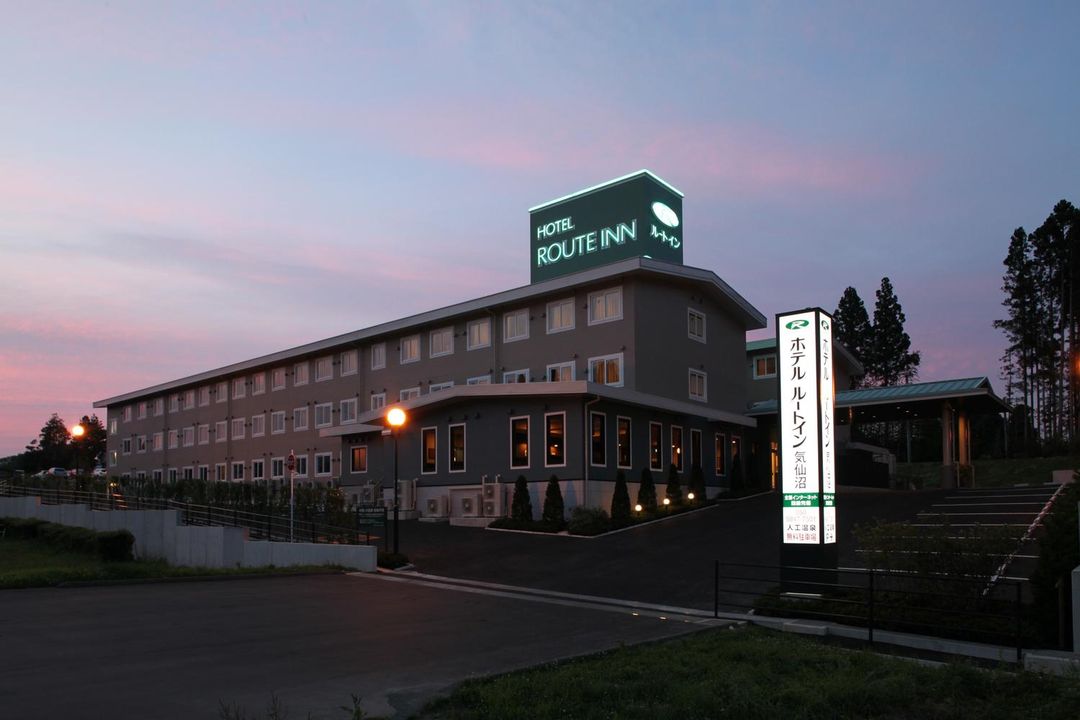
Hotel Route-Inn Kesennuma Chuo Inter
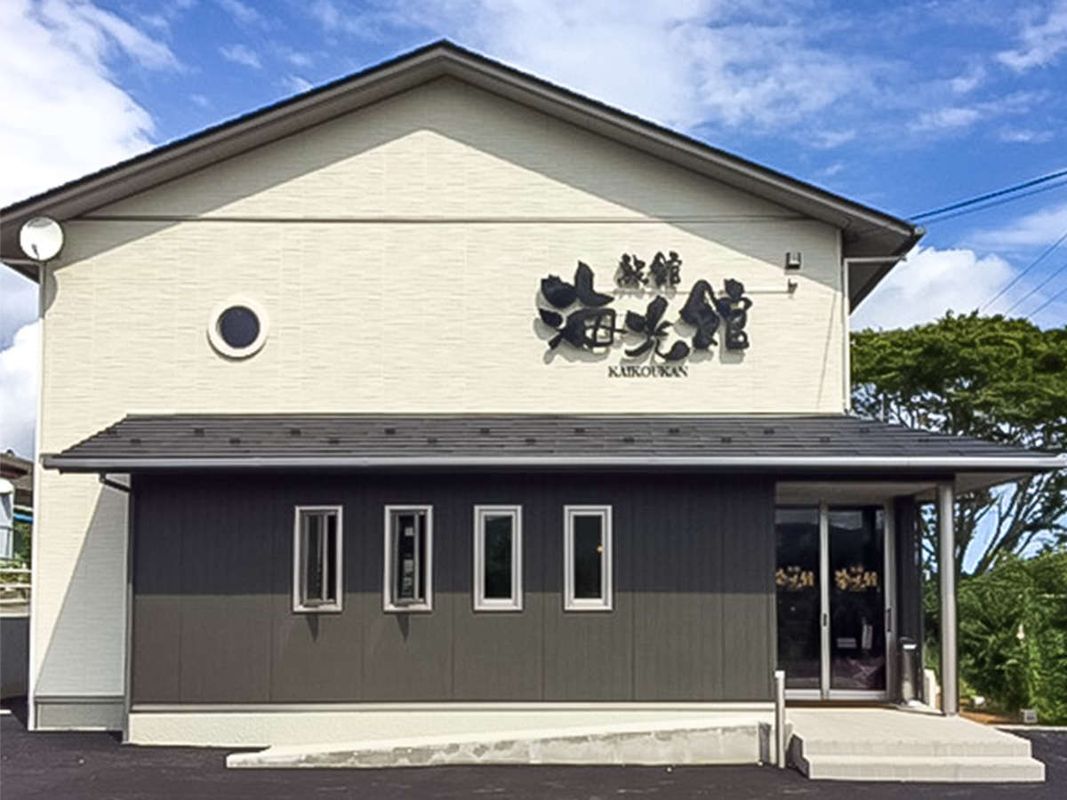
Ryokan Kaikoukan
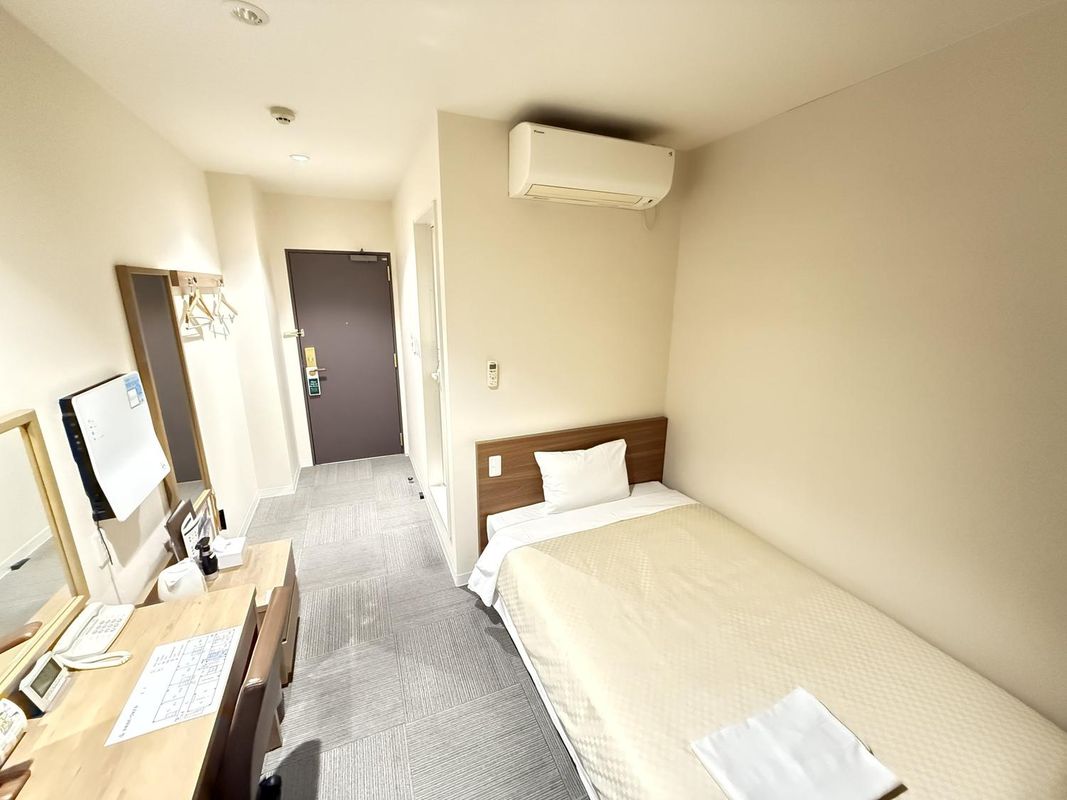
Kesennuma Park Hotel
Best Hotels in Kesennuma
Discover curated hotel collections in Kesennuma

EN Resort Grandeco Hotel
Hotel Zen-Adult Only
Nasu Mukunone
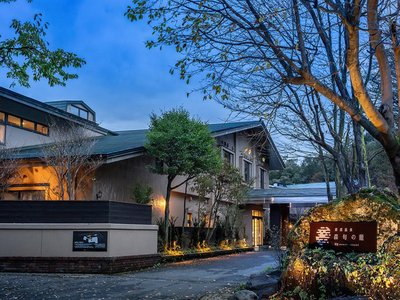
Nasu Onsen Shinshun no Kago Hewitt Resort
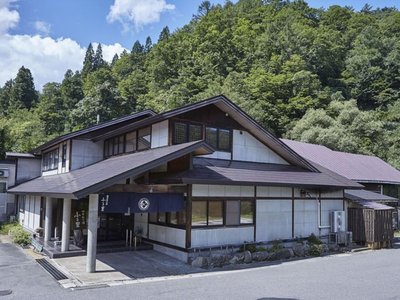
Fulsato
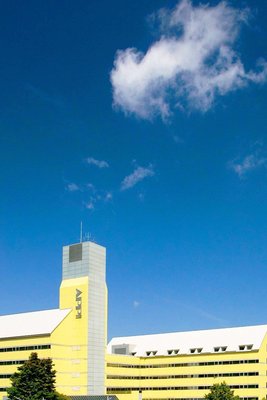
Crowne Plaza - ANA RESORT APPI KOGEN
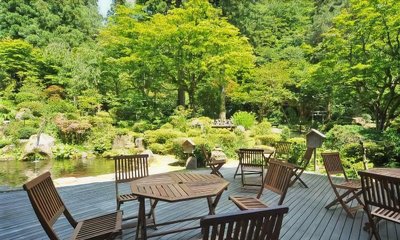
Choseikan
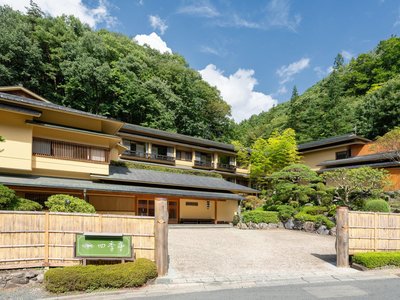
Shikitei Morioka TsunagiOnsen
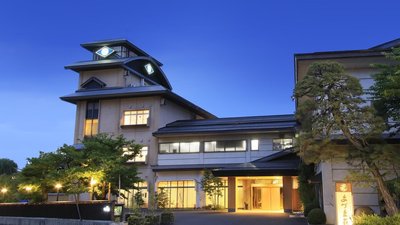
Shouhakutei Azumaso
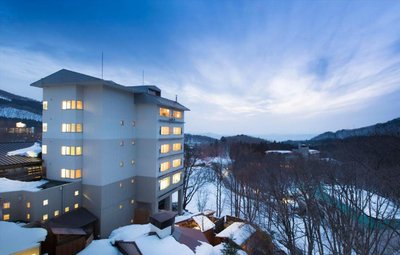
Takamiya Hotel Lucent
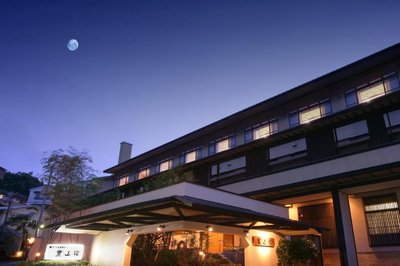
Hayamakan
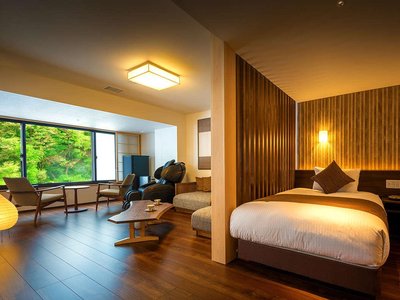
Harataki
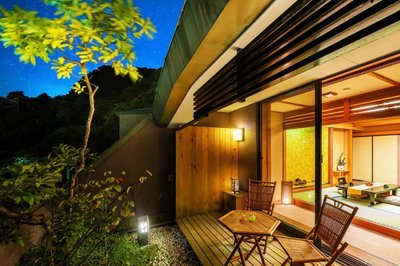
Konjakutei
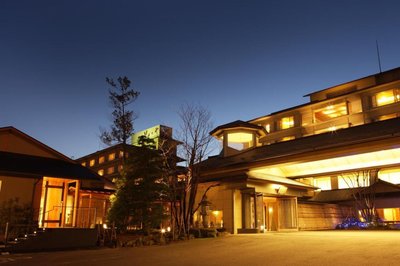
Yumotoya
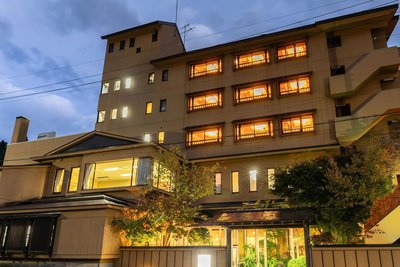
Kashintei Shirahama
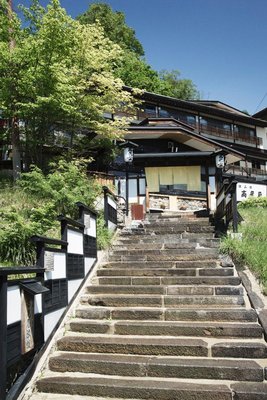
Takamiya Ryokan Miyamaso
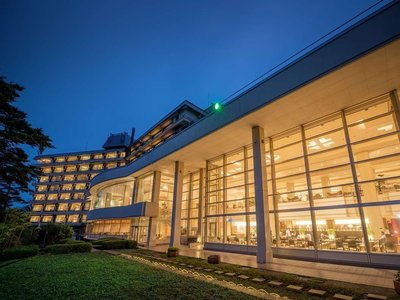
Hotel Matsushima Taikanso
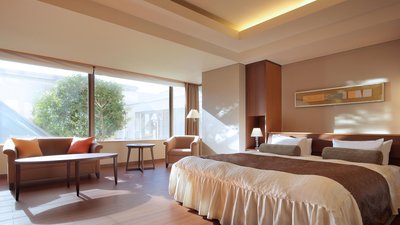
Onyado Toho
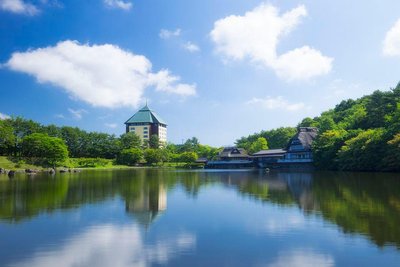
Hoshino Resorts Aomoriya
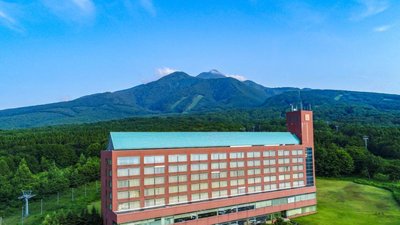
Rockwood Hotel & Spa
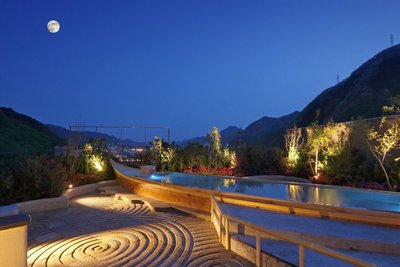
Asaya
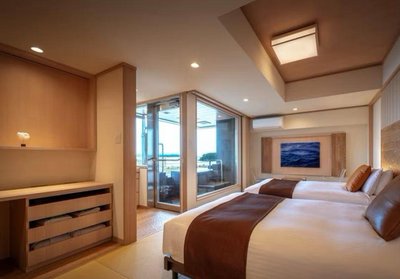
Komatsu-Kan Kofu-Tei
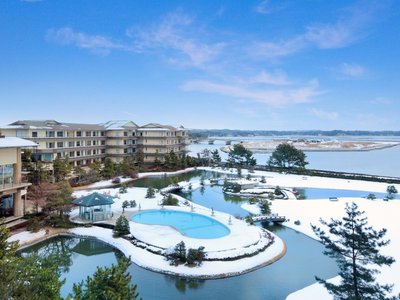
Matsushima Ichinobo
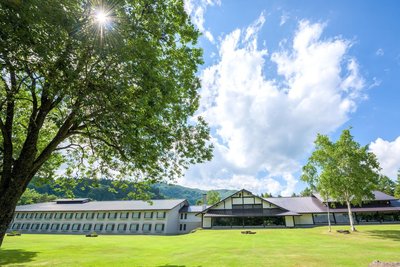
Towada Prince Hotel
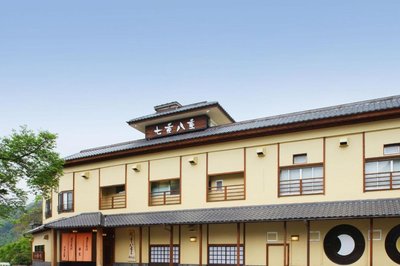
Nanaeyae
Auberge Suzukane
Konjakutei
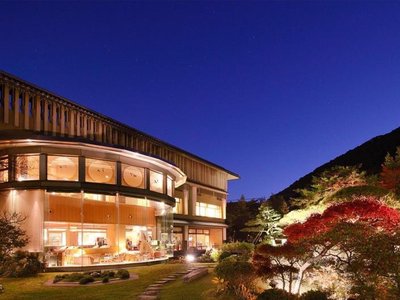
Shikisai Ichiriki
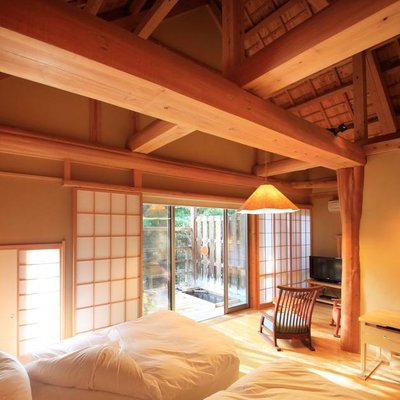
Daikon-No-Hana
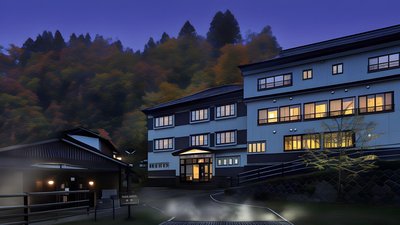
Zao Onsen Omiya Ryokan
Nanaeyae
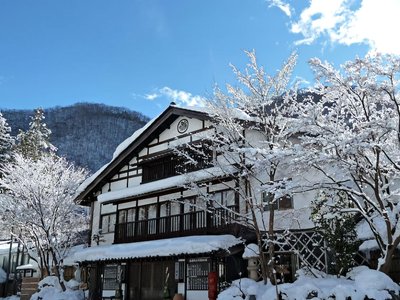
Yunishigawa Onsen Honke Bankyu
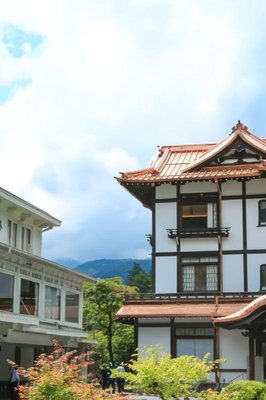
Nikko Kanaya Hotel
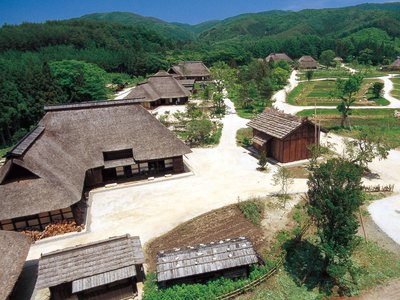
Jodogahama Park Hotel
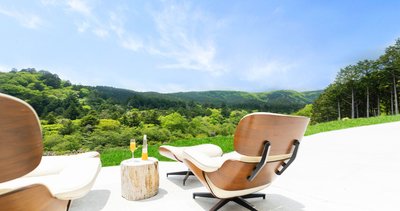
Shelter Garden Nikko
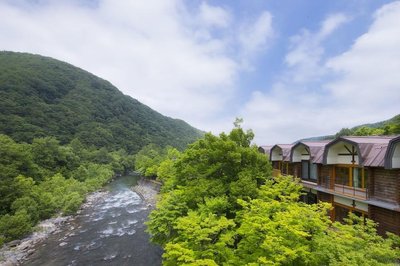
Hoshino Resorts Oirase Keiryu Hotel
Asaya
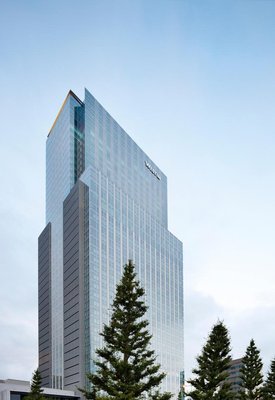
The Westin Sendai Hotel

Yukemuri No Yado Inazumi Onsen
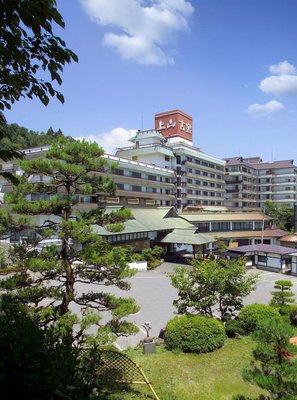
Hotel Koyo
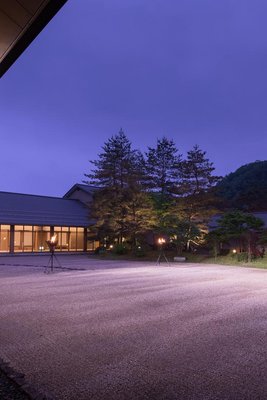
Kashoen
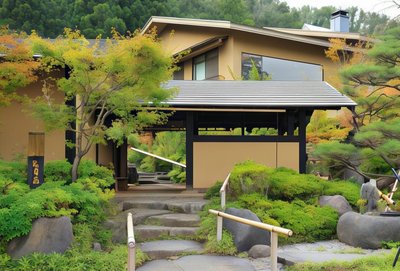
Meigetsuso
Nikko Kanaya Hotel
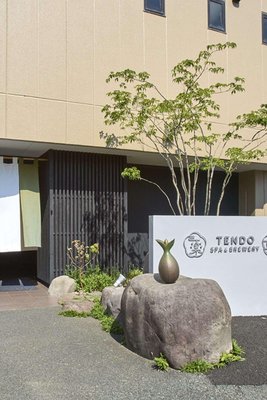
Yubo Ichiraku TENDO SPA&BREWERY
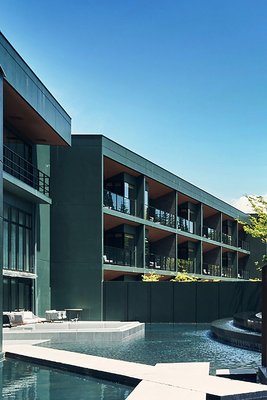
ANA InterContinental Appi Kogen Resort

Hotel Barrière Fouquet's New York

The Plaza - A Fairmont Managed Hotel

The Ritz-Carlton New York, Central Park

Four Seasons Hotel New York

The St. Regis New York

Park Hyatt New York

Mandarin Oriental New York
Times Square Edition New York
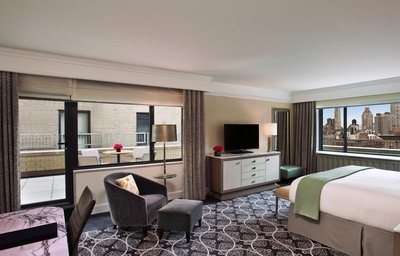
Loews Regency New York Hotel

Lowell Hotel

New York Edition

Baccarat Hotel New York

Equinox Hotel New York
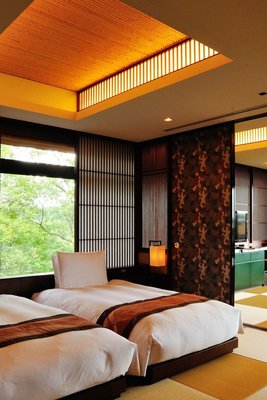
Chikusenso Onsen
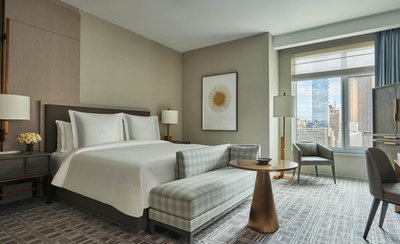
Four Seasons Hotel New York Downtown
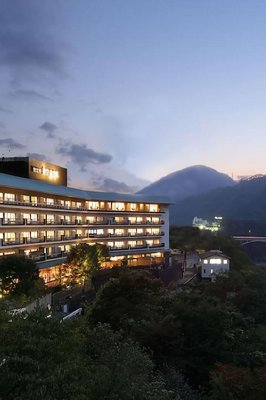
Kanaya Hotel Kinugawa
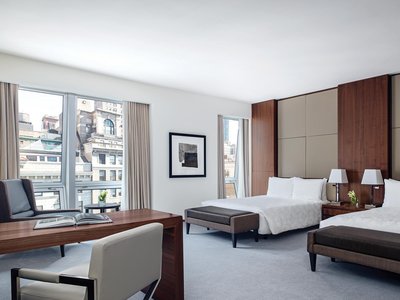
The Langham, New York, Fifth Avenue

The Carlyle, A Rosewood Hotel

The Chatwal, in the Unbound Collection by Hyatt
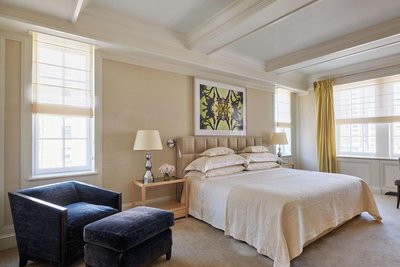
The Mark New York
Frequently Asked Questions about Traveling to Kesennuma
Questions You Might Need to Know About Traveling to Kesennuma
In Kesennuma City, the top sea-view hotel is Hyatt Regency Kesennuma, offering panoramic Pacific Ocean views from its guest rooms. Located right beside Kesennuma Port, it provides easy access to the Kesennuma Aquarium and the bustling Fish Market Street.
Another excellent choice is Umi no Yume Inn, a boutique ryokan blending traditional Japanese architecture with modern comfort. It features private onsen baths and breakfast made with locally sourced seafood, perfect for immersing in coastal culture.
Staying in the port area allows guests to experience morning fish auctions, enjoy fresh seafood dining, and explore nearby attractions like the Sanriku Coastal Trail and Matsushima Bay. The area’s serene atmosphere and vibrant maritime life make it ideal for travelers seeking authenticity and tranquility.
The best area for accommodation in Kesennuma City is the Kesennuma Port District, located just steps from the Kesennuma Aquarium, Fish Market, and local eateries.
This zone offers a mix of modern hotels like Hotel Vista and charming guesthouses such as Umi no Yume Inn, making it suitable for both luxury seekers and cultural explorers.
From here, visitors can easily reach Sanriku Coast Trails, ride bicycles along the Former Dōtō Railway Line Park, or take a scenic bus tour to Matsushima Bay. At night, enjoy fresh seafood at waterfront restaurants, savoring dishes like yellowtail sushi and uni donburi, truly experiencing the city's "flavor of the sea".
Kesennuma City offers several authentic cultural experiences:
-
Morning Fish Auctions at Kesennuma Port: Witness the lively auction of fresh catch daily—experience the rhythm of coastal life firsthand.
-
Kesennuma Aquarium: Explore its immersive underwater tunnel exhibit, home to sharks, dolphins, and rare deep-sea species—perfect for families and nature lovers.
-
Sanriku Reconstruction National Park Memorial Museum: Learn about the 2011 Great East Japan Earthquake recovery journey through interactive displays and community-led guided tours.
-
Local Craft Workshops: Join hands-on sessions to make traditional fish cake (imo-yaki) or seaweed tea, connecting with local heritage and cuisine.
Must-try local delicacies in Kesennuma City include:
-
Kesennuma Yellowtail Sushi: Known for its rich, buttery texture, this regional specialty is served fresh at harbor-side restaurants.
-
Uni Donburi (Sea Urchin Bowl): Made with peak-season Kesennuma uni, this dish delivers an oceanic creaminess that melts on the tongue.
-
Imo-yaki (Fried Potato Fish Cake): A beloved street snack combining mashed potato and fish paste, deep-fried to crispy perfection and served with tangy sauce.
-
Seaweed Tea (Nori Cha): A refreshing, healthy drink made from dried seaweed and green tea—popular among locals and a great way to taste regional wellness traditions.
The best times to visit Kesennuma City are spring (March–May) and autumn (September–November).
Spring brings blooming cherry blossoms along the coast and mild weather, ideal for walking the Sanriku Coastal Trail and attending seasonal fishing festivals.
Autumn is peak seafood season—especially September for uni harvest and October’s Yellowtail Festival—offering some of the freshest catches. The crisp air and vibrant foliage along the shoreline create stunning photo opportunities, perfect for cycling through the Former Dotō Railway Line Park and enjoying sunsets over the Pacific.
Yes, Kesennuma City is highly suitable for family travel.
The Kesennuma Aquarium features interactive zones where children can learn about marine life through touch pools and live shows with dolphins and penguins.
The port promenade offers safe, stroller-friendly paths where kids can explore tide pools and participate in hands-on fish cake-making workshops.
Family-friendly accommodations like Umi no Yume Inn provide spacious rooms, kid-friendly amenities, and guided nature trails. Evening events such as nighttime light walks along the harbor and stargazing sessions under clear skies add memorable moments for all ages.
The easiest way to travel from Sendai City to Kesennuma City is by taking the JR Tōhoku Main Line to Ishinomaki Station, then transferring to the JR Kesennuma Line, which takes about 40 minutes to reach Kesennuma Station.
Alternatively, take a high-speed bus from Sendai Station South Exit, departing hourly with a travel time of approximately 1 hour 20 minutes. Buses offer Wi-Fi and ample luggage space.
For independent travelers, renting a car via the Tōhoku Expressway is convenient—exit at Ishinomaki Interchange, then drive south for about 1 hour 15 minutes. Enjoy scenic views of the Sanriku Coast along the way.
Top photo spots in Kesennuma City include:
-
Sunrise at Kesennuma Port: Capture golden rays rising above the Pacific, reflecting off fishing boats and dockside lights—ideal for early-morning photography.
-
Memorial Sculpture at Sanriku Reconstruction National Park: A powerful symbol of resilience, framed against blue skies and ocean waves.
-
Underwater Tunnel at Kesennuma Aquarium: Use wide-angle lenses to photograph schools of fish swimming past you through the transparent tunnel—perfect for surreal underwater shots.
-
Abandoned Train Station at Former Dotō Railway Line Park: Rustic platforms and vintage signage create a nostalgic, cinematic backdrop for creative portraits.
Nighttime in Kesennuma City offers enchanting experiences:
-
Harbor Night Walks: Stroll along illuminated docks, enjoy reflections of lights on the water, and occasionally see night fishing boats lighting up the bay.
-
Uni Night Market: Held weekends at the Kesennuma Fish Market Plaza, featuring grilled uni, fried snacks, and chilled seaweed tea.
-
Stargazing Events: During summer, local groups host free astronomy sessions at the Sanriku Coast Observatory, using telescopes to view the Milky Way and shooting stars.
-
Traditional Taiko Drum Performances: Occasionally held at the port square during festivals—vibrant rhythms and dynamic drumming create a powerful sensory experience.
Yes, transportation in Kesennuma City is convenient for tourists.
The JR Kesennuma Line connects key cities like Sendai, Ishinomaki, and Kesennuma, with reliable schedules and affordable fares.
A local bus system covers major attractions including the Aquarium, Fish Market, and Reconstruction Museum, with low-cost tickets.
For active exploration, rent electric bicycles from city stations—perfect for riding along the Sanriku Coast Trail.
Car renters also find ample free parking throughout the city, and well-maintained roads make driving comfortable and scenic, especially for those exploring beyond the urban center.
Kesennuma Overview
City Summary
Kesennuma, located in northeastern Miyagi Prefecture, Japan, is a renowned fishing port city along the stunning Sanriku Coast. Famous as Japan's seafood treasure trove, it specializes in tuna and oysters. The city demonstrated remarkable resilience after the 2011 Great East Japan Earthquake, with reconstruction sites and memorial facilities now serving as important historical landmarks.
Must-See Attractions
Must-see spots include Kesennuma Fish Market for fresh seafood, hiking trails along Sanriku Fukko National Park's rugged coastline, and the Earthquake Disaster Heritage Museum documenting recovery efforts. The unique "Tsunami Disaster Remains" site transforms disaster areas into safety education bases.
Food Guide
Don't miss Kesennuma's signature "Tuna Full Course" featuring everything from sashimi to grilled collar. Local specialties also include oyster huts serving freshly grilled oysters and "Kesennuma Age" fried fish cakes. Seafood rice bowls using daily catches best represent the fishing port culture.
Transportation Guide
From Sendai Station, take JR Tohoku Line to Kesennuma Station (approx. 2.5 hours). Local buses are the main transport; the "Coastal Sightseeing Bus" day pass is recommended. Taxis require advance HopeGoo for remote areas. Note some coastal roads remain under reconstruction.
Best Time to Visit
April-October is ideal, with summer fireworks festivals and autumn seafood harvest. Avoid winter (December-February) when some facilities close and coastal winds become harsh.
Travel Tips
- Maintain solemnity at disaster memorials
- Cash preferred at fish markets
- Monitor tide schedules in coastal areas
- Respect active fishing zones
- Reservations needed for popular restaurants
- Pack windproof jackets for ocean breezes
Useful Information
Japanese is primary language; tourist centers offer basic English. Limited city WiFi suggests purchasing local SIM cards. Credit cards accepted at most establishments except markets. Dial 110 (police) or 119 (ambulance) for emergencies. Medical facilities concentrate downtown; travel insurance recommended.









