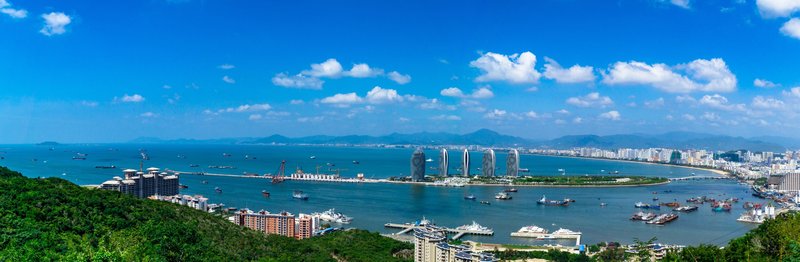
Hotels in Khai Bang Rachan
Discover your perfect stay in Khai Bang Rachan.
Khai Bang Rachan(Thailand) Travel 2026: Cheap Flights, Hotels & Top Attractions
Popular Landmarks in Khai Bang Rachan
Discover the most iconic attractions in Khai Bang Rachan
Recommended Hotels in Khai Bang Rachan
Find the perfect place to stay in Khai Bang Rachan
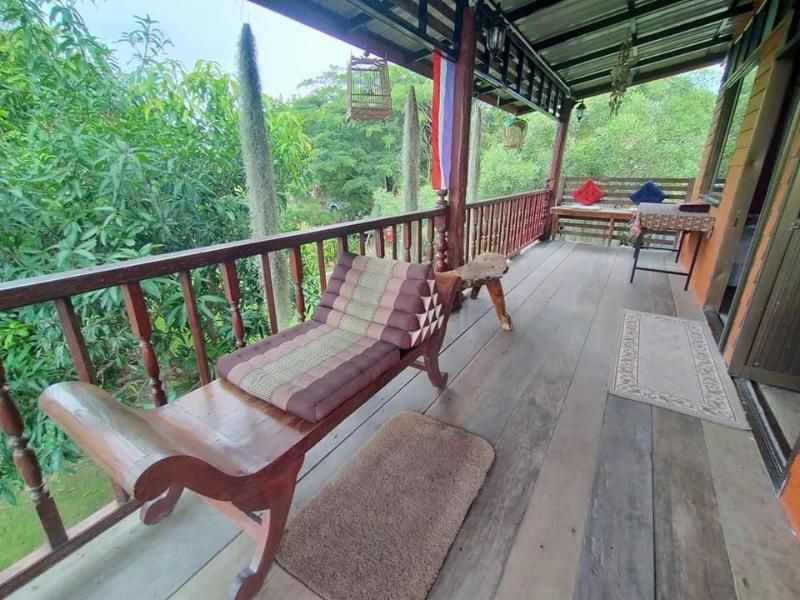
Metha Country View Homestay Singburi
Best Hotels in Khai Bang Rachan
Discover curated hotel collections in Khai Bang Rachan
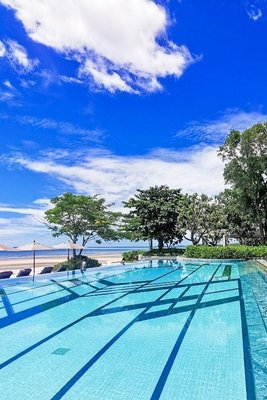
Baba Beach Club Hua Hin Luxury Pool Villa by Sri Panwa
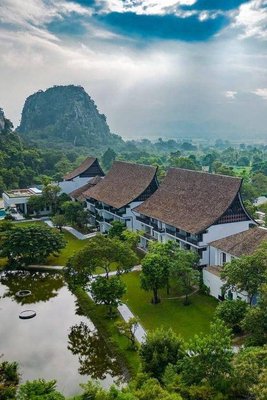
The Soul Resort
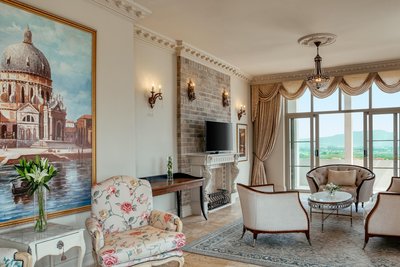
Mövenpick Resort Khao Yai
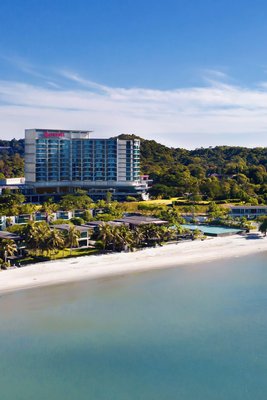
Rayong Marriott Resort & Spa
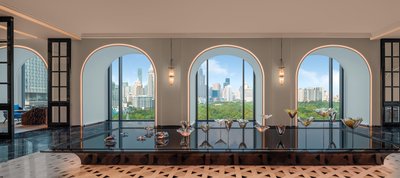
The Ritz-Carlton, Bangkok
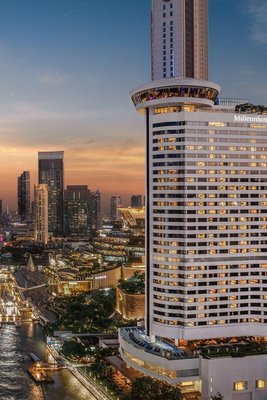
Millennium Hilton Bangkok
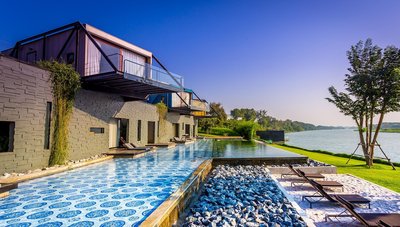
The Xcape Hotel River Kwai
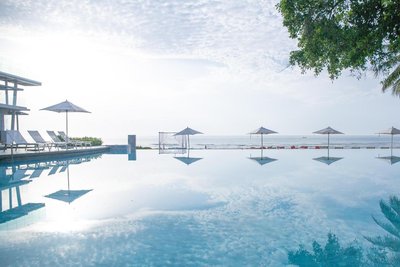
Veranda Resort & Villas Hua Hin Cha Am
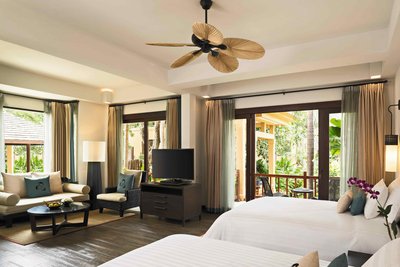
Mövenpick Asara Resort & Spa Hua Hin
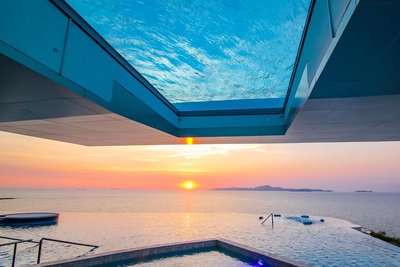
Royal Cliff Beach Hotel Pattaya
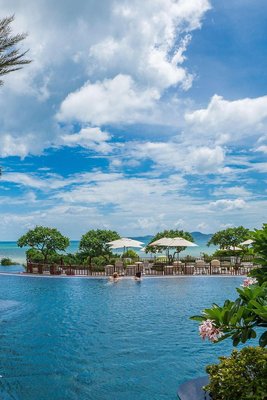
Royal Cliff Grand Hotel Pattaya
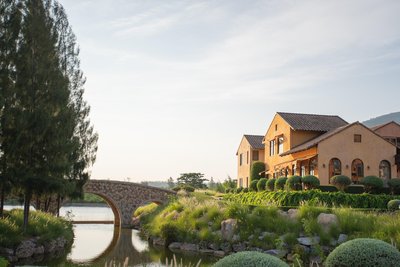
Toscana Hotel la Casetta
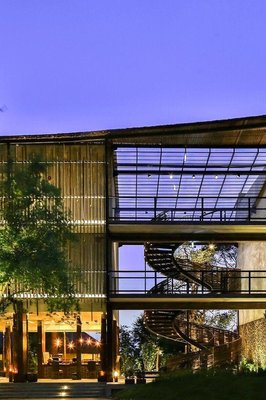
U Pattaya
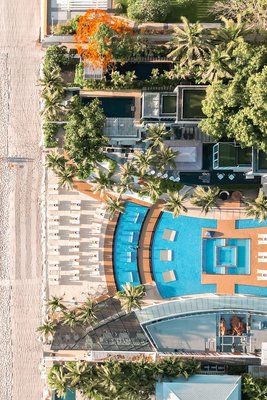
InterContinental Hua Hin Resort

Aleenta Hua Hin - Pranburi
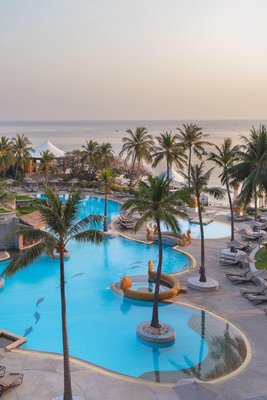
Hilton Hua Hin Resort & Spa
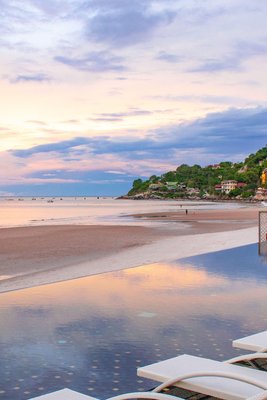
The Yana Villas Hua Hin
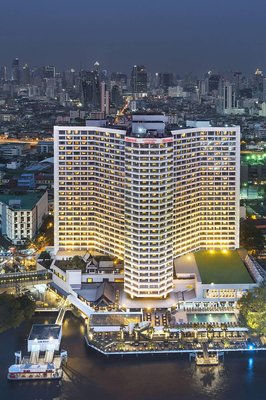
Royal Orchid Sheraton Riverside Hotel Bangkok
Sala Ayutthaya
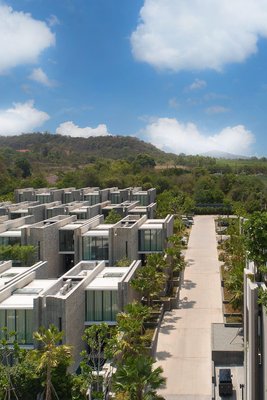
Oceanphere Pattaya Villa by Elite Suites
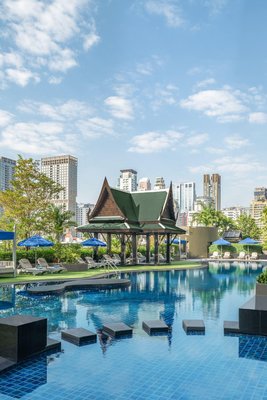
The Athenee Hotel, a Luxury Collection Hotel, Bangkok
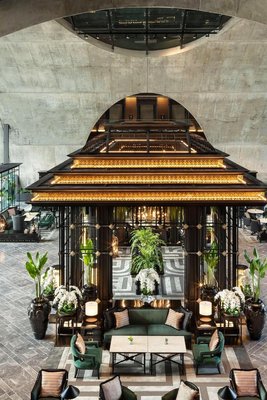
Sindhorn Kempinski Hotel Bangkok
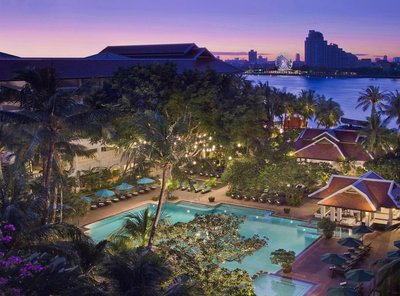
Anantara Riverside Bangkok Resort
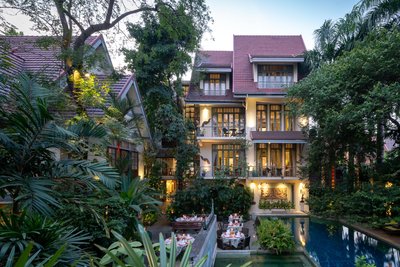
Ariyasom Villa
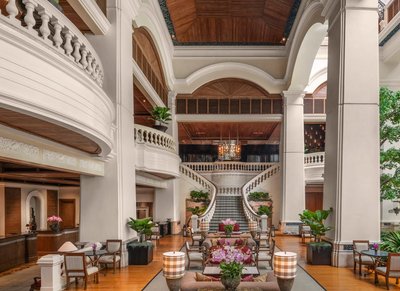
Grand Hyatt Erawan Bangkok
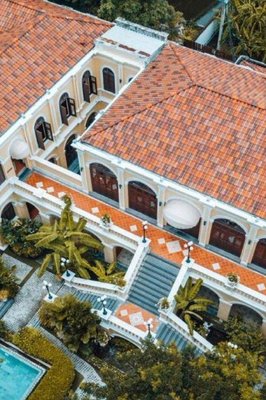
Praya Palazzo
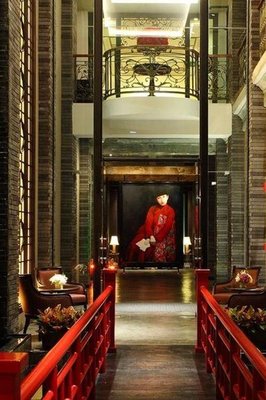
Shanghai Mansion Bangkok
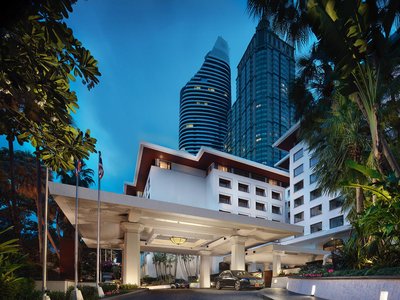
Anantara Siam Bangkok Hotel
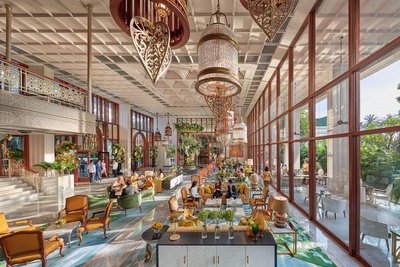
Mandarin Oriental Bangkok
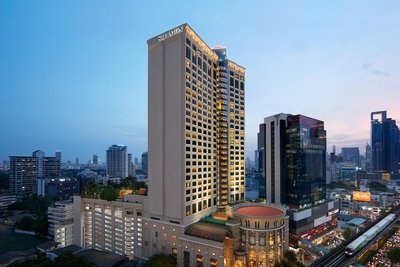
Sheraton Grande Sukhumvit, a Luxury Collection Hotel, Bangkok
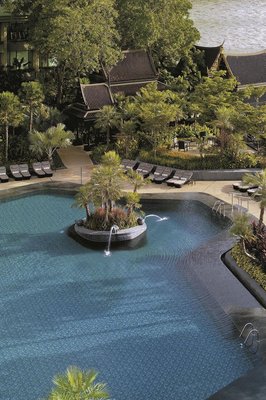
Shangri-La Bangkok
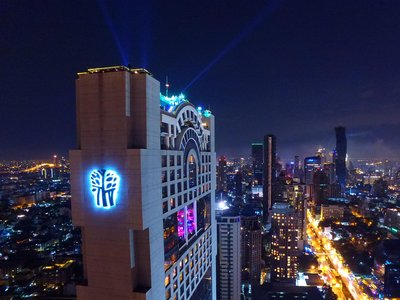
Banyan Tree Bangkok
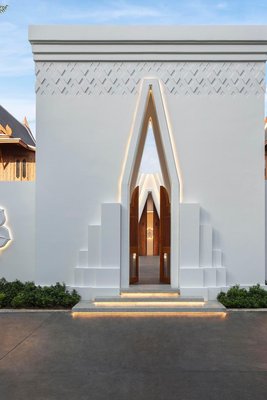
The Sukhothai Bangkok
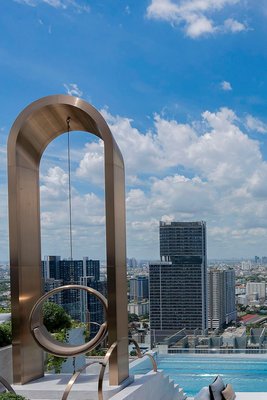
INNSiDE by Meliá Bangkok Sukhumvit
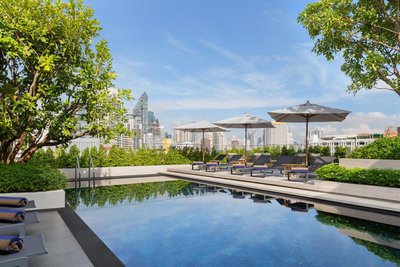
Madi Paidi Bangkok, Autograph Collection (Marriott international)
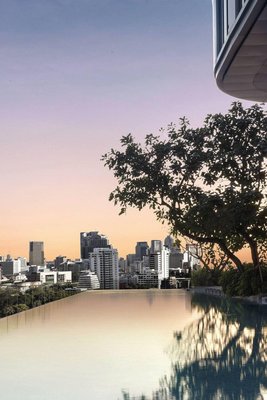
SO/ Bangkok
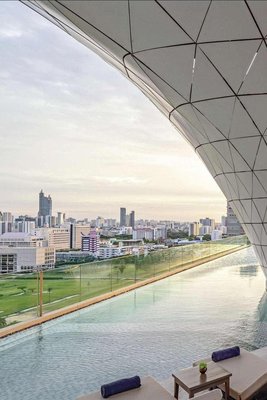
Waldorf Astoria Bangkok
The Ritz-Carlton, Bangkok
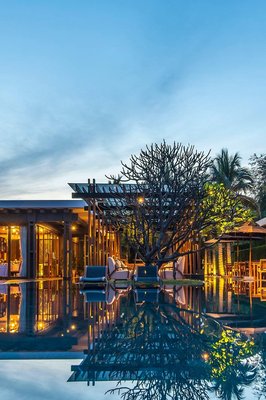
V Villas Hua Hin, MGallery Hotel Collection
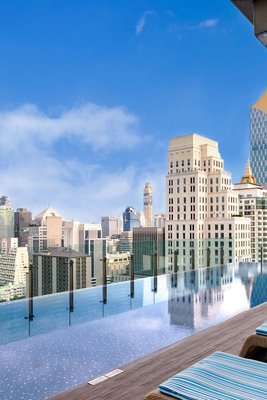
Hotel Indigo Bangkok Wireless Road
Toscana Hotel la Casetta
The Athenee Hotel, a Luxury Collection Hotel, Bangkok
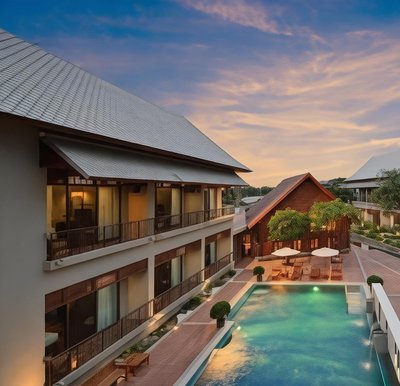
Plakan Resort
Oceanphere Pattaya Villa by Elite Suites
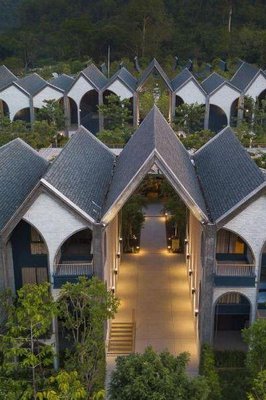
Hotel Labaris Khao Yai
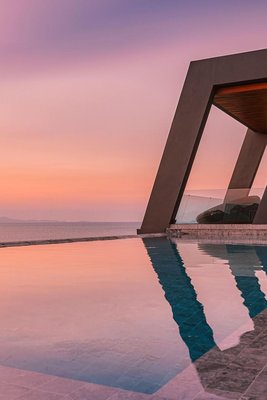
MASON
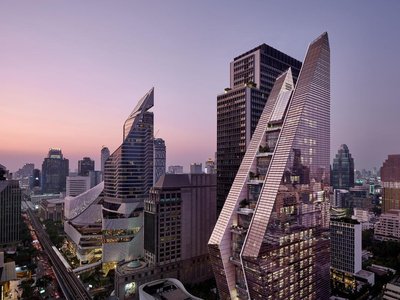
Rosewood Bangkok
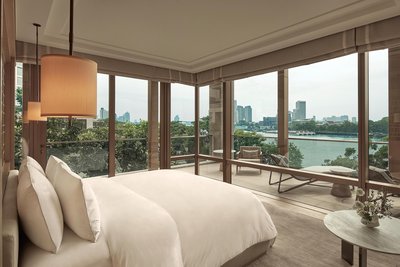
Capella Bangkok
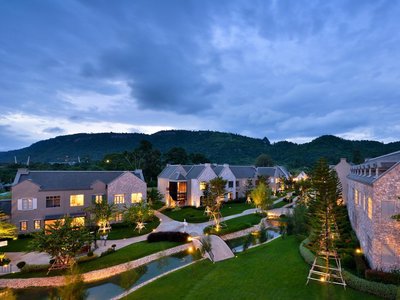
Thames Valley Khao Yai
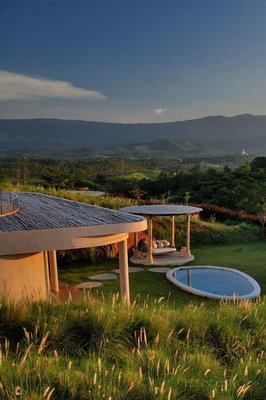
Sala Khaoyai
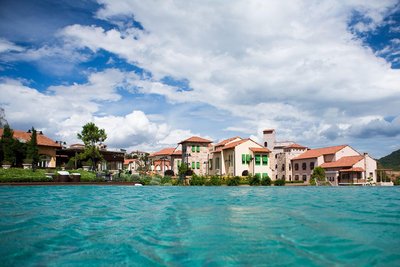
Toscana Town Square Suites
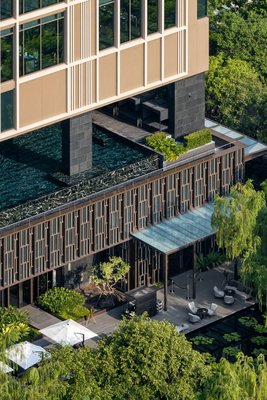
Kimpton Maa-Lai Bangkok
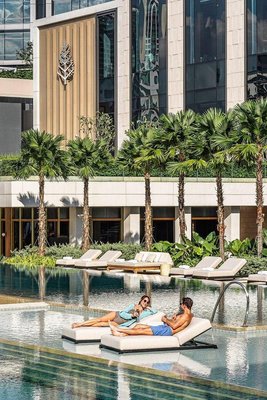
Four Seasons Hotel Bangkok at Chao Phraya River
Baba Beach Club Hua Hin Luxury Pool Villa by Sri Panwa
Waldorf Astoria Bangkok
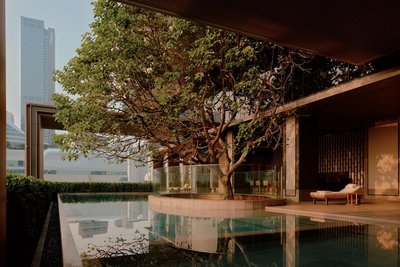
Aman Nai Lert Bangkok
The Ritz-Carlton, Bangkok

Te Mata Glamping
V Villas Hua Hin, MGallery Hotel Collection
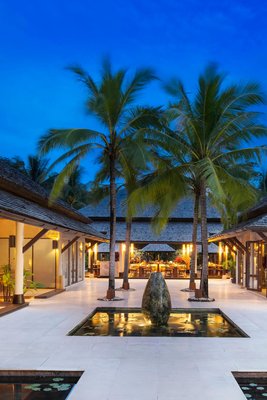
Sheraton Hua Hin Pranburi Villas
Rosewood Bangkok
Capella Bangkok
Sala Khaoyai
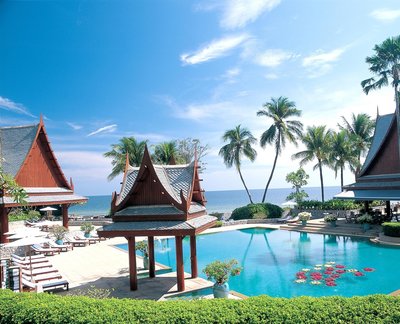
Chiva-Som International Health Resort
Kimpton Maa-Lai Bangkok
Four Seasons Hotel Bangkok at Chao Phraya River
Sindhorn Kempinski Hotel Bangkok
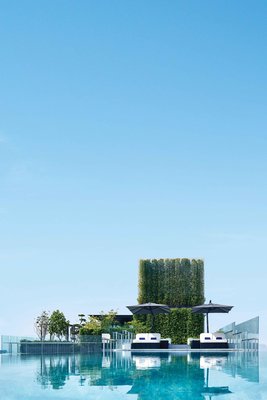
137 Pillars Suites Bangkok
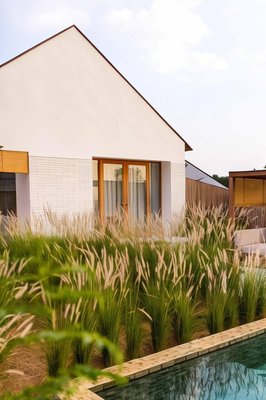
Roukh Kiri Khaoyai, The Centara Collection
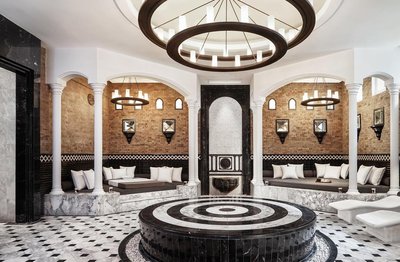
The Siam
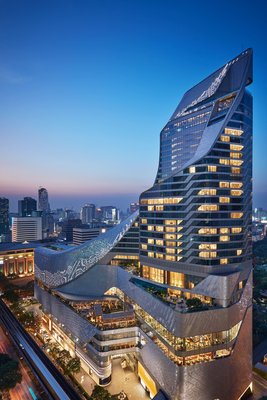
Park Hyatt Bangkok
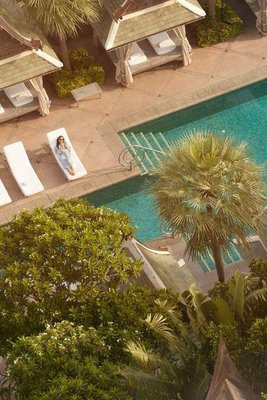
The Peninsula Bangkok
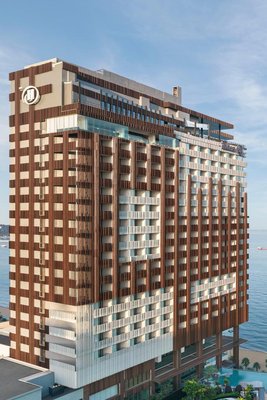
Hilton Pattaya
INNSiDE by Meliá Bangkok Sukhumvit
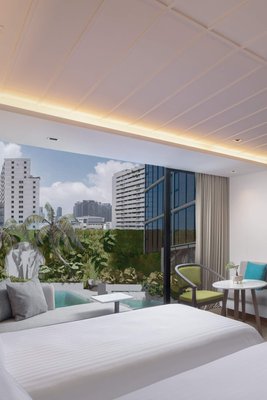
Nysa Hotel Bangkok Sukhumvit 11
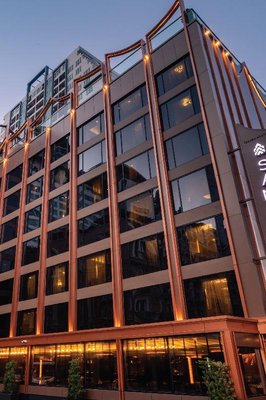
Samala Hotel Bangkok
Aman Nai Lert Bangkok
The Ritz-Carlton, Bangkok
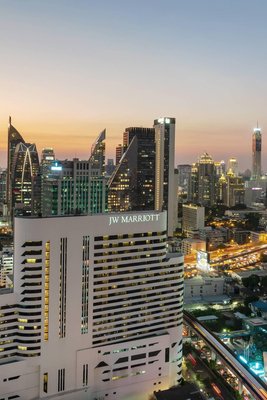
JW Marriott Hotel Bangkok
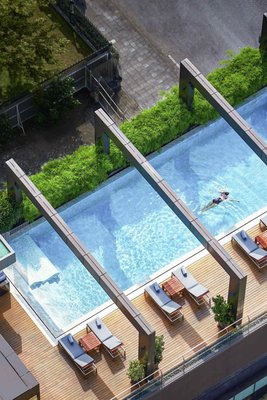
VIE Hotel Bangkok, MGallery Hotel Collection
InterContinental Hua Hin Resort
The Athenee Hotel, a Luxury Collection Hotel, Bangkok
Royal Orchid Sheraton Riverside Hotel Bangkok
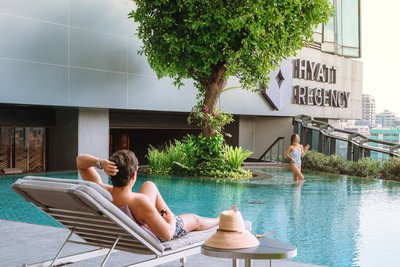
Hyatt Regency Bangkok Sukhumvit
Rosewood Bangkok
Capella Bangkok
Sindhorn Kempinski Hotel Bangkok
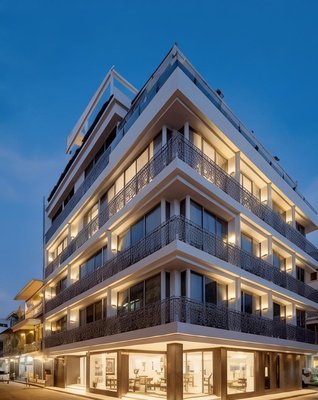
Riva Arun Bangkok
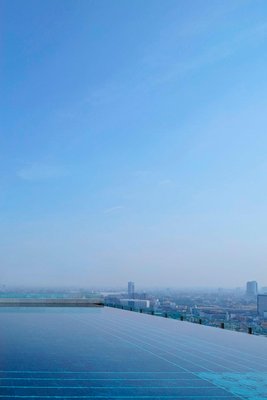
137 Pillars Residences Bangkok
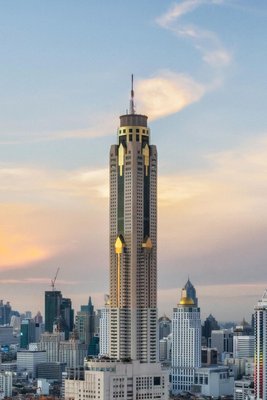
Baiyoke Sky Hotel Bangkok
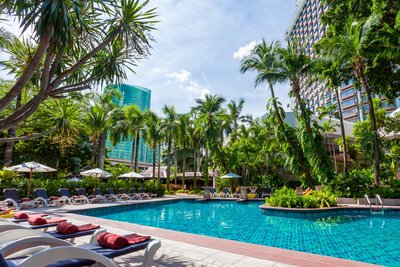
Centara Grand at Central Plaza Ladprao Bangkok
Grand Hyatt Erawan Bangkok
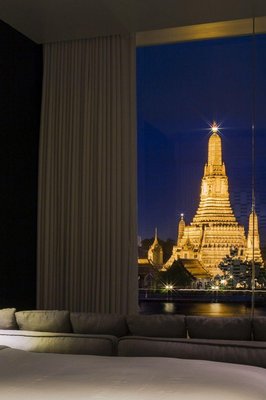
Sala Rattanakosin Bangkok
Frequently Asked Questions about Traveling to Khai Bang Rachan
Questions You Might Need to Know About Traveling to Khai Bang Rachan
In Khamphaeng Phet District, the best budget-friendly option is Riverside Homestay, a charming local guesthouse nestled along the Mae Klong River. With simple yet cozy rooms featuring wooden furnishings and bamboo ceilings, it offers authentic Thai countryside charm at just 800–1,500 THB per night. The host family provides homemade breakfasts using fresh local ingredients, and guests can join daily activities like rice planting or weaving workshops. Located near Wat Phra Chedi Temple and the Traditional Craft Market, it’s ideal for travelers seeking cultural immersion without breaking the bank. Free shuttle service to nearby attractions enhances convenience, making it perfect for solo backpackers and eco-conscious explorers.
The Riverside Zone is the most scenic and peaceful area in Khamphaeng Phet District, offering tranquil accommodations with panoramic views of the Mae Klong River. This low-density neighborhood features boutique cottages like Greenfield Cottage, built from reclaimed wood and thatched roofs, blending harmoniously with nature. Guests enjoy morning birdwatching, evening strolls along riverbanks, and access to secluded walking trails through rice paddies. The area hosts minimal tourism infrastructure, preserving its rustic authenticity. Nearby, you’ll find the Ancient Buddhist Temple and organic farm stands, where visitors can taste homegrown fruits and vegetables. Perfect for digital nomads and wellness travelers seeking solitude and connection with nature.
Visitors to Khamphaeng Phet District can engage in several authentic cultural experiences: participate in a traditional Thai weaving workshop using handlooms to create indigo-dyed fabrics; attend an evening bonfire ceremony featuring folk dances and oral storytelling by local elders; and take part in pre-Loy Krathong rituals, crafting paper lanterns and releasing them on the river. You can also join a temple restoration project, helping to gild Buddha statues or clean ancient stone carvings under expert guidance. These immersive activities offer deep insight into northern Thai heritage, spirituality, and craftsmanship—transforming tourists into active participants in living traditions.
Yes, Khamphaeng Phet District is highly suitable for families. Many lodges, such as Kids’ Forest Cabin, offer family-friendly rooms, kids’ play areas, and safe outdoor spaces. Families can enjoy hands-on activities like rice planting, pottery-making, and animal feeding sessions (ducks, goats). Hotels provide baby cots, child-sized meals, and 24-hour concierge support. Weekends feature family festival markets where children can paint masks, make sticky rice desserts, or try traditional games. With clean air, wide open fields, and minimal traffic, it’s a safe, engaging environment for kids to explore and connect with nature. Easily accessible from Chiang Mai International Airport (1.5 hours), it’s an ideal destination for relaxed, meaningful family travel.
Top attractions in Khamphaeng Phet District include the Mae Klong Riverwalk, perfect for sunrise walks and birdwatching; Wat Phra Chedi Temple, a centuries-old site housing sacred relics and intricate murals; the Chiang Mai Historical Museum, showcasing ancient farming tools, pottery, and textiles; and the Terraced Flower Fields, which bloom with lavender and golden shower trees from March to May—ideal for photography. Additionally, the Mangrove Eco Park offers guided canoe tours through winding waterways, spotting kingfishers and otters. These sites are well-connected, allowing easy exploration across multiple days, combining natural beauty with rich cultural heritage.
Must-try local dishes in Khamphaeng Phet District include Nam Prik Noom, a spicy green chili dip with fermented shrimp paste and lemongrass; Khao Soi Khao, a creamy coconut curry soup served over yellow rice and grilled chicken; and Sai Oua, grilled minced pork sausages spiced with herbs and chilies. Street vendors sell handmade rice noodles and mango sticky rice, while many hotels offer cooking classes where guests learn to prepare these dishes themselves. These meals reflect the region’s agricultural roots and resourceful culinary traditions, offering both flavor and cultural context—essential for any food lover visiting northern Thailand.
The easiest way to reach Khamphaeng Phet District is via Chiang Mai International Airport, accessible by domestic flight from Bangkok Suvarnabhumi Airport (approx. 1 hour). From there, take a pre-booked taxi or private transfer—about 1.5 hours to the district. Alternatively, ride the Narita Bus from Bangkok’s Central Terminal to Chiang Mai, then transfer to local shuttles. For independent travelers, renting a car via highways Route 11 allows direct access through Sawankhalok. GPS navigation is reliable, and rental agencies offer electric scooters for exploring rural roads. Upon arrival, bike rentals are widely available for short-distance travel, making it convenient for eco-friendly, flexible exploration.
Accommodation prices in Khamphaeng Phet District vary by category: budget homestays start at 800–1,500 THB per night (e.g., Riverside Homestay); mid-range eco-lodges like Greenfield Cottage cost 2,500–4,000 THB; and premium villas such as Green Sky Villa range from 6,000–10,000 THB. Prices rise by 20% during peak season (November–February), so HopeGoo in advance is recommended. Most properties include breakfast and free airport transfers, offering excellent value. These rates are especially attractive for long-stay travelers, digital nomads, and those seeking immersive, sustainable stays in a serene setting.
Annual festivals in Khamphaeng Phet District include Loy Krathong, when thousands of paper lanterns float down the Mae Klong River, symbolizing release and renewal; the Thai New Year Celebration, featuring lion dances, traditional rites, and street parades; the Weaving Festival, showcasing artisans from across northern Thailand creating handwoven textiles; and the Harvest Festival, honoring farmers with music, dance, and offerings at the village temple. These events occur between October and March and feature local food stalls, craft markets, and cultural performances. Visitors can wear traditional attire, join ceremonies, and experience the deep-rooted community spirit—making it one of the most authentic cultural experiences in northern Thailand.
The natural scenery of Khamphaeng Phet District is defined by its Mae Klong River corridor and vast terraced rice fields. Lush mangroves line the riverbanks, serving as vital habitats for migratory birds, ideal for kayaking and wildlife observation. In spring, the surrounding hills turn emerald with young rice shoots, while summer brings golden waves across the terraces—a breathtaking sight. Hidden forest trails lead to secluded waterfalls and native plant zones. Conservation efforts ensure no construction disrupts the ecosystem, preserving clean air and water. Guided eco-tours teach visitors about sustainable agriculture and biodiversity. This untouched landscape, combined with spiritual significance, creates a profound sense of peace—perfect for nature lovers, photographers, and mindfulness seekers.
Khai Bang Rachan Overview
City Summary
Khan Laem Chan District, located in Sing Buri Province, Thailand, is a place rich in rural charm and traditional culture. Known for its serene farmland landscapes and Buddhist heritage, it attracts travelers seeking an in-depth cultural experience. The district's core appeal lies in its undeveloped natural environment and simplistic local lifestyle.
Must-See Attractions
In Khan Laem Chan, visitors can explore local Buddhist temples such as Wat Khian and Wat Si Mongkhon, which serve as both religious centers and windows into local culture. The district’s farmland and rural scenery also offer excellent photography opportunities, showcasing authentic Thai countryside life.
Food Guide
Street food in Khan Laem Chan features traditional Thai dishes like Som Tam (green papaya salad) and Gai Yang (grilled chicken). These dishes are rich in northern Thai flavors, affordable, and uniquely delicious. Local markets are the best places to sample these treats.
Transportation Guide
Transportation in Khan Laem Chan mainly relies on motorbikes and local buses. Visitors can rent motorbikes for flexible exploration but must follow traffic rules. Local buses are suitable for short trips. Plan routes in advance due to limited public transport schedules.
Best Time to Visit
The best time to visit is from November to February when the weather is cool and dry, ideal for outdoor activities. Avoid the rainy season (May to October) to prevent travel disruptions.
Travel Tips
- Respect local Buddhist culture; dress modestly when visiting temples.
- English is not widely spoken in rural areas; learn basic Thai phrases.
- Stay hydrated and use sunscreen to avoid heatstroke.
- Local food can be spicy; request milder versions if needed.
- Carry cash, as credit cards are rarely accepted in rural areas.
- Preserve the environment by avoiding littering.
Useful Information
Thai is the primary language, with limited English usage outside tourist areas. Network coverage is decent but may be unstable in rural zones. Cash is the main payment method, so carry sufficient Thai Baht. Medical facilities are limited; bring basic medications. For emergencies, contact local police or tourist offices.