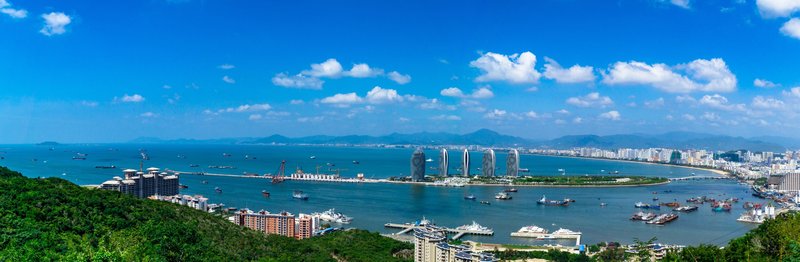
Hotels in Khao Chamao
Discover your perfect stay in Khao Chamao.
Khao Chamao(Thailand) Travel 2026: Cheap Flights, Hotels & Top Attractions
Popular Landmarks in Khao Chamao
Discover the most iconic attractions in Khao Chamao
Best Hotels in Khao Chamao
Discover curated hotel collections in Khao Chamao
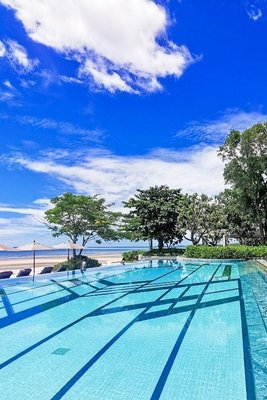
Baba Beach Club Hua Hin Luxury Pool Villa by Sri Panwa
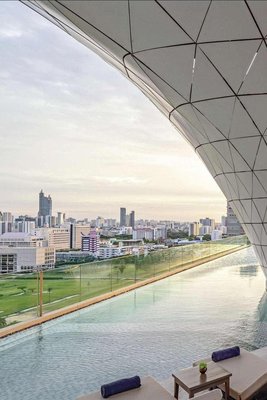
Waldorf Astoria Bangkok
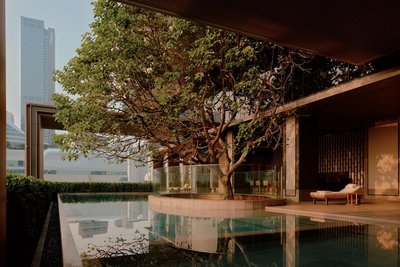
Aman Nai Lert Bangkok
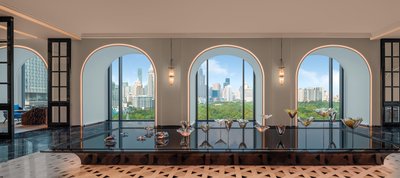
The Ritz-Carlton, Bangkok
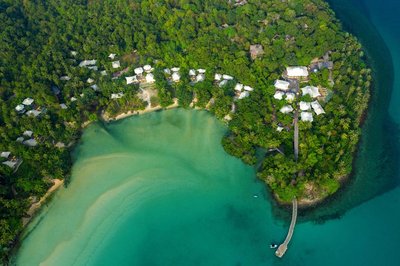
Kiri Private Reserve

Te Mata Glamping
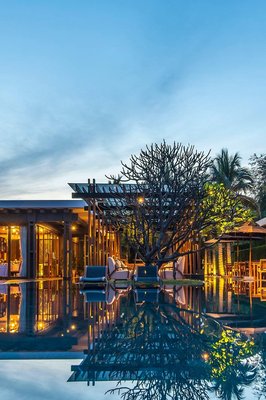
V Villas Hua Hin, MGallery Hotel Collection
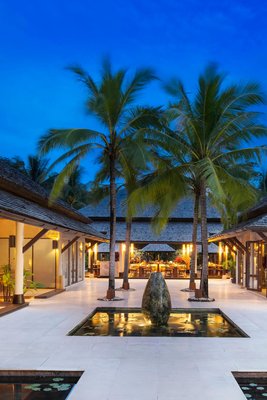
Sheraton Hua Hin Pranburi Villas

High Season Pool Villa & Spa
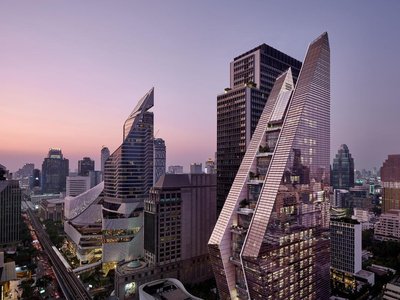
Rosewood Bangkok
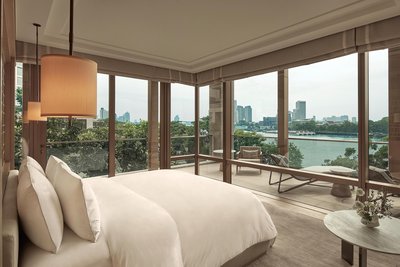
Capella Bangkok
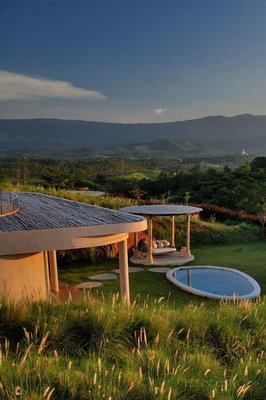
Sala Khaoyai
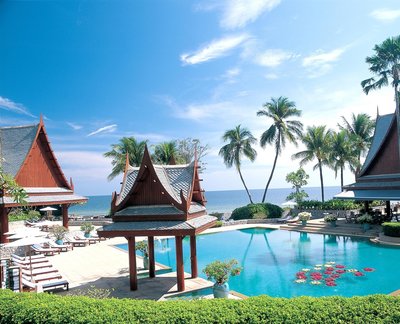
Chiva-Som International Health Resort
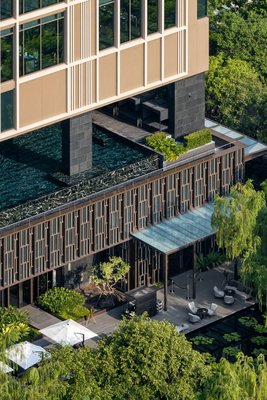
Kimpton Maa-Lai Bangkok
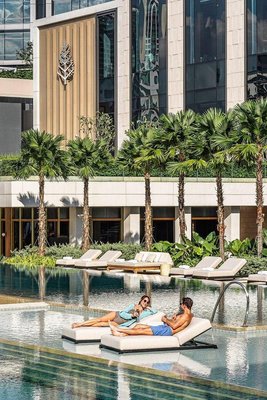
Four Seasons Hotel Bangkok at Chao Phraya River
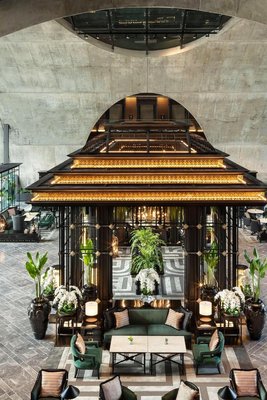
Sindhorn Kempinski Hotel Bangkok

137 Pillars Suites Bangkok
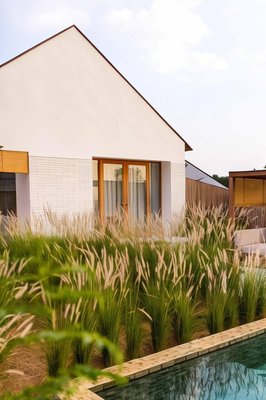
Roukh Kiri Khaoyai, The Centara Collection
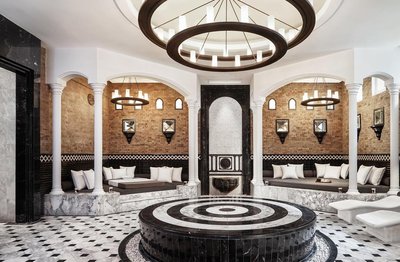
The Siam
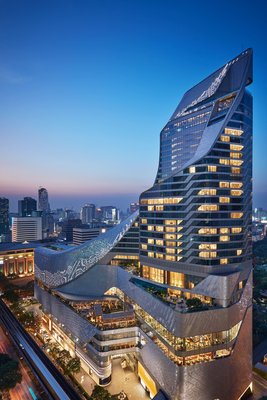
Park Hyatt Bangkok
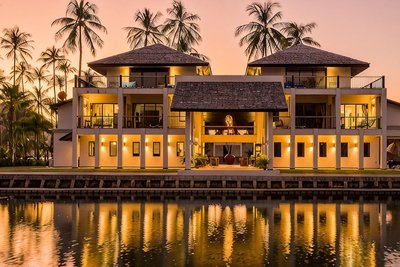
Shambhala Beach Resort
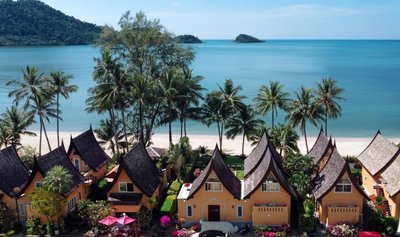
Utalay Koh Chang Villas
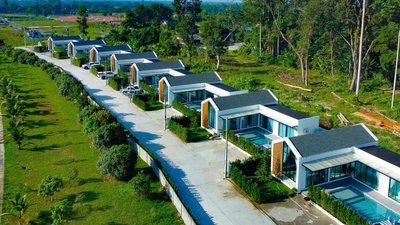
Villa Paramount 2
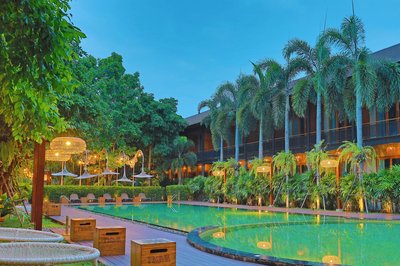
The Buffalo Amphawa
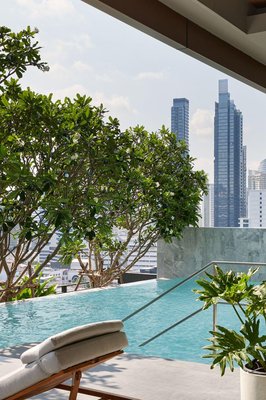
dusitD2 Samyan Bangkok
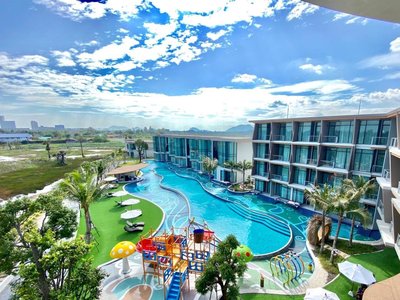
Elmas Cha am Design Hotel
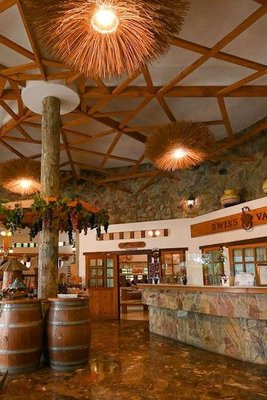
Swiss Valley Hip Resort

Samed Tamarind Beach Resort
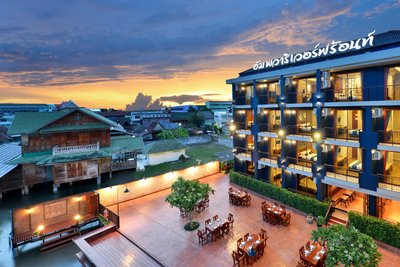
Amphawa Riverfront Hotel

Salaya One Hotel & Service Apartment

Centara Ayutthaya
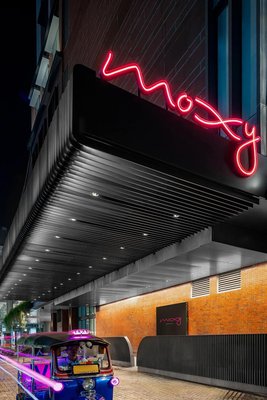
Moxy Bangkok Ratchaprasong
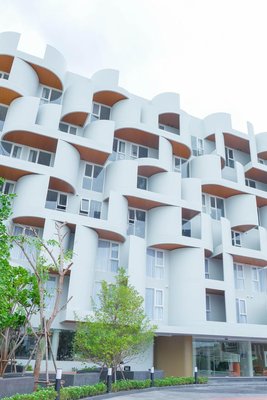
Maybis Hotel
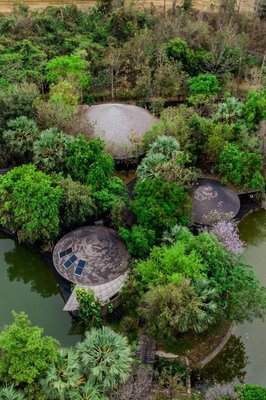
Sanctuary Kanchanaburi
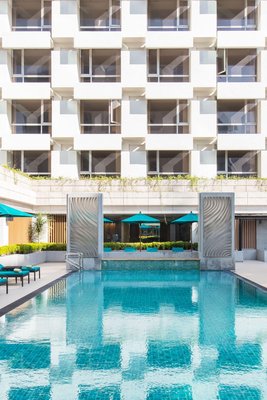
Holiday Inn Bangkok

Novotel Bangkok on Siam Square
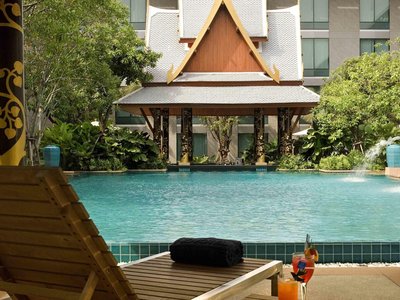
Hyatt Regency Bangkok Suvarnabhumi Airport
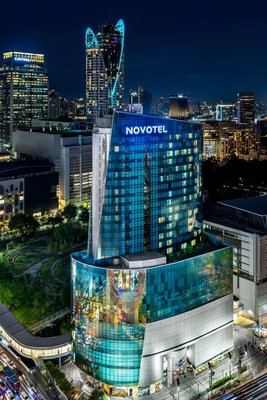
Novotel Bangkok Platinum Pratunam
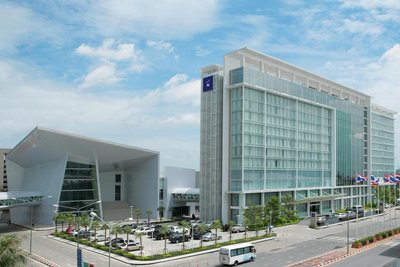
Novotel Bangkok Impact
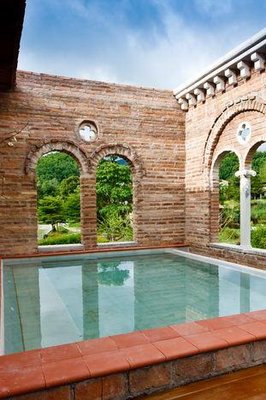
La Toscana
Baba Beach Club Hua Hin Luxury Pool Villa by Sri Panwa
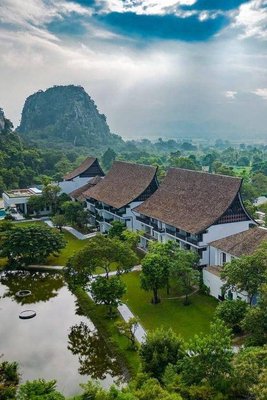
The Soul Resort
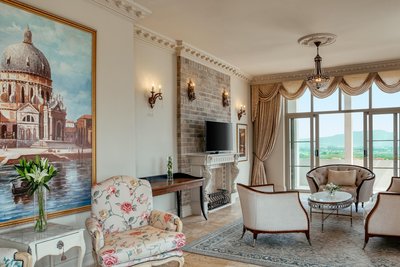
Mövenpick Resort Khao Yai
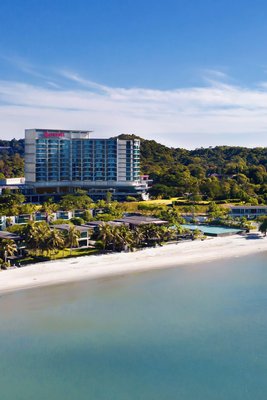
Rayong Marriott Resort & Spa
The Ritz-Carlton, Bangkok
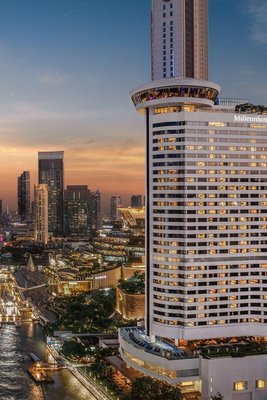
Millennium Hilton Bangkok
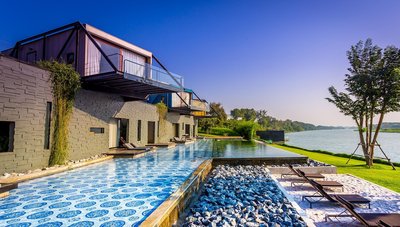
The Xcape Hotel River Kwai
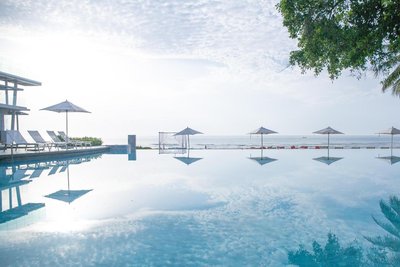
Veranda Resort & Villas Hua Hin Cha Am
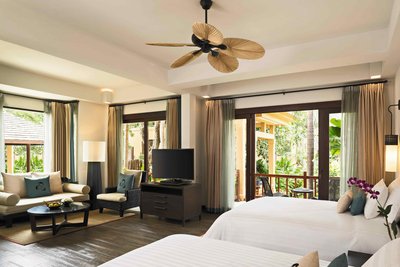
Mövenpick Asara Resort & Spa Hua Hin

Royal Cliff Beach Hotel Pattaya
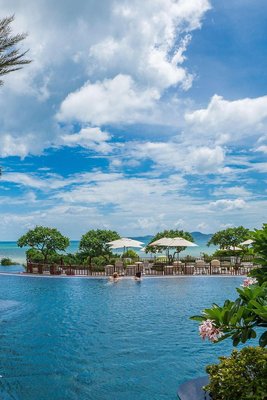
Royal Cliff Grand Hotel Pattaya
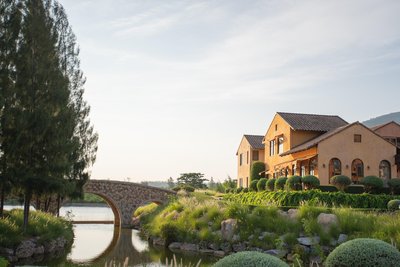
Toscana Hotel la Casetta

U Pattaya
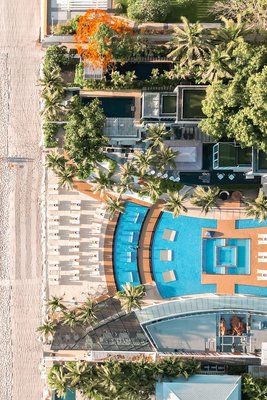
InterContinental Hua Hin Resort

Aleenta Hua Hin - Pranburi
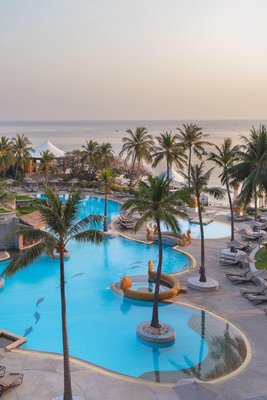
Hilton Hua Hin Resort & Spa
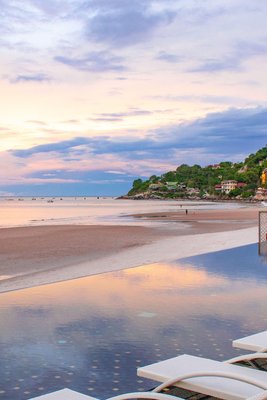
The Yana Villas Hua Hin
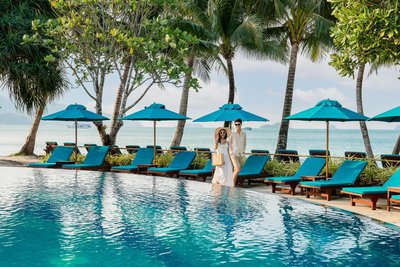
Koh Chang Paradise Resort & Spa
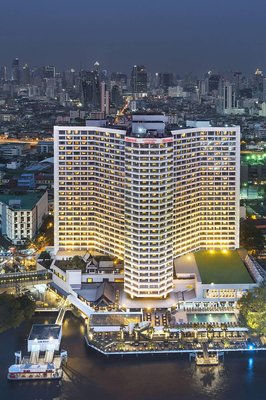
Royal Orchid Sheraton Riverside Hotel Bangkok
Sala Ayutthaya
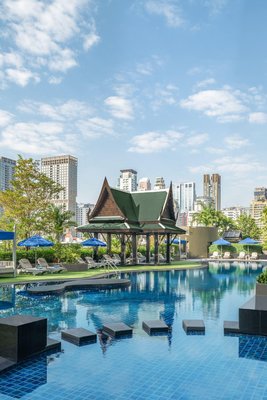
The Athenee Hotel, a Luxury Collection Hotel, Bangkok
Sindhorn Kempinski Hotel Bangkok
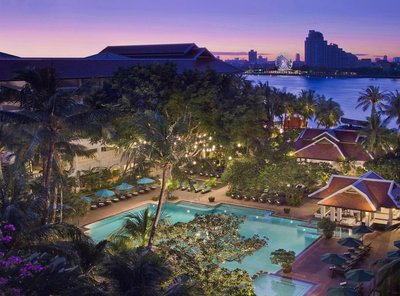
Anantara Riverside Bangkok Resort
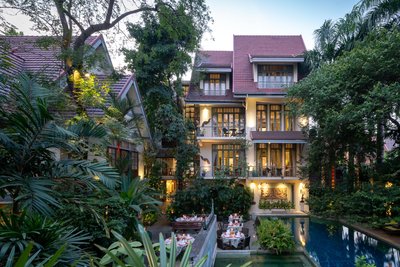
Ariyasom Villa
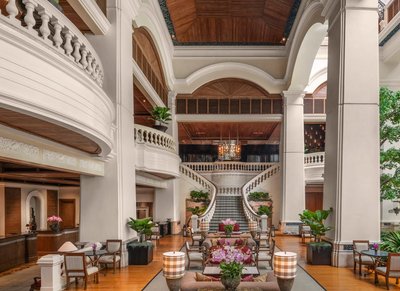
Grand Hyatt Erawan Bangkok
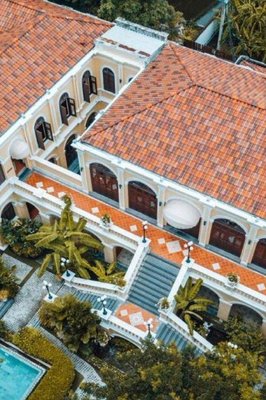
Praya Palazzo
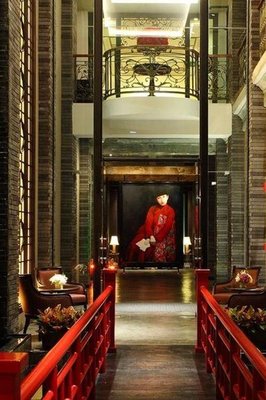
Shanghai Mansion Bangkok
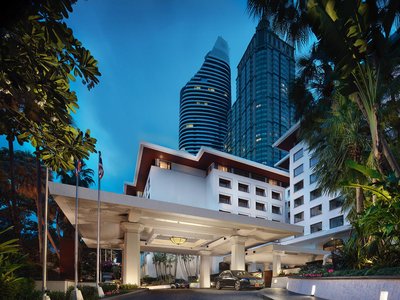
Anantara Siam Bangkok Hotel
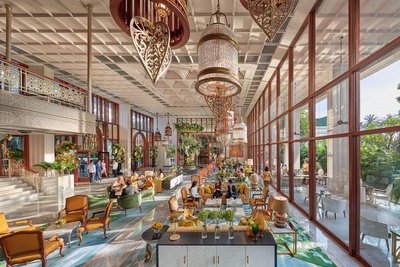
Mandarin Oriental Bangkok
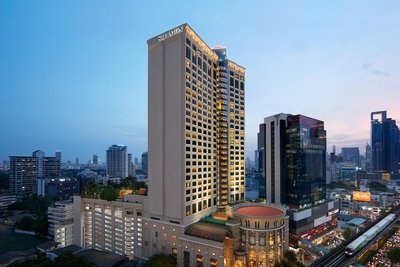
Sheraton Grande Sukhumvit, a Luxury Collection Hotel, Bangkok
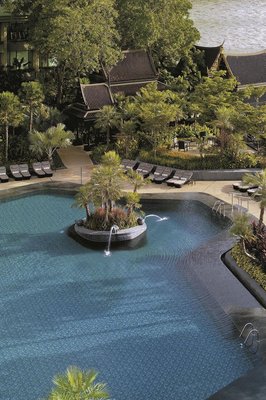
Shangri-La Bangkok
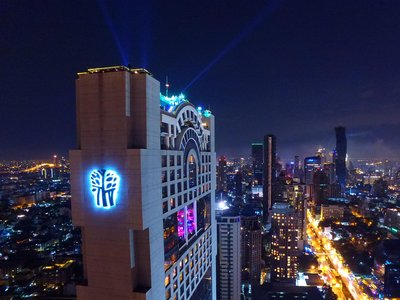
Banyan Tree Bangkok

The Sukhothai Bangkok
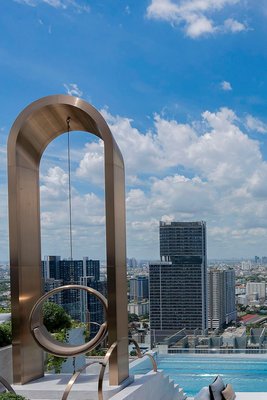
INNSiDE by Meliá Bangkok Sukhumvit
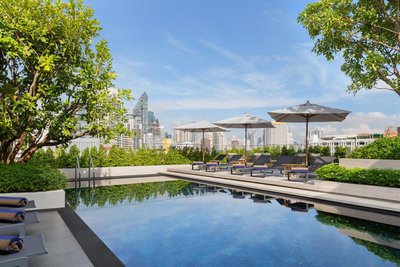
Madi Paidi Bangkok, Autograph Collection (Marriott international)
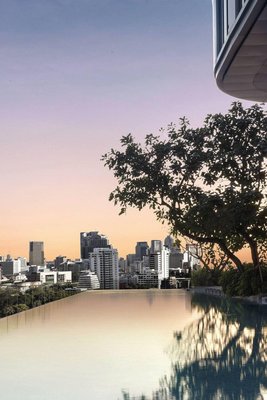
SO/ Bangkok
Waldorf Astoria Bangkok
The Ritz-Carlton, Bangkok
V Villas Hua Hin, MGallery Hotel Collection
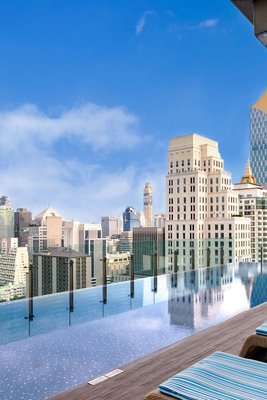
Hotel Indigo Bangkok Wireless Road
Toscana Hotel la Casetta
The Athenee Hotel, a Luxury Collection Hotel, Bangkok
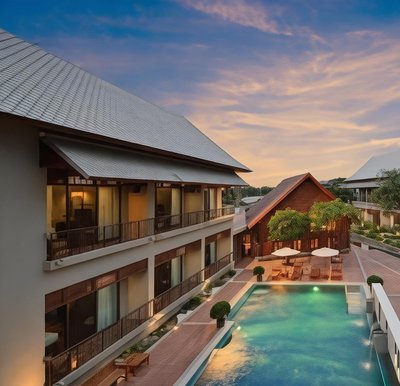
Plakan Resort
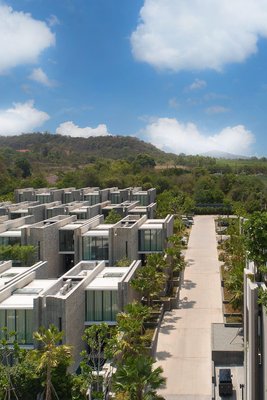
Oceanphere Pattaya Villa by Elite Suites

Hotel Labaris Khao Yai
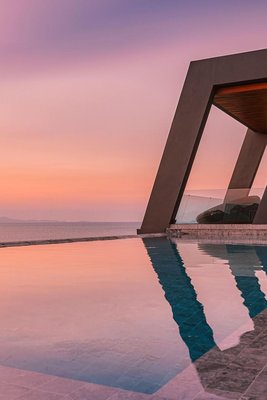
MASON
Rosewood Bangkok
Capella Bangkok

Thames Valley Khao Yai
Sala Khaoyai
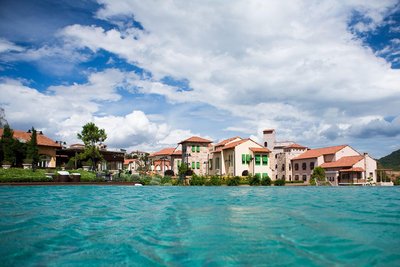
Toscana Town Square Suites
Kimpton Maa-Lai Bangkok
Four Seasons Hotel Bangkok at Chao Phraya River
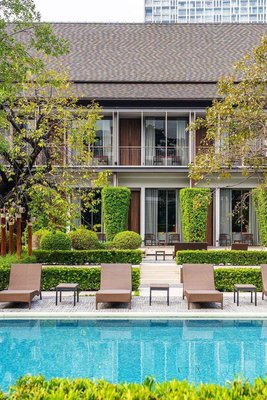
Villa Deva Resort & Hotel Bangkok
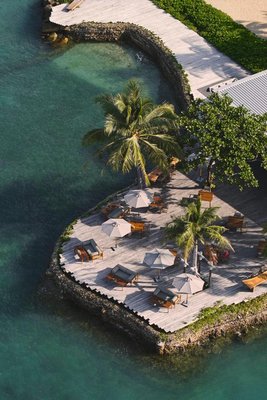
The Retreat Koh Chang , an SLH Hotel
The Soul Resort
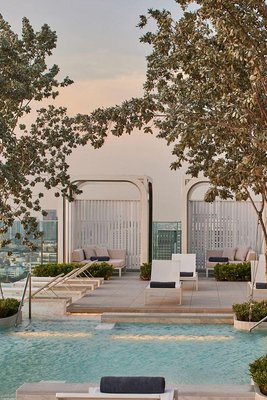
Eastin Grand Hotel Phayathai
Mövenpick Resort Khao Yai
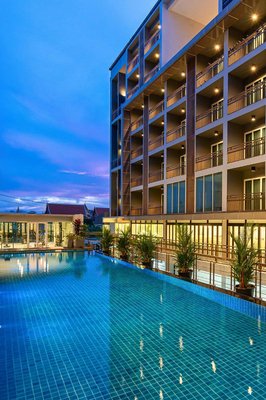
Tisha Hotel
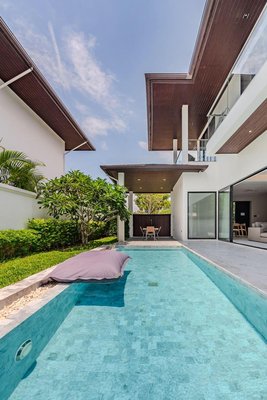
Argo Pattaya Resort and Villas

Dusit Thani Bangkok
Rayong Marriott Resort & Spa
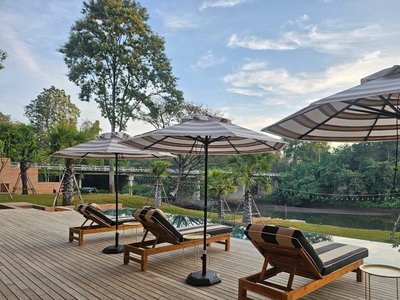
Historykan Kanchanaburi Hotel

Halff Hotel
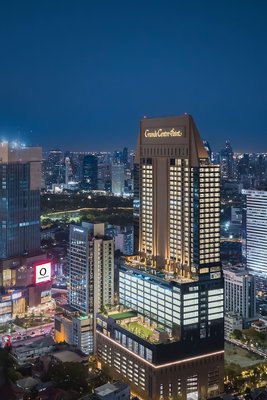
Grande Centre Point Lumphini Bangkok
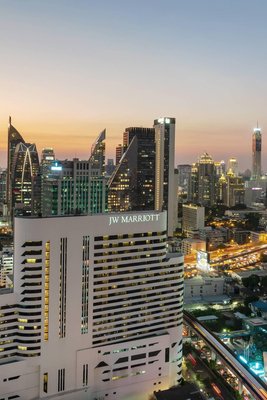
JW Marriott Hotel Bangkok
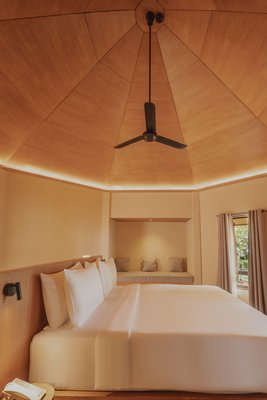
Kira Baya Koh Samed
Millennium Hilton Bangkok
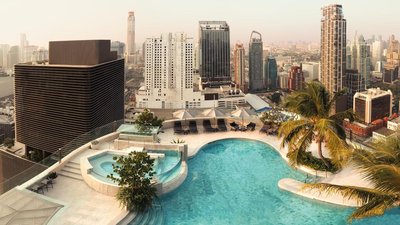
InterContinental Bangkok
The Xcape Hotel River Kwai
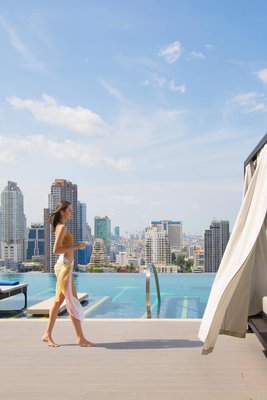
Bangkok Marriott Hotel the Surawongse
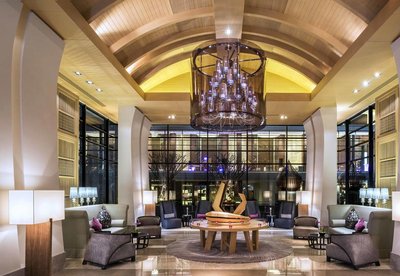
Le Méridien Suvarnabhumi, Bangkok Golf Resort & Spa
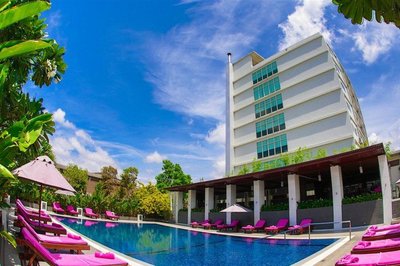
Amaranth Suvarnabhumi Hotel - Free Suvarnabhumi Airport Shuttle

Hotel Barrière Fouquet's New York
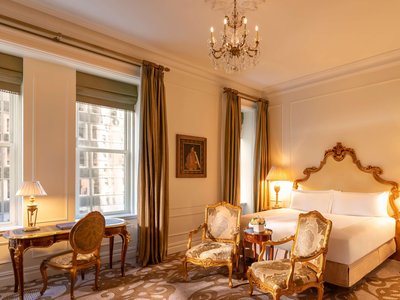
The Plaza - A Fairmont Managed Hotel
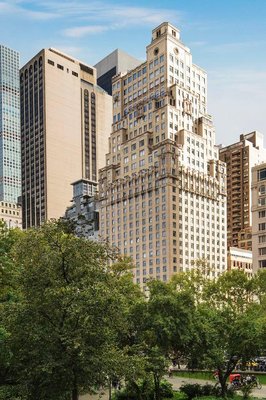
The Ritz-Carlton New York, Central Park

Four Seasons Hotel New York
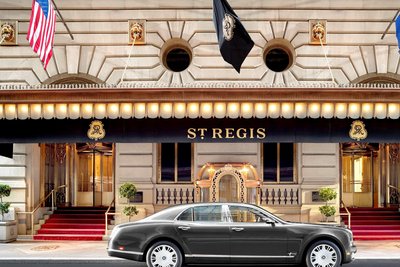
The St. Regis New York
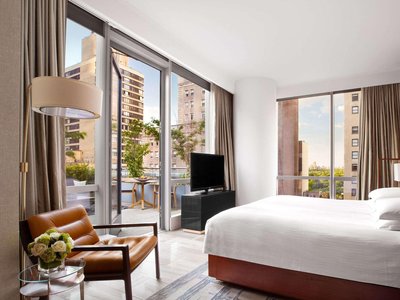
Park Hyatt New York
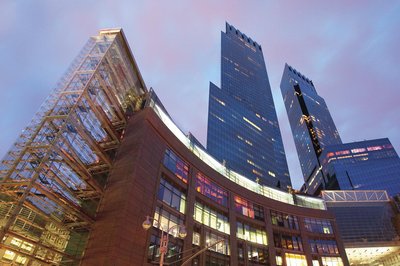
Mandarin Oriental New York
Times Square Edition New York

Loews Regency New York Hotel
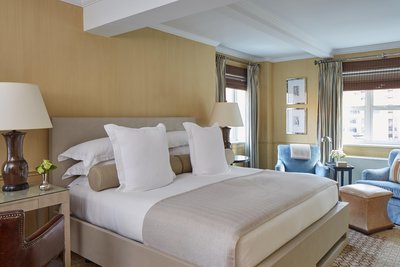
Lowell Hotel
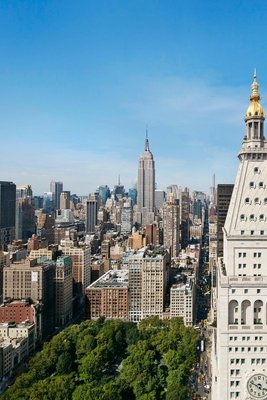
New York Edition
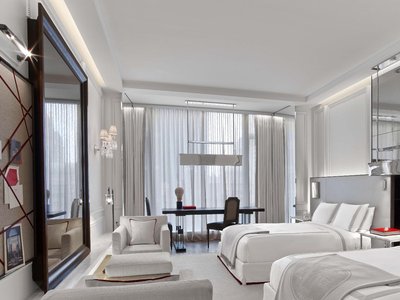
Baccarat Hotel New York

Equinox Hotel New York

Four Seasons Hotel New York Downtown
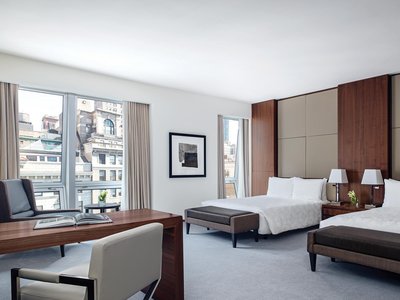
The Langham, New York, Fifth Avenue

The Carlyle, A Rosewood Hotel

The Chatwal, in the Unbound Collection by Hyatt
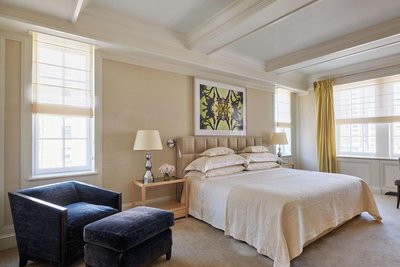
The Mark New York
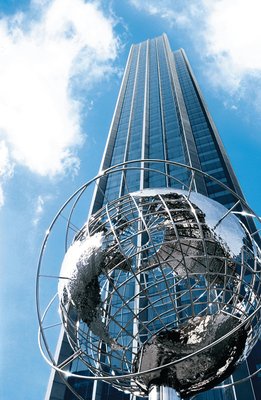
Trump International Hotel & Tower® New York
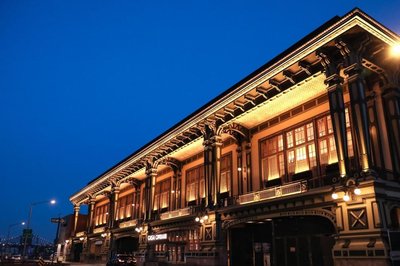
Casa Cipriani New York
Frequently Asked Questions about Traveling to Khao Chamao
Questions You Might Need to Know About Traveling to Khao Chamao
For an authentic cultural experience in Khaoyam, stay near the Khaoyam Pier and Sai Rung Temple, where traditional Thai fishing villages thrive. The Khaoyam Riverside Guesthouse offers charming wooden bungalows with local art decor, just steps from the riverfront market and daily temple ceremonies.
Alternatively, Sao Chingcha Homestay provides homely hospitality with family-run cooking classes featuring regional dishes like "Khao Soi Khaoyam" and fresh seafood grilled on-site. These accommodations not only provide comfort but also open doors to intimate interactions with locals, showcasing the slow-paced lifestyle of eastern Thailand’s coastal communities.
Staying in these areas allows easy access to the Khaoyam Boat Festival held annually in November, a vibrant celebration of maritime heritage and community spirit.
To savor authentic local cuisine in Khaoyam, visit the Khaoyam River Market every morning, where vendors serve fresh street food like "Khao Soi Khaoyam"—a coconut-based curry noodle soup with locally caught fish and pickled vegetables.
Another must-try is the Sao Chingcha Seafood Stalls along the pier, where fishermen grill their day’s catch over charcoal, offering dishes such as grilled squid with lime and chili or steamed mussels in coconut broth.
For a deeper culinary immersion, join a homestay cooking class at Khaoyam Riverside Guesthouse, where you’ll learn to prepare traditional recipes using ingredients sourced directly from nearby farms and markets. These experiences highlight the region’s reliance on fresh seafood and tropical produce, reflecting the sustainable lifestyle of eastern Thai coastal communities.
Yes, Khaoyam is considered very safe for solo travelers. The town maintains a peaceful, low-key atmosphere with minimal crime rates, especially compared to larger Thai cities. Locals are known for their warm hospitality and openness toward visitors.
Solo travelers can easily explore the Khaoyam Pier, Sai Rung Temple, and riverside markets without concerns. Many guesthouses, such as Sea Breeze Homestay, offer secure accommodations with 24-hour staff and free Wi-Fi.
Additionally, the town hosts regular cultural events like the Boat Festival, where solo visitors are warmly welcomed to participate in rituals and social gatherings. For added peace of mind, most attractions are within walking distance, and transportation options—including tuk-tuks and songthaews—are affordable and reliable. Khaoyam strikes a perfect balance between safety, authenticity, and accessibility for independent explorers.
The best time to visit Khaoyam for beach activities is from November to March, during the dry season when temperatures range from 25–30°C and rainfall is minimal. This period offers ideal conditions for swimming, sunbathing, and water sports like kayaking and snorkeling along the calm waters of Khaoyam Beach.
The clear skies and gentle sea breeze make it perfect for exploring the coastline, while evening walks along the shore are enhanced by bioluminescent plankton sightings in some years.
Additionally, this window coincides with the Khaoyam Boat Festival in November, a major cultural event featuring decorated boats, traditional music, and communal rituals. Travelers should book accommodations early, especially around December holidays, as popular stays like Rong Bua Resort fill up quickly due to increased demand from domestic and international tourists.
Top landmarks in Khaoyam include:
-
Khaoyam Pier: The heart of the town, bustling with fishing boats at dawn and vibrant night markets in the evening. It’s ideal for tasting fresh seafood and taking scenic boat rides.
-
Sai Rung Temple: A historic temple blending Thai and Chinese architectural styles, dating back to the 19th century. Its ornate murals and serene courtyard attract both pilgrims and culture enthusiasts.
-
Khaoyam Beach: A long stretch of pristine white sand with gentle waves, perfect for swimming, sunbathing, and sunset views.
-
Khaoyam Riverside Pathway: A shaded walking trail along the river, connecting villages, markets, and craft stalls. Ideal for cycling, photography, or simply soaking in the tranquil rural scenery.
These sites collectively reflect Khaoyam’s deep-rooted connection to the sea, tradition, and community life, making them essential stops for any visitor seeking authentic Thai coastal charm.
Khao Chamao Overview
City Summary
Khao Maew, located in Rayong Province, Thailand, is a city blessed with natural beauty and coastal charm. Its serene beaches, abundant seafood, and laid-back lifestyle make it an ideal escape from urban hustle. The local culture blends Thai traditions with fishing village vibes, perfect for travelers seeking relaxation and nature immersion.
Must-See Attractions
Khao Maew's beaches are its crown jewels, such as Mae Ramphueng Beach with its soft white sand and clear waters. Visitors can explore local fishing villages to experience traditional livelihoods. Nearby Khao Laem Ya National Park offers hiking and birdwatching, a haven for nature enthusiasts.
Food Guide
Khao Maew is famed for fresh seafood. Street markets serve grilled fish, spicy prawn soup, and Thai seafood salads. Must-try dishes include "Pla Kapong Neung Manao" (steamed fish with lime) and "Tom Yum Goong" (spicy shrimp soup), best enjoyed with fresh coconut water.
Transportation Guide
Local transport relies on motorbike rentals and taxis. Renting a motorbike is recommended for flexible exploration. From Rayong city center, take a bus or taxi (30-minute ride). No subway system exists, but major attractions are within walking or short driving distance.
Best Time to Visit
The ideal travel period is November-February, with cool, dry weather perfect for beaches. Avoid the rainy season (May-October) to prevent storm disruptions.
Travel Tips
- Respect local culture: dress modestly for temple visits.
- Practice sun protection and heed ocean currents at beaches.
- Choose busy food stalls for better hygiene standards.
- Polite bargaining is acceptable, but avoid extreme haggling.
- Carry cash as many shops don't accept cards.
- Learn basic Thai greetings to connect with locals.
Useful Information
Thai is widely spoken; basic English works in tourist areas. Translation apps are helpful. Good mobile coverage; tourist SIM cards are available. Cash is primary payment method, though some restaurants accept cards. Dial 191 for emergencies. Local clinics handle minor issues; Rayong Hospital is recommended for serious cases.