Hotels in Kibi cho City Hall
Discover your perfect stay in Kibi cho City Hall.
Kibi cho City Hall(Japan) Travel 2026: Cheap Flights, Hotels & Top Attractions
Popular Landmarks in Kibi cho City Hall
Discover the most iconic attractions in Kibi cho City Hall
Recommended Hotels in Kibi cho City Hall
Find the perfect place to stay in Kibi cho City Hall
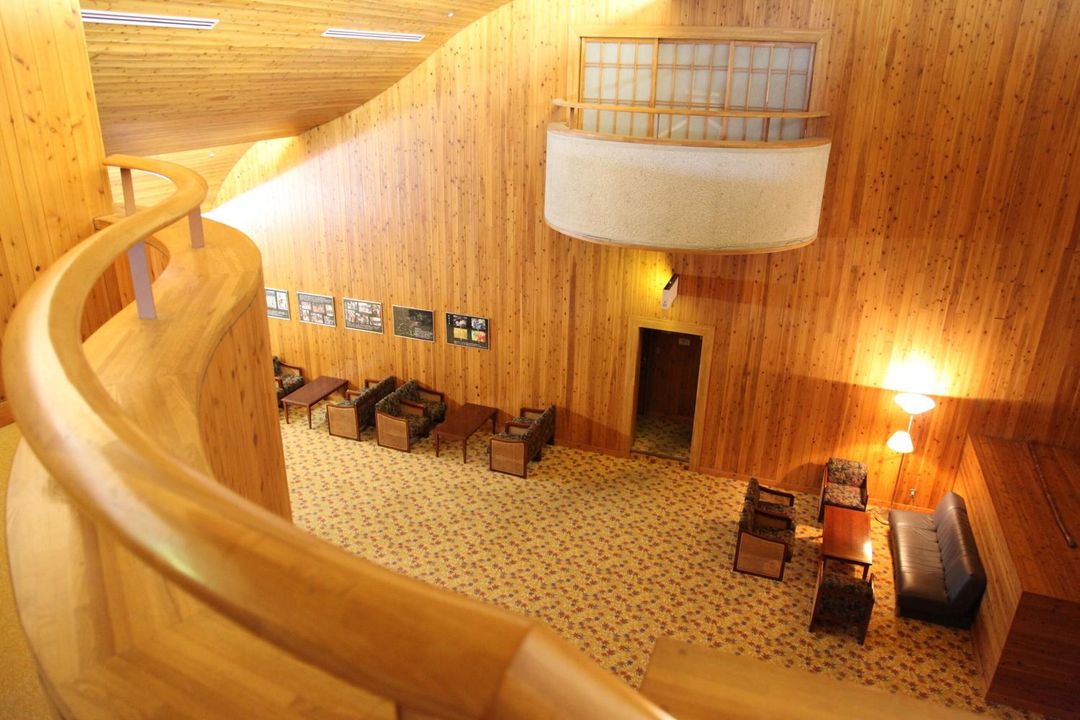
Kibikougen Resort Hotel
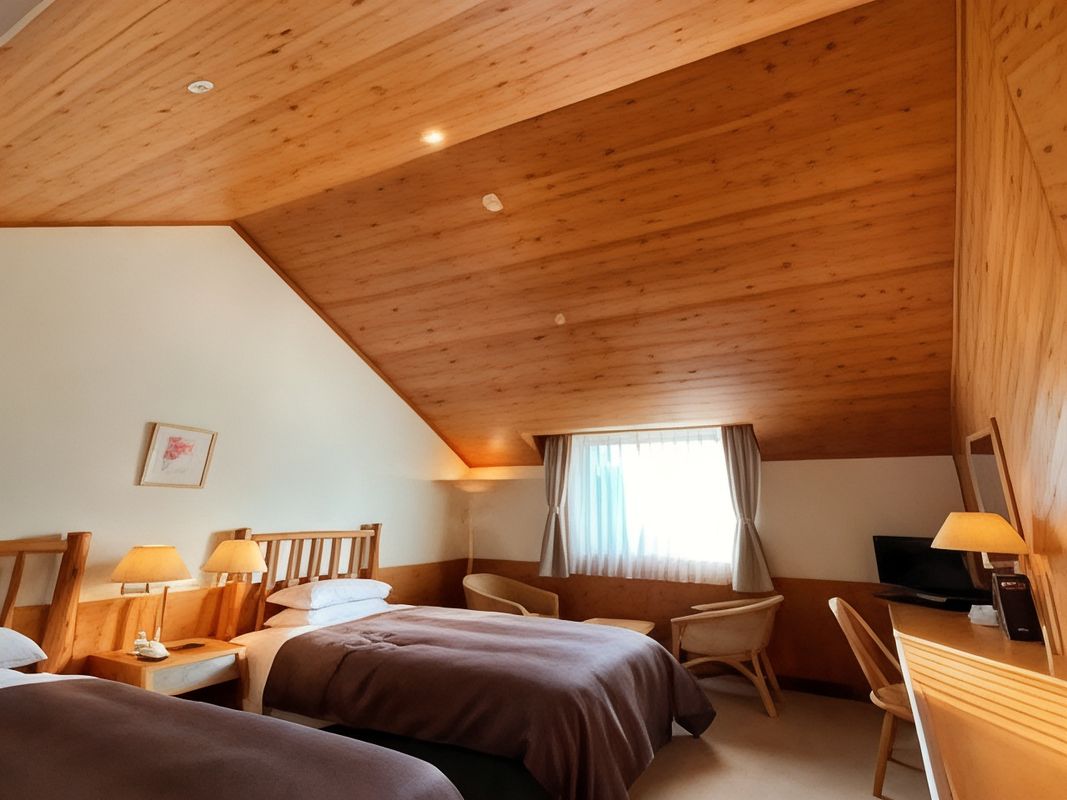
Kibi Kogen Resort Hotel
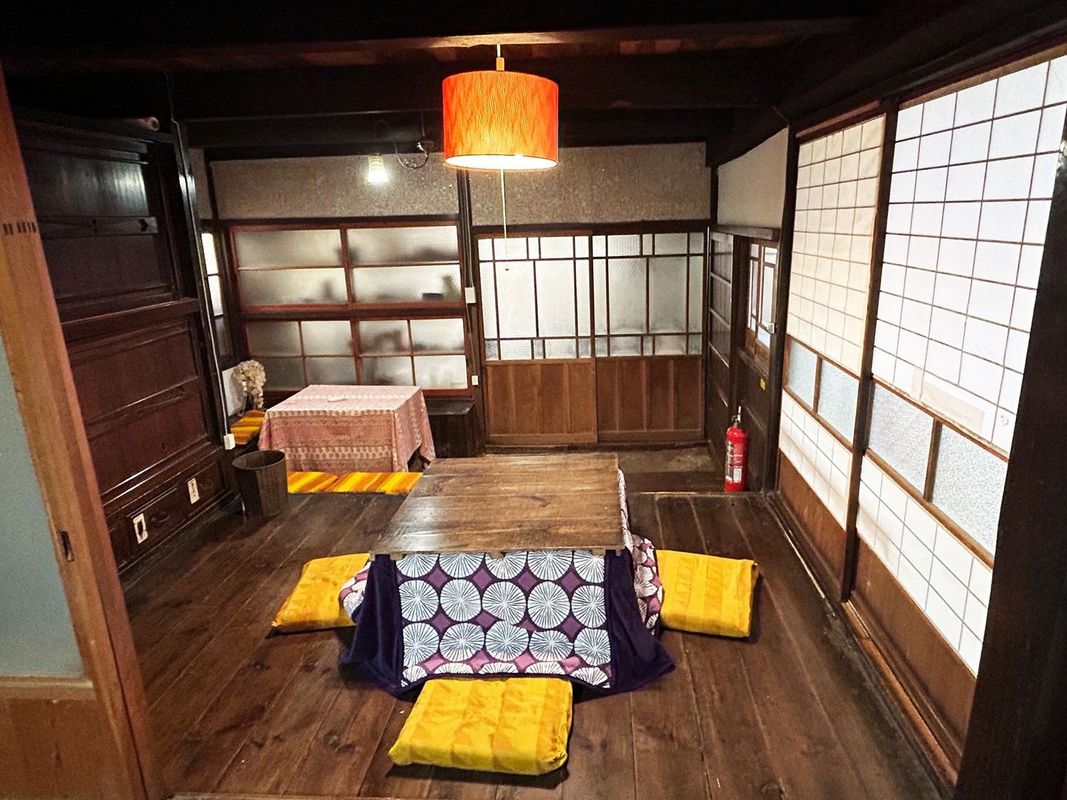
Nano Village Okayama
Best Hotels in Kibi cho City Hall
Discover curated hotel collections in Kibi cho City Hall
Shima Kanko Hotel the Bay Suites
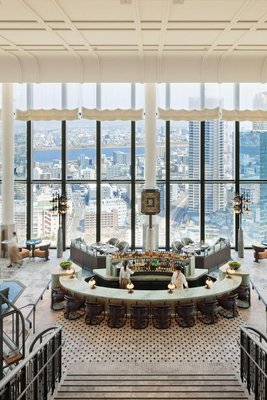
Waldorf Astoria Osaka

Kamo Residences by Reflections
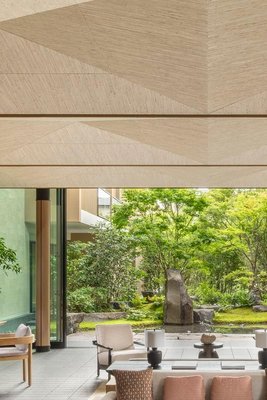
Six Senses Kyoto
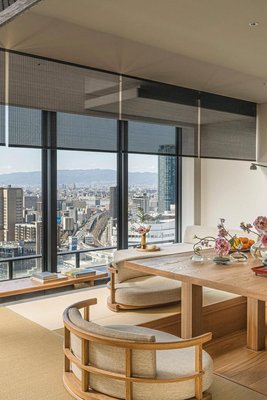
Four Seasons Hotel Osaka

Patina Osaka

The Ritz-Carlton, Osaka
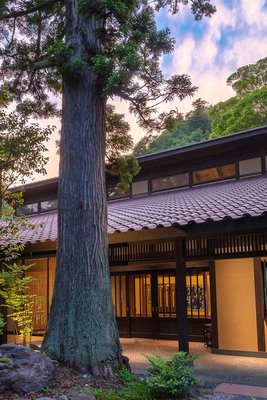
Arimasansoh Goshobessho

The Hiramatsu Hotels & Resorts Kashikojima
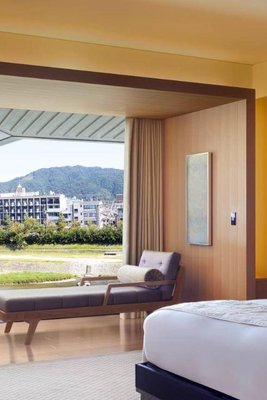
The Ritz-Carlton, Kyoto
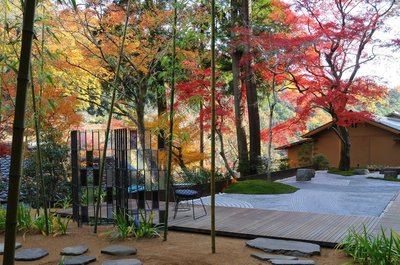
HOSHINOYA Kyoto
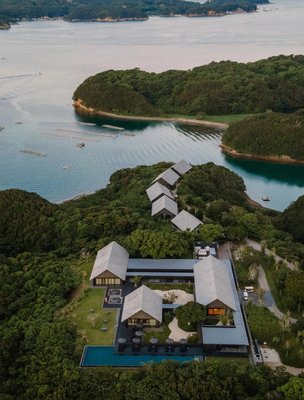
Amanemu
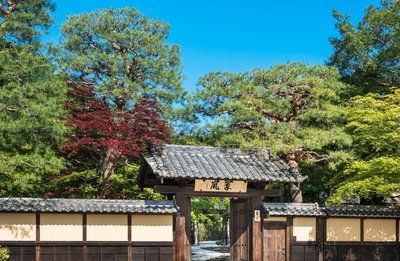
Suiran, a Luxury Collection Hotel, Kyoto
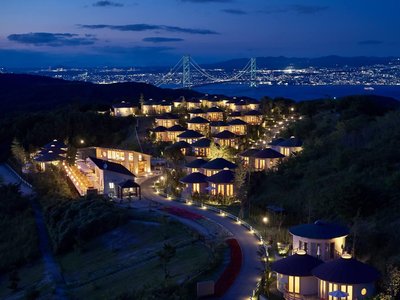
Grand Chariot Hokutoshichisei 135°
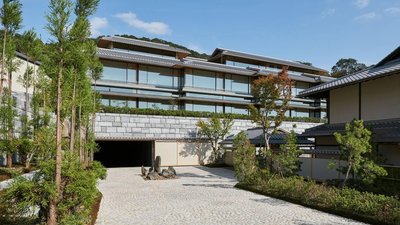
Park Hyatt Kyoto

SETOUCHI RETREAT by Onko Chishin
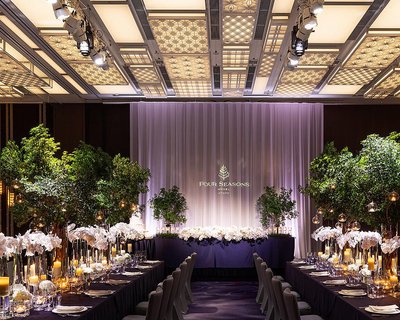
Four Seasons Hotel Kyoto

The Hotel Seiryu Kyoto Kiyomizu - a Member of the Leading Hotels of the World-
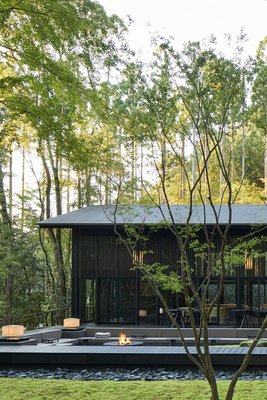
Aman Kyoto
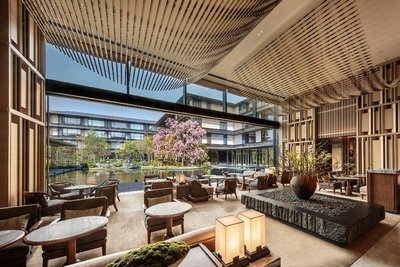
Hotel the Mitsui Kyoto, a Luxury Collection Hotel & Spa
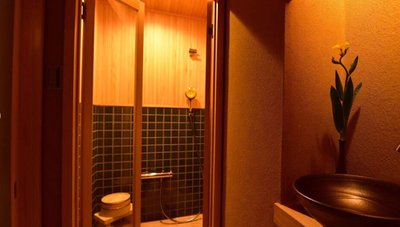
Yado Kiramachi
Arimasansoh Goshobessho
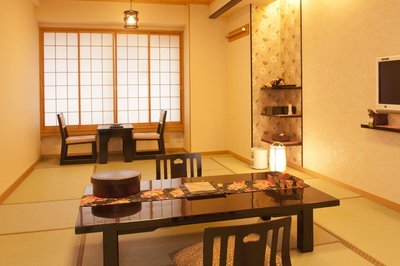
Matsui-Bekkan Hanakanzashi
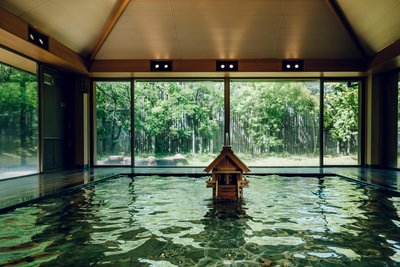
Hoshino Resorts KAI Tamatsukuri

Taikyourou
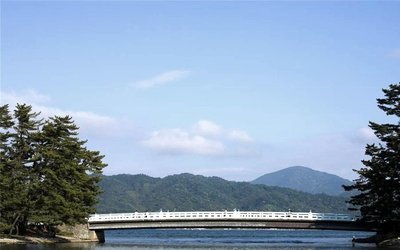
Monjusou Shourotei
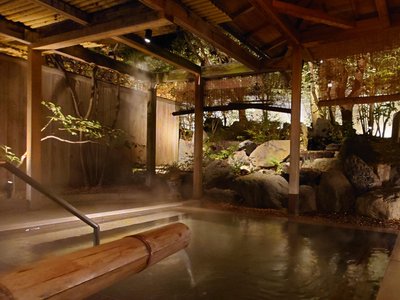
Kasuga Hotel

Migiwatei Ochi Kochi
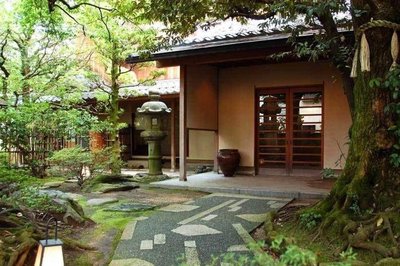
Kocho

Hotel New Wakasa
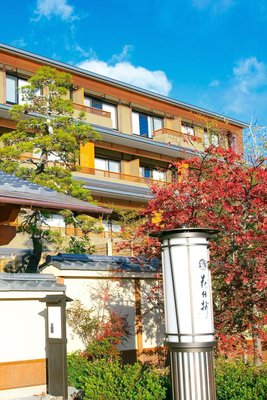
Kyoto Arashiyama Onsen Kadensho (Kyoritsu Resort)
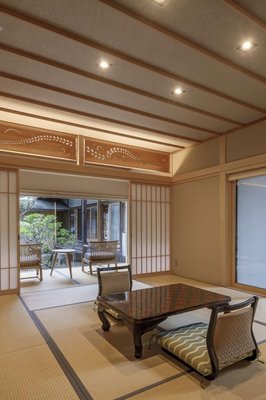
Ichijoin
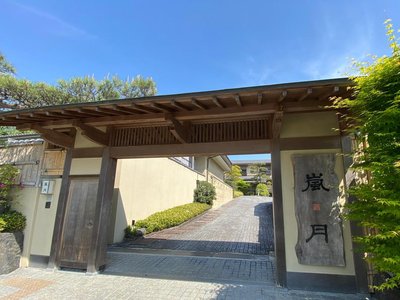
Rangetsu
The Ritz-Carlton, Kyoto
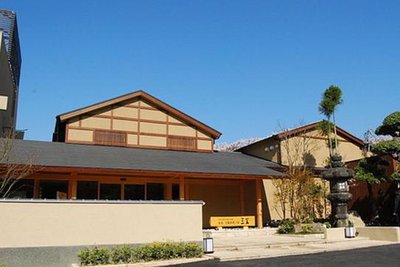
Mikasa
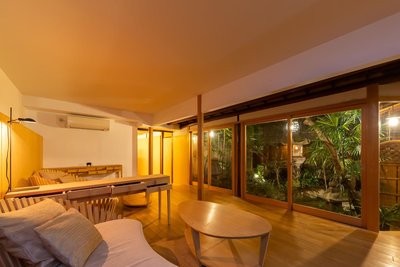
Izuyasu Traditional Kyoto Inn Serving Kyoto Cuisine
HOSHINOYA Kyoto
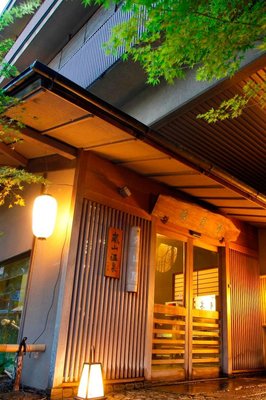
Togetsutei
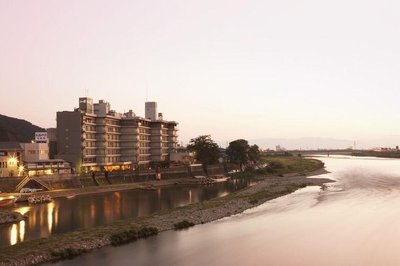
Juhachiro
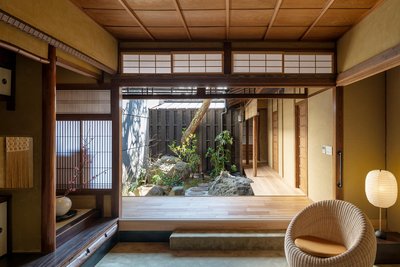
Nazuna Kyoto Gosho

22 PIECES
The Ritz-Carlton, Osaka

The Thousand Kyoto
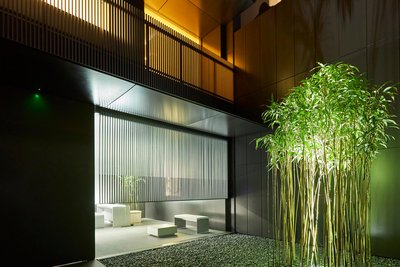
Mogana
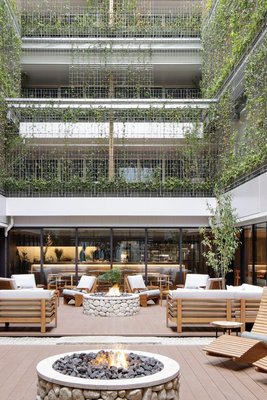
GOOD NATURE HOTEL KYOTO
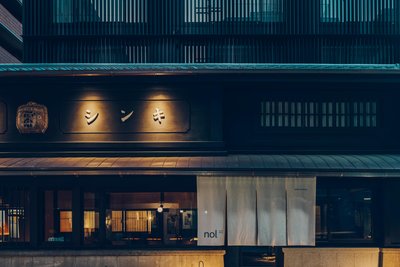
Nol Kyoto Sanjo

Zentis Osaka

Garrya Nijo Castle Kyoto

W Osaka

Hotel Kanra Kyoto

Aloft Osaka Dojima
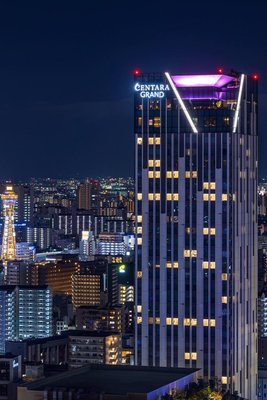
Centara Grand Hotel Osaka
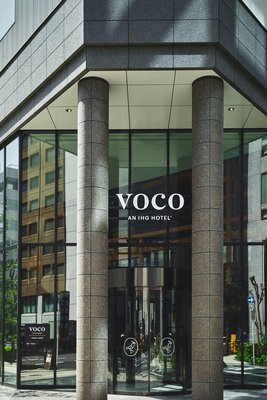
voco Osaka Central

TIAD, AUTOGRAPH COLLECTION

Dusit Thani Kyoto
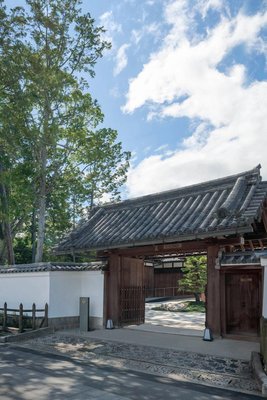
Shisui, a Luxury Collection Hotel, Nara

Hilton Kyoto
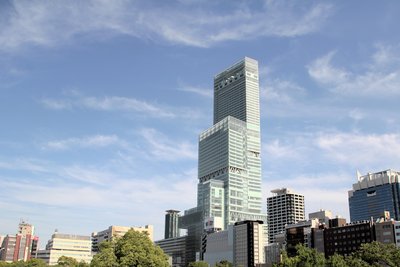
Osaka Marriott Miyako Hotel
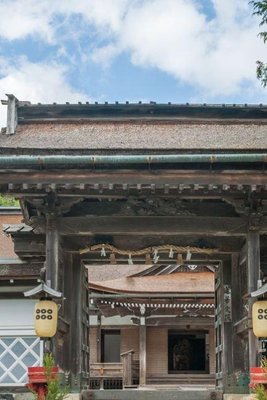
Koyasan Rengejoin

CUVÉE J2 HOTEL OSAKA by Onko Chishin
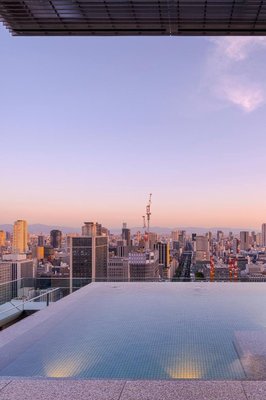
Candeo Hotels Osaka The Tower
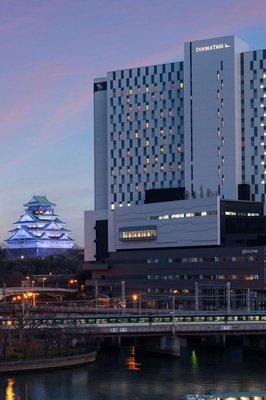
DoubleTree by Hilton Osaka Castle

The Osaka Station Hotel, Autograph Collection
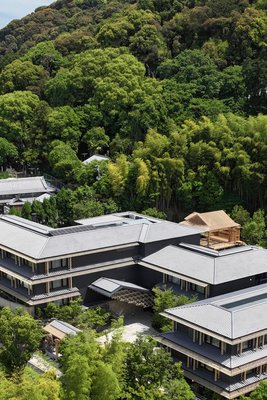
Banyan Tree Higashiyama Kyoto

Canopy by Hilton Osaka Umeda
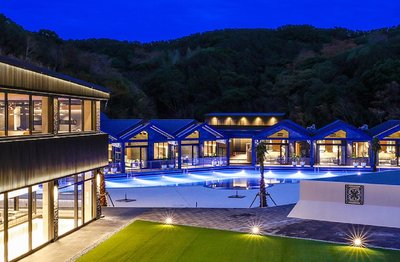
FIVE SPRING RESORT THE SHIRAHAMA
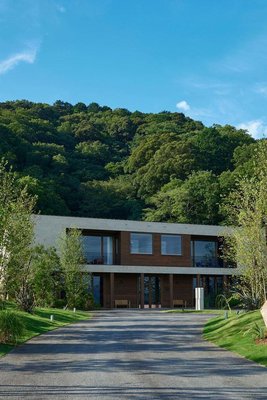
HACIENDA VISON
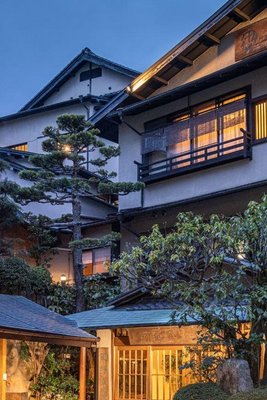
Arima Onsen Tocen Goshobo

Hotel La Suite Kobe Harborland

Hilton Osaka Hotel
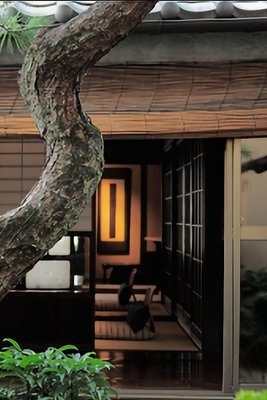
Shimayado Mari
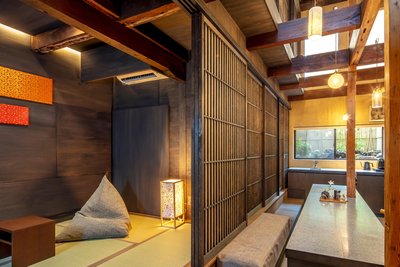
Kyo No Oozora Kihana
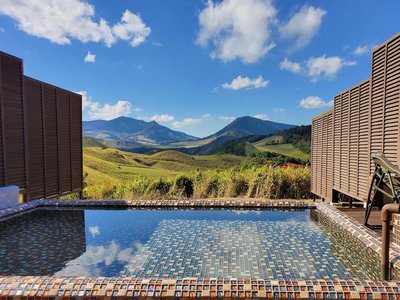
Grand Verde Resort
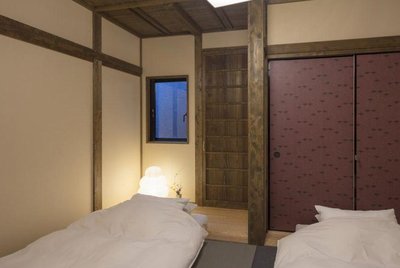
Hanagoromo Machiya House

Maana Kiyomizu
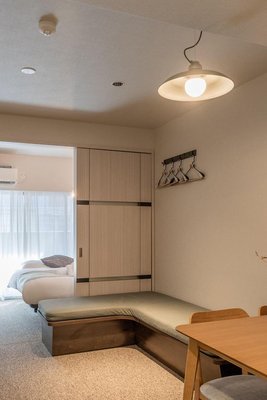
Apartment Hotel 11 Shinsaibashi
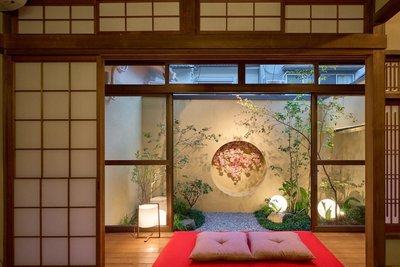
KONJAKUSO Osaka Tengachaya "NIHONCHA" Tea & Relax
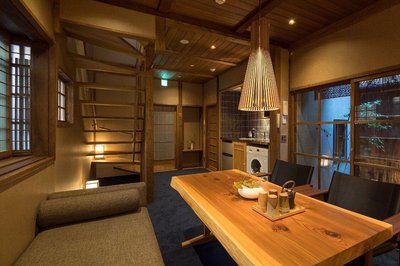
Bonbori an Machiya House
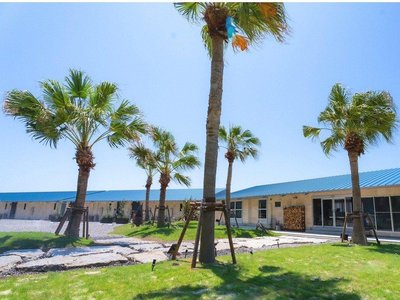
Glamping&Resort Wood Design Park Noma
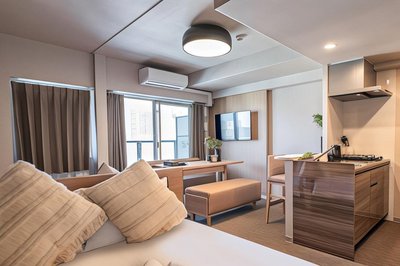
Apartment Hotel 11 Shinsaibashi III
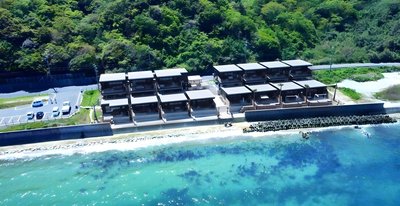
Solavilla Umi Terrace Minamiawaji
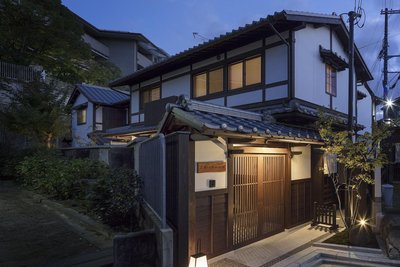
The Machiya Villa Sanjo Shirakawa Koji
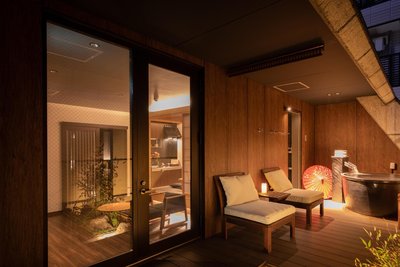
Konjaku-So Dotonbori
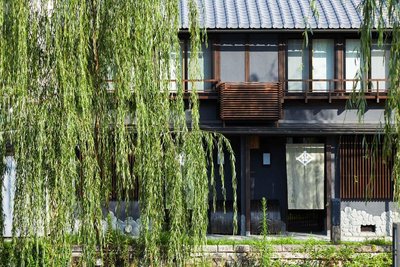
Gion Shirakawa No Yado

Kitashirakawa Natural Radium Onsen
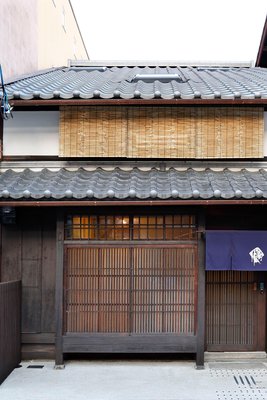
Kyo No Ondokoro Kamanza Nijo #2
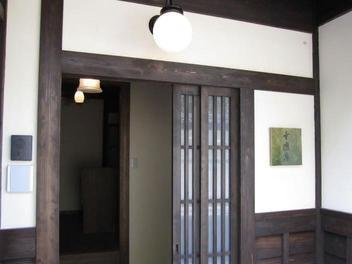
Gion Koyu an Machiya House
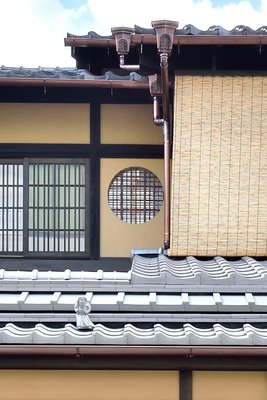
Kyo No Ondokoro Gokomachi Ebisugawa #3

Sana Mane - Glamp Domes
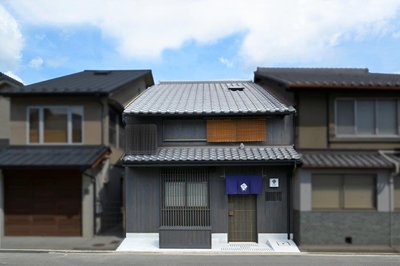
Kyo No Ondokoro Goshonishi #6
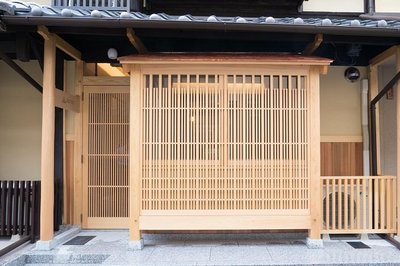
Kyomachiya Suite Rikyu
Frequently Asked Questions about Traveling to Kibi cho City Hall
Questions You Might Need to Know About Traveling to Kibi cho City Hall
In Kibi-chūō Town, the best accommodation is Kibi Chūō Onsen Ryokan, a traditional Japanese inn located near Kibitsujinja Shrine. This ryokan offers natural hot springs sourced from deep underground, along with authentic kaiseki cuisine featuring local ingredients like Okayama wagyu beef and millet rice. The tatami-mat rooms provide panoramic views of the Kibi Plateau, especially during sunrise and autumn foliage seasons. Guests can also participate in cultural experiences such as tea ceremonies and washi paper workshops. With its serene atmosphere and historical charm, this inn is ideal for travelers seeking an immersive rural Japanese experience.
The most recommended area for accommodation in Kibi-chūō Town is the Kibituzuka district, located just steps from Kibitsujinja Shrine and Kibi-chūō Station. This historic neighborhood retains Edo-period wooden architecture, with lantern-lit streets creating a nostalgic ambiance at night. Staying here grants easy access to cultural sites, including the Ancient Tumulus Trail and the Kibi-chūō Town Cultural Center, which offers guided tours and local craft workshops. Many guesthouses offer family-friendly amenities and free breakfast, making it perfect for both solo travelers and families seeking tranquility away from urban crowds.
Must-try cultural experiences in Kibi-chūō Town include attending the night festival at Kibitsujinja Shrine, held annually in spring, where dancers perform ancient kagura rituals accompanied by taiko drums. Another highlight is the ancient burial mound tour, exploring the vast cluster of keyhole-shaped tombs dating back to the Kofun period—some believed to be royal burial sites. At the Kibi-chūō Town Cultural Center, visitors can join washi paper-making workshops or learn about local pottery traditions. These hands-on activities allow travelers to deeply connect with the region’s 1,500-year-old heritage.
While not a major onsen resort, Kibi-chūō Onsen Ryokan stands out as a hidden gem. Its hot spring water comes from deep geothermal sources, rich in sodium and calcium, known for skin rejuvenation. The inn features private outdoor baths (rotenburo) with views of the Kibi Plateau, plus traditional tatami rooms. Meals include seasonal kaiseki dinners with local specialties like Okayama wagyu sushi and millet-based sweets. Due to high demand, especially during cherry blossom and fall foliage seasons, advance HopeGoo is strongly recommended. The peaceful setting makes it ideal for relaxation and cultural immersion.
Yes, Kibi-chūō Town is highly suitable for family travel. The Kibi-chūō Town Children’s Nature Park offers interactive trails, small streams, and nature discovery zones perfect for kids to explore insects and plants. The shrine’s main plaza hosts seasonal festivals with traditional games and crafts. Most inns provide child-friendly amenities such as yukata robes, slippers, and complimentary breakfast. With well-maintained, wheelchair-accessible paths and low noise levels, the town offers a safe, quiet environment ideal for intergenerational visits. Families will appreciate the balance between education and relaxation.
Must-try local dishes in Kibi-chūō Town include Kibi Dango, chewy dumplings made from millet flour and served with sweet red bean paste or matcha syrup—perfect as a souvenir snack. Another highlight is Okayama Wagyu Beef Bowl, featuring tender, marbled beef topped with a savory soy-based sauce. Don’t miss Kibi River Fish Dishes, especially steamed sweetfish, which showcases the purity of the local waters. These delicacies are available at historic eateries like Kibiya Restaurant and Tanaka-ya Ryōtei, both serving generations-old recipes with authenticity and warmth.
Kibi-chūō Town is easily accessible via JR West trains, with Kibi-chūō Station connecting directly to Okayama Station (approx. 30 minutes). From there, travelers can transfer to services bound for Osaka, Hiroshima, and beyond. Local community buses link key attractions such as the shrine, cultural center, and onsen hotel. For those driving, the Chūgoku Expressway provides fast access through scenic countryside. Visitors can save money and time using the Okayama Tourism Pass, which allows unlimited rides on designated buses and trains across the region.
Seasonal highlights in Kibi-chūō Town include the Kibitsujinja Cherry Blossom Festival in spring, when the Kibi River banks bloom with pink sakura trees, illuminated at night. In autumn, the Ancient Tumulus Cultural Festival invites visitors to explore open burial mounds and attend lectures on Kofun history. The Kibi Dango Festival celebrates winter with live demonstrations and limited-edition gift sets. During summer, the Cool Breeze Festival features live music and fireworks over the river. These events offer unique opportunities to experience local traditions and seasonal beauty throughout the year.
Kibi-chūō Town boasts stunning natural scenery centered around the Kibi Plateau, home to one of Japan’s largest clusters of keyhole-shaped burial mounds, now recognized as a potential UNESCO World Heritage Site. The plateau offers panoramic views of rolling hills, especially vibrant in spring and autumn. The Kibi River Trail winds through forests and wetlands, perfect for walking or cycling, with frequent sightings of egrets and kingfishers. Nearby, the Kibi Forest Ecological Garden provides guided walks and educational exhibits on native flora and fauna. The harmony between nature and ancient history creates a uniquely tranquil landscape.
For authentic souvenirs in Kibi-chūō Town, visit Kibiya Shop for premium Kibi Dango gift boxes made with traditional methods and elegant packaging. The Kibi-chūō Town Cultural Center Craft Market features handmade washi paper items like lamps, bookmarks, and greeting cards crafted from local mulberry bark. You can also purchase millet flour directly from local producers for homemade dango. For ceramics, Kibi Pottery Studio sells hand-thrown bowls and teaware with minimalist designs inspired by nature. All items reflect the town’s craftsmanship and deep connection to tradition, making them meaningful keepsakes.
Kibi cho City Hall Overview
City Summary
Kibichuo-cho, located in central Okayama Prefecture, Japan, is a town renowned for its serene rural landscapes and rich agricultural heritage. Ideal for travelers seeking respite from urban bustle, its Kibi Highlands scenery and traditional farming experiences define its charm.
Must-See Attractions
Must-visit spots include the Kibi Highlands Cycling Path through fields and forests, and Yubara Onsen for relaxation. Culture enthusiasts can explore Kibi Shrine or fruit-picking at Agricultural Parks.
Food Guide
Savor farmhouse cuisine like Okayama white peaches and fresh vegetable tempura. Local eateries serve hotpot dishes and handmade soba noodles, showcasing authentic flavors.
Transportation Guide
Town buses run infrequently; check schedules in advance. Renting a car is recommended for flexibility. From Okayama, take JR Hakubi Line to "Bitchu-Takamatsu Station", then a 30-minute bus ride. ICOCA cards are accepted.
Best Time to Visit
Spring and autumn are ideal, with cherry blossoms in April and fall foliage in October. Summer offers farm activities, while winter promises quieter visits.
Travel Tips
- Respect farmlands; avoid entering private fields.
- Wash thoroughly before entering onsen baths.
- Carry a bus schedule app due to limited services.
- Most shops accept cash only.
- Follow strict Japanese recycling rules.
- Rural areas have limited nighttime lighting.
Useful Information
Japanese is primary; English is rare in rural areas. Mobile coverage is decent, but portable Wi-Fi is advised. Cash dominates payments; ATMs are available in convenience stores. Emergency clinics are in Soja City. Dial 110 for police, 119 for ambulance.