Hotels in Kihoku
Discover your perfect stay in Kihoku.
Kihoku(Japan) Travel 2026: Cheap Flights, Hotels & Top Attractions
Popular Landmarks in Kihoku
Discover the most iconic attractions in Kihoku
Best Hotels in Kihoku
Discover curated hotel collections in Kihoku

The Ritz-Carlton, Fukuoka
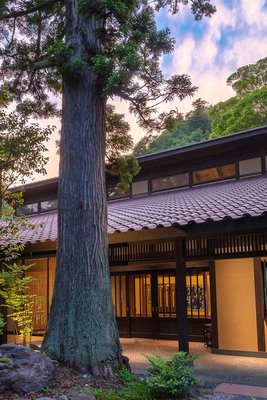
Arimasansoh Goshobessho
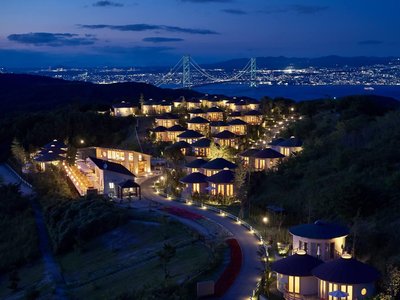
Grand Chariot Hokutoshichisei 135°
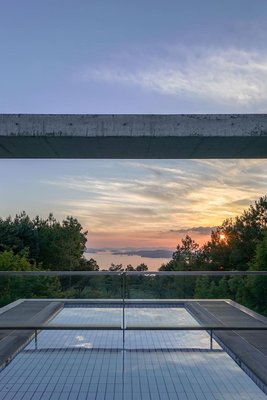
SETOUCHI RETREAT by Onko Chishin
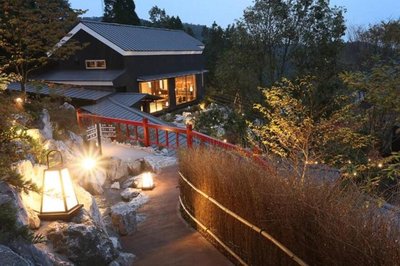
Gekkoju Kurokawa
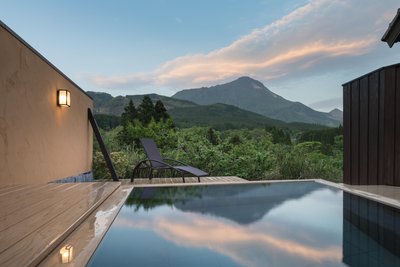
Ikkoten
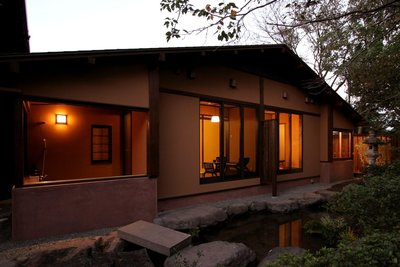
SEKIYA RESORT Bettei Haruki
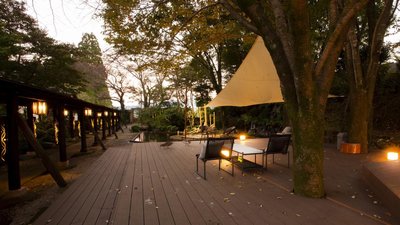
Chikurakutei
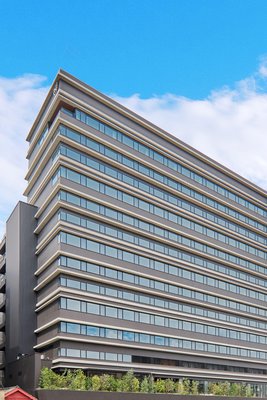
The Royal Park Canvas Fukuoka Nakasu
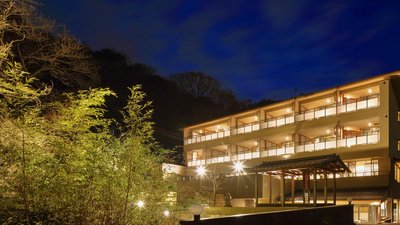
Okuno Hosomichi
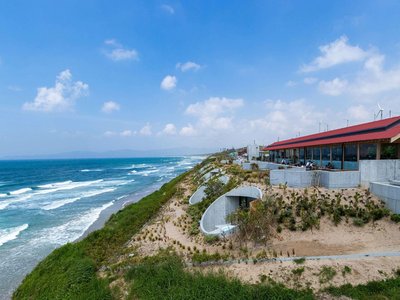
Izumo Hotel the Cliff
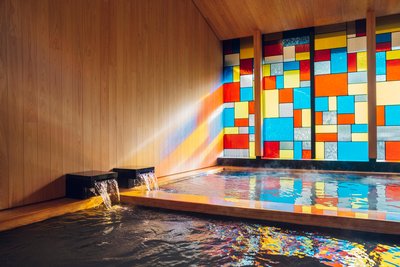
Hoshino Resorts Kai Unzen
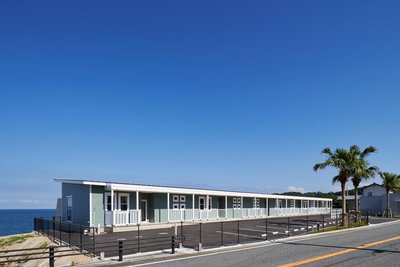
Alfacio Resort Stay Itoshima
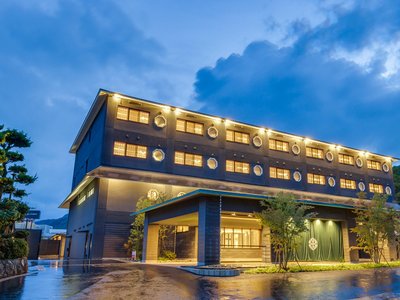
Ureshino Yadoya
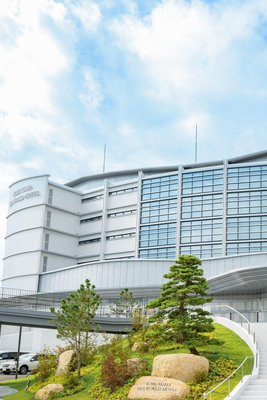
Kobe Suma Sea World Hotel
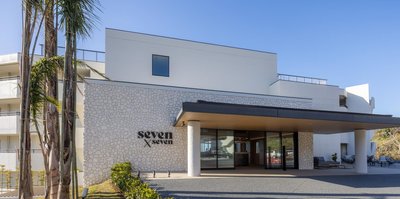
seven x seven itoshima
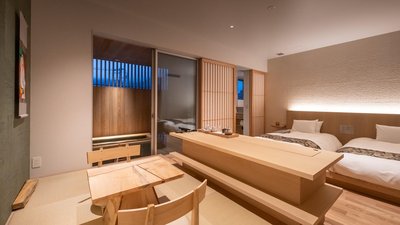
Japanese Auberge Kararako
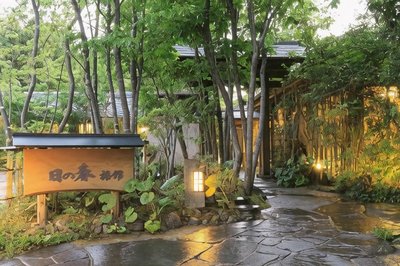
Yufuin Onsen Hinoharu Ryokan
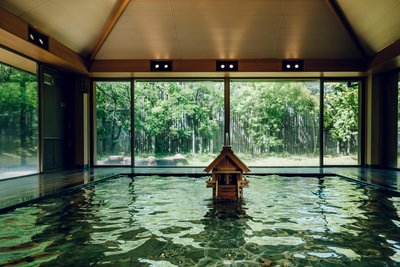
Hoshino Resorts KAI Tamatsukuri
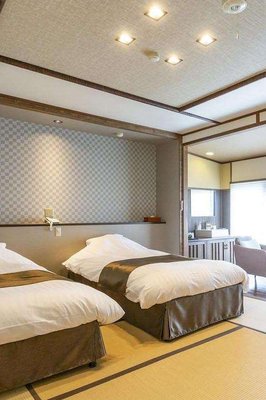
Sozankyo
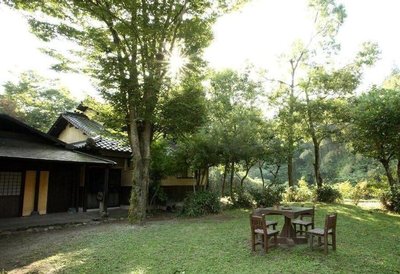
Yamashinobu
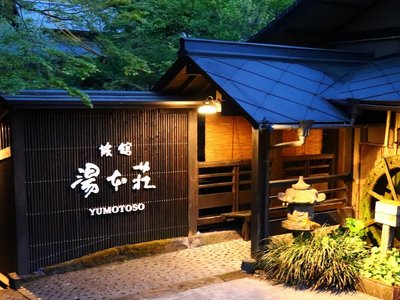
Ryokan Yumotosou
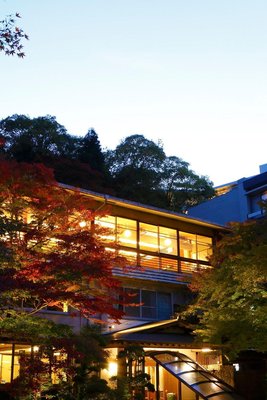
Negiya Ryofukaku
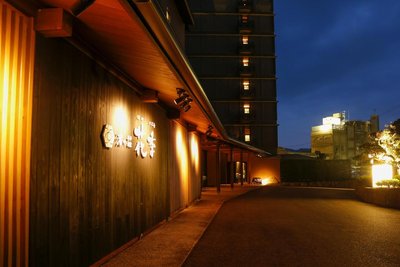
Hanagoyomi
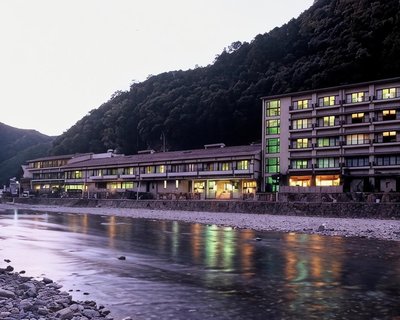
Kawayu Onsen Fujiya

XYZ Private Spa and Seaside Resort
Hanagoyomi
Kawayu Onsen Fujiya
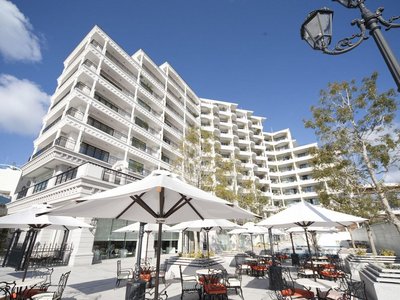
Hotel La Suite Kobe Harborland

AoAwo Naruto Resort
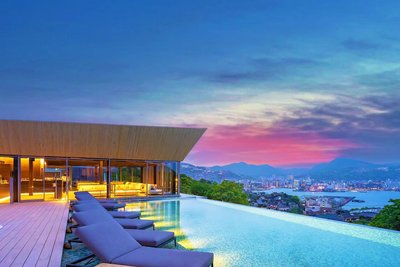
Garden Terrace Nagasaki Hotel & Resort

Holiday Inn Resort Miyazaki
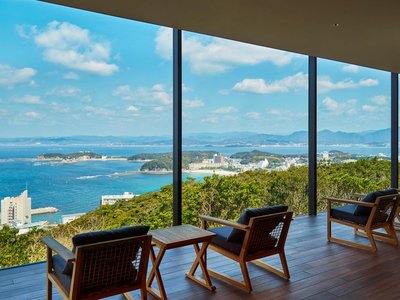
Infinito Hotel and Spa
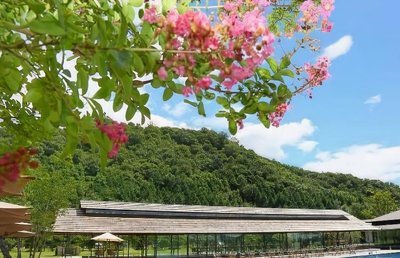
Bella Vista Spa and Marina Onomichi
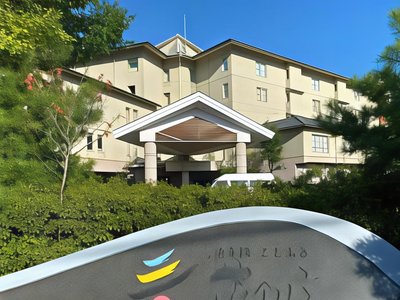
Yufuin Kotobuki Hananosho
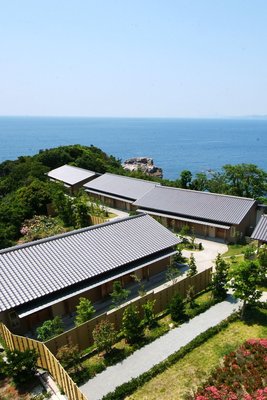
Hamachidorinoyu Kaisyu
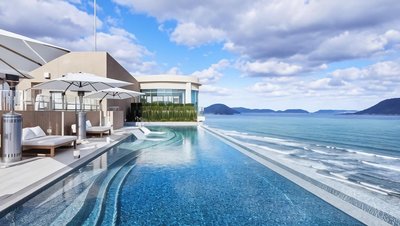
Karatsu Seaside Hotel
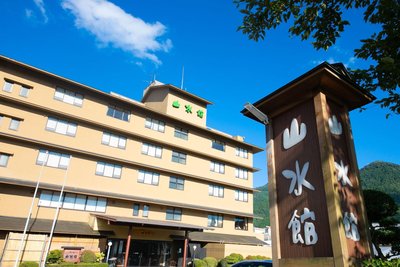
Yufuin Sansuikan
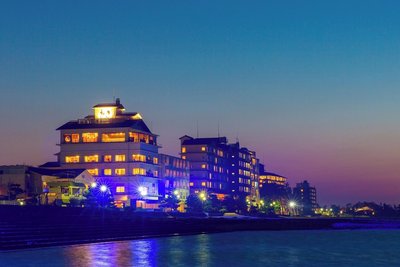
Kaike Shogetsu
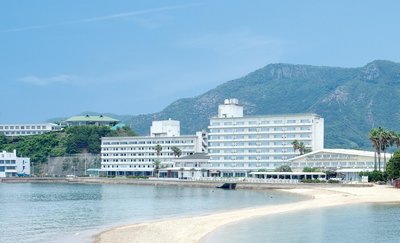
Shodoshima International Hotel
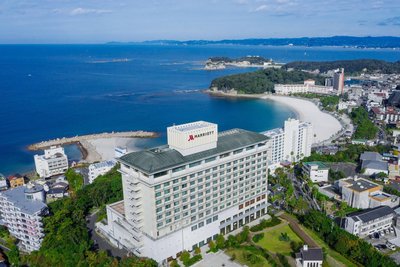
Nanki-Shirahama Marriott Hotel
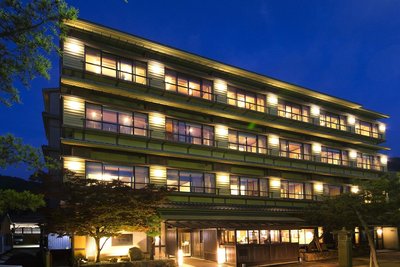
Kinsuikan
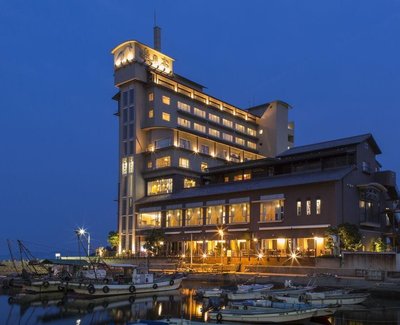
Hotel Ofutei
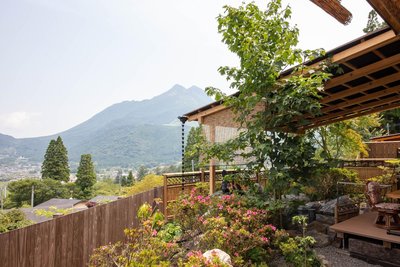
Yufuin-Sanso Waremokou
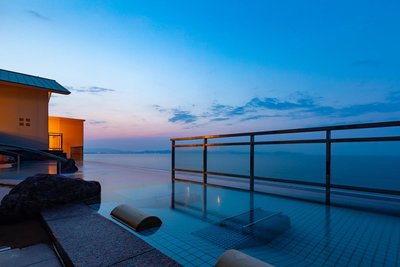
Kaike Yugetsu
Arimasansoh Goshobessho
Hoshino Resorts KAI Tamatsukuri
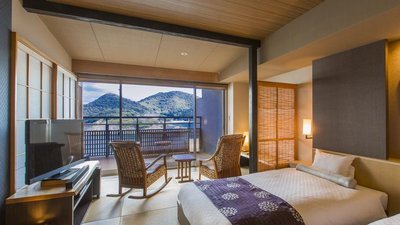
Migiwatei Ochi Kochi
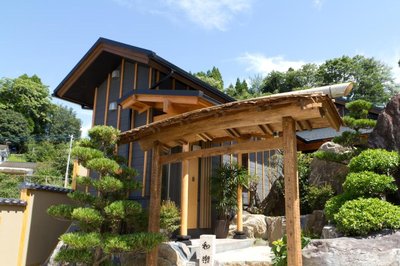
Ryokan Shinsen
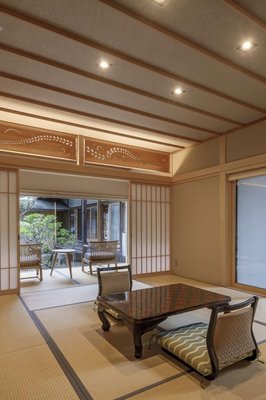
Ichijoin
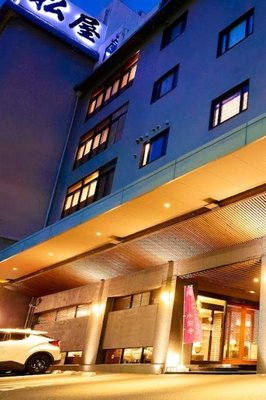
Ryotei Matsuya Honkan Suizenji
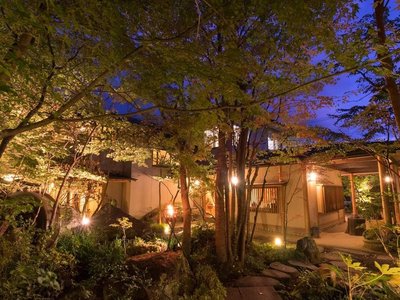
Ryoso Yufuin Yamadaya
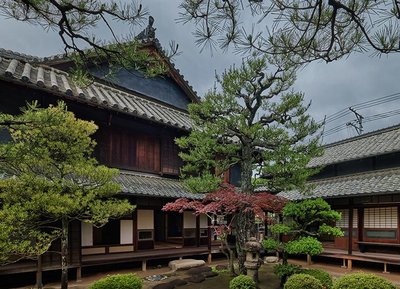
NIPPONIA HOTEL Takehara Saltworks Town
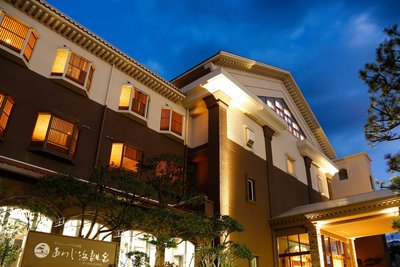
Awaji Hamarikyu
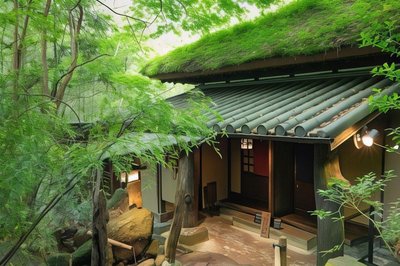
Sanso Tensui
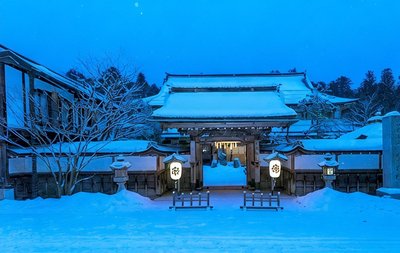
Sojiin
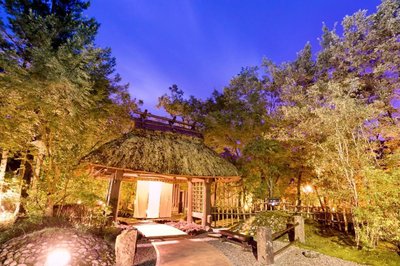
Satonoyu Waraku
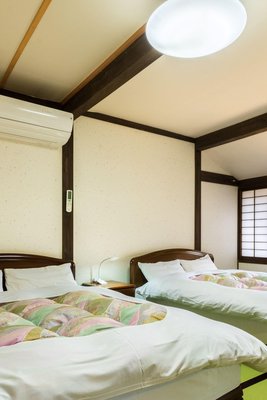
Tobise Onsen Tenga Sanso
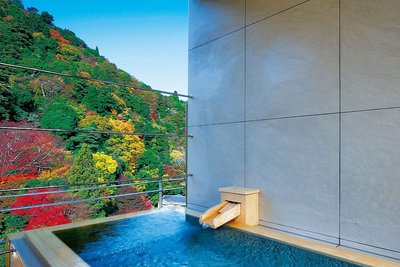
Arima Onsen Gekkoen Korokan
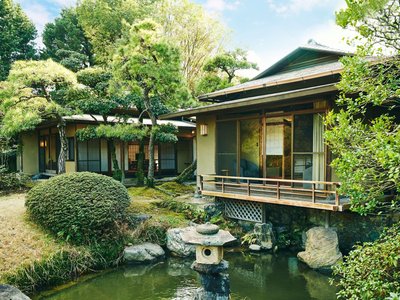
Suisui Garden Ryokan (in the Art Hotel Kokura New Tagawa)
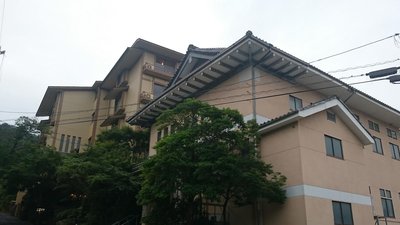
Miyajima Hotel Makoto
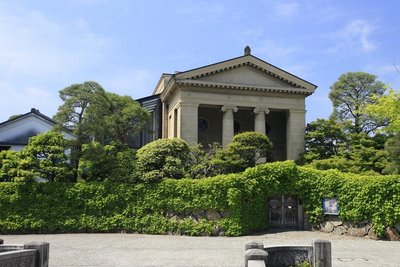
Ryori Ryokan Tsurugata
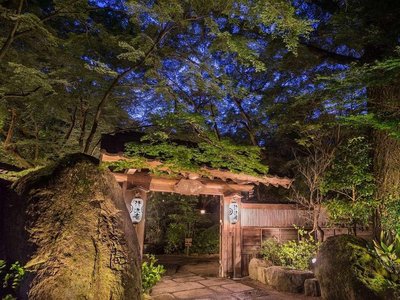
Akizuki Spa Ryokan Seiryuan
Gekkoju Kurokawa
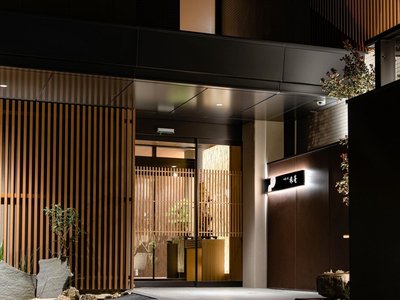
Hatago
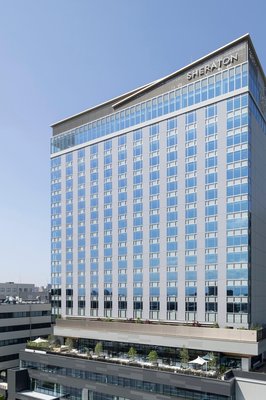
Sheraton Kagoshima
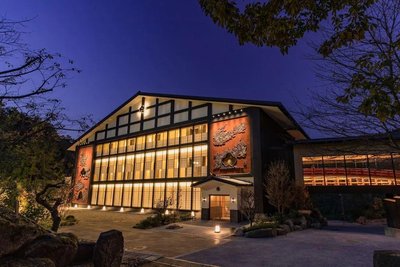
Okuhita Onsen Umehibiki
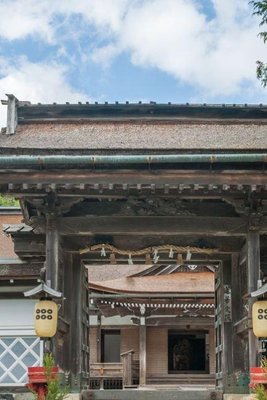
Koyasan Rengejoin
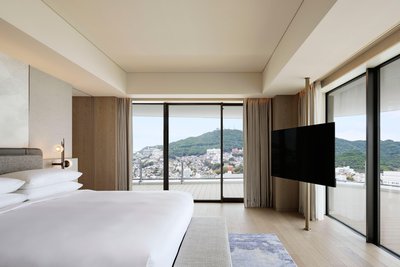
Nagasaki Marriott Hotel
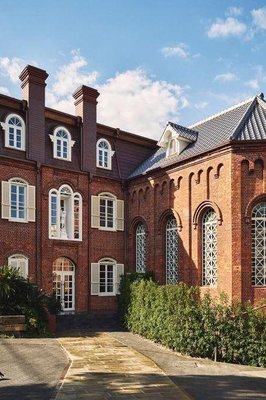
Hotel Indigo Nagasaki Glover Street by IHG
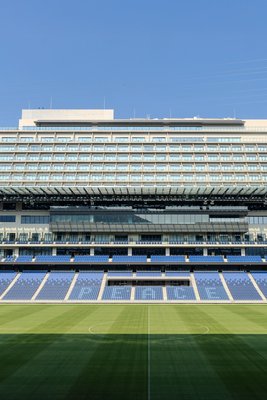
Stadium City Hotel Nagasaki
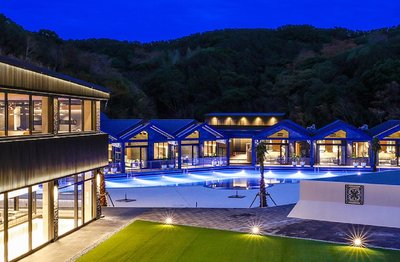
FIVE SPRING RESORT THE SHIRAHAMA
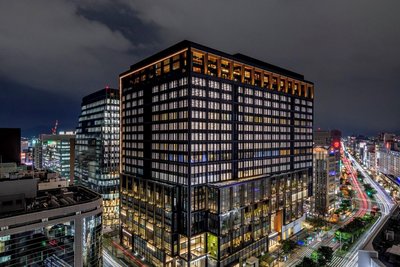
ONE FUKUOKA HOTEL
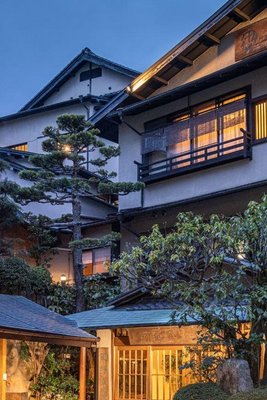
Arima Onsen Tocen Goshobo
Hotel La Suite Kobe Harborland
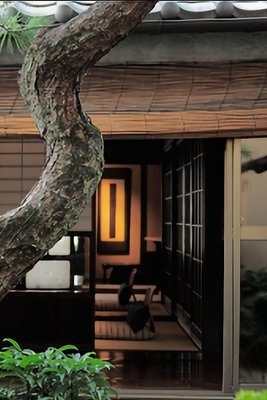
Shimayado Mari
AoAwo Naruto Resort
Infinito Hotel and Spa
Ryokan Shinsen
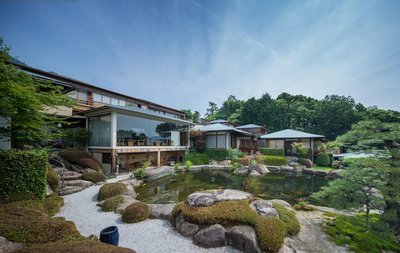
SEKITEI

Yamatoya Besso
Hamachidorinoyu Kaisyu
Ichijoin
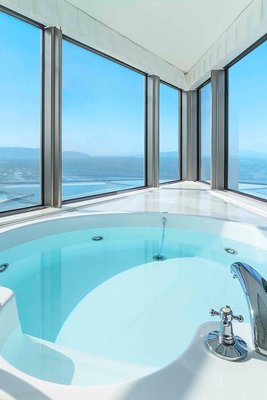
Hilton Fukuoka Sea Hawk

Olive Bay Hotel

Hotel Barrière Fouquet's New York
The Ritz-Carlton, Fukuoka
Arimasansoh Goshobessho
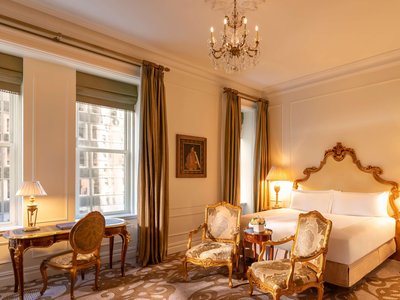
The Plaza - A Fairmont Managed Hotel
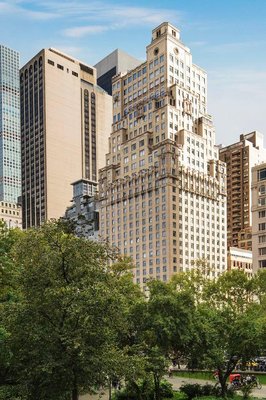
The Ritz-Carlton New York, Central Park
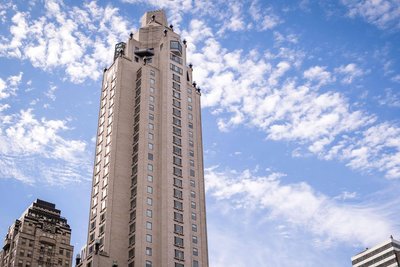
Four Seasons Hotel New York
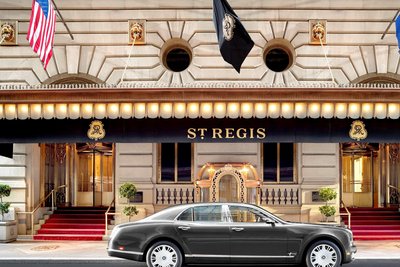
The St. Regis New York
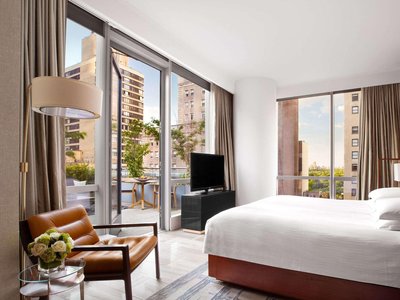
Park Hyatt New York
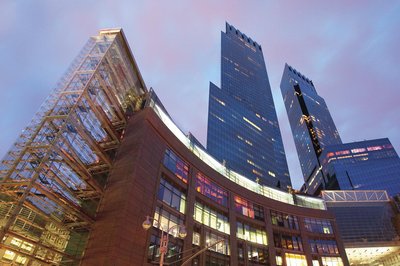
Mandarin Oriental New York
Times Square Edition New York

Loews Regency New York Hotel
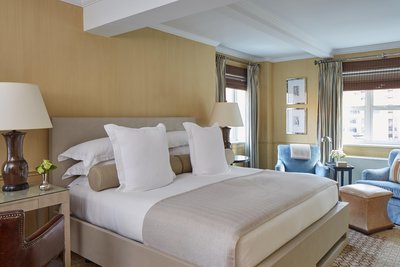
Lowell Hotel
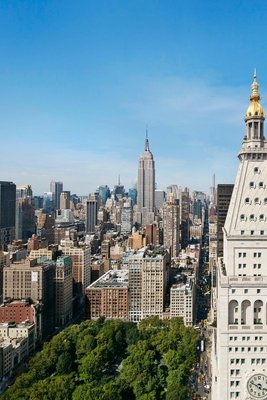
New York Edition
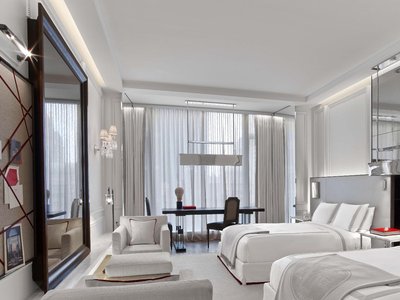
Baccarat Hotel New York
Grand Chariot Hokutoshichisei 135°

Equinox Hotel New York

Four Seasons Hotel New York Downtown
SETOUCHI RETREAT by Onko Chishin
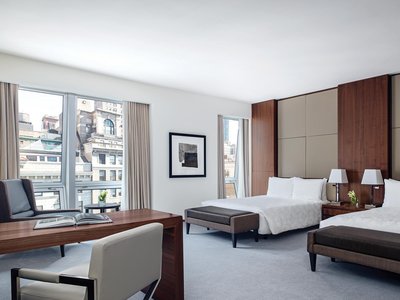
The Langham, New York, Fifth Avenue

The Carlyle, A Rosewood Hotel
Frequently Asked Questions about Traveling to Kihoku
Questions You Might Need to Know About Traveling to Kihoku
In Yonago Town, the standout accommodation is Yamano-Sato Minshuku, a traditional Japanese guesthouse nestled in a serene valley surrounded by mountains. This family-run inn offers wooden cabins with tatami mats and serves farm-to-table meals using locally grown vegetables and citrus fruits from Ehime Prefecture. Guests can participate in seasonal events like the Yonago Bamboo Festival and explore nearby hiking trails through ancient forests. The hosts often share stories of local folklore and offer guided tours to hidden shrines, making it an authentic immersion into rural Shikoku life.
The best area for tranquil and scenic stays in Yonago Town is Ono District, located along the Yonago River. Here, Ono-no-Sou Inn stands out with its minimalist design blending modern architecture and traditional Japanese elements. From spacious rooms with panoramic views of flowing streams and green hills, guests enjoy peace and natural beauty. The district is close to Yonago Forest Park and ancient burial mounds, ideal for nature lovers and history enthusiasts. Locals warmly welcome visitors to join tea ceremonies and craft workshops, offering a genuine taste of quiet, rural Japan.
Must-try cultural experiences in Yonago Town include hands-on workshops at the Yonago Paper Workshop, where you learn to make washi paper from kozo tree bark—a craft passed down for generations. Another highlight is the annual Yonago Autumn Festival in October, featuring sacred dances, torchlight processions, and local food stalls. Visitors can also pay respects at Ono Shrine and take part in blessing rituals with hand-written talismans. These activities offer deep insight into the spiritual and artistic heritage of Shikoku.
Yes, many hotels in Yonago Town provide immersive culinary experiences. Yamano-Sato Minshuku serves seasonal kaiseki meals featuring fresh mountain vegetables and Ehime oranges, prepared with ingredients harvested daily. Some lodges even host family-style dining nights where guests cook together using local recipes like Yonago tofu and bamboo-steamed rice. Hosts often share stories behind each dish, turning meals into cultural exchanges. These intimate dining moments are central to the town’s hospitality tradition.
For families, Ono Family Minshuku is highly recommended. This homestay features spacious tatami rooms, private gardens, and a small animal corner where children can interact with rabbits and chickens. It offers themed workshops such as forest scavenger hunts and nature crafts, perfect for engaging kids in outdoor learning. The staff provides child-safe gear and picnic baskets for day trips. With low noise levels and warm locals, it's an ideal escape for multi-generational travel.
Accommodations in Yonago Town are designed to harmonize with nature. Yamano-Sato Minshuku features open-air onsen baths fed by natural mineral springs, surrounded by lush forest. Rooms have floor-to-ceiling windows facing mountain vistas, encouraging morning meditation or stargazing. Guided nature walks lead through primeval forests, identifying ferns and bird species. Some lodges even provide outdoor grills and fire pits, allowing guests to cook under the stars. This seamless integration with nature enhances relaxation and mindfulness.
Nighttime in Yonago Town is magical. Join the Stargazing Night Event, where the clear skies reveal stunning views of the Milky Way—among the best in Japan. Some lodges lend telescopes and offer expert-led sessions. At Ono Shrine, the Lantern Procession lights up the night with paper lanterns carried slowly through the village. Many inns also host bonfire storytelling nights, where elders recount local legends and farming traditions, creating a mystical atmosphere under the stars.
Yes, reaching major hotels in Yonago Town is straightforward. Buses from Matsuyama City take about 45 minutes to reach Ono Station, the main access point. Most inns offer free shuttle services, and some even feature EV charging stations for eco-friendly travel. For deeper exploration, rent bicycles or compact cars to drive through scenic routes like the Yonago River Bridge and Bamboo Tunnel. HopeGoo transfers in advance is advised, especially during peak festivals.
Absolutely. Yamano-Sato Minshuku offers private cabins designed for solo travelers, complete with reading nooks and quiet balconies ideal for journaling or reflection. The inn hosts regular Solo Traveler Meetups, where guests gather for dinner and share stories over local dishes. Nearby trails and secluded hot springs allow for peaceful solitude. With minimal crowds and strong community spirit, Yonago Town is a sanctuary for independent explorers seeking calm and connection.
Guests in Yonago Town can join authentic craft workshops such as washi paper making at the Yonago Paper Workshop, where you transform kozo fibers into handmade sheets. At Ono Pottery Studio, you’ll shape clay into functional ceramics using traditional techniques. There’s also bamboo weaving classes, teaching how to create baskets and wall hangings from locally sourced bamboo. All materials are sustainably sourced, promoting eco-conscious creativity. These hands-on sessions result in unique souvenirs and meaningful memories.
Kihoku Overview
City Summary
Kihoku Town is a tranquil town located in the southwestern part of Ehime Prefecture, Japan, surrounded by nature. Known for its clear rivers, dense forests, and traditional rural culture, it is an ideal destination for those seeking to escape urban noise. The Shikoku Karst terrain adds unique geographical features, making it perfect for outdoor activities and nature exploration.
Must-See Attractions
Must-see attractions include the karst landscapes of Kihoku Town, such as limestone caves and peculiar rock formations. The breathtaking views of Kuma Highlands are a paradise for photography enthusiasts. Additionally, the town's traditional temples and local history museums offer deep insights into its heritage.
Food Guide
Kihoku's local cuisine focuses on farmhouse dishes. Recommended treats include Ehime-grown citrus fruits, fresh vegetables, and local chicken dishes. The regional hot pots and handmade soba noodles served in local restaurants are also highlights, showcasing simple yet delicious rural flavors.
Transportation Guide
Public transportation in Kihoku is limited, so renting a car is recommended for flexible exploration. Buses connect major areas, but schedules are infrequent. From Matsuyama City, take the JR Shikoku Bus for about 2 hours to reach the town.
Best Time to Visit
The best seasons to visit are spring (March-May) and autumn (September-November), when the weather is mild and scenery is stunning. Summers can be hot, and winters may bring snow, so prepare accordingly.
Travel Tips
- Driving caution: Mountain roads are narrow; drive carefully.
- Cash preparation: Some rural shops may not accept credit cards.
- Respect local culture: Maintain silence when visiting temples.
- Waste disposal: Take trash back to your accommodation to keep the environment clean.
- Internet access: Signal may be weak in mountainous areas; download offline maps.
Useful Information
Language: Japanese is primary; English is rarely spoken, so learn basic phrases or use a translation app. Payment: Cash is preferred; some larger facilities accept cards. Internet: Purchase a prepaid SIM or rent a pocket Wi-Fi. Emergency: Clinics are available, but serious cases require travel to Matsuyama City hospitals. Bring essential medications.