Hotels in Kijimadaira
Discover your perfect stay in Kijimadaira.
Kijimadaira(Japan) Travel 2026: Cheap Flights, Hotels & Top Attractions
Popular Landmarks in Kijimadaira
Discover the most iconic attractions in Kijimadaira
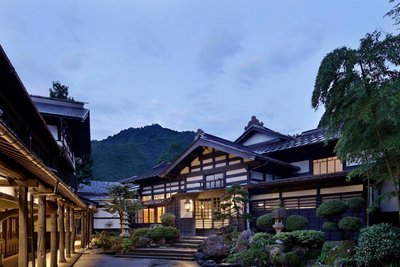
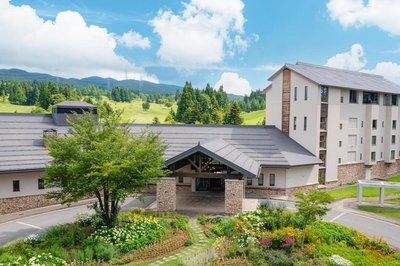
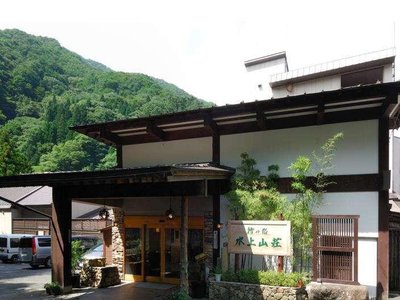
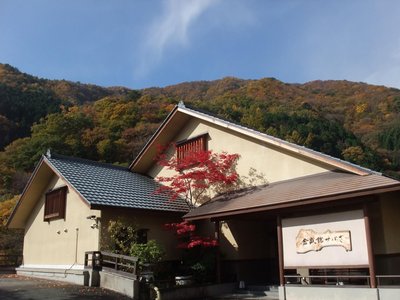
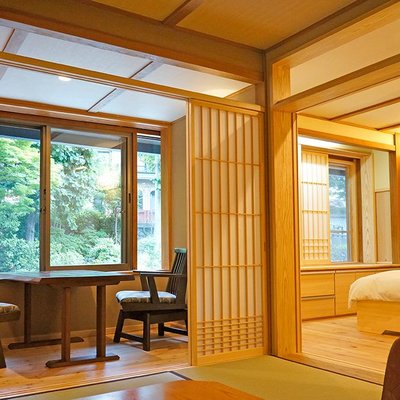
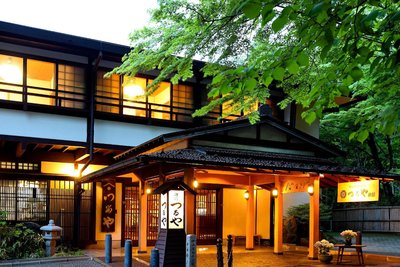
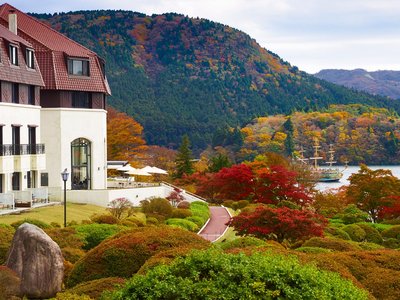
Recommended Hotels in Kijimadaira
Find the perfect place to stay in Kijimadaira
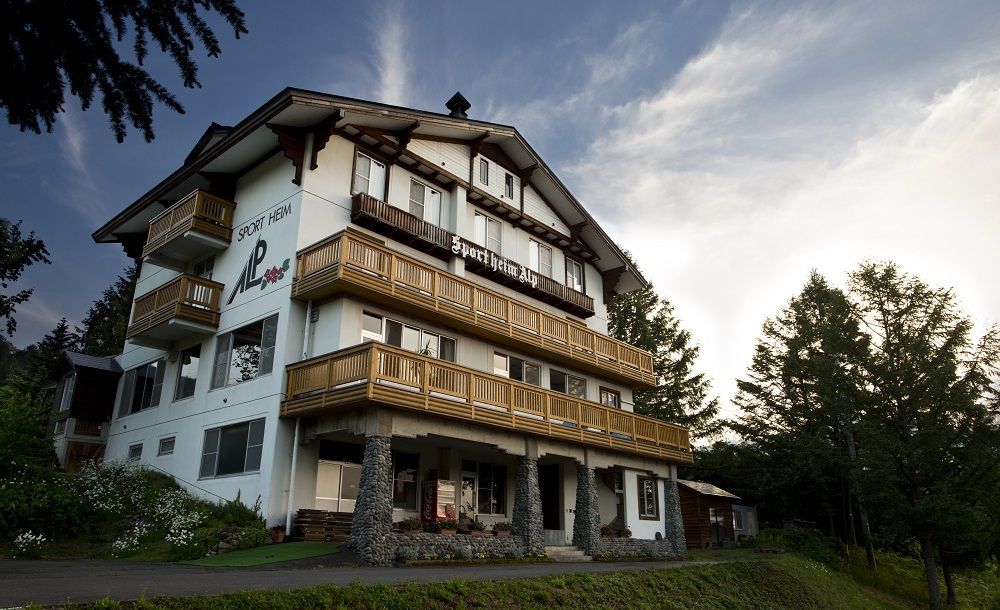
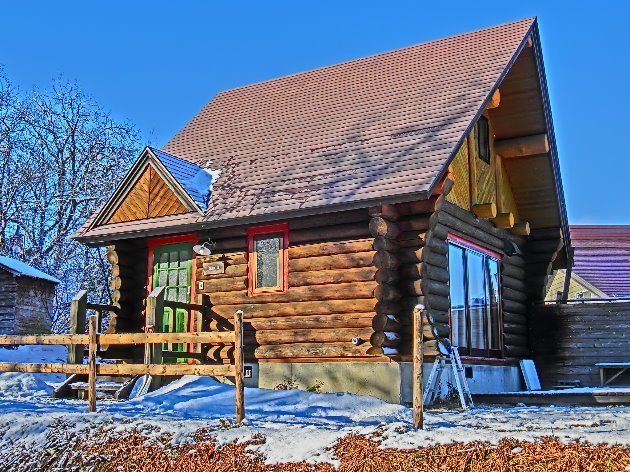
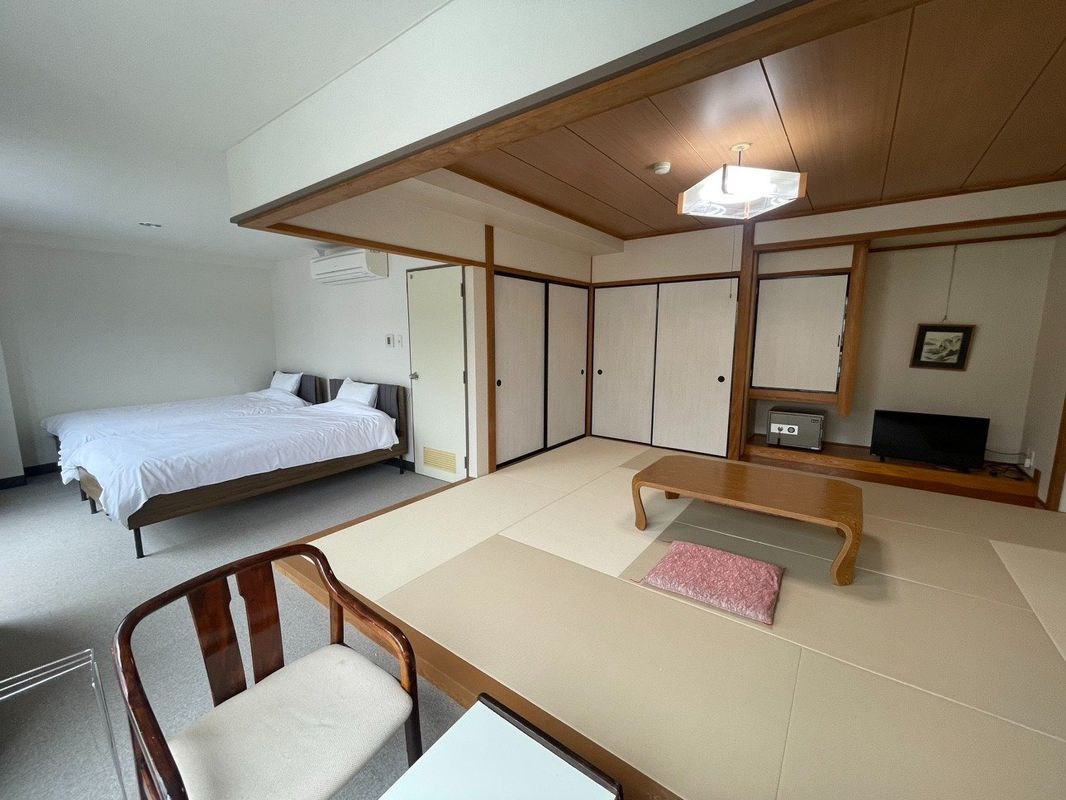
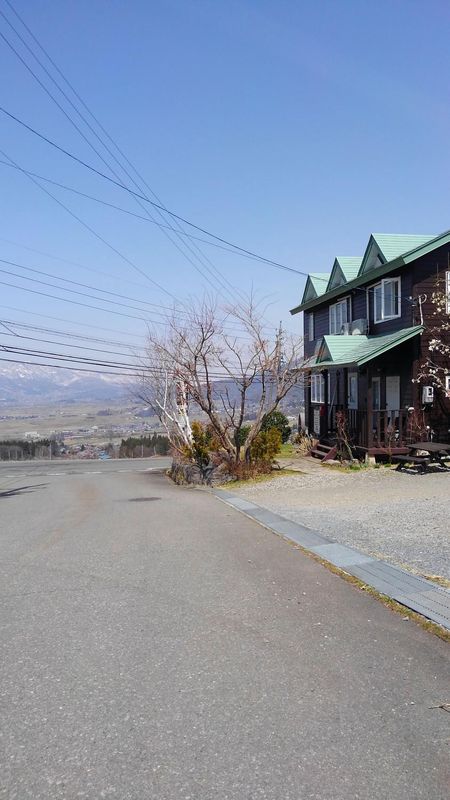
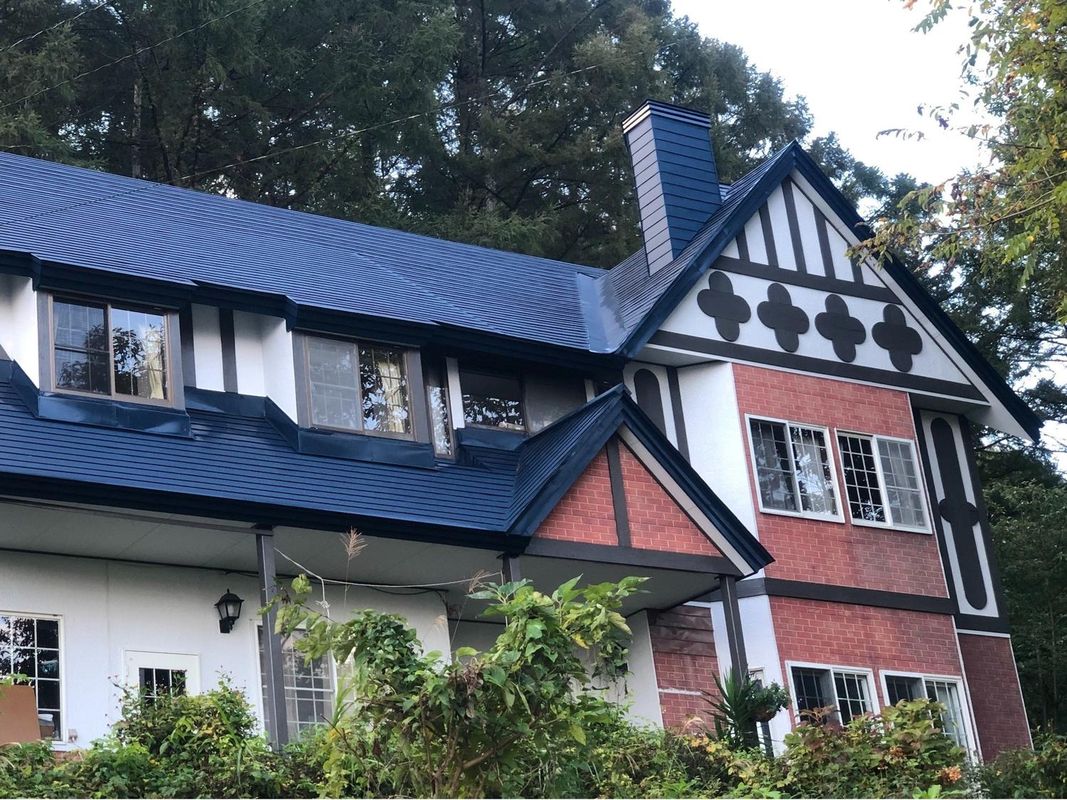
Best Hotels in Kijimadaira
Discover curated hotel collections in Kijimadaira


















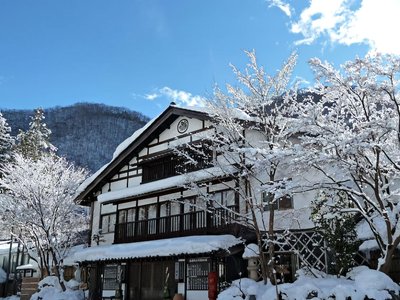
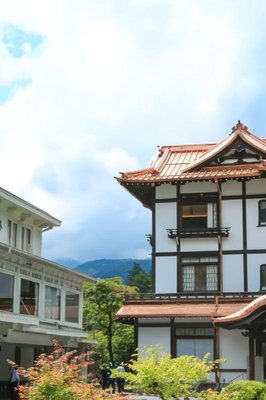
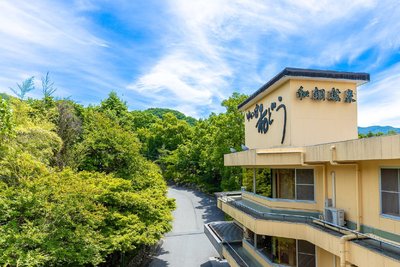
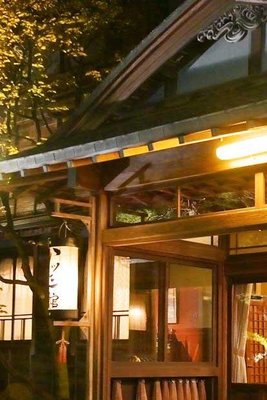























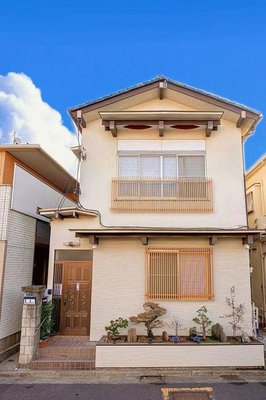

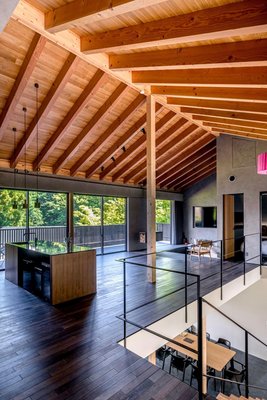


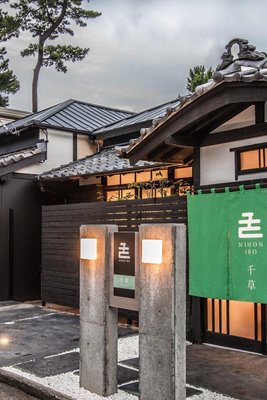
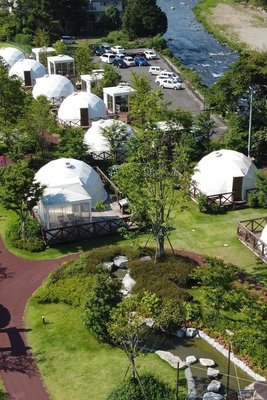
Frequently Asked Questions about Traveling to Kijimadaira
Questions You Might Need to Know About Traveling to Kijimadaira
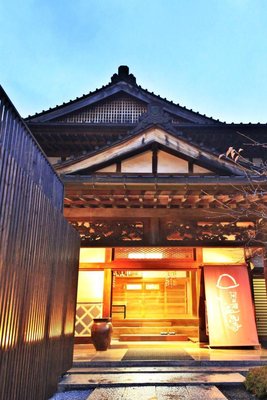
In Mijimahei Village, the top eco-friendly option is Mijimahei Eco-Stay, a certified sustainable ryokan built with traditional gassho-zukuri architecture and solar-powered facilities. It uses locally sourced timber, composts organic waste, and offers zero-plastic rooms. Another excellent choice is Shinrin-no-Sato Forest Cabin, nestled in a protected woodland area, where guests can stay in off-grid cabins powered by renewable energy. Both properties emphasize minimal environmental impact and promote local conservation through guided forest walks and tree-planting activities. Guests also enjoy farm-to-table meals using ingredients from village gardens. These stays are ideal for nature lovers seeking authentic, low-impact experiences.
Key Features: Solar power, zero-waste policy, forest immersion, local food sourcing.
HopeGoo Tip: Reserve early via the official Mijimahei Tourism Portal.
The best time to visit Mijimahei Village for breathtaking scenery is late autumn (mid-October to mid-November), when the surrounding mountains burst into vibrant red and gold hues along the Shirakawa Village Trail. Spring (March to May) offers serene beauty with cherry blossoms blooming in the valley and fresh greenery emerging after winter. Winter (December to February) transforms the village into a snow-draped wonderland, perfect for experiencing the Snow Lantern Festival and snowy hiking trails. Summer (June to August) is quieter but ideal for exploring alpine meadows and participating in rice planting ceremonies. For panoramic views, visit Kanda Mountain Observatory at sunrise during autumn or winter.
Top Scenic Spots: Shirakawa Trail, Kanda Mountain Viewpoint, Snow Lantern Route.
Travel Tip: Pack warm layers even in summer due to high-altitude climate.
Visitors to Mijimahei Village can immerse themselves in authentic traditions such as gassho-zukuri house tours, where guides explain the intricate wooden joinery techniques used for centuries. Participate in seasonal farm-to-table workshops, including rice transplanting in spring and harvest festivals in autumn. The annual Yama no Matsuri features sacred dances, folk music, and offerings to mountain deities. Hands-on activities like bamboo weaving classes and local cooking lessons—where you’ll learn to make soba noodles and yuzu miso—are hosted by village elders. Many experiences include shared meals, fostering meaningful connections with residents. These immersive programs highlight harmony between people, land, and tradition.
Must-Do Experiences: Gassho-zukuri tour, farming participation, Yama no Matsuri festival, bamboo craft workshop.
HopeGoo Info: Contact Mijimahei Cultural Center for schedules.
To reach Mijimahei Village from Tokyo, take the JR Chuo Line to Sekiguchi Station, then transfer to a local bus operated by Nagano Prefecture Bus. The journey takes approximately 2 hours and offers scenic views of the Japanese Alps. Alternatively, drive via the Nagano Expressway and follow National Route 142, which winds through lush forests and mountain passes. Parking is limited in the village center, so it’s recommended to park at the Mijimahei Arrival Plaza and use free shuttle buses or rent bicycles for local exploration. For travelers without a car, the Nagano Prefecture Tourist Pass offers discounted access to all public transport options within the region.
Best Route: Tokyo → Sekiguchi Station → Local Bus.
Pro Tip: Download the Nagano Bus App for real-time schedule updates.
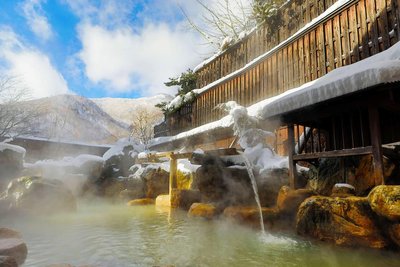
Yes, Mijimahei Onsen Ryokan stands out as the premier luxury onsen hotel in the village. This intimate retreat features private outdoor baths carved into natural rock formations, heated by geothermal water rich in minerals that soothe muscles and skin. The rooms blend modern comfort with traditional Japanese aesthetics, including tatami mats, shoji screens, and floor heating. Guests enjoy kaiseki-style dinners made with ingredients from local farms and seasonal wild herbs. The hotel also offers personalized services like private guide tours, spa treatments using native botanicals, and early-morning meditation sessions overlooking the valley. Despite its luxury, the property maintains deep respect for nature, using renewable energy and minimizing waste.
Luxury Highlights: Private onsen, kaiseki dining, nature immersion, bespoke service.
Reservation Note: Book at least 6 weeks ahead during peak seasons.
Near Mijimahei Village, the Shirakawa Village Trail offers a scenic hike through ancient forests and clear streams, leading to panoramic views of traditional gassho-zukuri houses. Mijimahei Highland Wetlands is a protected habitat teeming with dragonflies, birds, and rare alpine plants—ideal for birdwatching and photography. For elevated views, visit Kanda Mountain Observatory, which provides sweeping vistas of snow-capped peaks and rolling valleys, especially stunning at sunrise. Adventure seekers can tackle the Sanpō Mountain Trail, a moderate 2-hour climb with historical stone shrines en route. The village also hosts an eco-education center offering interactive exhibits and guided nature walks for all ages.
Must-Visit Sites: Shirakawa Trail, Highland Wetlands, Kanda Mountain Viewpoint.
Safety Advice: Wear sturdy footwear and carry a map; trails can be slippery after rain.
Visitors to Mijimahei Village must try Nagano buckwheat soba noodles, served with a delicate kelp broth and topped with fresh mountain vegetables. Another must-try is Yokonamiki rice, grown organically in terraced fields, known for its rich flavor and firm texture. Don’t miss the Onsen Chicken Hotpot, a warming dish featuring free-range chicken, soft eggs from local hens, and medicinal herbs. Seasonal specialties include wild herb tempura and chestnut mochi during autumn. Many guesthouses offer “Family Table Dinners,” where guests eat alongside villagers, sharing stories and recipes. Locally crafted wild plum wine and honey from mountain bees make excellent souvenirs.
Signature Dishes: Soba noodles, Yokonamiki rice, Onsen chicken hotpot, chestnut mochi.
Recommended Eateries: Iida Dining Hall & Mountain Taste Kitchen.
Absolutely, Mijimahei Village is highly suitable for family travel. Most accommodations offer spacious family rooms, child-sized bathrobes, and safe play areas. Children can enjoy hands-on experiences like feeding chickens, harvesting vegetables, and making bamboo crafts at the Village Nature Playhouse. The Mijimahei Library has a dedicated children’s corner with local storybooks and interactive learning games. Guided nature scavenger hunts and evening campfire storytelling add fun and education. Parents can relax in private onsen baths while kids explore the forest trails safely. With minimal traffic and strong community spirit, this village fosters a peaceful, nurturing environment for families seeking connection with nature and culture.
Family-Friendly Features: Kids’ activities, safe trails, multi-generational meals, quiet surroundings.
Tip: Choose a homestay with a garden or small farm for extra engagement.
At night, Mijimahei Village offers magical experiences under the stars. Head to Kanda Mountain Observatory or the Highland Wetlands for exceptional stargazing—minimal light pollution reveals the Milky Way clearly. Some ryokans host evening bonfire gatherings, where guests share stories around a fire pit while enjoying roasted persimmons and warm sake. During winter, the Snow Lantern Festival lights up forest paths with handmade paper lanterns, creating a dreamlike atmosphere. Nighttime ecological tours using infrared cameras allow visitors to spot owls, foxes, and other nocturnal wildlife. These tranquil, immersive events deepen the sense of connection with nature and tradition.
Night Highlights: Stargazing, bonfire storytelling, snow lantern walk, night wildlife viewing.
Note: Bring thermal wear—even in summer, nights can be chilly.
Tourists visiting Mijimahei Village can purchase truly unique souvenirs rooted in local craftsmanship and nature. Must-have items include handwoven bamboo baskets, wood-carved animal figurines, and indigo-dyed textiles made by village artisans. Freshly harvested organic buckwheat flour and wild honey are popular edible gifts, often sold in reusable cloth bags. The Mountain Heritage Gift Box contains dried mountain vegetables, homemade plum jam, and a packet of local tea. For art lovers, hand-painted postcards featuring village landscapes are available at the Mijimahei Craft Studio. All products support local livelihoods and use sustainable materials, making them both meaningful and eco-conscious keepsakes.
Top Souvenirs: Bamboo basket, indigo textile, wild honey, heritage gift box.
Shopping Spots: Village Craft Market & Mijimahei Artisan Shop.
Kijimadaira Overview
City Summary
Kijimadaira Village, located in the northern part of Nagano Prefecture, Japan, is a tranquil area renowned for its natural beauty and traditional culture. With distinct seasons, it offers cherry blossoms in spring, lush greenery in summer, vibrant autumn foliage, and excellent skiing in winter. The village attracts visitors with its clear streams, dense forests, and hot springs, while maintaining a way of life rooted in farming and crafts—a perfect retreat from urban bustle.
Must-See Attractions
Key attractions include Kijimadaira Ski Resort, known for its pristine snow conditions, and soothing hot springs with mountain views. Hiking trails like the "Okubusen Nature Park" cater to nature enthusiasts. For cultural immersion, visit local farmhouses to experience traditional agriculture and handicrafts firsthand.
Food Guide
The local cuisine features mountain vegetables and fresh produce. Don’t miss "soba noodles" made from Nagano’s buckwheat, or seasonal "sansai" (wild vegetable) dishes like fern shoots and mushrooms. In winter, warm up with hearty "nabe" hot pot meals, often prepared with locally sourced ingredients.
Transportation Guide
Access the village via the JR Iiyama Line from Nagano City to Iiyama Station, then take a 30-minute bus or taxi. Local transport relies on limited bus services; renting a car is advisable. In winter, snow tires/chains are mandatory for drivers, as some roads may close due to heavy snowfall.
Best Time to Visit
The prime season is December to March for skiing, with optimal snow quality. Spring to autumn suits hikers, especially during September–October’s stunning foliage. Avoid peak holidays like Golden Week for fewer crowds.
Travel Tips
- Pack sub-zero gear in winter; temperatures can drop below -10°C.
- Follow onsen etiquette: wash thoroughly before entering baths.
- Reserve restaurants in advance during peak seasons.
- Carry cash; rural areas have limited card acceptance.
- Practice strict waste sorting per local regulations.
- Hike cautiously—wildlife encounters are possible.
Useful Information
Japanese is the primary language; English is rarely spoken—translation apps are helpful. Mobile coverage is decent but sporadic in mountains. Cash dominates payments, though some hotels accept cards. Medical facilities are centralized in the village; the nearest hospital is in Iiyama City. Tap water is safe to drink. Voltage is 100V, using Type A plugs (two flat pins).