Hotels in Kikuchi
Discover your perfect stay in Kikuchi.
Kikuchi(Japan) Travel 2026: Cheap Flights, Hotels & Top Attractions
Popular Landmarks in Kikuchi
Discover the most iconic attractions in Kikuchi
Recommended Hotels in Kikuchi
Find the perfect place to stay in Kikuchi

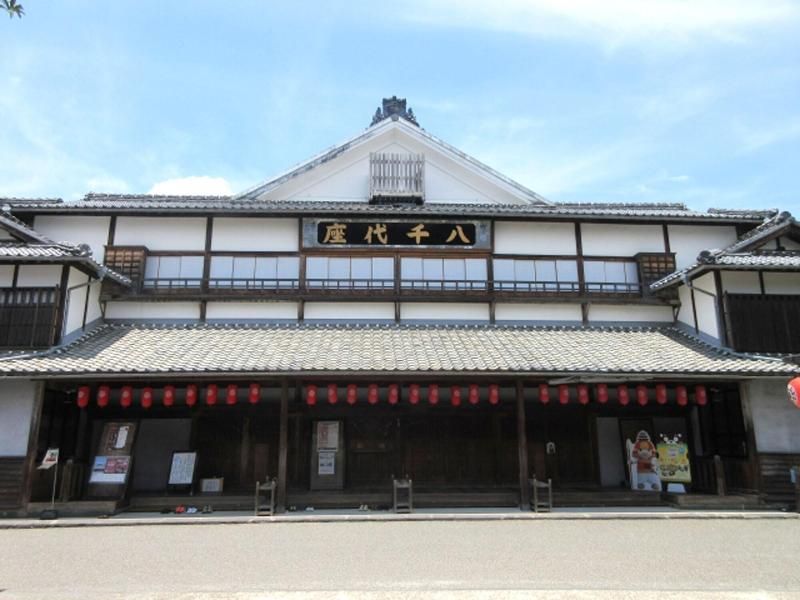
Shirokane No Mori
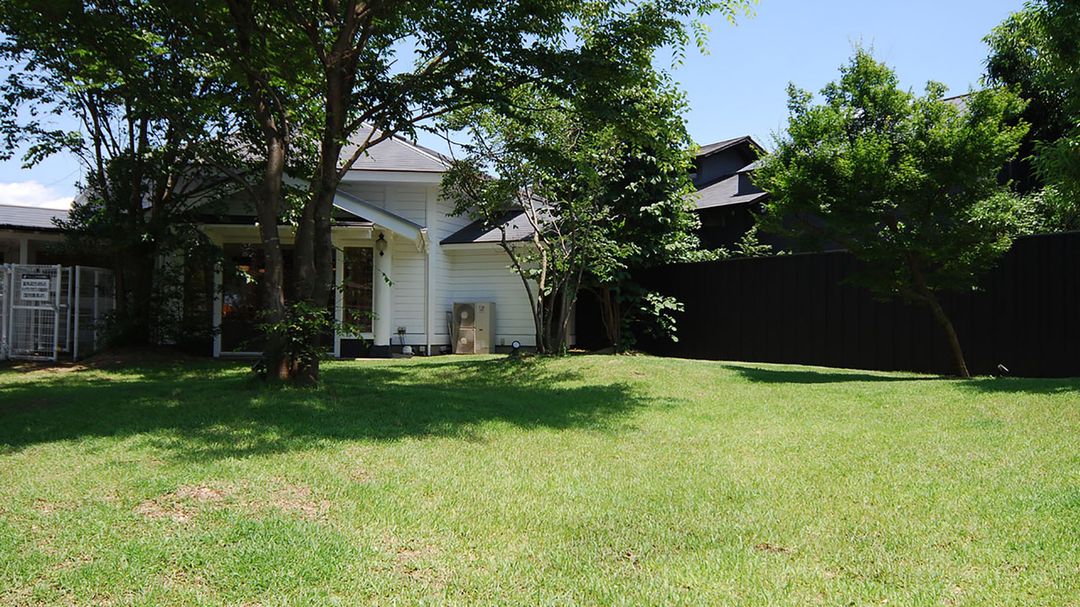
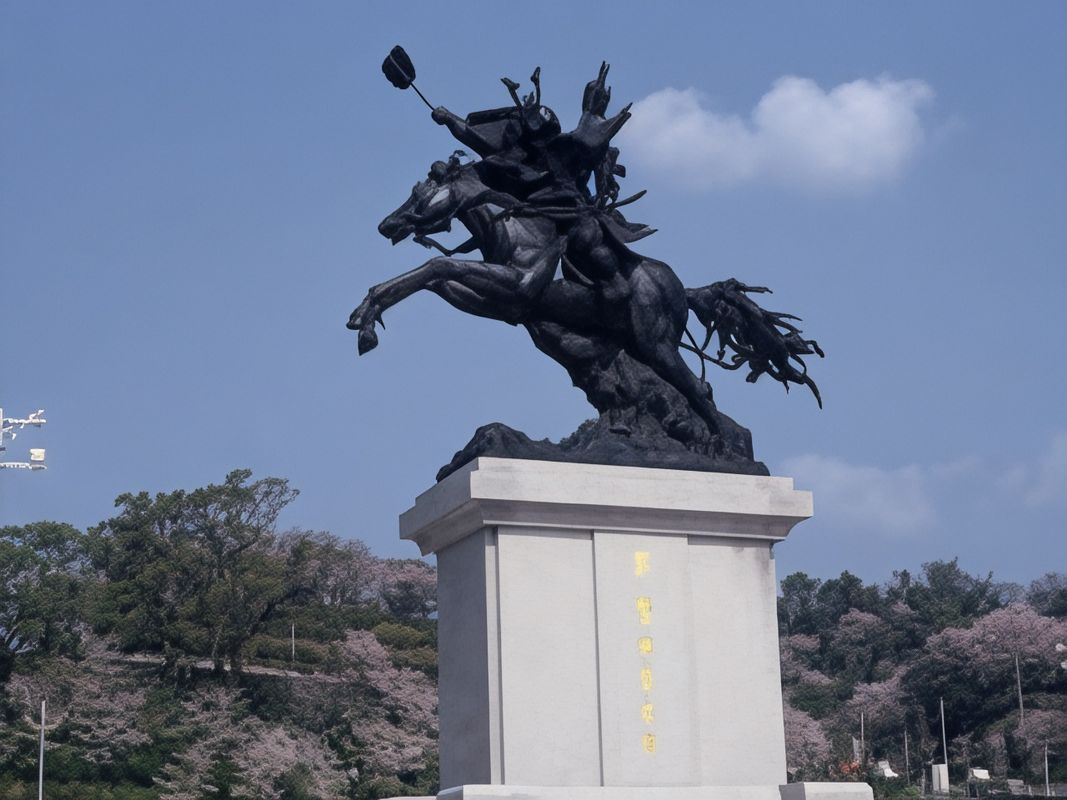
Kunosato
Kikuchi Grand Hotel
Mochizuki Ryokan
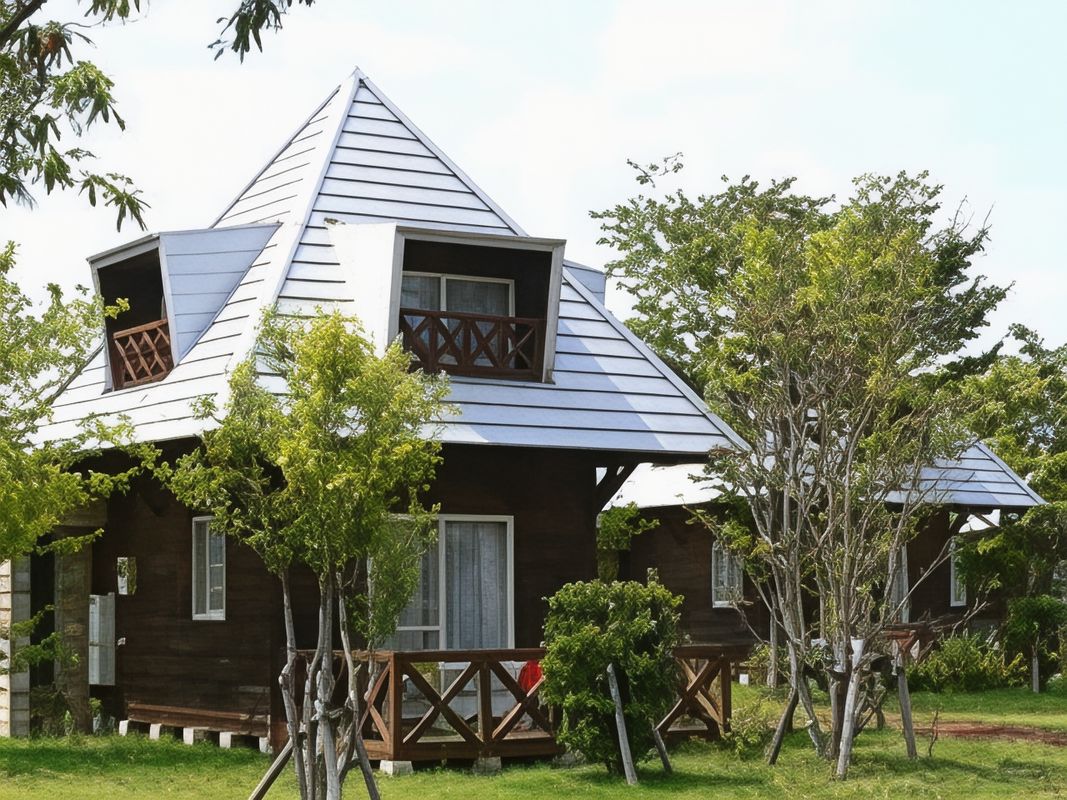
Riverside Park Shichijo

Hotel R9 the Yard Kikuchi
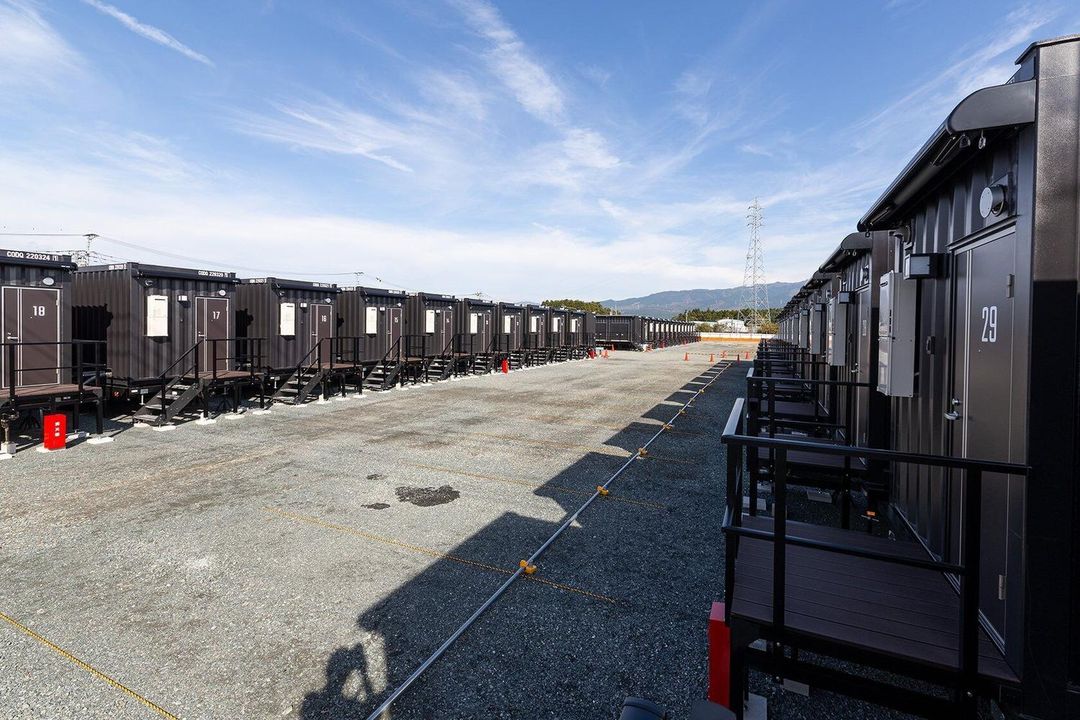
Hotel R9 the Yard Kikuchikyokushiisaka
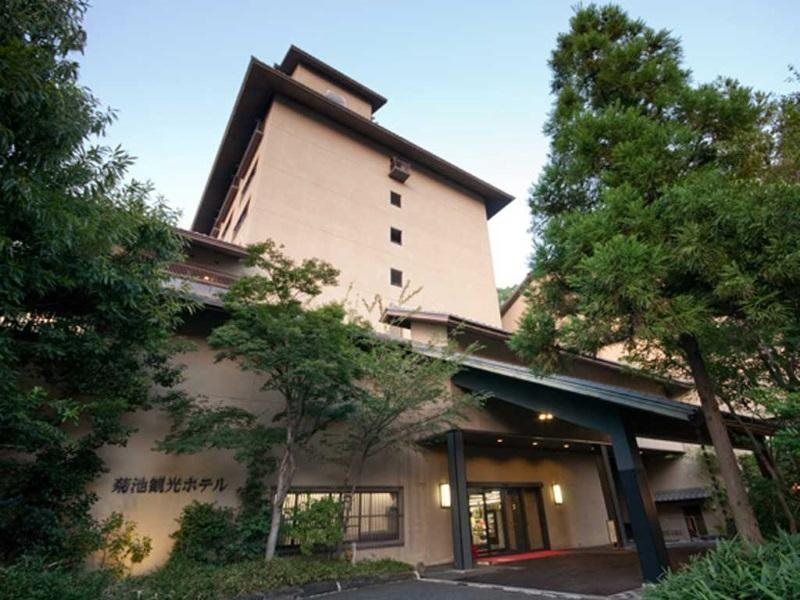
Kikuchi Kanko Hotel
Best Hotels in Kikuchi
Discover curated hotel collections in Kikuchi
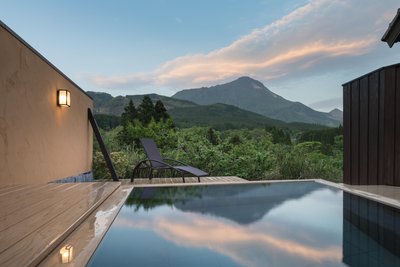
Ikkoten
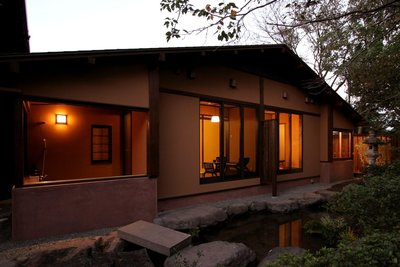
SEKIYA RESORT Bettei Haruki
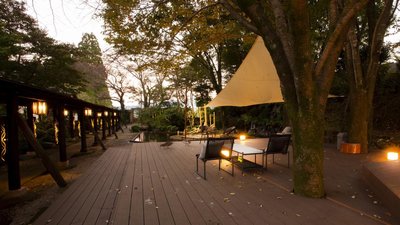
Chikurakutei

The Royal Park Canvas Fukuoka Nakasu
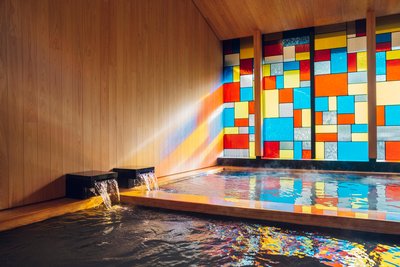
Hoshino Resorts Kai Unzen

Alfacio Resort Stay Itoshima

Ureshino Yadoya

seven x seven itoshima
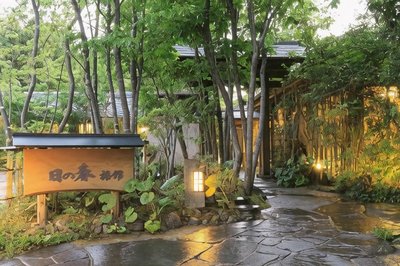
Yufuin Onsen Hinoharu Ryokan
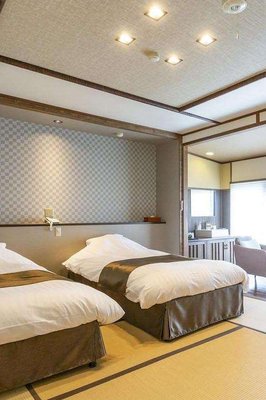
Sozankyo
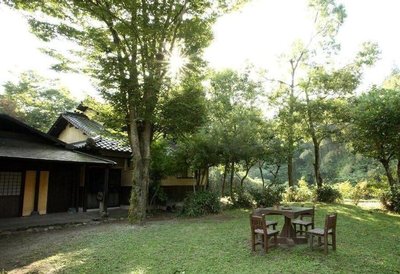
Yamashinobu
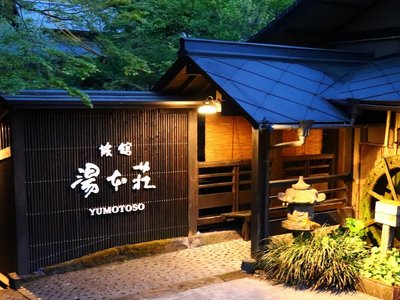
Ryokan Yumotosou
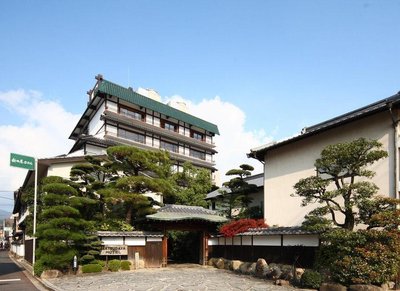
Matsudaya Hotel
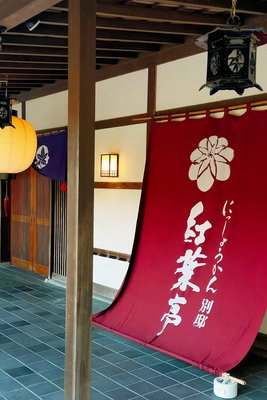
Nisshokan Bettei Koyotei
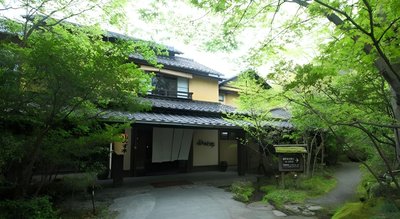
Kurokawaonsen Yamamizuki
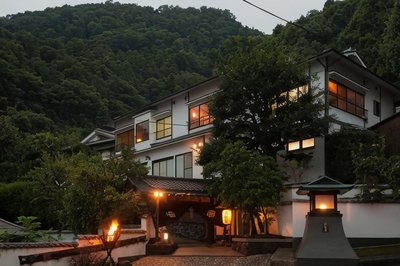
Beppu Showaen
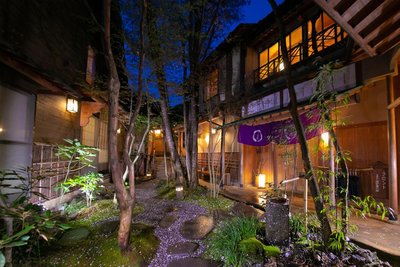
Oyado Ichizen
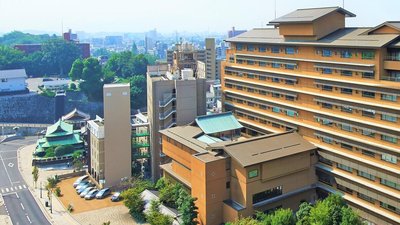
Yamatoya Honten

Garden Terrace Nagasaki Hotel & Resort
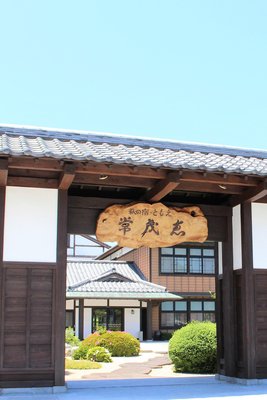
Hagi No Yado Tomoe
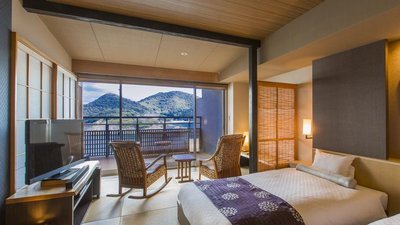
Migiwatei Ochi Kochi
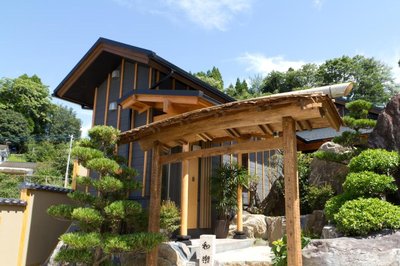
Ryokan Shinsen
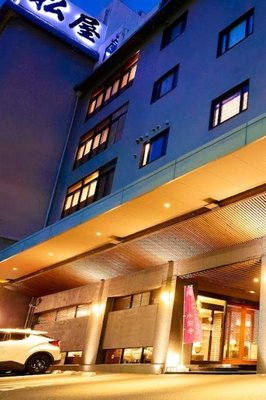
Ryotei Matsuya Honkan Suizenji
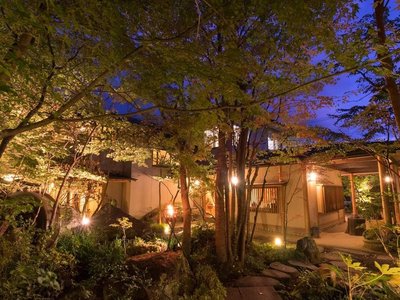
Ryoso Yufuin Yamadaya
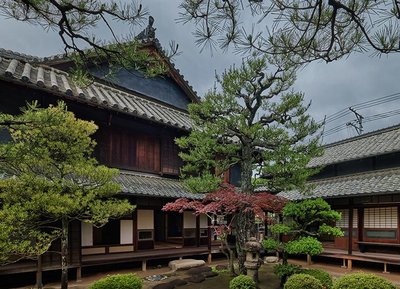
NIPPONIA HOTEL Takehara Saltworks Town
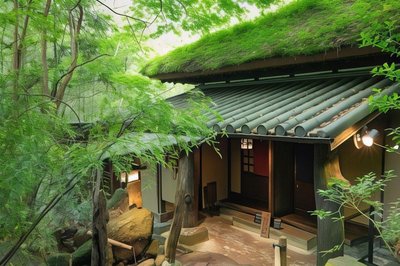
Sanso Tensui
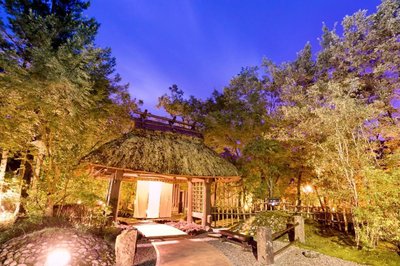
Satonoyu Waraku
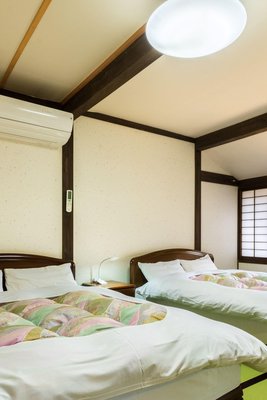
Tobise Onsen Tenga Sanso
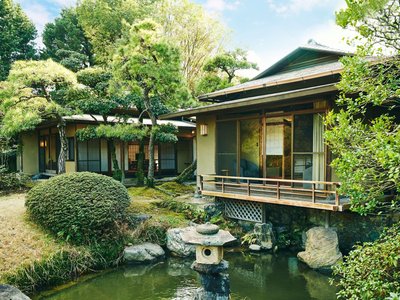
Suisui Garden Ryokan (in the Art Hotel Kokura New Tagawa)
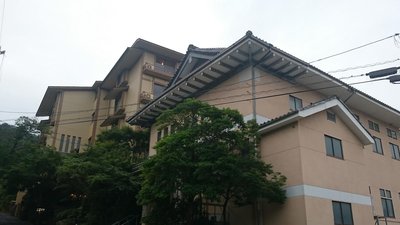
Miyajima Hotel Makoto
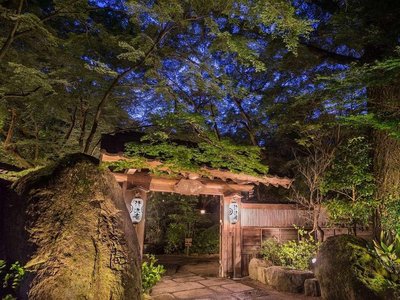
Akizuki Spa Ryokan Seiryuan
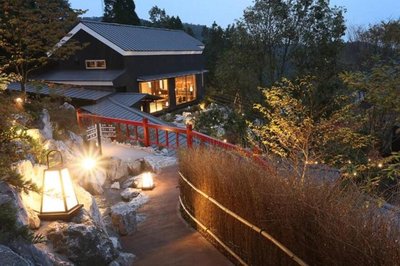
Gekkoju Kurokawa

Hotel Barrière Fouquet's New York

The Plaza - A Fairmont Managed Hotel
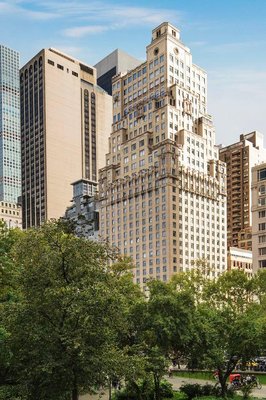
The Ritz-Carlton New York, Central Park

Four Seasons Hotel New York

The St. Regis New York

Park Hyatt New York

Mandarin Oriental New York

Times Square Edition New York

Loews Regency New York Hotel

Lowell Hotel

New York Edition

Baccarat Hotel New York

Equinox Hotel New York

Four Seasons Hotel New York Downtown

The Langham, New York, Fifth Avenue

The Carlyle, A Rosewood Hotel

The Chatwal, in the Unbound Collection by Hyatt

The Mark New York

Trump International Hotel & Tower® New York
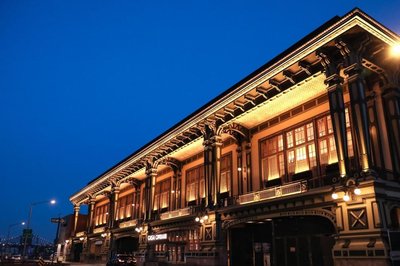
Casa Cipriani New York
Frequently Asked Questions about Traveling to Kikuchi
Questions You Might Need to Know About Traveling to Kikuchi
For a tranquil escape in Kikuchi City, stay at Kikuchi Onsen Hotel, a traditional ryokan nestled along the Kikuchi River. This family-run inn offers private outdoor baths with views of forested hills and seasonal blossoms. Each room features tatami mats, sliding shoji doors, and access to a serene garden. The hotel serves authentic Kumamoto-style kaiseki cuisine, including dishes like black pork cutlet and local tofu stew, prepared with ingredients sourced from nearby farms.
The on-site onsen is rich in sulfur minerals, known for its skin-soothing properties. Guests can also enjoy quiet activities such as tea ceremonies, calligraphy workshops, and evening strolls through the illuminated path near the Kikuchi Shrine. Located just 15 minutes from Kumamoto Castle, it balances seclusion with accessibility. Ideal for travelers seeking cultural immersion and natural serenity in Kyushu’s heartland.
The Kikuchi Riverfront District is the prime area to experience authentic local culture in Kikuchi City. This historic zone hosts the Kikuchi Shrine, a sacred site dating back to the Heian period, where visitors can witness traditional Shinto rituals during spring and autumn festivals. The surrounding streets are lined with old wooden shops selling handmade crafts, pickled vegetables, and Kikuchi sake brewed using local water.
During events like the Kikuchi Festival, locals perform miko dances and play taiko drums in colorful costumes. Nearby, artisan studios offer hands-on workshops—try your hand at pottery using black clay from the region or learn to make washi paper. Evenings are perfect for wandering the lantern-lit paths while listening to the gentle flow of the river. This district blends history, craftsmanship, and community spirit, offering an immersive glimpse into Kumamoto’s rural heritage.
In Kikuchi City, immerse yourself in the Kikuchi Shrine’s annual rites, ancient ceremonies that date back over 1,200 years and involve traditional kagura dance, drumming, and ritual purification. Participate by wearing a rented kimono and writing a wish on a wooden ema plaque.
Visit the Kikuchi Pottery Studio, where you can craft your own piece using locally sourced black clay, a tradition passed down for generations. Another highlight is the local food workshop at a riverside ryokan, where you’ll learn to prepare Kumamoto black pork sushi and tofu hot pot using ingredients from nearby farms. Don’t miss the chance to taste Kikuchi Sake, a delicate, fruity brew made with mountain spring water.
These experiences go beyond sightseeing—they connect you deeply with the rhythms of life in rural Kyushu, revealing how nature, faith, and craftsmanship shape daily existence.
The most photogenic spots in Kikuchi City include the Kikuchi Shrine’s vermilion torii gate flanked by towering zelkova trees, especially stunning during cherry blossom season (late March) and autumn foliage (early November). Capture the reflection of the red gate in the still waters of the Kikuchi River at dawn for a dreamlike composition.
Another must-photograph location is the wooden footbridge stretching across the river, often draped in soft morning mist. For panoramic shots, visit the Starfield Campsite Observation Deck, which overlooks the valley and offers breathtaking views of the entire town bathed in golden light. The old shop fronts in the riverside district, with their faded signage and hand-painted advertisements, provide a vintage urban aesthetic perfect for street photography.
Bring a tripod and shoot during golden hour—these locations become even more magical when lit by warm, low-angle sunlight, creating timeless images of Kyushu’s quiet beauty.
Kikuchi City’s hot springs stand out due to their low-mineral alkaline sulfur-rich waters, naturally heated from deep underground aquifers. The water, around 42°C, is renowned for its ability to soothe muscle fatigue and improve skin health, thanks to high levels of calcium and magnesium.
Many ryokans, like Kikuchi Onsen Hotel, feature open-air baths (rotenburo) overlooking the Kikuchi River and forested hills. Some even offer rock sauna sessions and herbal steam rooms infused with local herbs like yuzu and mugwort. What sets them apart is the emphasis on traditional bath etiquette: attendants (yuyu) monitor water quality and temperature, ensuring purity and comfort.
The therapeutic benefits, combined with the serene atmosphere and spiritual connection to nature, make these onsens not just places to relax—but to reconnect with body, mind, and place. A soak here is a true Kyushu wellness ritual.
Yes, Kikuchi City is highly suitable for families with children. The Kikuchi Riverfront Park offers safe, shaded walking trails where kids can spot frogs, crayfish, and birds in a natural setting. Many ryokans provide family-friendly amenities, including child-sized yukata, baby cots, and indoor play areas.
During summer, the Children’s Lantern Festival lets kids create and light handmade paper lanterns, then parade them along the riverbank under the stars. Local workshops teach children to make paper umbrellas, rice crackers, or even pottery using safe tools. The Kikuchi Shrine also hosts interactive games like archery practice and hunting game booths inspired by ancient traditions.
With low crime rates, clean air, and welcoming locals, this city offers a safe, enriching environment for kids to explore nature, learn culture, and bond with parents—all in a peaceful, unhurried setting ideal for family memories.
Must-try dishes in Kikuchi City include Kumamoto Black Pork Cutlet, a juicy, tender pork dish grilled over charcoal and served with a tangy sauce. Another highlight is Kikuchi Tofu Hot Pot, a warming stew made with local tofu, fresh vegetables, and dashi broth drawn from mountain springs.
Don’t miss Kikuchi Sake, a smooth, fruity brew crafted with pure water from the Kikuchi River. It pairs beautifully with local snacks like dried persimmons and pickled plum. At ryokans, guests often enjoy a kaiseki dinner featuring seasonal ingredients—such as wild mountain mushrooms and freshwater fish—prepared with reverence for tradition.
These flavors reflect the region’s deep respect for nature and craftsmanship. Sampling them isn’t just eating—it’s tasting the soul of Kumamoto’s countryside.
Transportation in Kikuchi City is convenient and well-connected. The main station, Kikuchi Station, lies on the Kagoshima Main Line, with direct trains from Kumamoto Station (approx. 30 minutes). Buses run frequently between the station, major hotels, and attractions like the Kikuchi Shrine and onsen district.
For those driving, the Kyushu Expressway provides quick access, with rest stops equipped for electric vehicles. The city center is compact and walkable, with clearly marked bike lanes along the Kikuchi River Greenway. Many ryokans offer free shuttle services or can arrange private car transfers upon request.
International visitors may appreciate the multilingual signage at key sites and the availability of rental bikes and scooters. Whether traveling solo, with family, or in a group, getting around Kikuchi City is straightforward and stress-free, making it easy to explore beyond the town itself.
Absolutely—Kikuchi City is ideal for solo travelers seeking peace, self-reflection, and meaningful connections. The town’s slow pace, clean streets, and lack of crowds create a safe, calming environment perfect for introspection.
Stay at a small ryokan with a single-room option featuring a private garden or veranda. Enjoy quiet mornings with tea in the courtyard, or take long walks along the Kikuchi River beneath ancient trees. Participate in a tea ceremony, join a calligraphy class, or simply meditate in the Kikuchi Shrine’s meditation hall.
Local residents are friendly and welcoming. You’ll often be invited to share a meal or conversation at a family-owned eatery. Workshops and onsen visits are open to individuals, allowing you to engage authentically with the culture without pressure.
This is a place where solitude becomes enrichment—a true sanctuary for the independent traveler looking to recharge and reconnect with simplicity.
Couples will love the intimate, poetic moments in Kikuchi City. Book a private rotenburo at Starfield Campsite Resort, where you can soak together under a canopy of stars, surrounded only by the whisper of the river and distant night sounds.
Attend the Kikuchi Shrine’s evening illumination festival, where thousands of lanterns glow softly along the path. Write a shared wish on a wish tablet (ema) and hang it together, symbolizing your bond. Take a stroll across the wooden footbridge at dusk, where the reflections of the lights shimmer on the water like scattered stars.
Many ryokans offer couples’ dinner banquets featuring Kumamoto black pork sushi and local sake, served in a quiet, candlelit room. Some even provide romantic kimono rentals for photos at the shrine or riverside. These experiences blend tradition, nature, and emotion—making Kikuchi City a hidden gem for love-filled getaways.
Kikuchi Overview
City Summary
Kikuchi City, located in northern Kumamoto Prefecture, Japan, is a destination blending history and nature. Famous for the fertile lands along the Kikuchi River, it produces premium agricultural products like Kikuchi rice and citrus fruits. The city preserves rich samurai heritage as the former stronghold of the Kikuchi clan. Kikuchi Onsen and surrounding landscapes make it a renowned hot spring retreat in Kyushu.
Must-See Attractions
Must-visit sites include Kikuchi Shrine, dedicated to the clan's ancestors, showcasing local history. Kikuchi Gorge attracts hikers with crystal streams and autumn foliage. The simulated Shikoku Pilgrimage route offers unique cultural experience. Don't miss Kikuchi City Museum of Art featuring Kumamoto artists.
Food Guide
Try Kikuchi beef, a Wagyu variety known for tenderness. Local specialties include Jidori chicken dishes and basashi (horse sashimi). Citrus fruits like dekopon and satsuma are must-tries. Visit farmers' markets for fresh produce.
Transportation Guide
From Kumamoto, take JR Hohi Line to Kikuchi Station (40min). Buses and taxis serve the city; renting a car is ideal for exploring outskirts. The "Kikuchi Onsen" sightseeing bus connects major attractions. Note rural roads are narrow.
Best Time to Visit
Best season is autumn (Oct-Nov) for pleasant weather and fall colors. Spring (Mar-Apr) offers cherry blossoms but more crowds. Avoid June-July rainy season.
Travel Tips
- Onsen etiquette: Wash thoroughly before bathing, no swimsuits allowed
- Mountain weather changes rapidly; pack windproof layers
- Reserve tables in advance for premium beef restaurants
- Observe silence at shrines
- Strict garbage separation rules apply
- Rural shops may only accept cash
Useful Information
Japanese is main language; attractions have basic English signs. Limited WiFi coverage - consider local SIM cards. Credit cards accepted in most stores but not street vendors. Dial 119 for emergencies; Kikuchi City Hospital has 24/7 ER. Post offices/conv stores offer international services. Voltage is 100V, Type A plugs.