Hotels in Kikugawa
Discover your perfect stay in Kikugawa.
Kikugawa(Japan) Travel 2026: Cheap Flights, Hotels & Top Attractions
Popular Landmarks in Kikugawa
Discover the most iconic attractions in Kikugawa
Recommended Hotels in Kikugawa
Find the perfect place to stay in Kikugawa
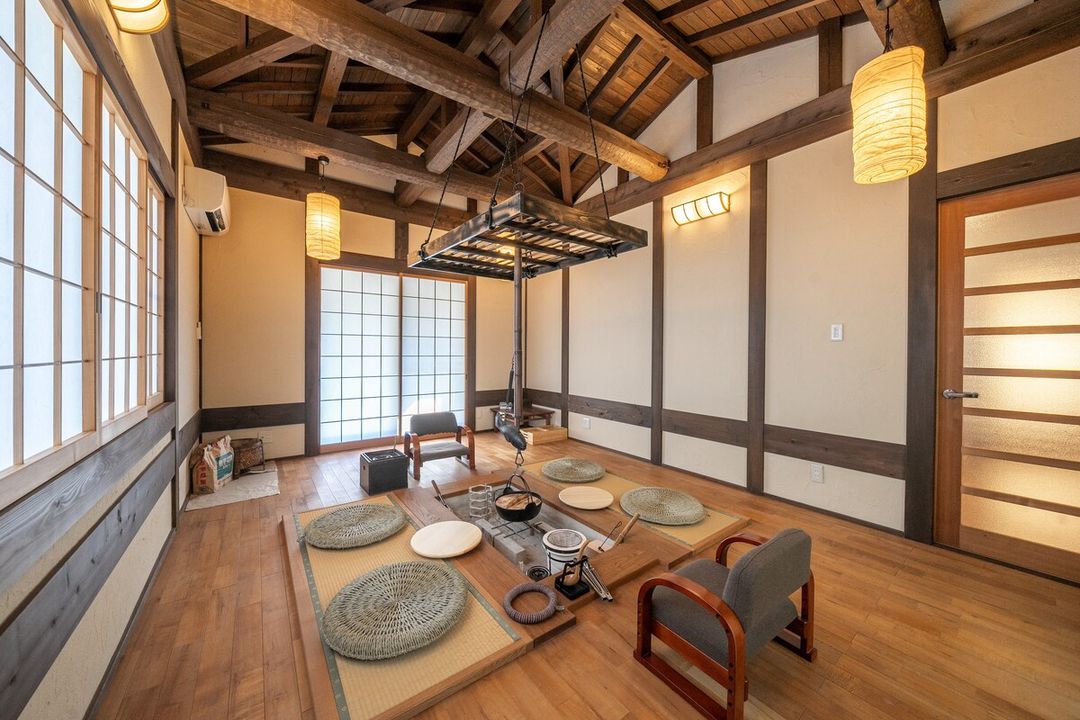
ROKUAN
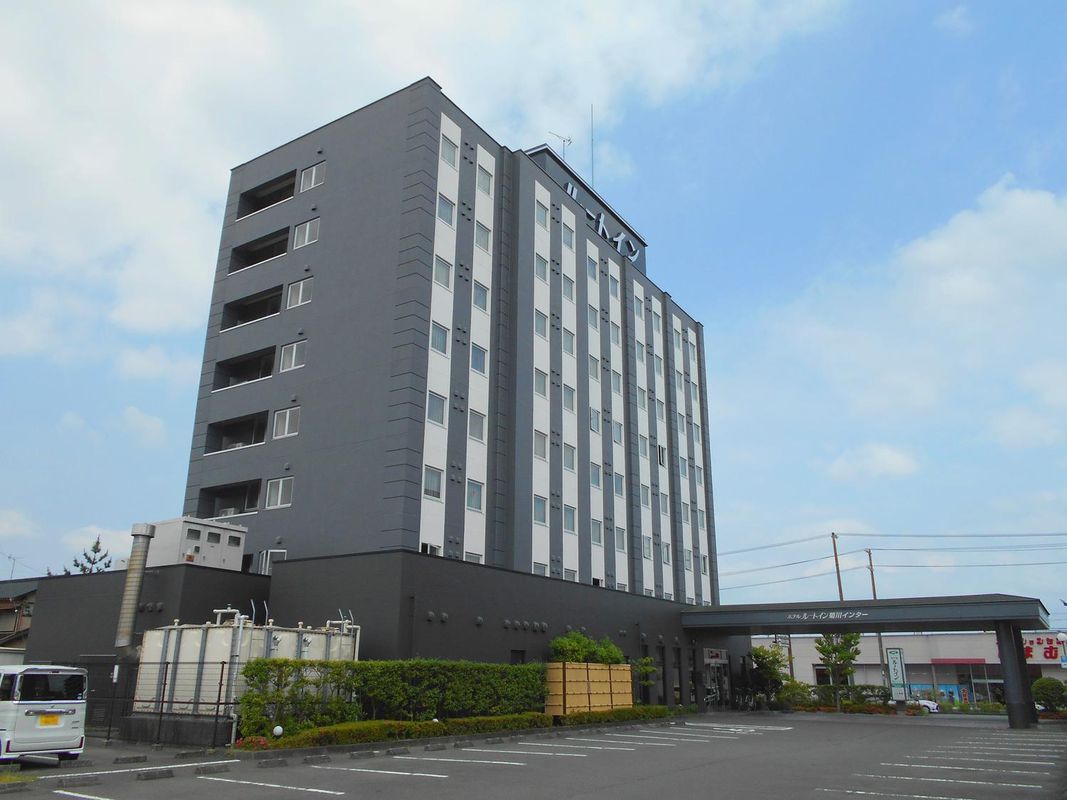
Hotel Route-Inn Kikugawa Inter
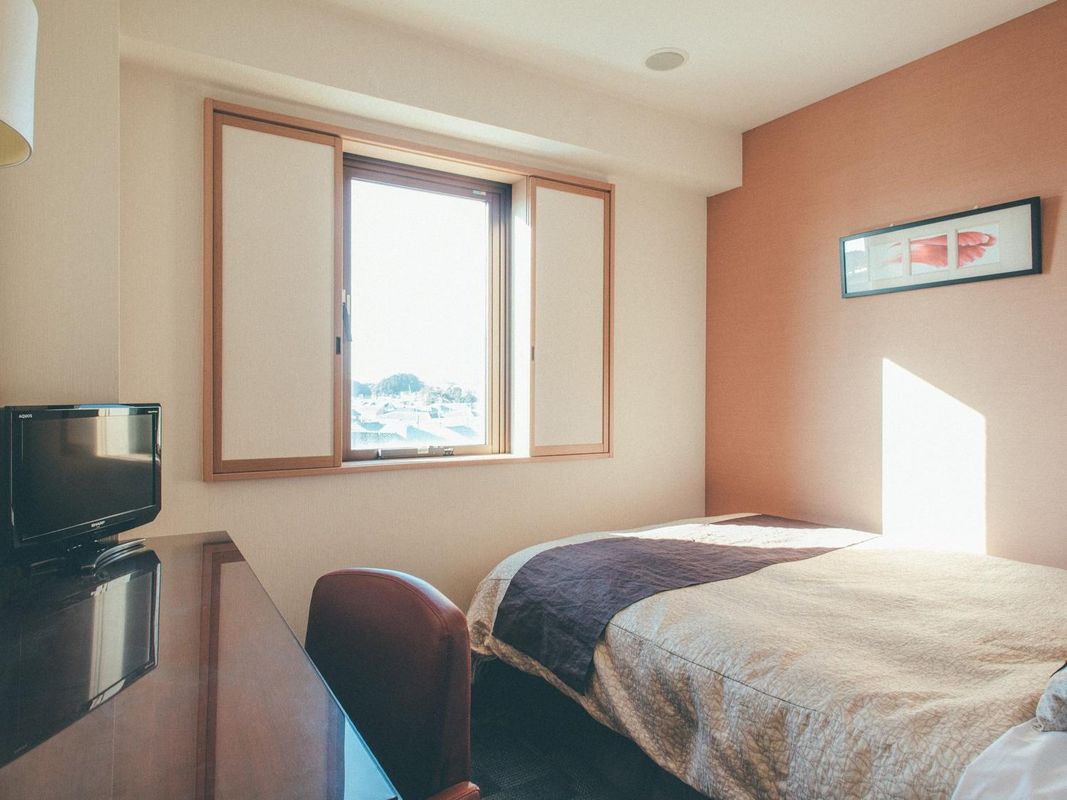
Kuretake Inn Kikugawa Inter
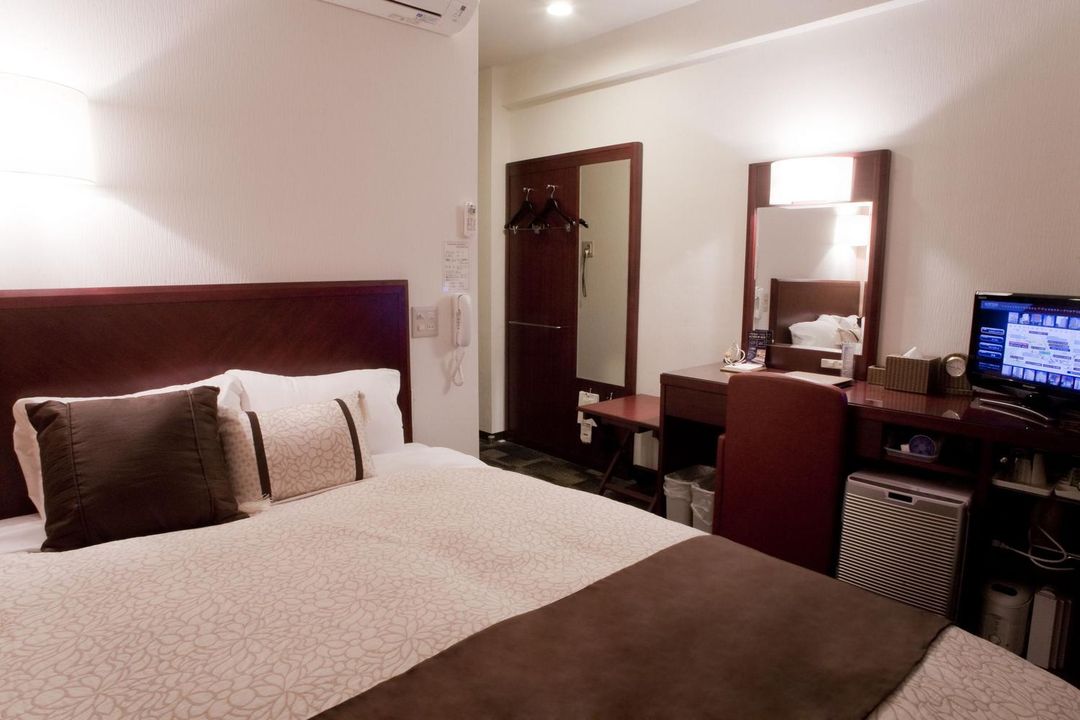
Kuretake Inn Kikukawa Inter
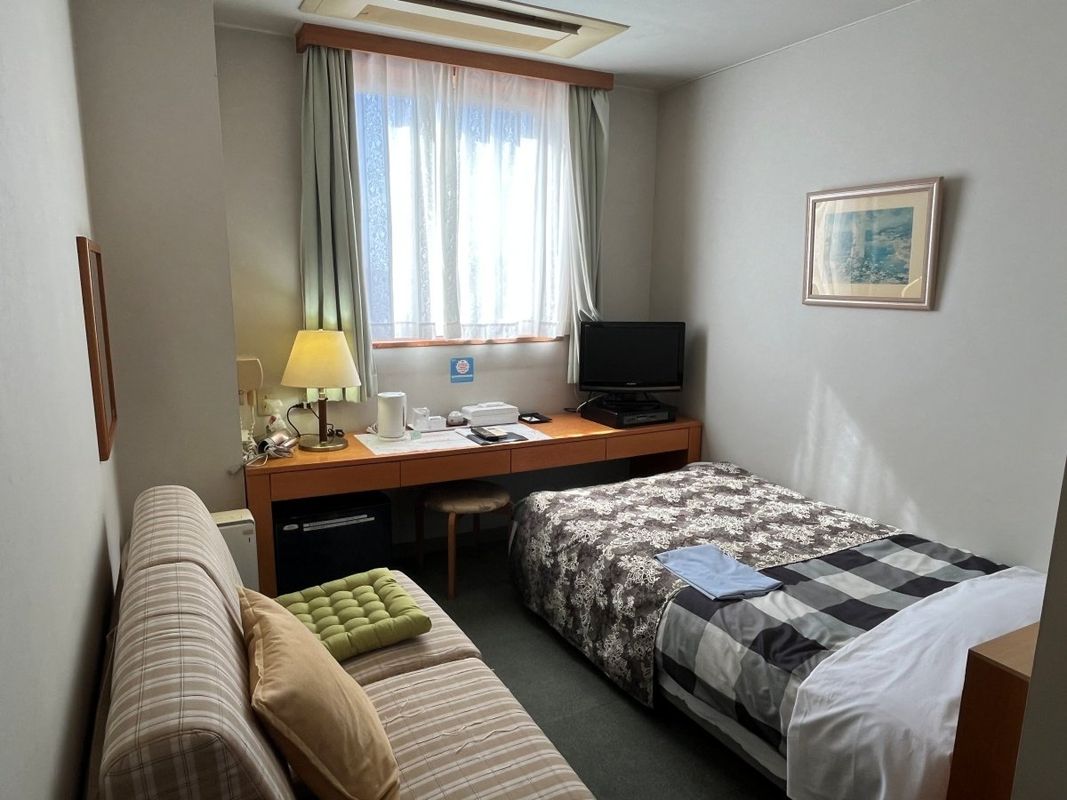
Business Hotel Tachibana
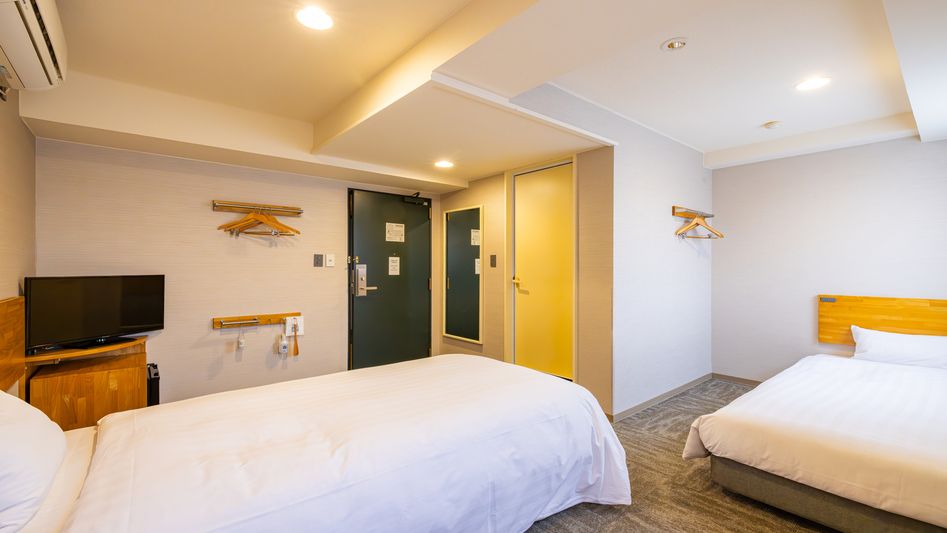
Business Hotel Gen Kikugawa
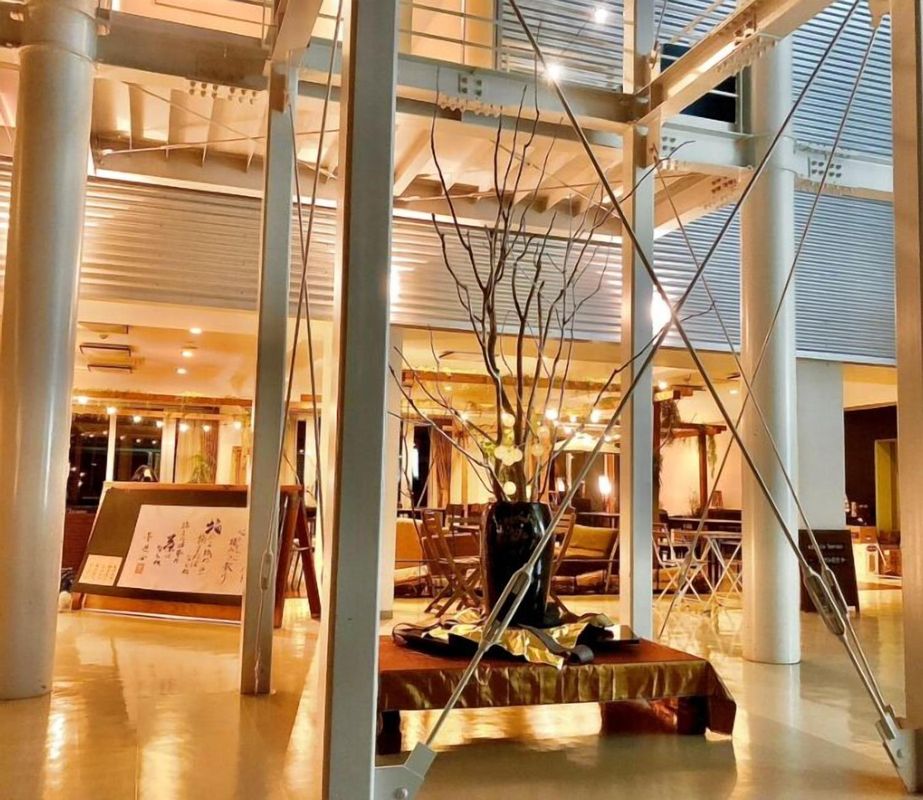
kogikusou
Best Hotels in Kikugawa
Discover curated hotel collections in Kikugawa
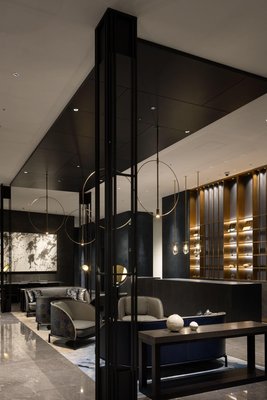
Bellustar Tokyo, A Pan Pacific Hotel
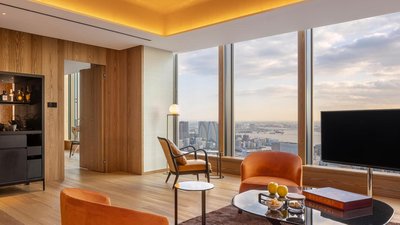
Bvlgari Hotel Tokyo
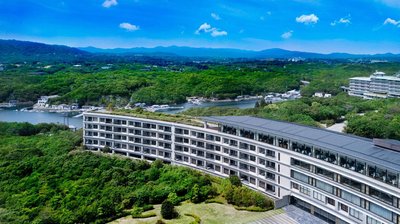
Shima Kanko Hotel the Bay Suites
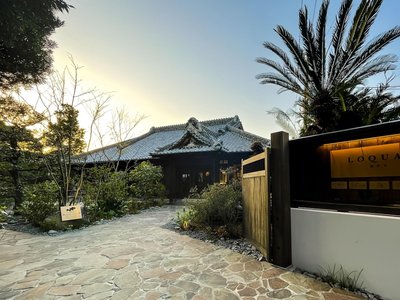
Loquat Nishiizu
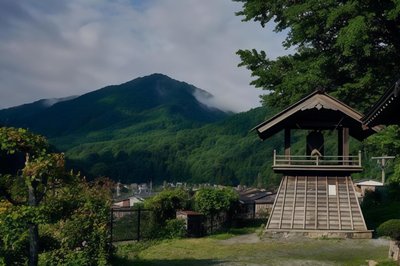
Byaku Narai
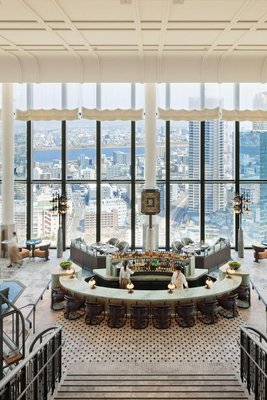
Waldorf Astoria Osaka
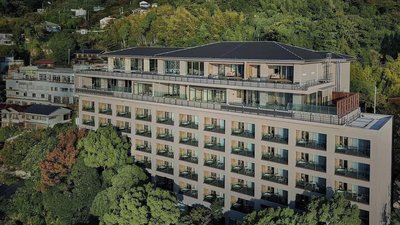
Atami Izusan Karaku
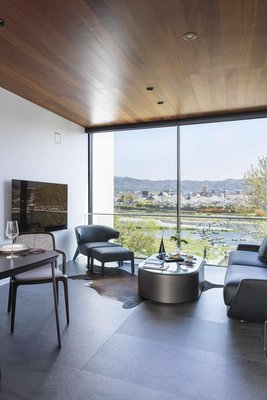
Kamo Residences by Reflections
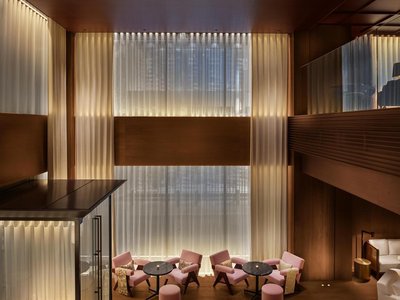
The Tokyo Edition, Ginza

Janu Tokyo
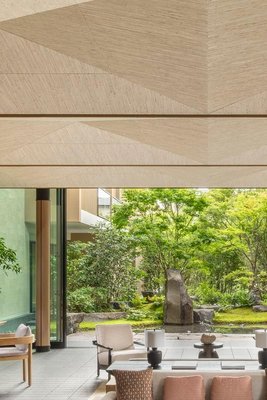
Six Senses Kyoto
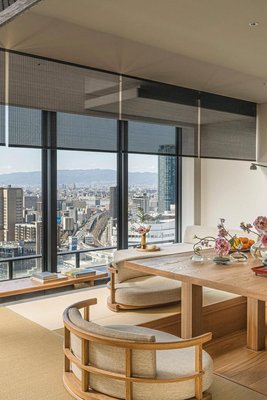
Four Seasons Hotel Osaka

Patina Osaka

The Ritz-Carlton, Osaka
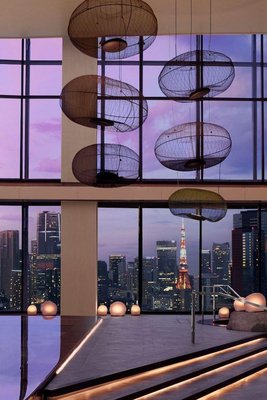
JW Marriott Hotel Tokyo
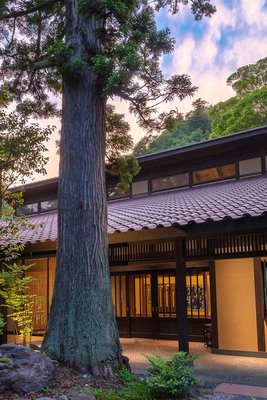
Arimasansoh Goshobessho
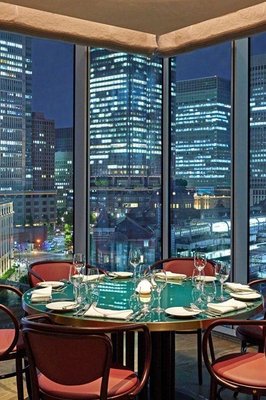
Four Seasons Hotel Tokyo at Marunouchi

Mandarin Oriental, Tokyo
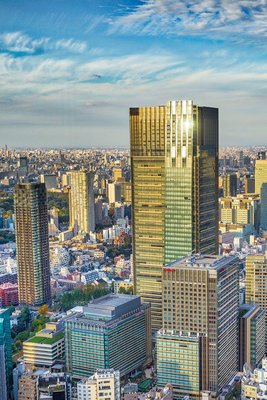
The Ritz-Carlton, Tokyo
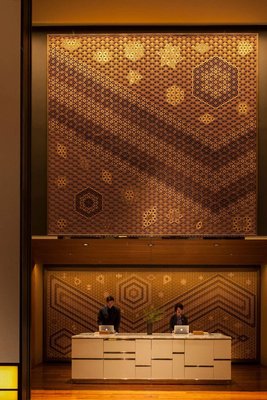
Andaz Tokyo Toranomon Hills- A Concept by Hyatt
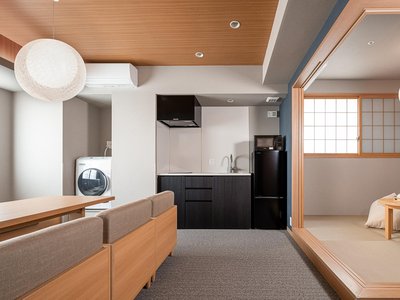
MIMARU SUITES Tokyo Asakusa

Toba International Hotel Shiojitei
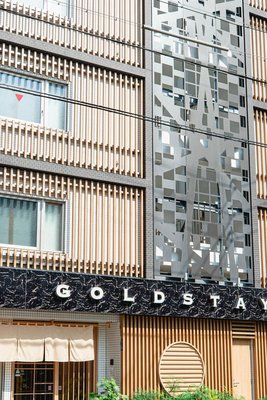
Gold Stay Nagoya OSU
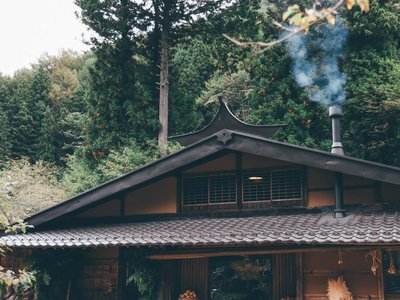
La Terra Resort
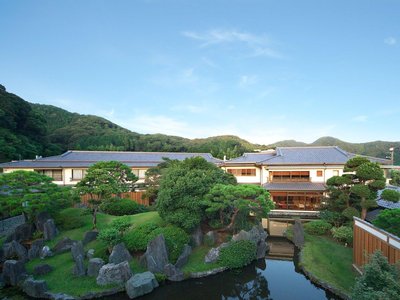
Kagetsutei

karaksa hotel colors Tokyo Yaesu

HOTEL GROOVE SHINJUKU, A PARKROYAL Hotel

GOLD STAY Nagoya Sakae
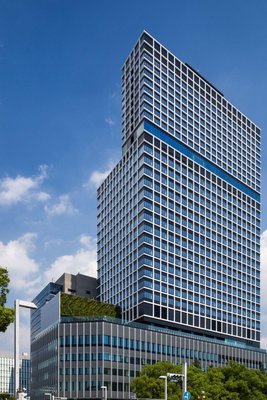
The Royal Park Hotel Iconic Nagoya

Awaumi Fujikawaguchiko Resort
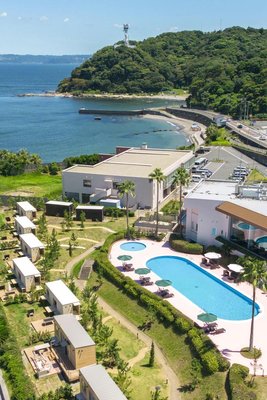
La vista Yokosuka Kannonzaki Terrace
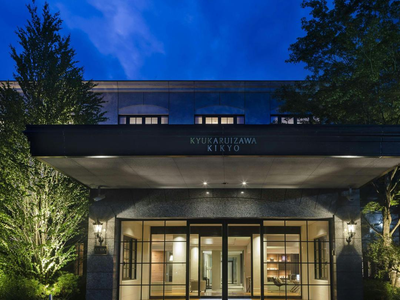
Fufu Karuizawa Wind of Sunshine
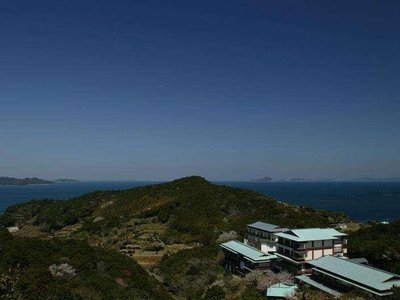
Hanashinsui
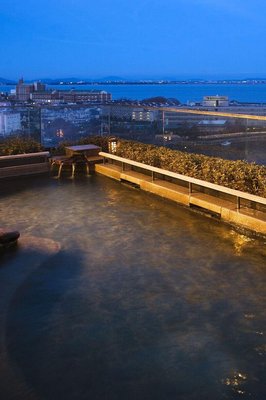
Yumotokan

Scapes the Suite
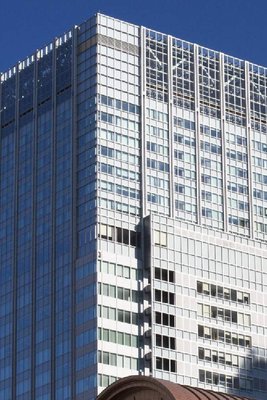
Hotel Metropolitan Tokyo Marunouchi
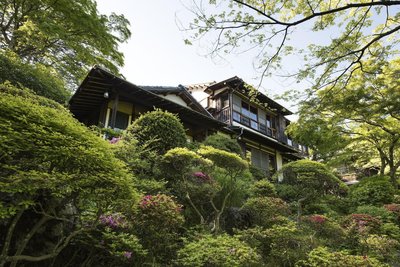
Gora Kansuiro
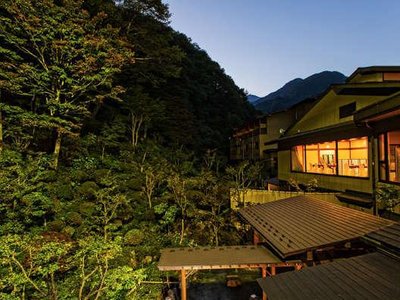
Futari Shizuka

HOTEL KANICHI
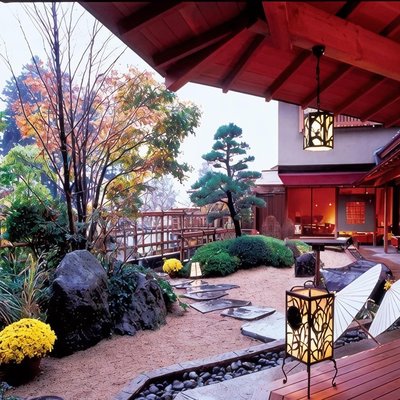
Oyado Tamaki
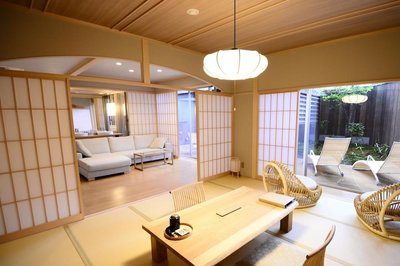
Hakone Gora Byakudan
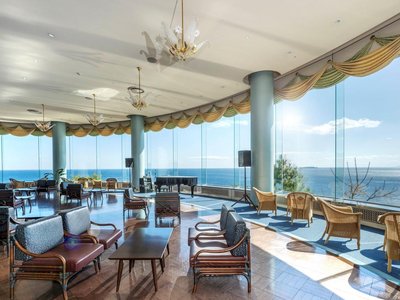
Hotel New Akao

XYZ Private Spa and Seaside Resort
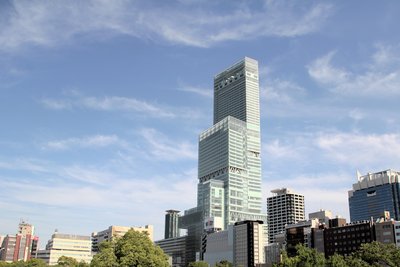
Osaka Marriott Miyako Hotel
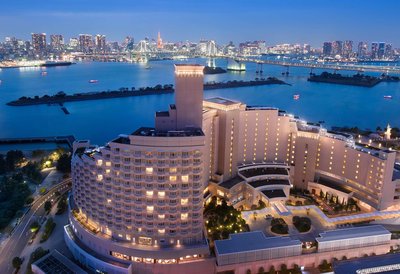
Hilton Tokyo Odaiba
JW Marriott Hotel Tokyo
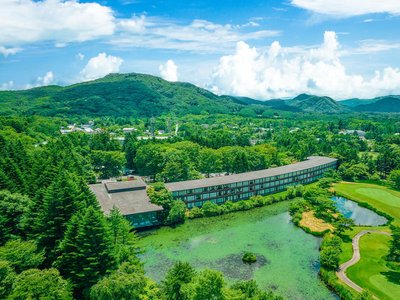
The Prince Karuizawa
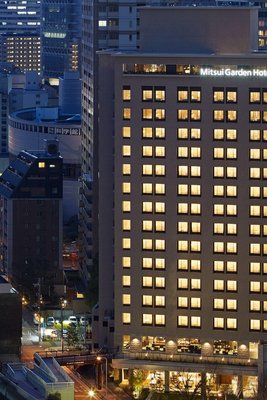
Mitsui Garden Hotel Osaka Premier
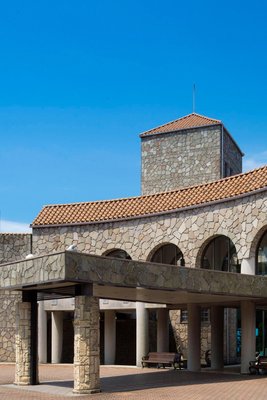
Izumigo Hotel Altia Toba
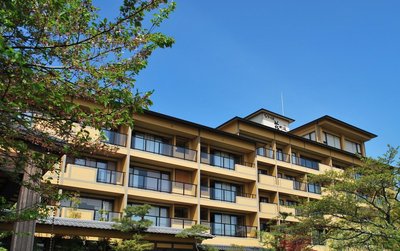
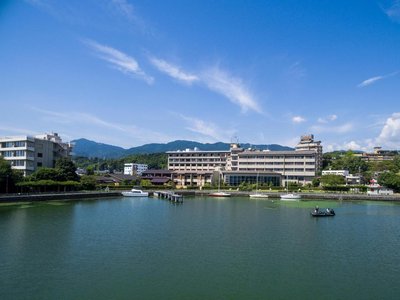
BIWAKO HANAKAIDO
Biwako Ryokusuitei
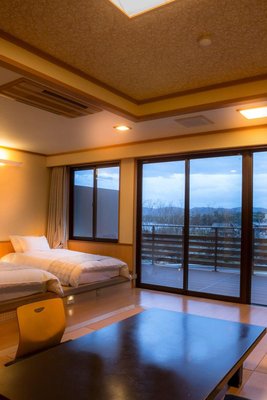
Hotel Kitanoya
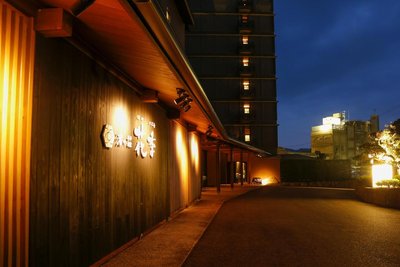
Hanagoyomi
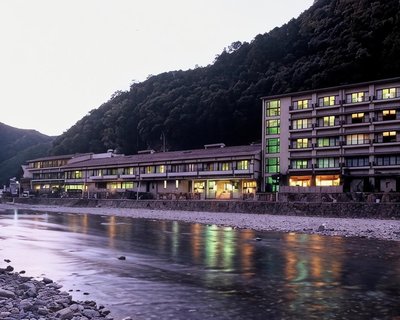
Kawayu Onsen Fujiya
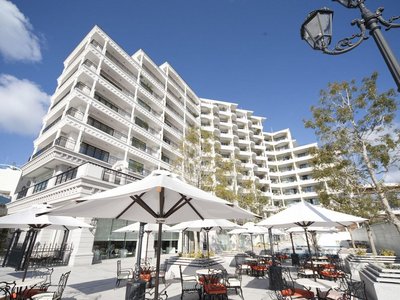
Hotel La Suite Kobe Harborland

The Kukuna

Hotel New Sagamiya
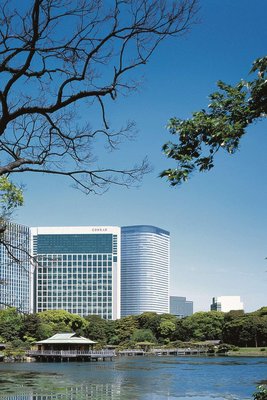
Conrad Tokyo
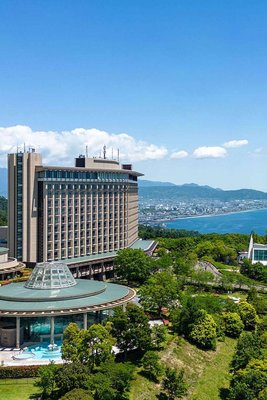
Hilton Odawara Resort & Spa
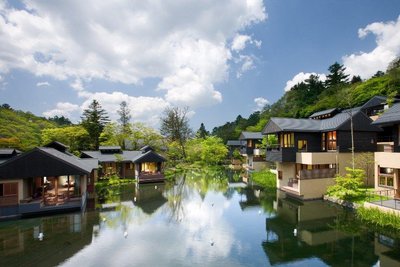
Hoshinoya Karuizawa
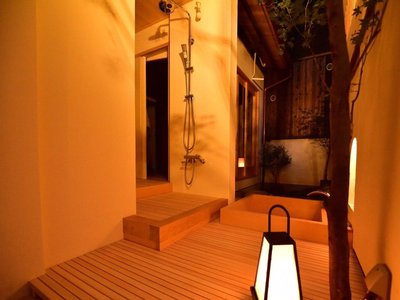
Yado Kiramachi
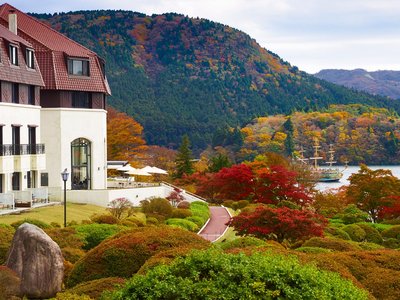
Hotakajyo

Onyado Nono Asakusa Bettei Hot Spring
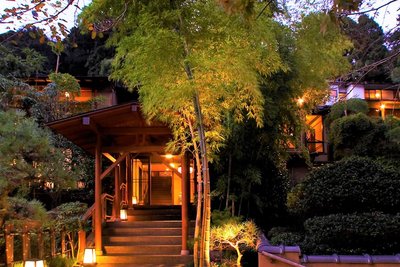
Shiki wo Ajiwau Yado Yamano Chaya
Arimasansoh Goshobessho
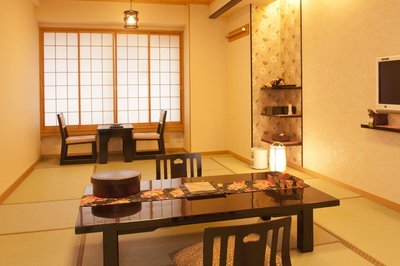
Matsui-Bekkan Hanakanzashi
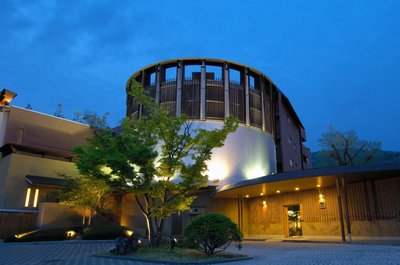
Hoshino Resorts Kai Matsumoto

Taikyourou
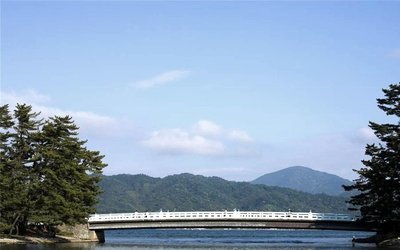
Monjusou Shourotei
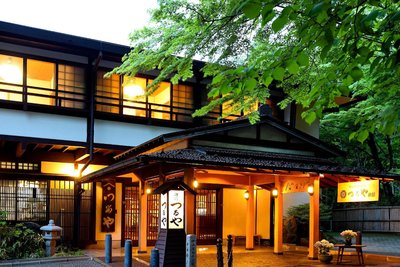
Tsuruya Ryokan
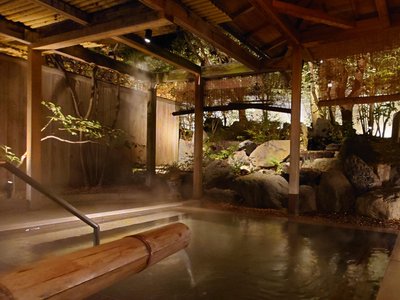
Kasuga Hotel
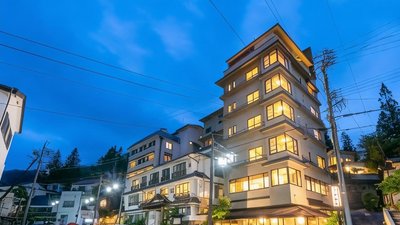
Nakamatsuya Ryokan
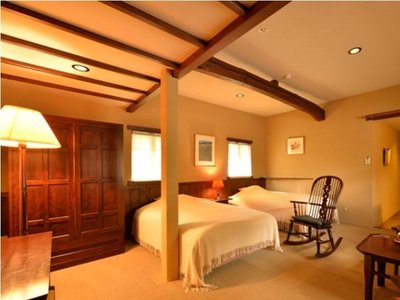
Ryokan Sugimoto
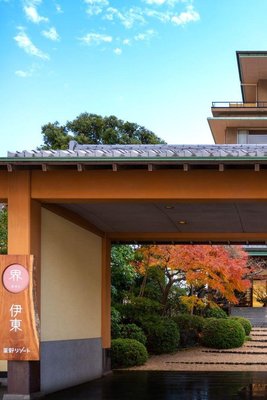
Hoshino Resorts Kai Ito
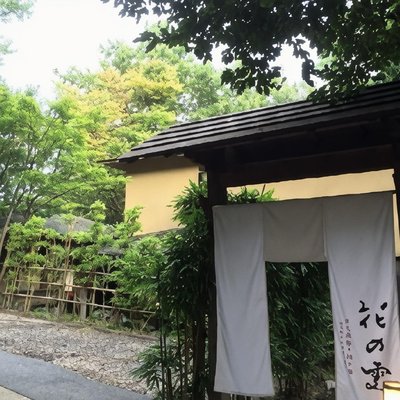
Hana No Kumo
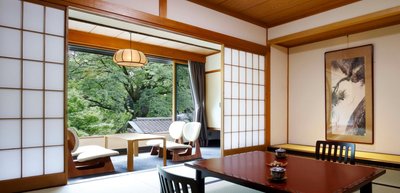
Yoshiike Ryokan
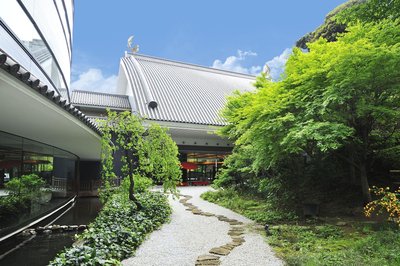
Hotel Gajoen Tokyo
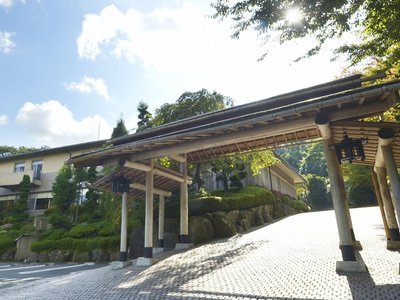
Gora Hanaougi
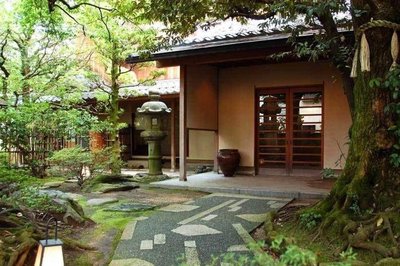
Kocho
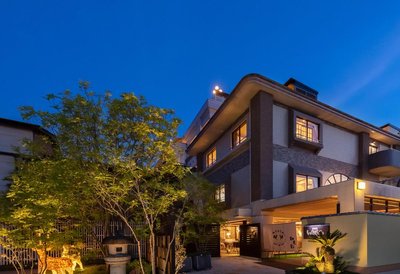
Hotel New Wakasa
Bellustar Tokyo, A Pan Pacific Hotel
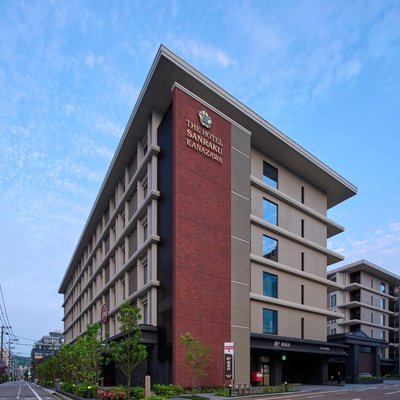
The Hotel Sanraku Kanazawa 21th December 2022 Open

22 PIECES
The Ritz-Carlton, Osaka
JW Marriott Hotel Tokyo
Andaz Tokyo Toranomon Hills- A Concept by Hyatt

The Thousand Kyoto
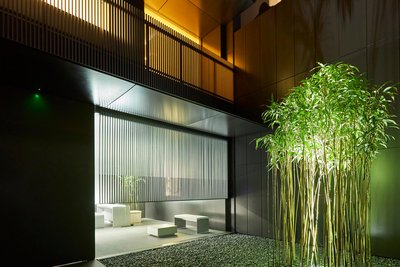
Mogana
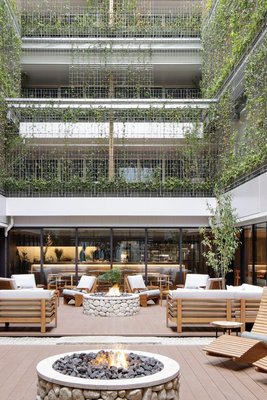
GOOD NATURE HOTEL KYOTO
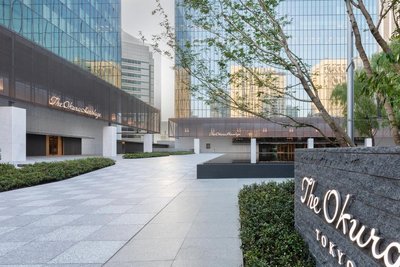
The Okura Tokyo

The Lively Azabujuban Tokyo

Kimpton Shinjuku Tokyo
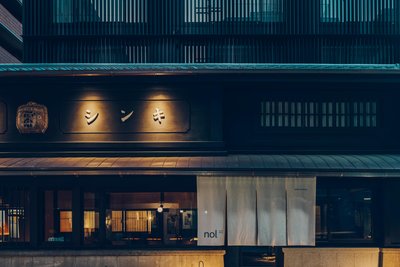
Nol Kyoto Sanjo

HOTEL K5
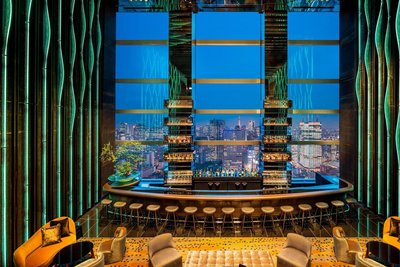
The Prince Gallery Tokyo Kioicho, a Luxury Collection Hotel

Zentis Osaka

Garrya Nijo Castle Kyoto

W Osaka

Hotel Kanra Kyoto

Aloft Osaka Dojima
Hakone Gora Byakudan
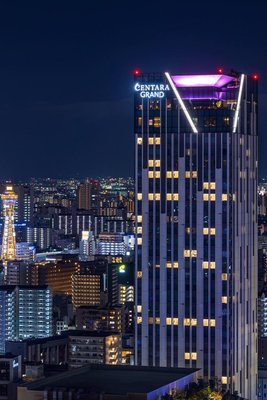
Centara Grand Hotel Osaka
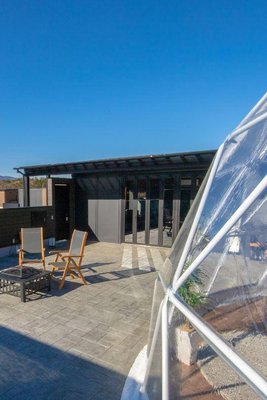
Panoramic Mt. Fuji Views from All Rooms – Vision Glamping Resort & Spa Yamanakako
voco Osaka Central
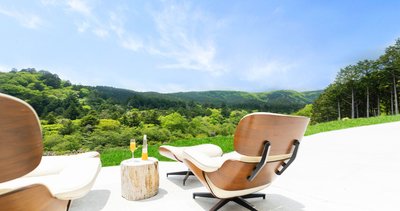
Shelter Garden Nikko
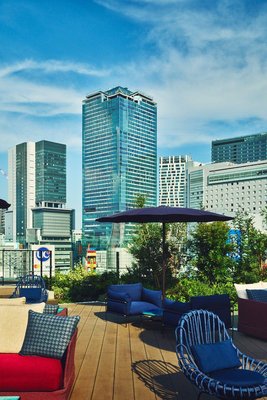
Hotel Indigo Tokyo Shibuya

TIAD, AUTOGRAPH COLLECTION
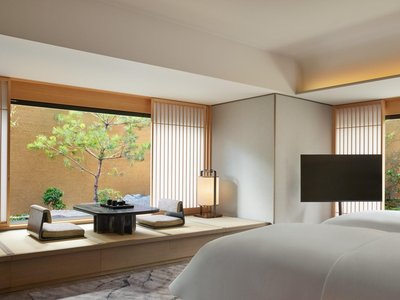
Dusit Thani Kyoto
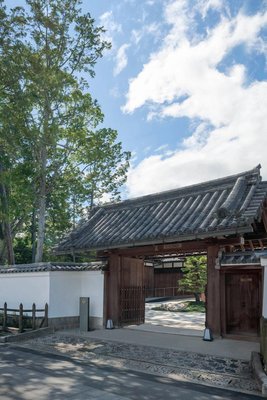
Shisui, a Luxury Collection Hotel, Nara

Hilton Kyoto
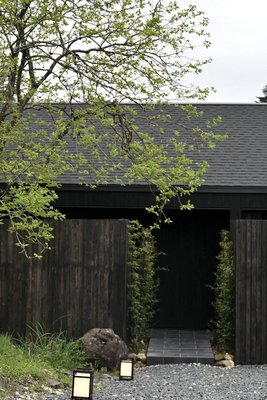
THE LAKOTAN
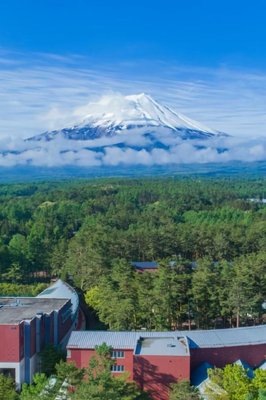
Forest Village (Fuji Premium Resort)

Hotel Toranomon Hills
Osaka Marriott Miyako Hotel

Fufu Kyu-Karuizawa Restful Forest
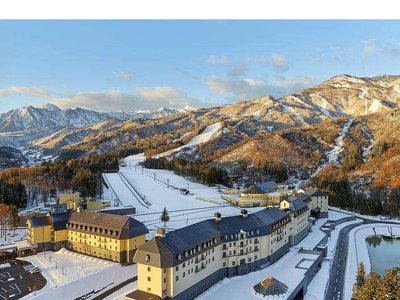
Lotte Arai Resort
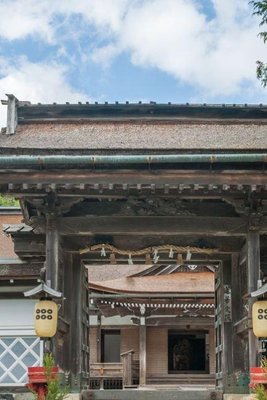
Koyasan Rengejoin
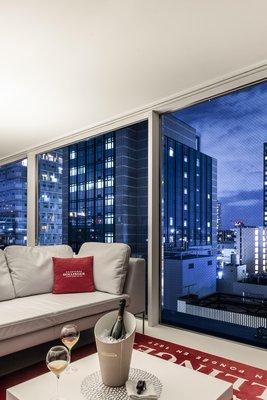
CUVÉE J2 HOTEL OSAKA by Onko Chishin

Sengokubara Cocon
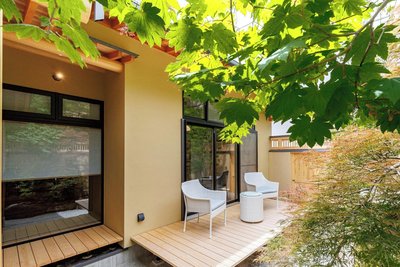
Shoraiso
Bvlgari Hotel Tokyo
Osaka Marriott Miyako Hotel
The Ritz-Carlton, Osaka
Four Seasons Hotel Tokyo at Marunouchi
Mandarin Oriental, Tokyo
The Ritz-Carlton, Tokyo
Andaz Tokyo Toranomon Hills- A Concept by Hyatt
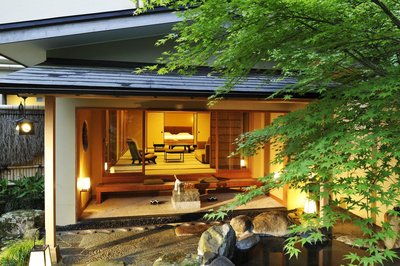
Gora Kadan
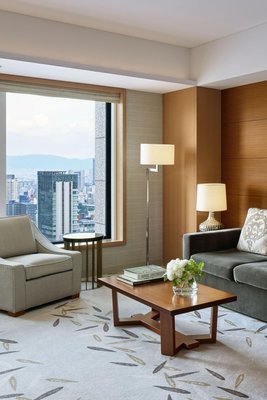
InterContinental Hotel Osaka
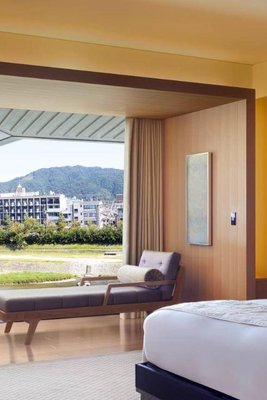
The Ritz-Carlton, Kyoto

Hotel New Otani Tokyo the Main
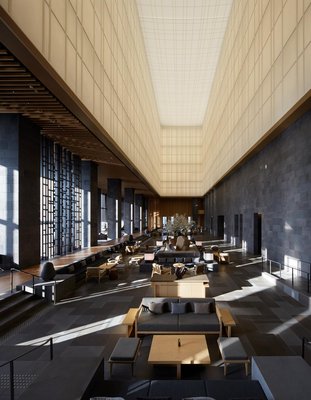
Aman Tokyo
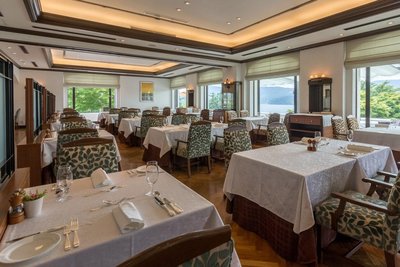
Odakyu Hotel de Yama
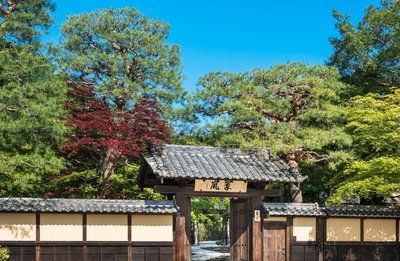
Suiran, a Luxury Collection Hotel, Kyoto
GOOD NATURE HOTEL KYOTO
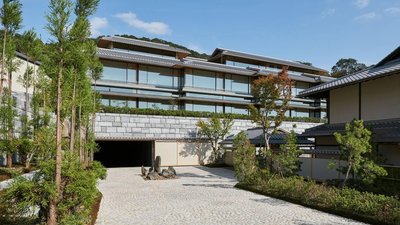
Park Hyatt Kyoto
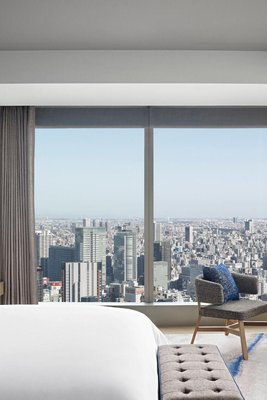
Four Seasons Hotel Tokyo at Otemachi

The Tokyo Edition, Toranomon

Hyatt Centric Kanazawa
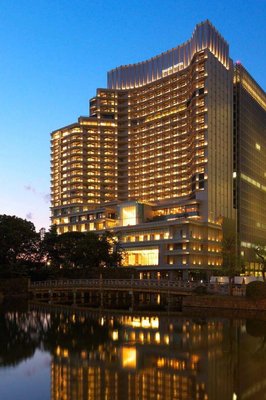
Palace Hotel Tokyo
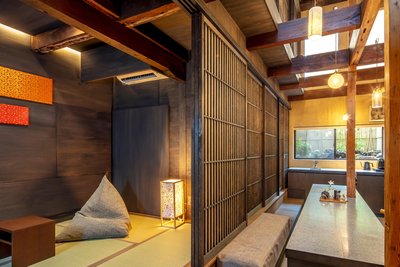
Kyo No Oozora Kihana
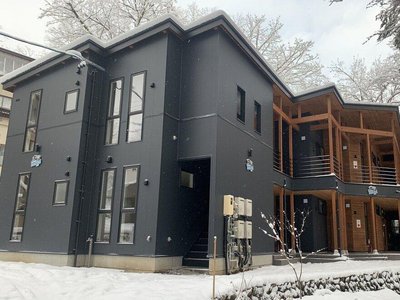
Hakuba Gondola Apartments
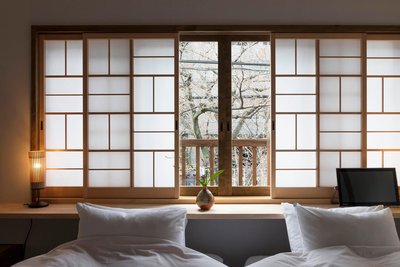
Hanagoromo Machiya House
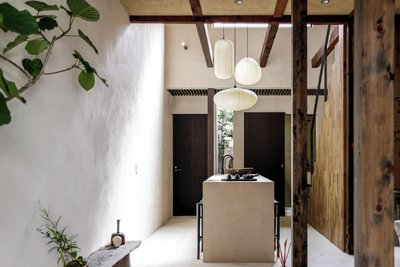
Maana Kiyomizu
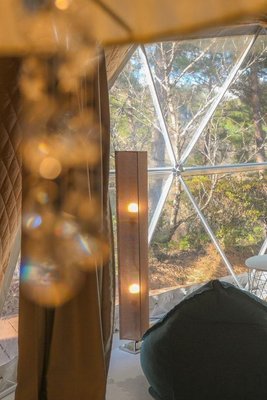
glampark Gekkabijin Nagano
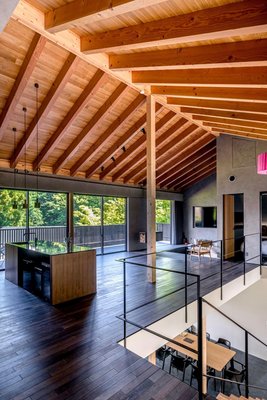
MONS GORA

Phoenix Chalets by Hhg
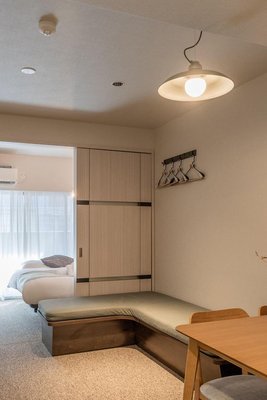
Apartment Hotel 11 Shinsaibashi
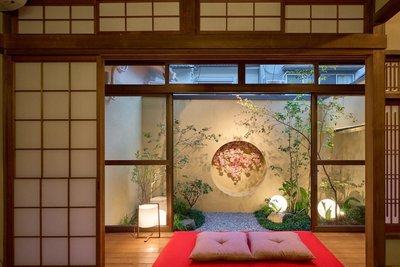
KONJAKUSO Osaka Tengachaya "NIHONCHA" Tea & Relax
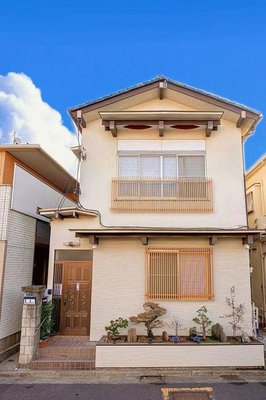
Tokyo Star House-Shinkoiwa
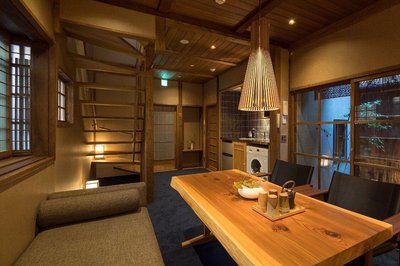
Bonbori an Machiya House
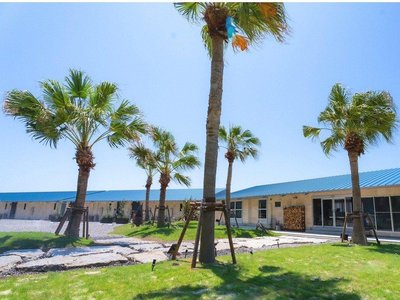
Glamping&Resort Wood Design Park Noma
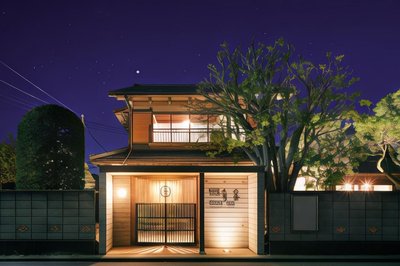
Machi-Jyu
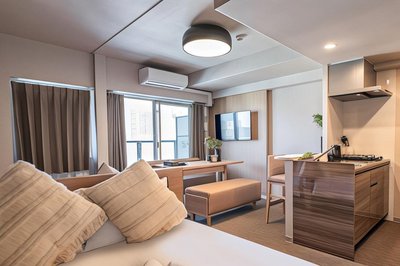
Apartment Hotel 11 Shinsaibashi III
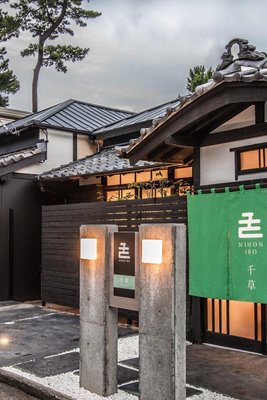
Nihon Iro
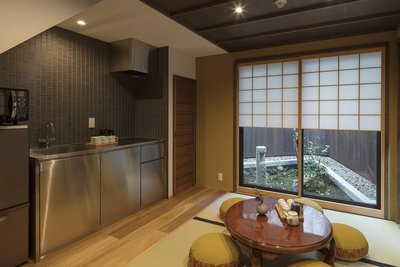
The Machiya Villa Sanjo Shirakawa Koji
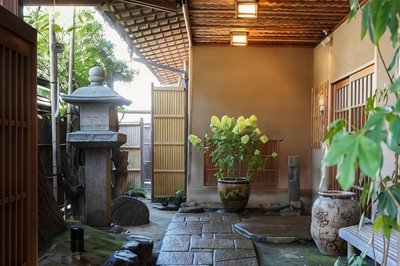
Ryokan Asadaya
Konjaku-So Dotonbori
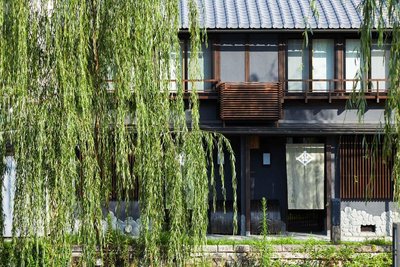
Gion Shirakawa No Yado

Kitashirakawa Natural Radium Onsen
Frequently Asked Questions about Traveling to Kikugawa
Questions You Might Need to Know About Traveling to Kikugawa
In Kikukawa City, the standout choice is Kikukawa Onsen Ryokan, a traditional inn blending authentic Japanese architecture with modern comfort. Nestled near tea fields and forest trails, it offers private onsen baths with panoramic views of the surrounding countryside. Guests enjoy daily kaiseki meals featuring fresh Shizuoka green tea dishes and locally caught seafood. The staff speaks English and provides personalized recommendations for hiking routes and tea ceremonies. Its intimate setting and deep connection to local culture make it ideal for travelers seeking an immersive experience.
Key features: Traditional ryokan, private onsen, tea-infused cuisine.
The central district near Kikukawa Station is the most convenient and welcoming area for first-time visitors. It’s within walking distance of Kikukawa Shrine, the bustling local market, and several family-run restaurants serving regional specialties like steamed fish hotpot and matcha desserts. Public transportation links are excellent—buses connect to Shizuoka Station every 20 minutes—and many accommodations offer free Wi-Fi and luggage storage. This area balances accessibility with a peaceful, community-driven atmosphere, making it perfect for exploring both nature and culture at your own pace.
Top benefits: Central location, easy transit, authentic local vibe.
Tourists in Kikukawa City can participate in the Shizuoka Tea Ceremony Workshop at the Tea Village, where they learn to harvest, pan-fry, and taste freshly made sencha and gyokuro. The workshop includes a guided tour of terraced tea fields and a hands-on session creating their own tea blend. Additionally, the annual Kikukawa Cherry Blossom Festival features traditional performances, craft stalls, and temporary tea houses offering seasonal treats. These events highlight the town’s reverence for tea and craftsmanship, offering guests a rare glimpse into rural Japanese heritage beyond tourist spots.
Must-try activities: Tea harvesting, ceremonial tasting, artisan markets.
Yes, Kikukawa Onsen Ryokan boasts one of the finest natural hot springs in the region. The mineral-rich waters, drawn from depths of 300 meters, are high in calcium and magnesium—ideal for soothing muscles and improving skin health. The resort features both indoor and outdoor baths, including a starlit open-air bath that offers breathtaking views of the night sky. Private onsen rooms are available upon request, and guests receive complimentary towels, robes, and herbal tea. Open daily from 9 AM to 10 PM, it’s especially popular during autumn and winter months.
Highlights: Natural mineral spring, star-view bath, private soaking.
Near Kikukawa City, the Kikukawa Children’s Nature Park is a top-rated destination for families. It features a mini farm where kids can feed goats and collect eggs, a bug observation house, and interactive water play areas. Adjacent is the Shizuoka Tea Field Eco Trail, a safe, paved path through lush tea plantations with educational signs about cultivation and sustainability. Special programs include family tea-making workshops and picnic zones with shaded shelters. Facilities include baby-changing stations and stroller access, ensuring a comfortable and enriching day out for all ages.
Family perks: Interactive learning, safe trails, child-friendly amenities.
Travelers must try Kikukawa Steamed Fish Hotpot, made with fresh mackerel and sea urchin from nearby waters, served in a delicate broth infused with local green tea. Another must-try is Matcha Tofu, a silky dessert crafted with premium Shizuoka matcha powder, often enjoyed with seasonal fruit. Don’t miss the grilled octopus skewers and tea rice balls sold at the morning market. All dishes emphasize freshness and seasonality, reflecting the town’s deep connection to its agricultural roots and tea-growing tradition.
Signature flavors: Seafood freshness, tea-infused textures, seasonal ingredients.
Yes, Kikukawa City is well-connected via public transport. From Kikukawa Station, regular buses run to Shizuoka Station every 20 minutes, where travelers can transfer to the Shinkansen for direct service to Tokyo (approx. 1h15m) and Osaka (approx. 2h40m). The Shizuoka Railway Line also links the city to Hamamatsu and Numazu. For drivers, the Tomei Expressway is accessible nearby, enabling quick access to central Japan. Local buses accept Suica cards, making travel seamless for international visitors.
Key hubs: Shizuoka Station, Tomei Expressway, Suica-compatible transit.
Autumn is an ideal time to visit Kikukawa City, when the weather is crisp and the landscape turns golden. The Shizuoka Tea Autumn Festival takes place in early November, featuring tea tastings, traditional performances, and a special “Tea & Leaves” art exhibition. The Kikukawa River Red Leaf Path becomes a scenic walking route lined with maple trees, perfect for photography and quiet strolls. Many ryokans offer seasonal packages, including kaiseki dinners with chestnuts and persimmons. Avoid peak holidays for better availability and quieter surroundings.
Best time: Early November, red leaf season, tea festival.
For couples, Kikukawa Onsen Ryokan offers a dedicated “Couples’ Room” series with private onsen baths overlooking the valley. Each room features floor-to-ceiling windows, wooden interiors, and a personalized welcome set with local sake and matcha sweets. Couples can book a private tea ceremony or a candlelit dinner by the bath. The serene environment, combined with attentive staff and thoughtful touches like handwritten notes, makes it a favorite for honeymoons and anniversaries. The absence of crowds ensures intimacy and tranquility.
Romantic highlights: Private onsen, couple’s tea ritual, intimate dining.
At night, visitors can enjoy the Kikukawa Lantern Tea Ceremony, held monthly on the last Saturday, where guests sip tea under paper lanterns in a tranquil garden setting, accompanied by live shamisen music. During summer, the Riverbank Firefly Viewing Season draws crowds to see thousands of glowing insects along the riverbanks—a magical, silent spectacle. For relaxation, the Onsen Ryokan’s Night Meditation Room offers guided sessions with soft ambient sounds and mountain echoes. These low-key, reflective experiences provide a peaceful contrast to urban nightlife.
Nighttime gems: Lantern tea, firefly viewing, meditative stillness.
Kikugawa Overview
City Summary
Kikugawa City, located in the western part of Shizuoka Prefecture, Japan, is renowned for its beautiful tea plantations and traditional handicrafts. Surrounded by rich natural scenery, the city enjoys a mild climate and is one of Japan's famous tea-producing regions. Visitors can experience deep rural Japanese culture here.
Must-See Attractions
Major attractions in Kikugawa City include vast tea plantations and traditional tea factories where visitors can participate in tea picking and production experiences. Cultural enthusiasts should not miss the local handicraft workshops, showcasing traditional pottery and weaving techniques. Additionally, the city has several historic shrines and temples, offering serene spaces for meditation.
Food Guide
Kikugawa's cuisine revolves around tea, with recommended dishes like matcha desserts and tea-infused meals. Local restaurants serve Japanese home-style dishes using fresh ingredients, such as soba noodles and tempura. Among street foods, tea-flavored ice cream is particularly popular.
Transportation Guide
Public transportation in Kikugawa primarily relies on buses and trains. There are several bus routes connecting major attractions, but schedules are infrequent, so checking timetables in advance is advised. The city is easily accessible by JR Line trains from Shizuoka or Hamamatsu. Renting a car is also a good option, as there are several free parking lots in the city.
Best Time to Visit
The best time to visit is during spring (March to May) and autumn (September to November), when the weather is pleasant, and tea plantations are especially beautiful. Spring also offers cherry blossoms, while autumn features abundant harvest festivals. Avoid the humid summers and cold winters.
Travel Tips
- Respect local culture: Observe etiquette and silence when visiting shrines and temples.
- Transportation planning: Public transport schedules are limited, so check timetables in advance.
- Cash preparation: Some small shops and rural areas may not accept credit cards.
- Tea etiquette: Learn basic manners when participating in tea ceremonies to show respect.
- Eco-friendly travel: Carry a trash bag to keep the environment clean.
- Seasonal gear: Prepare appropriate clothing depending on the season, especially during rainy and winter months.
Useful Information
The primary language in Kikugawa is Japanese, with limited English proficiency, so a translation app or basic Japanese phrases are recommended. Wi-Fi coverage is limited in the city; consider renting a portable Wi-Fi device. Payment methods primarily rely on cash, though credit cards are accepted at larger stores and hotels. In emergencies, dial 110 (police) or 119 (ambulance). Medical facilities are basic; for serious conditions, it's advisable to go to larger hospitals in Shizuoka or Hamamatsu.









