Hotels in Kikugawa
Discover your perfect stay in Kikugawa.
Kikugawa(Japan) Travel 2026: Cheap Flights, Hotels & Top Attractions
Popular Landmarks in Kikugawa
Discover the most iconic attractions in Kikugawa
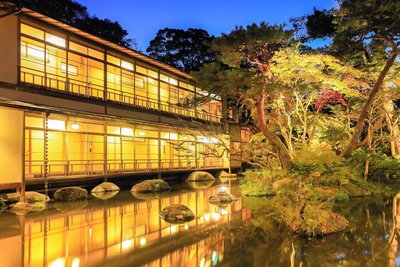
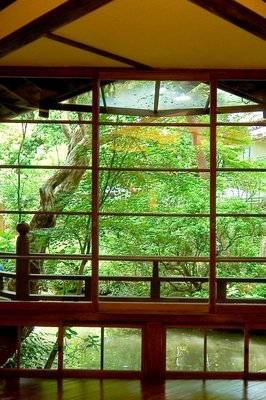
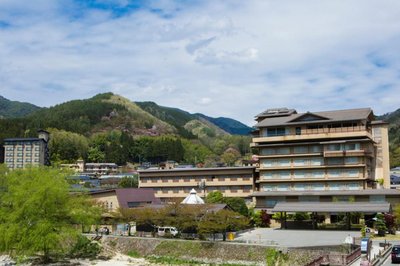
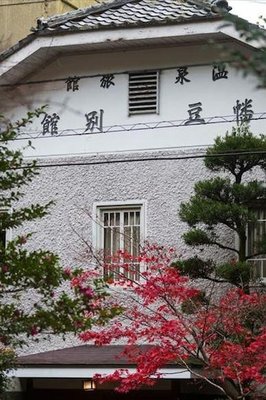
Recommended Hotels in Kikugawa
Find the perfect place to stay in Kikugawa
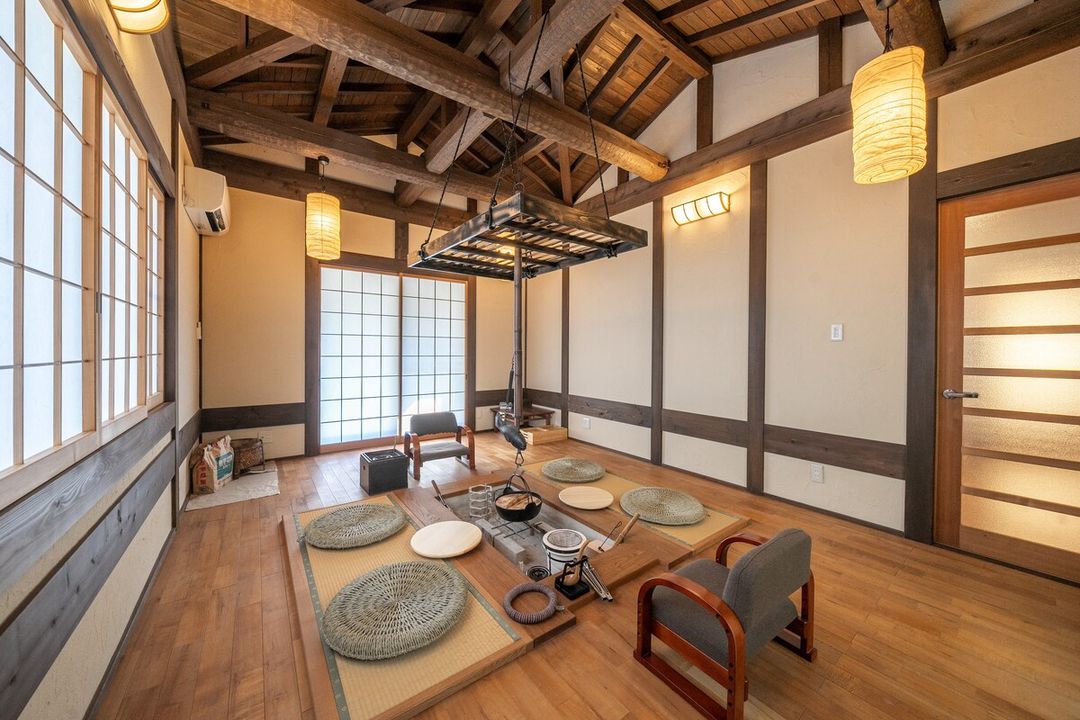



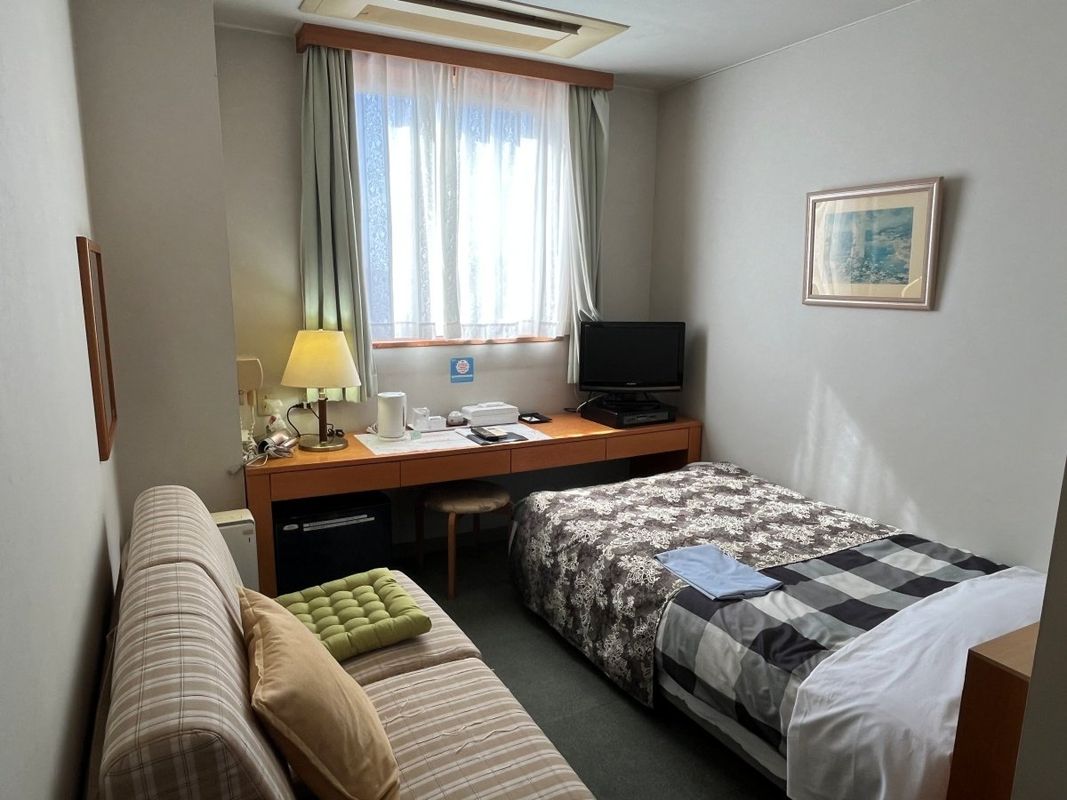


Best Hotels in Kikugawa
Discover curated hotel collections in Kikugawa
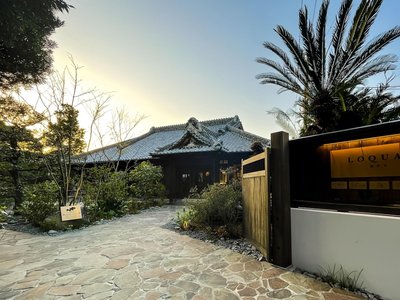
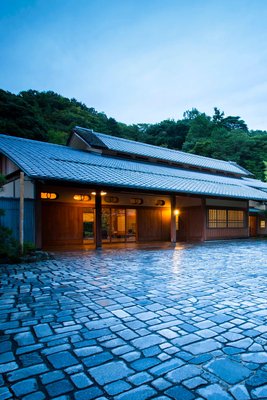























































































Frequently Asked Questions about Traveling to Kikugawa
Questions You Might Need to Know About Traveling to Kikugawa
Kikugawa Overview
City Summary
Kikugawa City, located in the western part of Shizuoka Prefecture, Japan, is renowned for its beautiful tea plantations and traditional handicrafts. Surrounded by rich natural scenery, the city enjoys a mild climate and is one of Japan's famous tea-producing regions. Visitors can experience deep rural Japanese culture here.
Must-See Attractions
Major attractions in Kikugawa City include vast tea plantations and traditional tea factories where visitors can participate in tea picking and production experiences. Cultural enthusiasts should not miss the local handicraft workshops, showcasing traditional pottery and weaving techniques. Additionally, the city has several historic shrines and temples, offering serene spaces for meditation.
Food Guide
Kikugawa's cuisine revolves around tea, with recommended dishes like matcha desserts and tea-infused meals. Local restaurants serve Japanese home-style dishes using fresh ingredients, such as soba noodles and tempura. Among street foods, tea-flavored ice cream is particularly popular.
Transportation Guide
Public transportation in Kikugawa primarily relies on buses and trains. There are several bus routes connecting major attractions, but schedules are infrequent, so checking timetables in advance is advised. The city is easily accessible by JR Line trains from Shizuoka or Hamamatsu. Renting a car is also a good option, as there are several free parking lots in the city.
Best Time to Visit
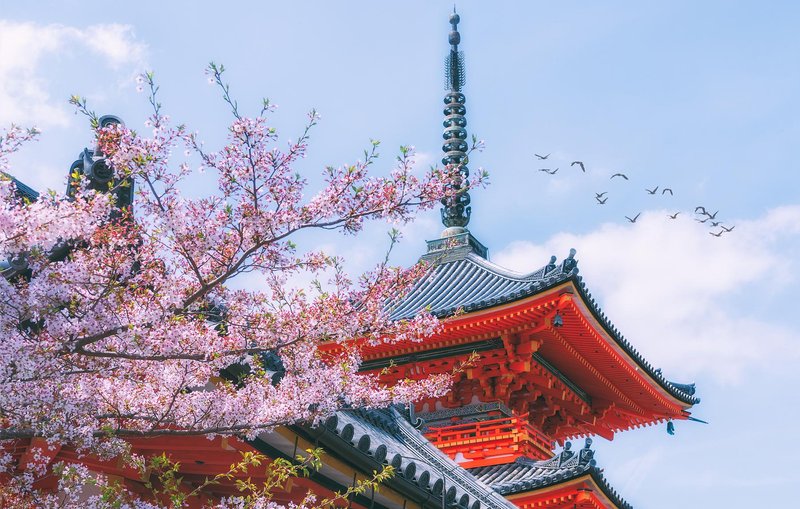
The best time to visit is during spring (March to May) and autumn (September to November), when the weather is pleasant, and tea plantations are especially beautiful. Spring also offers cherry blossoms, while autumn features abundant harvest festivals. Avoid the humid summers and cold winters.
Travel Tips
- Respect local culture: Observe etiquette and silence when visiting shrines and temples.
- Transportation planning: Public transport schedules are limited, so check timetables in advance.
- Cash preparation: Some small shops and rural areas may not accept credit cards.
- Tea etiquette: Learn basic manners when participating in tea ceremonies to show respect.
- Eco-friendly travel: Carry a trash bag to keep the environment clean.
- Seasonal gear: Prepare appropriate clothing depending on the season, especially during rainy and winter months.
Useful Information
The primary language in Kikugawa is Japanese, with limited English proficiency, so a translation app or basic Japanese phrases are recommended. Wi-Fi coverage is limited in the city; consider renting a portable Wi-Fi device. Payment methods primarily rely on cash, though credit cards are accepted at larger stores and hotels. In emergencies, dial 110 (police) or 119 (ambulance). Medical facilities are basic; for serious conditions, it's advisable to go to larger hospitals in Shizuoka or Hamamatsu.