Hotels in Kikuyō
Discover your perfect stay in Kikuyō.
Kikuyō(Japan) Travel 2026: Cheap Flights, Hotels & Top Attractions
Popular Landmarks in Kikuyō
Discover the most iconic attractions in Kikuyō
Recommended Hotels in Kikuyō
Find the perfect place to stay in Kikuyō
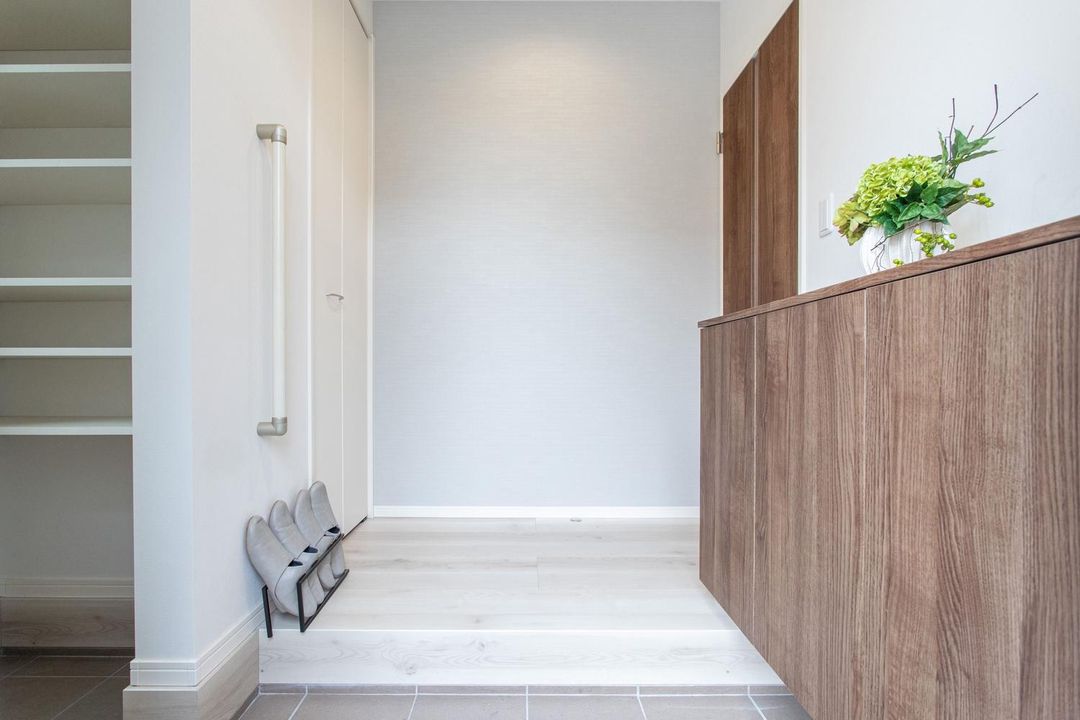
Mova Villa Okino
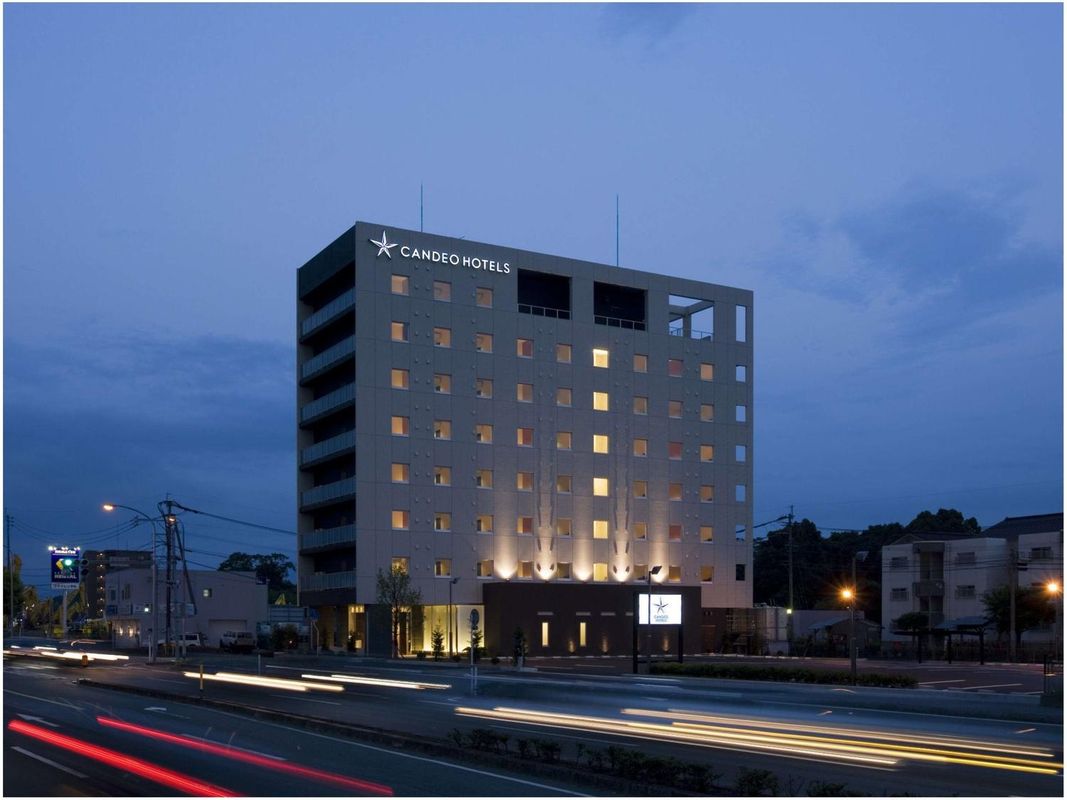
Candeo Hotels Kikuyo Kumamoto Airport
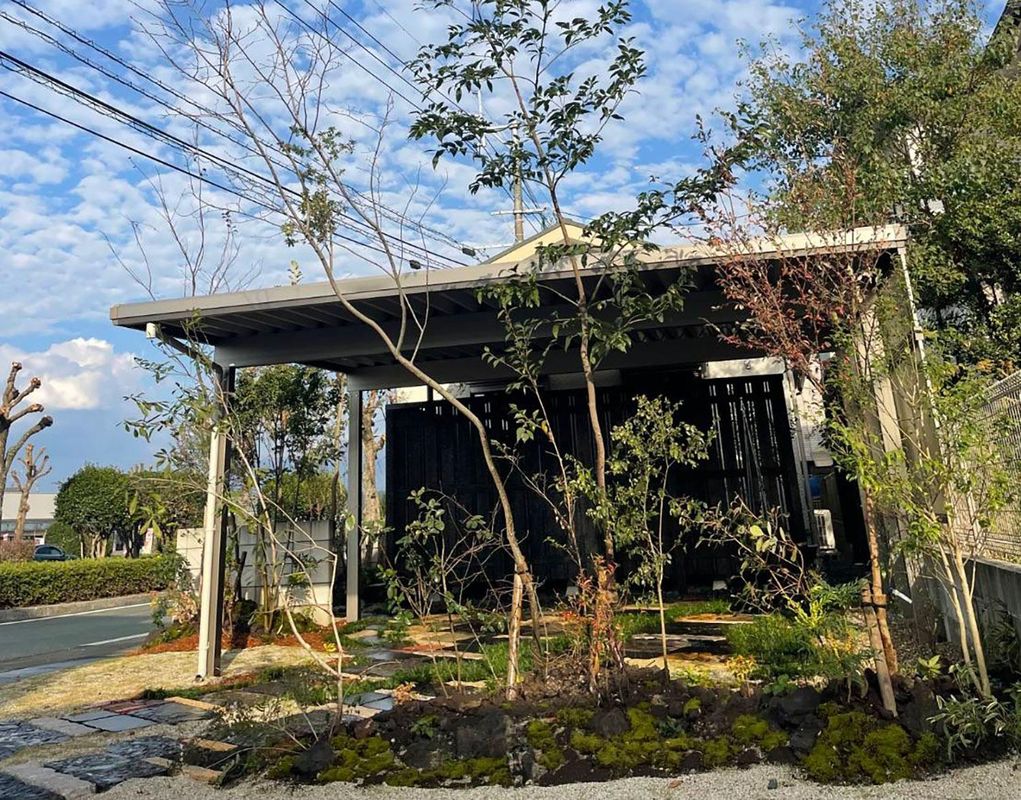
Airport Kikuyo Forest
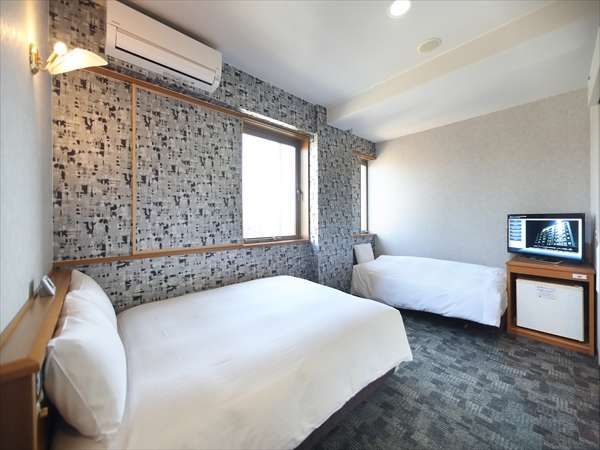
Green Rich Hotel Aso Kumamoto Airport (Artificial Hot Spring Futamata Yunohana)
Best Hotels in Kikuyō
Discover curated hotel collections in Kikuyō
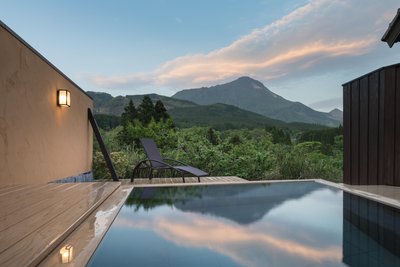
Ikkoten
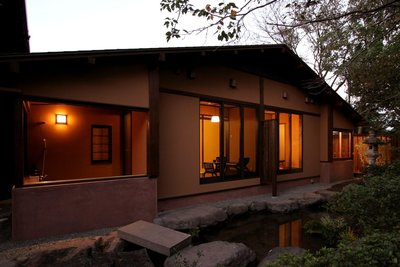
SEKIYA RESORT Bettei Haruki
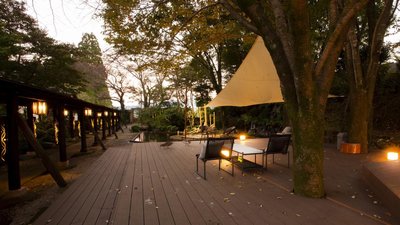
Chikurakutei
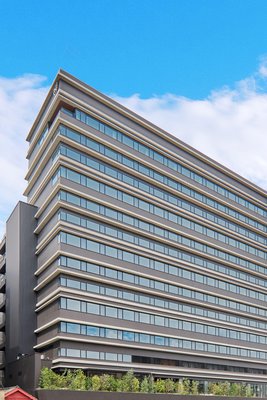
The Royal Park Canvas Fukuoka Nakasu

Hoshino Resorts Kai Unzen

Alfacio Resort Stay Itoshima
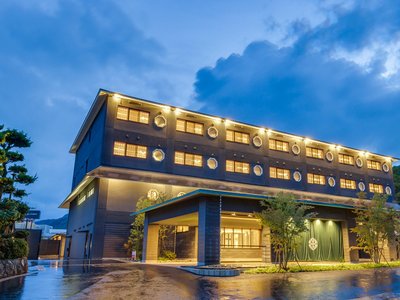
Ureshino Yadoya

seven x seven itoshima
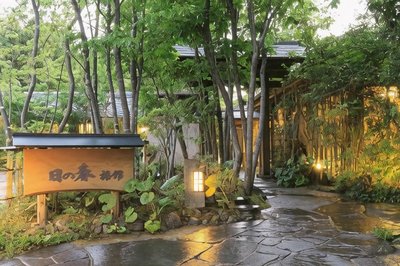
Yufuin Onsen Hinoharu Ryokan
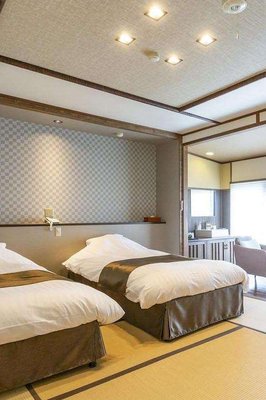
Sozankyo
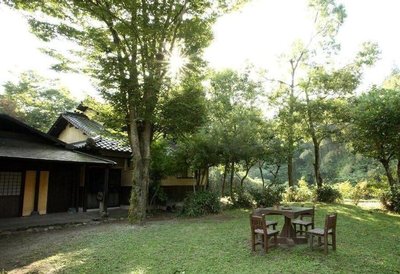
Yamashinobu
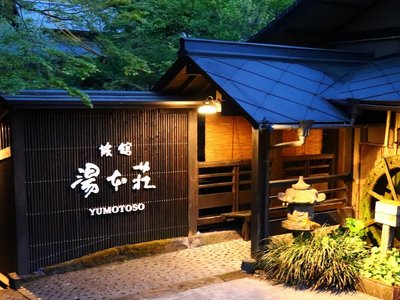
Ryokan Yumotosou
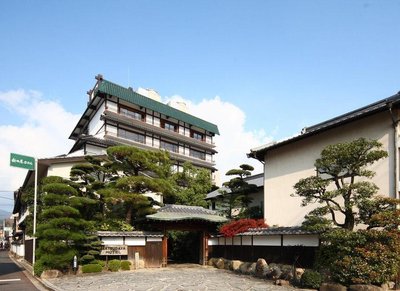
Matsudaya Hotel
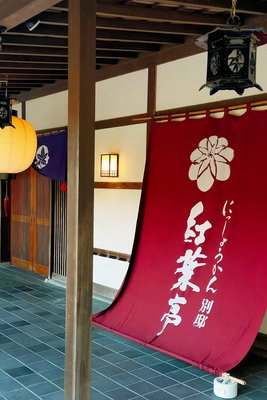
Nisshokan Bettei Koyotei
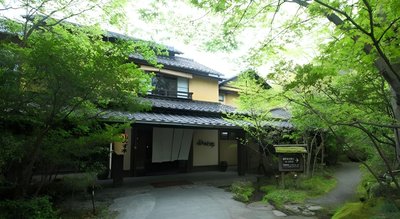
Kurokawaonsen Yamamizuki
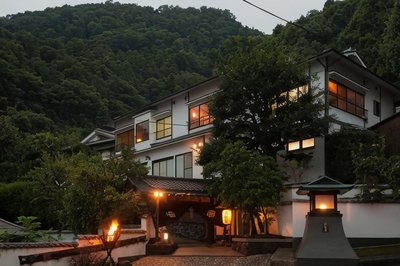
Beppu Showaen
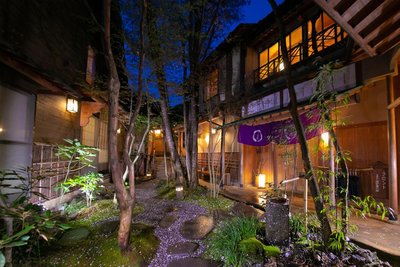
Oyado Ichizen
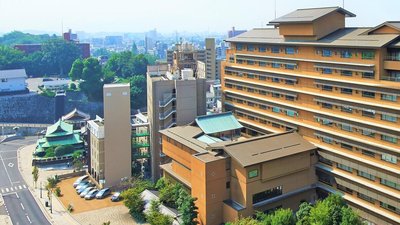
Yamatoya Honten

Garden Terrace Nagasaki Hotel & Resort
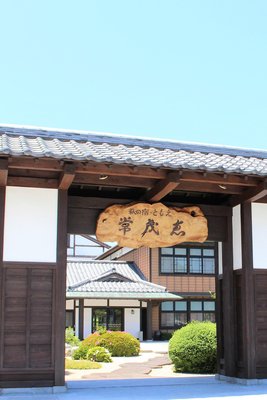
Hagi No Yado Tomoe
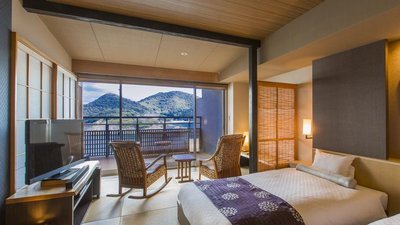
Migiwatei Ochi Kochi
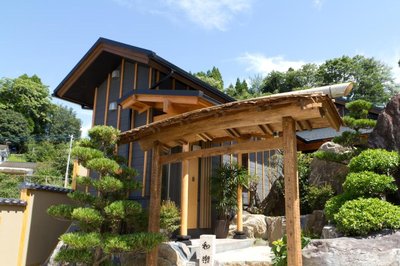
Ryokan Shinsen
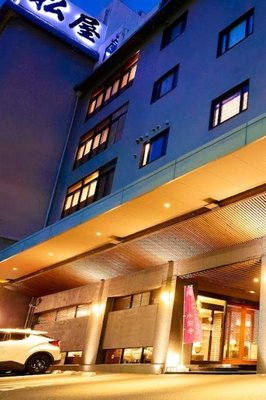
Ryotei Matsuya Honkan Suizenji
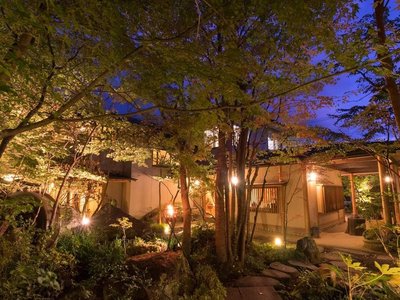
Ryoso Yufuin Yamadaya
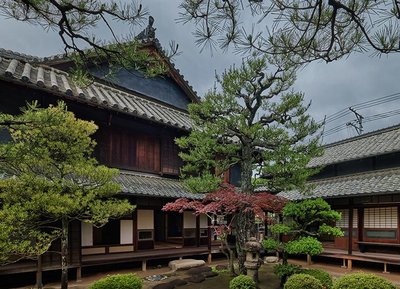
NIPPONIA HOTEL Takehara Saltworks Town
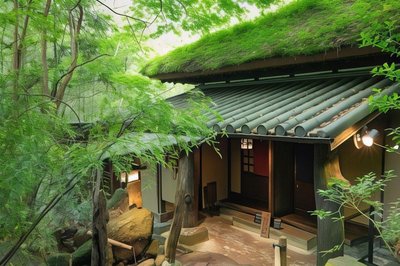
Sanso Tensui
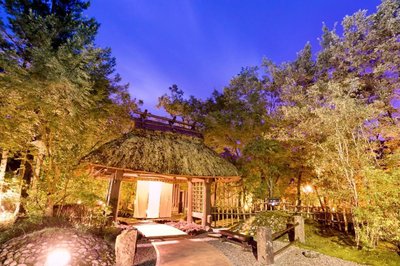
Satonoyu Waraku
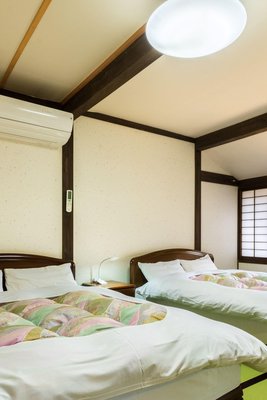
Tobise Onsen Tenga Sanso
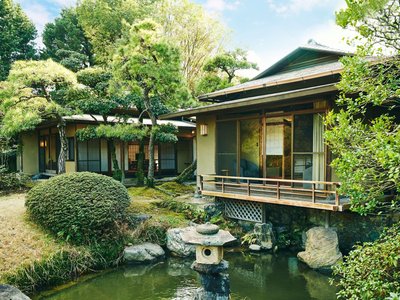
Suisui Garden Ryokan (in the Art Hotel Kokura New Tagawa)
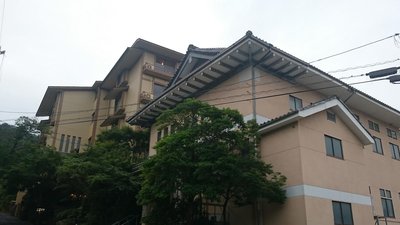
Miyajima Hotel Makoto
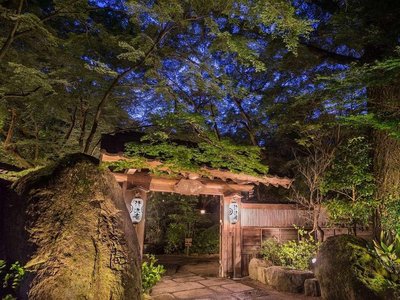
Akizuki Spa Ryokan Seiryuan
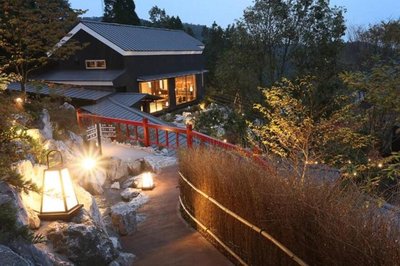
Gekkoju Kurokawa
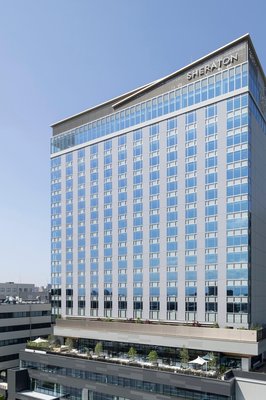
Sheraton Kagoshima
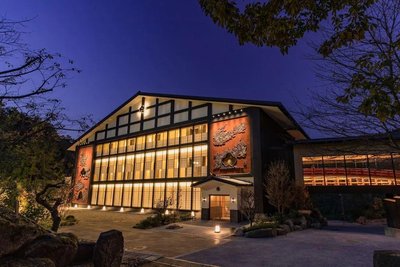
Okuhita Onsen Umehibiki

Nagasaki Marriott Hotel
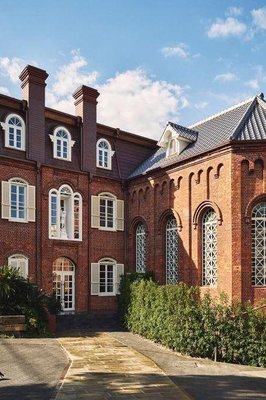
Hotel Indigo Nagasaki Glover Street by IHG

Stadium City Hotel Nagasaki
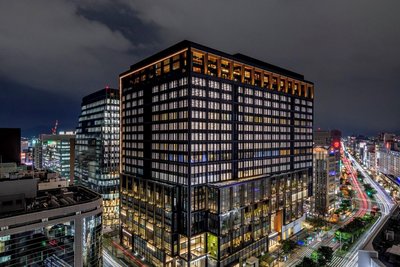
ONE FUKUOKA HOTEL
Ryokan Shinsen
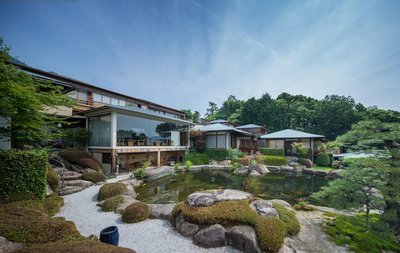
SEKITEI

Yamatoya Besso

Hilton Fukuoka Sea Hawk

Olive Bay Hotel
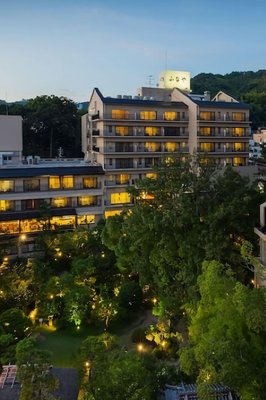
Funaya

Hotel Okura Jr Huis Ten Bosch

Bettei Oborozukiyo

La Vista Kirishima Hills
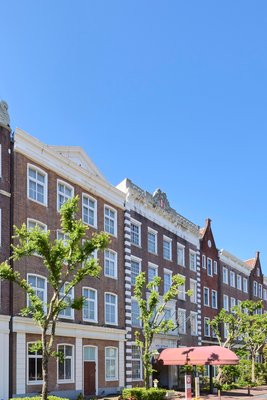
Hotel Amsterdam Huis Ten Bosch

Yumotoankiyohime
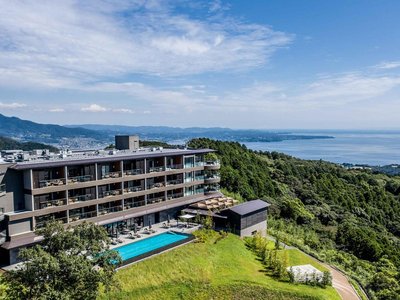
Ana InterContinental Beppu Resort & Spa

TheMana Village

Amane Resort Gahama

Hotel Barrière Fouquet's New York

The Plaza - A Fairmont Managed Hotel

The Ritz-Carlton New York, Central Park

Four Seasons Hotel New York

The St. Regis New York

Park Hyatt New York

Mandarin Oriental New York

Times Square Edition New York

Loews Regency New York Hotel

Lowell Hotel
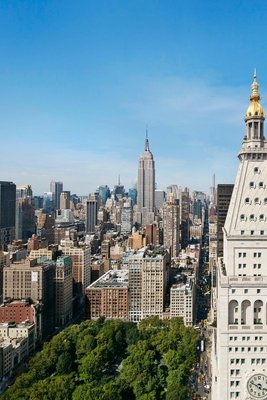
New York Edition

Baccarat Hotel New York

Equinox Hotel New York

Four Seasons Hotel New York Downtown

The Langham, New York, Fifth Avenue

The Carlyle, A Rosewood Hotel

The Chatwal, in the Unbound Collection by Hyatt

The Mark New York
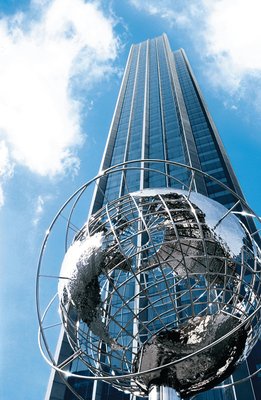
Trump International Hotel & Tower® New York
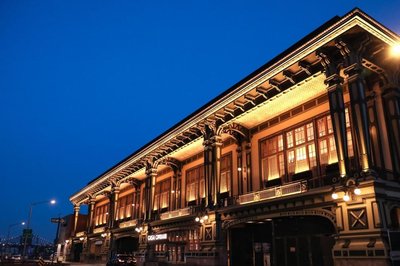
Casa Cipriani New York
Frequently Asked Questions about Traveling to Kikuyō
Questions You Might Need to Know About Traveling to Kikuyō
In Kikuyō-chō, the top family-friendly option is Kikuyō-chō Kodokan Inn, a beautifully restored traditional Japanese guesthouse that blends Kyushu heritage architecture with modern comfort. Located near Kikuyō-chō Park and the Kumamoto Castle Bus Stop, it offers easy access to nature and sightseeing.
The inn provides hands-on cultural experiences like handmade washi paper crafting and local sweet-making workshops, perfect for children. Another excellent choice is Kumamoto International Hotel, situated close to transportation hubs, featuring spacious rooms, free Wi-Fi, and an on-site hot spring bath. Its proximity to Mount Aso Nature Park and Yu no Yama Onsen Town makes it ideal for families exploring eastern Kumamoto Prefecture.
The best area for accommodation in Kikuyō-chō is the central district near Kikuyō Station and the Municipal Office, offering excellent connectivity and convenient amenities. This zone hosts a variety of local inns and mid-range hotels, including Kikuyō-chō Exchange Hall Hotel, which is just steps away from Kumamoto University Medical School Hospital and Kikuyō Central Library—ideal for long stays or medical tourism.
Additionally, the riverside area along the Kikuyō River provides a peaceful retreat with walking paths and scenic views, especially enchanting at dusk when soft lighting enhances the tranquil atmosphere. With a blend of urban convenience and natural serenity, this region is perfect for travelers seeking both accessibility and calm.
A must-do cultural experience in Kikuyō-chō is joining the "Kikuyō-chō Traditional Craft Workshops" held at the Kikuyō-chō Cultural Hall, where visitors can learn washi papermaking and ceramic painting from master artisans. These hands-on sessions result in unique souvenirs reflecting local craftsmanship.
Don’t miss the annual Kikuyō-chō Flower Festival in spring, featuring cherry blossoms, lantern displays, traditional taiko drumming, and a market selling black sugar mochi and Aso-style shochu. For history enthusiasts, the Kikuyō-chō Historical Archives offers interactive exhibits tracing the town’s evolution from Edo-era origins to modern times, making it a great educational stop for families and students.
The most photogenic spot in Kikuyō-chō is the Kikuyō River Sunset Trail, where golden sunlight reflects off the water surrounded by maple trees and wooden arch bridges—perfect for sunrise and sunset shots. The gentle glow creates a dreamy, cinematic effect.
Another standout is the Kikuyō-chō City Hall Plaza, featuring a futuristic glass-roofed structure contrasting with lush green lawns. At night, the illuminated design looks like a sci-fi cityscape. Nearby, Chikō no Mori (Knowledge Forest) boasts maze-like pathways and artistic sculptures, ideal for creative, artsy photography. These locations showcase the town’s seamless fusion of nature, tradition, and modern design.
While Kikuyō-chō isn’t a major hot spring destination, it’s just a 30-minute drive from Yu no Yama Onsen Town, home to Yūnozaka Onsen Ryokan, a century-old ryokan famed for its outdoor open-air baths overlooking Mount Aso. In winter, snow-capped peaks enhance the serene ambiance.
For on-site relaxation, Kikuyō-chō Exchange Hall Hotel features a small Japanese-style onsen bath using natural mineral springs, complemented by aromatherapy treatments. Some local inns also offer onsen day passes to nearby facilities. These options allow travelers to enjoy Kyushu’s renowned therapeutic hot springs without extensive travel.
Must-try local dishes in Kikuyō-chō include Kumamoto Black Pork Ramen, made with slow-cooked black pork belly and rich soy-based broth—available at Kikuyō Market Dining Hall, where meals are prepared fresh daily.
Another highlight is Aso-style sea bream sushi, featuring fresh fish caught locally, served over seasoned rice. Try it at Kikuyō Port House, a seaside eatery with ocean views. Don’t forget black sugar mochi, a popular souvenir sold at Kikuyō-chō Handmade Sweets Shop, known for its chewy texture and deep flavor—best enjoyed with a cup of local matcha tea. These flavors capture the essence of Kyushu’s culinary identity.
Transportation in Kikuyō-chō is highly convenient, primarily via the Kumamoto Electric Railway Kikuyō Line and Kumamoto Prefectural Buses. Kikuyō Station connects directly to Kumamoto City and Mount Aso, with frequent trains running every 20–30 minutes, ideal for short commutes and sightseeing.
Within the town, the Kikuyō-chō Bus System covers key areas like government offices, schools, hospitals, and shopping zones, with affordable fares and regular service. Additionally, shared electric bicycles are available at Kikuyō Station and Kikuyō Central Library, perfect for leisurely exploration of parks and river trails.
For self-drivers, National Route 115 runs through the town, linking to the Kumamoto Expressway, allowing quick access to Mount Aso, Tamana, and even Satsuminami—making it a strategic base for exploring eastern Kumamoto Prefecture.
Top kid-friendly attractions in Kikuyō-chō include the Kikuyō-chō Children’s Science Museum, featuring interactive labs, a mini planetarium, and a simulated earthquake experience—great for learning science through play.
Another favorite is Kikuyō River Kids’ Water Park, with shallow pools, slides, and sand pits, plus shaded picnic areas. Weekend events include animal talks by local veterinarians, teaching children about native birds and insects.
Also recommended is the Kikuyō-chō Farm Experience Park, where kids can plant vegetables, pick strawberries, and take home their harvest. These activities promote environmental awareness while providing fun, hands-on learning—perfect for young explorers.
Kikuyō-chō has a humid subtropical climate. Summers (July–August) are hot and humid, with temperatures often exceeding 30°C and occasional thunderstorms—pack sunscreen, lightweight clothing, and rain gear.
Winters (December–February) are mild to cool, averaging 5–10°C, with occasional snowfall. Spring (March–May) and autumn (September–November) are ideal for travel: pleasant weather, blooming cherry blossoms in spring, and vibrant fall foliage in November.
Due to the hilly terrain, morning fog can occur—check forecasts before early outings and carry a flashlight or reflective vest if hiking. Planning your trip around these seasons ensures maximum comfort and enjoyment.
Best shopping spots in Kikuyō-chō include Kikuyō Market Shopping Street, home to long-standing shops selling handmade wagashi sweets, black sugar preserves, and local ceramic ware at affordable prices.
Visit the Kikuyō-chō Exchange Hall Basement Market, which hosts monthly themed fairs featuring independent creators offering Kyushu-style embroidered bags, hand-painted ceramics, and locally roasted coffee beans.
For unique keepsakes, check the gift shop at the Kikuyō-chō Historical Archives, offering limited-edition Mount Aso models and custom guidebooks infused with regional motifs. These shops not only provide quality souvenirs but also support local artisans and preserve the town’s cultural identity.
Kikuyō Overview
City Summary
Kikuyo Town, located in the central part of Kumamoto Prefecture, Japan, is a tranquil rural town known for its high-quality agricultural products, especially tomatoes and strawberries. With easy access to Kumamoto City, it offers hot spring resources and natural scenery, making it an ideal escape from urban noise.
Must-See Attractions
Must-see attractions include Kikuyo Onsen for relaxing in natural hot springs; Aso Five Peaks offering stunning mountain views and hiking trails; and Kumamon Square, showcasing local culture. Visiting local farms for fresh fruit picking is also a highlight.
Food Guide
Food recommendations: Try Kikuyo tomatoes, famous for their sweetness; strawberry desserts are a local specialty; horse meat dishes (like basashi) are unique to Kumamoto. Don't miss grilled rice dumplings from street vendors.
Transportation Guide
Transportation guide: Take the JR Hohi Line from Kumamoto City to "Higo-Otsu Station," then transfer by bus or taxi to Kikuyo. Local transport relies on buses, and bike rentals are a great way to explore. Use Suica or ICOCA cards for convenient fare payments.
Best Time to Visit
Best time to visit is spring (March-May) and autumn (September-November) for pleasant weather. Avoid summer heat and rainy season (June-July). Winter is cold but ideal for hot springs.
Travel Tips
- Etiquette: Always wash before entering onsens.
- Safety: Monitor weather when hiking in mountains.
- Payment: Some shops accept cash only.
- Language: Learn basic Japanese phrases.
- Eco-friendly: Follow strict local waste sorting rules.
- Internet: Rent a pocket Wi-Fi or buy a local SIM.
Useful Information
Practical info: Japanese is the main language; English proficiency is low—download a translation app. For internet, buy a prepaid SIM or rent a pocket Wi-Fi in Kumamoto City. Cash is preferred, though some accept cards. Dial 110 (police) or 119 (ambulance) in emergencies. Medical facilities are concentrated in Kumamoto City—travel insurance is advised.









