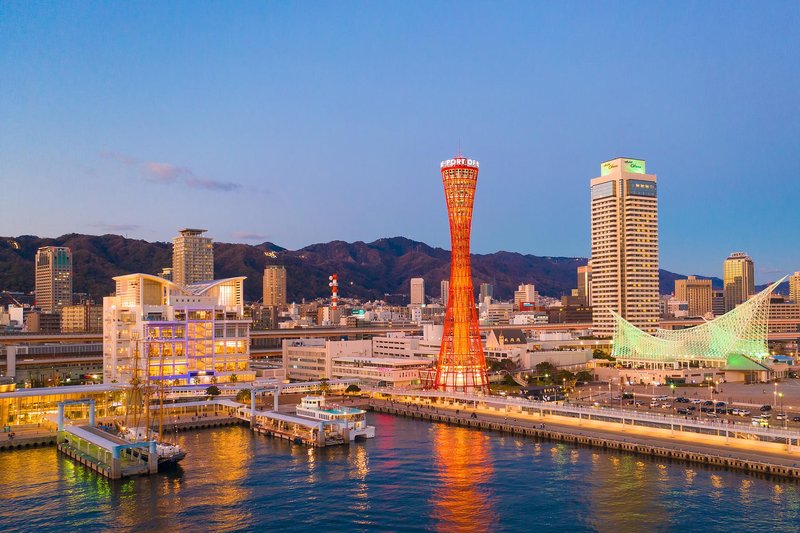
Hotels in Kimotsuki
Discover your perfect stay in Kimotsuki.
Kimotsuki(Japan) Travel 2026: Cheap Flights, Hotels & Top Attractions
Popular Landmarks in Kimotsuki
Discover the most iconic attractions in Kimotsuki
Recommended Hotels in Kimotsuki
Find the perfect place to stay in Kimotsuki
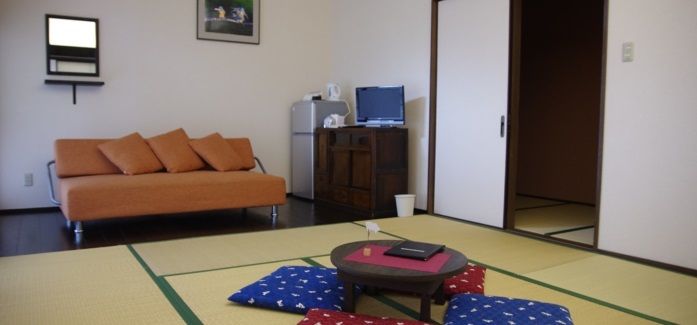
Hotel Shinkokyu
Best Hotels in Kimotsuki
Discover curated hotel collections in Kimotsuki
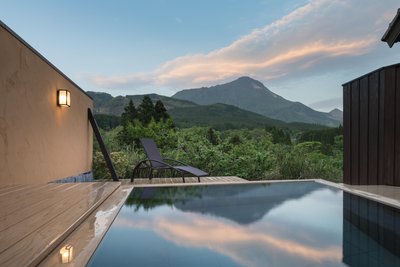
Ikkoten
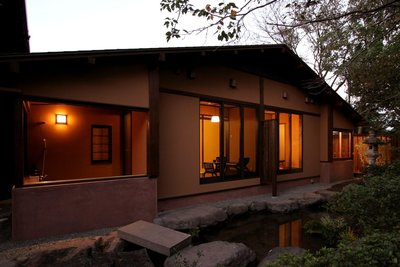
SEKIYA RESORT Bettei Haruki
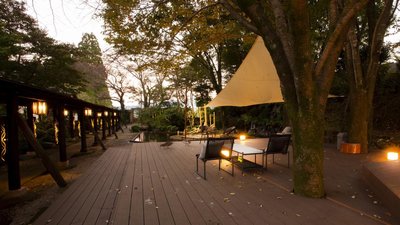
Chikurakutei
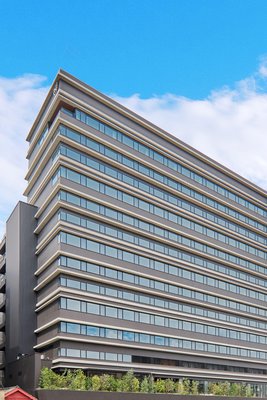
The Royal Park Canvas Fukuoka Nakasu
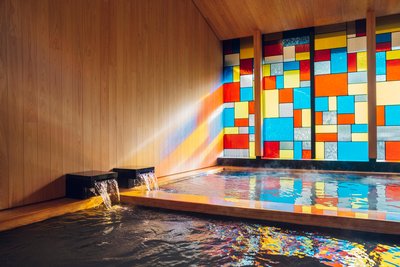
Hoshino Resorts Kai Unzen
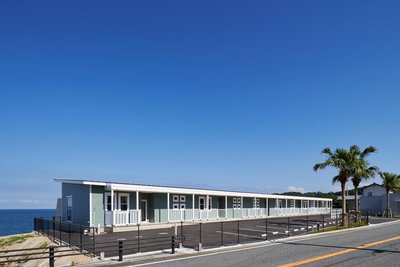
Alfacio Resort Stay Itoshima
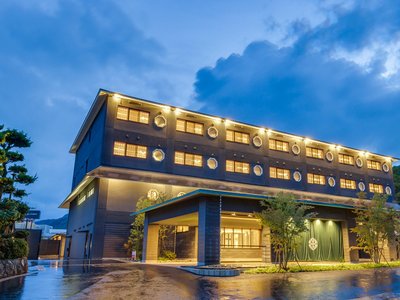
Ureshino Yadoya
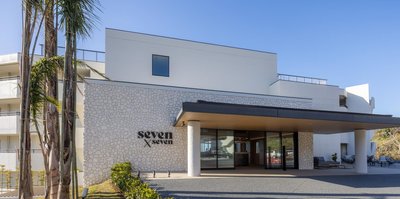
seven x seven itoshima
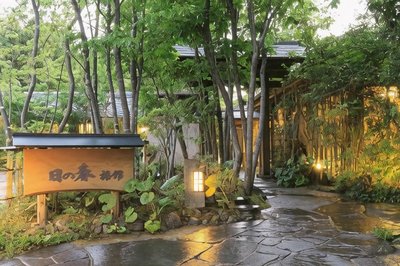
Yufuin Onsen Hinoharu Ryokan
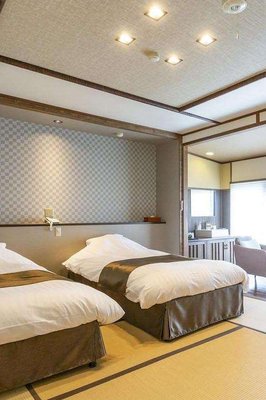
Sozankyo
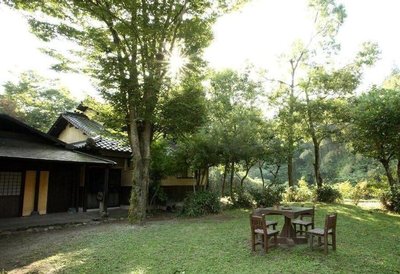
Yamashinobu
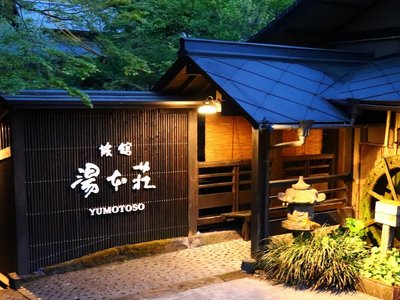
Ryokan Yumotosou
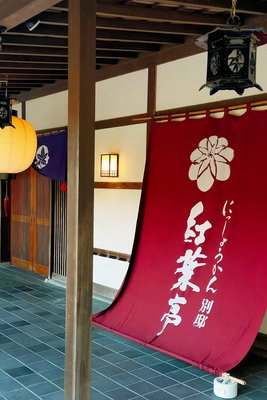
Nisshokan Bettei Koyotei
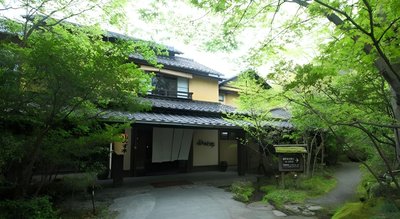
Kurokawaonsen Yamamizuki
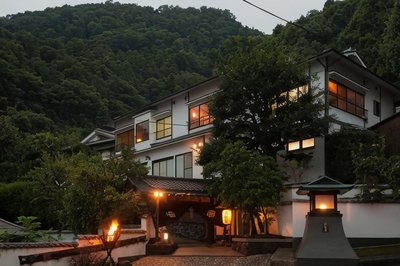
Beppu Showaen
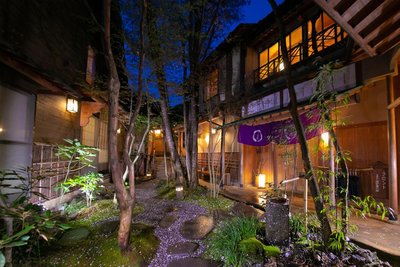
Oyado Ichizen
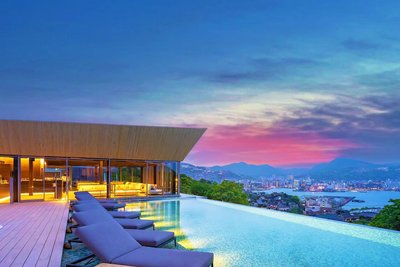
Garden Terrace Nagasaki Hotel & Resort
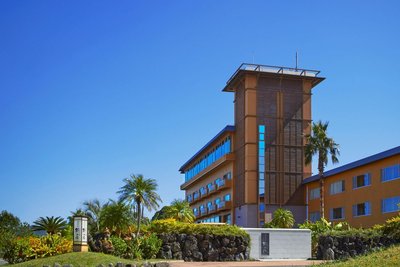
Koran No Yu Kinkouro
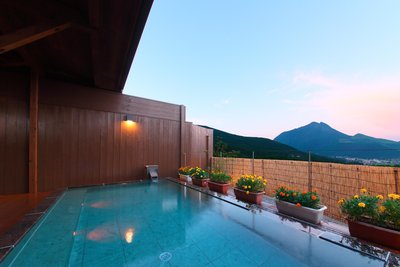
Asagirinomieru Yado Yufuin Hanayoshi
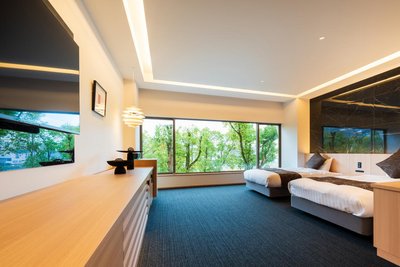
Bansyoukaku Shikishima
Garden Terrace Nagasaki Hotel & Resort
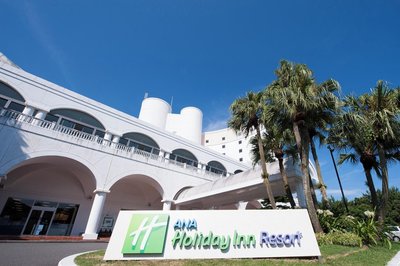
Holiday Inn Resort Miyazaki
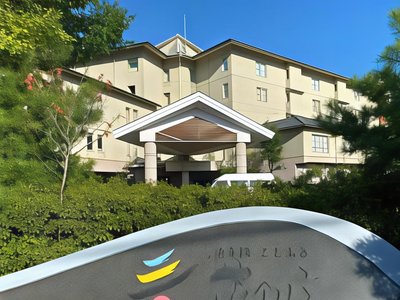
Yufuin Kotobuki Hananosho
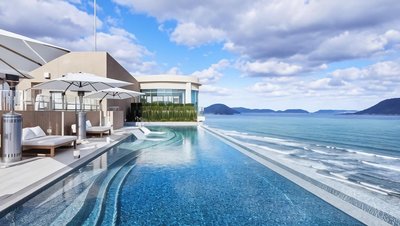
Karatsu Seaside Hotel
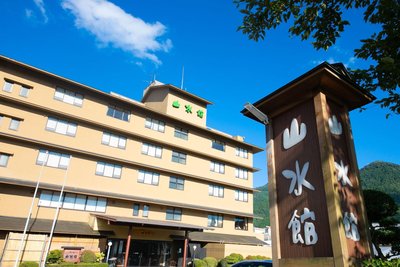
Yufuin Sansuikan
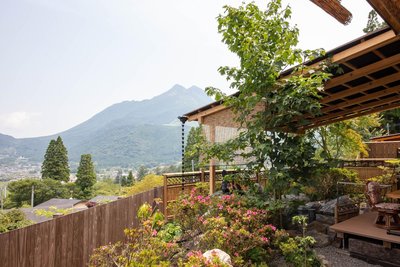
Yufuin-Sanso Waremokou
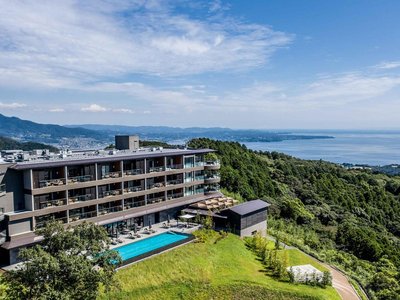
Ana InterContinental Beppu Resort & Spa
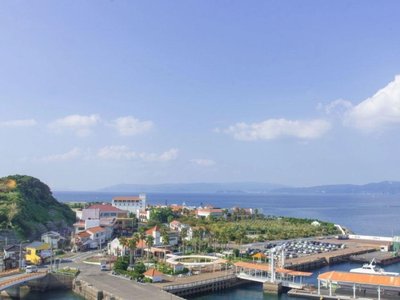
I+Land Nagasaki
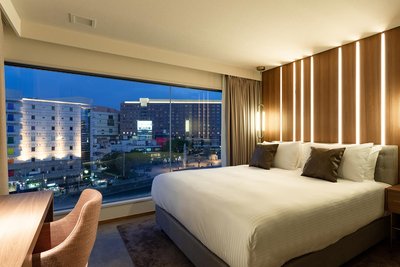
The OneFive Villa Fukuoka
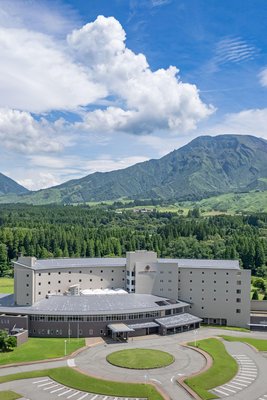
KAMENOI HOTEL ASO
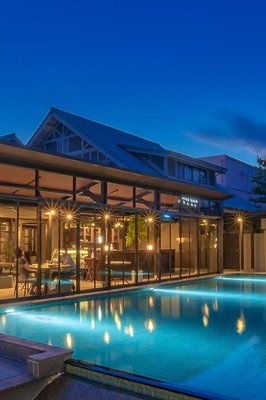
Amane Resort Gahama
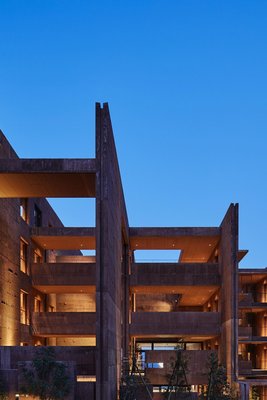
SEKIYA RESORT GALLERIA MIDOBARU
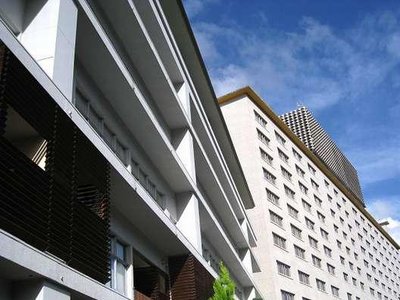
Beppu Suginoi Hotel

Phoenix Seagaia Ocean Tower
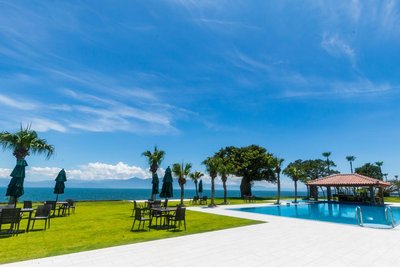
Kagoshima Sunamushi Onsen Ibusuki Hakusuikan
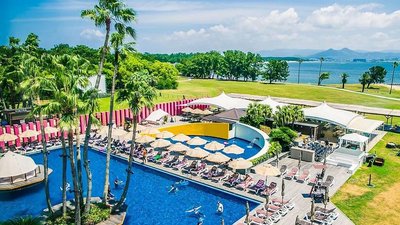
The Luigans Spa and Resort
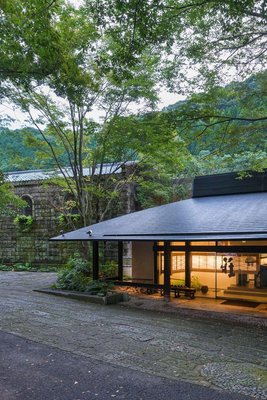
Myoken Ishiharaso

SHIROYAMA HOTEL kagoshima
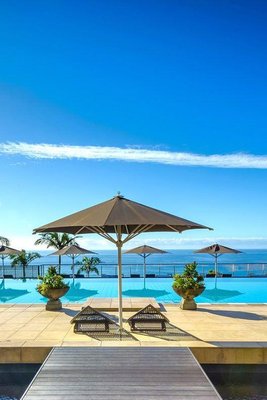
Sankara Hotel & Spa Yakushima
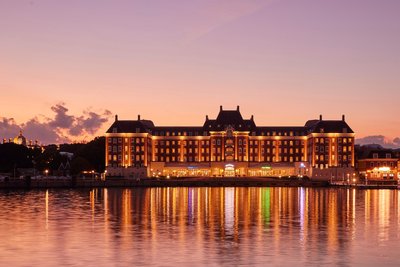
Hotel Denhaag Huis Ten Bosch
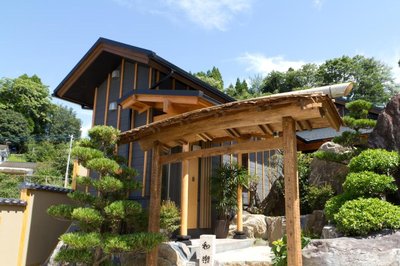
Ryokan Shinsen
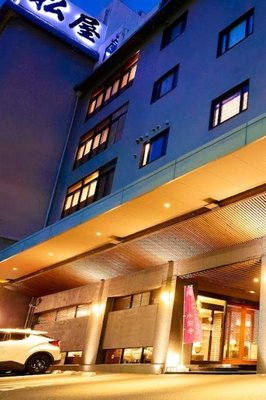
Ryotei Matsuya Honkan Suizenji
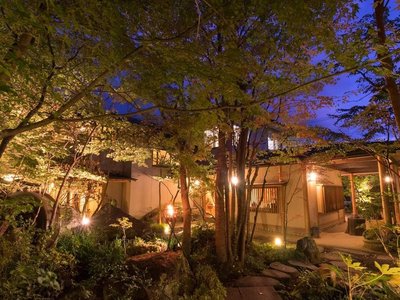
Ryoso Yufuin Yamadaya
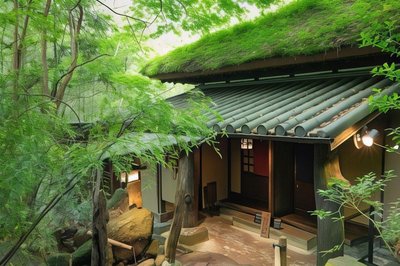
Sanso Tensui
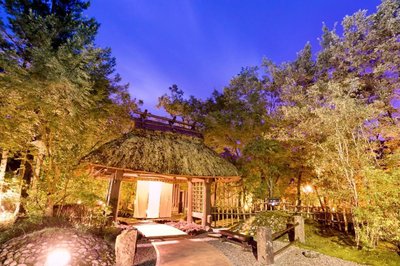
Satonoyu Waraku
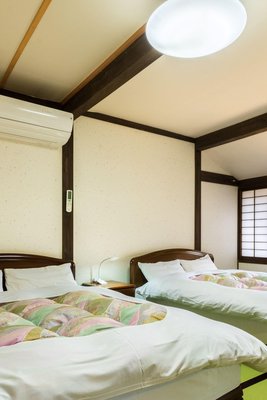
Tobise Onsen Tenga Sanso
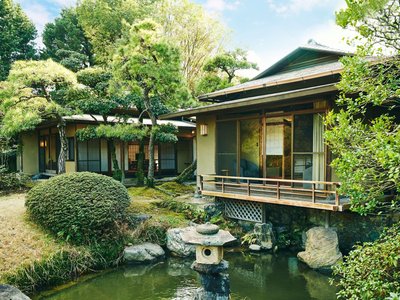
Suisui Garden Ryokan (in the Art Hotel Kokura New Tagawa)
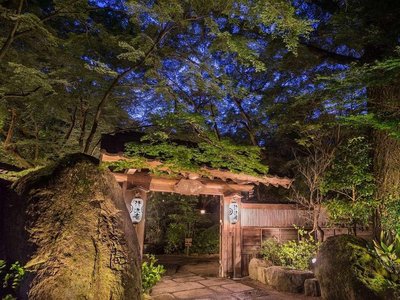
Akizuki Spa Ryokan Seiryuan
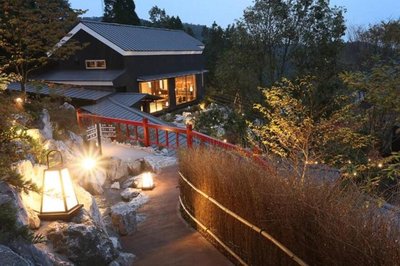
Gekkoju Kurokawa

Hotel Barrière Fouquet's New York

The Ritz-Carlton, Fukuoka
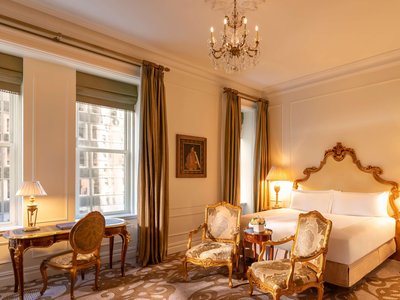
The Plaza - A Fairmont Managed Hotel
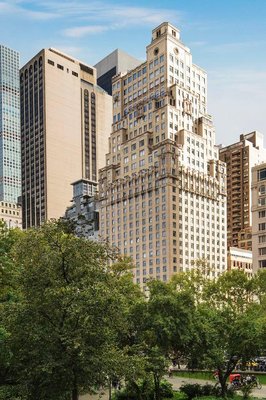
The Ritz-Carlton New York, Central Park
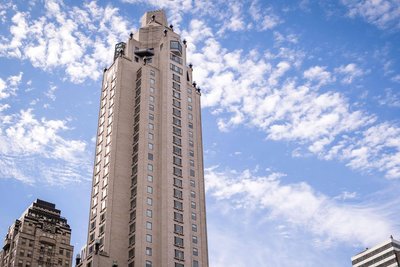
Four Seasons Hotel New York

The St. Regis New York

Park Hyatt New York
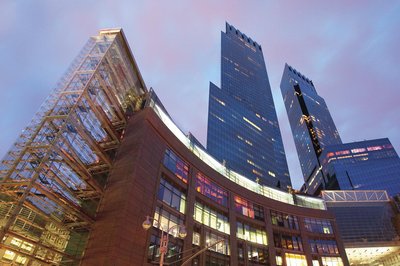
Mandarin Oriental New York
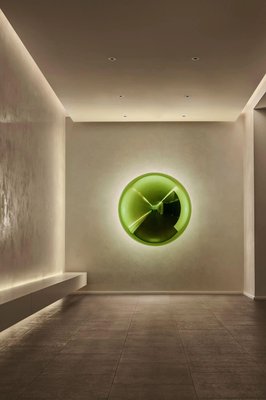
Times Square Edition New York

Loews Regency New York Hotel

Lowell Hotel
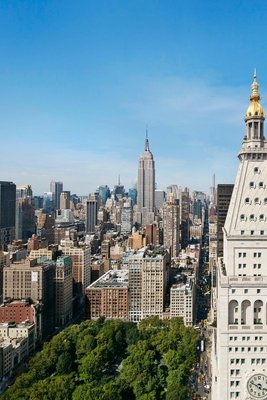
New York Edition
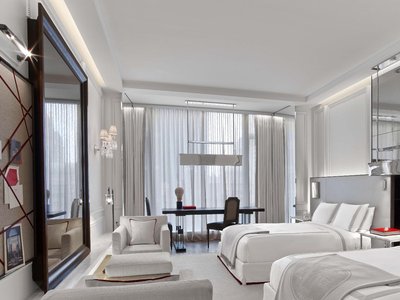
Baccarat Hotel New York

Equinox Hotel New York

Four Seasons Hotel New York Downtown
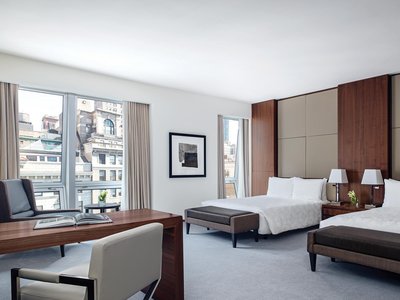
The Langham, New York, Fifth Avenue

The Carlyle, A Rosewood Hotel

The Chatwal, in the Unbound Collection by Hyatt

The Mark New York
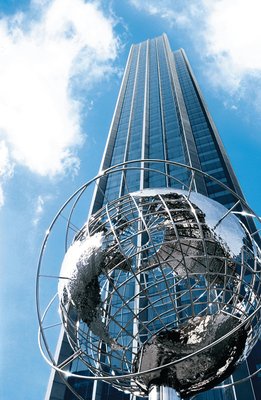
Trump International Hotel & Tower® New York
Frequently Asked Questions about Traveling to Kimotsuki
Questions You Might Need to Know About Traveling to Kimotsuki
In Kanpu Town, the most affordable yet charming option is Kanpu Town Guesthouse & Garden, a family-run inn nestled near the Kurokawa Fishing Port. This eco-friendly accommodation offers simple, clean rooms with tatami flooring and access to shared kitchens—ideal for travelers seeking authenticity. Its rooftop garden features native plants and sea views, perfect for sunrise watching. The host provides free bicycles for exploring nearby trails like the Ryūmon Mountain Path. Located just 10 minutes from the town center, it’s a great base for budget-conscious visitors who want to experience local life without sacrificing comfort. Plus, breakfast includes fresh sakura shrimp and homemade miso soup, reflecting regional flavors.
The best coastal walking areas in Kanpu Town are the Nishi-no-Jima Vista Point and the Kurokawa Sea Cliff Trail. The Vista Point offers panoramic views of Kagoshima Bay and the distant Sakurajima Volcano, especially stunning at sunset. The Sea Cliff Trail winds along rugged basalt cliffs, with hidden coves and sea caves accessible during low tide. Along the path, interpretive signs explain local geology and marine life. For added charm, stop by the Old Kurokawa Lighthouse, now a small museum showcasing maritime history. These routes are well-marked and suitable for all fitness levels, making them perfect for nature lovers and photographers alike seeking quiet, unspoiled beauty.
Tourists in Kanpu Town can engage in authentic cultural activities such as Samurai Drum Workshops, where they learn to play taiko drums using techniques passed down through generations. Another highlight is the Rice Field Immersion Program, hosted at the Ancient Rice Terraces, where visitors join locals in planting or harvesting rice using traditional wooden tools. Additionally, the Kurokawa Pottery Village offers hands-on sessions crafting ceramics from local clay, with each piece fired in wood-burning kilns. On weekends, the Night Lantern Festival lights up the harbor with paper lanterns, accompanied by storytelling about ancient seafaring legends. These experiences provide deep insight into Satsuma culture and foster meaningful connections with the community.
The optimal times to visit Kanpu Town for breathtaking natural scenery are spring (March–May) and autumn (September–November). In spring, the Sakura and azalea blooms paint the hillsides around Nishi-no-Jima in vibrant hues, while the Kurokawa Coast glows under soft morning light. Autumn brings dramatic foliage changes across the Ryūmon Mountain Forest, with golden maples and crimson ginkgos creating striking contrast against the deep blue sea. During this period, the Kanpu Town Rice Festival celebrates harvest traditions with folk dances and food stalls. Weather is mild, humidity low, and crowds manageable—perfect for hiking, photography, and enjoying the serene beauty of this hidden corner of southern Kyushu.
Visitors to Kanpu Town must try: Satsuma Grilled Mackerel (freshly grilled with local seaweed), Kurokawa Uni Rice Bowl (rich, sweet sea urchin over steamed rice), and Sulfur Hot Spring Chicken Soup—slow-cooked in natural thermal springs, yielding a delicate, aromatic broth. Head to Kurokawa Morning Market for the freshest catches and seasonal produce. Don’t miss Red Sweet Potato Dumplings made at local farm workshops—soft, warm, and naturally sweet. These dishes reflect the region’s abundant marine and volcanic resources. Pair them with a glass of Kagoshima Honjozo Sake for an authentic taste of Satsuma cuisine, deeply rooted in centuries-old traditions.
Yes, Kanpu Town is highly suitable for families. It offers safe, open spaces and child-friendly attractions like the Kanpu Nature Discovery Center, featuring interactive exhibits on local wildlife, a mini-forest trail, and animal petting zones. Families can enjoy family fishing tours at Kurokawa Harbor, where kids can catch fish using beginner-friendly rods and even help prepare their catch. At night, the Stargazing Lecture at the guesthouse introduces constellations with telescopes. Many accommodations offer cribs, high chairs, and kid-sized bathrobes. With minimal traffic, clean air, and gentle landscapes, it's ideal for parents seeking a peaceful, educational, and memorable getaway that nurtures curiosity and connection with nature.
Unique photo spots in Kanpu Town include the Nishi-no-Jima Vista Point, offering sweeping views of Kagoshima Bay and Sakurajima Volcano at golden hour; the Kurokawa Red Brick Pier, where weathered red bricks meet turquoise waves—a favorite for vintage-style shots. The Underground Cave of Shinkyū Valley, accessible only during low tide, features moss-covered walls and eerie natural lighting, perfect for moody, cinematic images. The Abandoned Elementary School Ruins showcase decaying Japanese architecture surrounded by century-old trees, ideal for urban exploration photography. Lastly, the Lantern Festival at Kurokawa Harbor creates magical, dreamlike scenes with hundreds of floating paper lanterns. Bring a tripod and polarizing filter to capture reflections and dynamic contrasts in these hidden gems.
To reach Kanpu Town from Kagoshima City, take the Ibusuki-Motobu Line train from Kagoshima-Chūō Station to Kanpu Station, a 40-minute ride with frequent departures. Alternatively, use the Kagoshima Prefectural Bus network, which connects major towns and stops near key attractions. For greater flexibility, rent an electric bicycle or compact SUV at the station—ideal for exploring coastal roads like the Satsuma Peninsula Loop. If flying in, Kagoshima Airport is about 60 km away, with shuttle services available via pre-booked transfer. Local guides often assist with HopeGoo transport, and some guesthouses offer complimentary pickup. Always check schedules in advance, especially on weekends, to ensure smooth travel.
Hidden gems in Kanpu Town include the Shinkyū Valley Caves, a network of sea-carved tunnels accessible only at low tide, with glowing moss and echoing waves. The Abandoned Kurokawa Elementary School ruins, now overgrown with ivy and home to local birds, offer a hauntingly beautiful backdrop for photography. The Seaside Stone Statues, mysterious rock formations shaped by ocean erosion, resemble ancient deities and are said to be guardians of the sea. For a true insider experience, join a private tea ceremony at a family-owned tea garden—only available through curated local tours. These lesser-known sites provide authentic, uncrowded encounters with nature and history, perfect for travelers seeking depth beyond tourist maps.
Yes, Kanpu Town boasts excellent sulfur-rich hot springs sourced from underground volcanic activity. The Kanpu Onsen Street features several private ryokans and public bathhouses, including Kanpu Spa House, known for its open-air baths overlooking the sea. The mineral-rich water helps soothe skin conditions and joint pain, making it ideal for wellness seekers. Some lodges offer thermal meditation sessions combining aromatherapy and sound healing. Bathing hours typically run from 9 AM to 10 PM, with early bookings recommended during peak season. Visitors should bring swimsuits and towels, and those with sensitive skin are advised to do a patch test first. The tranquil setting, combined with natural geothermal power, delivers a truly restorative experience.
Kimotsuki Overview
City Summary
Kimosato Town, located in the southeastern part of Kagoshima Prefecture, Japan, is a charming small town known for its stunning volcanic landscapes and abundant hot spring resources. It is also a preserve of traditional Japanese culture, offering visitors a taste of tranquil rural life and unique local festivals, such as the annual Kimosato Town Summer Festival.
Must-See Attractions
Must-see attractions in Kimosato Town include Kirishima-Kinkowan National Park, which features spectacular volcanic terrain and rich flora and fauna. Kimosato Castle Ruins is a must-visit for history enthusiasts, showcasing remnants from the Warring States period. Additionally, hot spring areas like Yunohira Onsen provide perfect spots for relaxation.
Food Guide
Kimosato Town's cuisine is famous for its local chicken dishes and fresh seafood. Don't miss the "Kimosato Chicken Hot Pot," made with locally raised chicken and a flavorful broth. Street snacks like "Satsuma Fried Fish Cake" and "Sweet Potato Tempura" are also worth trying.
Transportation Guide
Public transportation in Kimosato Town mainly relies on buses, which connect major attractions and nearby cities. Renting a car offers more flexibility, but note that mountain roads can be narrow. The bus ride from Kagoshima City takes about 2 hours. Check bus schedules in advance as services are infrequent.
Best Time to Visit
The best times to visit are spring (March-May) and autumn (September-November), when the weather is mild and ideal for outdoor activities. Summers can be hot but offer local festivals, while winters are colder with some attractions possibly closed.
Travel Tips
- Respect local customs: Follow shrine etiquette, such as washing hands and rinsing the mouth before entering.
- Cash is king: Small shops may not accept credit cards, so carry sufficient cash.
- Onsen etiquette: Wash your body before entering the bath, and swimsuits are prohibited.
- Transport reservations: Book long-distance buses in advance, especially during peak seasons.
- Waste disposal: Japan has strict recycling rules; follow local guidelines.
- Language barrier: English is not widely spoken in rural areas; consider using a translation app.
Useful Information
Language: Japanese is the main language; English is limited, so learning basic phrases is helpful. Internet: Signal can be weak in some areas; consider renting a portable Wi-Fi device. Payment: Cash is preferred, though some larger stores or hotels may accept credit cards. Emergency care: Kimosato Town clinics offer basic medical services; serious cases may require transfer to Kagoshima City hospitals. Emergency numbers: Police: 110, Ambulance: 119.