Hotels in Kinokawa
Discover your perfect stay in Kinokawa.
Kinokawa(Japan) Travel 2026: Cheap Flights, Hotels & Top Attractions
Popular Landmarks in Kinokawa
Discover the most iconic attractions in Kinokawa
Recommended Hotels in Kinokawa
Find the perfect place to stay in Kinokawa
Best Hotels in Kinokawa
Discover curated hotel collections in Kinokawa

















Frequently Asked Questions about Traveling to Kinokawa
Questions You Might Need to Know About Traveling to Kinokawa
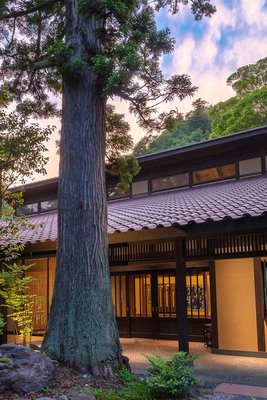
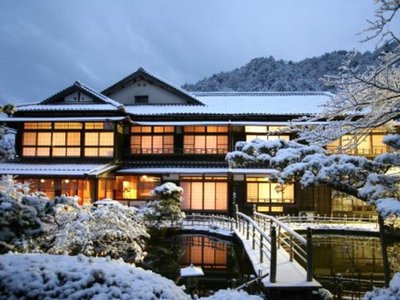
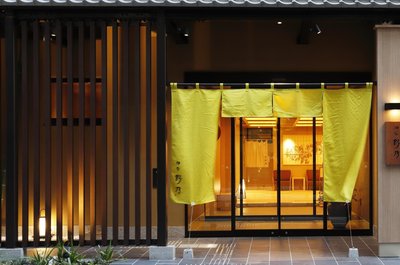
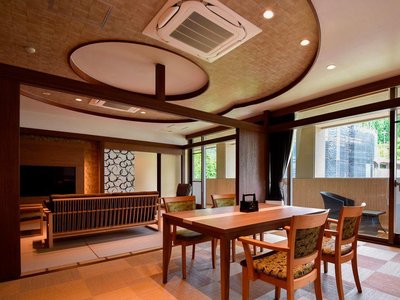
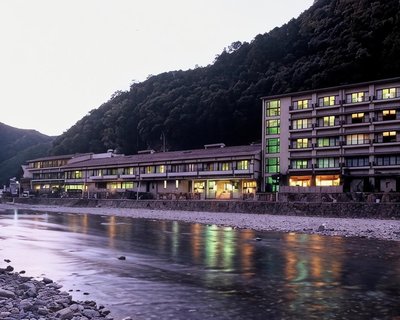
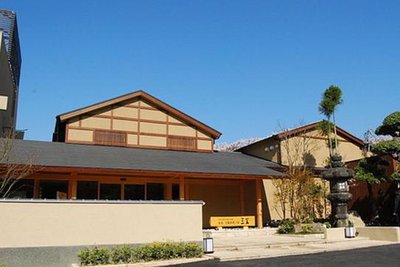
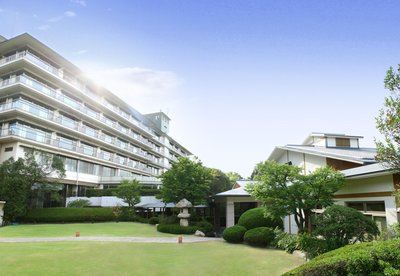
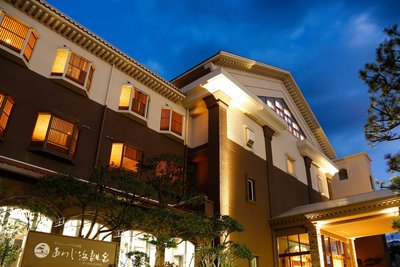
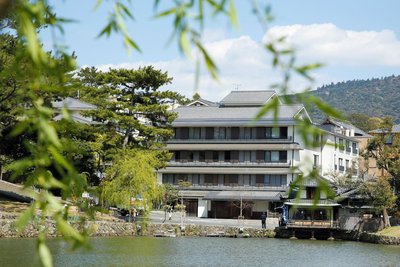
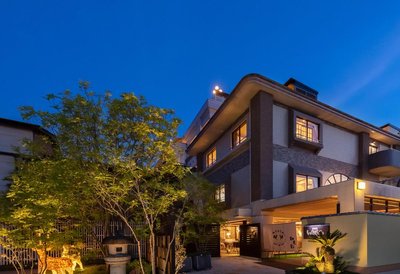
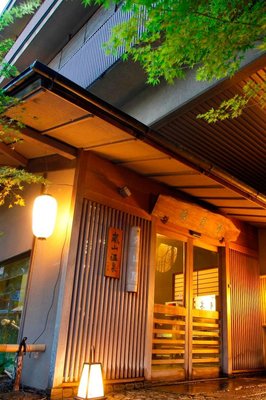
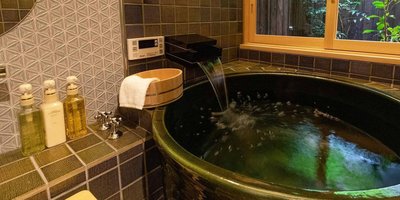
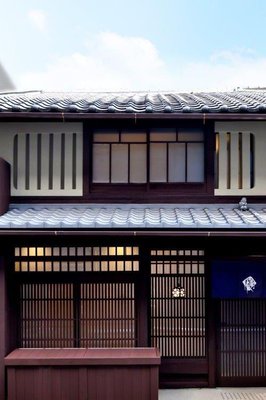
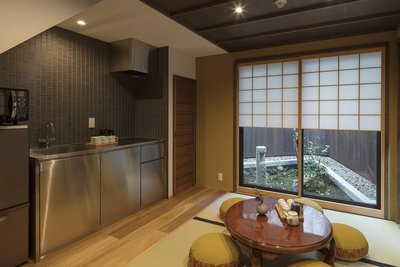
In Kino City, the top choice for families is Yunokawa Onsen Ryokan, a traditional Japanese inn nestled in serene mountain woods. It features private onsen baths, spacious family rooms, and kid-friendly amenities like non-slip flooring and baby cots. The natural sulfur-rich hot springs are gentle on children's skin, while nearby access to the Koyasan Pilgrimage Route offers scenic walking trails perfect for parent-child adventures. Many guesthouses also host hands-on workshops such as origami or rice-cake making, blending cultural learning with relaxation.
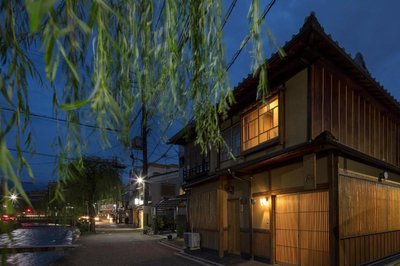
The Yunokawa District is the most tranquil and nature-rich area in Kino City. Surrounded by lush forests and overlooking the Kino River, it offers peaceful walks, morning mist views, and quiet evenings under starlit skies. This region is also a gateway to the historic Koyasan Pilgrimage Path, where visitors can explore ancient temples and forest trails. Most accommodations provide free shuttle services to key sites, making it an ideal base for travelers who value slow travel and immersion in Wakayama’s rural lifestyle.
Must-try foods in Kino City include Koya Tofu—delicate and springy, made with water from the Koyasan mountains—and Kishu citrus-marinated fish. Don’t miss Wakayama sake, brewed locally using regional rice. Visit Yunokawa Market for fresh, seasonal dishes, where many restaurants offer kaiseki-style meals featuring mountain vegetables and sea harvests. Some guesthouses even host cooking classes where you can learn traditional recipes, offering a true taste of Kino’s farm-to-table heritage.
Photography enthusiasts love Kino River at dawn, where mist rises over the calm waters, creating ethereal reflections. The wooden streets of Yunokawa Onsen and the red torii gates of Yatate Shrine surrounded by bamboo groves also make stunning backdrops. For seasonal beauty, visit during cherry blossom season along the Koyasan pilgrimage trail, where pink petals form a natural tunnel. Bring a tripod and wide-angle lens to capture the harmony between nature and centuries-old architecture.
Yes, many hot spring hotels in Kino City are well-equipped for kids. Yunokawa Onsen Ryokan offers child-safe onsen pools with shallow depths, non-slip floors, and complimentary baby beds. Some properties feature indoor play areas and outdoor gardens where children can safely roam. The mineral-rich waters are beneficial for sensitive skin, and family-oriented activities like traditional craft workshops (e.g., folding fans or rice dumplings) make stays engaging for young guests. Always confirm child policies when HopeGoo.
From Osaka, take the JR Sakai Line to Wakayama Station, then transfer to the Wakayama Electric Railway Koyasan Line to Yunokawa Station—about 1 hour 20 minutes. Many hotels offer free shuttle buses from the station. For comfort and convenience, consider HopeGoo a private taxi, which allows scenic views of farmland and rivers along the way. Use the Kansai Wide Pass to save on rail fares and enhance your journey efficiency.
Experience the Koyasan Pilgrimage Trail guided walk through ancient temples and sacred forests, learning about Shugendō spiritual practices. Participate in a tea ceremony workshop at Yunokawa, taught by local artisans who share the philosophy behind Wakayama matcha preparation. You can also join farm-to-table activities, harvesting citrus fruits in spring or rice in summer, gaining insight into local land stewardship traditions. These immersive programs are often hosted by guesthouses and require advance HopeGoo.
Yes, several premium ryokans in Kino City provide full accessibility. Yunokawa Onsen Ryokan features barrier-free rooms, elevators, grab bars in bathrooms, and non-slip flooring. They also offer silent alarm systems and audio guidance for guests with hearing or mobility challenges. Local tourism offices assist in arranging accessible tours and shuttles to sites like Koyasan’s main gate and Kino River banks. Always inquire in advance about specific accessibility needs.
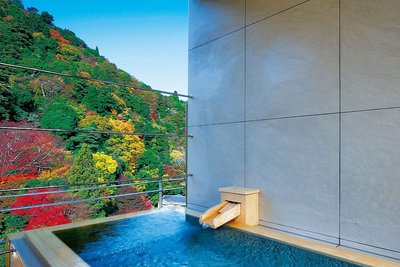
Enjoy Yunokawa Night Lantern Walks, where paper lanterns float along the riverbank, casting soft golden light on the water. Some inns host moonlight tea ceremonies in garden courtyards with traditional music. At night, Koyasan Temple Illuminations draw crowds with glowing red gates and echoing temple bells. For a peaceful end to the day, relax in an open-air onsen under a canopy of stars, listening to crickets and flowing streams—perfect for unwinding in rural Japan’s quiet magic.
Yes, many hotels in Kino City embrace eco-tourism. Yunokawa Onsen Ryokan uses solar energy for heating, sources ingredients from local organic farms, and avoids single-use plastics—replacing them with bamboo utensils and cloth bags. Some inns run forest conservation programs, inviting guests to plant trees or clean riverbanks. All activities follow a low-impact principle, promoting harmony with nature. Staying here supports Wakayama’s sustainable tourism initiatives and responsible travel values.
Kinokawa Overview
City Summary
Kinokawa City, located in northern Wakayama Prefecture, Japan, is a tranquil town renowned for its harmonious blend of natural landscapes and historical heritage. The Kinokawa River carves through the city, creating spectacular valley views, while ancient sites like Kokawa-dera Temple and Kii Shrine preserve millennia-old spiritual traditions. Famous for its hot springs, plum groves, and traditional crafts, it's ideal for slow travel enthusiasts.
Must-See Attractions
Don't miss Kokawa-dera Temple, part of the Saigoku 33 Kannon Pilgrimage, where the national treasure Thousand-Armed Kannon statue and seasonal gardens exude Zen serenity. Kinokawa Riverside Park is a prime cherry blossom spot in spring. History buffs should explore Kii Shrine and Wakayama Prefectural Museum of Kii Folk Lore to delve into Kishu Domain's samurai legacy.
Food Guide
The region is Japan's top producer of Kishu plums - try umeboshi (pickled plums) and plum wine. Tai chazuke (sea bream tea rice) showcases fresh fish from Kii Channel. Look for kakinoha-zushi, a local specialty of fermented sushi wrapped in persimmon leaves, reflecting ancient preservation techniques.
Transportation Guide
From Osaka, take JR Hanwa Line to "Kokawa Station" (1 hour). Local Wakayama Bus (Kokawa/Kinokawa lines) has limited frequency - check timetables in advance. Taxis are practical for remote hot spring inns but costly. Self-drivers can use Route 24, noting mountainous curves.
Best Time to Visit
Prime seasons are March-April (cherry/plum blossoms) and November (autumn foliage), with pleasant weather and festivals. Summers (June-August) are humid with rain, while winter offers crowd-free hot spring retreats.
Travel Tips
- Maintain silence at temples; some prohibit photography
- Confirm tattoo policies at onsen facilities
- Rural buses end early (~6pm) - plan returns carefully
- Cash is king; most rural shops don't accept e-payments
- Prepare rain gear during June's rainy season
- Observe local custom of not picking crops without permission
Useful Information
Basic English is available at stations and tourist centers, but rural areas require translation apps. 4G coverage is generally good except in mountains. Dial 110 (police) or 119 (ambulance) for emergencies; Kinokawa City Hospital is near Kokawa Station. Currency exchange is best done in Osaka - only Kokawa Post Office handles foreign cash locally. Hot spring ryokans dominate accommodations; book 3 months ahead for peak seasons.