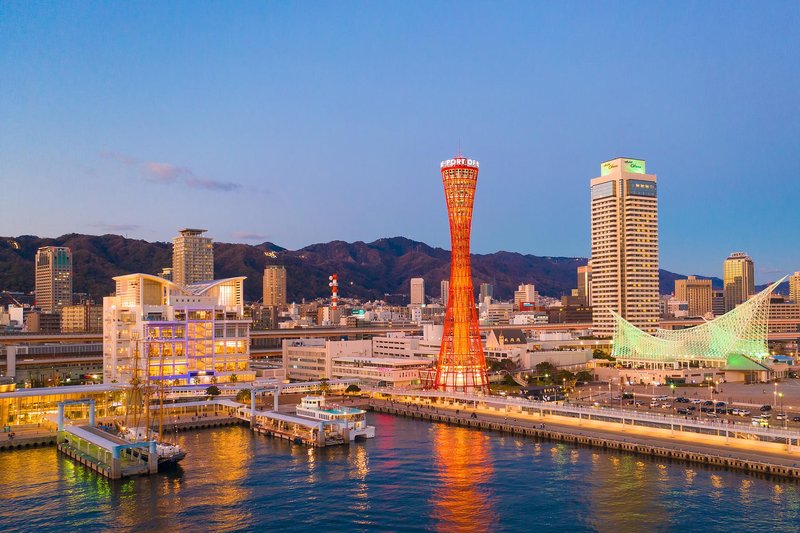
Hotels in Kirishima
Discover your perfect stay in Kirishima.
Kirishima(Japan) Travel 2026: Cheap Flights, Hotels & Top Attractions
Popular Landmarks in Kirishima
Discover the most iconic attractions in Kirishima
Recommended Hotels in Kirishima
Find the perfect place to stay in Kirishima
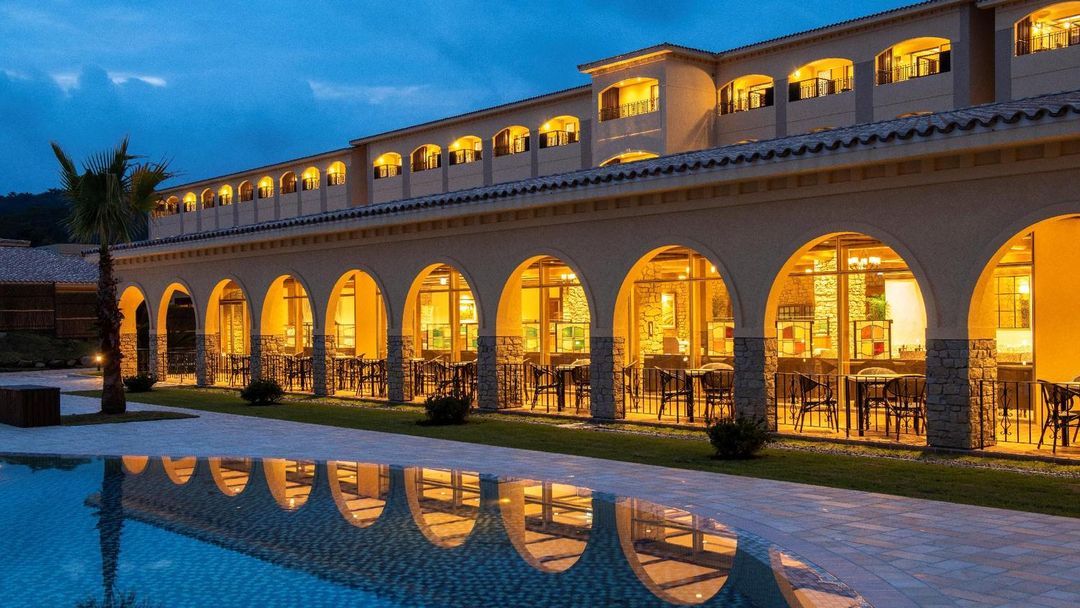
La Vista Kirishima Hills
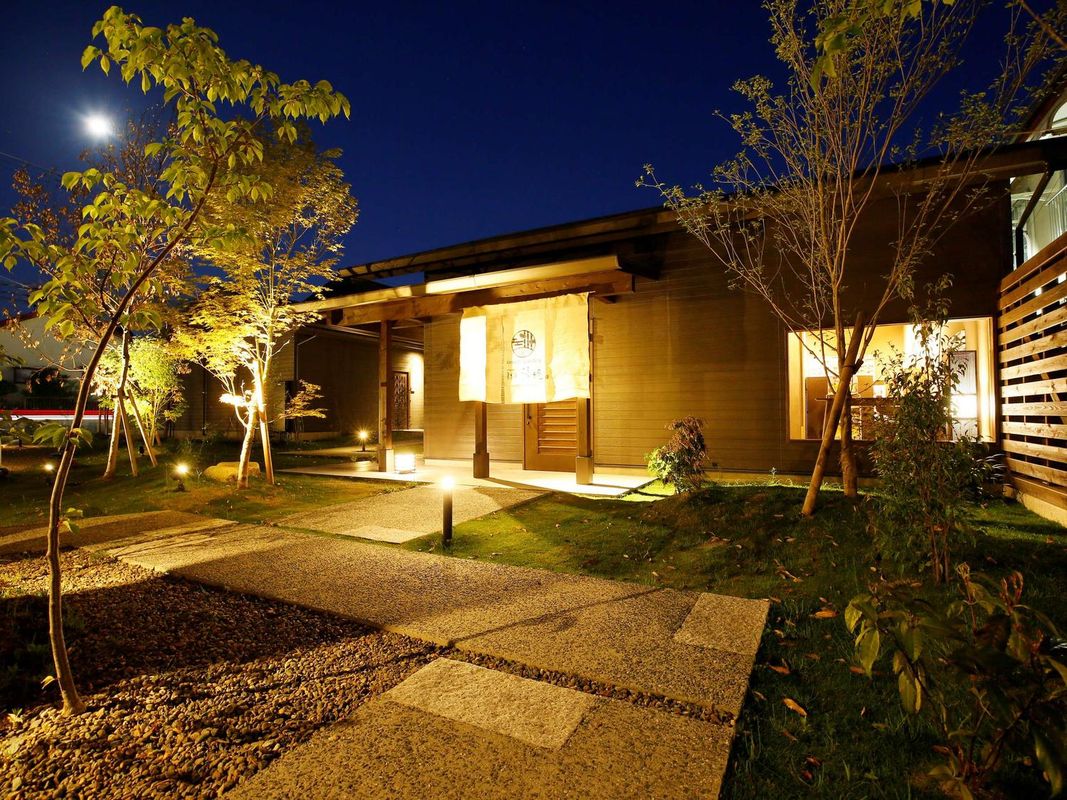
Yumotoankiyohime
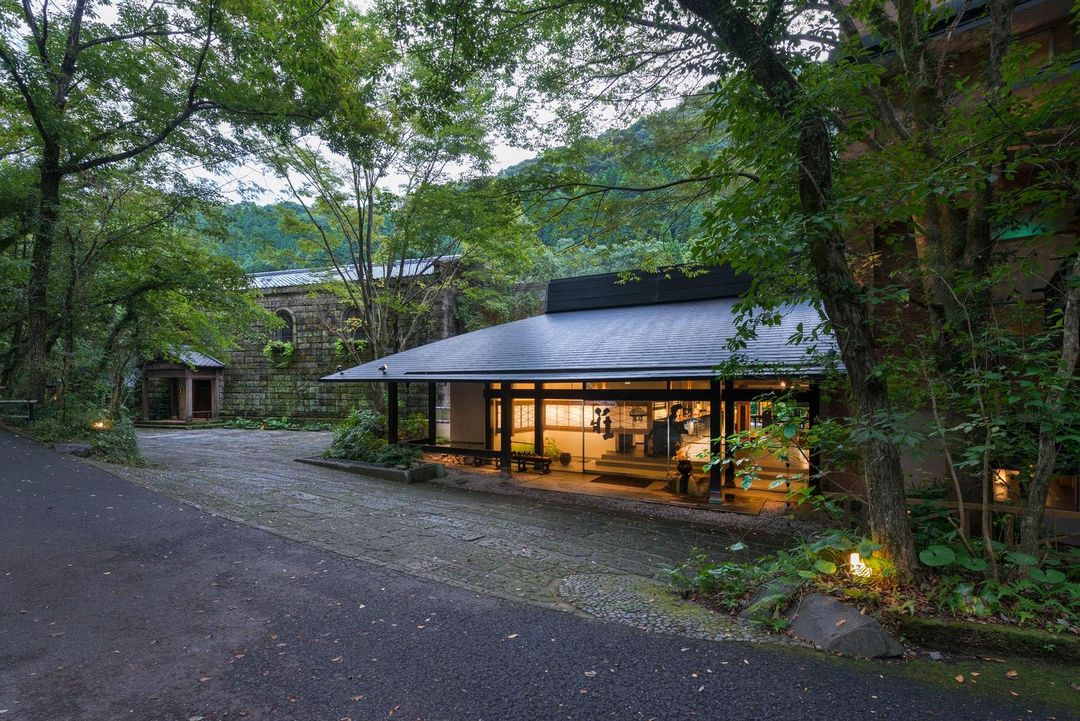
Myoken Ishiharaso
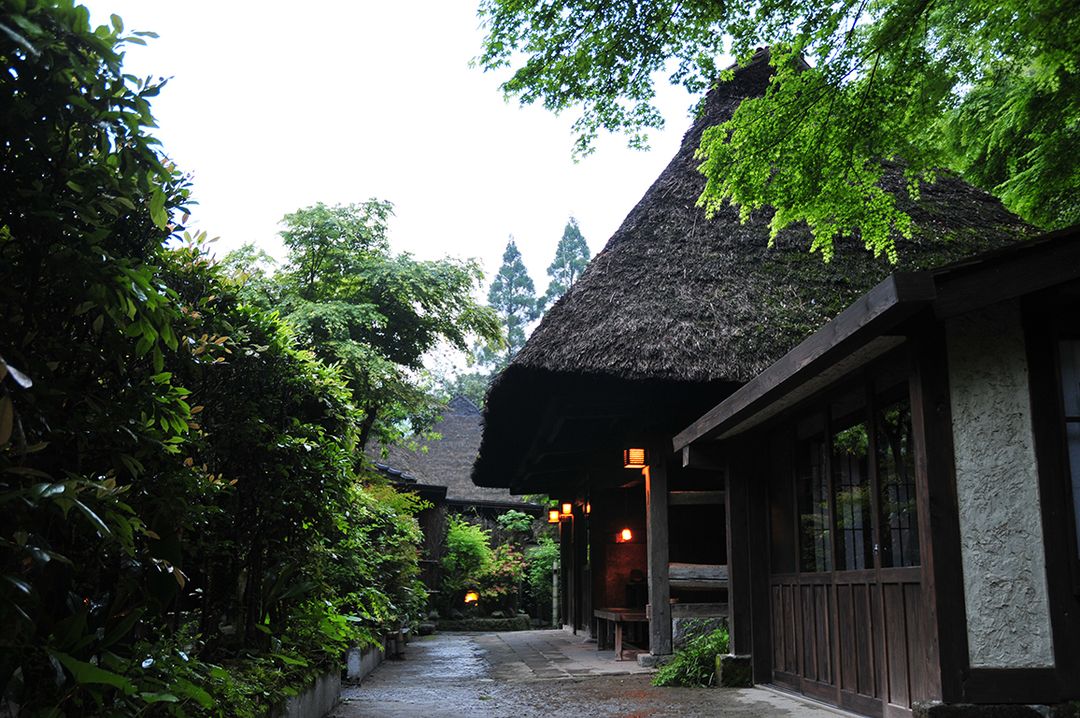
Wasurenosato Gajoen
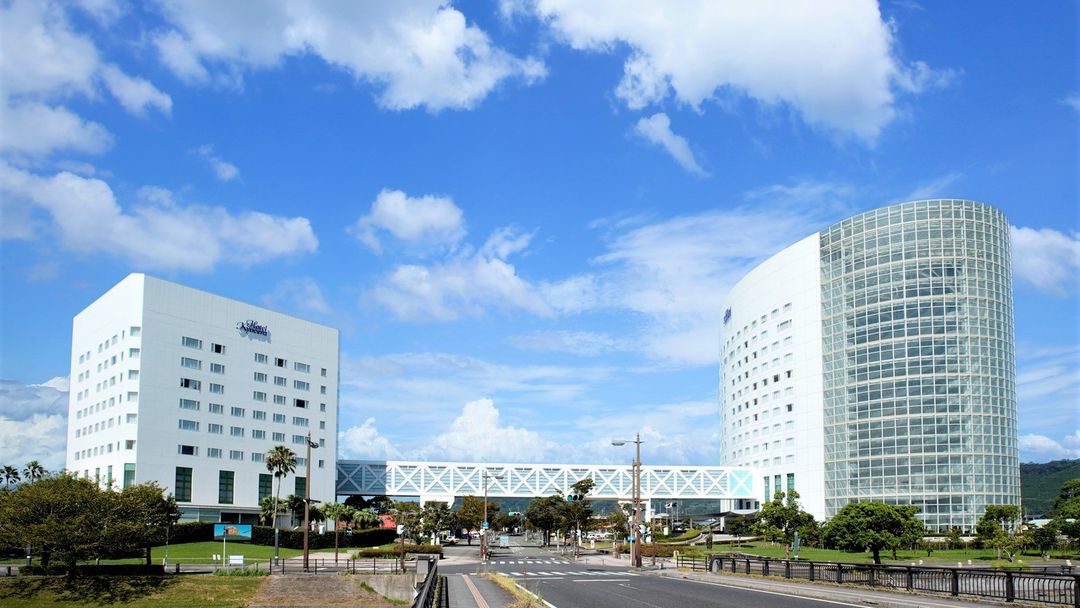
Hotel Kyocera
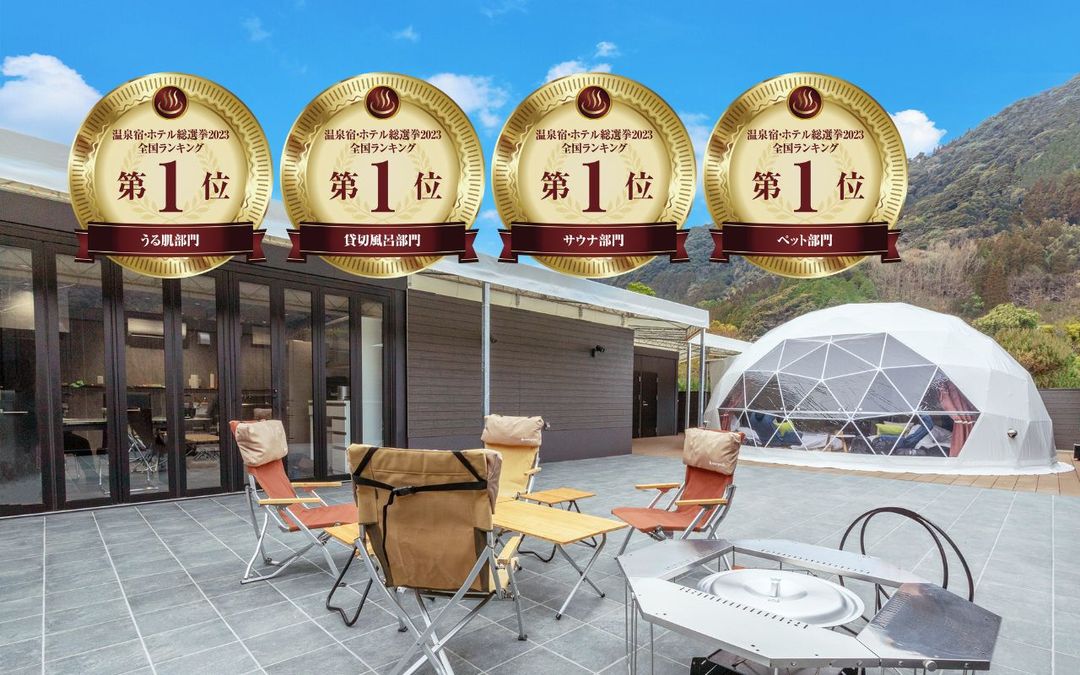
Bihadanoyu Koshikano Onsen
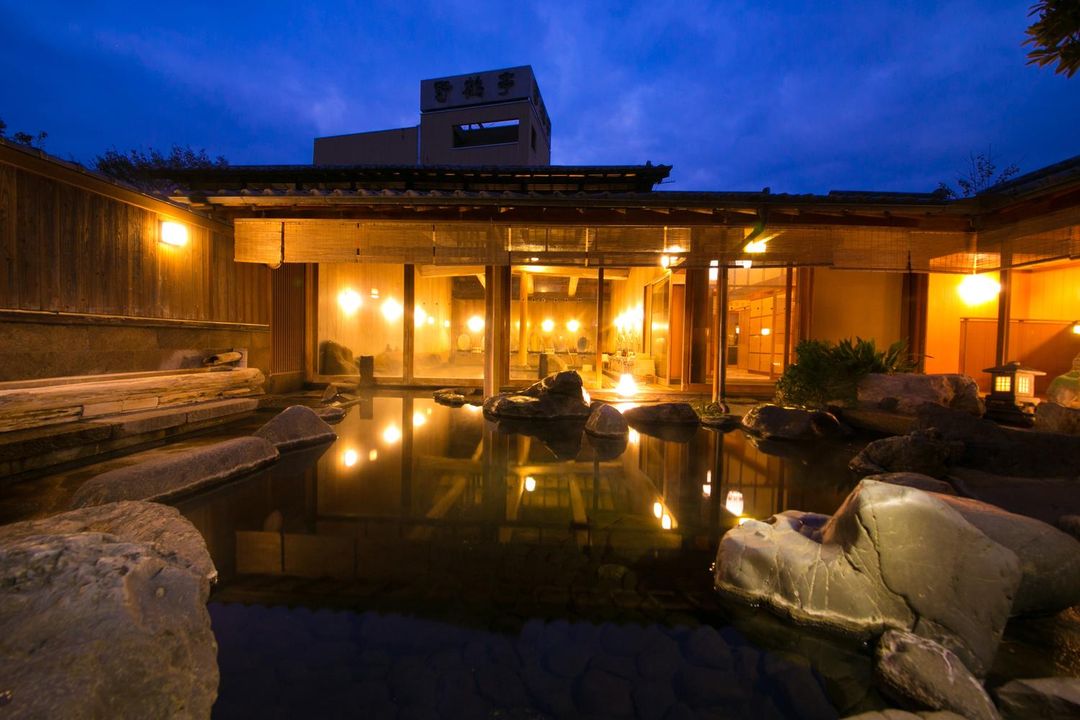
Yakakutei
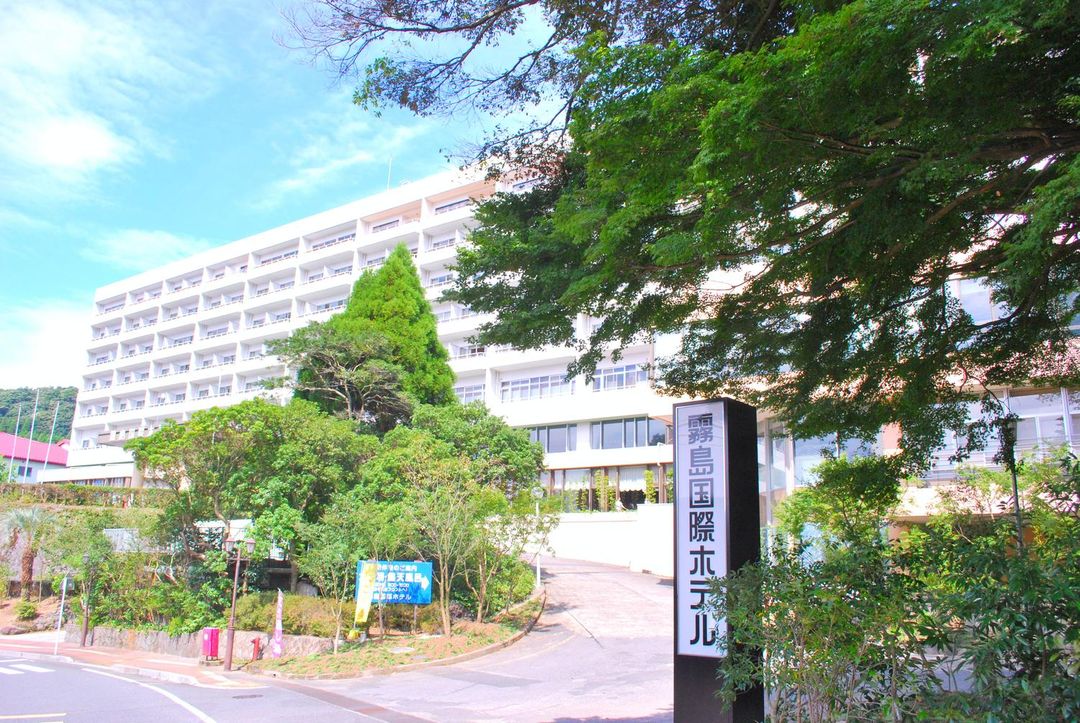
Kirishima Kokusai Hotel

THE PULSE KIRISHIMA
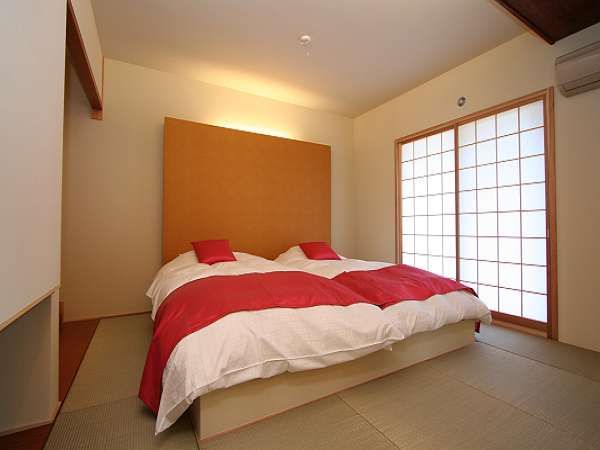
Yukyu No Yado Isshin
Best Hotels in Kirishima
Discover curated hotel collections in Kirishima
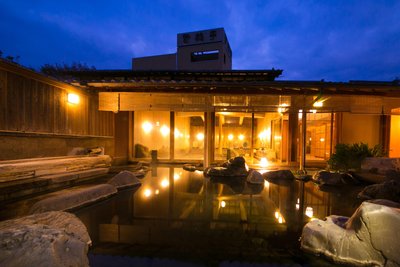
Yakakutei
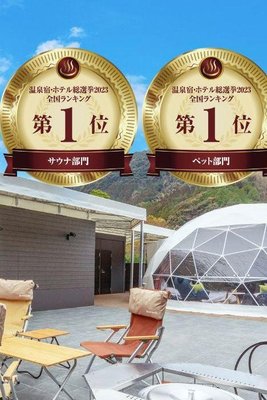
Bihadanoyu Koshikano Onsen

Kirishima Hotel
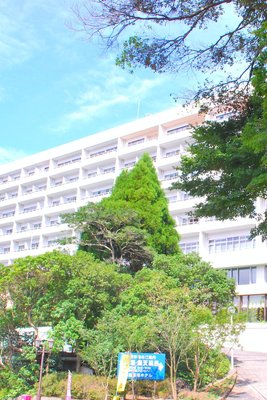
Kirishima Kokusai Hotel
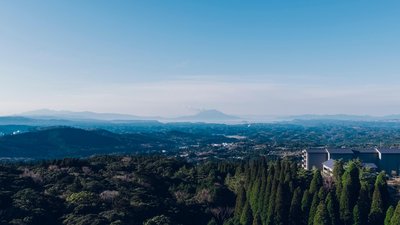
Hoshino Resorts Kai Kirishima
Yakakutei
Bihadanoyu Koshikano Onsen
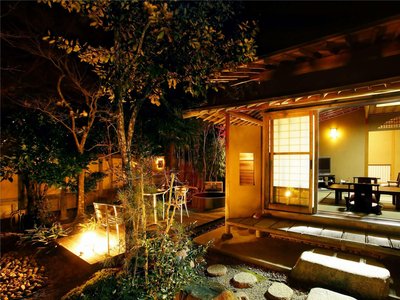
Ryoutei Ryokan Takechiyo Kirishima Bettei
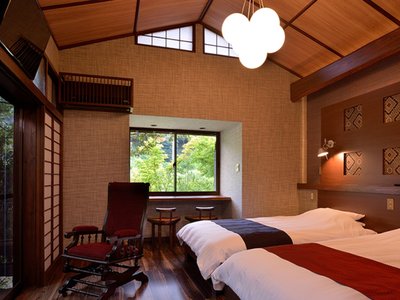
Tsumikusa No Yado Komatsu Ryokan
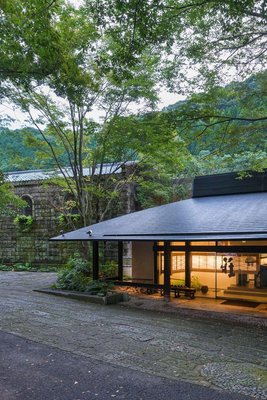
Myoken Ishiharaso
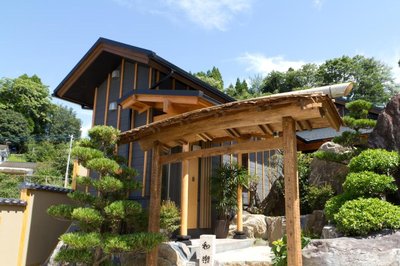
Ryokan Shinsen
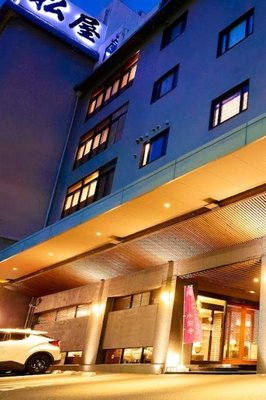
Ryotei Matsuya Honkan Suizenji
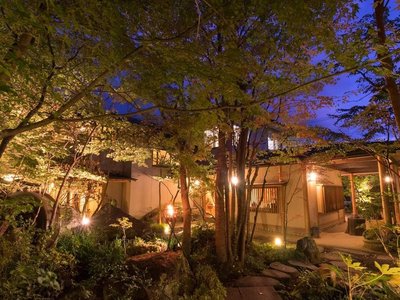
Ryoso Yufuin Yamadaya
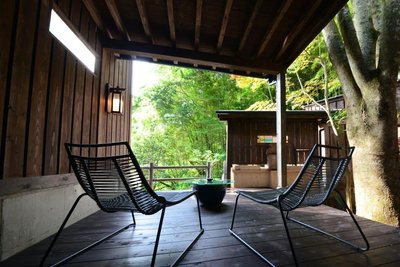
Sanso Tensui
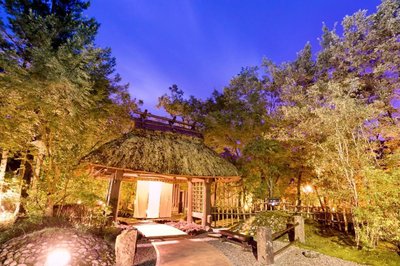
Satonoyu Waraku
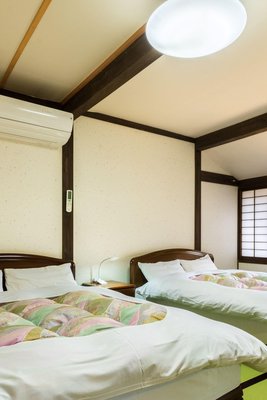
Tobise Onsen Tenga Sanso
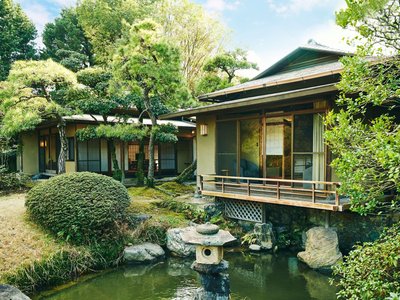
Suisui Garden Ryokan (in the Art Hotel Kokura New Tagawa)
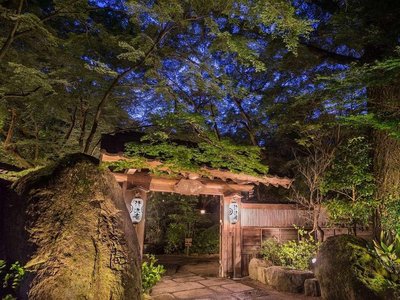
Akizuki Spa Ryokan Seiryuan
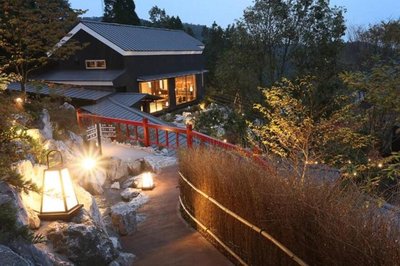
Gekkoju Kurokawa
Frequently Asked Questions about Traveling to Kirishima
Questions You Might Need to Know About Traveling to Kirishima
In Kirishima City, recommend staying at Kirishima Onsen Yado, nestled in a serene valley surrounded by nature. This hotel offers private onsen suites, traditional Japanese gardens, and family-friendly amenities like a kids' playroom and shared bathhouses. Located near Kirishima Shrine and Ootaki Falls, it serves local specialties such as Kagoshima black pork BBQ and Sakurajima sake tasting. For a more tranquil retreat, consider Hoshizora Onsen Ryokan, which blends modern design with traditional wood architecture, ideal for family relaxation with its spacious rooms and natural surroundings.
The best area for first-time visitors is Kirishima Onsen Town, where most high-rated ryokans and guesthouses cluster around scenic hot springs. It’s close to major attractions like Kirishima Shrine, Ootaki Falls, and Mount Kirishima, with easy access via shuttle buses. The area offers peaceful nights under clear skies and fresh mountain air in the morning. Alternatively, Shin-Manyo District suits travelers seeking modern convenience—offering supermarkets, restaurants, and ample parking, perfect for self-drive tourists looking for comfort and accessibility.
Must-try cultural experiences in Kirishima City include attending the morning prayer ceremony at Kirishima Shrine, one of Japan’s oldest Shinto sites; visiting Satsuma Craft Village to create your own Satsuma lacquerware or pottery; and witnessing the summer Fire Festival, a dramatic night event blending flames and music. Don’t miss the farm tour at Kirishima Farm, where you’ll learn about black pig farming techniques and local red carrot cultivation, followed by a tasting of fresh Satsuma pork bento. These immersive activities showcase the region’s deep connection with nature and tradition.
The hot springs in Kirishima City are renowned for their sulfur-rich waters and sodium bicarbonate springs, known for relieving fatigue and improving skin health. Notable spots include Ootaki Onsen, located beside a majestic waterfall with crystal-clear, temperature-balanced water, and Nagara Onsen, tucked deep in the forest offering open-air baths with panoramic mountain views. Many ryokans provide advanced wellness services like rock sauna and herbal steam rooms. Opt for packages featuring natural mineral soaks paired with tatami-style rooms to fully embrace the healing atmosphere of this volcanic region.
Yes, Kirishima City is ideal for self-drive travelers, as many attractions are scattered across mountainous terrain. Must-visit sites include: Kirishima Shrine (one of Japan’s oldest shrines), Ootaki Falls (one of the highest waterfalls in Japan), crater lake of Mount Kirishima (offering stunning views of lava fields and lush greenery), and the thousand-torii gate tunnel. Clear signage and free parking are available throughout. Renting an SUV is recommended for rougher mountain roads. The Kirishima Scenic Highway features breathtaking vistas of volcanic rock formations and wildflower meadows—perfect for photographers.
Top photogenic spots in Kirishima City include: Ootaki Falls with its vertical cascade and misty backdrop, especially stunning at sunrise; the thousand-torii gate tunnel during cherry blossom season, creating a pink-hued dreamlike corridor; crater lake of Mount Kirishima, reflecting sky and mountains perfectly for minimalist shots; and Kirishima Shrine’s vermilion torii gates and stone lanterns, evoking a mystical aura. For nature photography, hike the trails of Kirishima National Park to capture wildlife and seasonal landscapes. Bring a tripod and polarizing filter for enhanced image quality.
Must-try local dishes in Kirishima City center around Satsuma black pork and Kagoshima red carrots. Essential eats include: Satsuma pork hot pot (slow-cooked with local vegetables), sweet soy-glazed chicken (marinated in house-made sauce), and tempura-fried red carrots (crispy and flavorful). At local food stalls in Onsen Town, sample charcoal-grilled black pork intestines and sake ice cream. Visit the Kirishima Farm Direct Market for fresh produce and handmade bread—great for souvenirs. For a full culinary experience, book a kaiseki meal where chefs present ingredient preparation and artistic plating live.
Yes, Kirishima City offers several romantic ryokans perfect for couples. Recommended stays include Hoshizora Onsen Ryokan and Kirishima Koyu Hakubutsukan, both featuring private outdoor onsen baths, honeymoon-themed rooms, and minimalist Japanese design with modern comforts. Enjoy stargazing together at night and shared quiet mornings in Zen gardens. Some inns offer double massage pools and wine tasting events, enhancing intimacy. The night illumination festival at Kirishima Shrine and the sunset views over the crater lake create unforgettable moments. Book early, especially during peak seasons.
Seasonal highlights in Kirishima City include: Cherry Blossom Festival (late March to early April) at Kirishima Shrine, featuring hanami picnics and traditional performances; Fire Festival in August, a spectacular nighttime event with giant torches and drumming; Satsuma Agricultural Fair in autumn showcasing red carrots, black pigs, and local sake; and Snow Lantern Festival in winter, illuminating the Ootaki Falls area with thousands of glowing lanterns. These events reflect regional heritage and offer unique photo ops and cultural immersion—ideal for planning visits around specific dates.
Kirishima City is well-connected via Kagoshima Central Station, serving JR Isatabi Line and Kyushu Shinkansen, linking to Kagoshima, Kumamoto, and Sasebo. Major attractions like Kirishima Shrine and Ootaki Falls are accessible by local bus, and many ryokans offer free shuttle services. Self-drive tourists can use National Route 220 and Prefectural Route 176 through scenic mountain passes with clear signage. For trips to Yakushima Island or Tanegashima, take ferries or flights from Kagoshima Port. Despite its mountainous location, Kirishima maintains excellent transport links, making it ideal for multi-city exploration.
Kirishima Overview
City Summary
Kirishima City, located in eastern Kagoshima Prefecture, Japan, is renowned for its spectacular volcanic landscapes and abundant hot spring resources. Nestled at the foot of the Kirishima Mountain Range, the city boasts historical sites like Kirishima Shrine and prime viewing spots for Sakurajima Volcano. Its core appeal lies in the fusion of natural wonders, traditional culture, and therapeutic onsen, making it one of Kyushu's most iconic hot spring destinations.
Must-See Attractions
Top attractions include the vermilion Kirishima Shrine, shrouded in ancient forests with mystical ambiance. Takachiho Ranch offers pastoral landscapes and fresh dairy products, while Kirishima Onsen Village features over 20 hot spring sources—don't miss the open-air baths at Sulfur Valley. Nature enthusiasts should hike the Kirishima Mountain Trails to see crater lakes and waterfalls.
Food Guide
Local cuisine highlights Kuroge Wagyu beef and Jidori chicken, with "Kirishima Highland Steak" being a must-try. Regional specialties include "Onsen Mushimono" (dishes steamed with hot spring vapor) and Kagoshima's famous "Satsuma Age" fried fish paste. Izakayas serve shochu distilled from Kirishima's mountain water, perfectly paired with charcoal-grilled fish.
Transportation Guide
From Kagoshima City Center, take JR Nippo Main Line to Kirishima-Jingu Station (50min) or direct buses to Kirishima Onsen. The "Kirishima View Bus" circulates major sights (6 daily trips) from 300 yen per ride. Taxis are ideal for remote ryokans but require advance HopeGoo. Note that mountain roads may ice over in winter.
Best Time to Visit
Spring and autumn (April-May for cherry blossoms, October-November for fall foliage) offer ideal temperatures and avoid summer typhoons. Winter (December-February) is prime for onsen, though some mountain routes close. July-August sees peak crowds—book accommodations early.
Travel Tips
- Onsen etiquette: Wash thoroughly before entering, no swimwear allowed
- Mountain weather changes rapidly—bring waterproof gear for hiking
- Some shrines prohibit photographing sacred objects; observe signage
- Cash remains primary payment at small businesses
- Onsen areas have steep slopes—wear non-slip shoes
- Shochu has high alcohol content (25-40%); consume moderately
Useful Information
While major sites have English signage, staff English proficiency is limited—translation apps are helpful. 4G coverage is citywide; rent Wi-Fi at airports/convenience stores. Cash dominates payments, though international cards work at large ryokans. Dial 110 (police) or 119 (ambulance) for emergencies; Kirishima Municipal Hospital has 24/7 ER. Many onsen areas have stairs/slopes—those with mobility issues should choose barrier-free lodgings.