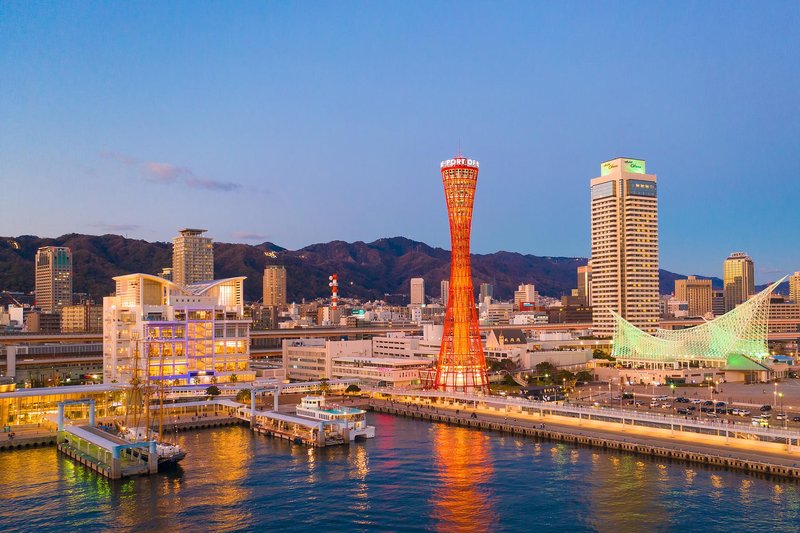
Hotels in Kiryū
Discover your perfect stay in Kiryū.
Kiryū(Japan) Travel 2026: Cheap Flights, Hotels & Top Attractions
Popular Landmarks in Kiryū
Discover the most iconic attractions in Kiryū
Recommended Hotels in Kiryū
Find the perfect place to stay in Kiryū
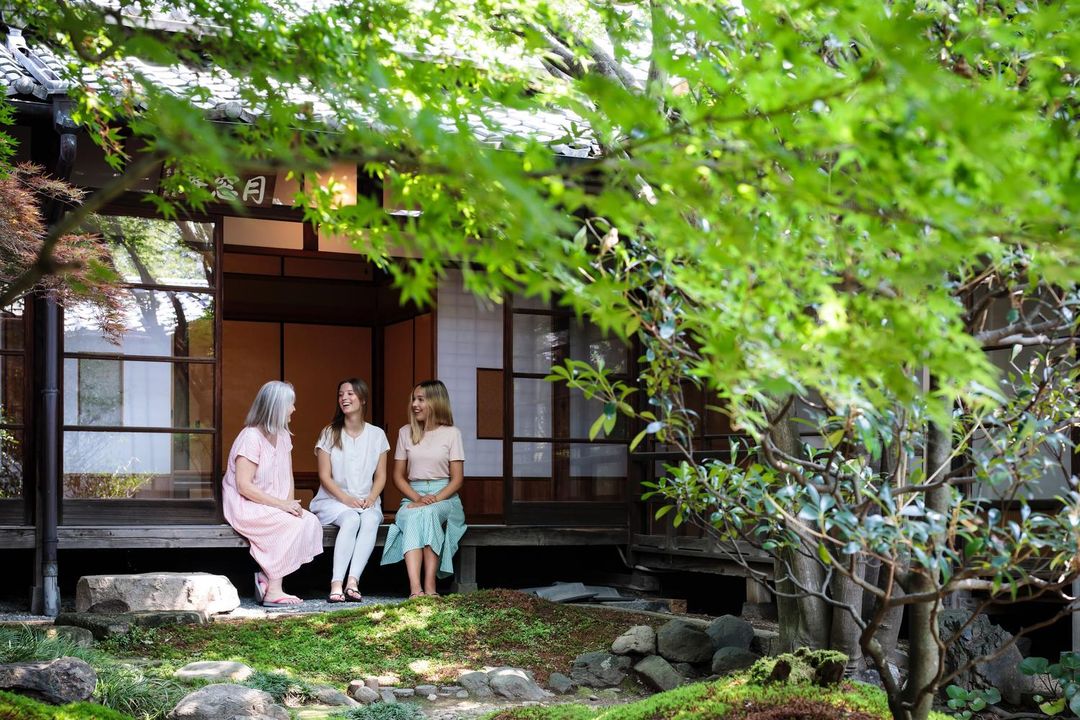
Temple Hotel Kannonin
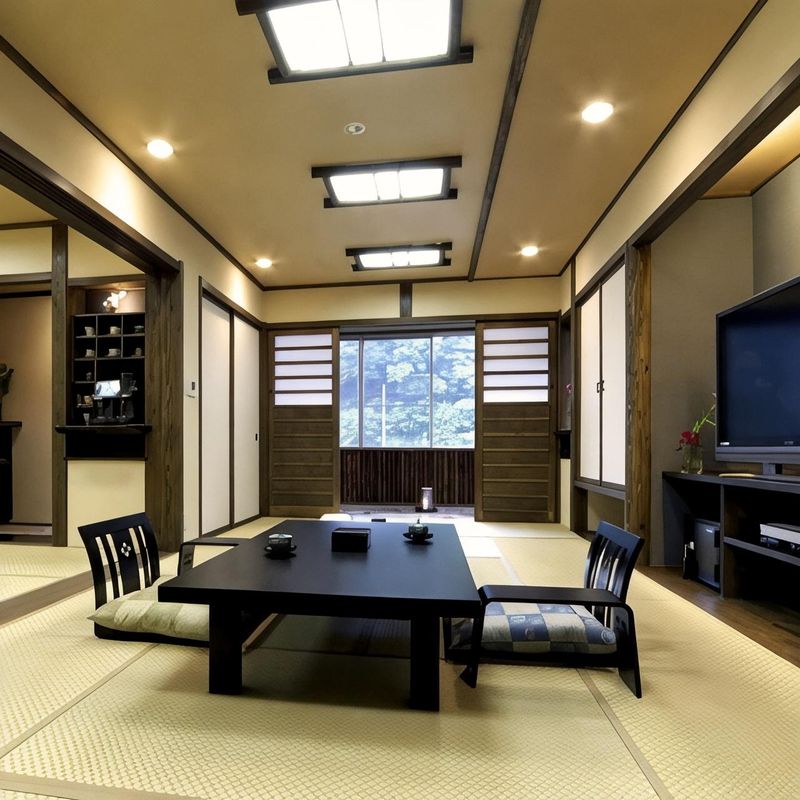
Nashigikan
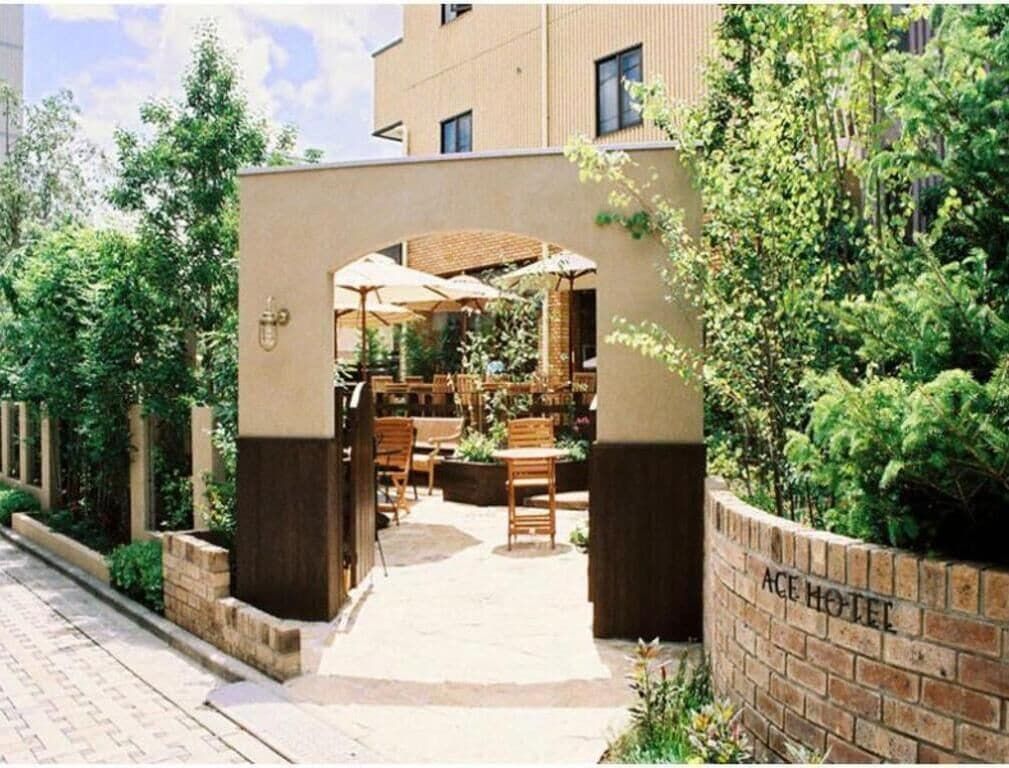
Kiryu Ace Hotel
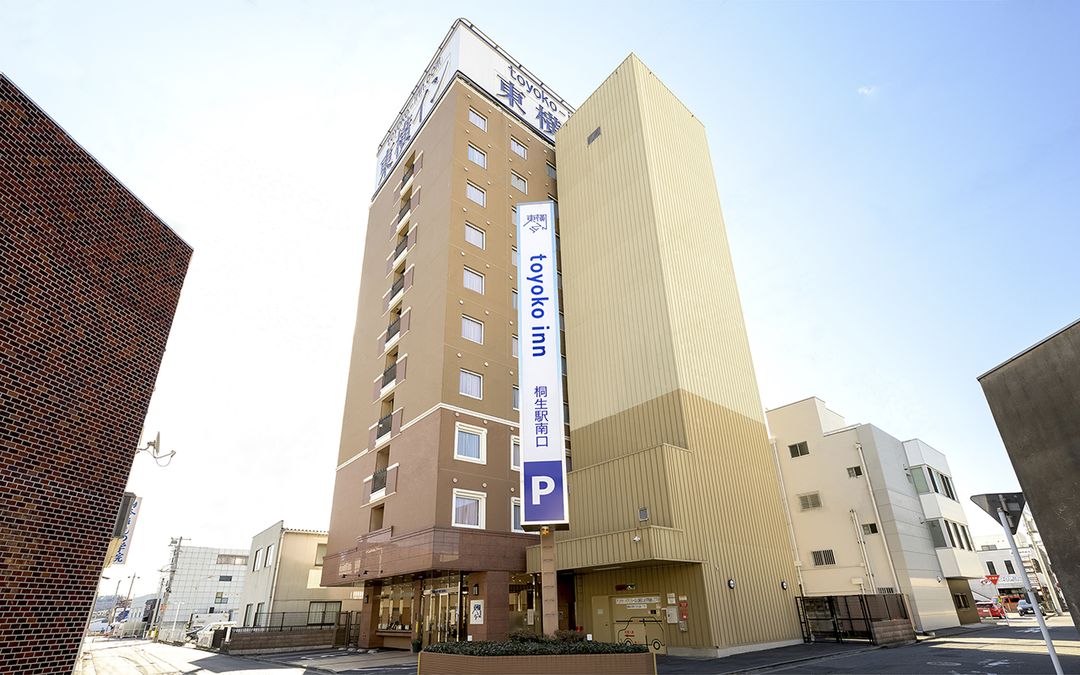
Toyoko Inn Kiryu-eki Minami-guchi
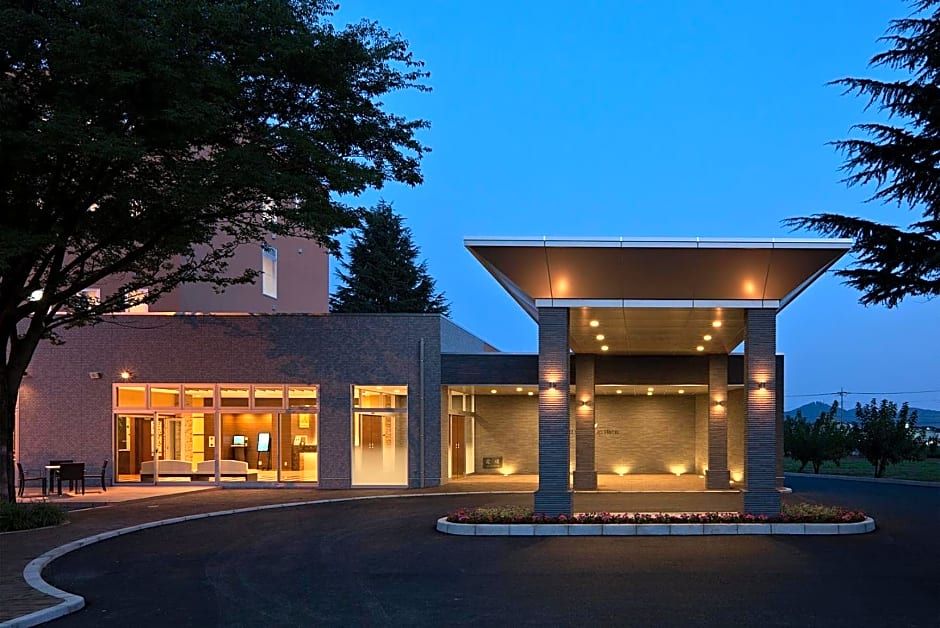
Kiryu Grand Hotel
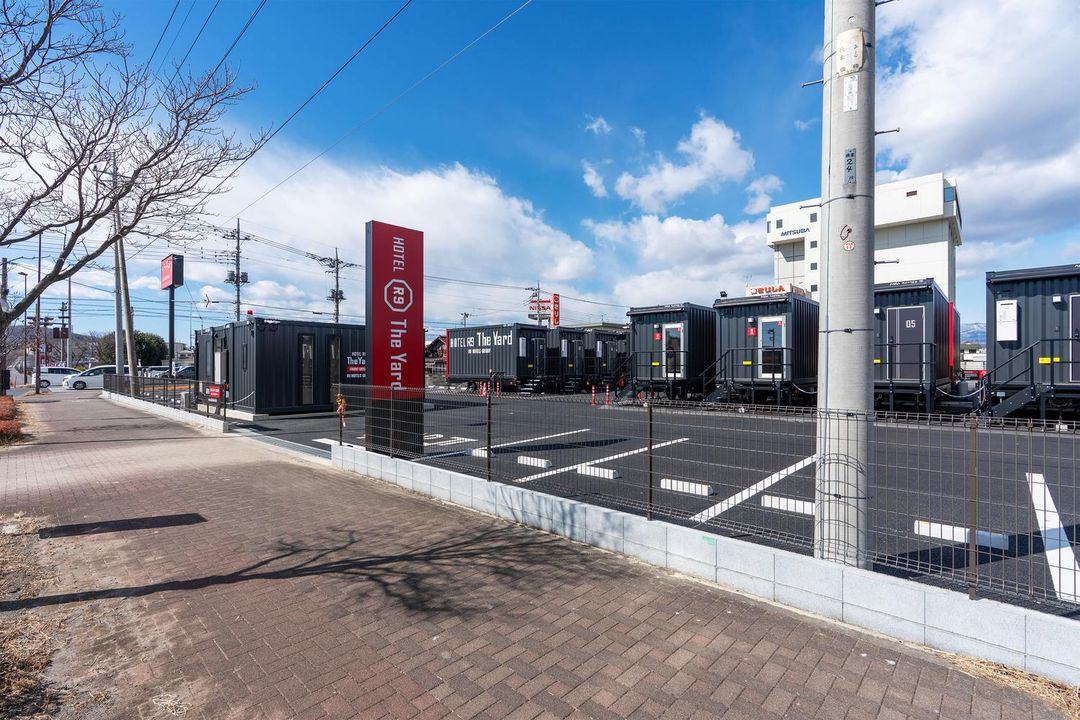
HOTEL R9 The Yard Kiryu
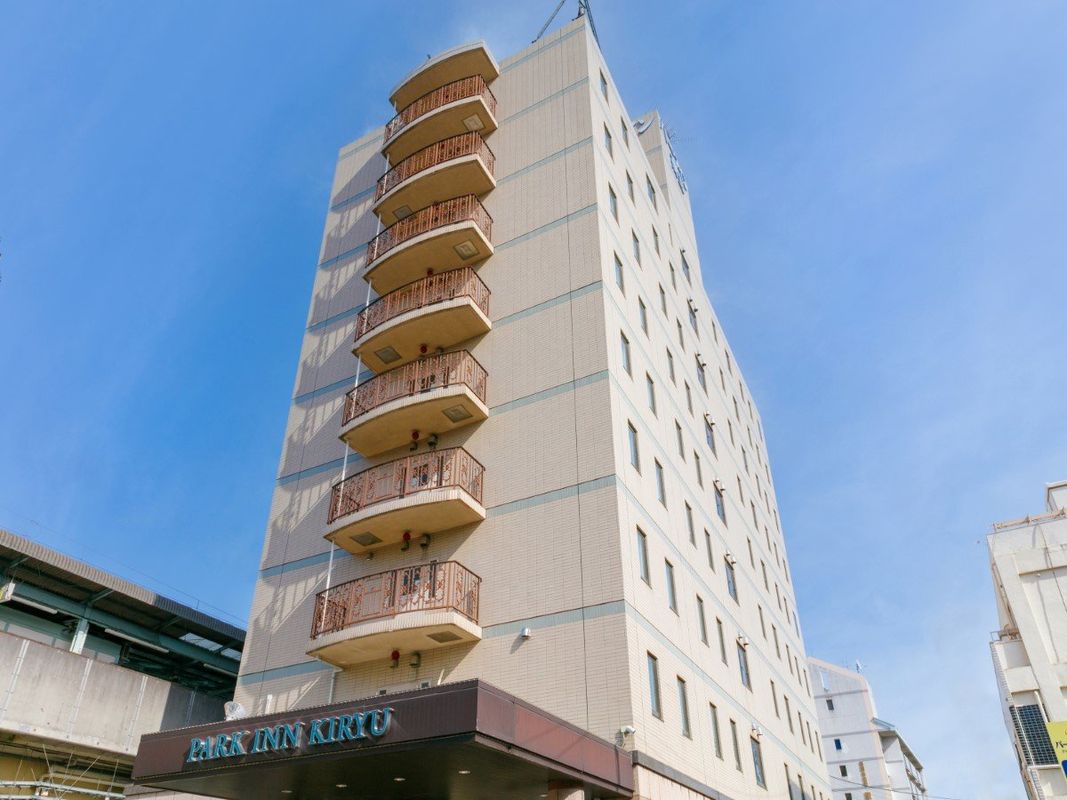
Park Inn Kiryu
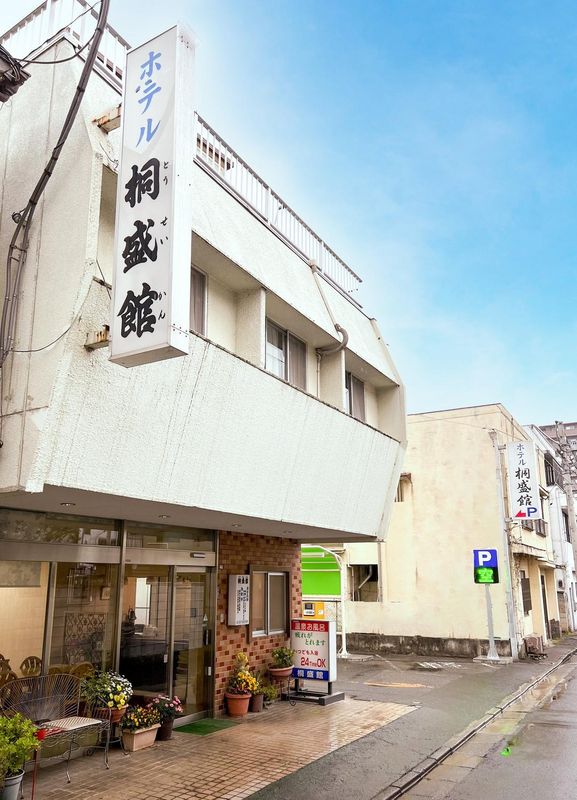
Hotel Toseikan
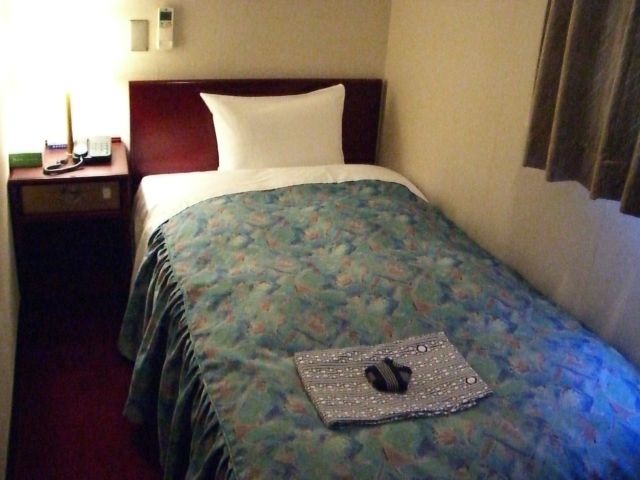
Pearl Hotel(Kiryu)
Best Hotels in Kiryū
Discover curated hotel collections in Kiryū
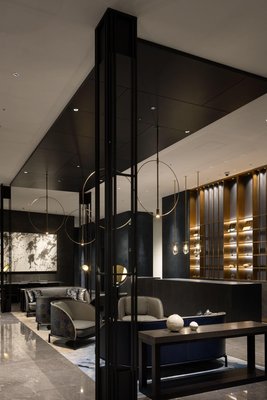
Bellustar Tokyo, A Pan Pacific Hotel
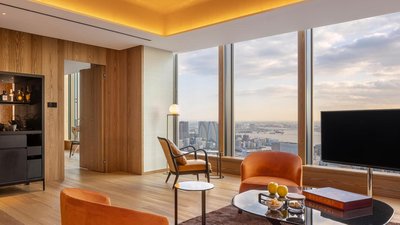
Bvlgari Hotel Tokyo
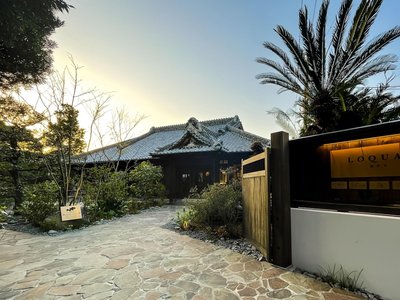
Loquat Nishiizu
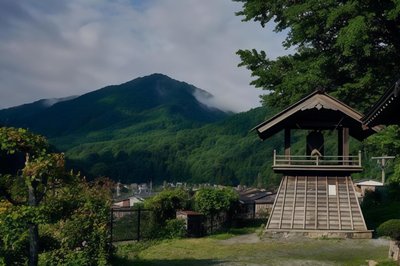
Byaku Narai
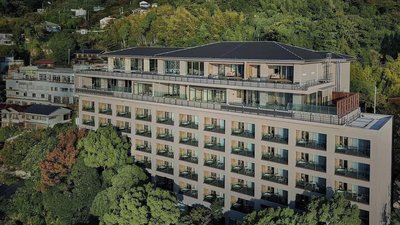
Atami Izusan Karaku
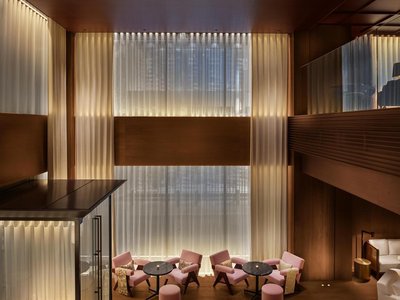
The Tokyo Edition, Ginza
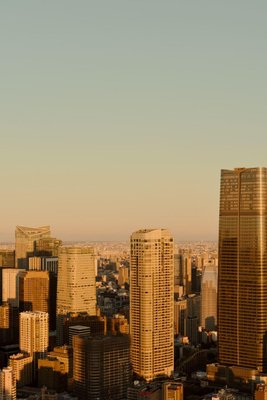
Janu Tokyo
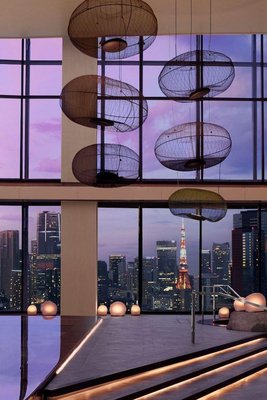
JW Marriott Hotel Tokyo
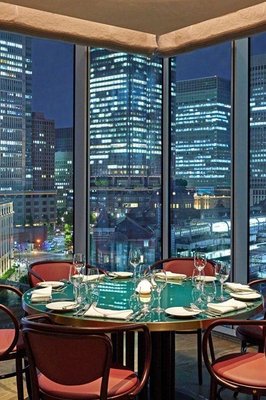
Four Seasons Hotel Tokyo at Marunouchi

Mandarin Oriental, Tokyo
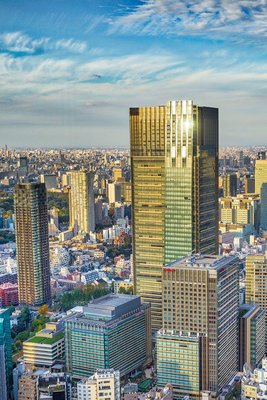
The Ritz-Carlton, Tokyo
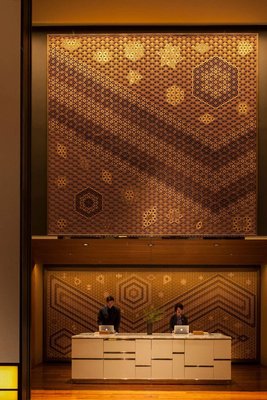
Andaz Tokyo Toranomon Hills- A Concept by Hyatt
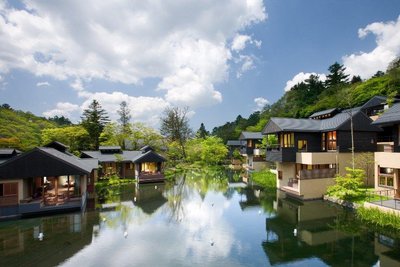
Hoshinoya Karuizawa
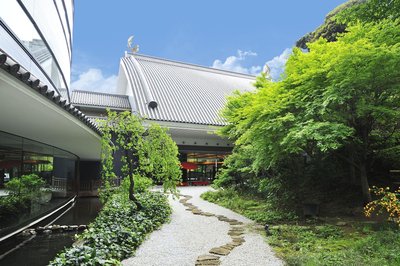
Hotel Gajoen Tokyo
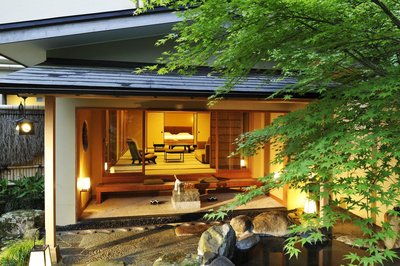
Gora Kadan
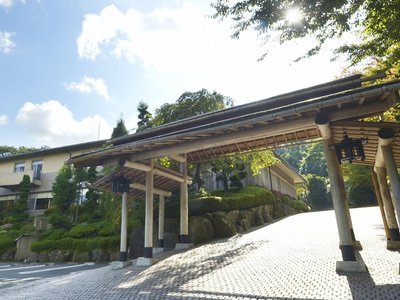
Gora Hanaougi
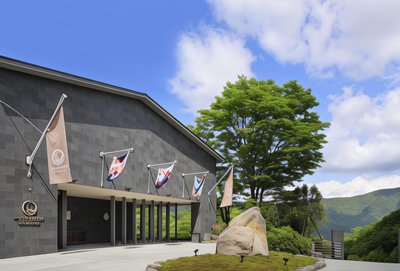
The Hiramatsu Hotels & Resorts Sengokuhara Hakone
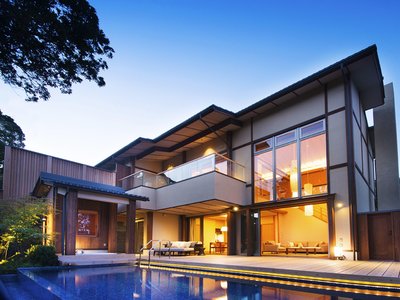
Abba Resorts Izu - Zagyosoh
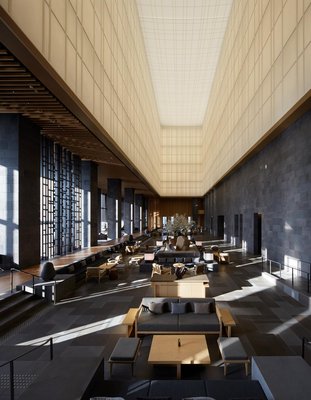
Aman Tokyo
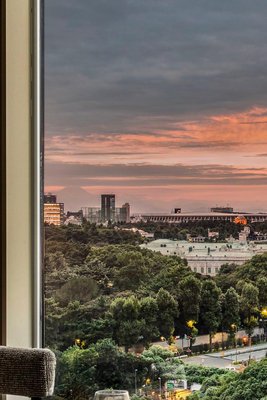
Hotel New Otani Tokyo, Executive House Zen
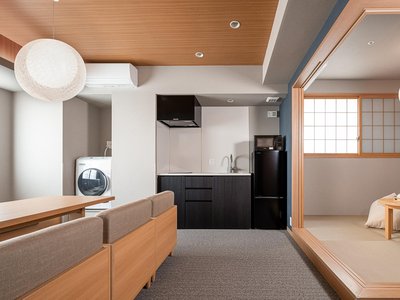
MIMARU SUITES Tokyo Asakusa
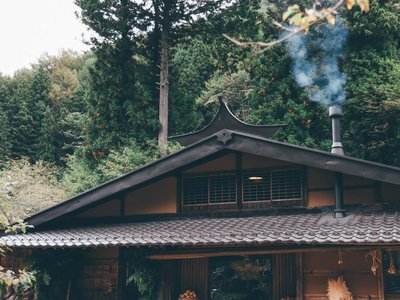
La Terra Resort
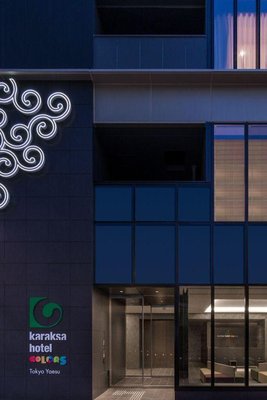
karaksa hotel colors Tokyo Yaesu
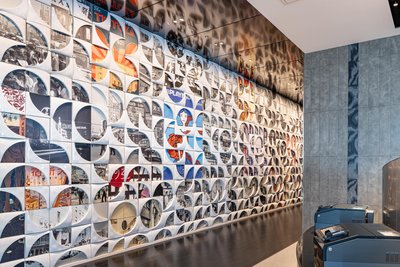
HOTEL GROOVE SHINJUKU, A PARKROYAL Hotel

EN Resort Grandeco Hotel
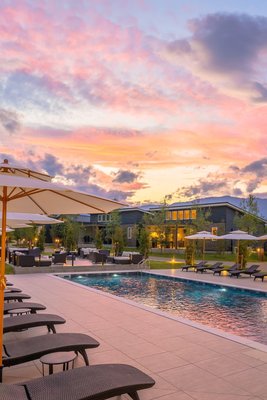
Awaumi Fujikawaguchiko Resort
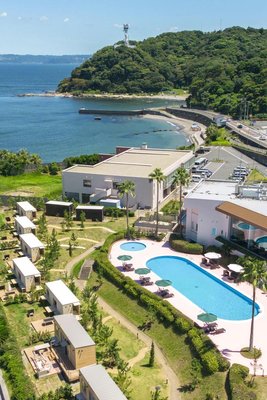
La vista Yokosuka Kannonzaki Terrace
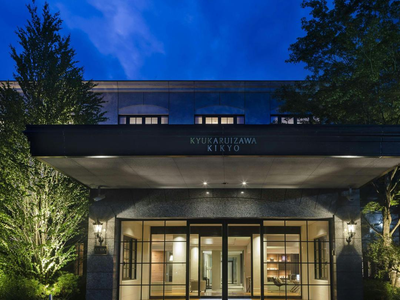
Fufu Karuizawa Wind of Sunshine
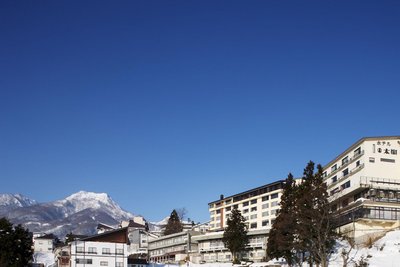
Hotel Taiko, Akakura Onsen
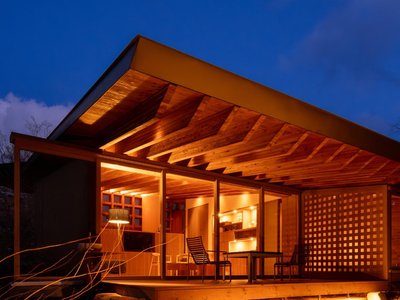
Nasu Mukunone
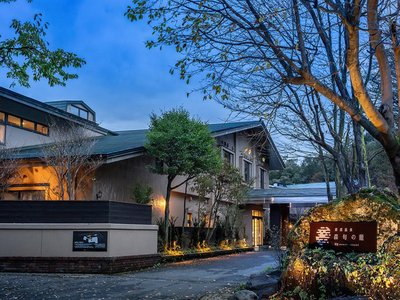
Nasu Onsen Shinshun no Kago Hewitt Resort

Scapes the Suite
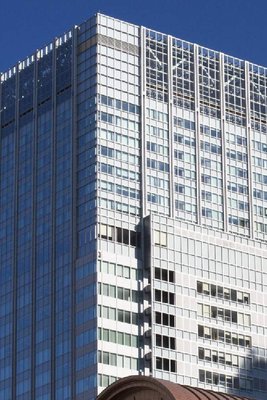
Hotel Metropolitan Tokyo Marunouchi
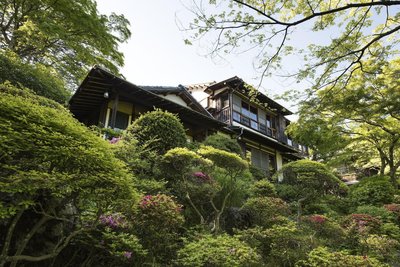
Gora Kansuiro
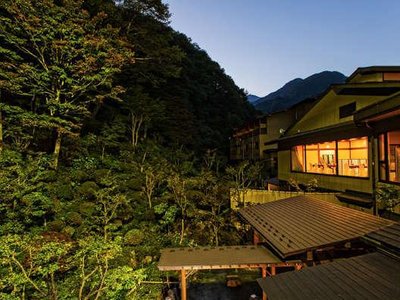
Futari Shizuka
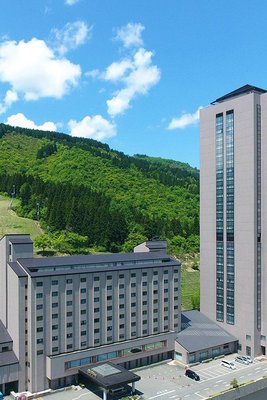
Naspa New Otani
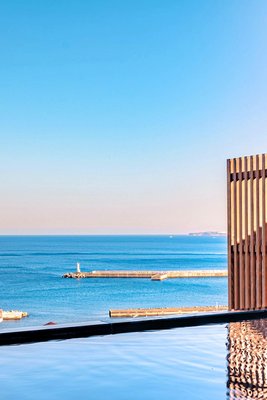
HOTEL KANICHI
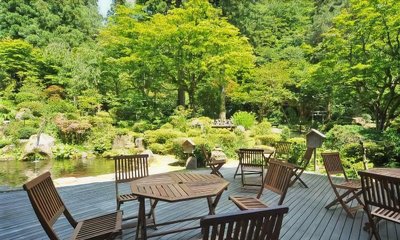
Choseikan
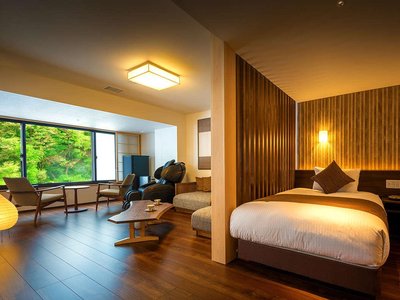
Harataki
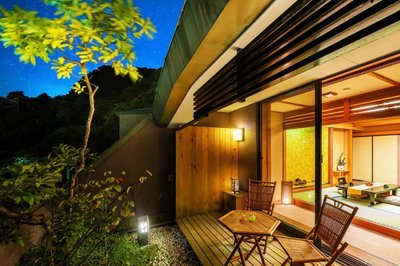
Konjakutei
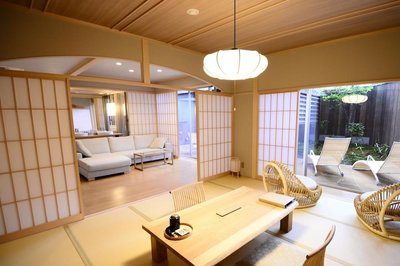
Hakone Gora Byakudan
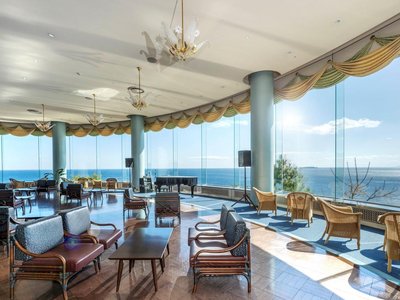
Hotel New Akao
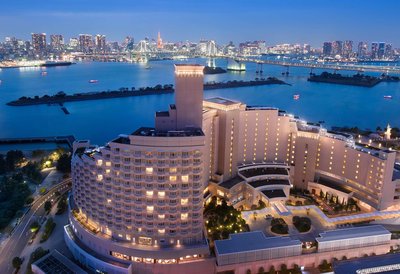
Hilton Tokyo Odaiba
JW Marriott Hotel Tokyo
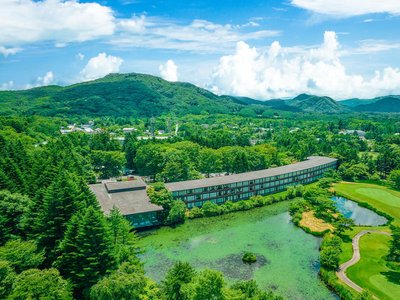
The Prince Karuizawa
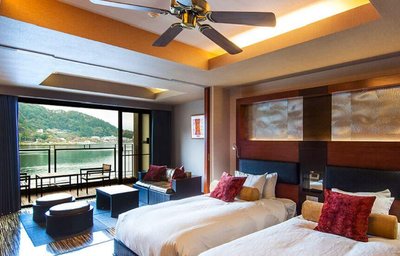
The Kukuna
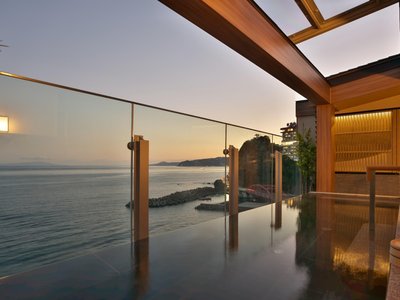
Hotel New Sagamiya
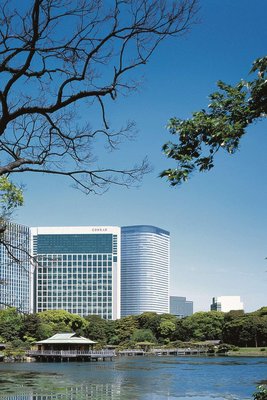
Conrad Tokyo
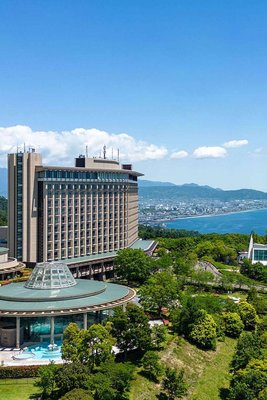
Hilton Odawara Resort & Spa
Hoshinoya Karuizawa
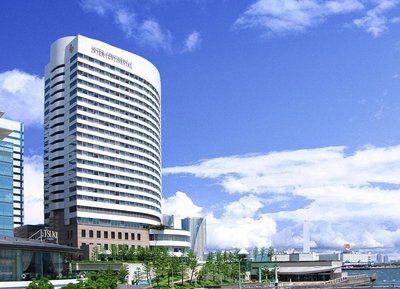
InterContinental Tokyo Bay
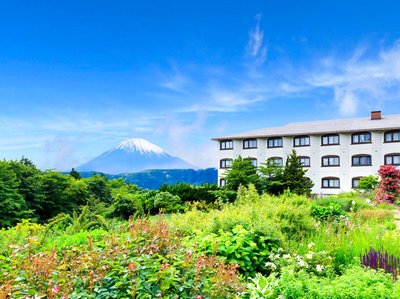
Hotel Green Plaza Hakone
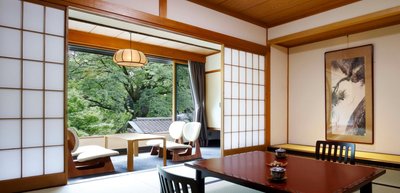
Yoshiike Ryokan
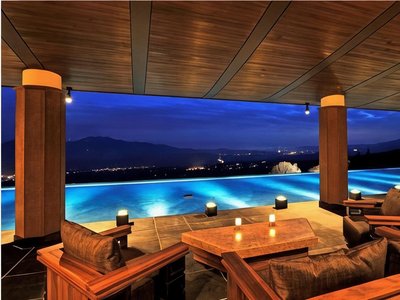
Akakura Kanko Hotel
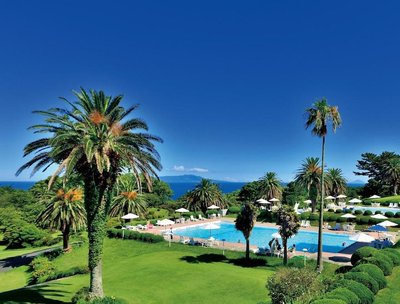
Kawana Hotel
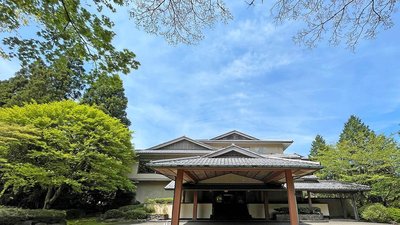
Ryuguden
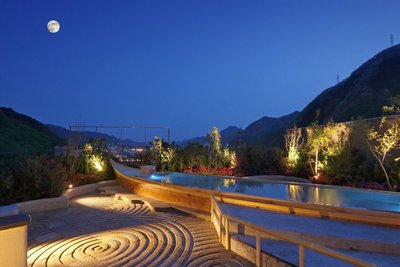
Asaya
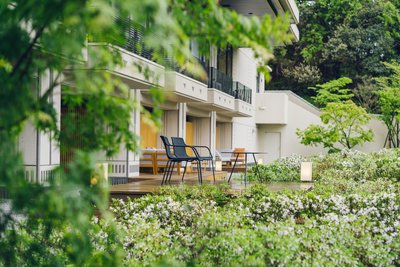
Hoshino Resorts Kai Enshu
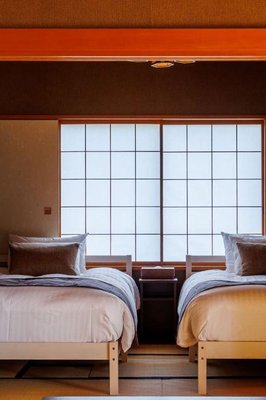
Sado Resort Hotel Azuma
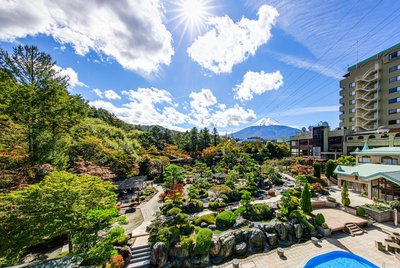
Kaneyamaen
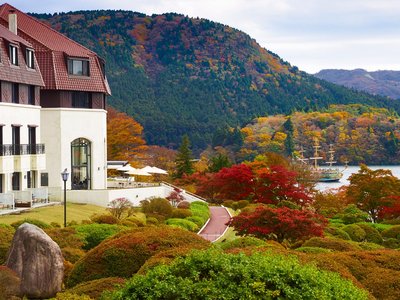
Hotakajyo
Auberge Suzukane

Onyado Nono Asakusa Bettei Hot Spring
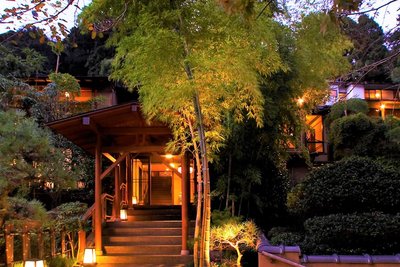
Shiki wo Ajiwau Yado Yamano Chaya
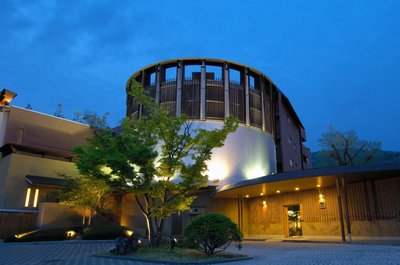
Hoshino Resorts Kai Matsumoto
Konjakutei
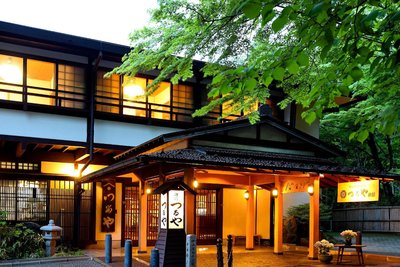
Tsuruya Ryokan
Nakamatsuya Ryokan
Ryokan Sugimoto
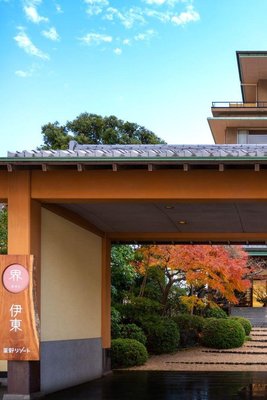
Hoshino Resorts Kai Ito
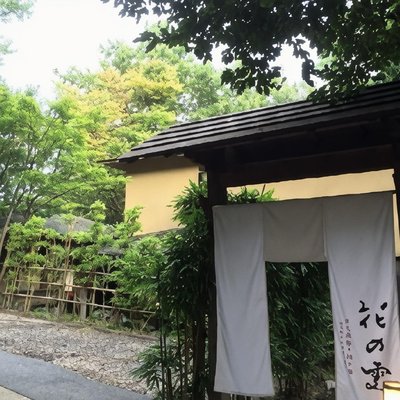
Hana No Kumo
Yoshiike Ryokan
Hotel Gajoen Tokyo
Gora Hanaougi
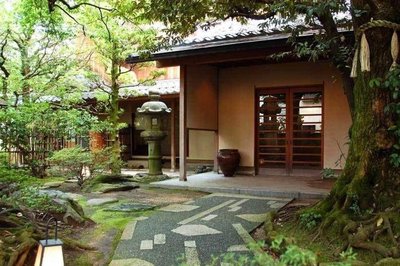
Kocho
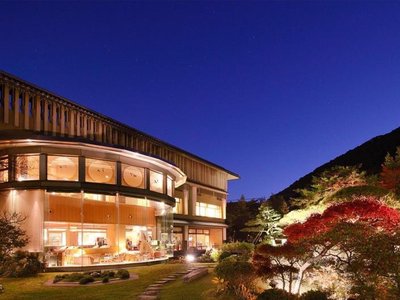
Shikisai Ichiriki
Sado Resort Hotel Azuma
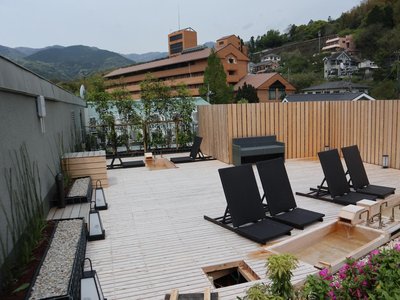
Fukiya Ryokan
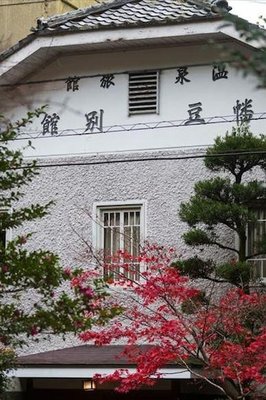
Oku-Mikawa・Yuya Onsen HAZU Bekkan
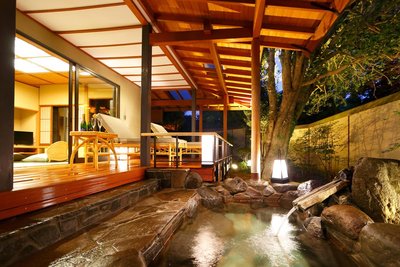
Yoshiharu Ryokan – Izu Nagaoka Onsen
Bellustar Tokyo, A Pan Pacific Hotel
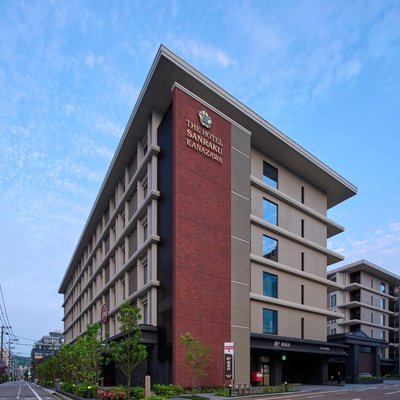
The Hotel Sanraku Kanazawa 21th December 2022 Open
JW Marriott Hotel Tokyo
Andaz Tokyo Toranomon Hills- A Concept by Hyatt
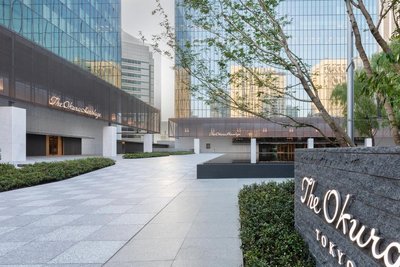
The Okura Tokyo
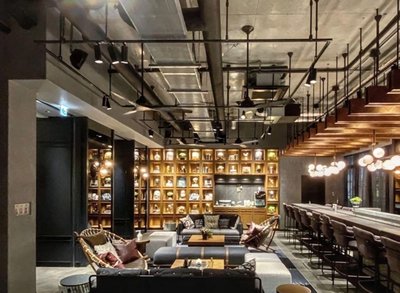
The Lively Azabujuban Tokyo
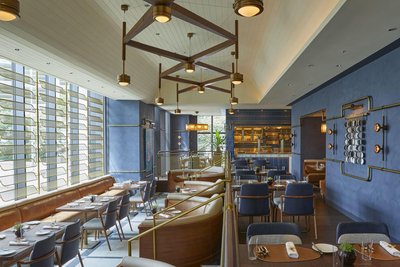
Kimpton Shinjuku Tokyo

HOTEL K5
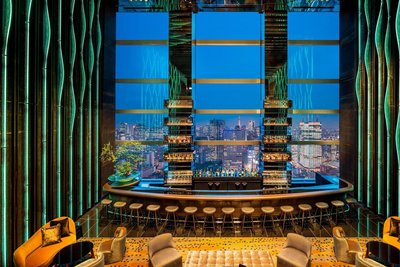
The Prince Gallery Tokyo Kioicho, a Luxury Collection Hotel
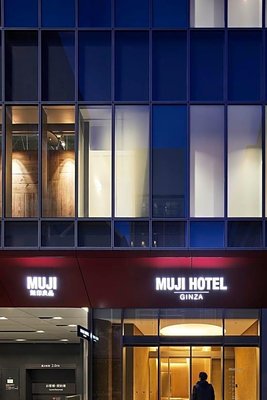
Muji Hotel Ginza
Hakone Gora Byakudan
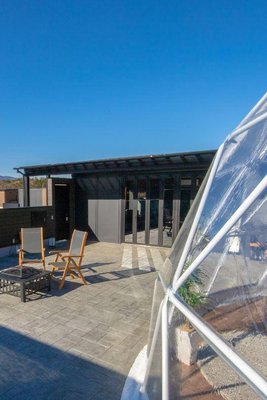
Panoramic Mt. Fuji Views from All Rooms – Vision Glamping Resort & Spa Yamanakako
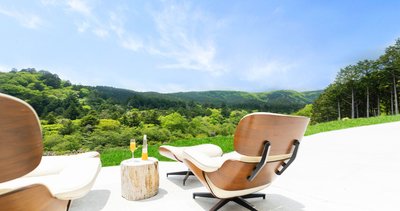
Shelter Garden Nikko
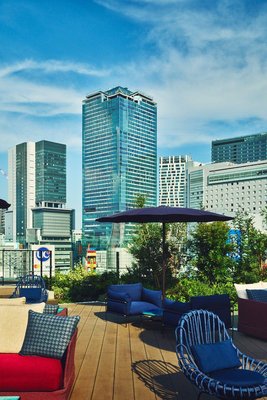
Hotel Indigo Tokyo Shibuya
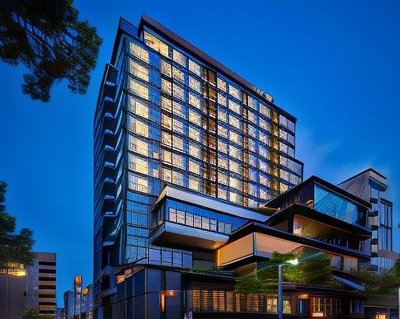
TIAD, AUTOGRAPH COLLECTION
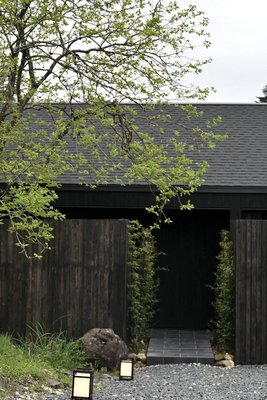
THE LAKOTAN
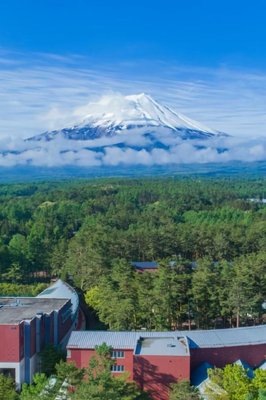
Forest Village (Fuji Premium Resort)
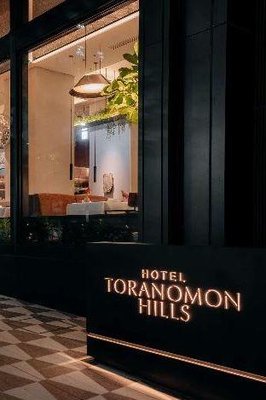
Hotel Toranomon Hills
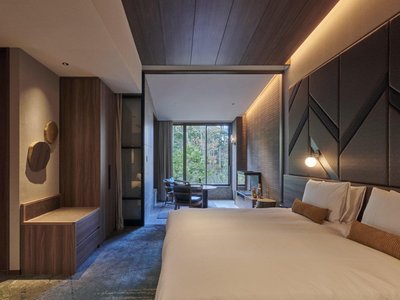
Fufu Kyu-Karuizawa Restful Forest
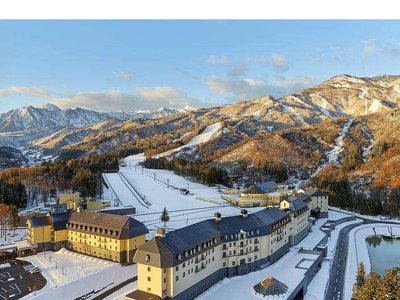
Lotte Arai Resort
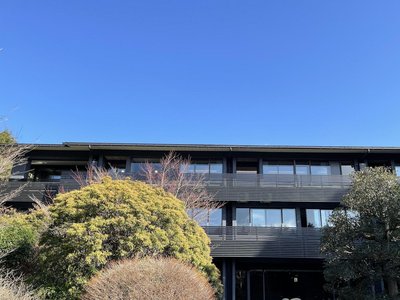
Sengokubara Cocon
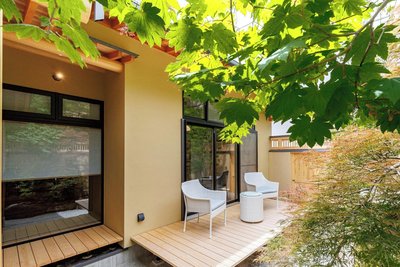
Shoraiso
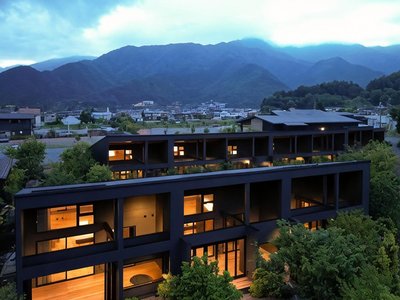
7C Villa and Winery
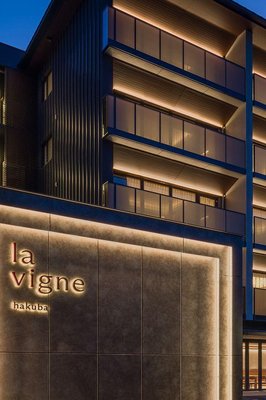
Hotel la Vigne Hakuba by Onko Chishin
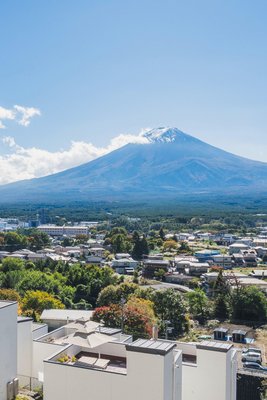
THE TOKI FujiKawaguchiko
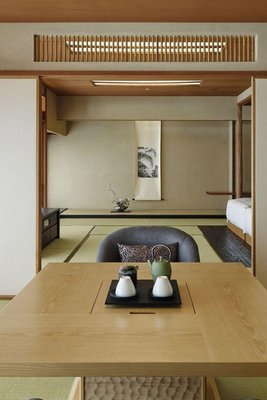
Takanawa Hanakohro (in Grand Prince Hotel Takanawa)
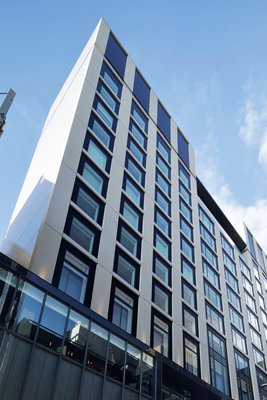
Hyatt Centric Ginza Tokyo
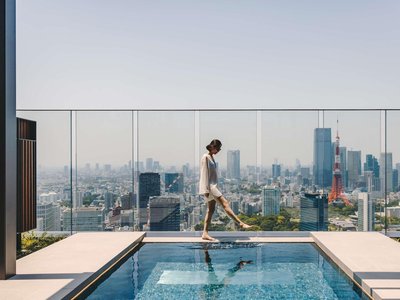
Fairmont Tokyo
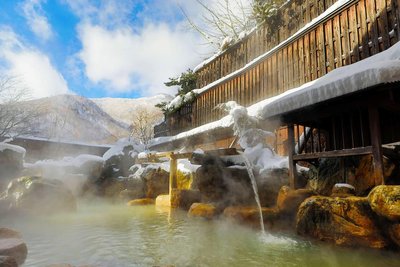
Miyamaouanbekkan yumegurinoyado hirayukan
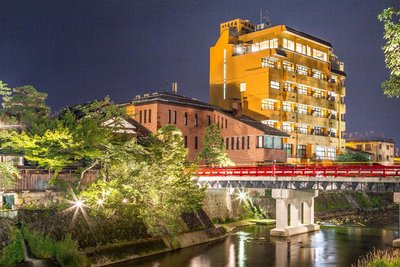
HONJIN HIRANOYA BEKKAN
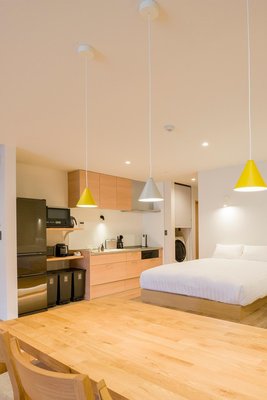
Rakuten STAY VILLA Nasu
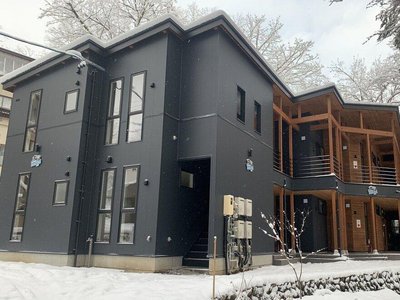
Hakuba Gondola Apartments
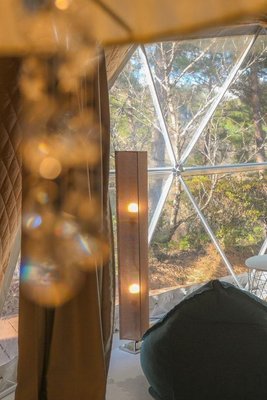
glampark Gekkabijin Nagano
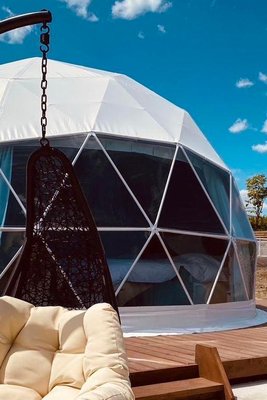
chillout glamping zao
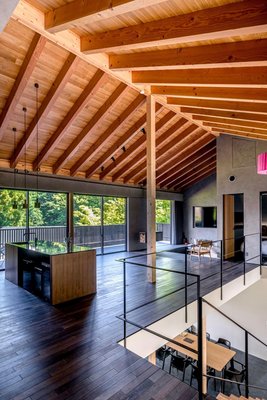
MONS GORA
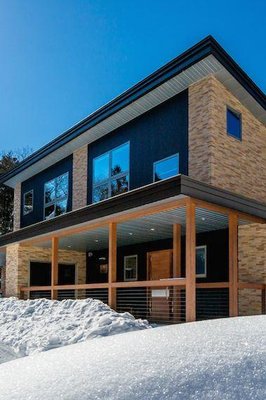
Phoenix Chalets by Hhg
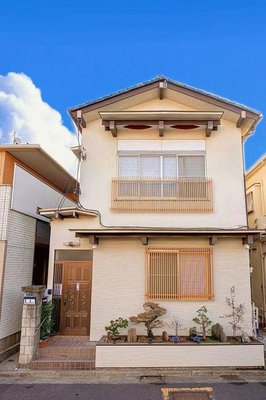
Tokyo Star House-Shinkoiwa
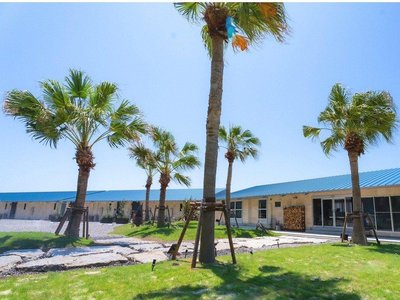
Glamping&Resort Wood Design Park Noma
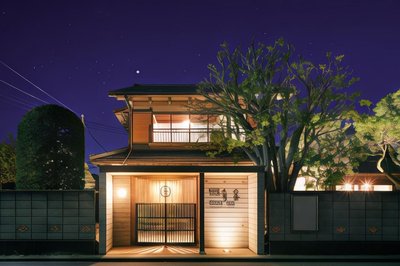
Machi-Jyu
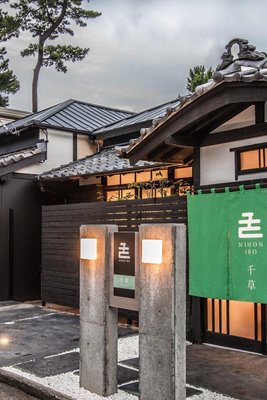
Nihon Iro
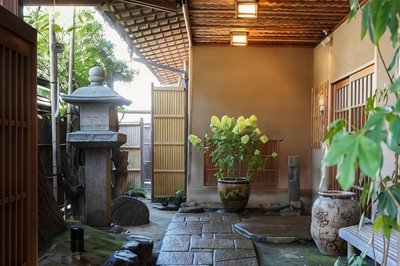
Ryokan Asadaya
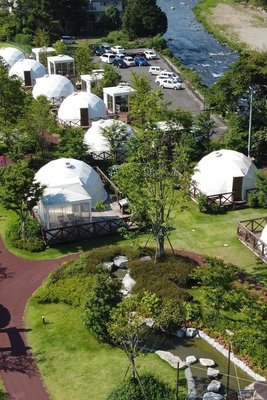
Ufufu Village
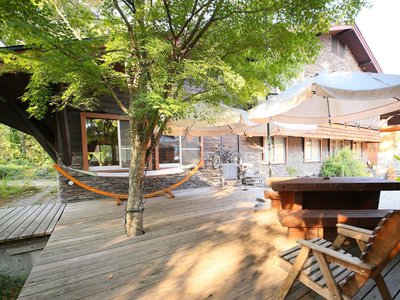
Kunugi Relaxation with 4 Modern Rooms
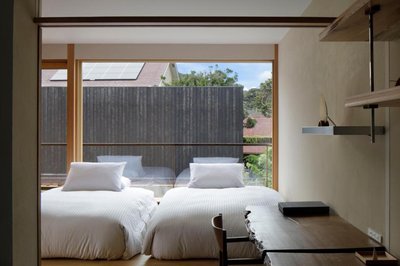
Modern Ryokan Kishi-ke
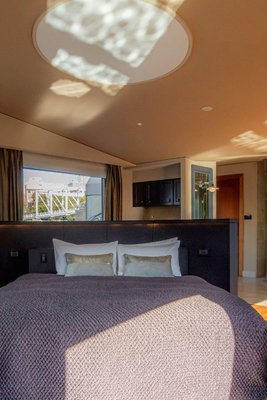
Petals Tokyo - Floating Hotel
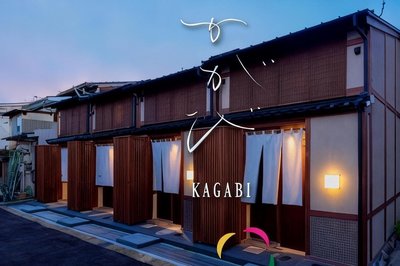
Kagabi Machiya House
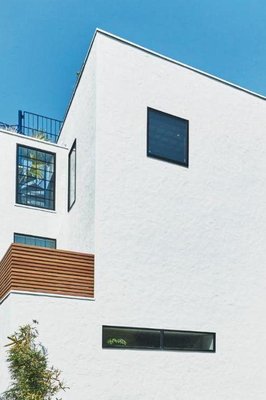
The Flow Kamakura
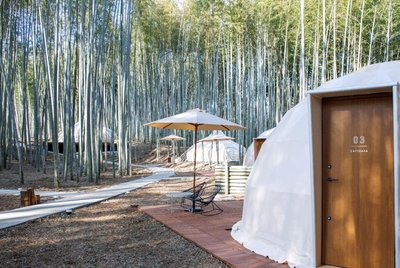
THE BAMBOO FOREST
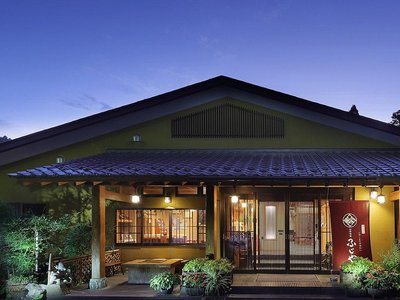
Shikimitei Fujiya
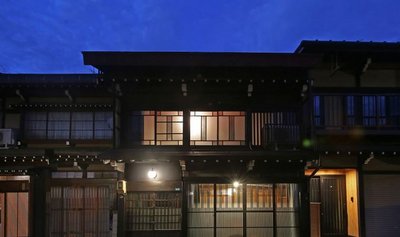
Iori Stay Hida

Hotel Barrière Fouquet's New York
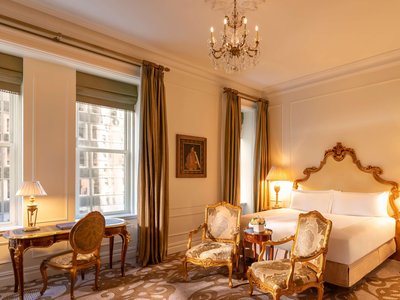
The Plaza - A Fairmont Managed Hotel
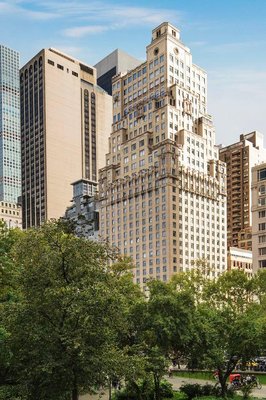
The Ritz-Carlton New York, Central Park
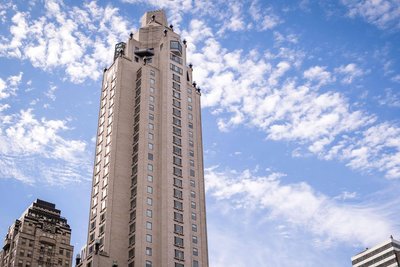
Four Seasons Hotel New York
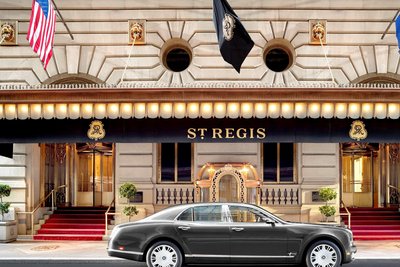
The St. Regis New York
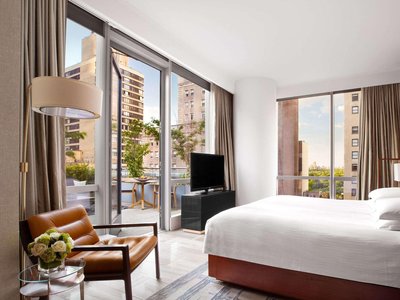
Park Hyatt New York
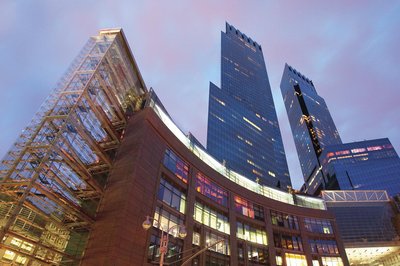
Mandarin Oriental New York
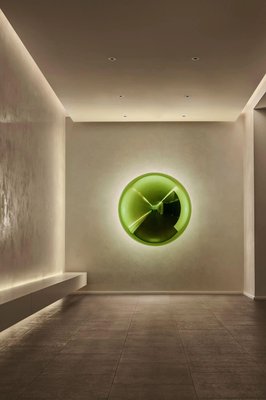
Times Square Edition New York
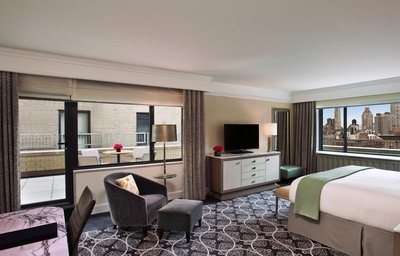
Loews Regency New York Hotel
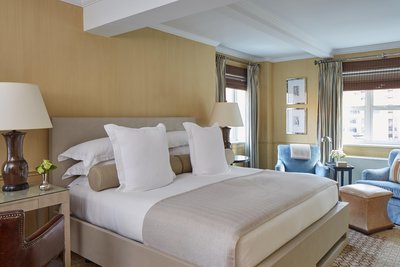
Lowell Hotel
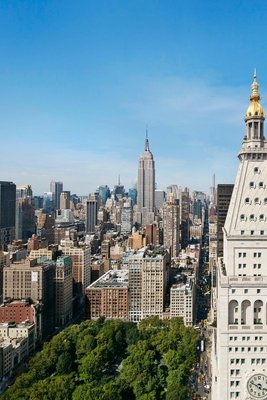
New York Edition
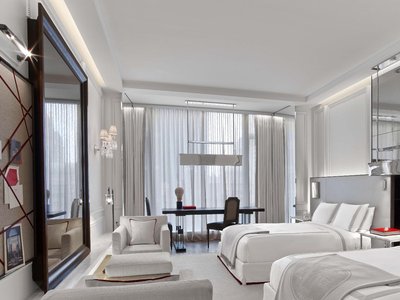
Baccarat Hotel New York
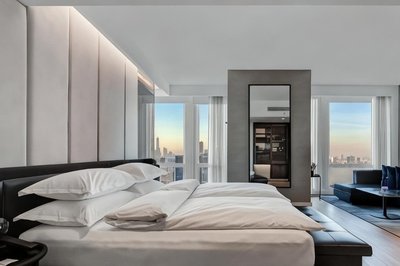
Equinox Hotel New York
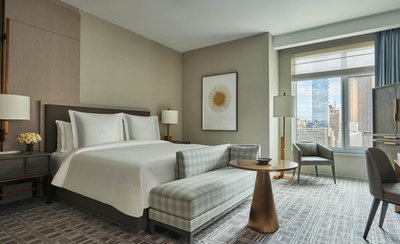
Four Seasons Hotel New York Downtown
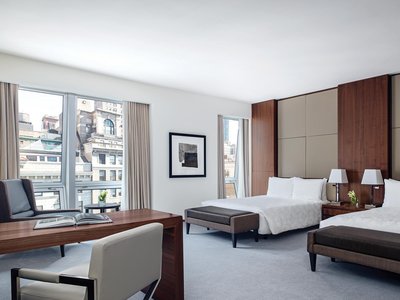
The Langham, New York, Fifth Avenue
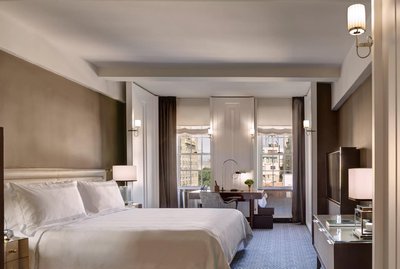
The Carlyle, A Rosewood Hotel

The Chatwal, in the Unbound Collection by Hyatt
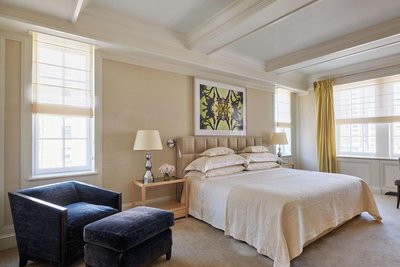
The Mark New York
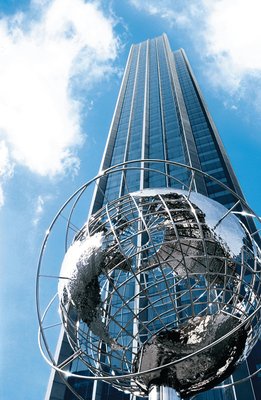
Trump International Hotel & Tower® New York
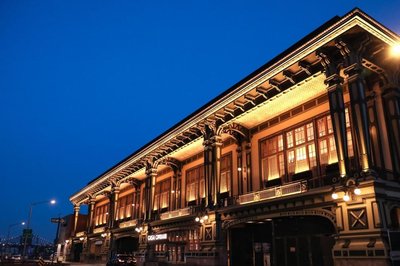
Casa Cipriani New York
Frequently Asked Questions about Traveling to Kiryū
Questions You Might Need to Know About Traveling to Kiryū
In Tosu City, the Tosu Grand Hotel stands out for its blend of modern comfort and traditional Japanese aesthetics, located near the Tosu Shrine and Old Tosu Station. The hotel offers free shuttle services to major attractions and features a signature onsen bath with natural hot spring water. Another gem is Ryokan Chiyahana, a century-old inn preserving Edo-era wooden architecture, where guests can experience authentic Saga Prefecture hospitality through kaiseki dining and seasonal tea ceremonies. Both offer immersive cultural experiences in a serene urban setting.
The central Tosu district is ideal for lodging, situated just steps from Tosu Station and the Saga Express Line, providing easy access to Tosu Shrine, Old Tosu Station, and Tosu City Museum. This vibrant area hosts mid-to-luxury hotels like Hotel Marie and APA Hotel & Resort Tosu, offering excellent amenities and proximity to local restaurants serving Tosu soba and mizutaki stew. Strolling along Higashi River Street at night reveals charming lantern-lit alleys and bustling street food stalls, perfect for experiencing Saga Prefecture's lively local culture.
Visitors to Tosu City can participate in Tosu textile workshops, learning to weave intricate patterns using traditional looms, a craft passed down for generations. The annual Tosu Festival (Tosu Matsuri) illuminates the city with thousands of lanterns during summer, one of Japan’s three great night festivals. Guests may also explore Old Tosu Station, a preserved Meiji-era railway building now housing historical exhibits, or visit Tosu Shrine to partake in Shinto rituals, deeply rooted in Saga Prefecture’s spiritual heritage.
While Tosu City isn’t known as a hot spring destination, Yumoto Onsen Ryokan offers a rare natural hot spring experience with soft alkaline carbonate water, renowned for skin rejuvenation. The inn features an open-air bath overlooking the Higashi River and a tranquil Japanese garden. Nearby, APA Hotel & Resort Tosu includes an indoor onsen pool, ideal for families. Combine your stay with a hike up Mount Mifune and relax afterward—perfect for unwinding in nature's embrace.
For families, APA Hotel & Resort Tosu provides spacious family rooms, a kids’ playroom, and complimentary breakfast, just a 10-minute walk from Tosu City Zoo. Hotel Marie also offers family suites, baby cots, and nearby access to parks like Mizugami Park, where children can enjoy outdoor activities and local fruit picking. With easy access to public transport and child-friendly dining options such as Soba no Sato, it’s an ideal base for exploring Saga Prefecture’s welcoming, family-oriented atmosphere.
Key landmarks include Tosu Shrine, a historic Shinto site dating back to the 8th century, featuring striking vermilion torii gates and ancient camphor trees. Adjacent is Old Tosu Station, a beautifully preserved Meiji-era railway building now functioning as a cultural museum. The Higashi River Street district retains original wooden shops and stone-paved alleys, perfect for leisurely walks. These sites not only reflect Saga Prefecture's deep history but also serve as central venues for festivals like Tosu Matsuri and Tosu Summer Festival.
Must-try dishes in Tosu City include Tosu soba, made with locally grown buckwheat, served chilled with savory dipping sauce or warm broth. Mizutaki, a regional chicken hot pot simmered in clear dashi broth, is especially popular in winter. Don’t miss Kurogane rice cakes, sweet treats filled with red bean paste, often enjoyed during festivals. Sample these at century-old eateries like Soba no Sato or Mizugami Restaurant, where you’ll savor authentic Saga Prefecture flavors rooted in tradition and local ingredients.
Photography enthusiasts should visit Old Tosu Station, with its red-brick façade and arched windows creating dramatic silhouettes, especially at golden hour. The Tosu Shrine’s vermilion torii gate framed by centuries-old camphor trees offers striking contrast and depth. The Higashi River Street alleyways with lantern-lit wooden storefronts and the quiet banks of the Higashi River provide peaceful compositions. During Tosu Festival, the sea of lanterns creates a magical long-exposure scene—ideal for capturing the soulful beauty of Saga Prefecture.
Tosu Grand Hotel offers private honeymoon suites with open-air onsen baths and panoramic views of the Higashi River. Some rooms feature traditional tatami tea spaces for intimate moments. Alternatively, Ryokan Chiyahana provides secluded ryokan-style rooms with personalized service, including candlelit dinners and optional geisha performances (by reservation). Couples can stroll hand-in-hand through Tosu Shrine grounds or enjoy a quiet evening at Higashi River Street, immersing themselves in the quiet romance of Saga Prefecture.
Tosu City boasts excellent connectivity via Tosu Station, a key junction for both Saga Express Line and JR Kyushu, linking directly to Fukuoka, Nagasaki, and Tokyo (via limited express trains). Free shuttle buses connect major attractions like Tosu Shrine, Old Tosu Station, and Tosu City Museum. For drivers, the Kyushu Expressway has a direct exit into the city center. Travelers can maximize convenience with the Saga Prefecture Tourism Pass, which grants unlimited rides on local trains and buses, plus discounts at museums and restaurants.
Kiryū Overview
City Summary
Kiryu City in Gunma Prefecture is a unique blend of traditional textile heritage and natural beauty, often called "the Kyoto of Eastern Japan". As a historic silk production center with over 1,300 years of weaving tradition, the city preserves Taisho-era architecture and artisanal workshops. The surrounding Akagi Mountains and Watarase Valley offer spectacular outdoor activities, creating a perfect harmony between industrial legacy and nature.
Must-See Attractions
Top attractions include the Kiryu Textile Museum showcasing ancient weaving techniques with hands-on loom experiences. The Azumabashi district features well-preserved kura-zukuri warehouses illuminated romantically at night. Nature enthusiasts should ride the vintage Watarase Valley Railway through autumn foliage or hike Mount Akagi for crater lakes. Don't miss the annual Kiryu Yagibushi Festival in October for traditional dance performances.
Food Guide
Kiryu's signature dish is ultra-thin "Kiryu Gyoza" dumplings, best tasted at Manchū restaurant. Try "Okkirikomi" noodle hotpot reflecting mountain cuisine wisdom. For sweets, sample chestnut yokan at 100-year-old Komaya wagashi shop paired with local Mizusawa tea. At night, Yurin Street's izakayas serve premium "Joshu beef" grilled over charcoal with "Akagihomare" sake.
Transportation Guide
From Tokyo, take JR Ryomo Line to Kiryu Station (90min) or highway buses from Shinjuku (110min). The community loop bus (¥200/ride) covers major sights. Taxis start at ¥650 - use "East Japan Taxi" app. Drivers note mountain roads may close in winter. Parking at Watarase Valley costs ¥500-800/day. Tourist info provides English maps and bike rentals (¥1,000/3hr).
Best Time to Visit
Best seasons are April-May (cherry blossoms) and October-November (fall colors). Summer (Jun-Aug) brings rain but cooler mountains. Winter (Dec-Feb) offers snowy onsens though some roads close. Avoid Golden Week (early May) and Obon (mid-Aug) for fewer crowds.
Travel Tips
- Book textile workshops in advance - some ban photography
- Mountain areas have 10°C+ temperature drops - layer clothing
- Reserve lodgings 6 months ahead for festivals
- Taxi rear doors open automatically - don't force them
- Wash thoroughly before entering onsens
- Strict recycling - check convenience store guides
- Temple visits: toss ¥5 coins (symbolizing "good fortune")
- Winter driving requires tire chains
Useful Information
Language: Major sites have English guides, station info desks assist Wi-Fi: Free "Kiryu Free Wi-Fi" citywide, data SIMs at convenience stores Payment: Cards accepted at attractions, cash preferred in old shops Voltage: 100V, two-flat-pin plugs (same as Tokyo) Emergency: Kiryu Kosei General Hospital (024-525-2111) has international clinic Hotlines: Police 110 / Fire 119 Etiquette: Remove shoes for kimono trials, never stick chopsticks upright Discounts: "Kiryu Welcome Coupon" offers 10% off for foreign passport holders