Hotels in Kisosaki
Discover your perfect stay in Kisosaki.
Kisosaki(Japan) Travel 2026: Cheap Flights, Hotels & Top Attractions
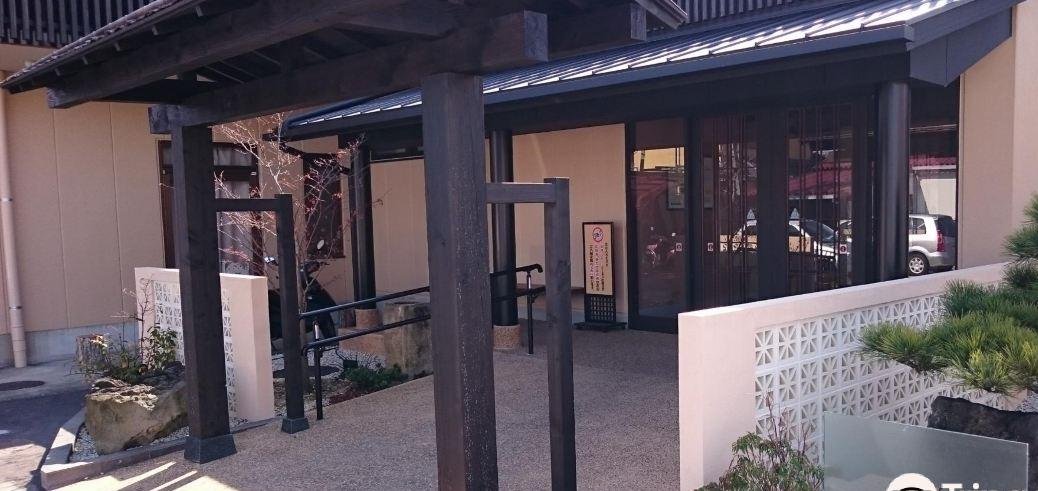
Popular Landmarks in Kisosaki
Discover the most iconic attractions in Kisosaki
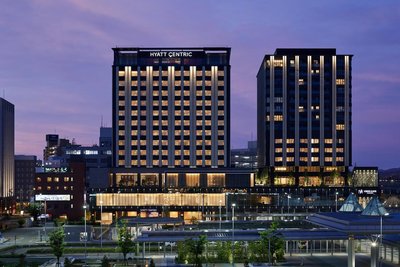
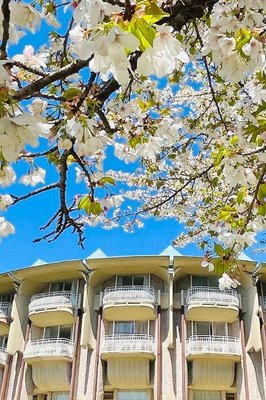
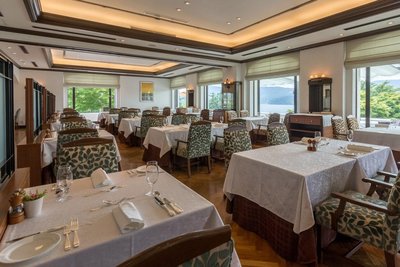
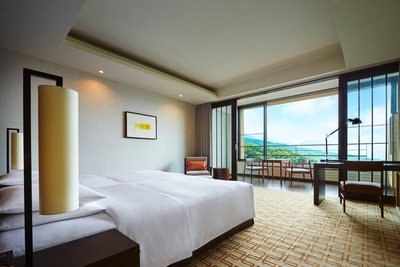
Recommended Hotels in Kisosaki
Find the perfect place to stay in Kisosaki
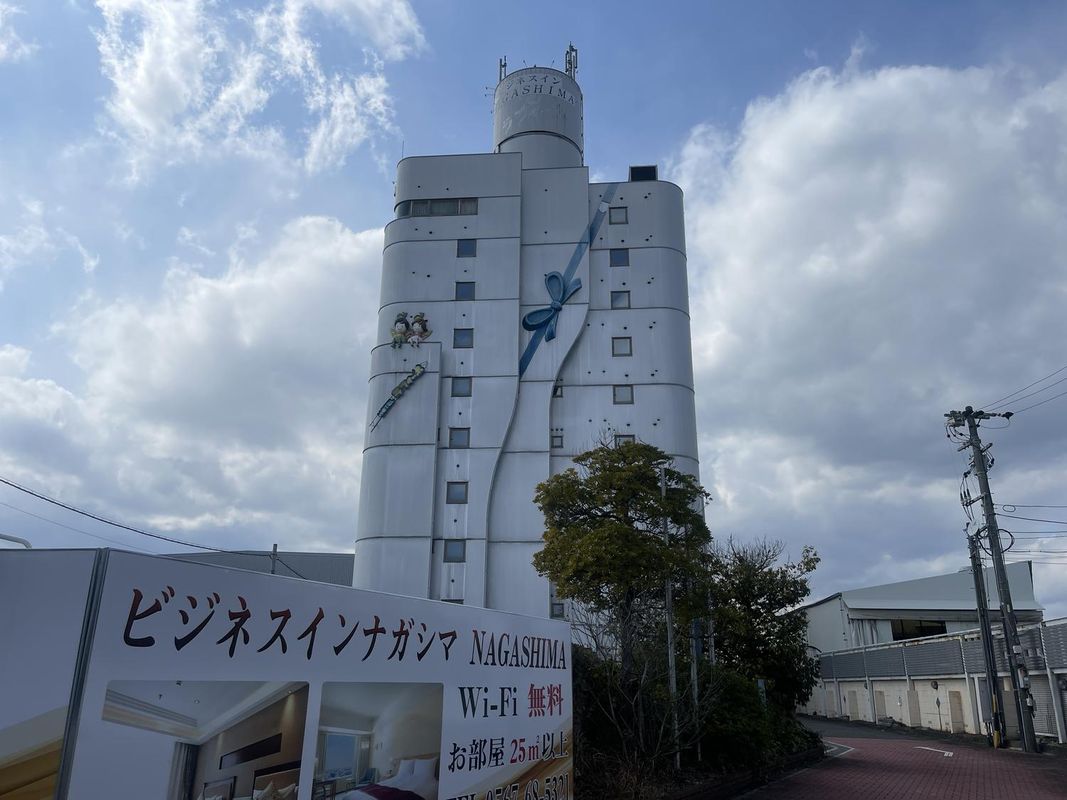
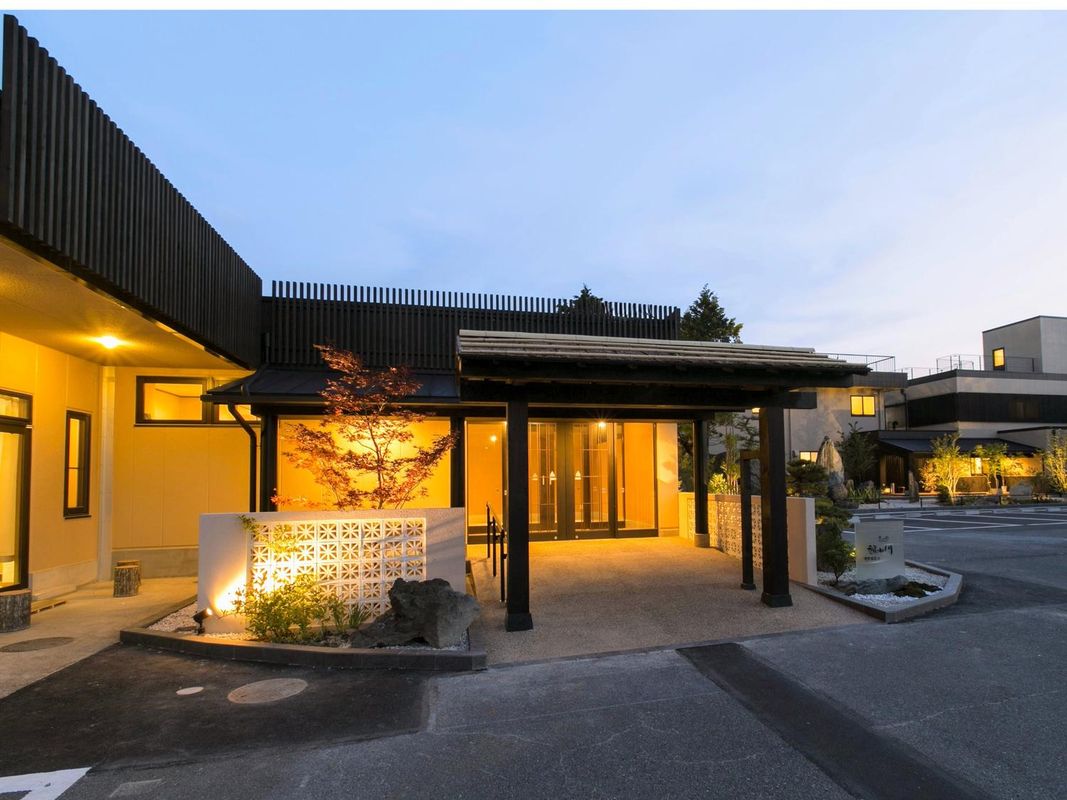
Best Hotels in Kisosaki
Discover curated hotel collections in Kisosaki
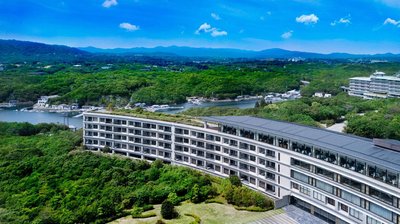
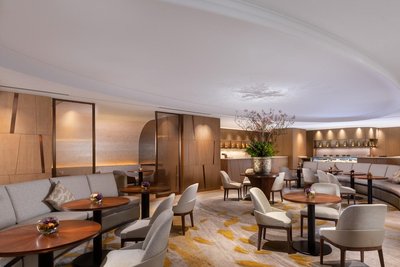
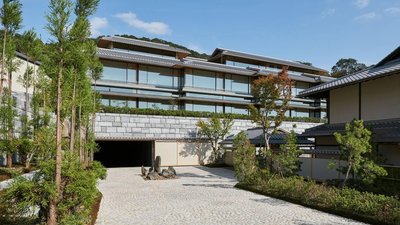
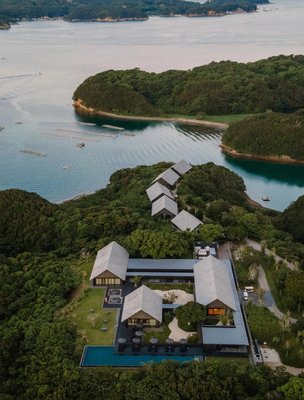















Frequently Asked Questions about Traveling to Kisosaki
Questions You Might Need to Know About Traveling to Kisosaki
Kisosaki Overview
City Summary
Kisosaki Town is located in the eastern part of Mie Prefecture, Japan, a small town where natural landscapes coexist with industrial zones. It boasts stunning views of Ise Bay and is also one of Japan's important industrial bases. Visitors can experience the unique blend of industry and nature and enjoy the serene coastal scenery. While Kisosaki Town may not have deep cultural roots, its unique geographical location and industrial characteristics make it a place worth exploring.
Must-See Attractions
The main attractions in Kisosaki Town include Ise Bay Seaside Park, the best spot to enjoy ocean views and sunsets. Additionally, the Kisosaki Industrial Zone offers a unique nightscape, especially when the lights illuminate the area after dark. Nature lovers can visit nearby estuary wetlands to observe rich birdlife.
Food Guide
The local cuisine in Kisosaki Town is influenced by Mie Prefecture and Ise Bay. Recommended dishes include fresh seafood such as Ise lobster and locally caught fish. Matsusaka beef, a specialty of Mie Prefecture, is also a must-try. Street food features grilled clams and seafood rice bowls, simple yet full of oceanic flavors.
Transportation Guide
Transportation in Kisosaki Town primarily relies on buses and private cars, as there is no subway system. Visitors can take buses from Nagoya or Tsu City, with a travel time of about 1-2 hours. Renting a car is a convenient option, especially for those who want to explore surrounding areas freely. Note that traffic near the industrial zone can be busy during rush hours.
Best Time to Visit
The best times to visit Kisosaki Town are spring (March-May) and autumn (September-November), when the weather is pleasant and tourist crowds are smaller. Summer is hot but ideal for beach activities, while winter offers charming night views of the industrial zone.
Travel Tips
- Safety Tip: Large vehicles are common near industrial areas; pedestrians should exercise caution.
- Etiquette Note: Japanese culture values quietness, especially in public spaces.
- Payment: Carry cash, as some small shops may not accept credit cards.
- Language: English is not widely spoken; learning basic Japanese or using a translation app is helpful.
- Eco-Friendly: Dispose of trash properly and follow local recycling rules.
- Internet: Consider purchasing a local SIM card or renting a Wi-Fi device for reliable connectivity.
Useful Information
Language: Japanese is the main language; English is limited. A translation tool or basic Japanese phrases are recommended. Internet: Prepaid SIM cards or Wi-Fi devices are available for reliable coverage. Payment: Cash is widely used; credit cards are accepted at larger establishments. Medical Care: Small clinics are available, but serious cases may require hospitals in Tsu or Nagoya. Emergency Contacts: In Japan, dial 110 for police and 119 for ambulance or fire services.









