Hotels in Kitakata
Discover your perfect stay in Kitakata.
Kitakata(Japan) Travel 2026: Cheap Flights, Hotels & Top Attractions
Popular Landmarks in Kitakata
Discover the most iconic attractions in Kitakata
Recommended Hotels in Kitakata
Find the perfect place to stay in Kitakata
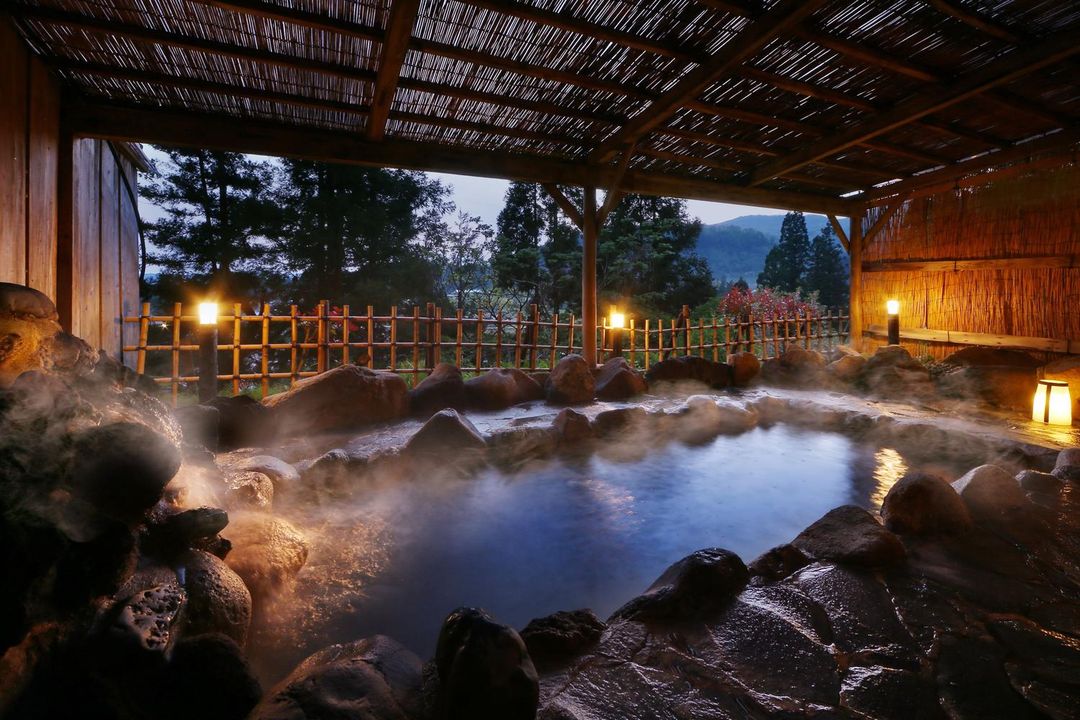
Yamagataya
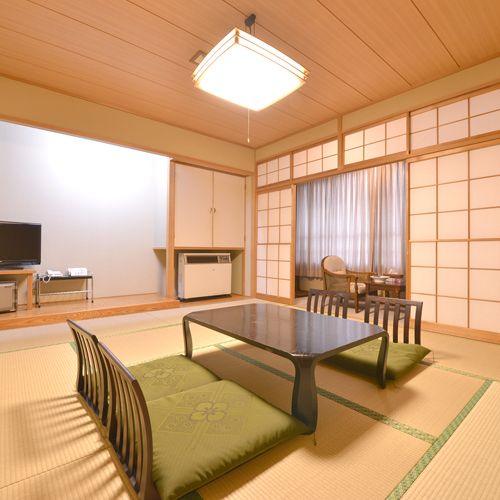
Kanoya Ryokan
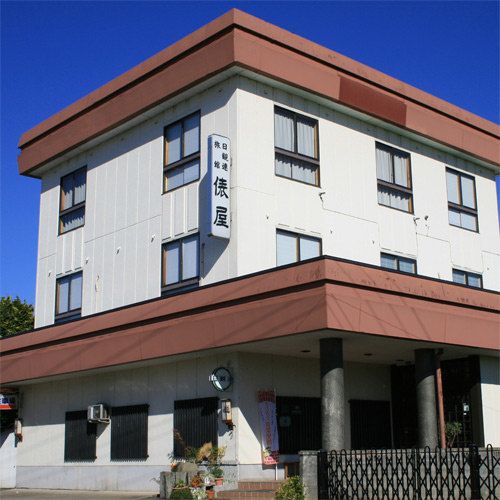
Tawaraya (Breakfast Inn)
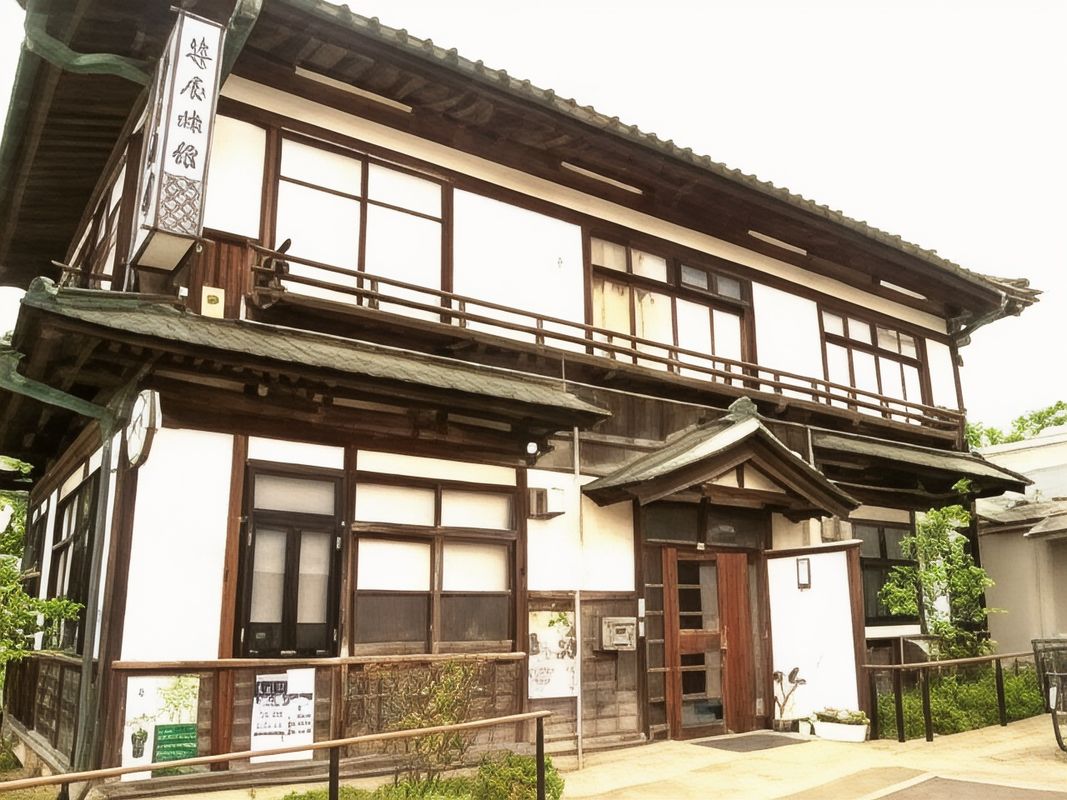
Sasaya Ryokan
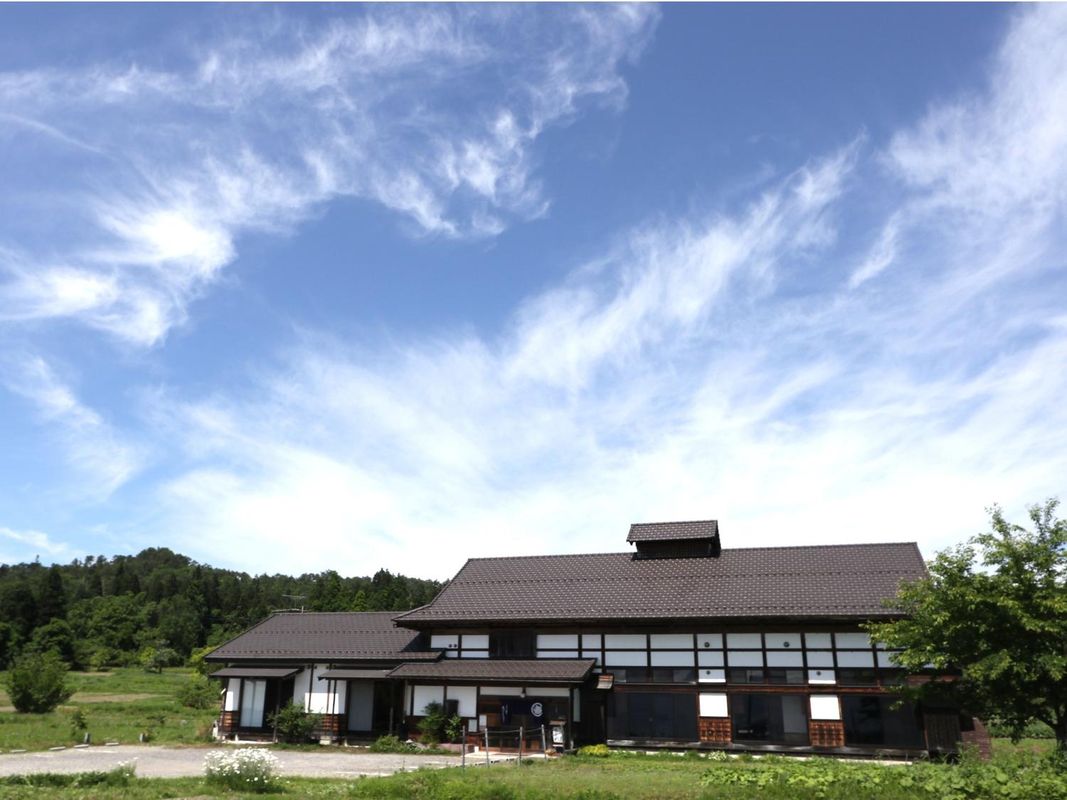
Shiguretei
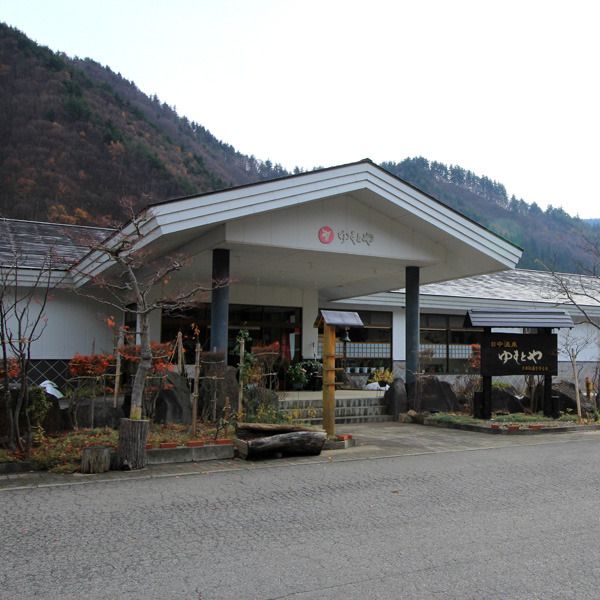
Yumotoya (Nicchu Onsen)
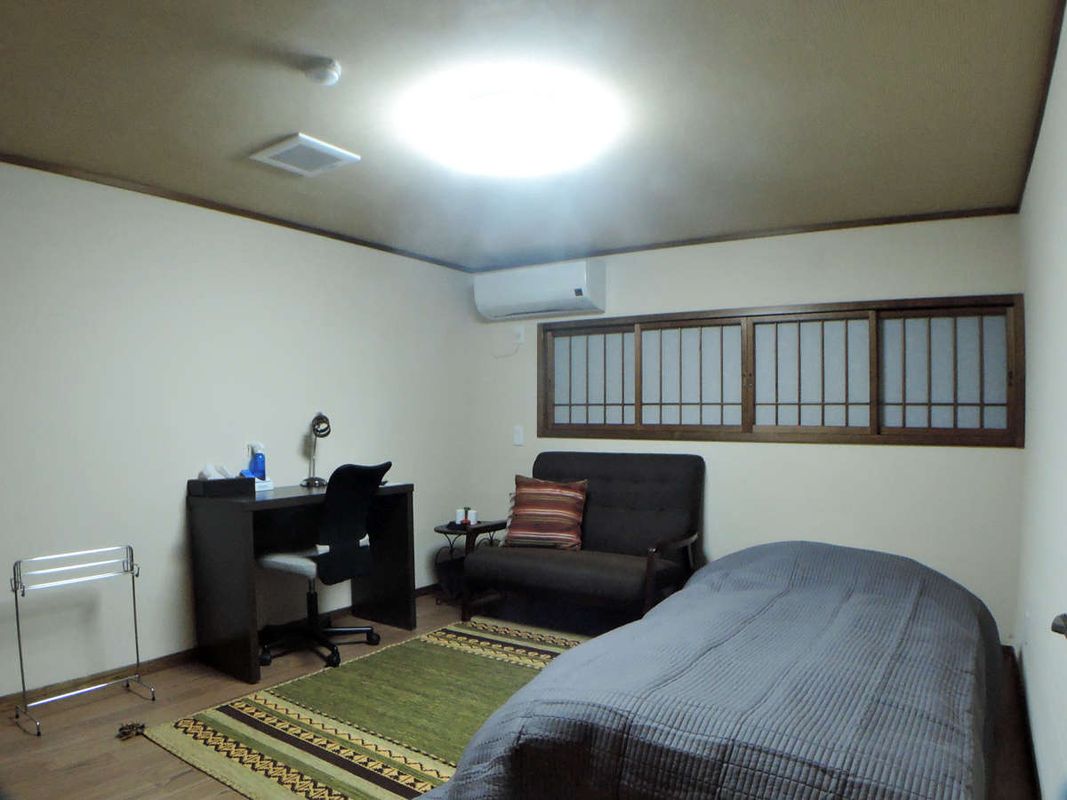
Azuma Ryokan
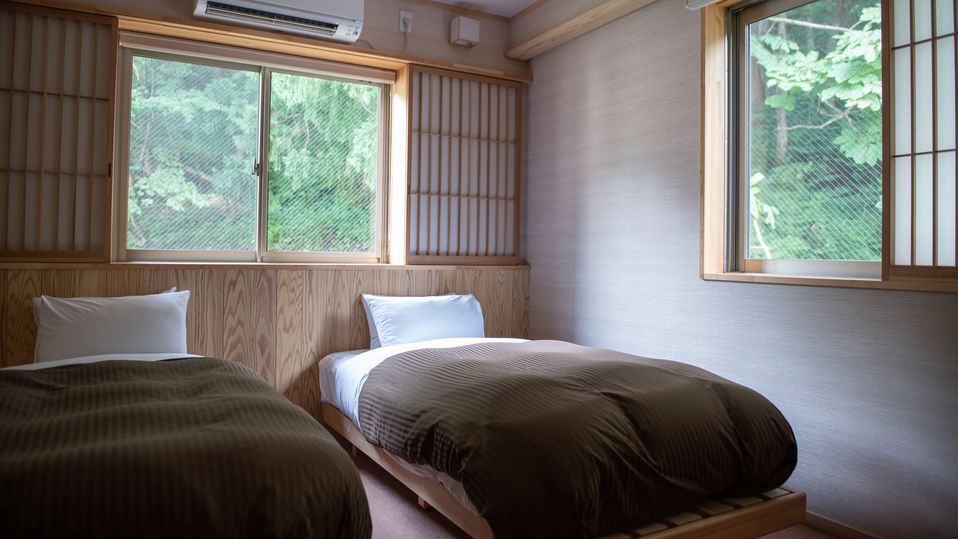
Hotel Fujiya
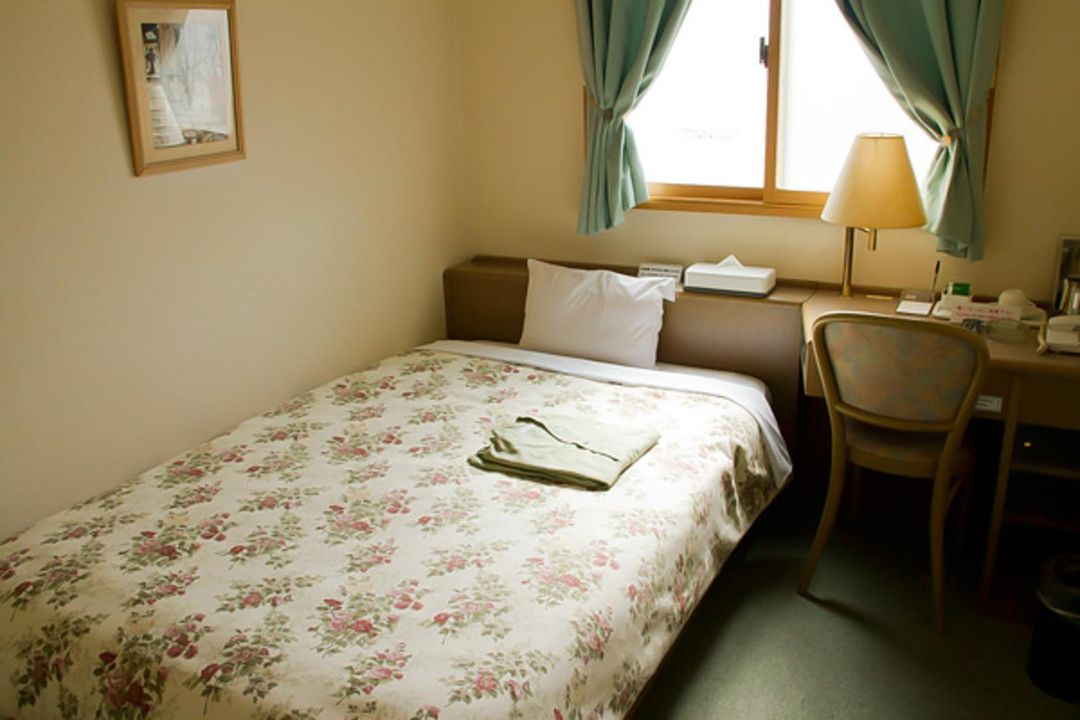
Kitakata Green Hotel
Best Hotels in Kitakata
Discover curated hotel collections in Kitakata
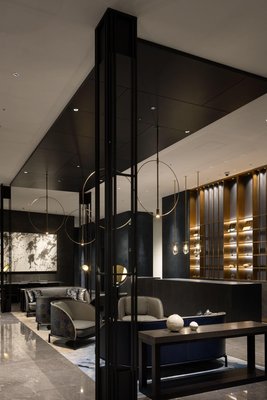
Bellustar Tokyo, A Pan Pacific Hotel
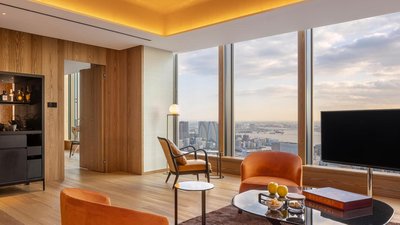
Bvlgari Hotel Tokyo
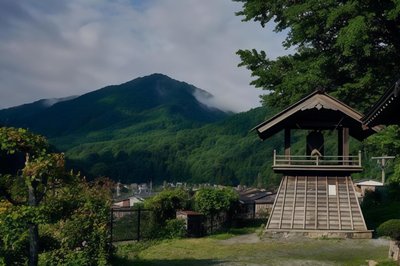
Byaku Narai
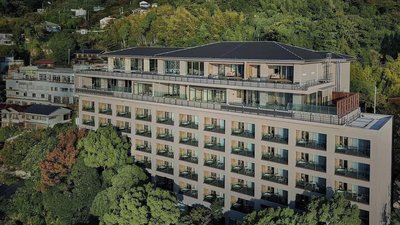
Atami Izusan Karaku
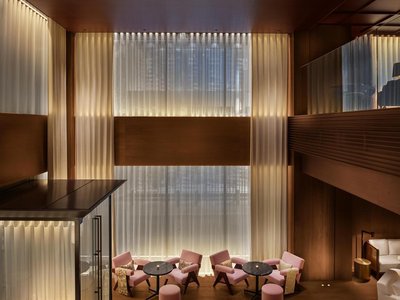
The Tokyo Edition, Ginza
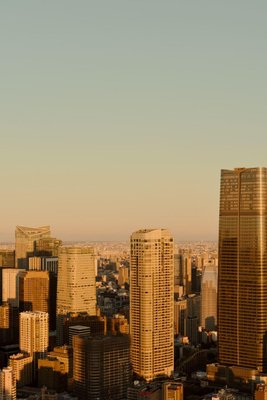
Janu Tokyo
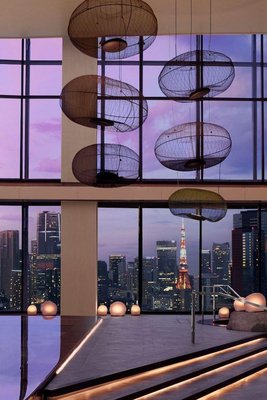
JW Marriott Hotel Tokyo
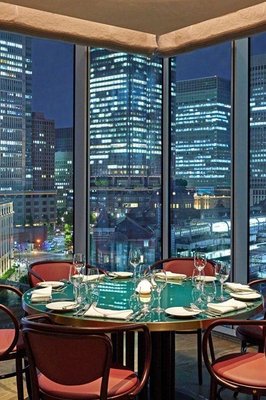
Four Seasons Hotel Tokyo at Marunouchi

Mandarin Oriental, Tokyo
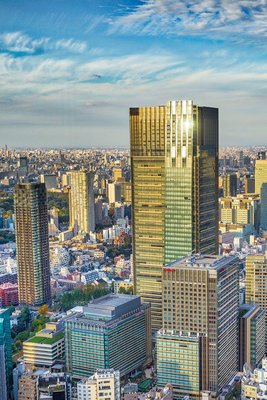
The Ritz-Carlton, Tokyo
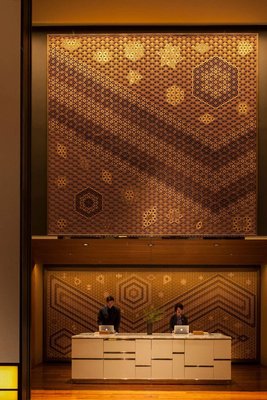
Andaz Tokyo Toranomon Hills- A Concept by Hyatt
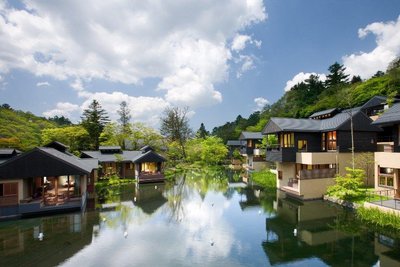
Hoshinoya Karuizawa
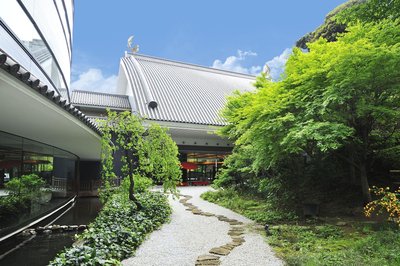
Hotel Gajoen Tokyo
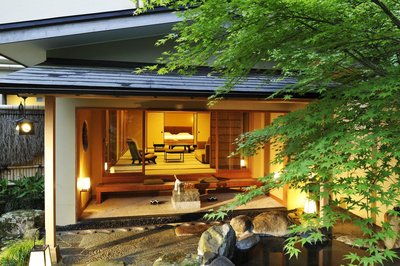
Gora Kadan
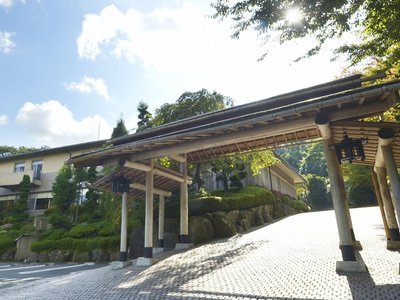
Gora Hanaougi
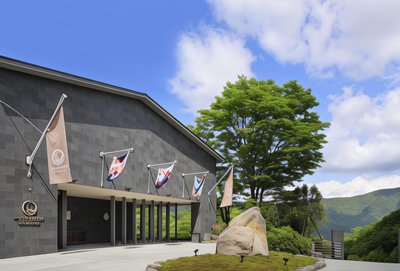
The Hiramatsu Hotels & Resorts Sengokuhara Hakone
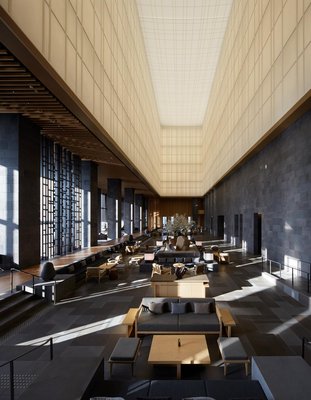
Aman Tokyo
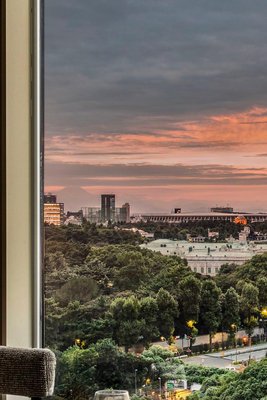
Hotel New Otani Tokyo, Executive House Zen
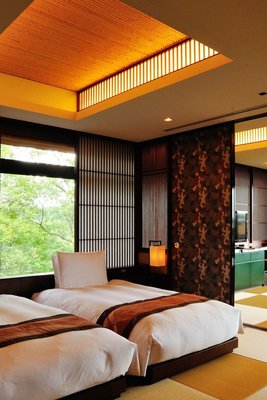
Chikusenso Onsen
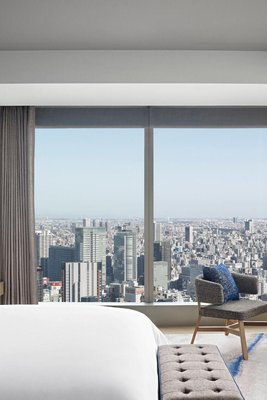
Four Seasons Hotel Tokyo at Otemachi
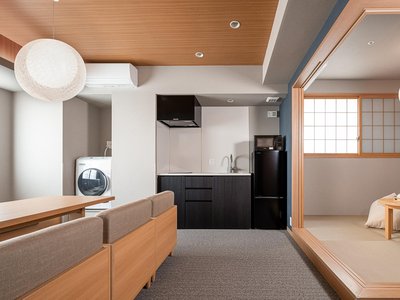
MIMARU SUITES Tokyo Asakusa

La Terra Resort

karaksa hotel colors Tokyo Yaesu
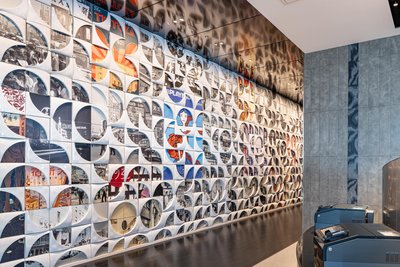
HOTEL GROOVE SHINJUKU, A PARKROYAL Hotel

EN Resort Grandeco Hotel
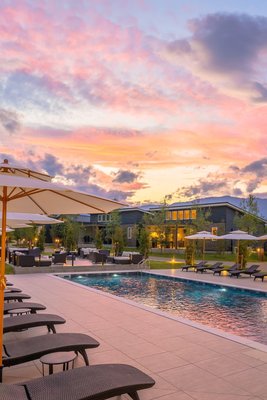
Awaumi Fujikawaguchiko Resort
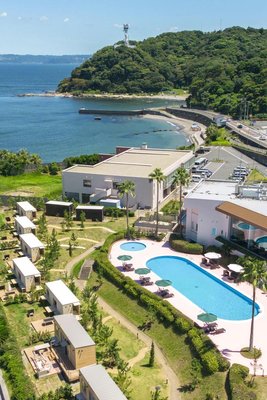
La vista Yokosuka Kannonzaki Terrace
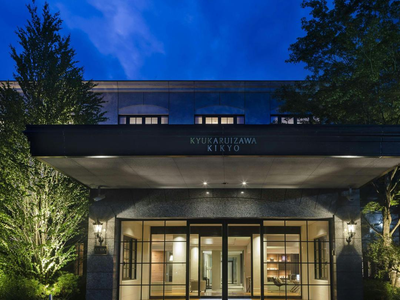
Fufu Karuizawa Wind of Sunshine
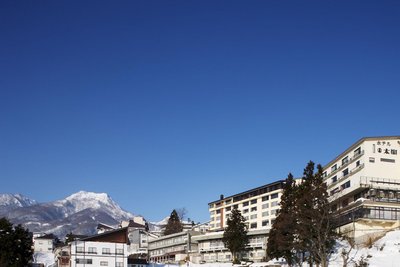
Hotel Taiko, Akakura Onsen
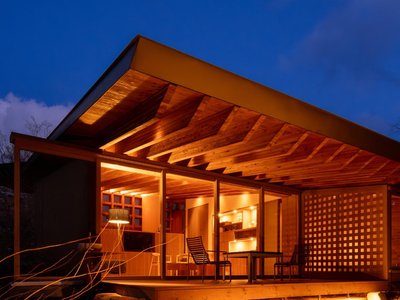
Nasu Mukunone
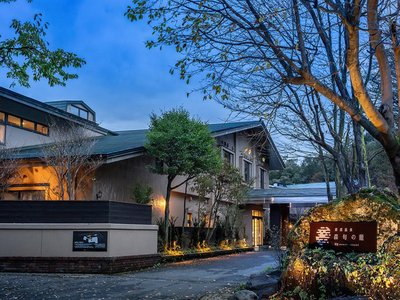
Nasu Onsen Shinshun no Kago Hewitt Resort

Scapes the Suite
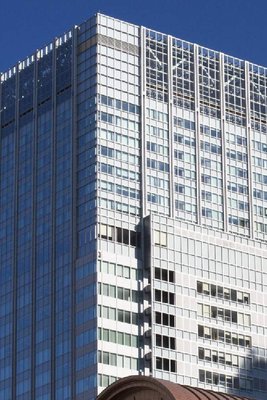
Hotel Metropolitan Tokyo Marunouchi
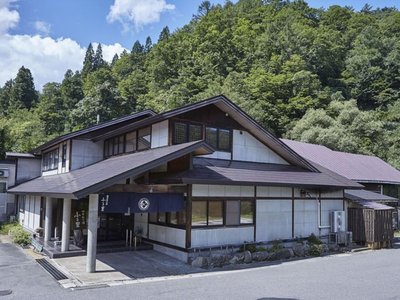
Fulsato
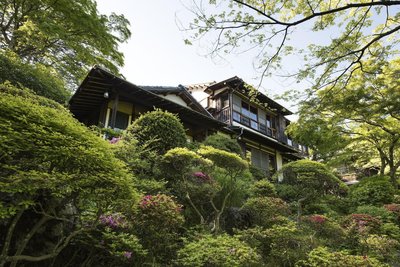
Gora Kansuiro
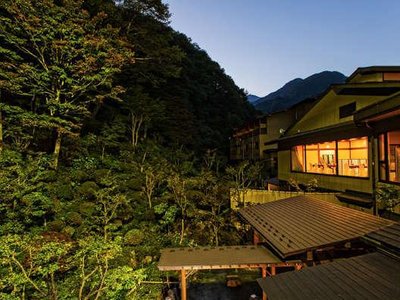
Futari Shizuka
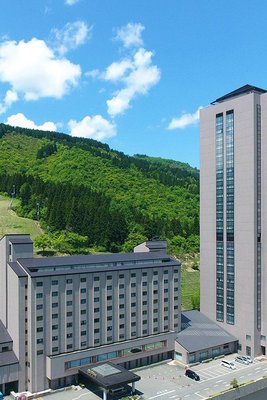
Naspa New Otani
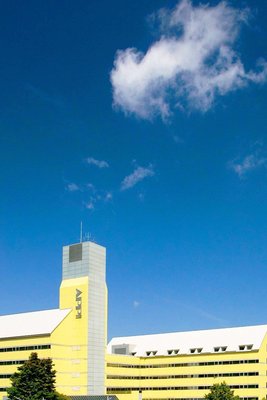
Crowne Plaza - ANA RESORT APPI KOGEN
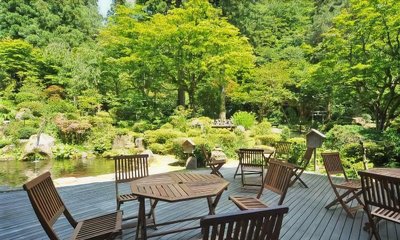
Choseikan
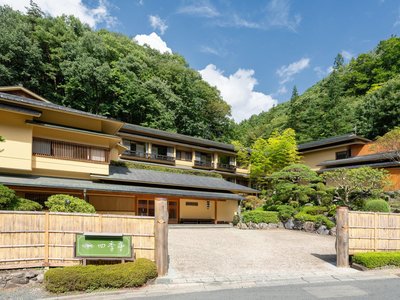
Shikitei Morioka TsunagiOnsen
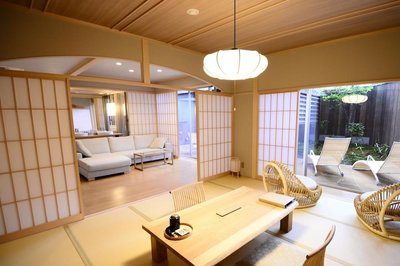
Hakone Gora Byakudan
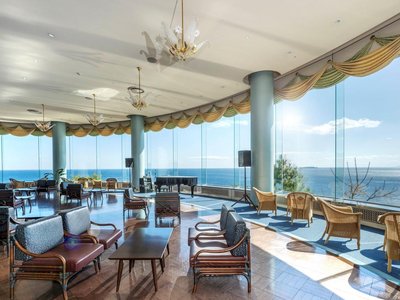
Hotel New Akao
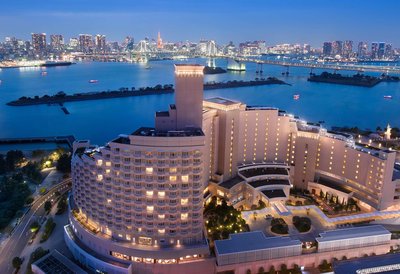
Hilton Tokyo Odaiba
JW Marriott Hotel Tokyo
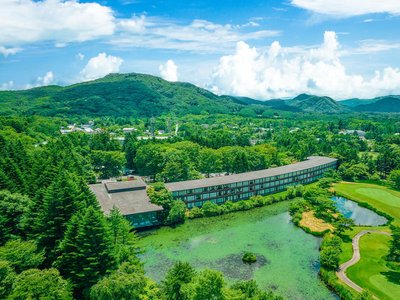
The Prince Karuizawa

The Kukuna
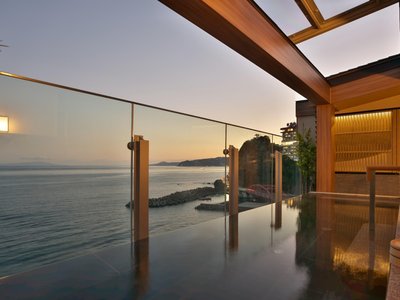
Hotel New Sagamiya
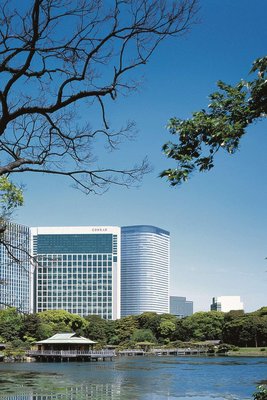
Conrad Tokyo
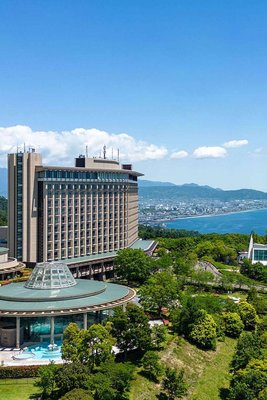
Hilton Odawara Resort & Spa
Hoshinoya Karuizawa
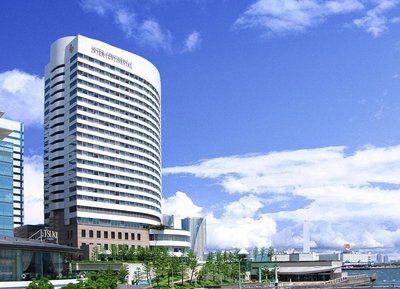
InterContinental Tokyo Bay
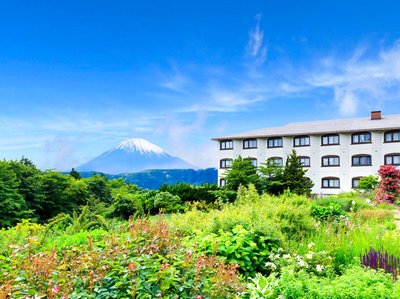
Hotel Green Plaza Hakone
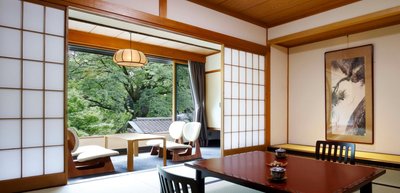
Yoshiike Ryokan
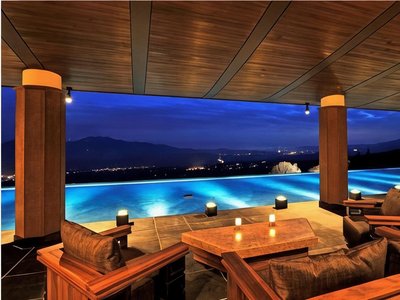
Akakura Kanko Hotel
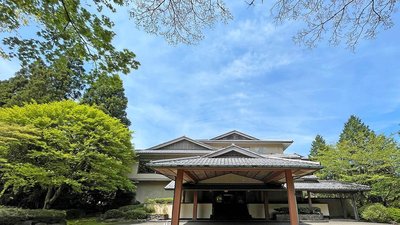
Ryuguden
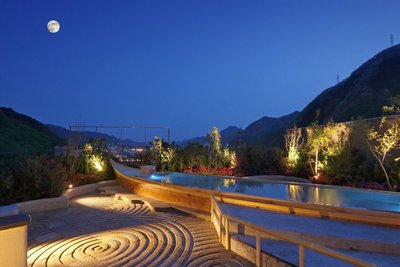
Asaya
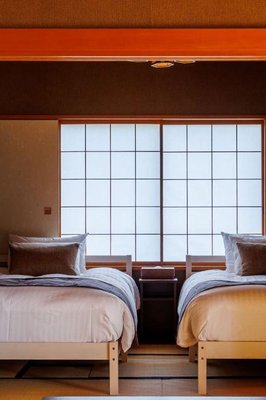
Sado Resort Hotel Azuma
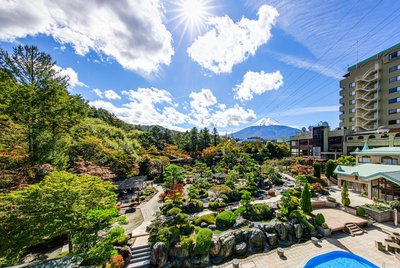
Kaneyamaen
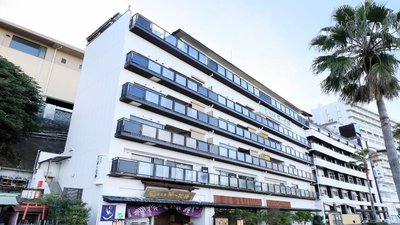
Syukaen Yunohanazen

Komatsu-Kan Kofu-Tei
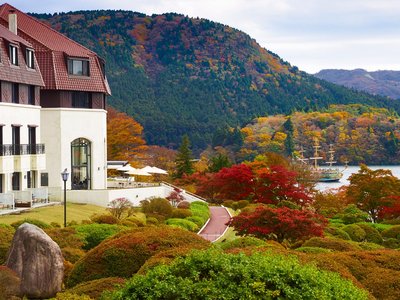
Hotakajyo
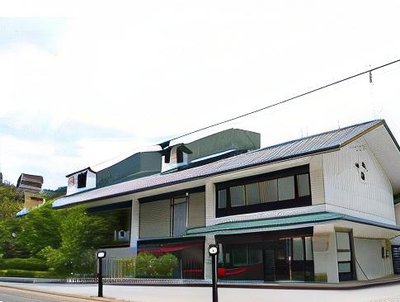
Auberge Suzukane

Onyado Nono Asakusa Bettei Hot Spring
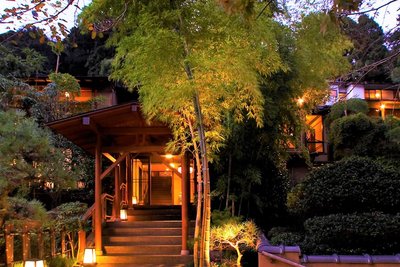
Shiki wo Ajiwau Yado Yamano Chaya
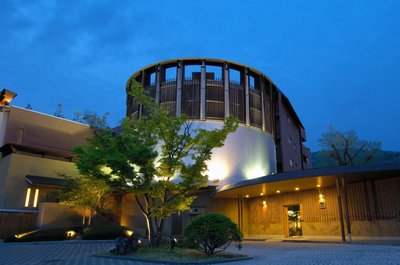
Hoshino Resorts Kai Matsumoto
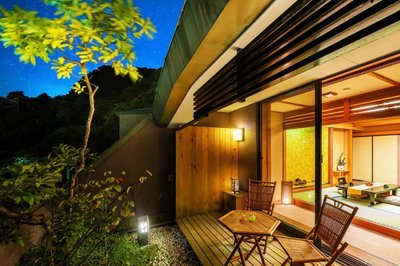
Konjakutei
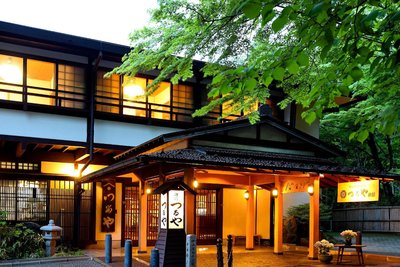
Tsuruya Ryokan
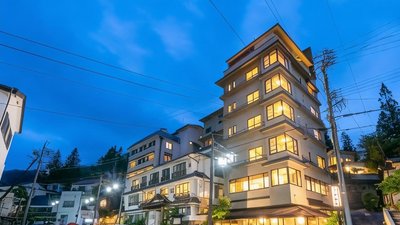
Nakamatsuya Ryokan
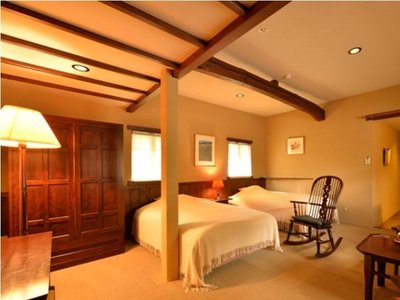
Ryokan Sugimoto
Yoshiike Ryokan
Hotel Gajoen Tokyo
Gora Hanaougi
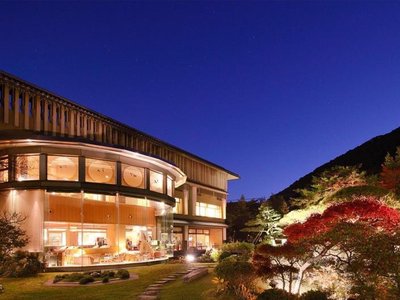
Shikisai Ichiriki
Sado Resort Hotel Azuma
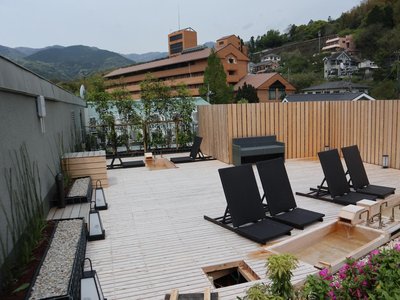
Fukiya Ryokan
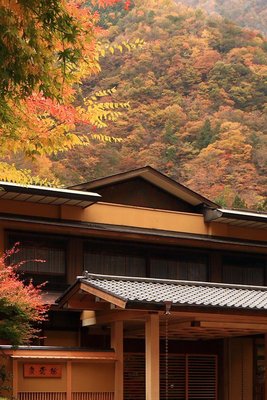
Nishiyama Onsen Keiunkan
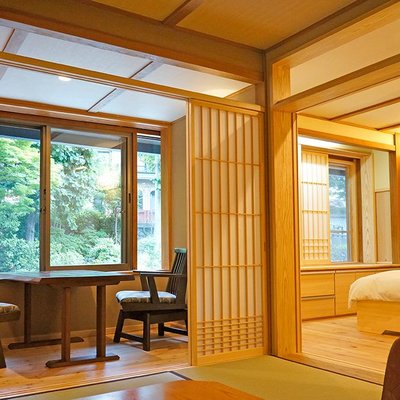
Sumiyosiya Ryokan
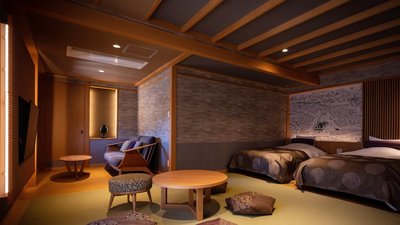
Naraya
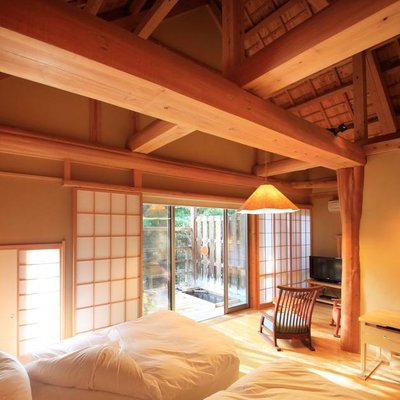
Daikon-No-Hana
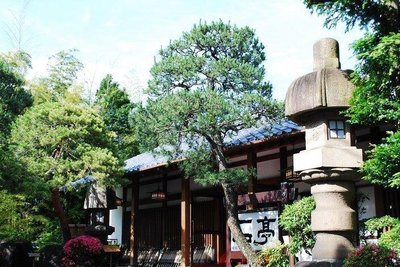
Atami Sekitei
Bellustar Tokyo, A Pan Pacific Hotel
JW Marriott Hotel Tokyo
Andaz Tokyo Toranomon Hills- A Concept by Hyatt
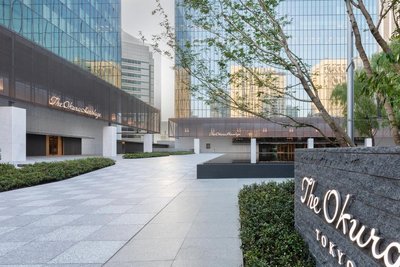
The Okura Tokyo
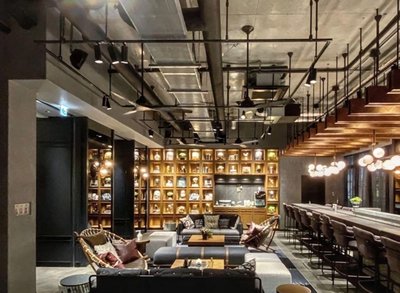
The Lively Azabujuban Tokyo
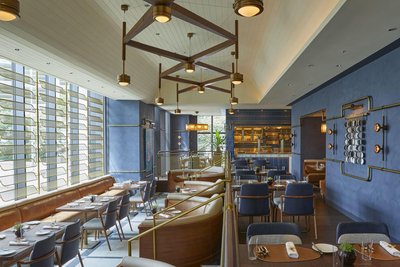
Kimpton Shinjuku Tokyo

HOTEL K5
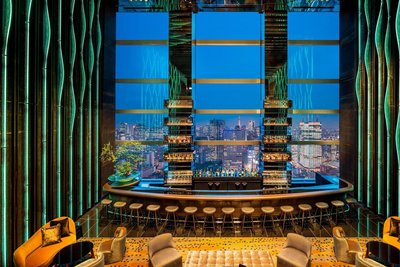
The Prince Gallery Tokyo Kioicho, a Luxury Collection Hotel
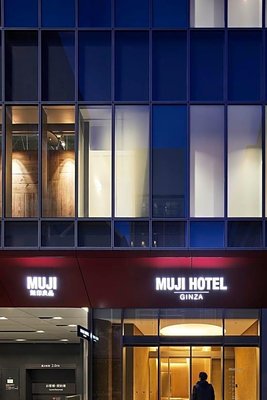
Muji Hotel Ginza
Hakone Gora Byakudan
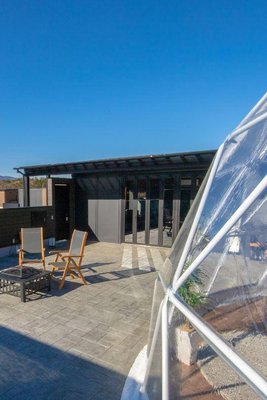
Panoramic Mt. Fuji Views from All Rooms – Vision Glamping Resort & Spa Yamanakako
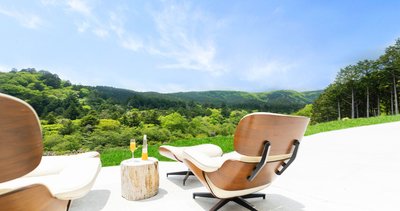
Shelter Garden Nikko
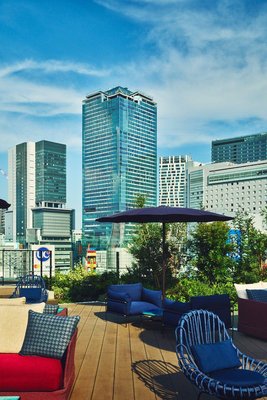
Hotel Indigo Tokyo Shibuya
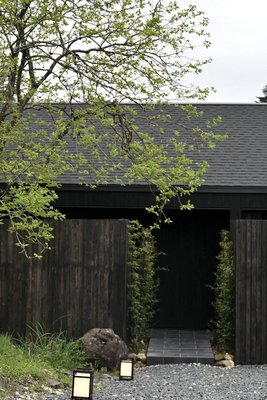
THE LAKOTAN
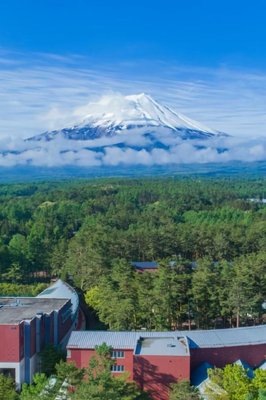
Forest Village (Fuji Premium Resort)
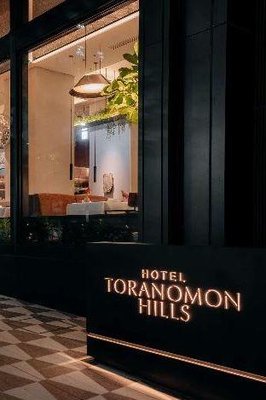
Hotel Toranomon Hills
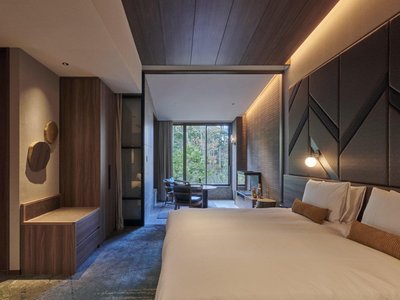
Fufu Kyu-Karuizawa Restful Forest
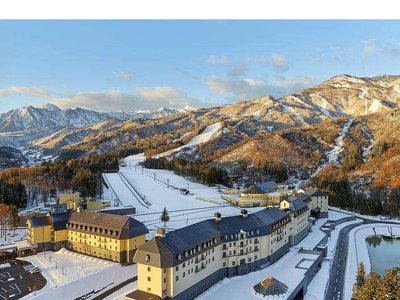
Lotte Arai Resort
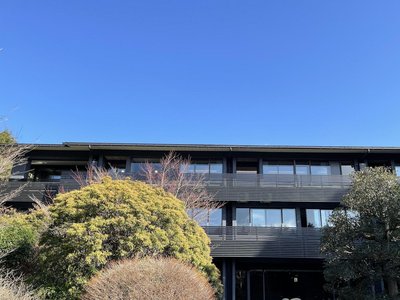
Sengokubara Cocon
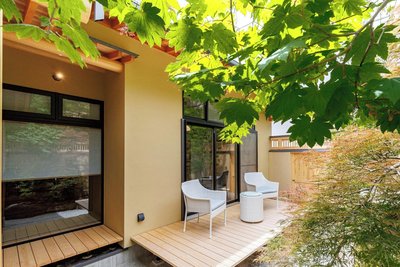
Shoraiso
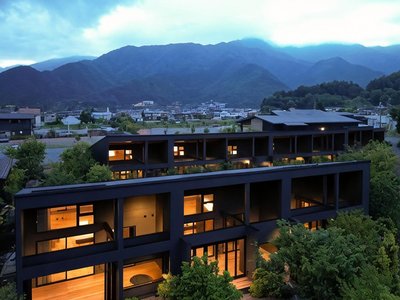
7C Villa and Winery
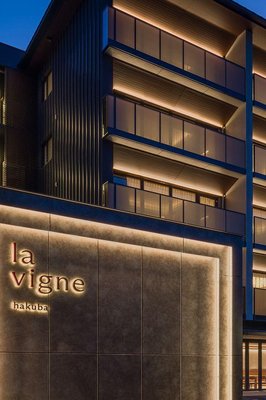
Hotel la Vigne Hakuba by Onko Chishin
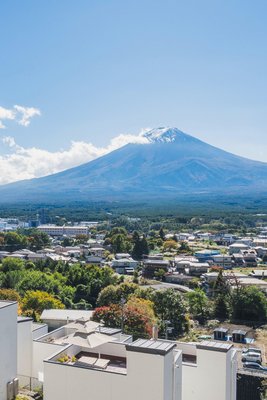
THE TOKI FujiKawaguchiko
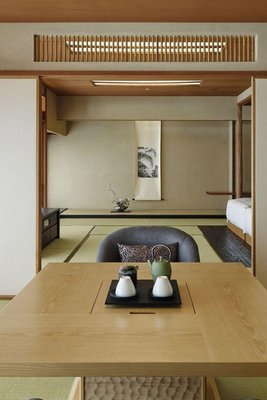
Takanawa Hanakohro (in Grand Prince Hotel Takanawa)
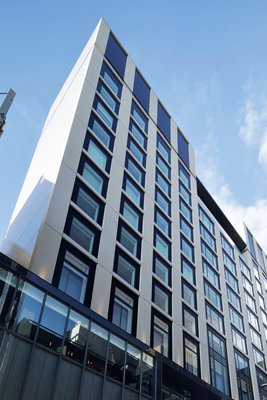
Hyatt Centric Ginza Tokyo
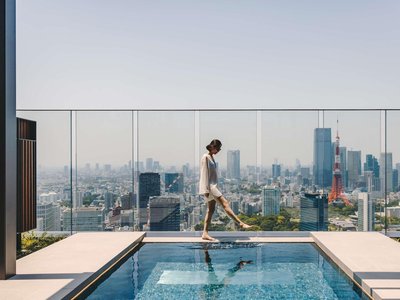
Fairmont Tokyo
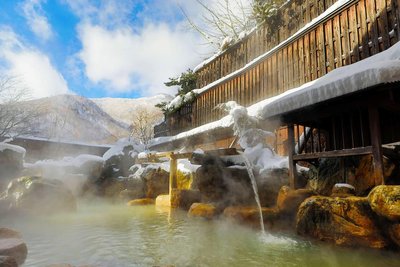
Miyamaouanbekkan yumegurinoyado hirayukan
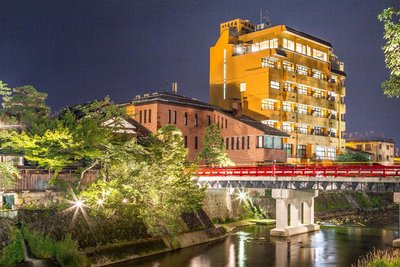
HONJIN HIRANOYA BEKKAN
The Prince Karuizawa
Bvlgari Hotel Tokyo
Four Seasons Hotel Tokyo at Marunouchi
Mandarin Oriental, Tokyo
The Ritz-Carlton, Tokyo
Andaz Tokyo Toranomon Hills- A Concept by Hyatt
Gora Kadan

Hotel New Otani Tokyo the Main
Aman Tokyo
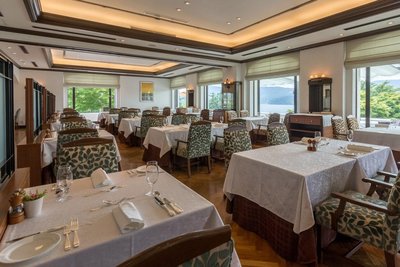
Odakyu Hotel de Yama
Four Seasons Hotel Tokyo at Otemachi
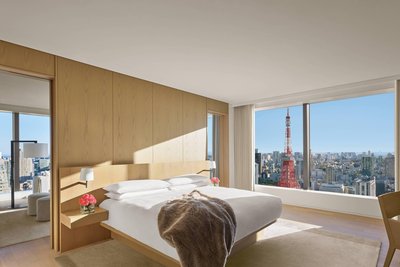
The Tokyo Edition, Toranomon
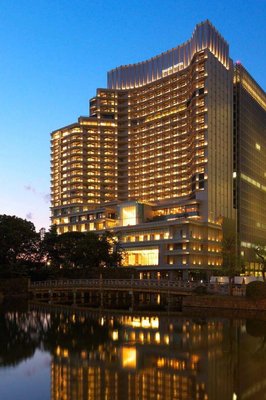
Palace Hotel Tokyo
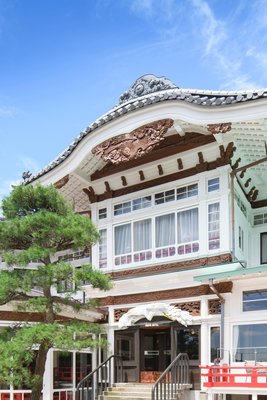
Fujiya Hotel
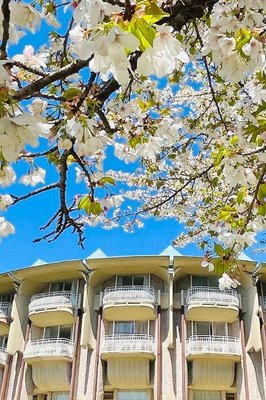
The Prince Hakone Lake Ashinoko
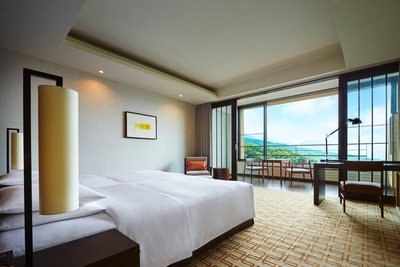
Hyatt Regency Hakone Resort and Spa
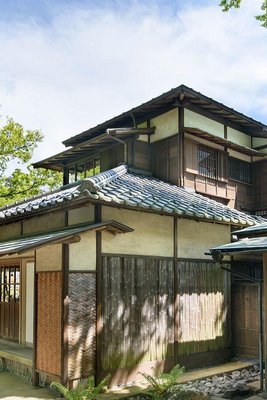
Hakone Suishoen
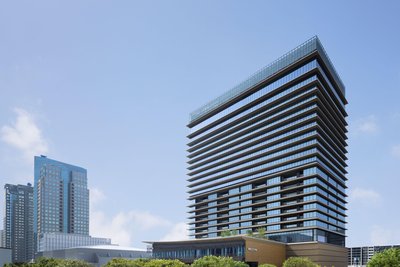
The Westin Yokohama
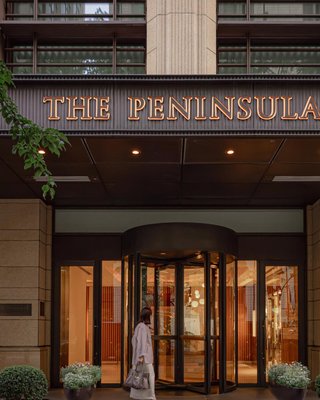
The Peninsula Tokyo

Imperial Hotel, Tokyo
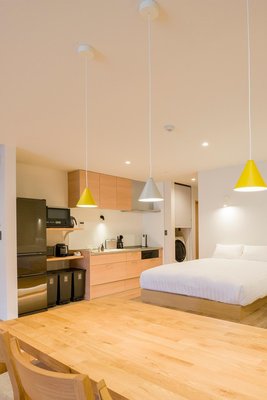
Rakuten STAY VILLA Nasu
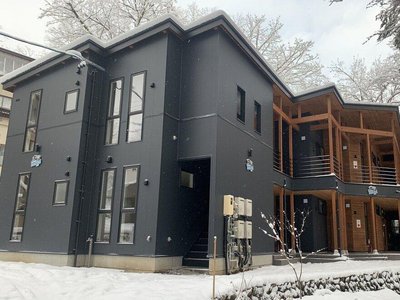
Hakuba Gondola Apartments
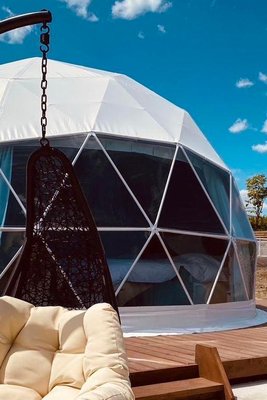
chillout glamping zao
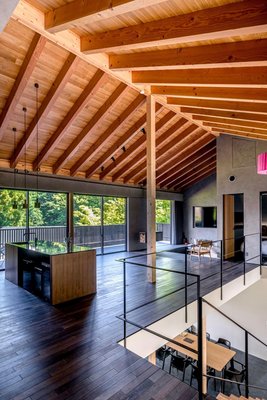
MONS GORA
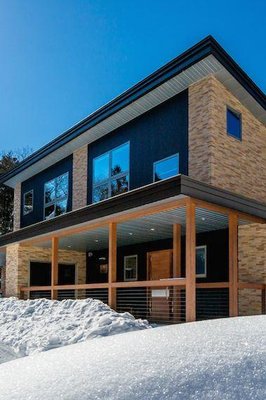
Phoenix Chalets by Hhg
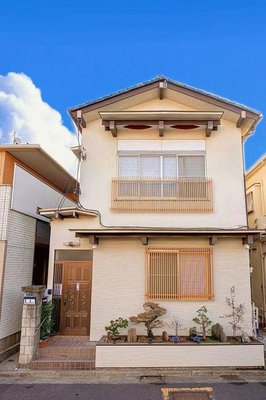
Tokyo Star House-Shinkoiwa
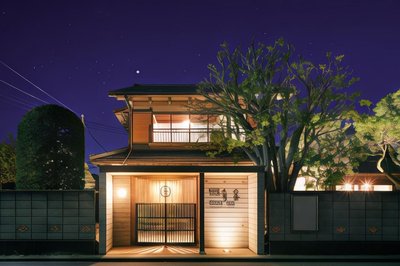
Machi-Jyu
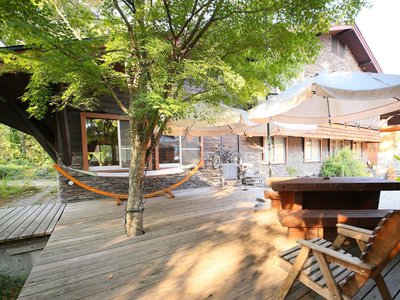
Kunugi Relaxation with 4 Modern Rooms
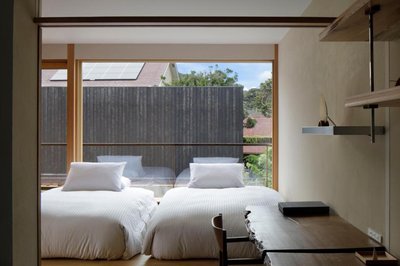
Modern Ryokan Kishi-ke
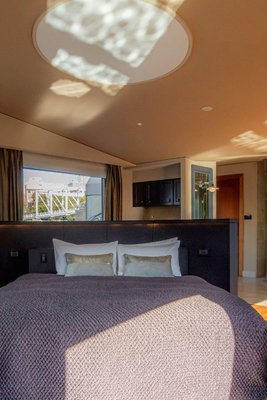
Petals Tokyo - Floating Hotel
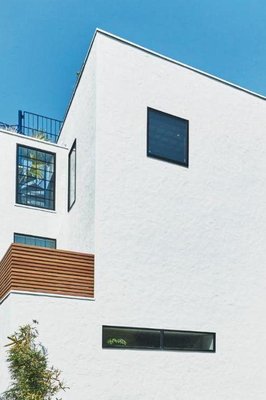
The Flow Kamakura
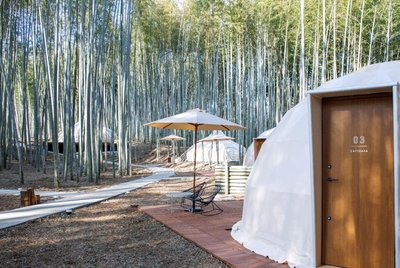
THE BAMBOO FOREST
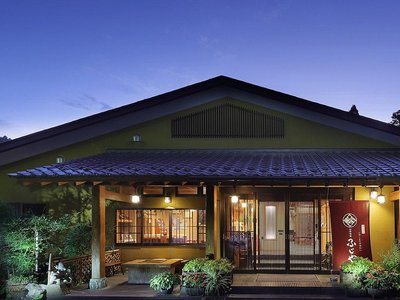
Shikimitei Fujiya
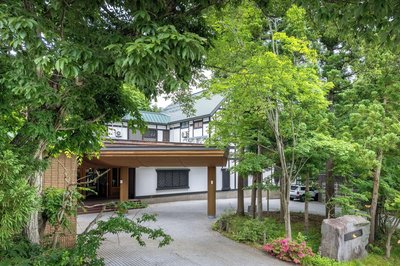
Forest Resort Yamanote Hotel
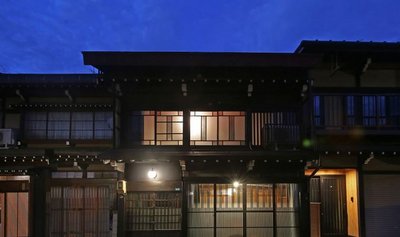
Iori Stay Hida

Hotel Barrière Fouquet's New York
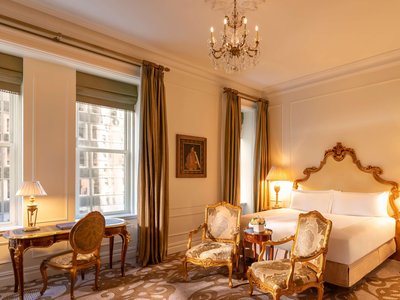
The Plaza - A Fairmont Managed Hotel
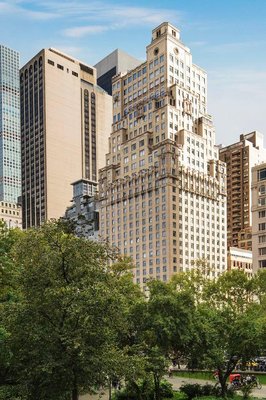
The Ritz-Carlton New York, Central Park
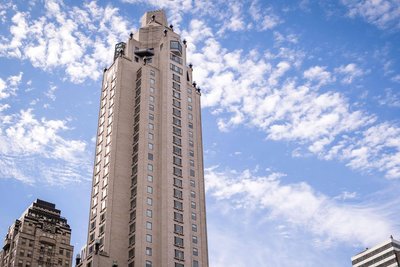
Four Seasons Hotel New York

The St. Regis New York
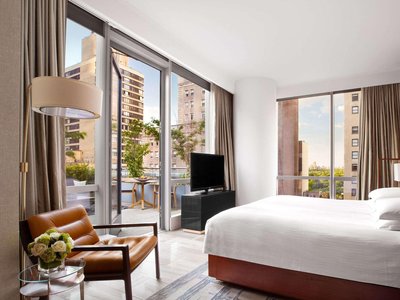
Park Hyatt New York
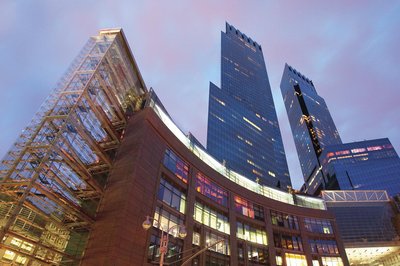
Mandarin Oriental New York
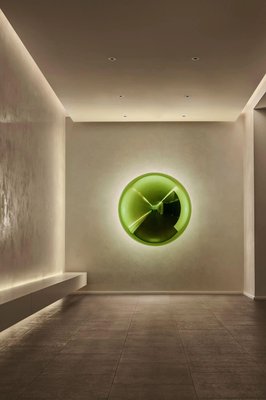
Times Square Edition New York

Loews Regency New York Hotel
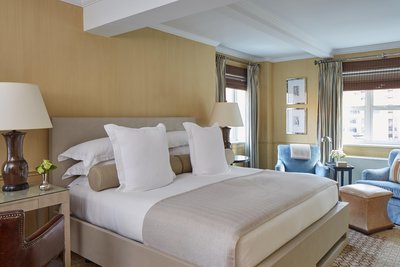
Lowell Hotel
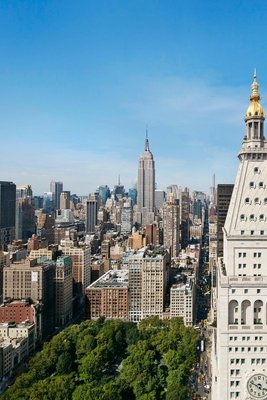
New York Edition
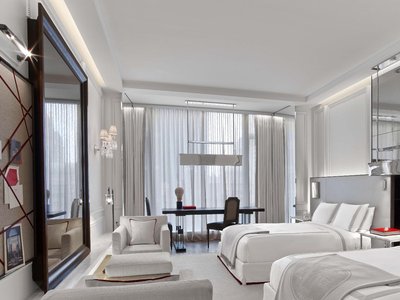
Baccarat Hotel New York

Equinox Hotel New York

Four Seasons Hotel New York Downtown
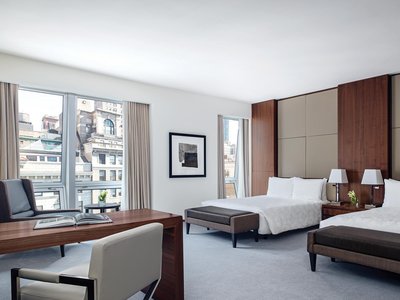
The Langham, New York, Fifth Avenue

The Carlyle, A Rosewood Hotel

The Chatwal, in the Unbound Collection by Hyatt
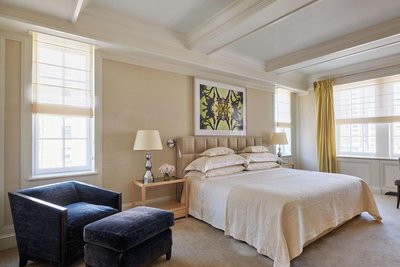
The Mark New York
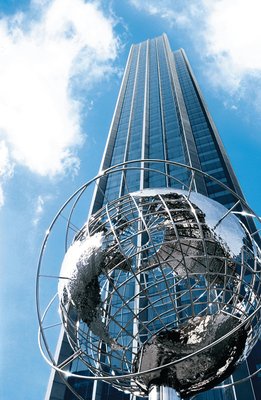
Trump International Hotel & Tower® New York
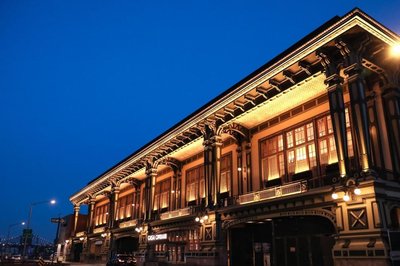
Casa Cipriani New York
Frequently Asked Questions about Traveling to Kitakata
Questions You Might Need to Know About Traveling to Kitakata
In Kifune City, the standout choice is Kifune Onsen Ryokan, a traditional inn nestled in the mountains near the Kifune River. It offers private open-air baths with views of seasonal landscapes and serves authentic Kifune Ramen-inspired kaiseki meals. Guests can participate in hands-on workshops like hand-pulling ramen noodles or crafting washi paper using local techniques. The inn also hosts seasonal events such as night illuminations at Ono Shrine, blending cultural heritage with serene mountain living. Each room features tatami mats and shoji screens, immersing visitors in genuine Japanese hospitality.
The ideal area for first-time visitors is central Kifune City, centered around Kifune Station. This district blends accessibility with old-world charm, offering easy access to key attractions like the Kifune Ramen Museum and Ono Shrine. Accommodations range from renovated machiya houses to small boutique hotels, many featuring traditional wooden architecture and cozy gardens. Strolling along the Kifune River at dawn or enjoying a quiet evening tea on a veranda provides a peaceful introduction to rural Fukushima life. Public transport links are reliable, making it perfect for independent travelers.
Guests in Kifune City can immerse themselves in several unique traditions. Try a hands-on ramen-making workshop at a local ryokan, where you’ll learn to craft noodles from scratch using regional recipes. Visit the Kifune Ramen Museum to explore the history of this iconic dish. During autumn, attend the Night Illumination Festival at Ono Shrine, where lanterns cast a golden glow over ancient stone paths. You can also join a washi paper crafting session led by local artisans, creating your own personalized souvenir. These experiences highlight Kifune’s deep-rooted craftsmanship and community spirit.
Yes, Kifune Komachi Minka is a highly recommended family-friendly guesthouse located in a restored 100-year-old machiya. It features a dedicated children’s activity room, outdoor play space, and special programs like kids’ ramen-making classes, kimono dressing games, and nature scavenger hunts. Families can enjoy guided walks along the Kifune River Trail, spotting birds and wildflowers. Meals include child-sized portions made from local ingredients. All facilities are wheelchair-accessible, ensuring comfort and safety for all ages—ideal for a relaxed, enriching family getaway.
Beyond Kifune Ramen, try Fukushima beef yakitori—grilled skewers with rich, tender meat, best enjoyed with local sake. Seasonal specialties include yamagiku tempura (wild mountain vegetables) in spring and chestnut rice in autumn. For dessert, sample kintama—a sweet potato confection wrapped in red bean paste. Many inns offer exclusive tasting sets, such as ramen broth pairing menus or foraged mushroom miso soup. These dishes reflect the region’s agricultural roots and emphasize fresh, locally sourced ingredients.
Winter in Kifune City is magical, especially at Yuki no Mori Onsen Betsu-Tei, a secluded mountain inn surrounded by snow-covered forests. Its private outdoor baths allow guests to soak while watching snowflakes fall. The inn hosts heated hearth dinners, where families gather around a sunken kotatsu to enjoy hearty stews and grilled fish. Seasonal highlights include the Ice Ramen Race, a fun challenge to finish a bowl on an icy platform. Evening events feature tea ceremonies with shamisen music, offering a tranquil, meditative atmosphere perfect for winter escape.
While many guesthouses in Kifune City offer basic English support, especially near Kifune Station, it’s wise to confirm language capabilities in advance. Top-tier inns like Kifune Komachi Minka employ multilingual staff and provide illustrated guides, maps, and audio tour devices. Some offer translation apps or partner with local guides for deeper engagement. For remote areas, carrying a pocket translator or downloading offline phrasebooks helps ensure smooth communication. Most locals are warm and eager to assist, even with limited language skills.
Start at Kifune Station, check into Kifune Onsen Ryokan, then visit the Kifune Ramen Museum for a morning workshop and tasting. Enjoy lunch at a local ramen shop before walking to Ono Shrine, exploring its historic pathways and seasonal lantern displays. Return to the inn for a relaxing bath and a kaiseki dinner featuring regional flavors. In the evening, join a tea ceremony or view the illuminated shrine. The next morning, take a peaceful walk along the Kifune River Trail, followed by a farewell breakfast. End with souvenirs like ramen seasoning kits and handmade washi paper—perfect for capturing the essence of Kifune City.
Absolutely. Kifune City is ideal for solo travelers seeking peace and cultural immersion. Stay at a quiet ryokan with private baths and minimalist design, such as Kifune Mountain House. Enjoy quiet mornings reading by the river or attending a washi paper workshop. Evening visits to Ono Shrine under moonlight offer solitude and reflection. Local cafes serve homemade sweets and matcha, perfect for lingering. With low tourist traffic and a strong sense of community, this town fosters introspection, creativity, and meaningful connections with nature and tradition.
The best times to visit Kifune City are autumn (October–November) for vibrant maple foliage along the Kifune River, and spring (April–May) for cherry blossoms and fresh mountain greens. Autumn brings the Night Illumination Festival at Ono Shrine, while spring hosts Kifune Flower Trails and early-season foraging tours. Winter offers snow-draped landscapes and cozy onsen experiences. Summer sees lush greenery and festivals like Firefly Night Walks. Each season presents unique visual and cultural highlights, making Kifune a year-round destination for nature lovers and cultural enthusiasts.
Kitakata Overview
City Summary
Kitakata City in Fukushima Prefecture, Japan, is renowned for its historic kura warehouses, ramen culture, and seasonal landscapes. With over 4,000 traditional "kura" storehouses from the Edo period, it's called "Town of Kura." Agriculture and craftsmanship thrive here, offering stunning views of spring rapeseed fields and autumn rice terraces.
Must-See Attractions
Must-see spots include the Kura-no-Machi streets lined with black-and-white warehouses, many converted into museums/cafés. The Ramen Shrine honors the "Ramen God" showcasing local soy-based ramen history. Don't miss the 1,000-year-old sacred tree at Yamanaka Hachiman Shrine or folk artifacts at Kitakata City Museum. Rent bikes for countryside tours in warm months, or visit Zaō Onsen in winter.
Food Guide
Kitakata's shoyu ramen features clear broth and flat noodles - try "Genraiken" old shop. Local soba noodles use Fukushima buckwheat, while Gorōjima dango are sweet red bean dumplings. Visit morning market cafeterias for fresh river fish and seasonal veggies.
Transportation Guide
From Tokyo, take Shinkansen to Kōriyama Station (1.5hrs), then transfer to JR Ban'etsu West Line to Kitakata Station (40min). Attractions are walkable, but bicycle rental (~¥500/day) is ideal. For rural areas, use "Aizu乗合自動車" buses (limited schedules). Taxis charge ¥680 initially, better for groups.
Best Time to Visit
April-May for pleasant weather and rapeseed blooms; September-November for fall foliage with fewer crowds. Summer (June-August) is humid/rainy, while winter (December-February) offers snowscapes but some closures.
Travel Tips
- Wear flat shoes for cobbled warehouse districts
- Ramen shops often open 11AM-2PM - arrive early
- Remove shoes at temples (carry socks)
- Rural roads lack lighting - return before dusk
- Cash preferred, many small shops reject cards
- Strict trash sorting - carry disposal bags
Useful Information
Japanese is primary; basic English info at stations/tourist centers. Few free WiFi spots - prep a data SIM. ATMs at post offices/7-11 charge poor rates. For emergencies, Kitakata Municipal Hospital (0241-22-1111) accepts foreigners (travel insurance advised). Follow "Drop, Cover, Hold" during earthquakes. Check Fukushima's real-time radiation data for mountain activities.









