Hotels in Kitamoto
Discover your perfect stay in Kitamoto.
Kitamoto(Japan) Travel 2026: Cheap Flights, Hotels & Top Attractions
Popular Landmarks in Kitamoto
Discover the most iconic attractions in Kitamoto
Recommended Hotels in Kitamoto
Find the perfect place to stay in Kitamoto

Best Hotels in Kitamoto
Discover curated hotel collections in Kitamoto

































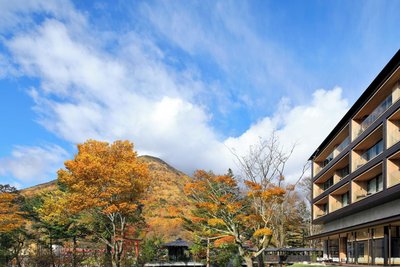
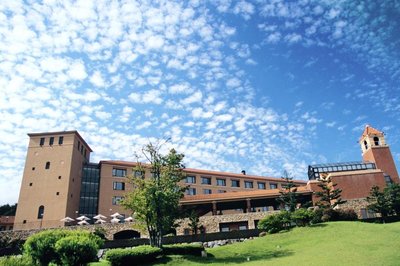
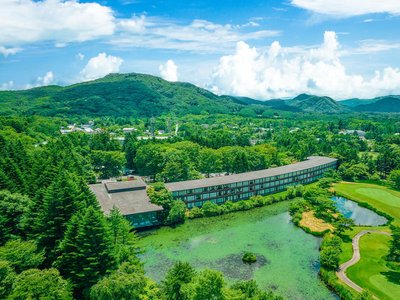

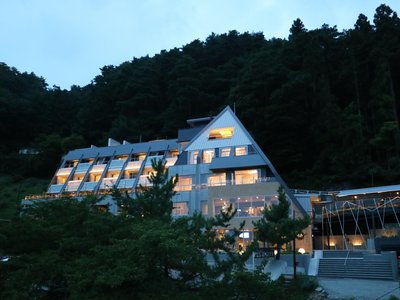

















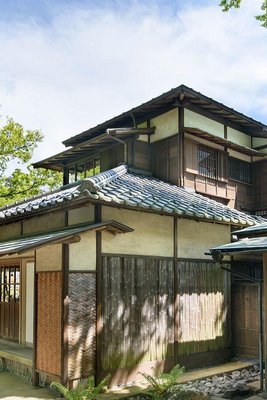
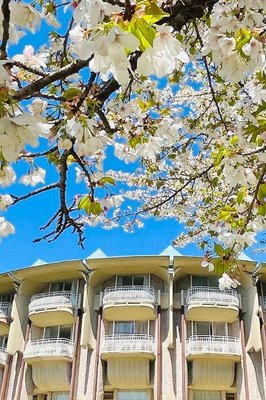

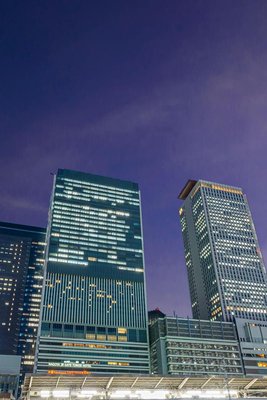

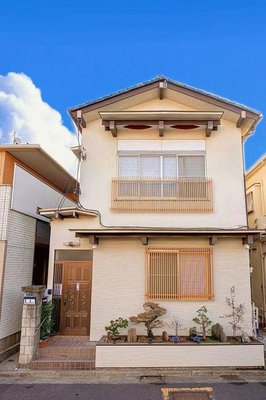



























Frequently Asked Questions about Traveling to Kitamoto
Questions You Might Need to Know About Traveling to Kitamoto
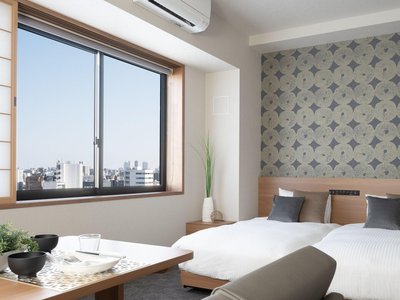
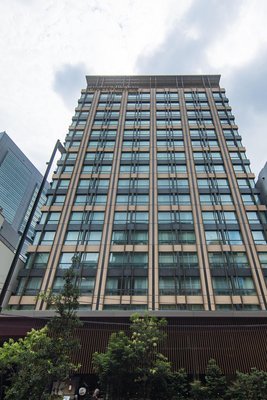
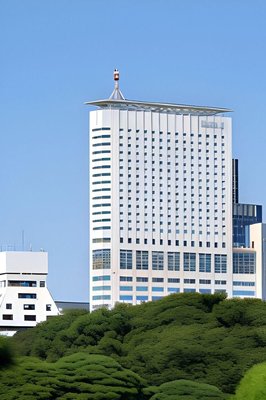
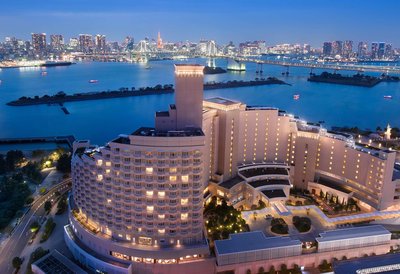
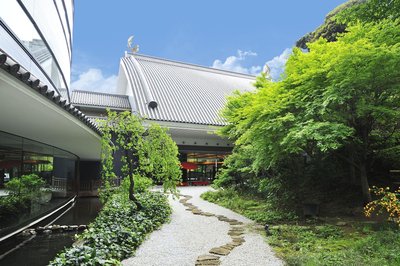
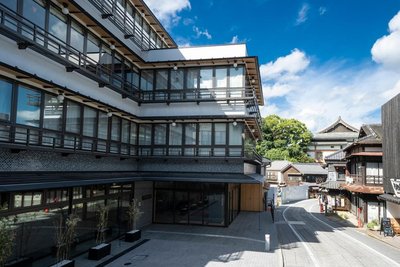
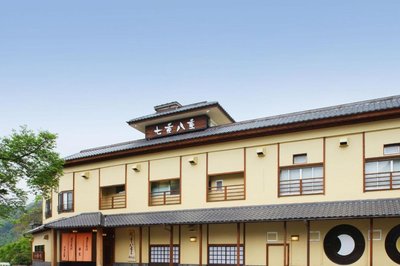
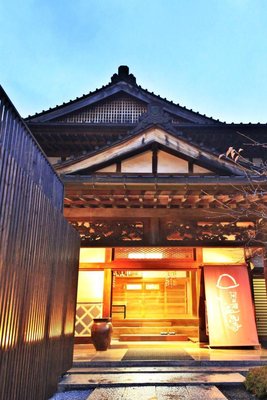
In Kitamoto City, the top choice is Kitamoto Town Hotel, located just a 2-minute walk from Kitamoto Station on the Seibu Railway Line. This modern yet traditional-style hotel offers spacious rooms, free Wi-Fi, and a cozy breakfast featuring local ingredients like fresh rice and miso soup. It’s ideal for both business travelers and families. Nearby, Nishi-Kita Park provides a peaceful retreat, while the station connects directly to Tokyo’s Ikebukuro in under 30 minutes. The hotel also offers luggage storage and multilingual staff, making it a convenient base for exploring Saitama Prefecture and beyond.
The best area for accommodation in Kitamoto City is around Kitamoto Station, where you’ll find a cluster of mid-to-high-end hotels, guesthouses, and convenience stores. This district benefits from excellent transit links via the Seibu Railway and Chichibu Railway, connecting easily to Tokyo and other regional destinations. The area is quiet, safe, and family-friendly, with local eateries and markets nearby. For those seeking a more tranquil stay, neighborhoods near the Omiya River offer scenic views and green spaces, perfect for morning walks or weekend relaxation. Overall, this area balances comfort, accessibility, and local charm.
Tourists in Kitamoto City can experience the annual Kitamoto Festival, a vibrant event featuring traditional dance performances, illuminated floats, and local food stalls. The city preserves several Edo-period structures and historic homes, which can be explored at the Kitamoto Historical Museum. Visitors can also join hands-on workshops like pottery-making led by local artisans, creating unique Japanese ceramics. Nature lovers should visit the Kitamoto Forest Trail, a serene path along the Omiya River, offering seasonal beauty—from cherry blossoms in spring to golden rice fields in autumn. These experiences highlight the city’s deep-rooted heritage and community spirit.
Yes, Kitamoto City is highly suitable for family travel. The city features family-friendly attractions such as Kitamoto Children’s Library, Family-Friendly Parks, and outdoor play zones. The Kitamoto Municipal Center hosts regular events like storytelling sessions, art workshops, and children’s concerts. Many hotels provide family rooms, baby cots, and even private onsen baths. With easy access to Tokyo—reachable in under 30 minutes via the Seibu Railway—families can combine a quiet stay in Kitamoto with day trips to major destinations like Tokyo Disneyland. The city’s low noise levels and clean environment make it an ideal place for children to explore safely.
Must-visit attractions in Kitamoto City include Kitamoto Shrine, renowned for its stunning cherry blossom avenue during spring; the Omiya River Walking Path, perfect for jogging, cycling, or birdwatching; and Kitamoto Green Plaza, a lively open space hosting weekly markets and live music. History enthusiasts should visit the Kitamoto Museum, showcasing agricultural evolution and industrial development. During autumn, the Kitamoto Rice Fields transform into a golden sea, offering breathtaking photo opportunities. All these sites are well-connected by foot, bike, or public transit, allowing effortless exploration across the city.
Local food specialties in Kitamoto City center around high-quality regional produce. The city is famous for its premium Kitamoto Early Rice, known for its sweet, soft texture—often featured in local meals and sushi. Try the signature grilled chicken cutlet at Kitamoto Ya, served with homemade miso soup. Street vendors in the Kitamoto Market sell fresh vegetables, fish, and handmade sweets. Don’t miss the hand-pulled ramen at neighborhood shops, made with rich pork broth and local noodles. These culinary delights reflect the city’s farming roots and warm hospitality, offering visitors an authentic taste of rural Saitama life.
Transportation in Kitamoto City is very convenient for tourists. The city is served by the Seibu Railway and Chichibu Railway, with Kitamoto Station acting as a key hub connecting to Tokyo’s Ikebukuro in just 25–30 minutes. Local shuttle buses link major attractions and shopping areas. For self-drivers, the Kan-etsu Expressway has a nearby exit, providing access to northern and central Japan. Additionally, the city promotes shared electric bicycles, available through apps for short-distance travel. Whether arriving by train, car, or bike, getting around Kitamoto is straightforward and efficient.
Nightlife in Kitamoto City is calm but welcoming. The Kitamoto Shopping Street comes alive in the evening with cozy cafes, izakayas, and small bars where locals gather after work. Kitamoto Ya Restaurant offers late-night dining with traditional Japanese dishes. During festivals like the Kitamoto Festival, night parades and light displays add festive energy. While there are no large clubs or entertainment districts, the city’s quiet charm and intimate atmosphere make it ideal for relaxing evenings with friends or enjoying a quiet drink under the stars. It’s perfect for travelers seeking a peaceful, authentic Japanese experience.
Absolutely, Kitamoto City is a photographer’s paradise. Capture the iconic cherry blossom avenue at Kitamoto Shrine in spring, where pink petals frame the torii gates. In autumn, the golden rice fields stretch across the landscape, especially beautiful at sunrise. The Omiya River walking path, lined with willow trees and wooden bridges, creates natural frames for portraits and landscapes. The city’s preserved traditional townhouses and lantern-lit alleys glow warmly in the evening. Visit the Kitamoto Market during weekdays to photograph bustling stalls and vibrant daily life. Bring a wide-angle lens and tripod for the best results—this city offers endless visual inspiration.
While Kitamoto City does not have large public hot springs, several hotels offer onsen-like bathing facilities. Kitamoto Seikatsu Hotel features a Japanese-style bath with water sourced from local mineral springs, recycled through eco-friendly systems. Some boutique guesthouses provide private soaking tubs for guests. For a full hot spring experience, take a short train ride to Chichibu’s Onsen District, just 30 minutes away. Despite the lack of natural hot springs, Kitamoto’s emphasis on tranquility, nature, and wellness makes it a peaceful destination for those seeking restorative relaxation.
Kitamoto Overview
City Summary
Kitamoto City, located in the central part of Saitama Prefecture, Japan, is a tranquil town that blends tradition and modernity. Known for its abundant natural scenery, especially cherry blossoms in spring and autumn foliage, it attracts many visitors. Kitamoto also boasts a rich historical and cultural heritage, with ancient temples and traditional festivals showcasing the unique charm of rural Japan.
Must-See Attractions
Key attractions in Kitamoto include the Kitamoto Nature Observation Park, a perfect spot for wildlife observation, ideal for families. The Arakawa Riverbank features stunning cherry blossom tunnels in spring, while Kitamoto Shrine displays traditional Japanese architecture and culture. The annual Kitamoto Festival in summer offers a fantastic opportunity to experience local folk customs.
Food Guide
Kitamoto's culinary culture is influenced by Saitama's traditions. Try the prefecture's famous "Soka Senbei" rice crackers, known for their crispiness. Street snacks like soy sauce-glazed dango and yakitori are also must-tries. Local restaurants serve fresh vegetable dishes, reflecting the rustic flavors of rural Japan.
Transportation Guide
Kitamoto is accessible via the JR Takasaki Line to Kitamoto Station, with buses connecting to major attractions. The city's bus network is reliable but infrequent, so check schedules in advance. Taxis are convenient for short trips but expensive. Renting a car is another good option for exploring nearby natural sites.
Best Time to Visit
The best times to visit are spring (March-May) and autumn (September-November), when the weather is pleasant and nature is at its finest. Cherry blossoms bloom in spring, while autumn offers vibrant foliage, though these seasons are busier. Summers are hot and humid, while winters are cold but quieter.
Travel Tips
- Respect local customs, especially when visiting shrines.
- Avoid picking cherry blossoms during hanami season.
- Some attractions close on Mondays, so check opening hours.
- Follow Japan's strict recycling rules for trash disposal.
- Keep noise levels low in public spaces.
- Cash is still widely used, so carry some with you.
Useful Information
English proficiency is limited in Kitamoto, so learning basic Japanese or using a translation app is helpful. Mobile coverage is excellent, with prepaid SIMs available at convenience stores. Cash is primary, though some shops accept IC cards like Suica. For emergencies, dial 110 (police) or 119 (ambulance). Pharmacies and clinics are common, but international hospitals are scarce, so travel insurance is recommended.









