Hotels in Kitashiobara
Discover your perfect stay in Kitashiobara.
Kitashiobara(Japan) Travel 2026: Cheap Flights, Hotels & Top Attractions
Popular Landmarks in Kitashiobara
Discover the most iconic attractions in Kitashiobara
Recommended Hotels in Kitashiobara
Find the perfect place to stay in Kitashiobara
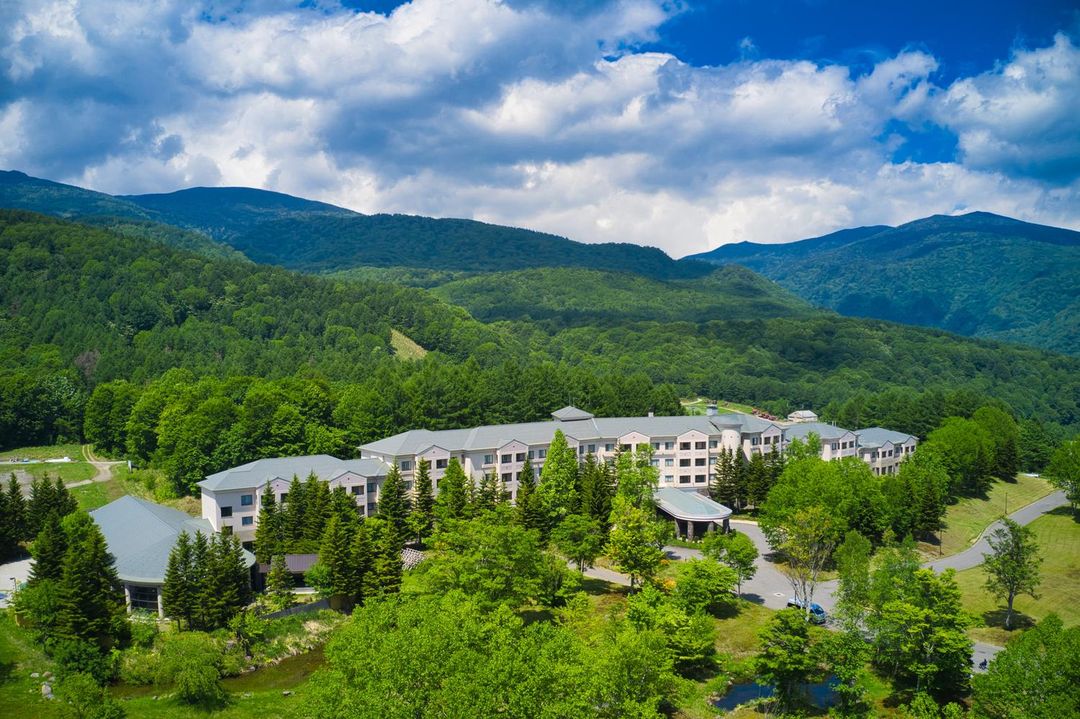
EN Resort Grandeco Hotel
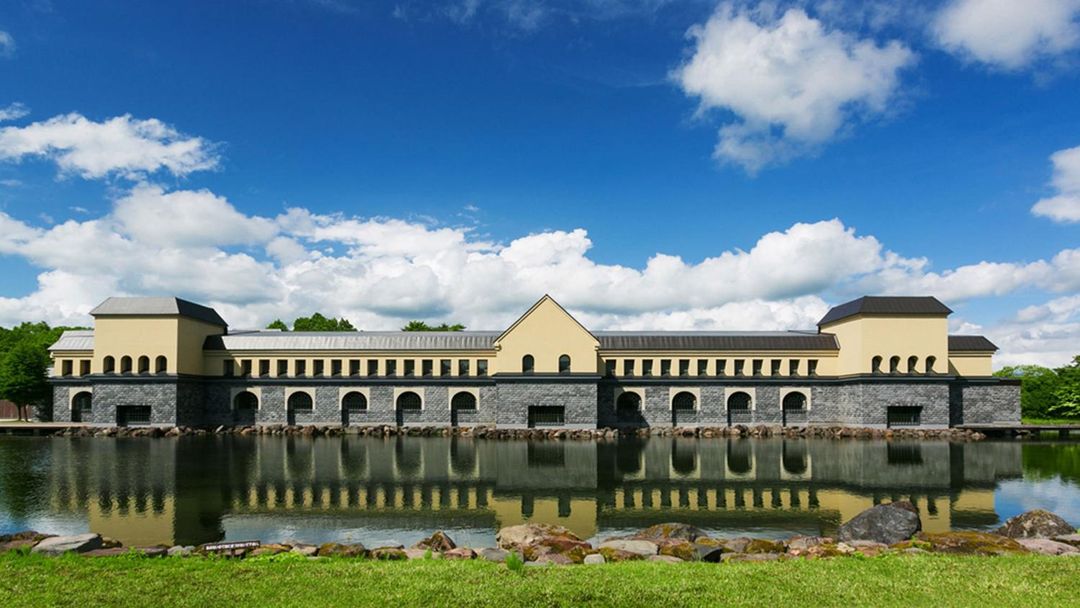
Urabandai Lake Resort Goshiki No Mori
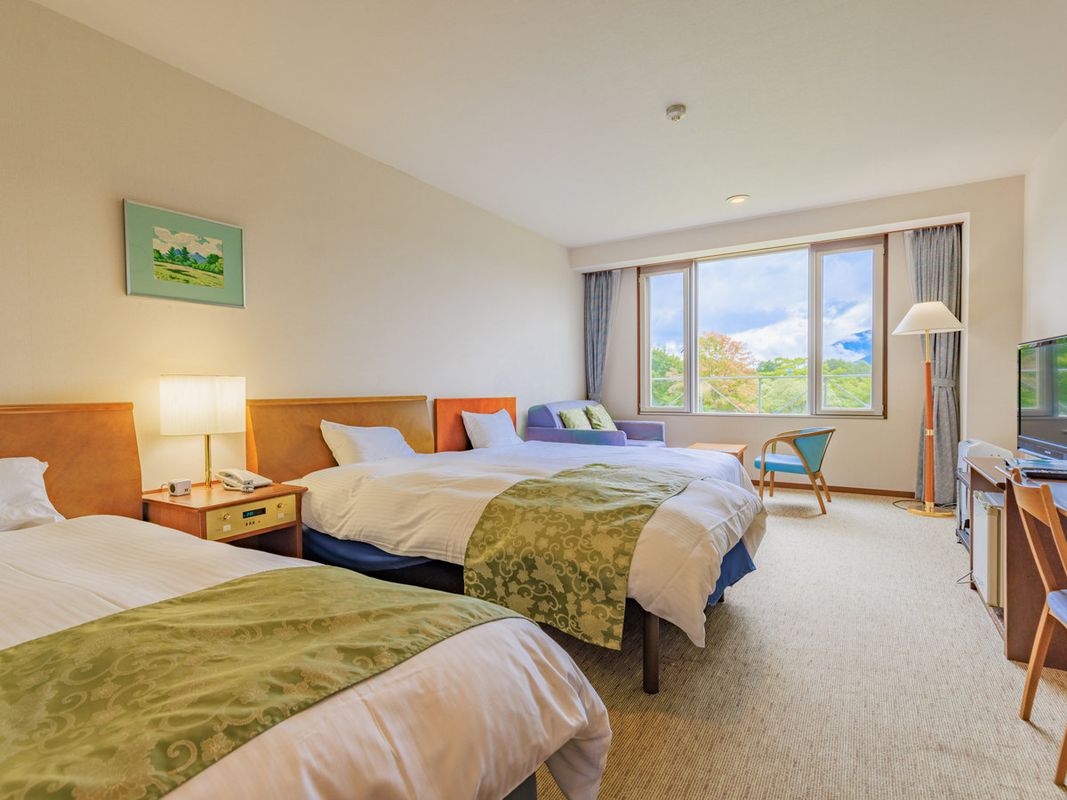
Kyukamura Ura-Bandai
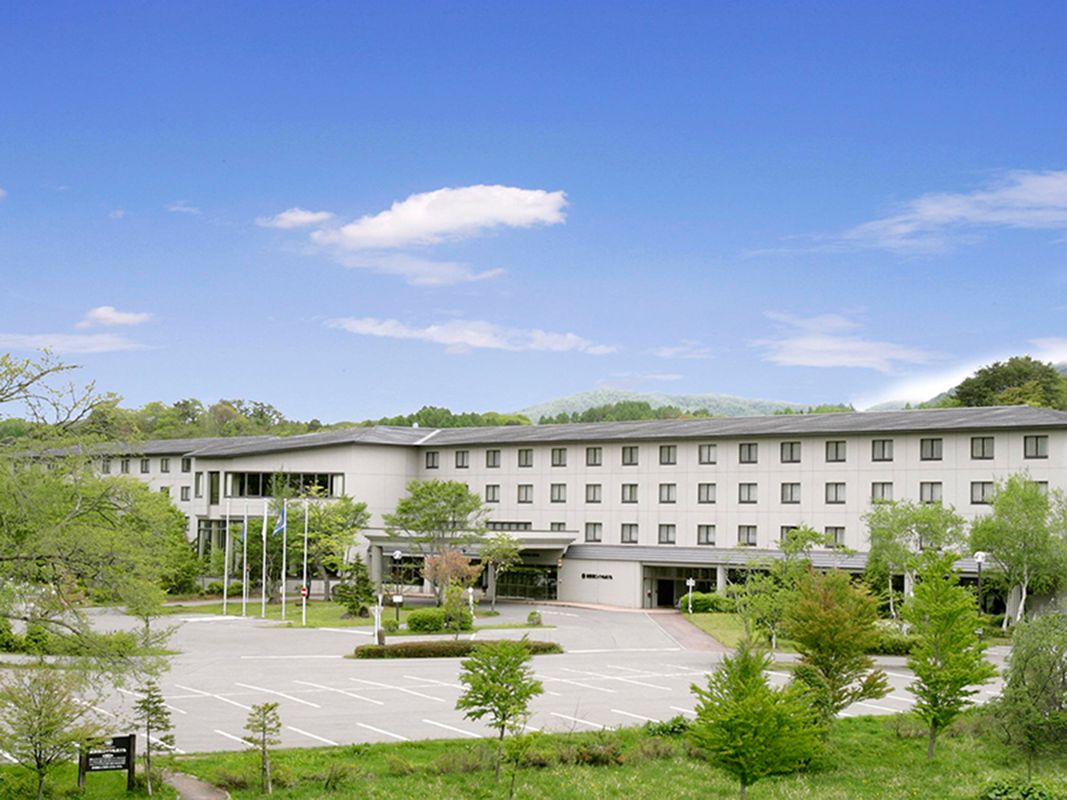
Mercure Urabandai Resort & Spa
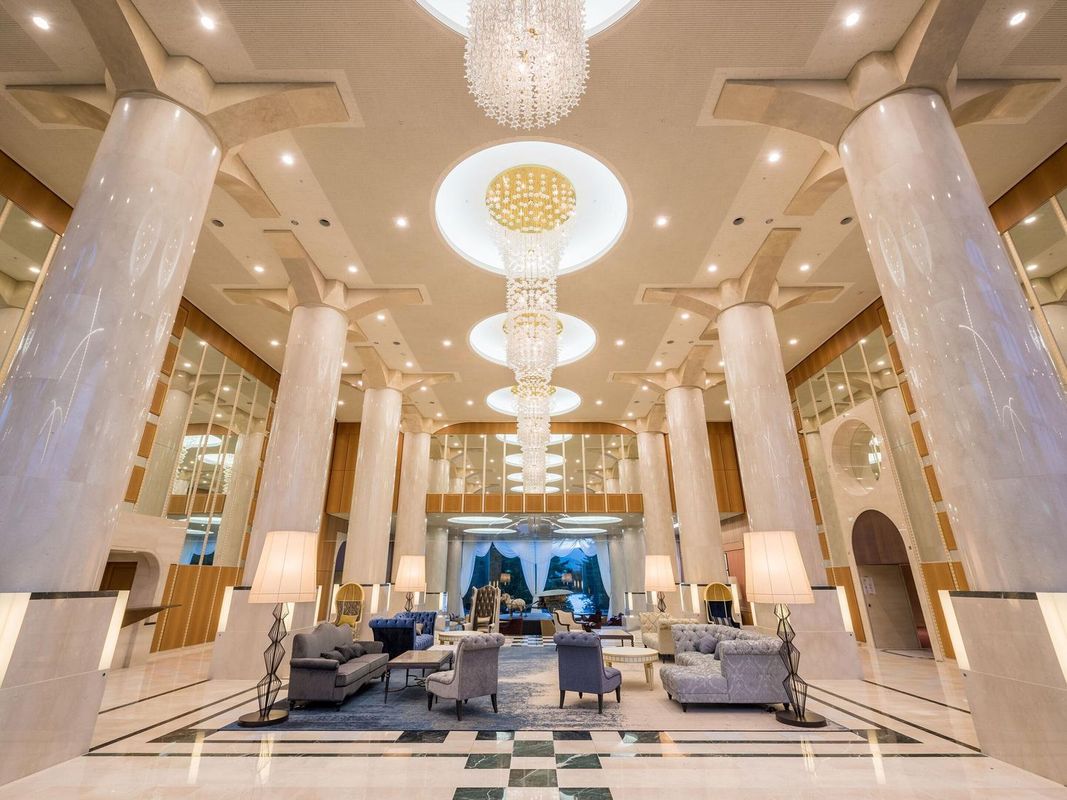
Urabandai Lakeresort Nekomarikyu
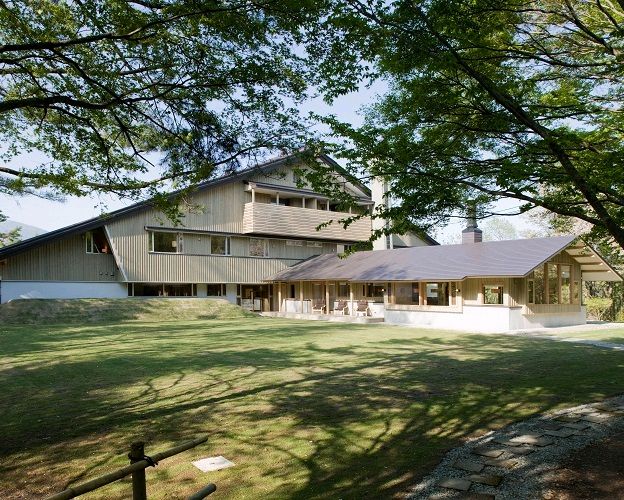
HOTELLI aalto
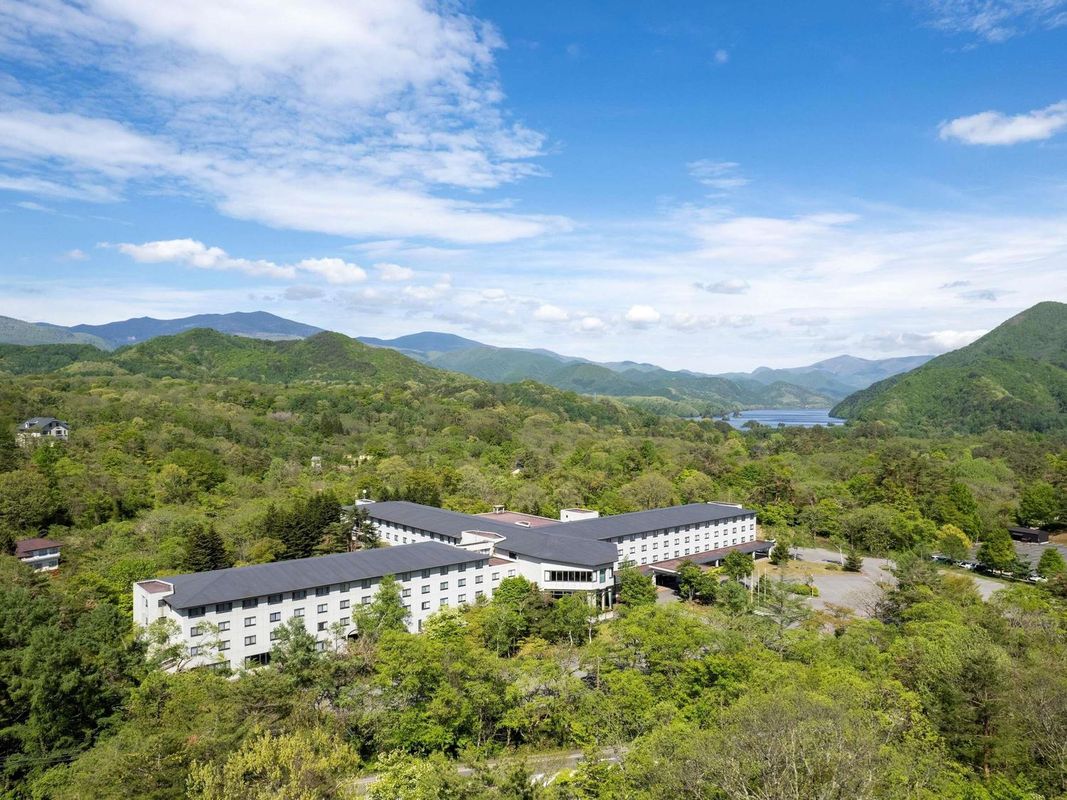
Mercure Urabandai Resort & Spa
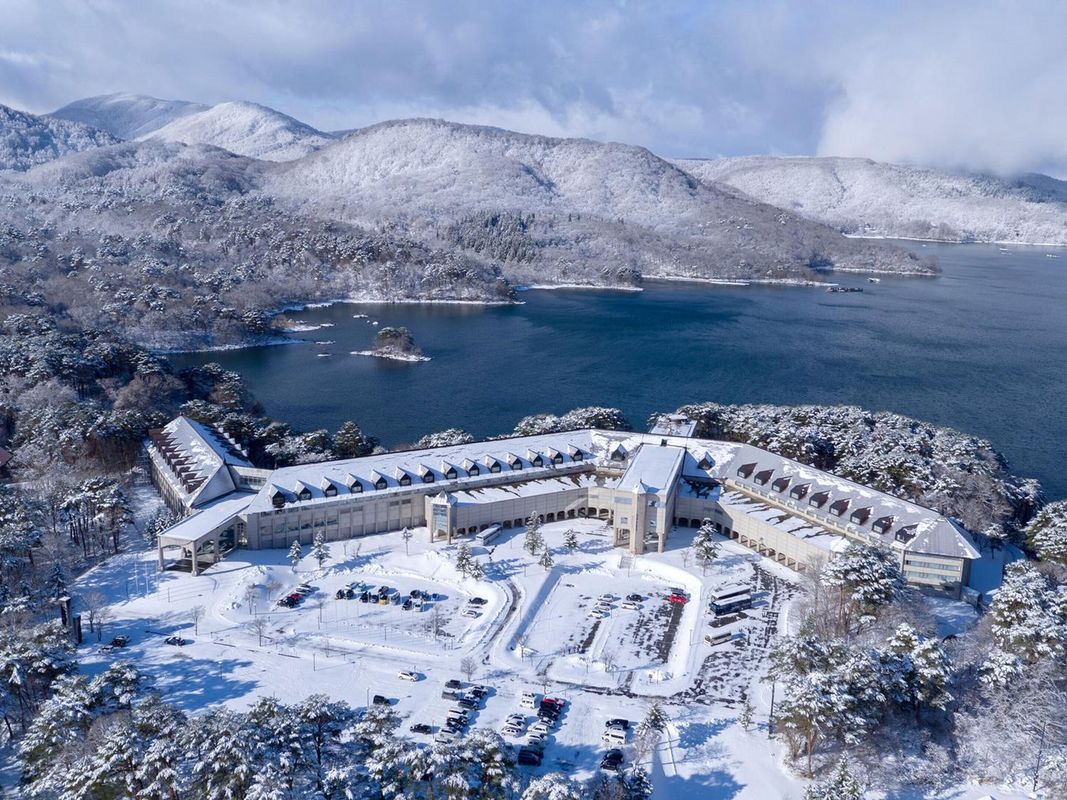
Urabandai Lake Resort
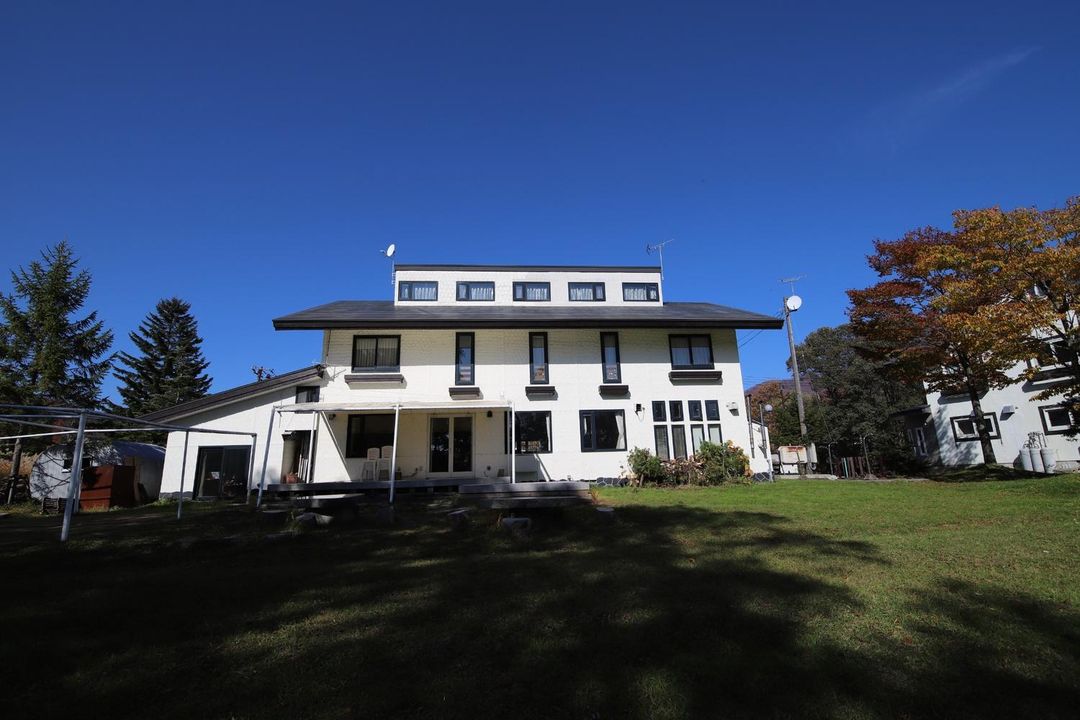
Lakeside Hotels Kuore
Best Hotels in Kitashiobara
Discover curated hotel collections in Kitashiobara

EN Resort Grandeco Hotel
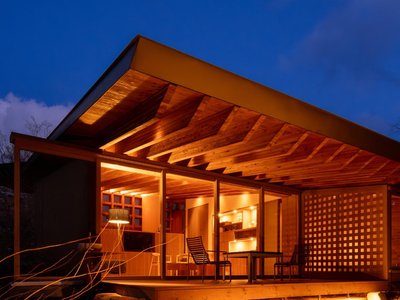
Nasu Mukunone
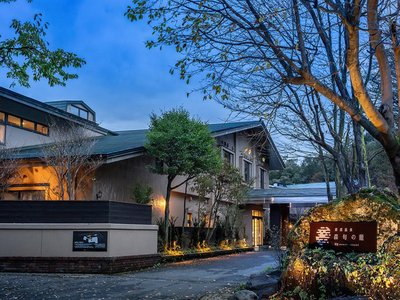
Nasu Onsen Shinshun no Kago Hewitt Resort
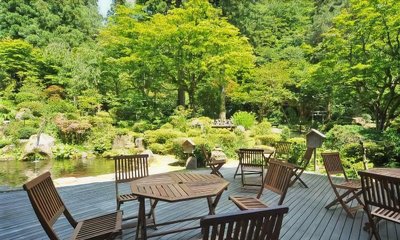
Choseikan
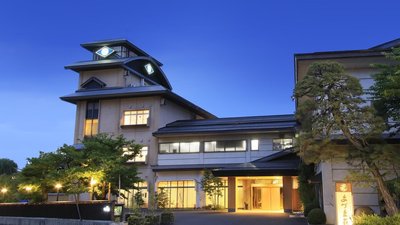
Shouhakutei Azumaso
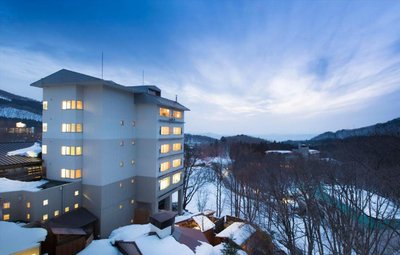
Takamiya Hotel Lucent
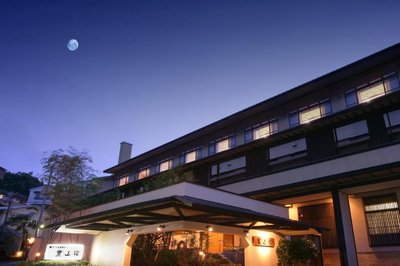
Hayamakan
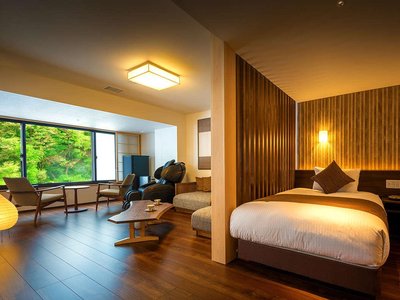
Harataki
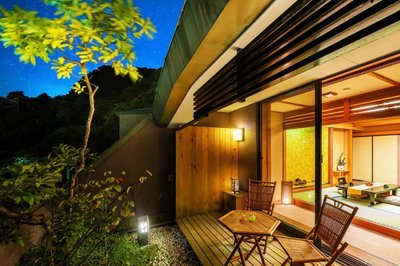
Konjakutei
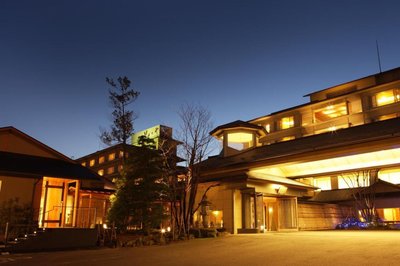
Yumotoya
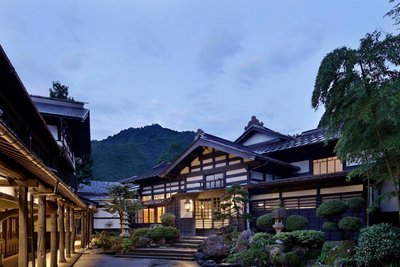
Ryugon
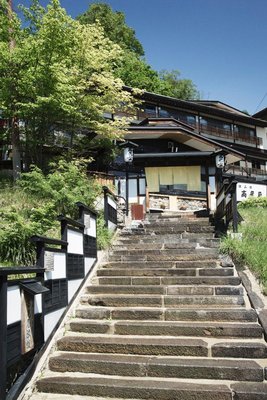
Takamiya Ryokan Miyamaso
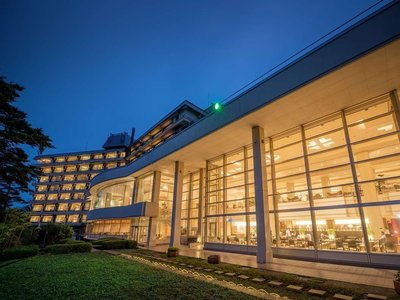
Hotel Matsushima Taikanso
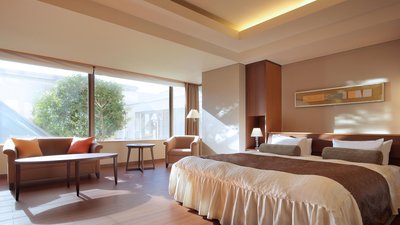
Onyado Toho
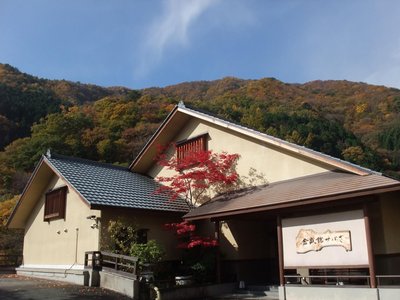
Kinseikan Seseragi
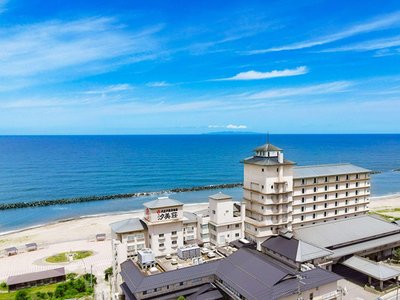
Ooedo Onsen Monogatari Premium Shiomiso
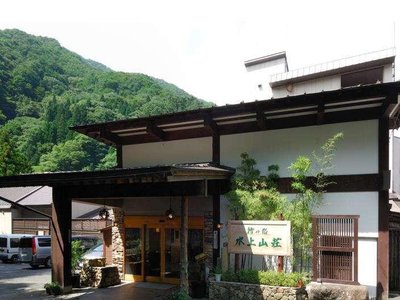
Minakamisansou
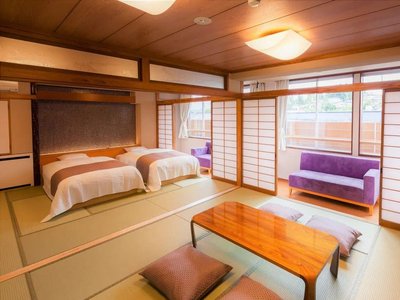
Arimakan
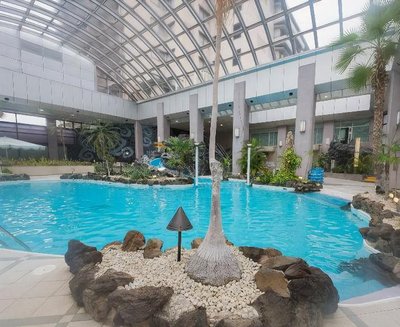
Hotel Zuiho
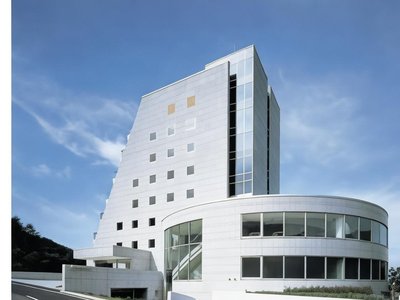
Takamiya Hotel Rurikura Resort
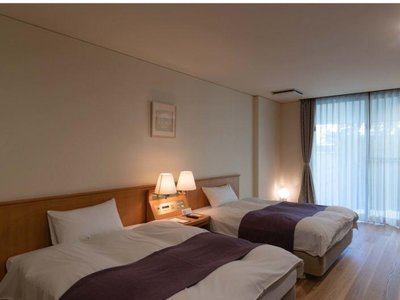
Auberge Suzukane
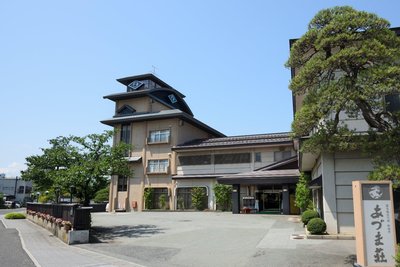
Shouhakutei Azumaso
Hayamakan
Konjakutei
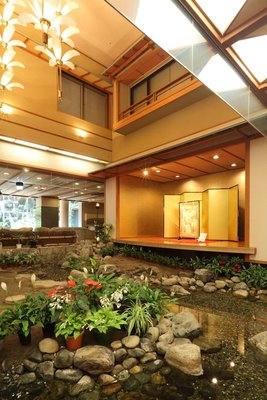
Hotel Futaba
Ryugon
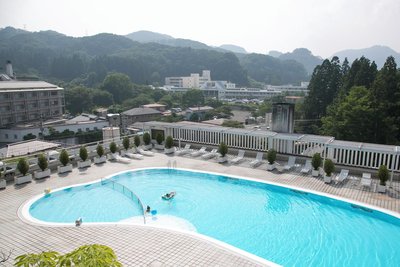
Sakan
Takamiya Ryokan Miyamaso
Onyado Toho
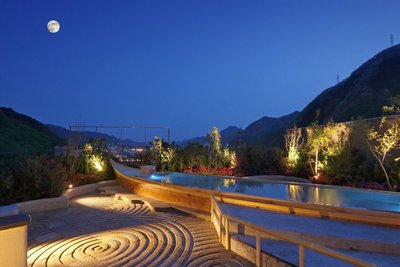
Asaya
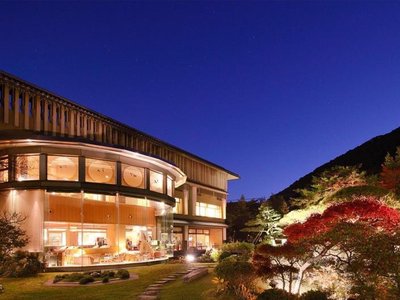
Shikisai Ichiriki
Kinseikan Seseragi
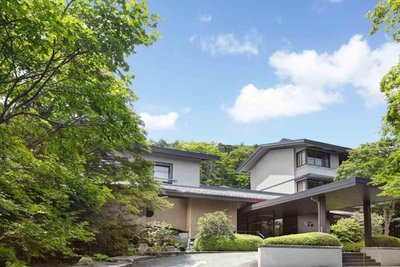
Nasu Onsen Sanraku
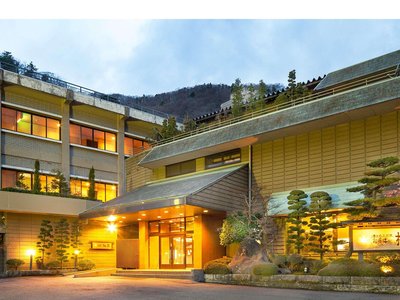
Shofuro Matsuya

Komatsu-Kan Kofu-Tei
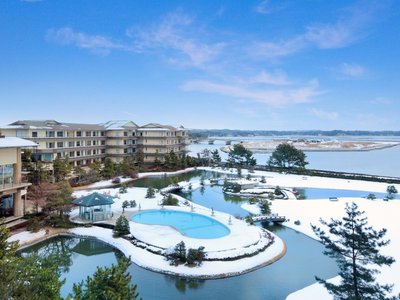
Matsushima Ichinobo
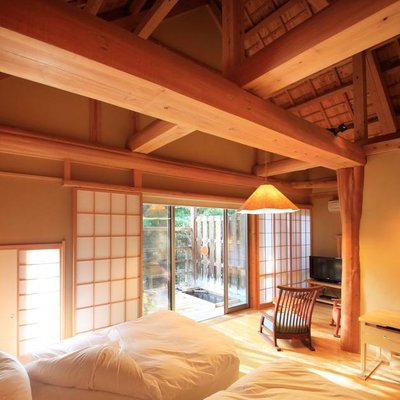
Daikon-No-Hana
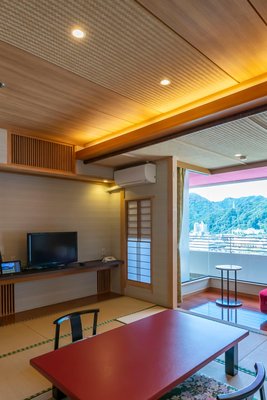
Kinugawa Grand Hotel Yume No Toki
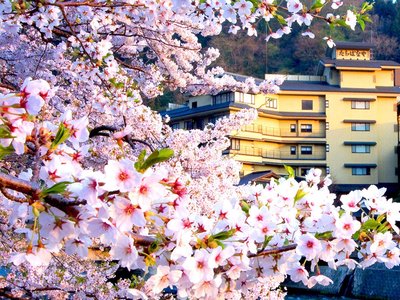
Tachibanaya
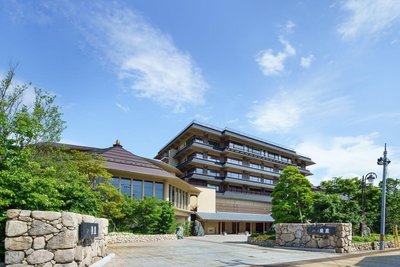
Shiratama No Yu Senkei
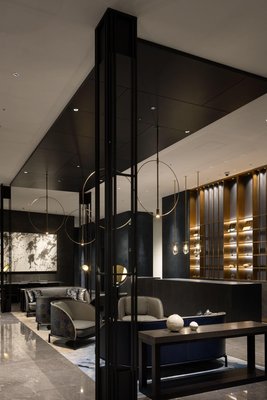
Bellustar Tokyo, A Pan Pacific Hotel
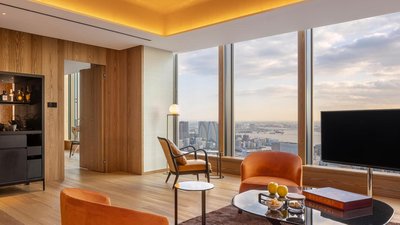
Bvlgari Hotel Tokyo
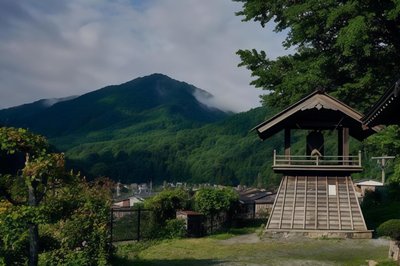
Byaku Narai
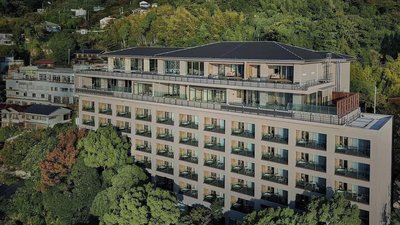
Atami Izusan Karaku
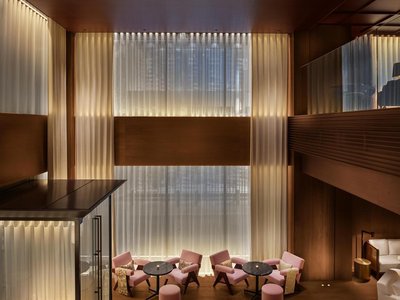
The Tokyo Edition, Ginza
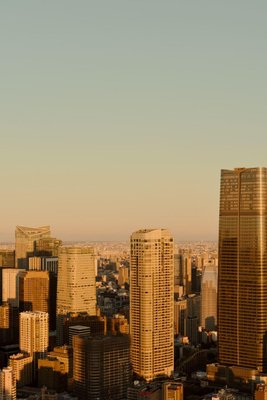
Janu Tokyo
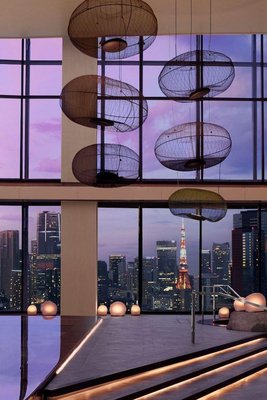
JW Marriott Hotel Tokyo
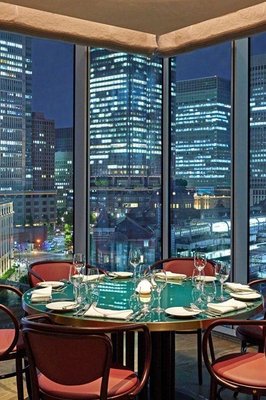
Four Seasons Hotel Tokyo at Marunouchi

Mandarin Oriental, Tokyo
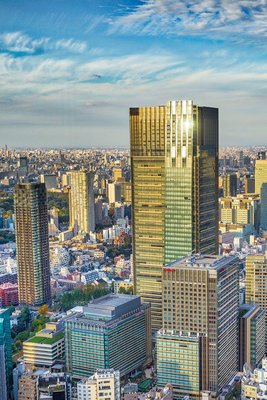
The Ritz-Carlton, Tokyo
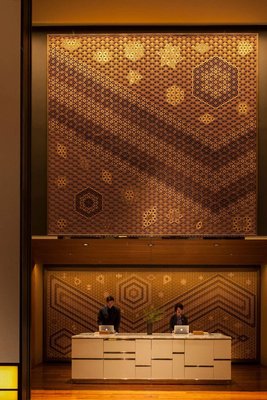
Andaz Tokyo Toranomon Hills- A Concept by Hyatt
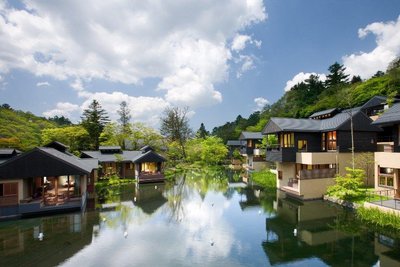
Hoshinoya Karuizawa
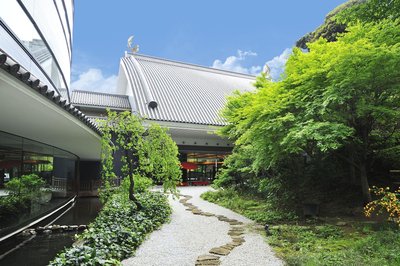
Hotel Gajoen Tokyo
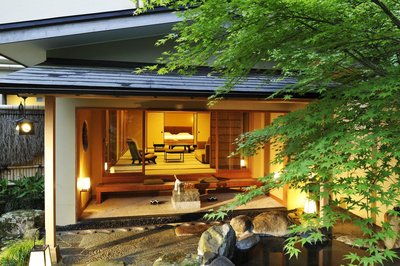
Gora Kadan
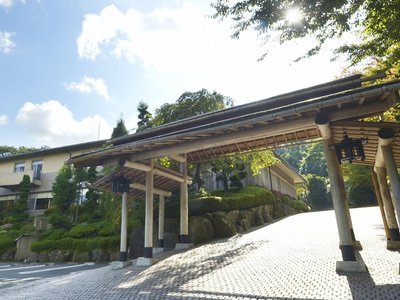
Gora Hanaougi
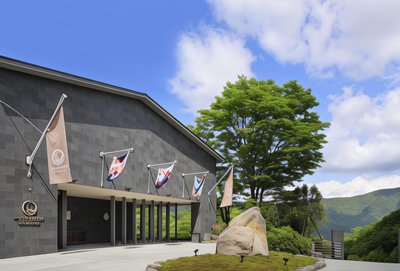
The Hiramatsu Hotels & Resorts Sengokuhara Hakone
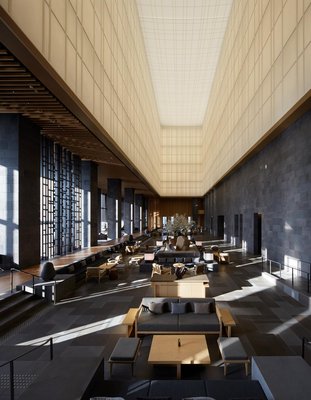
Aman Tokyo
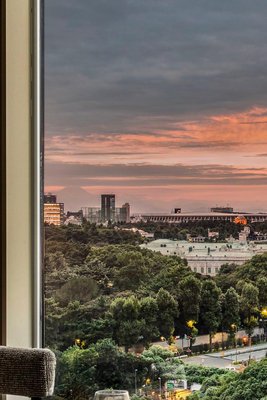
Hotel New Otani Tokyo, Executive House Zen
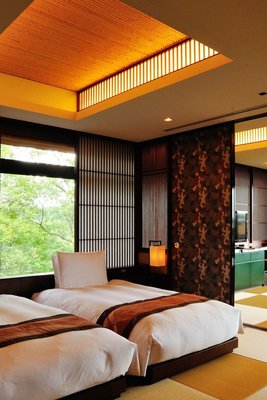
Chikusenso Onsen
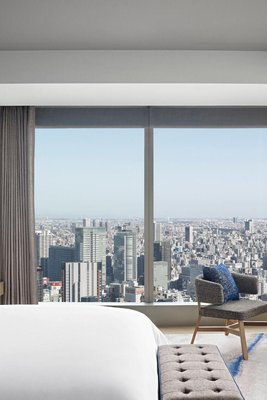
Four Seasons Hotel Tokyo at Otemachi
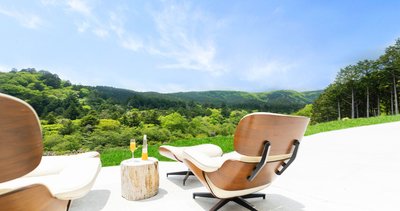
Shelter Garden Nikko

Hotel Toranomon Hills
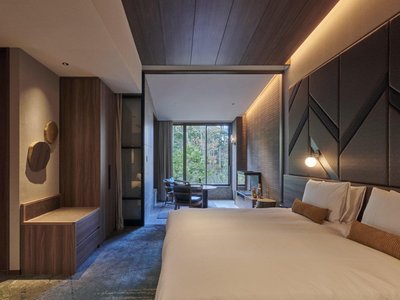
Fufu Kyu-Karuizawa Restful Forest
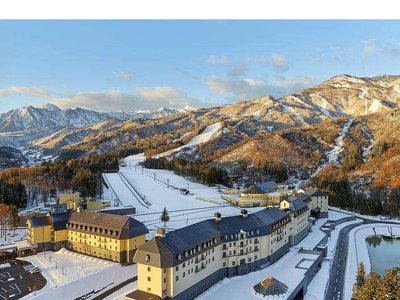
Lotte Arai Resort
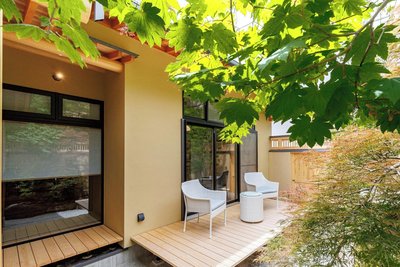
Shoraiso
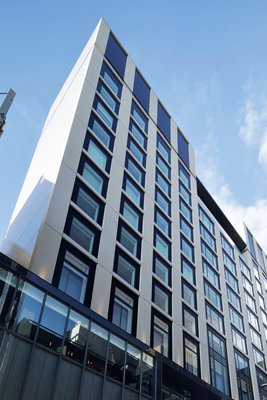
Hyatt Centric Ginza Tokyo
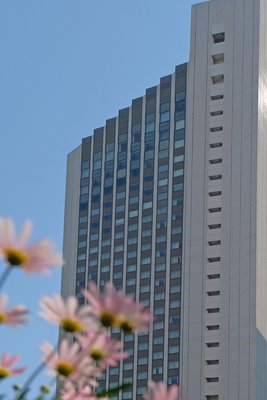
ANA InterContinental Tokyo
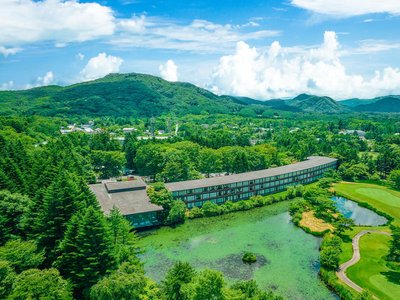
The Prince Karuizawa
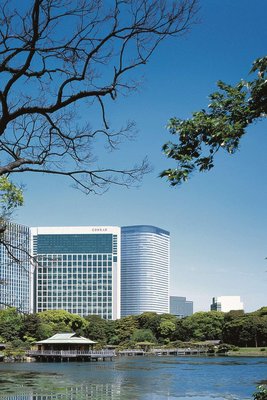
Conrad Tokyo
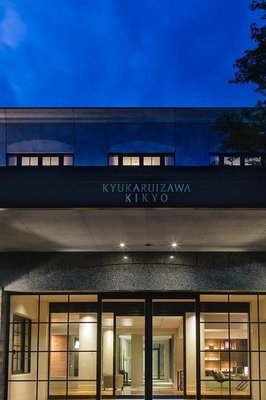
Kyukaruizawa Kikyo, Curio Collection by Hilton
Asaya

Millennium Mitsui Garden Hotel Tokyo - Ginza
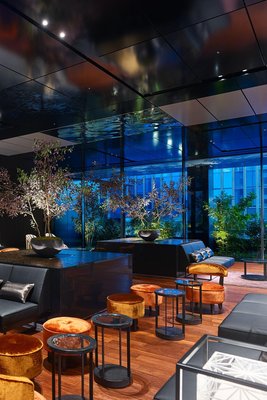
Mitsui Garden Hotel Nihonbashi Premier / Tokyo
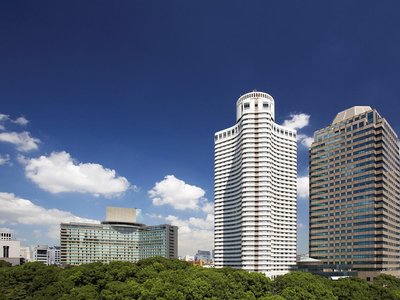
Hotel New Otani Tokyo Garden Tower
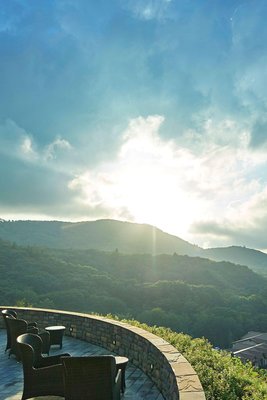
Le Grand Karuizawa Hotel & Resort
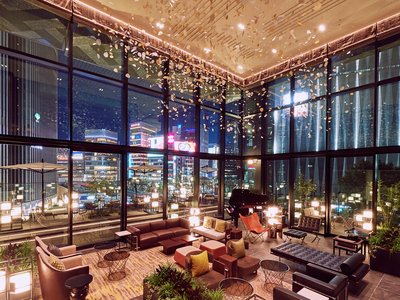
THE GATE HOTEL TOKYO by HULIC

Hotel New Otani Tokyo the Main
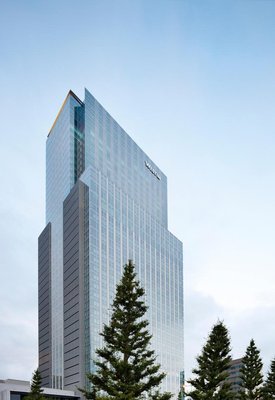
The Westin Sendai Hotel
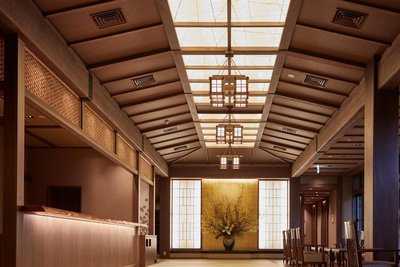
Yukinohana
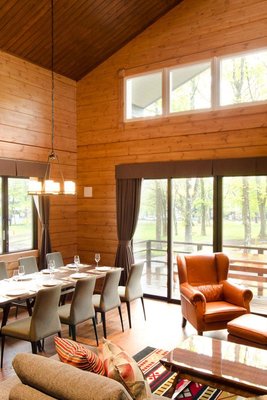
The Prince Villa Karuizawa
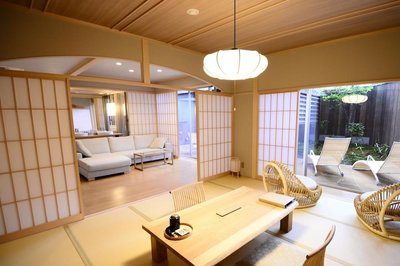
Hakone Gora Byakudan
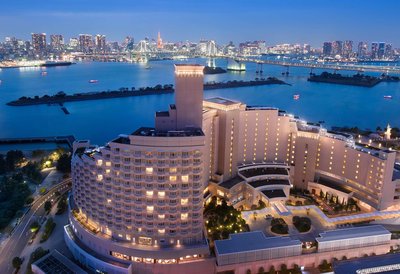
Hilton Tokyo Odaiba
JW Marriott Hotel Tokyo
The Prince Karuizawa
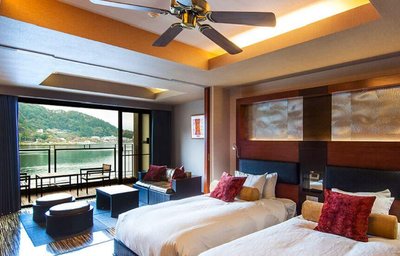
The Kukuna
Conrad Tokyo
Hoshinoya Karuizawa
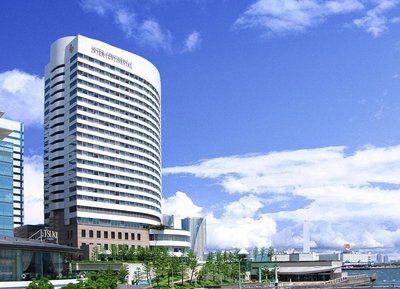
InterContinental Tokyo Bay
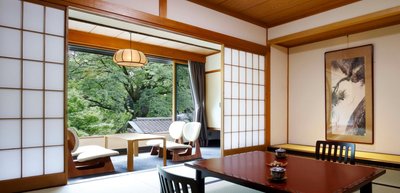
Yoshiike Ryokan
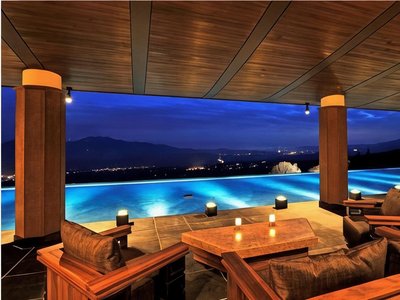
Akakura Kanko Hotel
Asaya
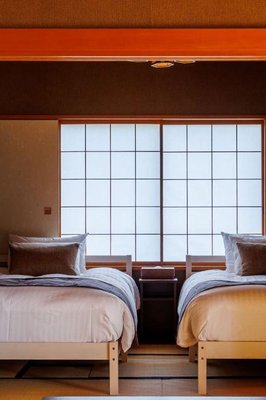
Sado Resort Hotel Azuma
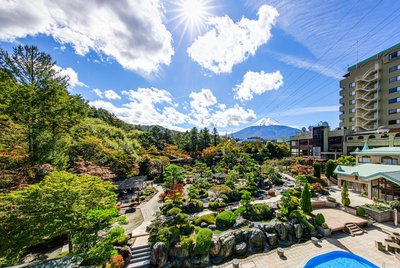
Kaneyamaen
Komatsu-Kan Kofu-Tei
Matsushima Ichinobo
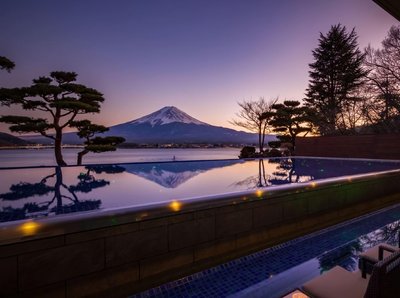
Shuhokaku Kogetsu
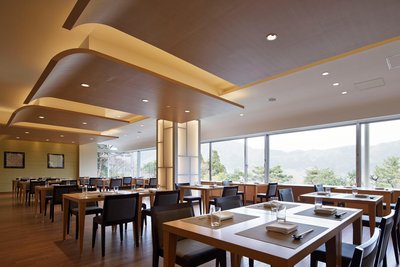
Laforet Hakone Gora Yunosumika
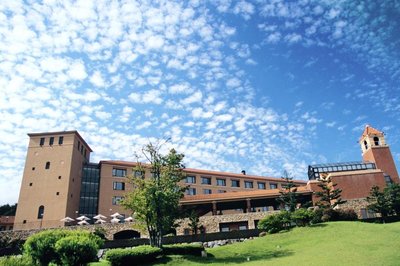
Fruit Park Fujiya Hotel

Hotel Indigo Hakone Gora
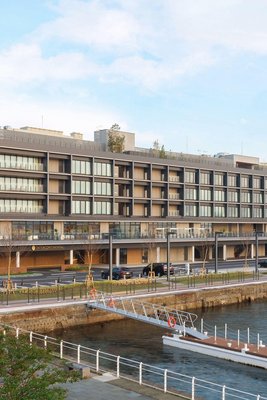
InterContinental Yokohama Pier 8
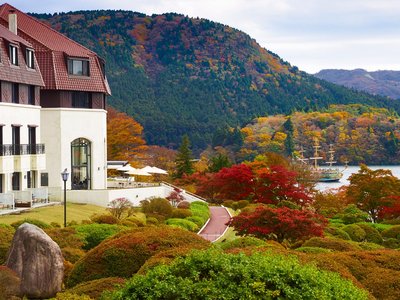
Hotakajyo
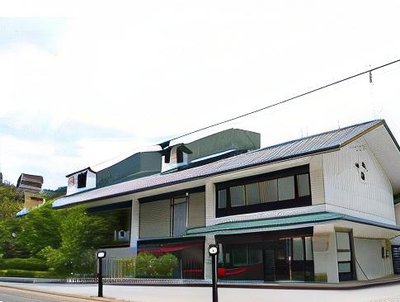
Auberge Suzukane

Onyado Nono Asakusa Bettei Hot Spring
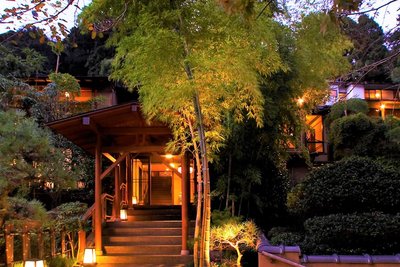
Shiki wo Ajiwau Yado Yamano Chaya
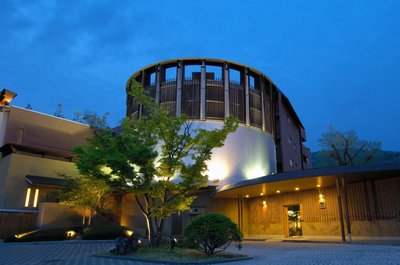
Hoshino Resorts Kai Matsumoto
Konjakutei
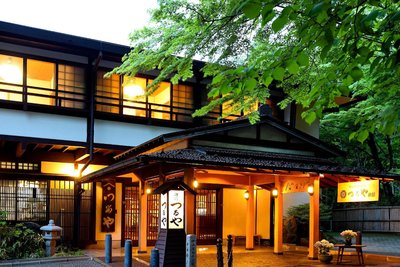
Tsuruya Ryokan
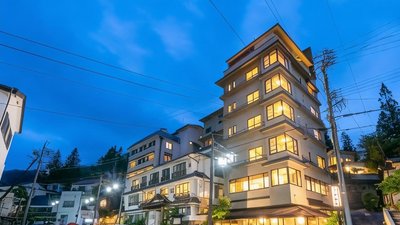
Nakamatsuya Ryokan
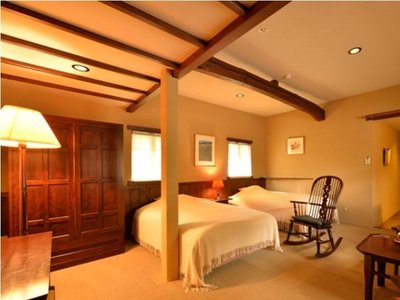
Ryokan Sugimoto
Yoshiike Ryokan
Hotel Gajoen Tokyo
Gora Hanaougi
Shikisai Ichiriki
Sado Resort Hotel Azuma
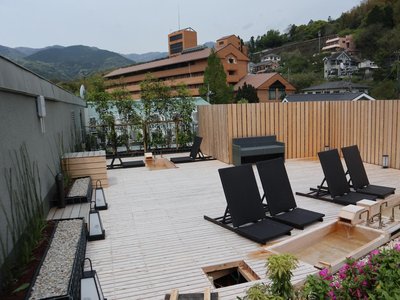
Fukiya Ryokan
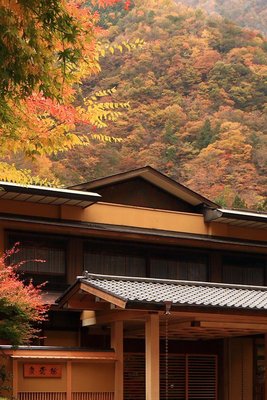
Nishiyama Onsen Keiunkan
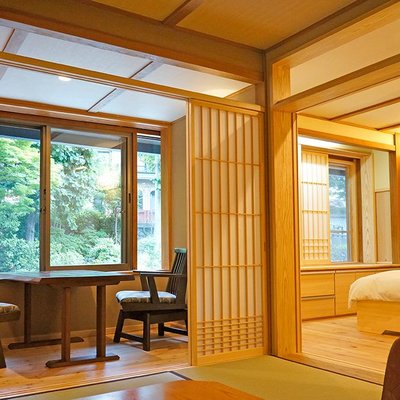
Sumiyosiya Ryokan
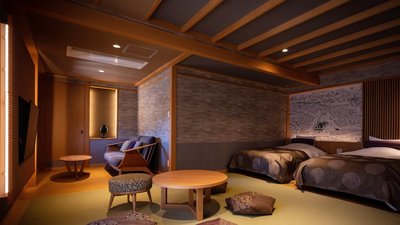
Naraya
Daikon-No-Hana
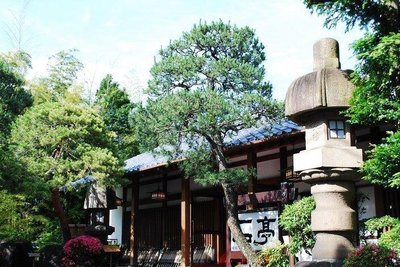
Atami Sekitei

The Address Akakura
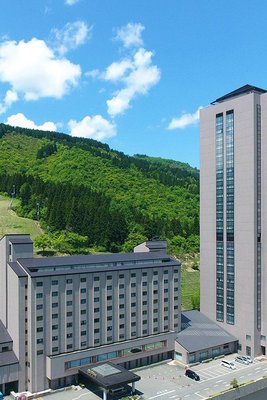
Naspa New Otani
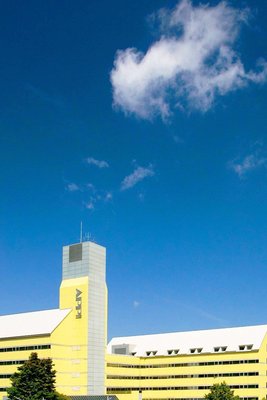
Crowne Plaza - ANA RESORT APPI KOGEN
The Prince Karuizawa
Hotel Futaba
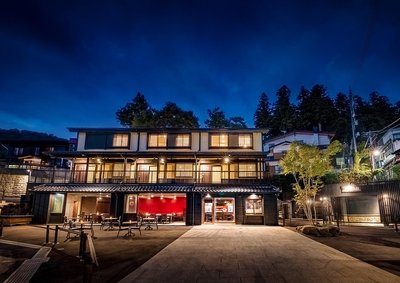
Ryokan Sakaya
Kyukaruizawa Kikyo, Curio Collection by Hilton
Akakura Kanko Hotel
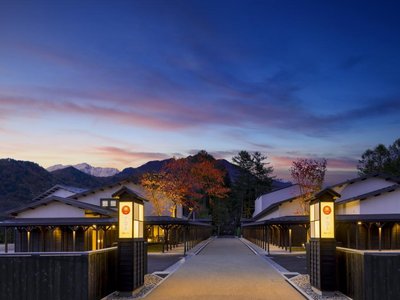
Hoshino Resorts KAI Alps
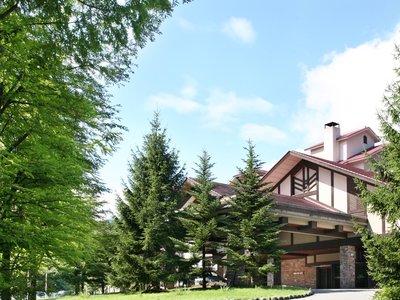
Hakuba Tokyu Hotel
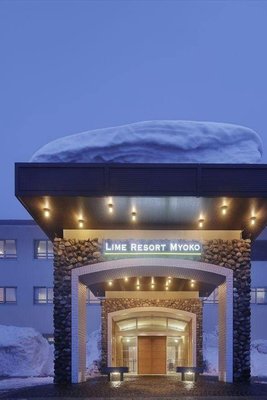
Lime Resort Myoko
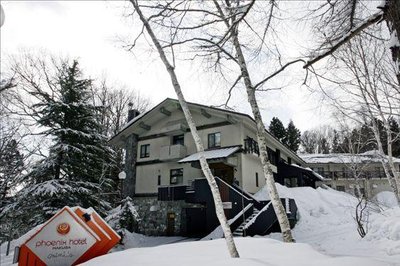
Phoenix Hotel by Hhg
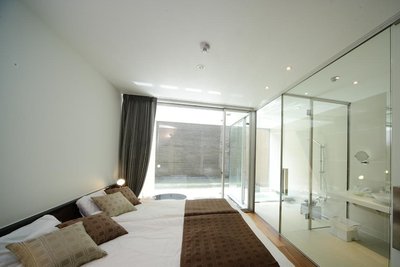
Four Seasons Yuzawa Quattro

Courtyard by Marriott Hakuba
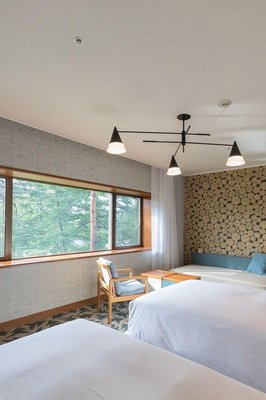
Karuizawa Prince Hotel East
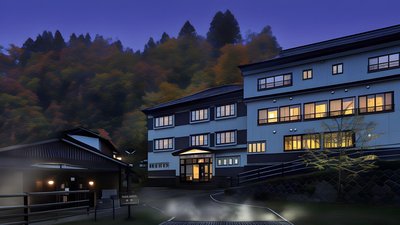
Zao Onsen Omiya Ryokan
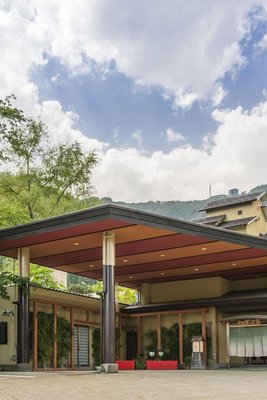
Shosenkaku Kagetsu
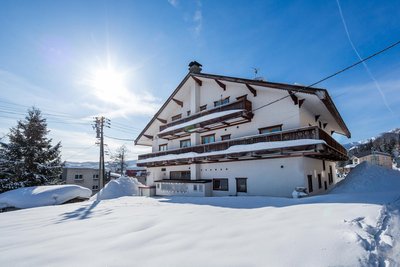
Marillen Hotel by Hhg
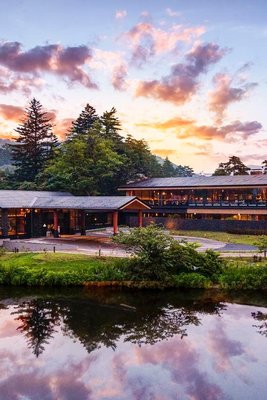
Karuizawa Prince Hotel West
Zao Kokusai Hotel
Bvlgari Hotel Tokyo
Four Seasons Hotel Tokyo at Marunouchi
Mandarin Oriental, Tokyo
The Ritz-Carlton, Tokyo
Andaz Tokyo Toranomon Hills- A Concept by Hyatt
Gora Kadan
Hotel New Otani Tokyo the Main
Aman Tokyo
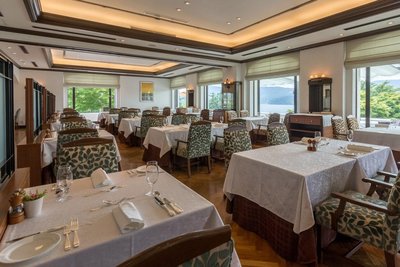
Odakyu Hotel de Yama
Four Seasons Hotel Tokyo at Otemachi
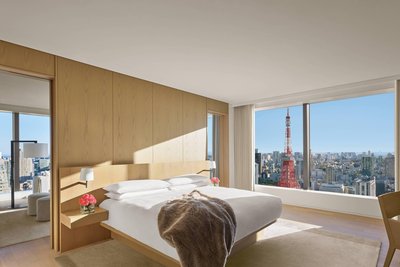
The Tokyo Edition, Toranomon
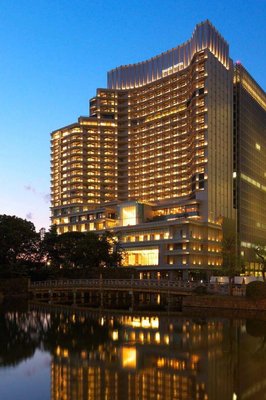
Palace Hotel Tokyo
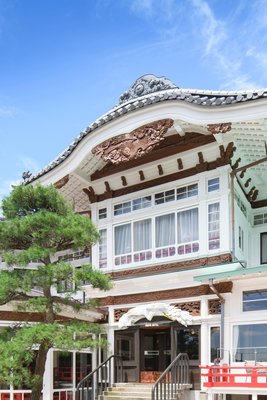
Fujiya Hotel
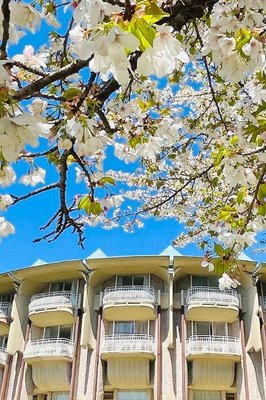
The Prince Hakone Lake Ashinoko
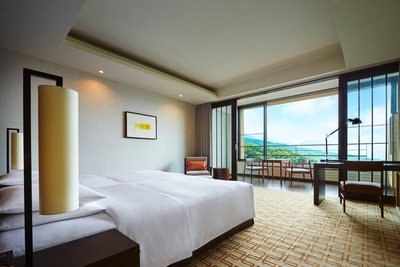
Hyatt Regency Hakone Resort and Spa
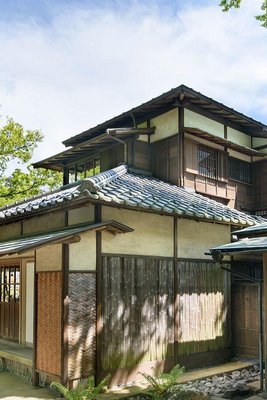
Hakone Suishoen
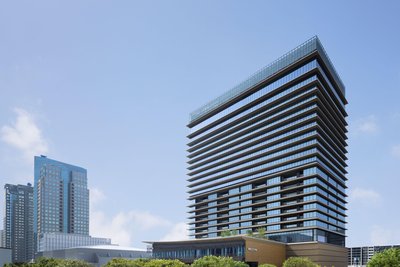
The Westin Yokohama

The Peninsula Tokyo

Imperial Hotel, Tokyo
Bellustar Tokyo, A Pan Pacific Hotel
JW Marriott Hotel Tokyo
Andaz Tokyo Toranomon Hills- A Concept by Hyatt
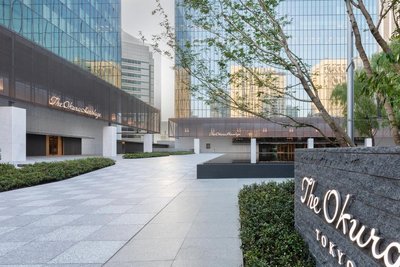
The Okura Tokyo
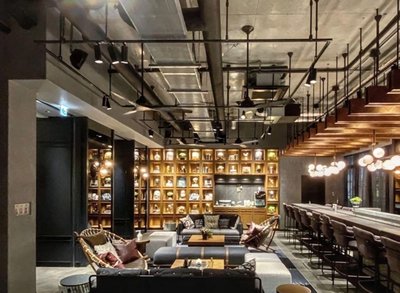
The Lively Azabujuban Tokyo
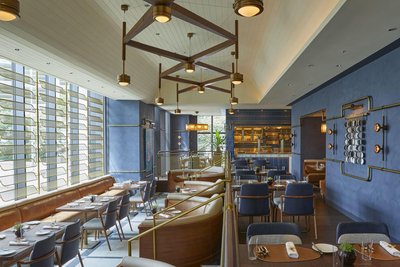
Kimpton Shinjuku Tokyo

HOTEL K5
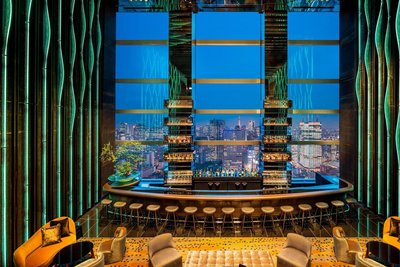
The Prince Gallery Tokyo Kioicho, a Luxury Collection Hotel
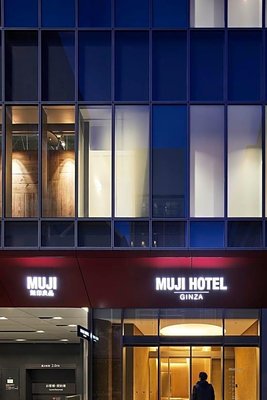
Muji Hotel Ginza
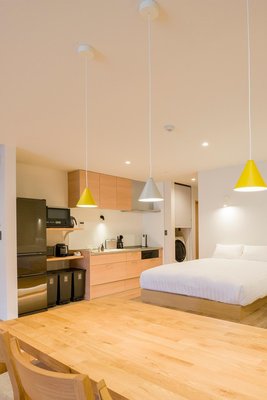
Rakuten STAY VILLA Nasu
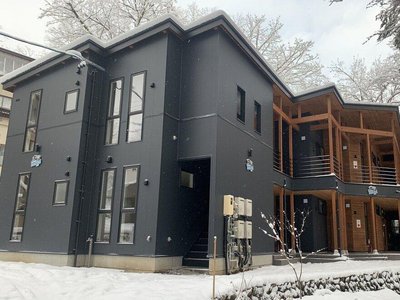
Hakuba Gondola Apartments
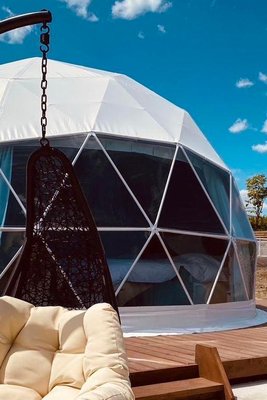
chillout glamping zao
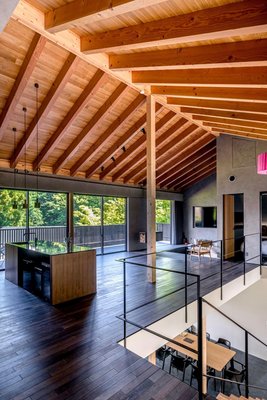
MONS GORA
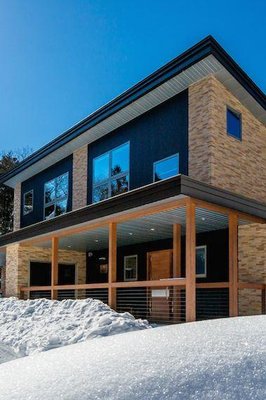
Phoenix Chalets by Hhg
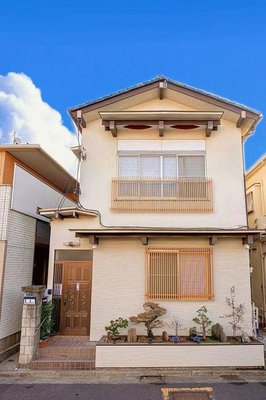
Tokyo Star House-Shinkoiwa
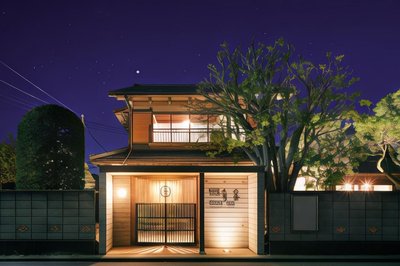
Machi-Jyu
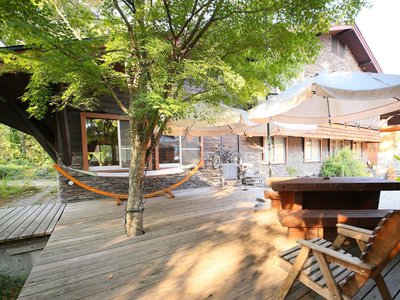
Kunugi Relaxation with 4 Modern Rooms
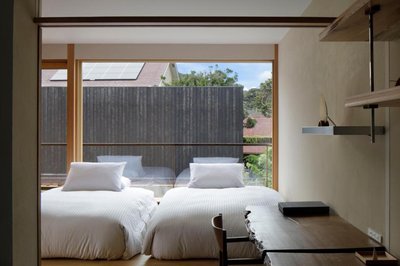
Modern Ryokan Kishi-ke

Petals Tokyo - Floating Hotel

The Flow Kamakura
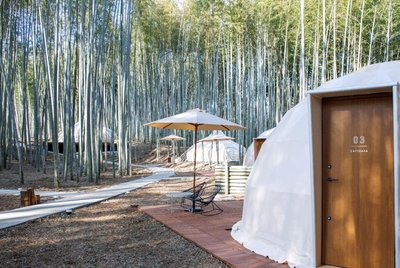
THE BAMBOO FOREST
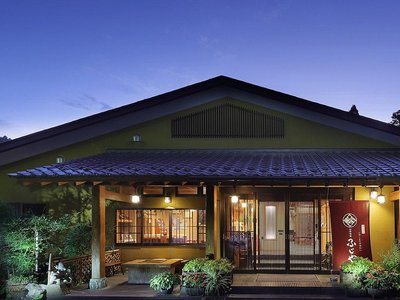
Shikimitei Fujiya
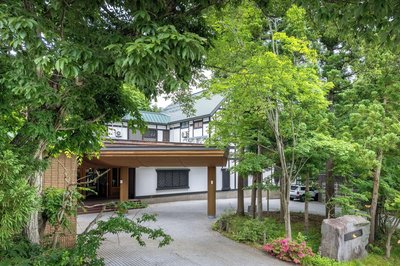
Forest Resort Yamanote Hotel
Frequently Asked Questions about Traveling to Kitashiobara
Questions You Might Need to Know About Traveling to Kitashiobara
In Kitasenma Village, the top family-friendly onsen hotel is Kitasenma Onsen Kōkan, a traditional ryokan nestled amidst lush forests with natural hot springs and warm hospitality. The rooms feature tatami mats, wooden beams, and private outdoor baths, offering an authentic rural Japanese experience. Located near Ono River Gorge and Fukushima Prefectural Natural Museum, it’s ideal for kids and nature lovers.
Another excellent option is Shiobara Onsen Minshuku, which offers spacious family rooms and local cuisine like "mountain vegetable set meals" made from seasonal foraged ingredients. Both properties provide kid-friendly amenities and guided nature walks. Reservations are recommended, especially during cherry blossom season (late March–early April) and autumn foliage months (mid-November).
Key highlights: natural onsen, family accommodations, eco-cultural immersion.
The best area for accommodation in Kitasenma Village is the Shiobara Onsen District, where most of the onsen inns and guesthouses are concentrated. This region offers excellent access to facilities, hiking trails, and cultural activities. Surrounded by mountains and blessed with clean air, it’s perfect for travelers seeking tranquility and connection with nature.
Guests can easily walk to Ono River Gorge Trail in just 10 minutes, where clear streams and birdwatching spots await. The district is also close to the Fukushima Prefectural Natural Museum, ideal for families interested in biodiversity. Evening dining often features "mountain delicacy" dishes using locally sourced ingredients. Staying here ensures a seamless blend of onsen relaxation, outdoor adventure, and local culture.
Core advantages: onsen concentration, accessibility, rich ecological resources.
Kitasenma Village offers several unique cultural experiences, including traditional washi umbrella making workshops and wild edible plant foraging tours. The village hosts the century-old "Shiobara Washi Umbrella Association," where visitors can craft their own handmade paper umbrellas using bamboo frames and washi paper—perfect as a souvenir.
During spring, the annual Mountain Vegetable Festival invites guests to explore the forest with local guides to harvest ferns, dandelions, and wild chives, followed by a cooking session using fresh ingredients. Dinner features a "mountain flavors kaiseki meal" showcasing seasonal taste.
Additionally, hands-on ancient pottery firing experiences are available at traditional kilns, where visitors learn shaping techniques and glazing methods. These activities foster deep engagement with local heritage and community life, embodying the true essence of rural authenticity and craftsmanship.
Highlights: artisan workshops, foraging, sustainable traditions.
The hot springs in Kitasenma Village are renowned for their mild alkaline sulfur-rich water, known for soothing skin and nervous system fatigue. The mineral-rich waters originate deep underground, maintaining a consistent temperature of around 42°C—ideal for therapeutic soaking.
The standout facility is Shiobara Onsen Public Bathhouse, blending modern design with traditional architecture. It features both indoor pools and open-air baths, illuminated at night to create a dreamlike atmosphere. Luxury inns like Kitasenma Onsen Kōkan offer private outdoor baths overlooking valley views and starlit skies.
Notably, many hot spring facilities use renewable energy systems for heating, reflecting strong environmental commitment. Guests can also enjoy complementary forest aromatherapy treatments using pine needles and mugwort essential oils to enhance relaxation.
Key features: natural minerals, eco-conscious operations, scenic bathing.
A stay of 2 to 3 days is ideal to fully experience the charm of Kitasenma Village. On day one, arrive and check into a ryokan in the Shiobara Onsen area. Afternoon activities include a foraging tour or washi umbrella workshop, followed by a relaxing evening soak.
Day two offers a hike along Ono River Gorge Trail, featuring scenic viewpoints and waterfalls—perfect for photography and wildlife observation. Enjoy lunch at a local eatery serving "mountain vegetable bowl." In the afternoon, visit the Fukushima Prefectural Natural Museum to learn about regional biodiversity.
On day three, consider a pottery-making class or simply unwind with tea in the inn’s garden. If time allows, extend your trip to four days to enjoy winter snowscapes or summer stargazing events (common in July–August).
Overall, even a short visit delivers profound peace and connection with nature.
Recommended duration: 2–3 days for optimal balance.
Yes, Kitasenma Village is a paradise for photographers, especially for those drawn to morning mist landscapes and seasonal color transitions. At dawn, Ono River Gorge often shrouds in ethereal fog, creating a surreal, ink-painting-like scene with distant hills barely visible.
Spring brings blooming cherry blossoms along Shiobara Onsen Street, forming a pink tunnel of Somei Yoshino trees that contrast beautifully with old timber houses. Autumn transforms the hillsides into fiery red and gold tapestries, perfect for mirror reflections in calm river surfaces.
Local craft studios—such as washi umbrella workshops and pottery kilns—offer compelling human-interest shots, capturing artisans’ focused expressions and intricate details. During clear nights, visitors can photograph the Milky Way at designated dark-sky sites; the village occasionally hosts stargazing events.
Recommended gear: wide-angle lens, tripod, polarizing filter. Key attractions: natural light, cultural moments, celestial photography.
Must-try local dishes in Kitasenma Village include Mountain Vegetable Kaiseki, Shiobara Eel Sushi, and Charcoal-Grilled Chicken. The Mountain Vegetable Kaiseki features seasonal foraged greens like ferns, dandelions, and wild mushrooms, prepared through steaming and pickling to highlight their natural freshness.
Shiobara Eel Sushi uses eel from the Ono River, marinated in a secret sauce and grilled before being placed atop vinegared rice—rich yet delicate. Charcoal-Grilled Chicken is made from free-range village chickens, slow-roasted over pine wood, resulting in tender meat with a subtle smoky aroma.
Many inns, such as Kitasenma Onsen Kōkan and Shiobara Onsen Minshuku, serve these dishes in multi-course meals, often accompanied by handwritten menus explaining ingredient origins. Some restaurants even display ingredient traceability boards, showing how food connects to local ecology.
Core appeal: fresh local produce, artisanal preparation, transparent sourcing.
The most convenient way to reach Kitasenma Village is by taking the Tohoku Shinkansen to Fukushima Station, then transferring to a bus. The Fukushima Transportation Shiobara Line runs every hour, taking about 1.5 hours to reach Shiobara Onsen Bus Stop, passing scenic mountain routes.
For self-drive travelers, take the Tohoku Expressway, exiting at Fukushima West Interchange, then follow Prefectural Road 8 for approximately 45 minutes. Note that village roads are narrow, and parking is limited—most inns offer on-site parking services.
Additionally, a free tourist shuttle bus operates on weekends and holidays, connecting major attractions and onsen areas. Some inns also provide complimentary pickup from Fukushima or Koori stations, especially for early arrivals.
Pro tip: Bus is cost-effective, car offers flexibility—check schedules in advance.
Kitasenma Village is beautiful year-round, but each season offers distinct experiences:
-
Spring (March–May): Cherry blossoms bloom, and fresh mountain vegetables emerge. Ideal for hiking and foraging tours.
-
Summer (June–August): Cool riverside temperatures make it a perfect escape from heat. Weekly Bonfire Festivals feature traditional dances and local snacks.
-
Autumn (September–November): Vibrant foliage turns hillsides into fiery red and gold landscapes—perfect for photography and hiking.
-
Winter (December–February): Snow blankets the mountains, creating a serene, fairy-tale setting. Hot springs steam under moonlight, and deer occasionally wander near forests—ideal for quiet contemplation.
Overall, autumn and winter are best for immersive, peaceful visits. Spring and summer suit those who enjoy festivals and vibrant greenery.
Best times: Fall and winter for depth; spring and summer for activity.
Guesthouses in Kitasenma Village stand out for their authentic rural lifestyle immersion. Most are converted traditional gasshō-zukuri farmhouses, preserving original wooden beams, thatched roofs, and tatami flooring. Notable examples include Shiobara Onsen Minshuku and Ono River Side Cottage, offering cozy, intimate stays.
Each guesthouse provides home-cooked meals prepared by hosts using locally grown ingredients—often including wild herbs, mountain vegetables, and free-range poultry. Some even feature shared kitchens and gardens, encouraging guests to cook together.
Hosts actively share local knowledge: identifying edible plants, interpreting bird calls, or explaining seasonal rituals. A few offer a "One-Day Farmer Experience"—helping with planting, harvesting, or fruit picking.
These homestays emphasize human connection, sustainability, and cultural continuity, transforming travel into meaningful exchange rather than mere lodging.
Unique value: community warmth, heritage preservation, eco-living.
Kitashiobara Overview
City Summary
Kitashiobara Village is located in the northwest of Fukushima Prefecture, Japan, surrounded by stunning natural landscapes. Known for its mountain views and hot springs, it is a perfect getaway from urban hustle. The village offers various outdoor activities like hiking and skiing, ideal for nature lovers.
Must-See Attractions
Top attractions in Kitashiobara include Goshikinuma, a group of colorful lakes, and Lake Hibara, great for boating and fishing. In winter, the ski resorts attract many enthusiasts. Don't miss the local hot springs for a relaxing experience.
Food Guide
The local cuisine features mountain vegetables and soba noodles, influenced by the mountainous environment. Hot spring eggs and grilled fish are also popular, made with fresh local ingredients.
Transportation Guide
Getting around Kitashiobara mainly relies on buses and car rentals. Buses from Fukushima or Koriyama cities are limited, so check schedules in advance. Driving is more convenient due to scattered attractions. Winter driving requires caution.
Best Time to Visit
The best times to visit are autumn (September to November) for foliage and winter (December to February) for skiing. Summers are cool but less crowded.
Travel Tips
- Respect local culture: Keep noise levels low in this traditional village.
- Onsen etiquette: Wash thoroughly before entering hot springs.
- Waste disposal: Take trash back to your accommodation.
- Clothing: Pack warm clothes for winter.
- Language: English is rare; learn basic Japanese or use a translator.
Useful Information
Language: Japanese is primary; English is limited. Internet: WiFi is scarce; bring a mobile hotspot. Payment: Cash is preferred; credit cards are rarely accepted. Emergency: Medical facilities are minimal; the nearest hospital is in Fukushima City. Carry essential medications.