Hotels in Kitayama
Discover your perfect stay in Kitayama.
Kitayama(Japan) Travel 2026: Cheap Flights, Hotels & Top Attractions
Popular Landmarks in Kitayama
Discover the most iconic attractions in Kitayama
Recommended Hotels in Kitayama
Find the perfect place to stay in Kitayama
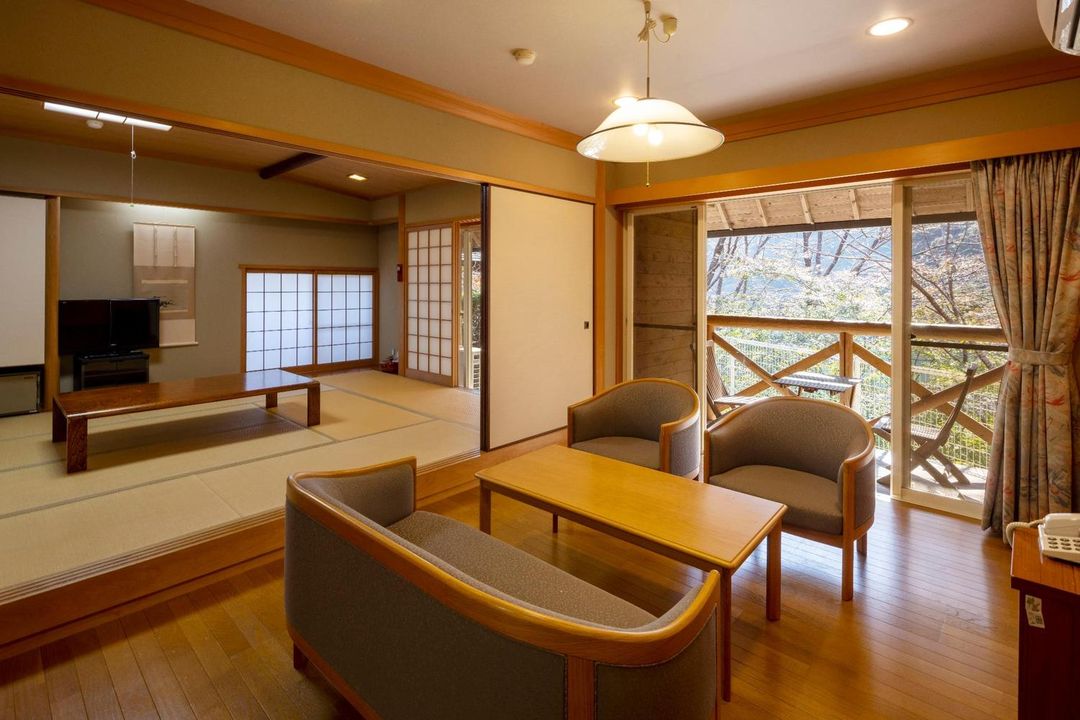
Okutoro Onsen Yamanoyado
Best Hotels in Kitayama
Discover curated hotel collections in Kitayama
Shima Kanko Hotel the Bay Suites
Loquat Nishiizu
Byaku Narai
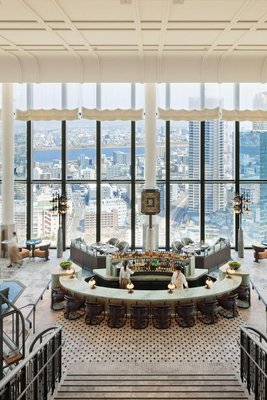
Waldorf Astoria Osaka
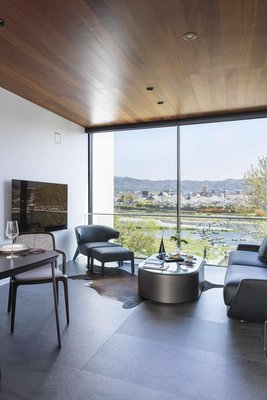
Kamo Residences by Reflections
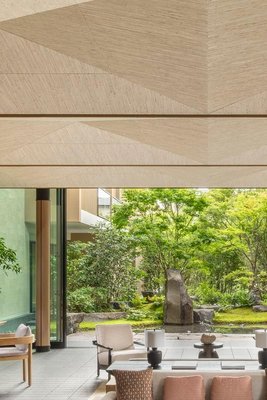
Six Senses Kyoto
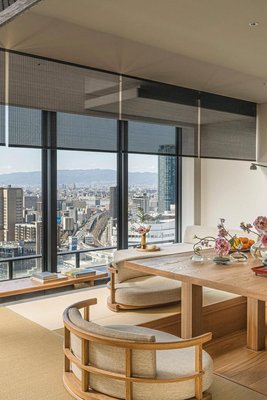
Four Seasons Hotel Osaka

Patina Osaka

The Ritz-Carlton, Osaka
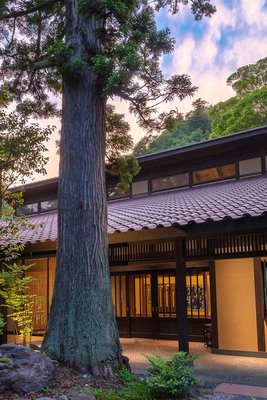
Arimasansoh Goshobessho

The Hiramatsu Hotels & Resorts Kashikojima
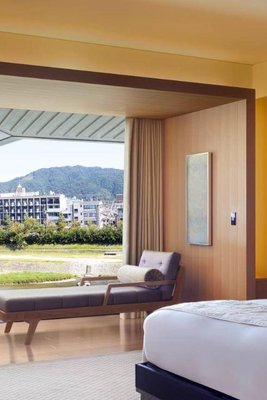
The Ritz-Carlton, Kyoto
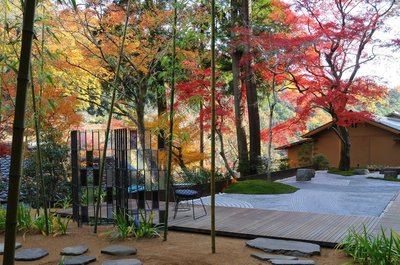
HOSHINOYA Kyoto
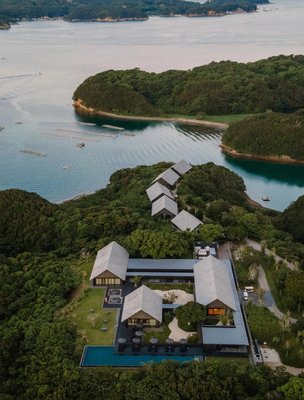
Amanemu
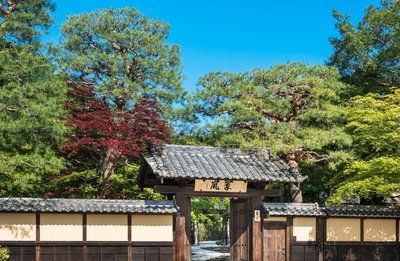
Suiran, a Luxury Collection Hotel, Kyoto
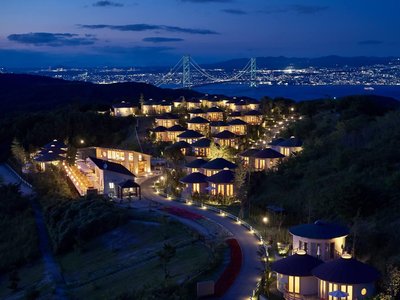
Grand Chariot Hokutoshichisei 135°
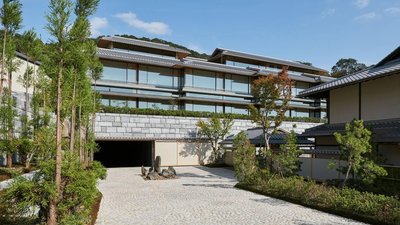
Park Hyatt Kyoto
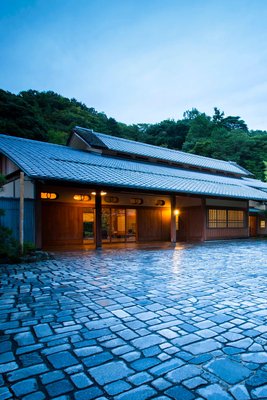
Sanyo-so

SETOUCHI RETREAT by Onko Chishin
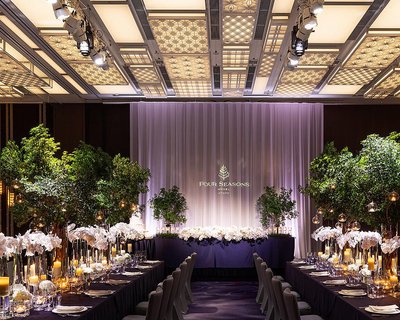
Four Seasons Hotel Kyoto

Hotel Barrière Fouquet's New York

The Plaza - A Fairmont Managed Hotel
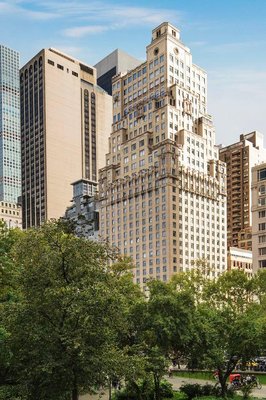
The Ritz-Carlton New York, Central Park

Four Seasons Hotel New York

The St. Regis New York

Park Hyatt New York

Mandarin Oriental New York

Times Square Edition New York

Loews Regency New York Hotel

Lowell Hotel

New York Edition

Baccarat Hotel New York

Equinox Hotel New York

Four Seasons Hotel New York Downtown

The Langham, New York, Fifth Avenue

The Carlyle, A Rosewood Hotel

The Chatwal, in the Unbound Collection by Hyatt

The Mark New York

Trump International Hotel & Tower® New York
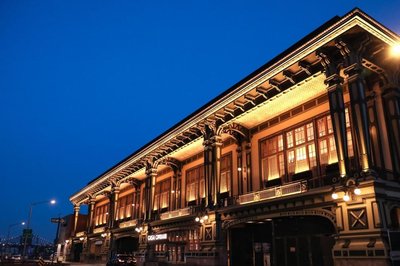
Casa Cipriani New York
Frequently Asked Questions about Traveling to Kitayama
Questions You Might Need to Know About Traveling to Kitayama
In Koyasan Village, top boutique stays include Mikuya Ryokan, a centuries-old guesthouse transformed from a traditional mountain farmhouse, featuring tatami rooms and a private forest garden. Another standout is Hana no Ie, a minimalist eco-lodge nestled near Daitaigahara, offering panoramic views of the Koya Mountains and organic farm-to-table meals. Both properties emphasize quiet retreats with local cultural experiences like tea ceremonies and forest bathing, perfect for travelers seeking serenity and authenticity in Japan's spiritual heartland.
The Daitaigahara region is ideal for a peaceful stay in Koyasan Village, situated at 800 meters elevation with fresh air and sweeping views of misty mountains. This secluded area hosts small, family-run inns and forest cabins, far from crowds, making it perfect for meditation and nature immersion. The area is also close to the Koyasan Shrine and hiking trails leading to Mirror Pond, offering both spiritual connection and tranquil walks. Its remoteness enhances the sense of stillness, allowing visitors to truly disconnect and recharge.
Tourists in Koyasan Village can participate in authentic Shingon Buddhist rituals, including morning chanting sessions with monks and silent meditation in temple halls. The village also features Washi paper workshops where guests craft traditional Japanese paper using age-old techniques. At night, join a Mountain Folklore Night Talk, where elders recount tales of the Kumano Kodo Trail and mountain spirits. These immersive experiences offer deep insight into the village’s spiritual heritage and ancestral wisdom.
Yes, Koyasan Village is excellent for families seeking nature-based adventures. The Koyasan Children’s Forest School offers hands-on activities like plant identification, insect hunting, and basic camping skills. Many inns, such as Green Hill House, provide family-friendly accommodations and child-oriented programs including forest scavenger hunts and bamboo flute making. Safe, gentle trails lead to Mirror Pond, where kids can observe reflections of trees and sky. The village’s calm pace and educational offerings make it a nurturing environment for intergenerational bonding.
The most photogenic spots in Koyasan Village include Daitaigahara Overlook, where morning fog swirls around peaks like a mystical sea—ideal for sunrise photography. The Koyasan Shrine’s century-old maple grove turns fiery red in autumn, framing the wooden torii gate beautifully. Mirror Pond offers a perfectly reflective surface, capturing skies and trees in stunning symmetry. Visit early morning or late afternoon for soft light and fewer crowds. With minimal infrastructure and rich natural beauty, every corner feels like a living postcard.
Visitors to Koyasan Village must try Koya Mountain tofu, silky smooth and served with seasonal mountain vegetables. Local restaurants like Koyasan Dining Hall offer the "Mountain Delight Set" featuring wild garlic omelet, matsutake rice, and homemade berry jam. Koyasan Honey is another specialty—pure and floral, perfect for tea or drizzling on bread. Some inns provide a "Farm-to-Table Experience," where guests harvest ingredients themselves before cooking dinner under expert guidance, creating a memorable culinary journey rooted in sustainability and tradition.
Reaching Koyasan Village requires planning: take the Kansai Electric Railway to Koya-ko Station, then transfer to a local bus. From Osaka, the journey takes about 2 hours through lush forests and winding roads. Car rental is recommended for flexibility, especially for exploring remote areas. For non-drivers, pre-booked Koyasan Tour Shuttle services are available. While public transport is limited, the scenic ride itself adds to the adventure, and the village’s isolation preserves its serene, untouched charm.
Koyasan Village has a temperate humid climate—cool summers (avg. 22°C), mild winters with occasional snow, and frequent fog in spring/autumn. The best time to visit is late spring to early autumn when temperatures are pleasant and visibility is clear. Summer is ideal for escaping city heat but watch for sudden fog that may obscure trails. Winter offers snowy landscapes perfect for photography and hot spring visits at Koyasan Onsen. Always carry a light jacket and rain gear—weather changes quickly in mountainous terrain.
Couples will love staying at Hoshizora Cabin, a glass-roofed love nest with unobstructed views of stars above the Koya Mountains. Begin your day with a quiet walk along Mirror Pond, their reflections shimmering like dreams. Enjoy a candlelit dinner at a private inn, savoring mountain cuisine and homemade plum wine. For deeper connection, participate in a mountain vow ceremony at Koyasan Shrine, writing wishes on prayer ribbons tied to sacred trees. The silence, solitude, and natural beauty foster intimacy, making this a soulful escape for lovers.
Nighttime in Koyasan Village is magical. Join the Mountain Lantern Festival, walking along stone paths lit by paper lanterns near Koyasan Shrine, listening to forest sounds and distant chants. Some inns host Stargazing Sessions with telescopes, revealing the Milky Way and shooting stars. There’s also the Folklore Night Gathering, where elders share ghost stories and legends of the Kumano Kodo Trail around a fire pit. These quiet, soulful experiences transform the night into a realm of mystery and memory, perfect for reflection and wonder.
Kitayama Overview
City Summary
Nestled in Wakayama Prefecture, Kitayama Village is a serene mountain enclave renowned for its pristine nature and traditional Japanese rural culture. Surrounded by dense forests and clear streams, this untouched haven offers an escape from urban chaos, with well-preserved historic structures dotting the landscape.
Must-See Attractions
Must-see spots include the majestic waterfalls and autumn foliage of Kitayama Gorge, ancient shrines reflecting village history, and hands-on washi paper-making workshops. At night, witness magical firefly displays dancing over the streams.
Food Guide
Savor local mountain vegetable cuisine and river fish delicacies - don't miss the magnolia leaf miso grill and wild mushroom set meals. Handmade soba noodles prepared with mountain spring water at village eateries offer authentic simplicity.
Transportation Guide
Limited public transport requires planning. Take the village-operated bus from Shingu Station (3-4 daily, 50min ride) or rent a car (caution on mountain roads). Most attractions are walkable, but some nature areas require local guides.
Best Time to Visit
Prime periods are May-June for fireflies and October-November for autumn colors. Summers are cool but buggy, while some facilities close in winter.
Travel Tips
- Pack anti-slip shoes for damp mountain trails
- Always ask permission before photographing residents
- Cash is king - few places accept cards
- Carry out all trash as disposal facilities are limited
- Tattoos prohibit onsen access
- Check sparse bus schedules meticulously
Useful Information
Basic Japanese helps greatly; the village office provides English pamphlets. Docomo network covers main areas but drops in mountains. The sole ATM is at the post office - bring sufficient cash. For emergencies, Shingu City Hospital (1hr drive) is the nearest full facility, with only a basic clinic in-village.