Hotels in Kiyama
Discover your perfect stay in Kiyama.
Kiyama(Japan) Travel 2026: Cheap Flights, Hotels & Top Attractions
Popular Landmarks in Kiyama
Discover the most iconic attractions in Kiyama
Recommended Hotels in Kiyama
Find the perfect place to stay in Kiyama
Best Hotels in Kiyama
Discover curated hotel collections in Kiyama






























































Frequently Asked Questions about Traveling to Kiyama
Questions You Might Need to Know About Traveling to Kiyama
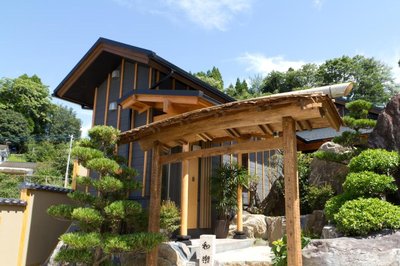
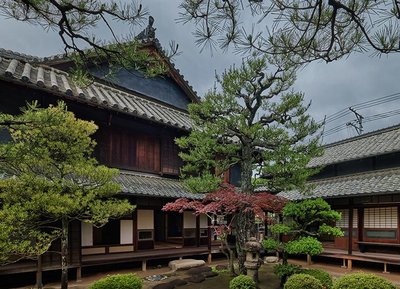
In Kisamatsu Town, the top boutique stay is Tanaka Guest House, a traditional Japanese wooden house blending modern comfort with rural authenticity. Located near Kisamatsu Shrine and Saga Plain, it offers guests immersive experiences like tea harvesting and farm-to-table meals. For a serene escape, Green Hill Estate provides organic garden workshops and stargazing nights under clear skies. Both properties emphasize sustainability and community connection, reflecting Kisamatsu’s deep-rooted agricultural heritage and quiet charm.
The central district of Kisamatsu Town is perfect for first-time visitors craving peace and simplicity. Close to Kisamatsu Station and local shops, this area hosts cozy guesthouses like Saga Fudo-kan, which showcases regional pottery and crafts. From here, you can easily walk to the Oshima River Trail, enjoying morning strolls and sunset views. The community is warm and welcoming, often hosting neighborhood markets where tourists experience genuine rural life and hospitality.
Tourists in Kisamatsu Town can participate in the annual Saga Tea Ceremony Festival, held at Kisamatsu Tea Gardens in spring, where visitors learn authentic tea preparation and taste fresh matcha. Another highlight is rice paddy farming workshops, offered during summer at Saga Plain Farms, allowing hands-on planting and harvesting. At Kisamatsu Weaving Studio, guests can craft textiles using locally grown hemp fibers. These experiences embody the town’s philosophy of harmony with nature and sustainable living.
Yes, Kisamatsu Town offers several family-friendly stays. Green Hill Estate features a children’s playroom, sandbox, and family farm activities, plus meals that include farming tours. Tanaka Guest House welcomes pets, has spacious tatami rooms, and kitchenettes for self-catering. The peaceful environment is safe for kids to explore fields and streams. Additionally, monthly events like "Find the Hidden Animals" scavenger hunts make learning fun for all ages. Ideal for creating lasting memories together.
The most photogenic spots in Kisamatsu Town include the Oshima River embankment, where cherry blossoms float on the water in spring, creating dreamy reflections. Kisamatsu Shrine’s vermilion torii gate and red buildings glow beautifully in morning mist. The Saga Plain rice paddies form stunning green waves in summer, especially at golden hour. Autumn brings fiery red and yellow foliage around Tanaka Guest House’s maple grove, a favorite among photographers. These natural scenes require no staging—just pure, breathtaking beauty.
Visitors must try Saga beef sukiyaki, known for its tender, rich flavor, best enjoyed with local soy-based sauce. Don’t miss Kisamatsu matcha desserts like matcha mochi and ice cream, available at Chaya Komachi. Tanaka Guest House serves a "Farm Family Meal" featuring homegrown vegetables, pickles, and rice. During festivals, sample tea-steamed rice bowls, infused with aromatic matcha. These dishes reflect the town’s commitment to local ingredients and culinary tradition.
Yes, Kisamatsu Town is accessible via public transit. A 30-minute bus ride from Saga Station reaches Kisamatsu Station, with frequent schedules and IC card compatibility. Free parking and electric scooter rentals are available for self-drive travelers. Some guesthouses, like Green Hill Estate, offer shuttle services. The town also features a network of bicycle paths connecting farms and scenic spots. Use the Saga Prefecture Tourism App for real-time bus updates, making travel flexible and stress-free.
Accommodation in Kisamatsu Town is affordable, ranging from ¥5,000 to ¥8,000 per night for guesthouses like Tanaka Guest House, including breakfast. Premium options such as Green Hill Estate cost ¥12,000 to ¥18,000 per night, with added farm experiences and dinner. Seasonal packages (e.g., tea festival stays) may increase prices by 20%. Overall, Kisamatsu offers exceptional value—low costs paired with high-quality local experiences and natural surroundings.
For slow living, try sitting by the Oshima River with a book, listening to flowing water. At Green Hill Estate, enjoy tea on the terrace while watching seasonal changes. Join morning tea picking at the gardens for mindful engagement. Participate in local craft workshops—weaving baskets or shaping clay—without time pressure. In the evening, stroll through quiet village paths under starlit skies. These unhurried moments capture the essence of Kisamatsu: simplicity, presence, and connection to nature.
The best times to visit Kisamatsu Town are spring (March to May) and autumn (September to November). Spring brings blooming cherry blossoms along the Oshima River and the Saga Tea Ceremony Festival. Autumn offers crisp weather, golden rice fields, and harvest celebrations like the Kisamatsu Agricultural Expo. Winter’s snow-covered plains create a serene, magical landscape. Avoid rainy season and summer heat for optimal comfort and scenery. These seasons highlight the town’s natural beauty and cultural rhythm.
Kiyama Overview
City Summary
Kiyama Town is located in the northeastern part of Saga Prefecture, Japan, near Fukuoka Prefecture, boasting rich natural landscapes and historical heritage. Known for its serene rural scenery and traditional Japanese architecture, it is an ideal getaway from urban hustle. The town's hot springs and ancient shrines attract numerous visitors.
Must-See Attractions
Must-see spots include Kiyama Park, which offers stunning seasonal views, especially during cherry blossom season. Kiyama Shrine, a century-old spiritual site, features elegant architecture. Additionally, hot spring facilities like "Kiyama Onsen" provide perfect relaxation, while nearby hiking trails cater to nature enthusiasts.
Food Guide
Kiyama's culinary scene blends Kyushu flavors. Try Saga beef, renowned for its tenderness. Street food like oden (stewed dishes) and yakitori (grilled chicken skewers) are popular. Local restaurants serve seafood rice bowls with fresh catches. Don’t miss the town’s signature plum wine, a sweet-sour delight.
Transportation Guide
Transportation in Kiyama relies on JR Kyushu trains, with a 30-minute ride from Fukuoka. The town has a bus system, but schedules are limited—check timetables in advance. Taxis or rental cars offer flexibility, especially for rural areas. Bicycle rentals are also available for easy exploration.
Best Time to Visit
Best seasons to visit are spring (March-May) and autumn (September-November), with mild weather and scenic beauty. Spring attracts crowds for cherry blossoms, while autumn offers vibrant foliage. Summers are humid, and winters occasionally see snow, but hot springs remain inviting.
Travel Tips
- Respect local customs: Follow shrine etiquette, such as purifying hands before entering.
- Cash payments: Some small shops only accept cash; carry sufficient yen.
- Onsen manners: Wash thoroughly before bathing; swimsuits are prohibited.
- Strict recycling: Adhere to local waste separation rules.
- Punctuality: Buses/trains rarely delay; arrive early.
- Language: English is limited; a translation app helps.
Useful Information
Practical info: The official language is Japanese, with minimal English signage. Mobile coverage is reliable; consider SIM cards or portable Wi-Fi. Payment methods prioritize cash, though IC cards (e.g., Suica) work at some outlets. For emergencies, dial 119; clinics handle basic care. Contact Kiyama Tourism Association (Tel: 0942-XX-XXXX) for assistance.









