Hotels in Kiyokawa
Discover your perfect stay in Kiyokawa.
Kiyokawa(Japan) Travel 2026: Cheap Flights, Hotels & Top Attractions
Popular Landmarks in Kiyokawa
Discover the most iconic attractions in Kiyokawa
Recommended Hotels in Kiyokawa
Find the perfect place to stay in Kiyokawa

Best Hotels in Kiyokawa
Discover curated hotel collections in Kiyokawa
















































Frequently Asked Questions about Traveling to Kiyokawa
Questions You Might Need to Know About Traveling to Kiyokawa
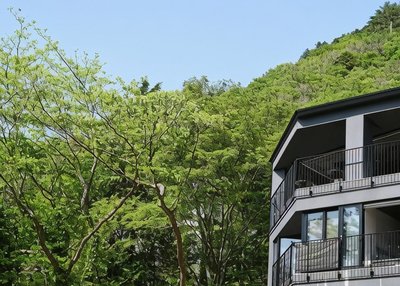
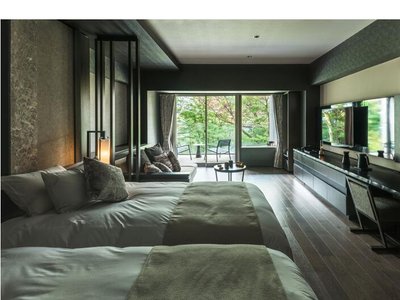
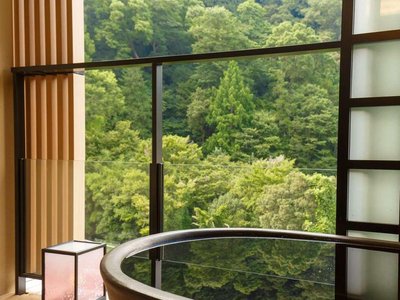
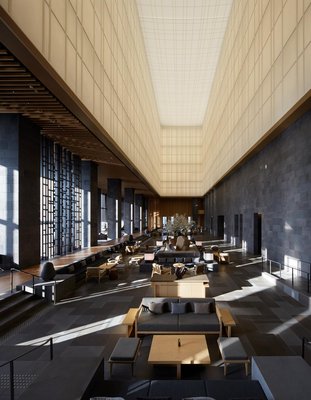
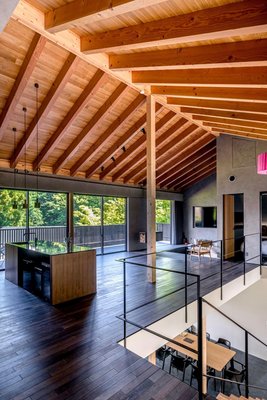
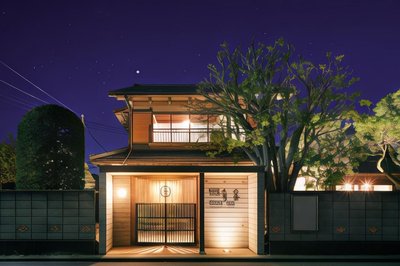
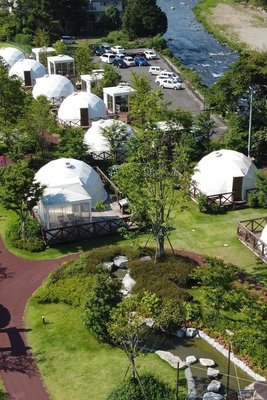
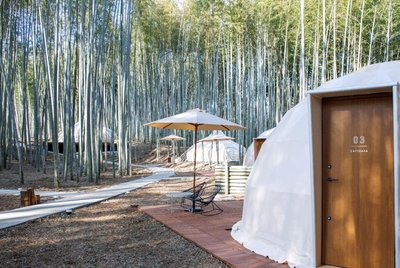
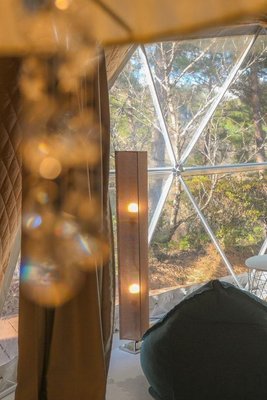
In Seikawa Village, the top eco-lodges include Seikawa Village Nature Stay, which uses solar power, rainwater harvesting, and wood-fired heating. All rooms are built with reclaimed timber and feature zero-waste amenities like bamboo toothbrushes and cloth towels. The property runs a composting program and offers guests a green points system for sustainable behaviors. Located near the Danze Mountains, it emphasizes harmony with nature, making it ideal for conscious travelers seeking low-impact stays in a pristine mountain setting.
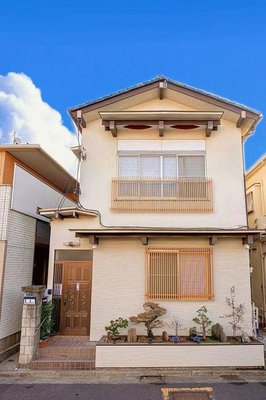
The central village district is perfect for first-time visitors. It’s close to the Seikawa Bridge, Village Office, and local shops, offering easy access to essentials. From here, you can walk 10 minutes to the Seikawa Gorge Trailhead, ideal for hiking or birdwatching. The area retains traditional Yamato-style architecture and quiet rural charm while providing basic tourist services—making it both peaceful and convenient for families or couples exploring the region.
Visitors can participate in authentic bamboo weaving workshops led by local artisans, creating baskets and lanterns using time-honored techniques. During spring, the Cherry Blossom Festival features night illuminations, kimono try-ons, and tea ceremony performances. In autumn, join maple leaf collection and dried flower crafting events. These traditions reflect Kanagawa’s rural heritage, allowing travelers to engage deeply with seasonal rituals and craftsmanship in a serene mountain village.
Yes, Seikawa Village Nature Stay is highly recommended for families. It offers child-sized beds, safety barriers, and a sandbox area with a small vegetable garden for kids to explore. The property also hosts nature storytime sessions and firefly watching tours at night. With accessible facilities and pet-friendly policies, it ensures comfort and safety for parents and children alike, blending outdoor adventure with cozy mountain living.
The Seikawa Gorge is a must-visit, where crystal-clear streams wind through the Danze Mountains, lined with moss-covered rocks and ferns. Well-maintained wooden trails allow for easy hiking. Another highlight is White Egret Forest, home to large flocks of migratory birds—best seen at dawn. For panoramic views, hike to Oyama Observation Deck, where you can see across the Sagami Plain and even glimpse Mount Fuji on clear days, offering breathtaking vistas of nature and sky.
Try wild mushroom rice cooked over an open fire and fresh wasabi tofu with homemade sauce. Many lodges offer farm-to-table menus featuring seasonal ingredients like bamboo shoots, fiddlehead ferns, and chestnuts. At Seikawa Tea House, enjoy handcrafted matcha desserts and roasted brown rice tea. Some restaurants even provide outdoor grilling stations, letting guests cook their own mountain barbecue, delivering authentic taste and rustic charm.
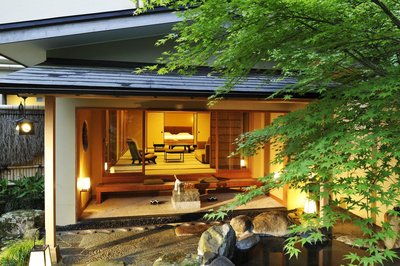
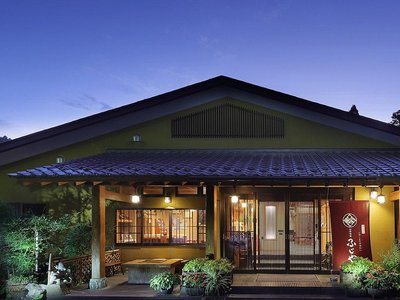
Winter transforms Seikawa Village into a snowy paradise. Visit Seikawa Onsen Ryokan, one of three natural hot springs with sulfur-rich waters known for skin benefits. The annual Snow Lantern Festival lights up the Seikawa Shrine plaza with hundreds of paper lanterns. Guests can also try snow sled rides and ice fishing in frozen streams, experiencing tranquil beauty and traditional alpine culture under soft snowfall.
From Tokyo Station, take the JR Yokohama Line to Sagamihara Station, then transfer to a Kanagawa Prefecture Bus bound for Seikawa Village—approximately 45 minutes. Some lodges offer free shuttle services from the bus stop. While no major highways pass through, the journey takes about 2 hours and is ideal for weekend getaways. The remote location ensures peace and quiet, perfect for escaping urban life.
Absolutely. Most guesthouses implement strict eco-policies: Seikawa Village Nature Stay uses solar panels, rainwater recycling, and plastic-free toiletries. They encourage guests to compost food waste and recycle properly, earning rewards like guided forest walks. Their commitment to protecting the Danze ecosystem includes limiting vehicle access and promoting slow tourism—ensuring minimal environmental impact while preserving the village’s natural integrity.
Extremely so. Seikawa Village is often called Japan’s quietest mountain valley, offering stunning seasonal photography opportunities: cherry blossoms in spring, lush greenery in summer, fiery maple trees in autumn, and snow-covered landscapes in winter. Ideal spots include the reflection of Seikawa Bridge in the stream, morning fog over White Egret Forest, and sunrise at Oyama Observation Deck. Many lodges provide photography guides and open rooftops or gardens for creative shots, ensuring a peaceful, unspoiled environment for capturing nature and serenity.
Kiyokawa Overview
City Summary
Kiyokawa Village is located in Kanagawa Prefecture, Japan, surrounded by nature and known for its peaceful atmosphere. With abundant forests and clear streams, it is an ideal getaway from urban hustle. The village retains traditional Japanese countryside charm, offering visitors a glimpse into rural culture and a slower pace of life.
Must-See Attractions
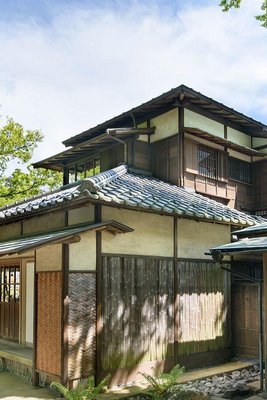
Key attractions include Kiyokawa Valley, where beautiful waterfalls and streams are perfect for hiking and picnics. Traditional Japanese farmhouses and shrines dot the village, reflecting its historical heritage. Don’t miss the local hot springs, offering ultimate relaxation.
Food Guide
Visitors can savor authentic rural dishes like vegetable tempura and handmade soba noodles, made with fresh local ingredients. Small village shops also sell homemade pickles and jams, perfect as souvenirs.
Transportation Guide
Public transport is the main way to reach Kiyokawa Village. From Tokyo, take a train to Sagamiko Station and transfer to a bus. Walking and renting bicycles are ideal for exploring the village. Drivers should note that some mountain roads are narrow.
Best Time to Visit
The best times to visit are spring and autumn. Spring brings cherry blossoms, while autumn showcases stunning foliage with pleasant weather. Summer is hot but offers cool retreats in the valley. Winter is quieter, ideal for solitude seekers.
Travel Tips
- Respect local customs, especially when visiting shrines.
- Some areas have weak phone signals; download maps in advance.
- Mountain weather changes quickly; pack appropriate clothing.
- Follow onsen etiquette, such as washing before entering.
- Carry out trash to keep the environment clean.
- Some attractions require reservations; check ahead.
Useful Information
Japanese is the primary language; English proficiency is limited. Free Wi-Fi spots are scarce, so consider a mobile data plan. Cash is preferred, as credit cards aren’t widely accepted. Emergency services are centralized; dial 119 for help. Carry basic medications, as the nearest hospital is a drive away.