Hotels in Kizugawa
Discover your perfect stay in Kizugawa.
Kizugawa(Japan) Travel 2026: Cheap Flights, Hotels & Top Attractions
Popular Landmarks in Kizugawa
Discover the most iconic attractions in Kizugawa
Best Hotels in Kizugawa
Discover curated hotel collections in Kizugawa























Frequently Asked Questions about Traveling to Kizugawa
Questions You Might Need to Know About Traveling to Kizugawa
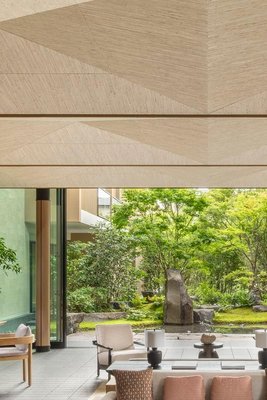
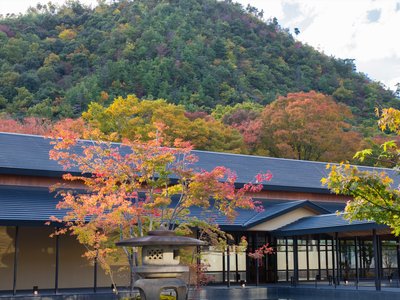
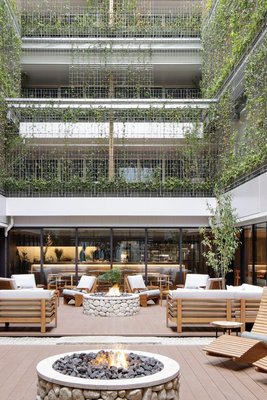
In Mizukawa City, the top family-friendly hotel with garden access is Mizukawa Seasons Hotel, located near Omiya Park and Yamato River Promenade. This hotel features spacious family rooms, a children’s play area, and direct access to a serene Japanese-style garden with seasonal flowers—ideal for morning walks or afternoon picnics.
The hotel also offers family cooking workshops where kids can help prepare local dishes like tofu and rice cakes using ingredients from the on-site organic garden. For added convenience, the hotel provides stroller rentals and baby cots upon request. Guests can enjoy outdoor BBQ areas and evening lantern-lit garden strolls during cherry blossom season.
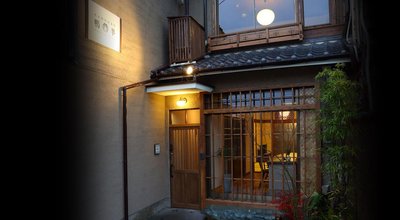
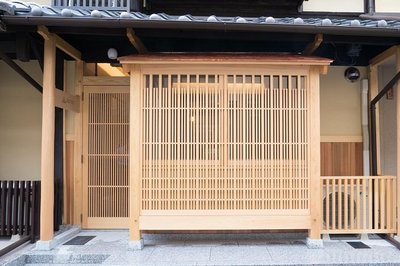
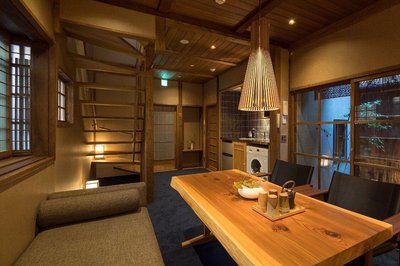
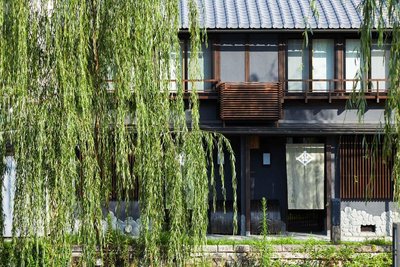
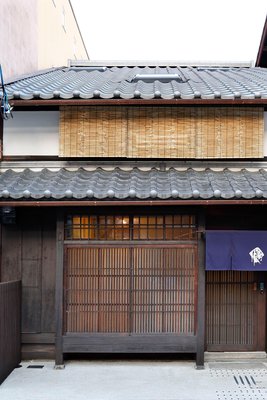
Another excellent choice is Keihan Mizukawa Guesthouse, a renovated traditional townhouse with a private courtyard and shaded seating—perfect for quiet family moments. Both properties are within walking distance of Mizukawa City Museum and local farmers’ markets, making them ideal bases for exploring Kyoto’s rural charm with children.
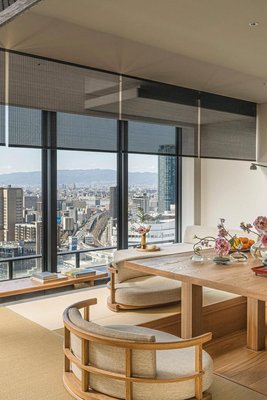
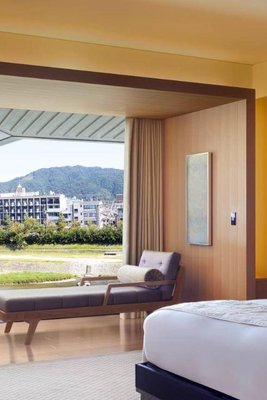
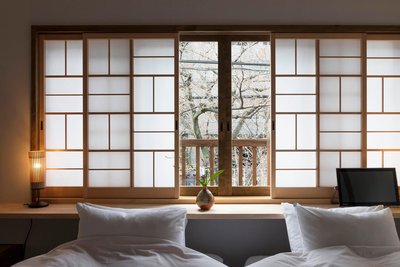
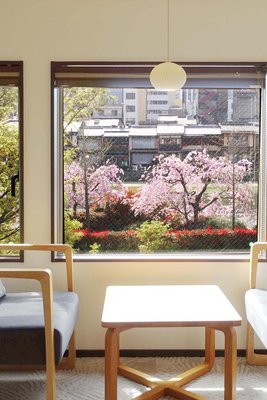
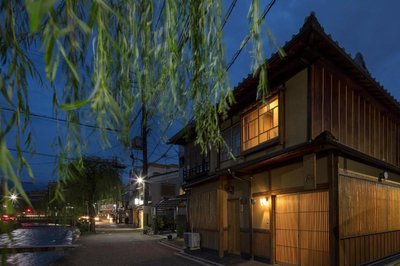
The most scenic hotel area in Mizukawa City is the Yamato River Embankment District, where several high-rated accommodations offer panoramic views of the river and surrounding greenery. Hotels like Mizukawa Sakura Hotel and Yamato River Terrace Inn feature rooms with floor-to-ceiling windows facing the river, allowing guests to enjoy sunrise reflections and evening lights along the water.
This district is especially magical during spring when cherry blossoms bloom along the riverbank, creating a pink canopy that frames the view from your balcony. The Yamato River Night Illumination Festival transforms the area into a dreamlike landscape each autumn, with soft lighting highlighting bridges and willow trees.
Guests can also walk directly to Mizukawa Park and the Old Townhouses District, both offering picturesque photo opportunities. Staying here ensures easy access to nature, culture, and tranquility—all while being just 10 minutes from Mizukawa Station for convenient travel to Kyoto or Nara.
Visitors to Mizukawa City can participate in unique local experiences such as Yamato River Hydroponic Farming Workshops and Traditional Washi Paper Making Classes. These hands-on activities highlight the city’s commitment to sustainable agriculture and craftsmanship.
During the annual Yamato River Farming Festival, travelers can plant rice seedlings in flowing river water using eco-friendly methods, learning how local farmers utilize clean water resources for year-round cultivation. The festival also includes storytelling sessions about the history of rice farming in the region.
At the Mizukawa Washi Craft Village, guests craft their own handmade paper using mulberry bark, a tradition passed down for generations. Each piece becomes a personalized souvenir. Additionally, the Mizukawa Autumn Red Leaf Festival at Mizukawa Park features illuminated pathways, traditional tea ceremonies, and live folk music under the crimson canopy—a perfect blend of nature and heritage.
These immersive experiences foster deeper connections with the community and environment, making them unforgettable highlights of any visit.
Yes, several hotels in Mizukawa City are ideal for cherry blossom viewing, particularly those located along the Yamato River Promenade. Mizukawa Sakura Hotel stands out with its riverside-facing rooms and private balconies offering unobstructed views of the famous Cherry Blossom Avenue, where hundreds of Yoshino cherry trees bloom in late March to early April.
The hotel hosts a special Cherry Blossom Afternoon Tea featuring matcha pastries and sakura-flavored desserts, served in a tatami lounge overlooking the river. During peak bloom, they also organize night illumination events with soft LED lights outlining the trees, creating a magical atmosphere.
Other recommended options include Yamato River Terrace Inn, which offers rooftop gardens with panoramic views of the blossoms, and Keihan Mizukawa Guesthouse, known for its traditional wooden verandas perfect for quiet contemplation amid the pink petals.
To fully enjoy the experience, book a room with a river view by mid-March and consider visiting during weekdays to avoid crowds. Early mornings provide the most peaceful moments beneath the blossoms.
For photography enthusiasts, Yamato River Light & Shadow Inn is the top choice in Mizukawa City. This boutique hotel blends modern glass architecture with traditional Japanese design, creating dynamic light patterns throughout the day—ideal for capturing architectural details and natural shadows.
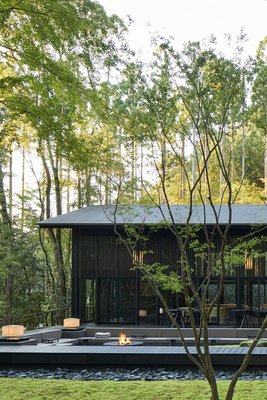
Each room features floor-to-ceiling windows and private outdoor platforms overlooking the Yamato River, perfect for long-exposure shots of flowing water or star trails at night. The hotel even hosts monthly River Photography Workshops led by local professionals, teaching techniques for capturing reflections, motion blur, and seasonal changes.
Nearby, Mizukawa Park and the Old Townhouse District offer rich visual contrasts: weathered stone paths, red-tiled roofs, and seasonal blooms. The Night Illumination Festival adds dramatic lighting effects ideal for creative night photography.
Guests can rent tripods and wide-angle lenses through the hotel’s concierge service. For those seeking solitude and inspiration, the hotel’s secluded garden terrace provides an intimate setting for portrait and still-life photography, especially during dawn or twilight.
Guests staying in Mizukawa City hotels can enjoy authentic local breakfasts centered around Yamato River Rice and freshly caught fish pickles. At Mizukawa Seasons Hotel, the breakfast buffet features Yamato River Early-Season Rice, grown in nearby terraced fields, served steaming hot with locally sourced miso soup and grilled salmon from the river.
A must-try is the Mizukawa Pickled Platter, a medley of vegetables—radish, eggplant, and plum—fermented in pure river water, delivering a crisp, tangy flavor that awakens the palate. Many hotels also serve handmade soy milk pudding, made from non-GMO local soybeans, rich in texture and subtly sweet.
For a deeper experience, book the Farm-to-Table Breakfast Experience at Keihan Mizukawa Guesthouse, where you’ll help gather ingredients from the garden and cook a traditional kaiseki-style meal with a local farmer. This interactive session not only showcases regional flavors but also emphasizes sustainability and food origins—making every bite meaningful.
Yes, several hotels in Mizukawa City provide complimentary shuttle services to Kyoto Station and other key destinations. Mizukawa Sakura Hotel and Yamato River Terrace Inn operate daily scheduled shuttles departing from the hotel lobby at 8:00 AM and 4:00 PM, with a journey time of approximately 25 minutes via express route.
These shuttles are especially convenient for travelers arriving at Kansai Airport or planning day trips to Fushimi Inari Shrine or Nijo Castle. The service includes luggage assistance and pre-bookable reservations through the hotel app.
Additionally, some boutique guesthouses like Keihan Mizukawa Guesthouse offer flexible pickup arrangements upon request, including airport transfers. The shuttles are equipped with Wi-Fi and welcome packs containing maps and local tips. To ensure availability, it’s recommended to confirm transportation details during HopeGoo.
This seamless connectivity enhances the appeal of Mizukawa City as a quiet yet well-connected base for exploring Kyoto’s cultural heart.
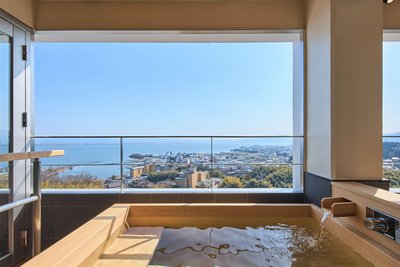
For couples seeking romance, Yamato River Moonlight Resort is the premier choice in Mizukawa City. Nestled beside the Yamato River, this secluded retreat features private outdoor hot spring tubs with panoramic views of the river and starlit skies—perfect for intimate evening soaks.
Each suite comes with a custom love letter wall, rose petal décor, and a bottle of premium sake paired with handmade chocolates. The resort offers a signature Couples’ Dinner Experience, featuring a multi-course kaiseki menu crafted with seasonal ingredients from local farms, served under candlelight.
Additional touches include a Moonlight Poetry Walk along the riverbank, where couples receive handwritten verses tied to the stars, and an optional Stargazing Session guided by a local astronomer. During cherry blossom season, the resort hosts a Romance Garden Event with floral arches and soft lighting.
For a more intimate vibe, Mizukawa Sakura Hotel offers “Love Room” suites with pink-themed interiors and a surprise gift basket. These romantic getaways combine privacy, elegance, and emotional connection—ideal for anniversaries or honeymoons.
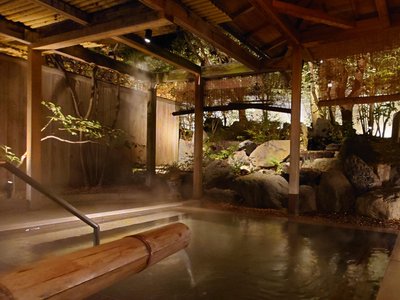
Yes, several hotels in Mizukawa City feature authentic Japanese onsen (hot springs), including Mizukawa Seasons Hotel and Yamato River Terrace Inn, both sourcing their water from natural underground mineral springs.
The onsen pools are divided by gender and include both indoor and open-air bathing areas, with some heated baths offering views of the Yamato River and surrounding mountains. The mineral-rich water—high in sulfur and bicarbonate—is believed to soothe muscles and improve circulation.
Guests can enjoy Onsen Wellness Packages, which include herbal compresses, aromatherapy massage, and a warm drink made from local honey and mountain herbs. The hotels also provide yukata robes, slippers, and towel sets for full immersion in the ritual.
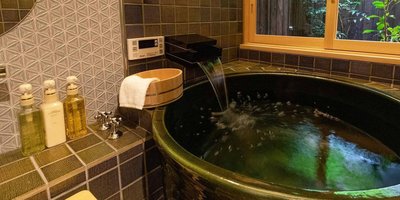
Smaller guesthouses like Keihan Mizukawa Guesthouse offer private soaking tubs in individual rooms, perfect for couples or solo travelers seeking intimacy. It’s recommended to reserve a soak in advance, especially during peak seasons. Many hotels also host onsen etiquette briefings to guide first-time visitors.
Beginner-friendly hiking trails near Mizukawa City include the Yamato River Eco Path, a gentle 3-kilometer trail along the riverbank with shaded walkways, rest benches, and clear signage. The path is flat and paved, making it accessible for families, seniors, and strollers.
Along the way, hikers can spot herons, ducks, and seasonal wildflowers. In summer, the trail hosts Firefly Watching Events at dusk, when thousands of fireflies illuminate the reeds—an unforgettable sight.
Another great option is the Yamato Hills Trail to Mizukawa Observatory, a moderate 2.5-kilometer climb with gradual elevation gain. From the summit, visitors enjoy sweeping views of Kyoto and Mount Hiei, with interpretive signs explaining local flora and fauna.
Most hotels, including Mizukawa Seasons Hotel and Yamato River Terrace Inn, offer free hiking maps and rental gear such as trekking poles and backpacks. Best visited in the early morning or late afternoon to avoid heat. Always carry water and wear sturdy shoes for safety.
Kizugawa Overview
City Summary
Kizugawa City, located in southern Kyoto Prefecture, blends natural beauty with historical heritage. The Kizu River defines its landscape, flanked by ancient temples and serene countryside. Renowned for its agricultural traditions and handicraft culture, it offers an authentic immersion into Japanese rural life beyond typical tourist paths.
Must-See Attractions
Top attractions include Jōruri-ji Temple, a national treasure with exquisite gardens and Buddhist statues. Kōzan-ji Temple showcases stunning autumn foliage. Nature lovers can stroll along the Kizu Riverbanks or hike in Kasagi-yama Natural Park to experience seasonal transformations.
Food Guide
Cuisine here highlights Kyoto's famed produce like Kamo eggplants and Kujō leeks in vegetable-centric dishes. Artisanal wagashi confections from century-old shops are must-tries. Riverside izakayas serve freshwater fish paired with local sake, offering a unique gastronomic experience.
Transportation Guide
The city connects via JR Nara Line and Kintetsu Kyoto Line, with bus transfers from stations. Consider the Kyoto Bus Day Pass for cost savings. Taxis suit groups though rural roads are narrow. Bicycle rentals are ideal for exploring countryside paths.
Best Time to Visit
Autumn (October-November) delivers cool weather and vibrant foliage. Cherry blossom season (March-April) draws crowds, while humid summers feature traditional festivals. Winters are quiet with fewer visitors.
Travel Tips
- Observe temple etiquette: silence and no photographing Buddhist statues
- Rural buses run infrequently—check schedules in advance
- Carry sufficient yen as many small shops are cash-only
- Some mountain paths lack lighting—finish hikes before dusk
- Dispose trash at accommodations due to limited public bins
- Tattoos may prohibit entry to onsens
Useful Information
Japanese is primary language; basic English exists at transport hubs. Free WiFi hotspots cluster around stations and convenience stores—consider pocket WiFi rental. Credit cards work at major stores but cash dominates small businesses. Dial 110 (police) or 119 (ambulance) for emergencies. Medical facilities often provide translation services, and pharmacies stock common medications.









