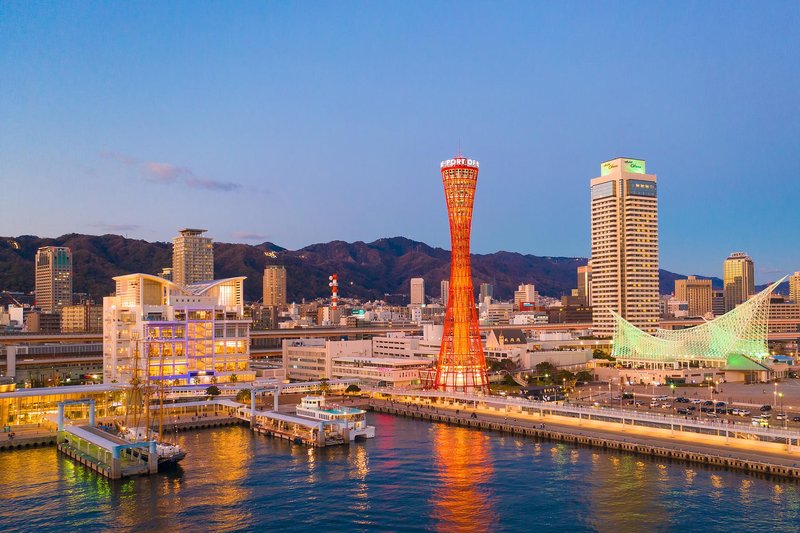
Hotels in Kokonoe
Discover your perfect stay in Kokonoe.
Kokonoe(Japan) Travel 2026: Cheap Flights, Hotels & Top Attractions
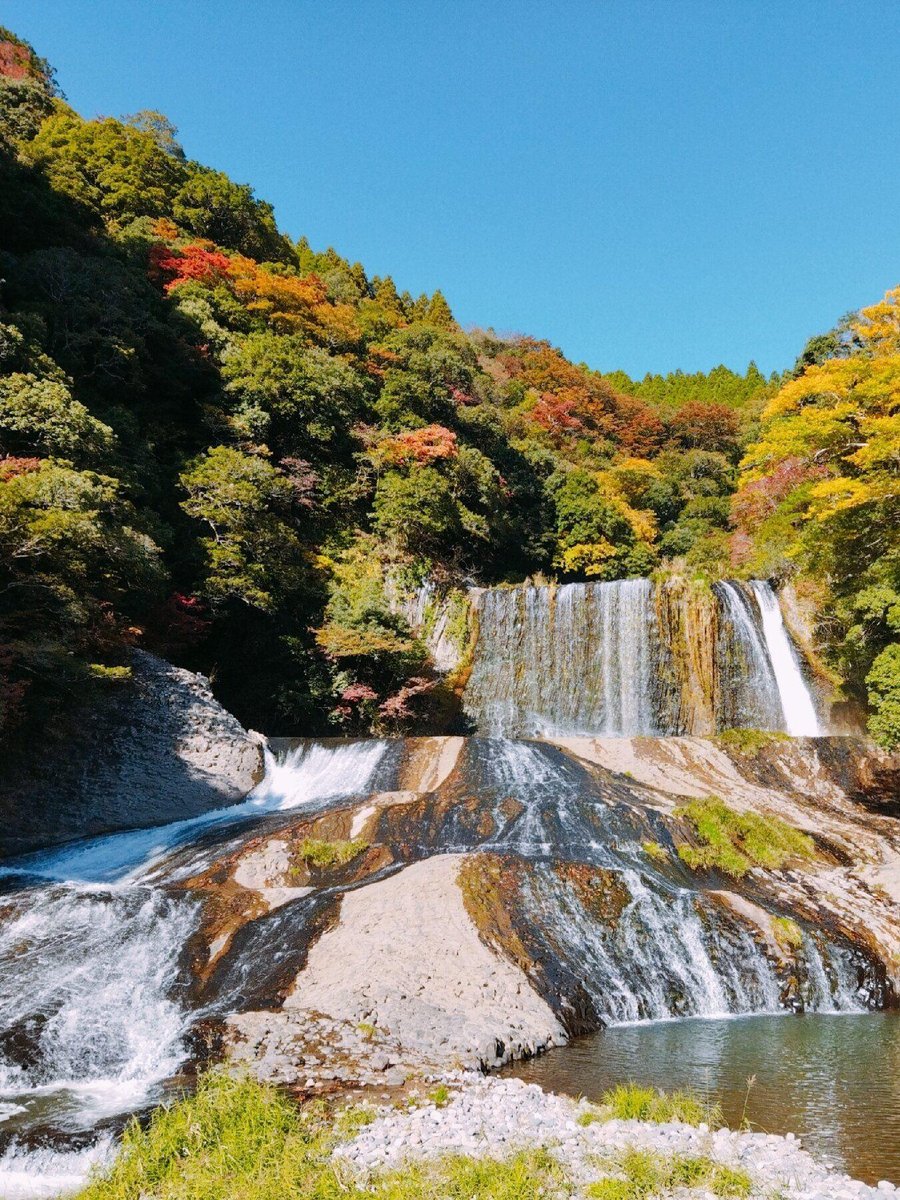
Popular Landmarks in Kokonoe
Discover the most iconic attractions in Kokonoe
Recommended Hotels in Kokonoe
Find the perfect place to stay in Kokonoe
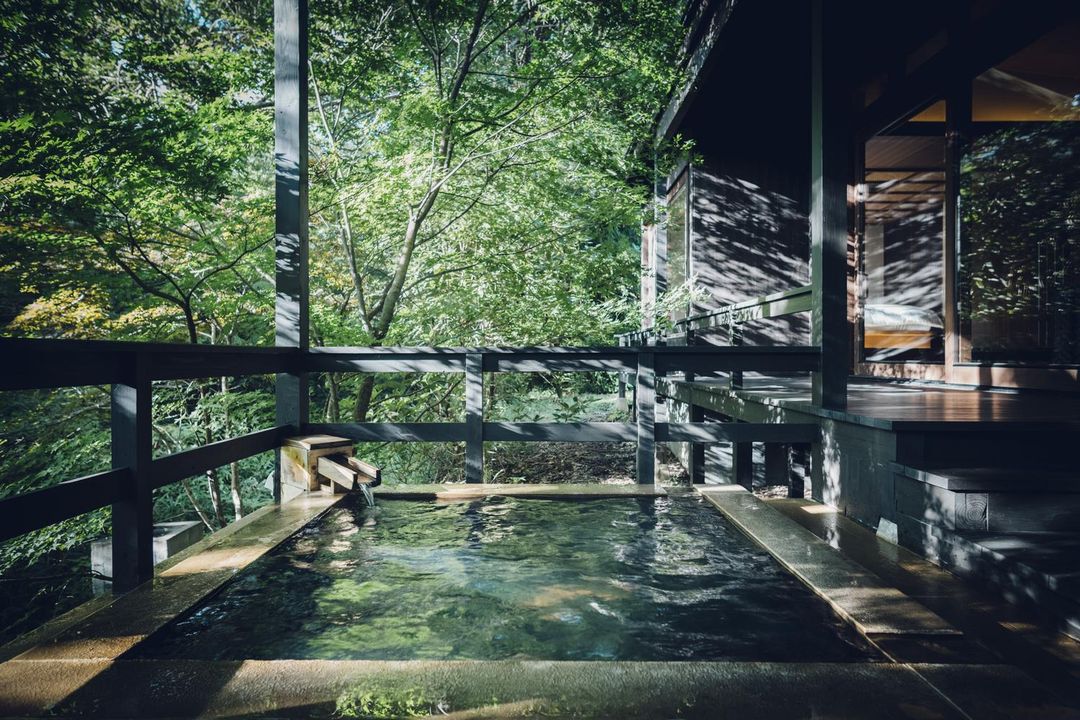
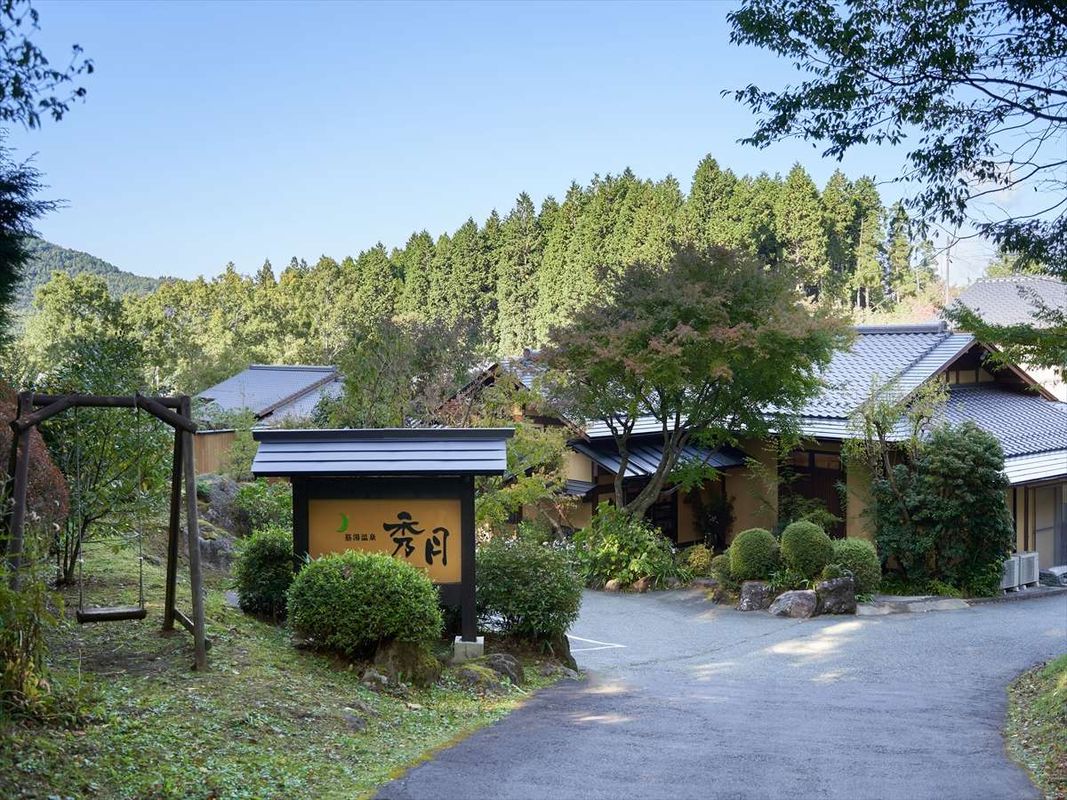
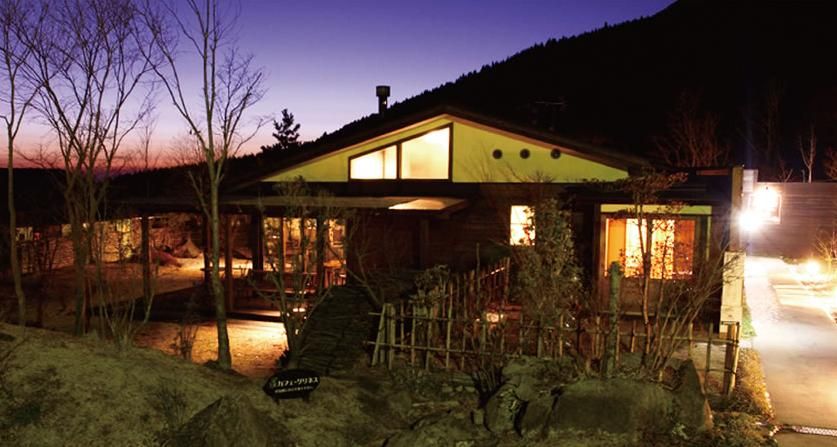
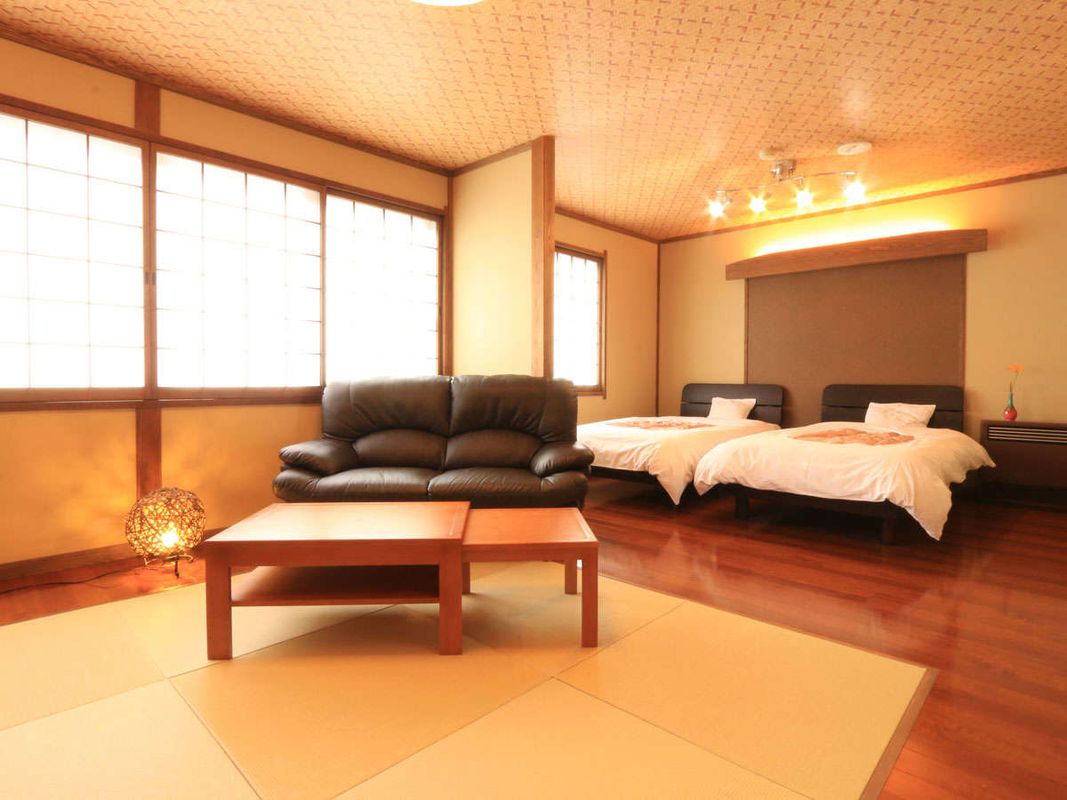
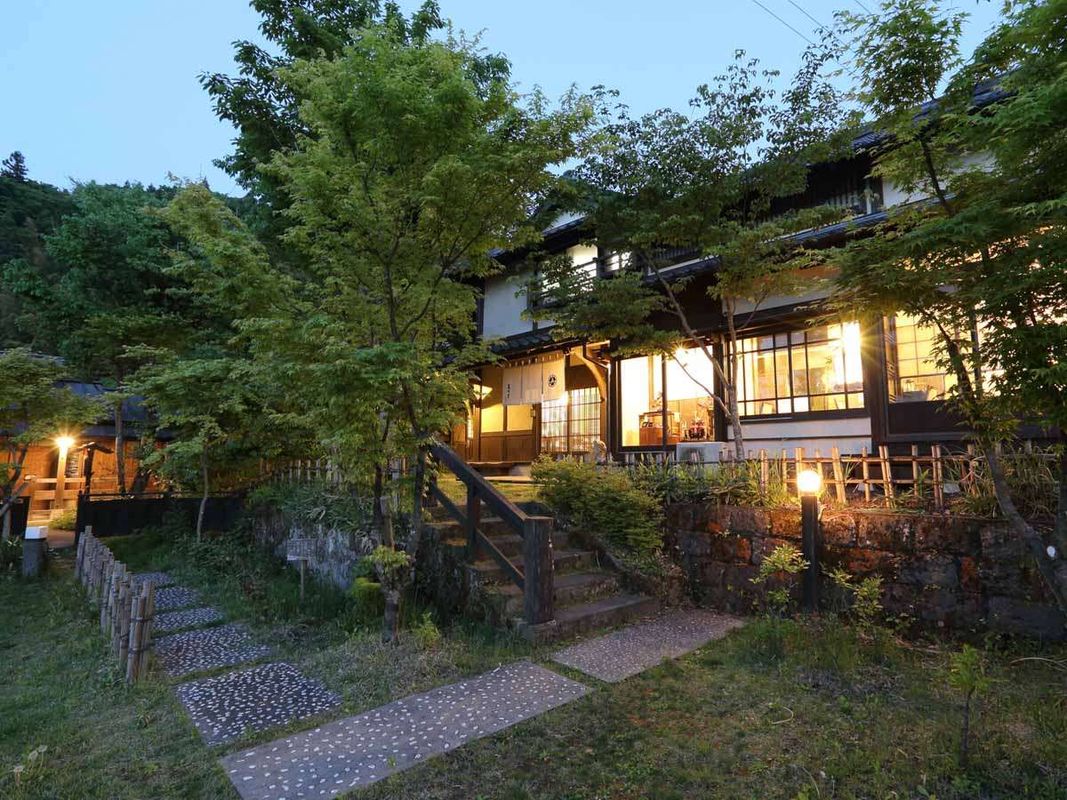
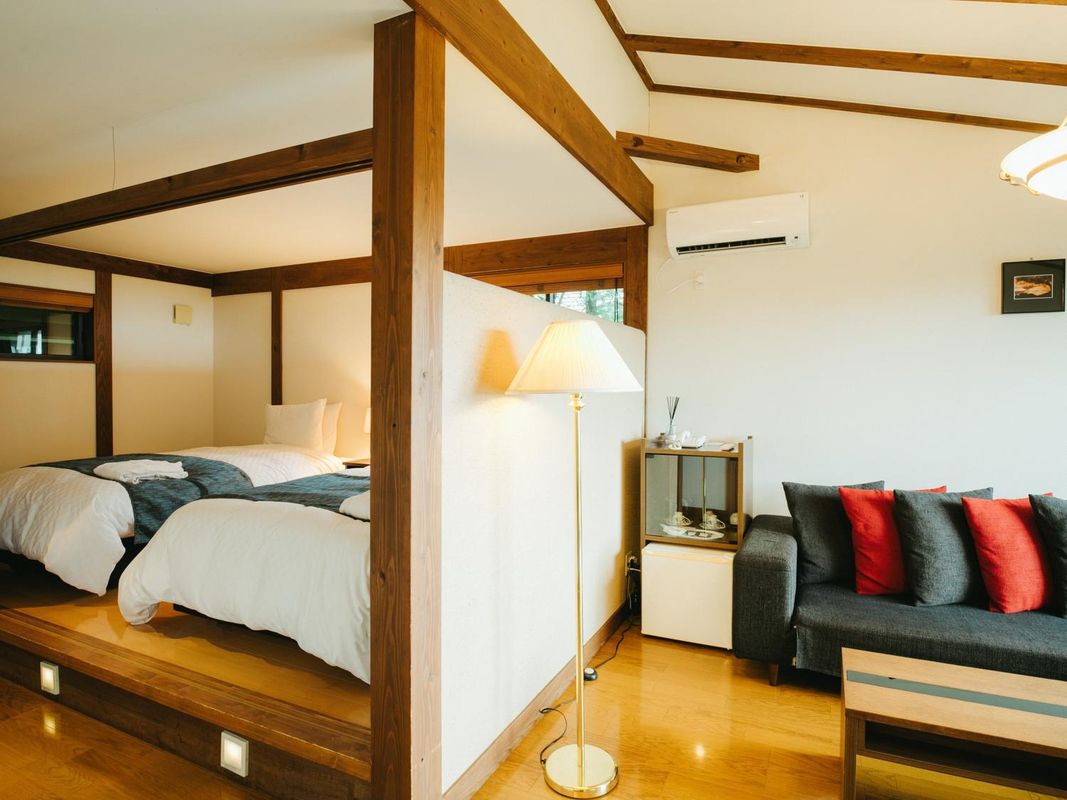
Best Hotels in Kokonoe
Discover curated hotel collections in Kokonoe





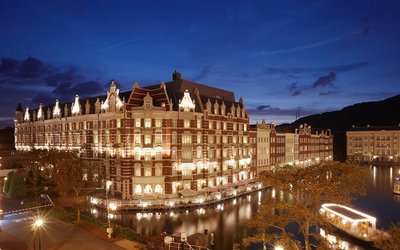
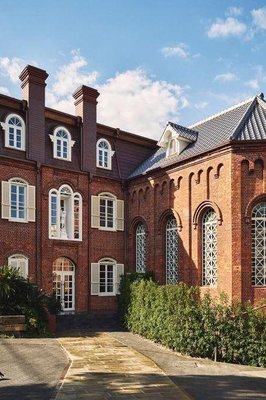
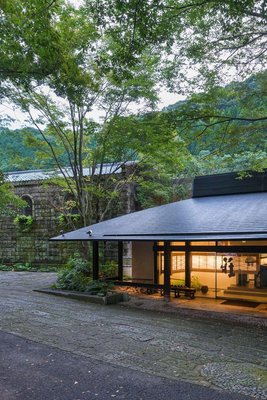
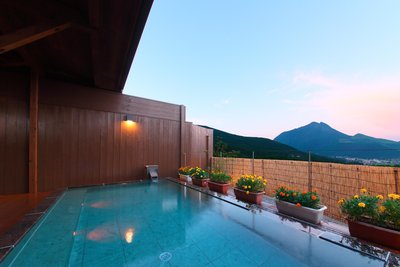

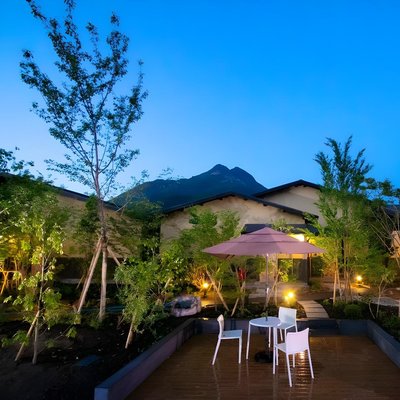
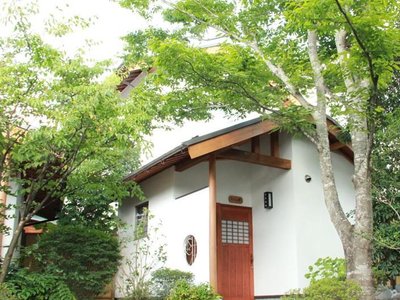

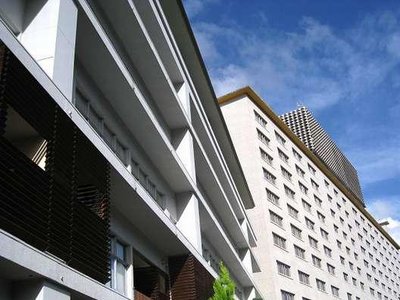
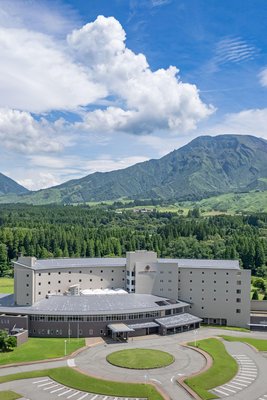


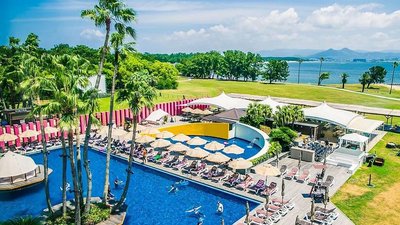
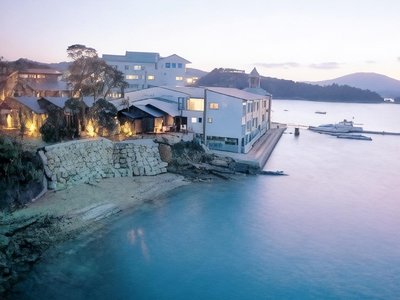
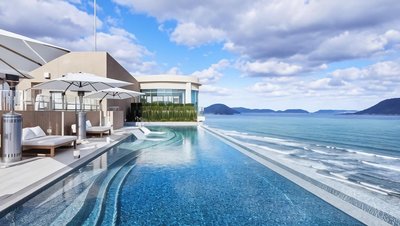
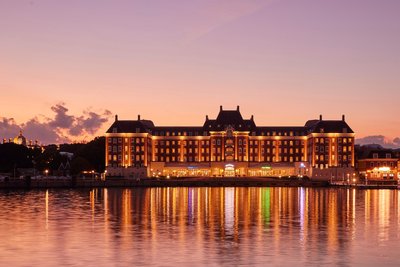


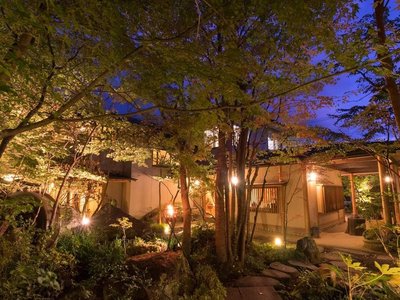
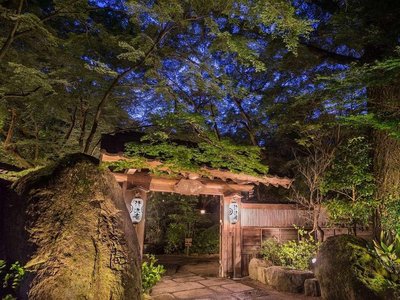
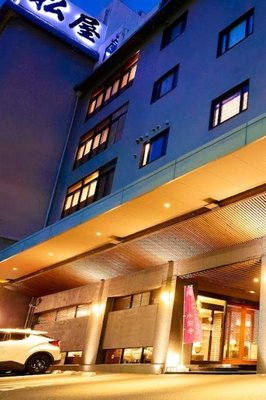
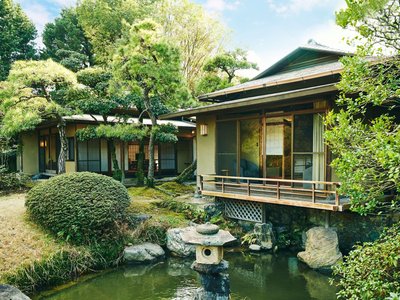
Frequently Asked Questions about Traveling to Kokonoe
Questions You Might Need to Know About Traveling to Kokonoe
Kokonoe Overview
City Summary
Kokonoe Town in Ōita Prefecture, Japan, nestles at the foot of the Kuju Mountain Range, renowned for its dramatic volcanic landscapes and hot springs. As Japan's highest-altitude onsen district, it features natural wonders like the Kuju Dream Suspension Bridge while preserving traditional farming culture. Its core appeal lies in pristine nature and therapeutic geothermal resources.
Must-See Attractions
Top attractions include the Kuju Dream Suspension Bridge spanning the Naruko Gorge with views of "Shaking Waterfall" (one of Japan's Top 100 Waterfalls). Kuju Highland offers seasonal flower fields and pastoral scenery, transforming into a ski resort in winter. Yufuin Onsen and Chōjabaru Onsen provide diverse bathing experiences, while the volcanic lakes of Iida Plateau are ideal for hiking.
Food Guide
Local cuisine highlights highland vegetables and wagyu beef. Must-tries include Kokonoe buckwheat noodles (made with mountain spring water) and Bungo beef pottery-grilled. The rustic "Jidori kamameshi" (claypot chicken rice) absorbs rich flavors. Seasonal specialties like butterbur tempura (summer) and pickled saba mackerel (winter) are exceptional.
Transportation Guide
Transport: From Fukuoka Airport, take a 2.5-hour bus or transfer at Ōita Station to JR Kyūdai Line for Toyonakamura Station, then switch to town buses. The "Kokonoe-go" loop bus connects major sights but has limited schedules. Renting a car is most convenient, though mountain roads may require snow chains in winter. Taxis need advance HopeGoo and are costly.
Best Time to Visit
Best seasons are May-June (fresh greenery & azaleas) and September-November (autumn foliage), with mild temperatures and fewer crowds. July-August offers cool retreats but occasional typhoons, while December-March is prime for onsens though some mountain routes close.
Travel Tips
- Follow onsen etiquette: wash before bathing; tattooed visitors should book private baths
- Mountain weather changes rapidly—pack windproof layers even in summer
- Reserve restaurants in advance, especially on weekends
- Cash remains dominant; convenience store ATMs dispense yen
- Practice strict trash sorting; public bins are scarce
- Respect farmlands—do not enter private fields without permission
- Suspension bridge may close during strong winds
- Buses depart punctually—arrive 10 minutes early
Useful Information
Essentials: English signage is limited—download translation apps. For mobile data, Japan SIM cards (NTT Docomo has best mountain coverage) are recommended. Dial 110 (police) or 119 (ambulance) in emergencies. Ryokans offer free Wi-Fi, but some scenic spots lack signals. The only drugstore is in town center—bring essential medications. Voltage is 100V (Type A plugs). Medical services are centralized at Kokonoe Town Hospital (closed Sundays); serious cases transfer to Ōita City.