Hotels in Komodo
Discover your perfect stay in Komodo.
Komodo(Indonesia) Travel 2026: Cheap Flights, Hotels & Top Attractions
Popular Landmarks in Komodo
Discover the most iconic attractions in Komodo
Recommended Hotels in Komodo
Find the perfect place to stay in Komodo
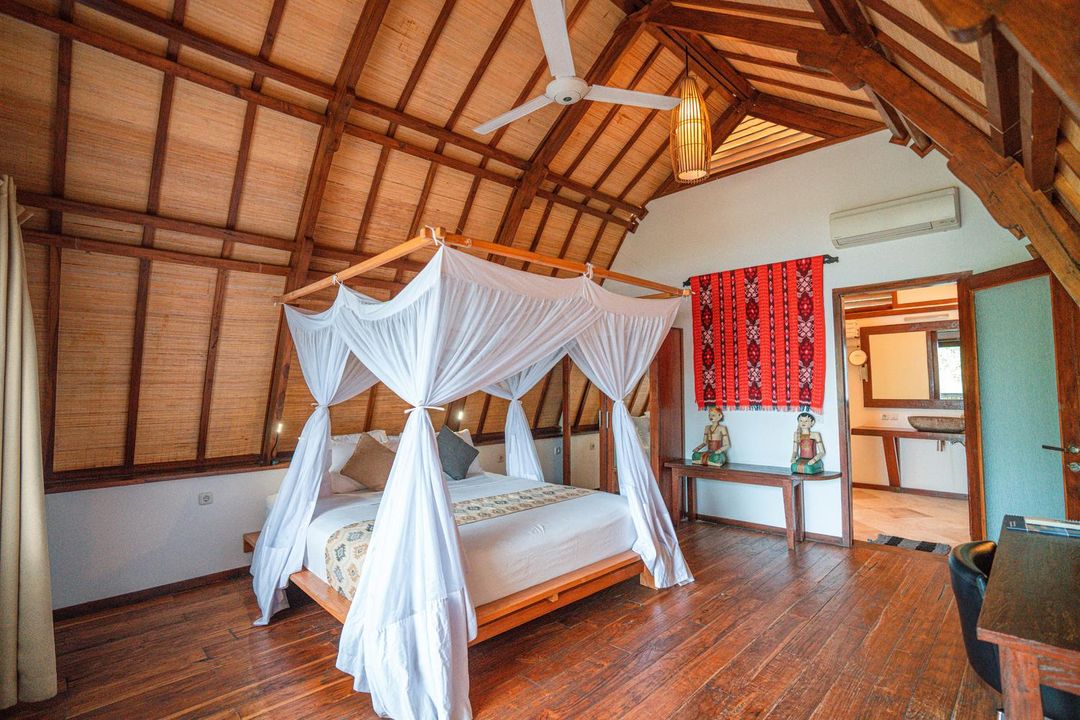
Komodo Resort
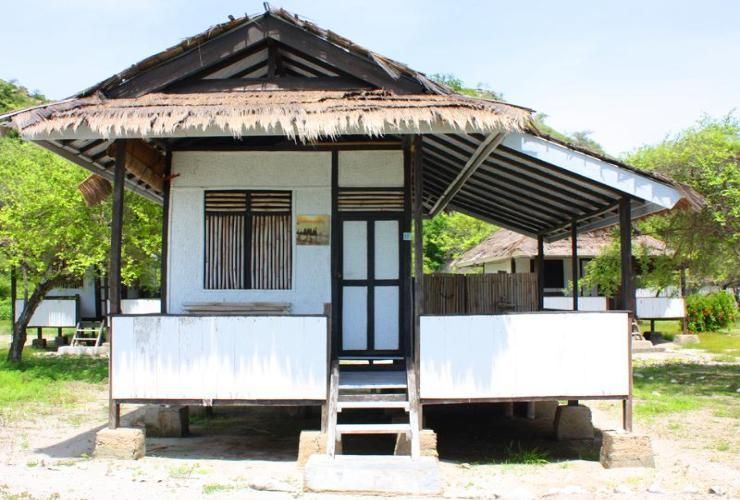
Kanawa Beach Resort
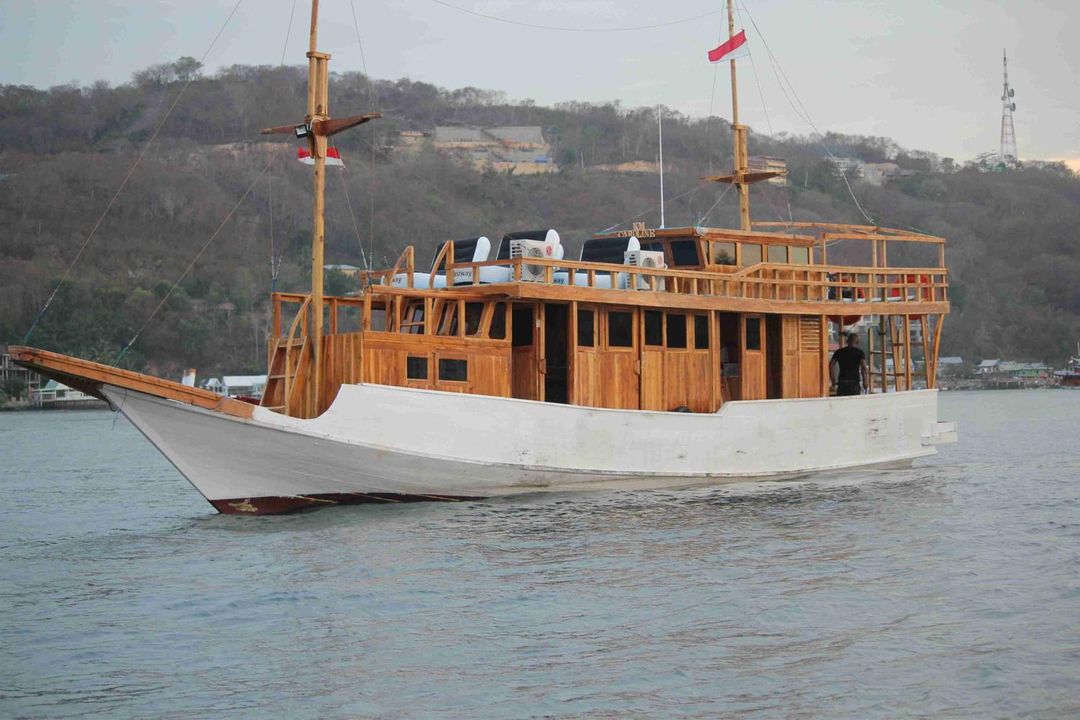
Boat Charter KM.Caroline
Best Hotels in Komodo
Discover curated hotel collections in Komodo
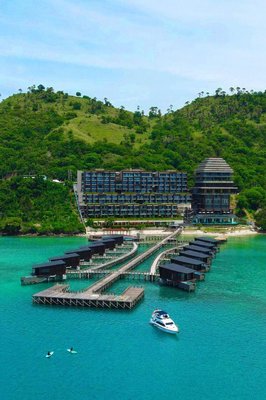
Katamaran Hotel & Resort Komodo
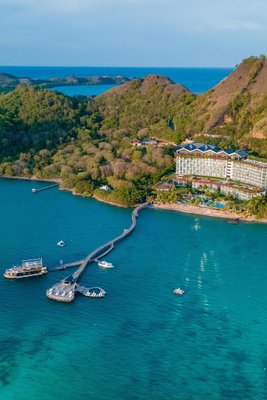
AYANA Komodo Waecicu Beach
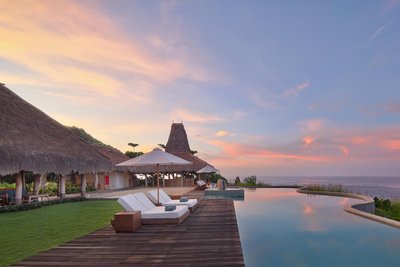
Lelewatu Resort Sumba
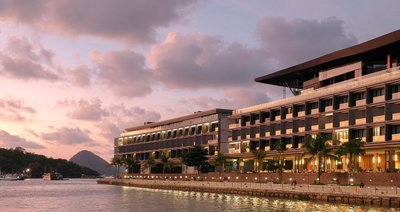
Meruorah Komodo Labuan Bajo
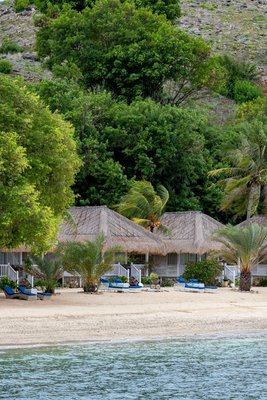
Sudamala Resort, Seraya, Flores
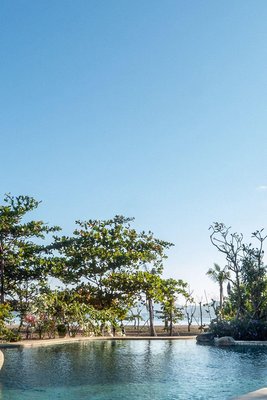
Sudamala Resort, Komodo, Labuan Bajo
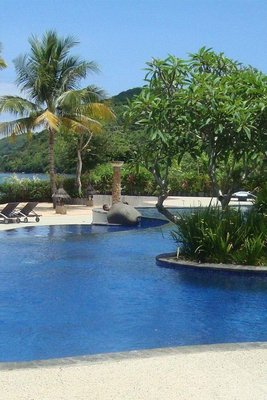
Bintang Flores Hotel
AYANA Komodo Waecicu Beach
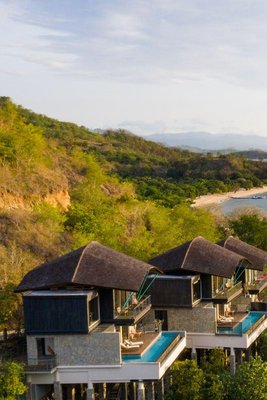
Plataran Komodo Resort & Spa

Amanwana
Meruorah Komodo Labuan Bajo
Sudamala Resort, Komodo, Labuan Bajo
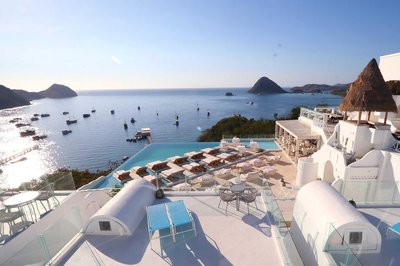
Loccal Collection Hotel Komodo
Frequently Asked Questions about Traveling to Komodo
Questions You Might Need to Know About Traveling to Komodo
On Komodo Island, the top choice for families is Komodo Bay Resort, located in a quiet cove near Pantai Bajo. This resort offers luxury villas with private pools, children’s activity centers, and direct access to the Komodo National Park entrance. Guests can enjoy guided wildlife tours, snorkeling trips to vibrant coral reefs, and eco-friendly beach walks through tropical forests. Another excellent option is Komodo Coral Resort, which features sustainable architecture, ocean-view rooms, and family-oriented programs like traditional craft workshops and night-time lizard safaris. Both resorts prioritize environmental conservation and offer authentic cultural experiences from East Nusa Tenggara Province.
The best area for accommodation on Komodo Island is Pantai Bajo, the main gateway to Komodo National Park. This coastal village offers the most developed tourism infrastructure, including luxury resorts like Komodo Paradise Resort and Komodo Ocean Hotel, all within walking distance of docks and tour operators. With pristine beaches, stunning sunsets, and easy access to marine and jungle excursions, Pantai Bajo is ideal for travelers seeking adventure, relaxation, and proximity to natural wonders. Its central location also makes it perfect for day trips to Matawai Island and Komodo Kecil.
Must-try cultural experiences on Komodo Island include attending traditional ceremonies by indigenous Dayak communities, participating in handicraft workshops such as weaving or boat-making using Pinisi sails, and joining evening Komodo dragon tracking tours led by local guides. These activities provide deep insight into the heritage of East Nusa Tenggara Province. Additionally, the annual Marine Festival celebrates maritime traditions with sailboat parades, traditional music, and storytelling sessions. These events not only showcase island identity but also promote sustainable tourism and community engagement.
Top snorkeling destinations near Komodo Island include Matawai Island and Komodo Kecil, both renowned for their rich coral reefs and diverse marine life. Matawai Island’s outer reef is famous for sightings of white-tip reef sharks, manta rays, and colorful coral gardens. Komodo Kecil offers complex underwater topography ideal for experienced divers and photographers. Many resorts, such as Komodo Ocean Hotel, provide certified dive guides, safety gear, and eco-conscious tours. These sites are part of UNESCO-recognized marine biodiversity hotspots, making them essential stops for nature lovers and underwater explorers.
Luxury resorts with private pools on Komodo Island include Komodo Paradise Resort and Komodo Coral Resort. Both feature spacious villas with infinity-edge pools overlooking the Indian Ocean, surrounded by tropical greenery. Komodo Paradise Resort offers 24-hour butler service and custom excursions, while Komodo Coral Resort emphasizes sustainable design using local materials and craftsmanship. Each villa includes outdoor showers, private terraces, and direct access to secluded beaches. These resorts are eco-certified and partner with Komodo National Park to support conservation efforts, ensuring guests enjoy opulence without compromising ecological integrity.
Yes, Komodo dragon tours must be booked in advance through official channels or accredited resorts like Komodo Bay Resort. Tours are led by certified local guides and typically last 1.5 to 2 hours, covering key observation points, behavioral insights, and safety protocols. Due to the endangered status of Komodo dragons, strict rules prohibit feeding or approaching animals. Peak season (May–October) requires reservations at least one week ahead to secure a time slot and ensure availability. HopeGoo through park-approved operators guarantees compliance with conservation regulations and enhances the overall experience.
Prime photography locations on Komodo Island include Bajo Cliffs at sunrise, where golden light reflects off the sea and silhouettes Komodo dragons, and the Matawai Island cliff trail, offering panoramic views of coral reefs and fishing boats below. The island’s red soil, volcanic rock formations, and dramatic skies create striking backdrops for landscape and documentary photography. Many resorts, such as Komodo Ocean Hotel, offer professional photography packages with drone support and expert guidance. Using polarizing filters and tripods helps capture the vivid colors and dynamic lighting during early morning and late afternoon shoots.
Local delicacies on Komodo Island include Ayam Bakar Kelapa (coconut-marinated grilled chicken), known for its rich, aromatic flavor, and Bajo Seafood Porridge, made with fresh lobster, crab, and fish simmered in native rice. Traditional sweets like Kue Kacang (peanut coconut cookies) are made with natural palm sugar and are both sweet and wholesome. All dishes use locally sourced ingredients—fresh seafood, organic vegetables, and traditional spices—reflecting the island’s sustainable lifestyle. Resorts like Komodo Bay Resort also host cooking classes where guests learn to prepare these authentic recipes, blending taste with cultural immersion.
On Komodo Island, primary transport includes speedboats and ferries from Pantai Bajo to nearby islands like Matawai and Komodo Kecil. For inter-island travel, flights connect to Bajawa (Flores), followed by boat transfers. Within the island, motorbike rentals and electric scooters are popular for independent exploration. Many resorts, such as Komodo Paradise Resort, offer private shuttles from airport to dock and guided vehicles for tours. Some also provide drone tours and jet ski adventures, allowing unique aerial and water-based perspectives. All transportation adheres to environmental guidelines to protect the habitat of Komodo dragons and marine ecosystems.
The best time to visit Komodo Island is from May to October, when the weather is dry, sunny, and ideal for snorkeling, hiking, and wildlife viewing. September and October offer the clearest waters and most vibrant coral reefs, making them peak months for diving. In contrast, November to April marks the rainy season with higher humidity and occasional storms, which may disrupt tours. For quieter visits and lower prices, consider traveling in late November, though conditions may be less predictable. Always book through Komodo National Park-approved operators to ensure safety and sustainability throughout your journey.
Komodo Overview
City Summary
Komodo, located in East Nusa Tenggara, Indonesia, is globally renowned for its unique natural landscapes and biodiversity. It is the home of the Komodo dragon and features the famous Komodo National Park, a UNESCO World Heritage Site. The pink sand beaches and crystal-clear waters make it a paradise for diving and snorkeling enthusiasts.
Must-See Attractions
Must-see attractions in Komodo include Komodo National Park, the only place on Earth to see Komodo dragons. Pink Beach (Pantai Merah) is famous for its unique pink sand, ideal for photos and relaxation. The panoramic views of Padar Island and the coral reefs of Kanawa Island are also unmissable.
Food Guide
Komodo's cuisine is heavily influenced by local fishing, with seafood as the main ingredient. Try grilled fish (Ikan Bakar) and spicy seafood soup (Sop Ikan). Street food like satay (Sate) and fried noodles (Mie Goreng) are also worth trying.
Transportation Guide
The primary mode of transportation in Komodo is boats, as there are no bridges between islands. The boat ride from Labuan Bajo to Komodo Island takes about 2-3 hours. Local transport relies on motorbikes and walking. Renting a motorbike is a convenient way to explore the island. Book boat tickets in advance, especially during peak season.
Best Time to Visit
The best time to visit is April to October, when the weather is dry and ideal for outdoor activities. Avoid the rainy season from November to March, as rough seas may disrupt boat travel.
Travel Tips
- Safety first: Komodo dragons are wild animals; maintain at least 3 meters distance.
- Sun protection: Tropical sun is strong; use high-SPF sunscreen.
- Eco-consciousness: Do not litter; protect marine ecosystems.
- Cash preparation: ATMs are scarce; carry sufficient cash.
- Cultural respect: Dress modestly; avoid overly revealing clothing.
- Health precautions: Bring mosquito repellent to prevent dengue fever.
Useful Information
Language: Locals mainly speak Indonesian; English is common in tourist areas. Internet: Network signals are unstable; consider buying a local SIM card. Payment: Cash is preferred; few restaurants accept credit cards. Emergency: Labuan Bajo has small clinics; severe cases require transfer to Bali or Jakarta. Travel insurance covering emergency medical evacuation is recommended.