Hotels in Komono
Discover your perfect stay in Komono.
Komono(Japan) Travel 2026: Cheap Flights, Hotels & Top Attractions
Popular Landmarks in Komono
Discover the most iconic attractions in Komono
Recommended Hotels in Komono
Find the perfect place to stay in Komono


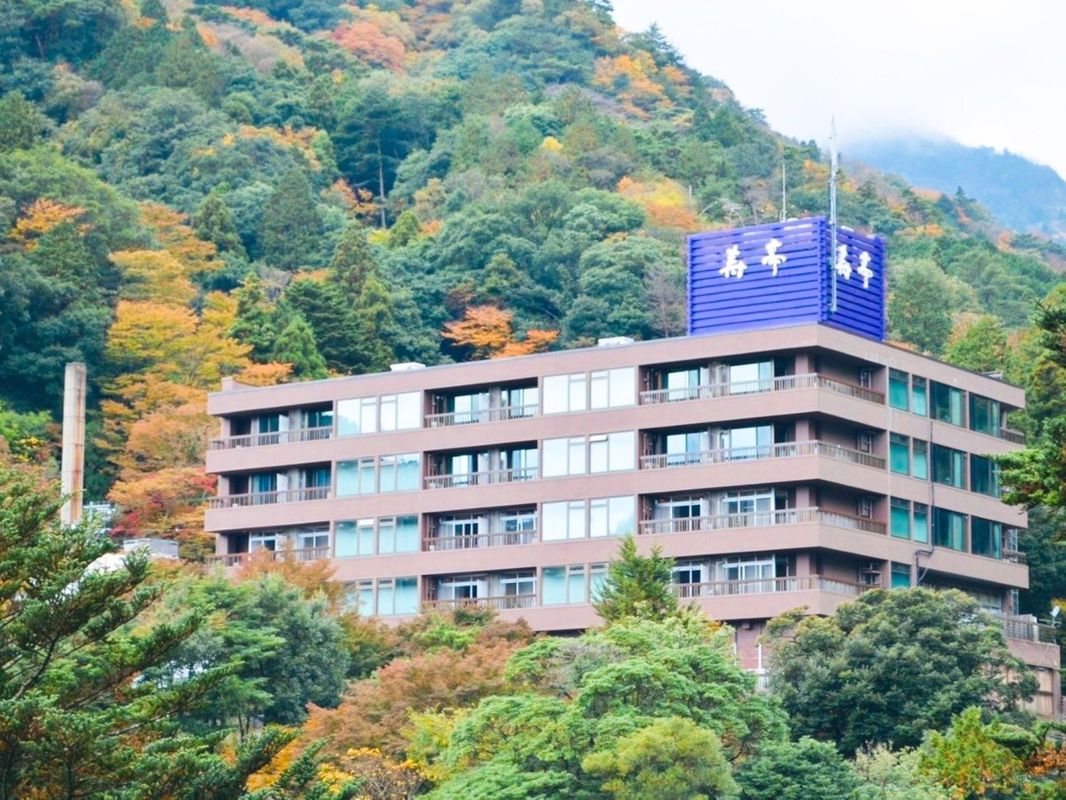
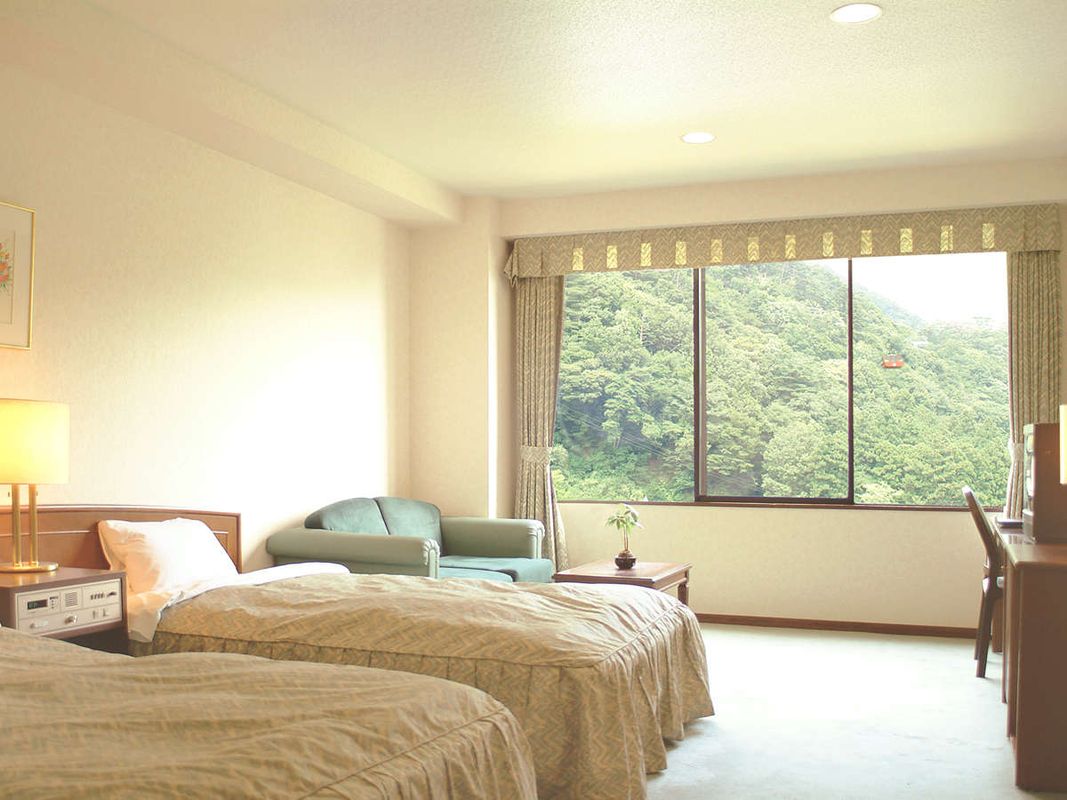
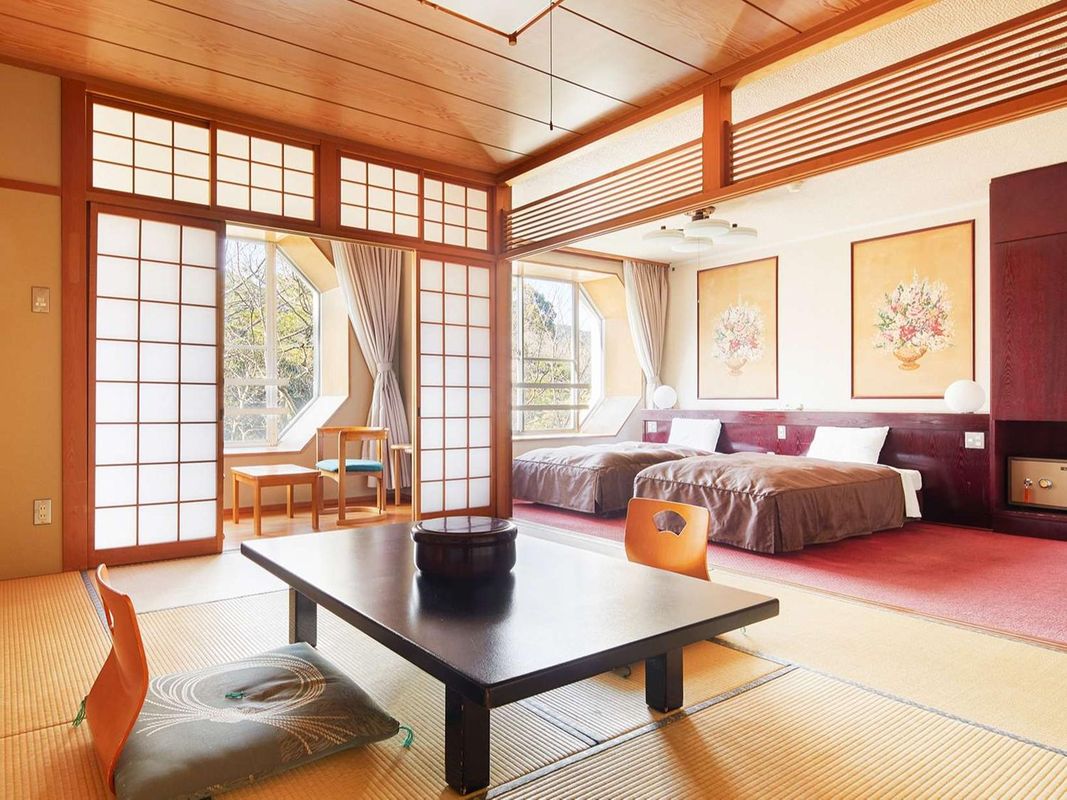


Best Hotels in Komono
Discover curated hotel collections in Komono















































































Frequently Asked Questions about Traveling to Komono
Questions You Might Need to Know About Traveling to Komono
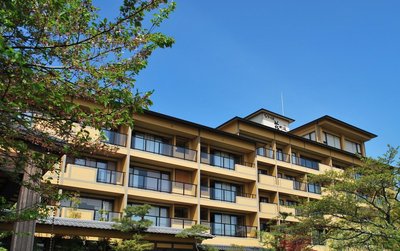
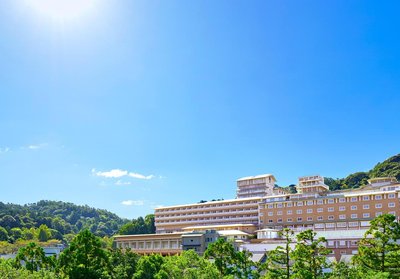
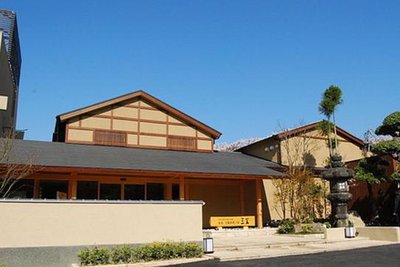
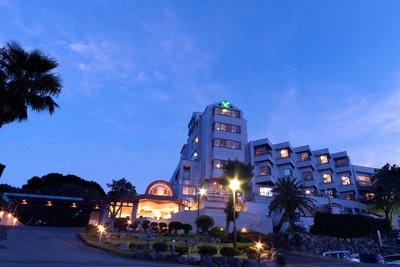
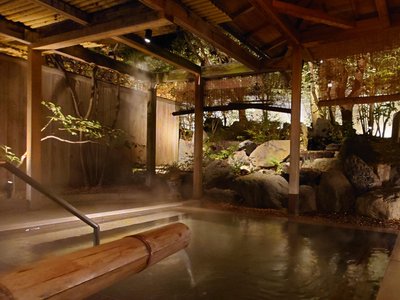
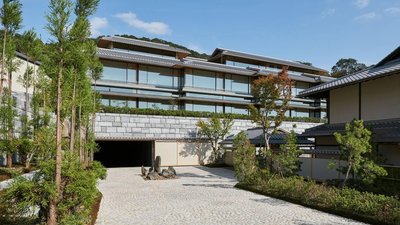
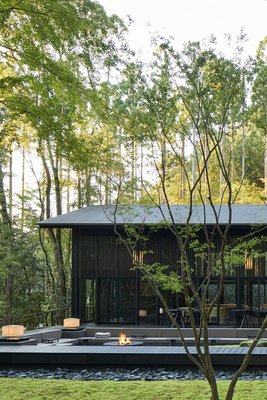
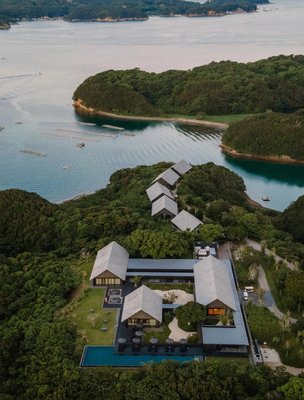
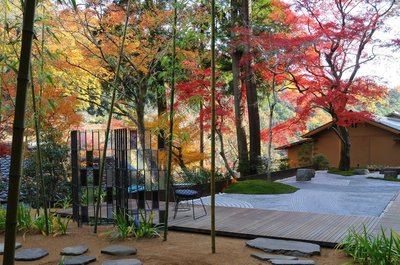
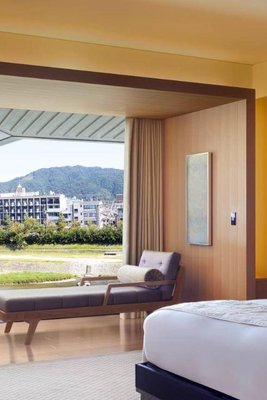
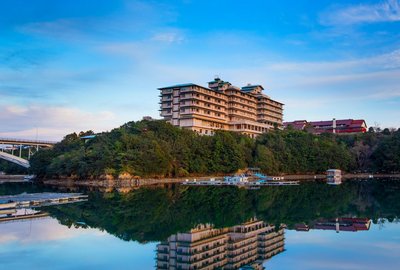
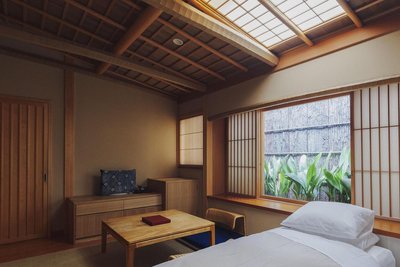
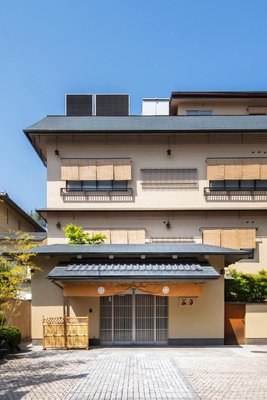
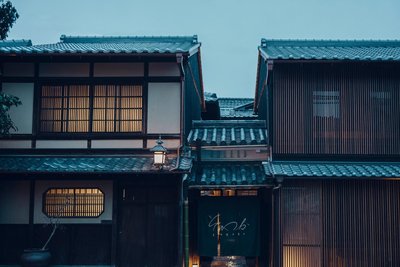
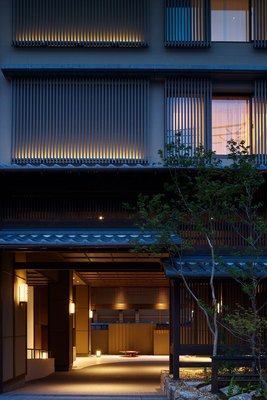
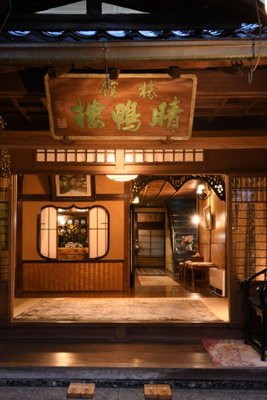
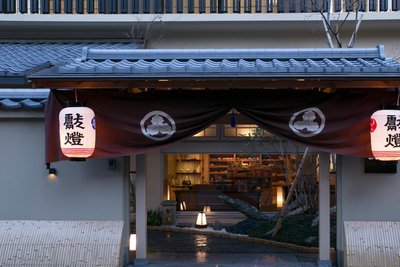
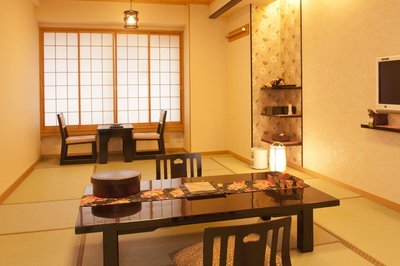
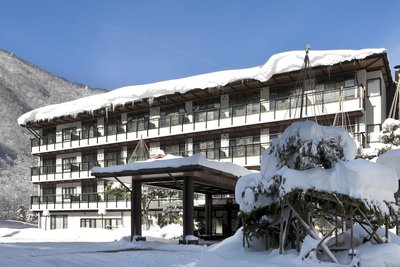
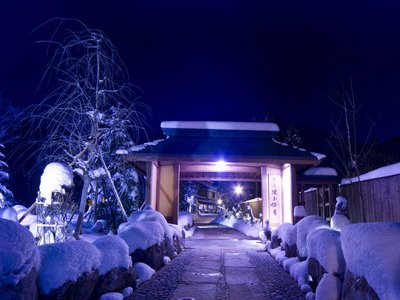
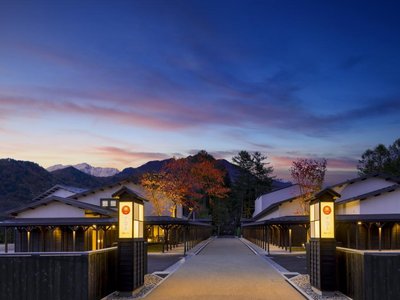
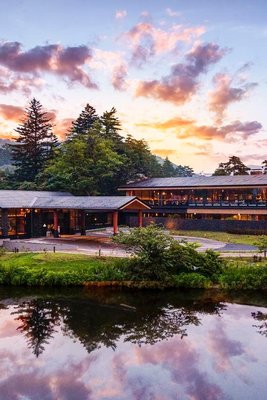
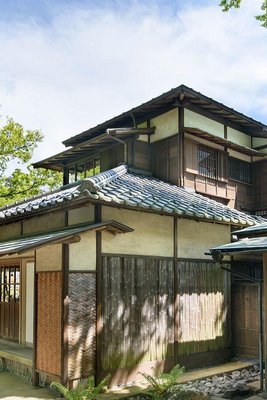
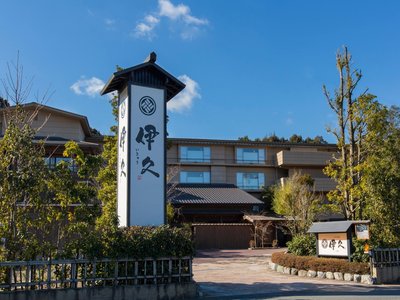
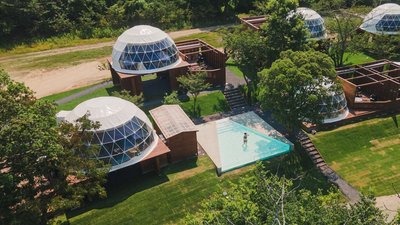
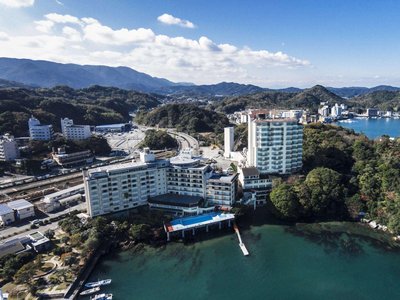
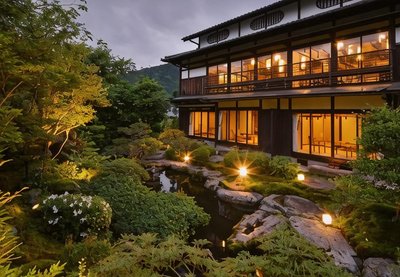
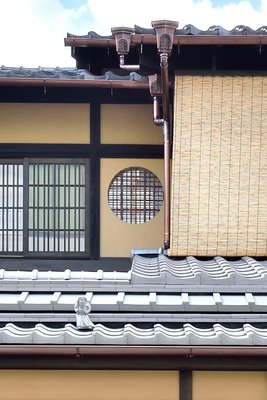
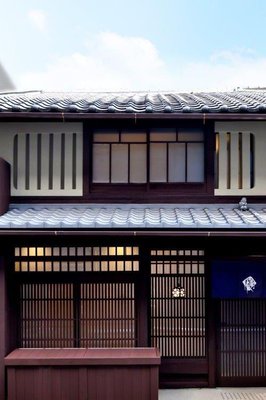
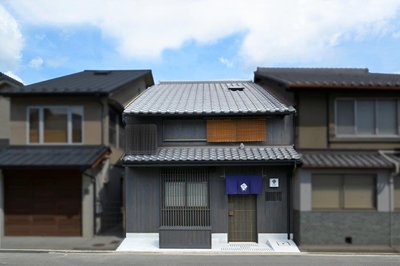
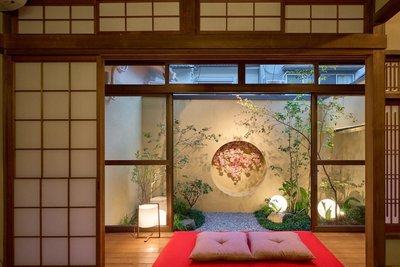
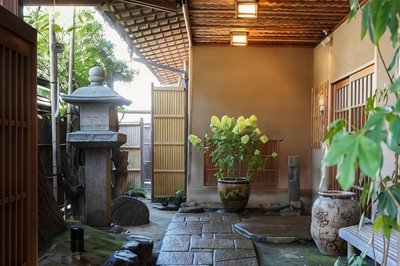
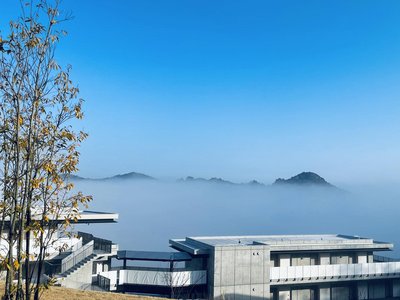
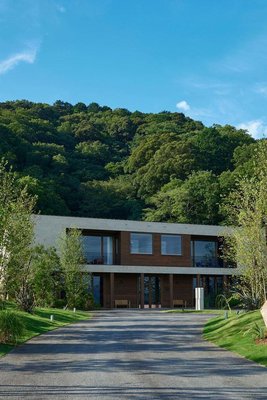
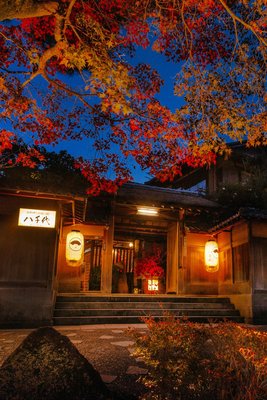
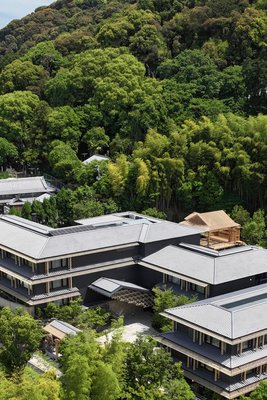
In Koga Town, the best choice for a tranquil stay is Koga Onsen Ryokan, a traditional Japanese inn nestled in the quiet hills of Mie Prefecture. Boasting private natural hot springs, wooden interiors, and a serene garden reflecting seasonal changes, it offers an authentic onsen experience. Guests can enjoy kaiseki cuisine made with local ingredients like Koga rice and fresh trout from the Oyamagawa River. Located just 15 minutes from the Ise Expressway, it's ideal for travelers exploring Ise Shrine or the Suzuka Mountains. The inn emphasizes minimalism, nature connection, and quiet contemplation, making it perfect for those seeking deep relaxation and cultural immersion.
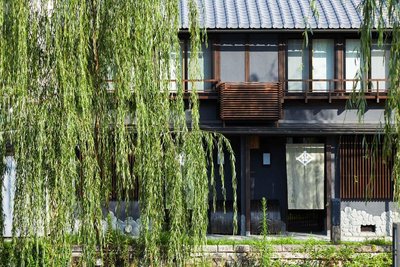
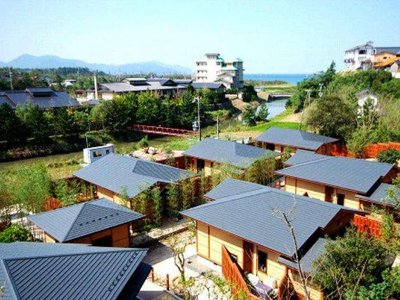
The central district of Koga Town is the most convenient and welcoming area for visitors. It hosts local shops, restaurants, and the Koga Town Tourist Information Center, all within walking distance of Koga Station. This region blends traditional rural charm with modern accessibility, offering easy access to the Oyamagawa Riverside Trail and nearby agricultural landscapes. Several family-run minshuku and ryokan provide cozy, culturally rich lodging options. With minimal tourism infrastructure, this area preserves a genuine Japanese countryside atmosphere, allowing travelers to experience daily life in harmony with nature—ideal for slow travel enthusiasts and cultural explorers.
Visitors to Koga Town should not miss the annual Rice Harvest Festival held in autumn, a centuries-old tradition celebrating the harvest with Shinto rituals, folk dances, and rice planting demonstrations. Travelers can participate in wet paddy farming, wear straw hats and wooden geta, and taste onigiri made from locally grown Koga rice. The Koga Folklore Museum offers free guided tours on ancient irrigation systems and regional beliefs, while hands-on workshops let guests craft earthenware pottery symbolizing fertility. These immersive activities highlight the community’s deep bond with land, seasons, and spiritual heritage, offering rare insight into rural Japan’s living culture.
Koga Town’s hot springs stand out due to their high content of bicarbonate and sulfur compounds, known for improving circulation and skin health. The Oyamagawa Onsen is particularly renowned, featuring open-air baths built into the forested hillsides with panoramic views of the river valley. Some ryokan offer a "Night Spa Journey" experience, where guests rotate between different pools at varying temperatures and times of day. Unlike commercialized resorts, Koga Onsen maintains a focus on tranquility, privacy, and harmony with nature, making it a sanctuary for wellness seekers who value simplicity and authenticity.
Yes, Green Valley Family Minshuku is a top-rated family-friendly option in Koga Town. Housed in a renovated farmhouse, it features a children’s playroom, a small vegetable garden, and a mini-animal corral with rabbits and chickens. Each room includes a family balcony overlooking rice fields, perfect for stargazing and spotting fireflies in summer. The inn offers hands-on cooking classes where parents and kids can make tofu and pickled vegetables together. Nearby, the Oyamagawa Waterside Park has shallow streams and wooden footbridges ideal for safe child play. Staff are trained in child safety, ensuring a relaxed and joyful stay for families seeking a true rural retreat.
Must-try dishes in Koga Town include Koga rice balls (onigiri), made with locally grown Koga rice and served with sea salt or seaweed. Another highlight is Oyamagawa trout, grilled over charcoal and drizzled with yuzu vinegar, offering a delicate, refreshing flavor. Koga tofu, crafted using traditional stone-grinding methods, is silky-smooth and often featured in miso soup or cold salads. Many inns offer a Seasonal Dining Experience menu that changes monthly—spring brings fiddlehead fern tempura, while winter features sansho chicken stew. These meals showcase the town’s commitment to local agriculture, seasonal awareness, and culinary heritage.
Koga Town is ideal for travelers seeking slow travel, eco-conscious escapes, and authentic cultural immersion. Nature lovers will appreciate its forest trails, wetland birdwatching, and wildlife photography spots. Culture enthusiasts can join weaving workshops, learn folk dance, or attend tea ceremony sessions. Families, couples, and photographers also thrive here—the absence of crowds, combined with serene landscapes and seasonal beauty, creates a deeply restorative environment. It’s a rare destination in central Japan that embodies sustainable living, community spirit, and connection to the land, perfect for those wanting to rediscover simplicity and meaning in travel.
From Koga Station, visitors can take the Koga Town Community Bus (3–4 daily runs) to key sites like the Oyamagawa Riverside Trail, Koga Shrine, and onsen areas. For those driving, exit at the Koga Interchange off the Ise Expressway—just a 5-minute drive to downtown. Many inns offer free shuttle services to popular destinations. Alternatively, the Oyamagawa Cycling Route links several attractions, complete with rest stops and informative signage. Clear maps and multilingual information ensure smooth navigation, making it easy for independent travelers to explore at their own pace.
Evening highlights in Koga Town include firefly watching along the Oyamagawa River (June–August), where guided lantern walks through rice fields create a magical ambiance. In winter, stargazing events are held in the mountain foothills away from light pollution, offering clear views of the Milky Way and meteor showers. Some ryokan offer "Onsen & Sky Viewing" packages, combining a warm bath with a rooftop terrace and tea service under the stars. Additionally, the monthly Koga Night Market features local artisans selling handmade sweets, onsen eggs, and crafts, creating a cozy, community-driven evening atmosphere perfect for relaxation and connection.
The Rice Paddy Festival in mid-July is the most anticipated event in Koga Town, lasting three days and centered on gratitude for the harvest. It features Shinto procession, folk dancing, and straw man exhibitions, with locals dressed in traditional attire. Visitors can join rice harvesting demos and take home a bundle of harvested grain as a keepsake. The Autumn Harvest Festival in October celebrates with persimmon wine tasting, chestnut stew dinners, and a lantern parade. These festivals reflect the town’s enduring agrarian values, community unity, and spiritual reverence for nature, offering travelers a profound glimpse into Japan’s rural soul.
Komono Overview
City Summary
Komono Town, located in Mie Prefecture, Japan, is renowned for its hot springs and natural scenery. The town is home to the famous Yunoyama Onsen, a perfect spot for relaxation. Surrounded by beautiful mountains and forests, especially Mount Gozaisho, it attracts many hiking enthusiasts. The blend of traditional culture and modern facilities offers a unique travel experience.
Must-See Attractions
Must-see attractions in Komono include Yunoyama Onsen, known for its high-quality hot spring water ideal for healing and relaxation. Mount Gozaisho is a paradise for hikers and offers skiing in winter. The Komono Town Library showcases local culture and history. Nearby, Nabana no Sato is a flower-themed park beautiful year-round, famous for its winter illuminations.
Food Guide
Komono's cuisine features local specialties like Matsusaka beef, one of Japan's premium wagyu brands. Street food such as Ise udon and Akafuku mochi are also worth trying. Traditional kaiseki meals are often served at hot spring ryokans, allowing visitors to enjoy both the baths and exquisite Japanese cuisine.
Transportation Guide
Transportation in Komono relies mainly on buses and trains. From Nagoya or Osaka, take the Kintetsu Railway to Yunoyama Onsen Station, a 1-2 hour ride. Local buses connect major attractions but have limited schedules, so check timetables in advance. Renting a car is another good option, especially for exploring nearby natural sites.
Best Time to Visit
The best times to visit are spring (March-May) and autumn (September-November), when the weather is pleasant for outdoor activities. Winter (December-February) is ideal for hot spring lovers, but be aware of possible snow in the mountains. Summers can be hot but are less crowded.
Travel Tips
- Onsen Etiquette: Wash thoroughly before entering the bath; swimsuits are prohibited.
- Hiking Prep: Bring enough water and gear for Mount Gozaisho; check snow conditions in winter.
- Cash Payments: Some small shops may not accept credit cards, so carry cash.
- Language: English is not widely spoken; a translation app can be helpful.
- Waste Disposal: Japan has strict recycling rules; follow local guidelines.
- Transport Cards: Consider getting an IC card (e.g., Suica) for easier public transport use.
Useful Information
Japanese is the primary language, with limited English spoken. Mobile coverage is good; prepaid SIM cards are available at convenience stores. Cash is the main payment method, though some shops accept credit cards. For emergencies, dial 110 (police) or 119 (ambulance). Ryokans usually offer free Wi-Fi and toiletries, but bring your own towel. Local drugstores sell over-the-counter medicines, but prescriptions require a doctor's note.