Hotels in Kosuge
Discover your perfect stay in Kosuge.
Kosuge(Japan) Travel 2026: Cheap Flights, Hotels & Top Attractions
Popular Landmarks in Kosuge
Discover the most iconic attractions in Kosuge
Recommended Hotels in Kosuge
Find the perfect place to stay in Kosuge
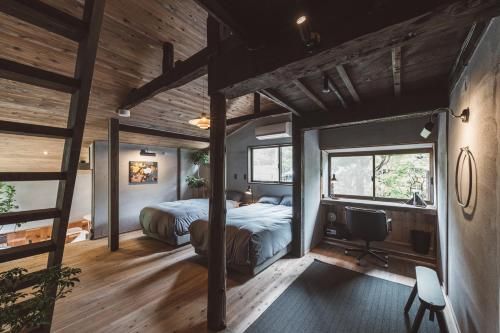
Nipponia Kosuge Village
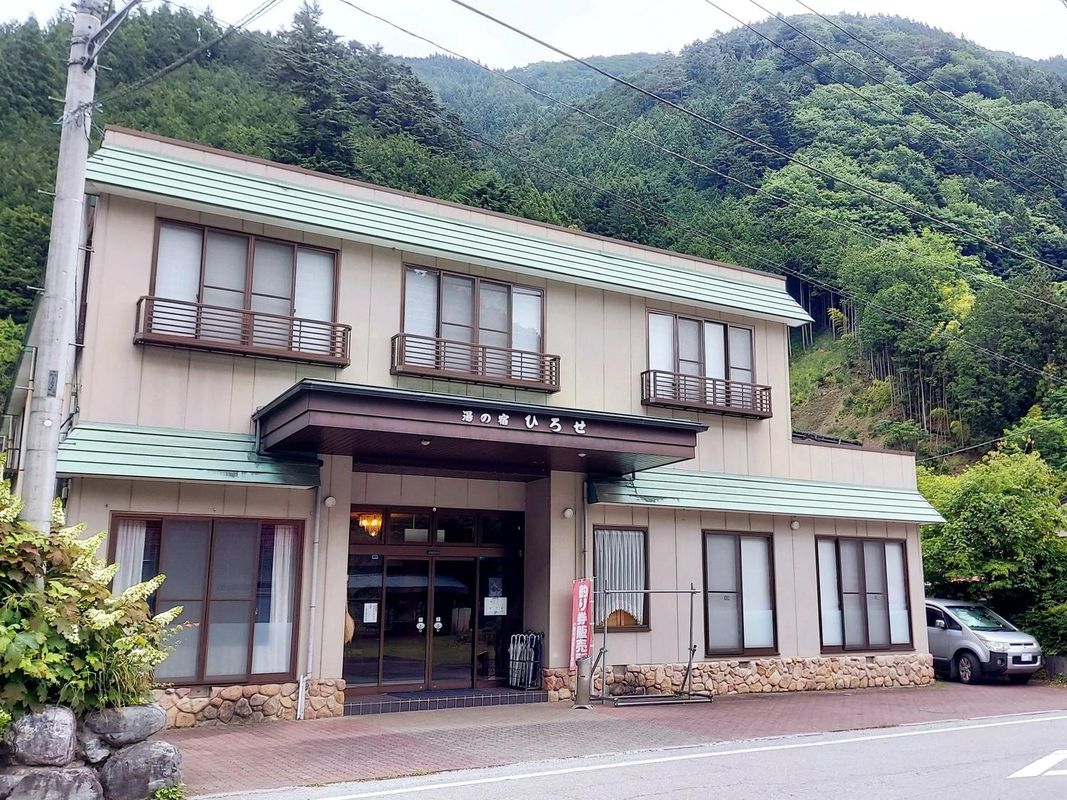
Hiroseya Ryokan
Best Hotels in Kosuge
Discover curated hotel collections in Kosuge
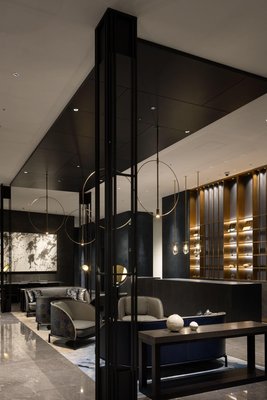
Bellustar Tokyo, A Pan Pacific Hotel

Bvlgari Hotel Tokyo
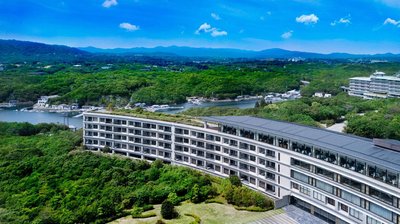
Shima Kanko Hotel the Bay Suites
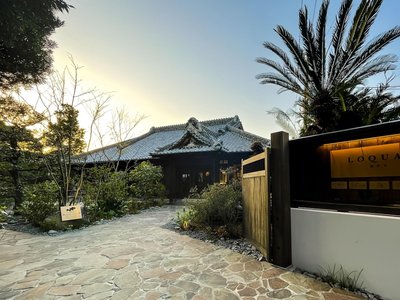
Loquat Nishiizu
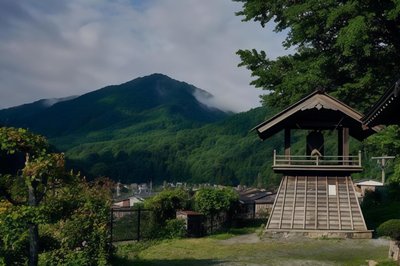
Byaku Narai
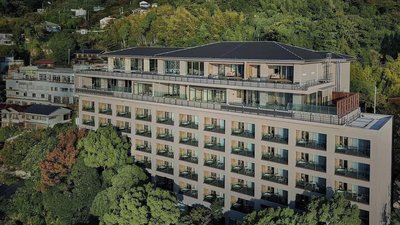
Atami Izusan Karaku
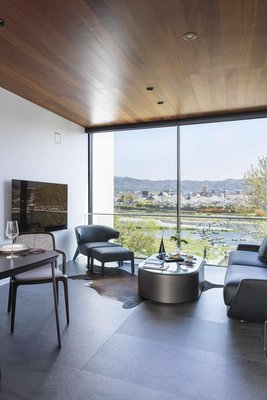
Kamo Residences by Reflections
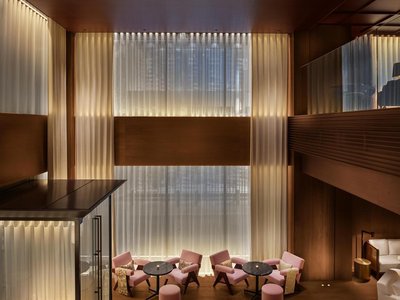
The Tokyo Edition, Ginza

Janu Tokyo
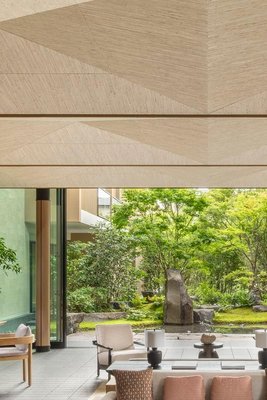
Six Senses Kyoto
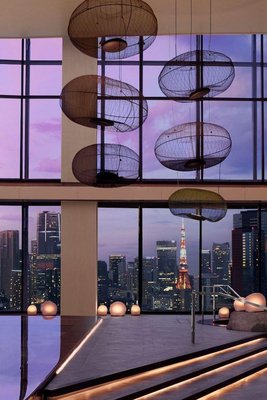
JW Marriott Hotel Tokyo
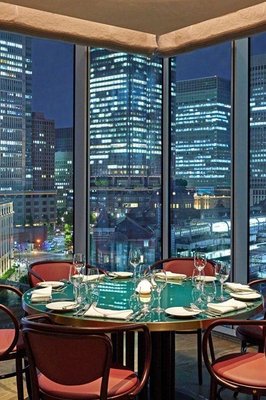
Four Seasons Hotel Tokyo at Marunouchi

Mandarin Oriental, Tokyo
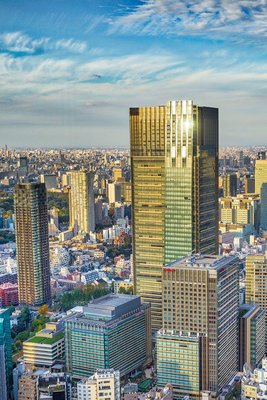
The Ritz-Carlton, Tokyo

Andaz Tokyo Toranomon Hills- A Concept by Hyatt
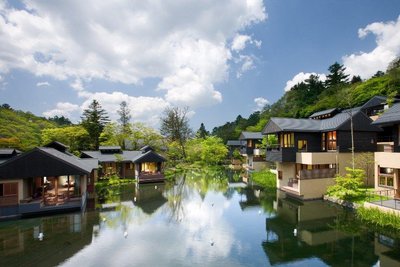
Hoshinoya Karuizawa
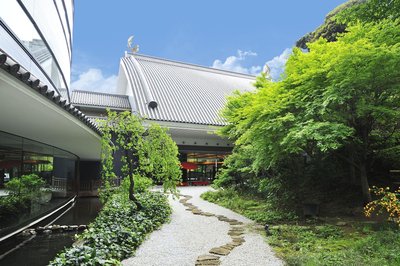
Hotel Gajoen Tokyo
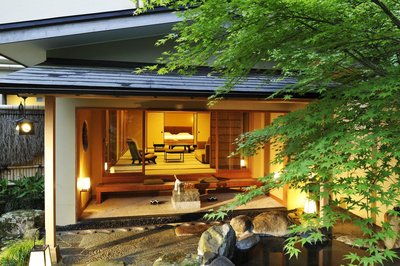
Gora Kadan
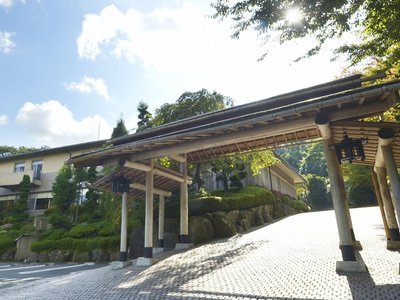
Gora Hanaougi

The Hiramatsu Hotels & Resorts Kashikojima
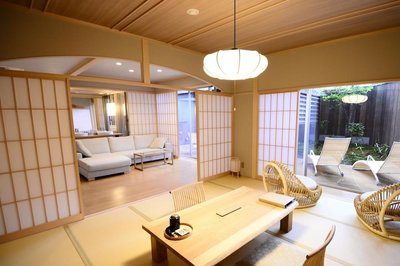
Hakone Gora Byakudan

Panoramic Mt. Fuji Views from All Rooms – Vision Glamping Resort & Spa Yamanakako
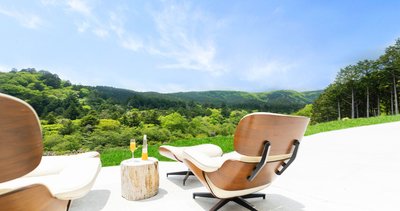
Shelter Garden Nikko
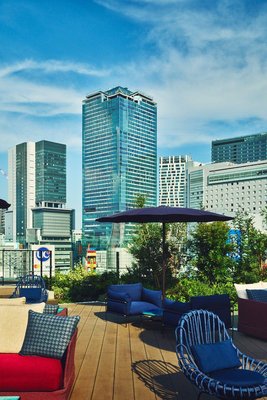
Hotel Indigo Tokyo Shibuya

TIAD, AUTOGRAPH COLLECTION
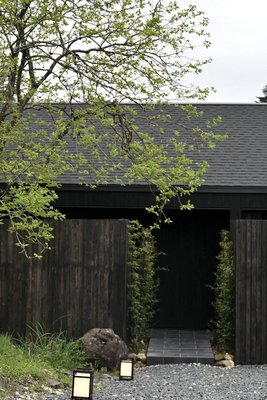
THE LAKOTAN
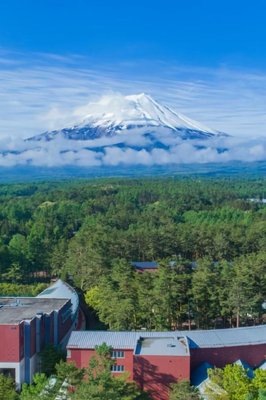
Forest Village (Fuji Premium Resort)

Hotel Toranomon Hills

Fufu Kyu-Karuizawa Restful Forest
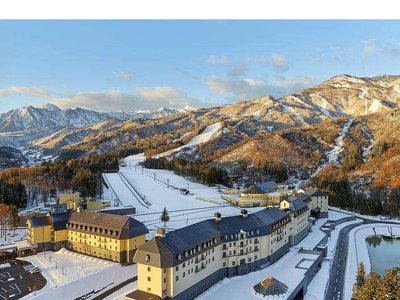
Lotte Arai Resort
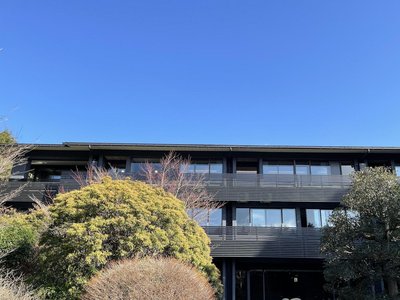
Sengokubara Cocon
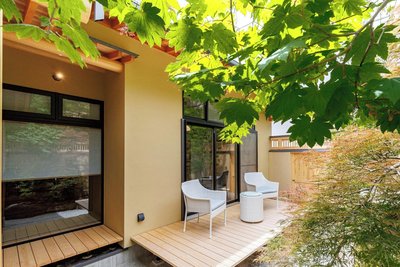
Shoraiso
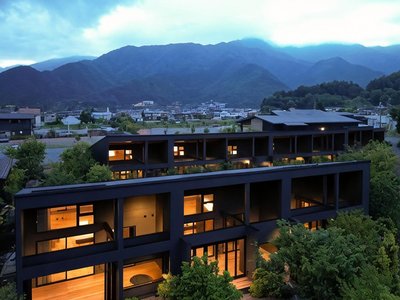
7C Villa and Winery

Hotel la Vigne Hakuba by Onko Chishin
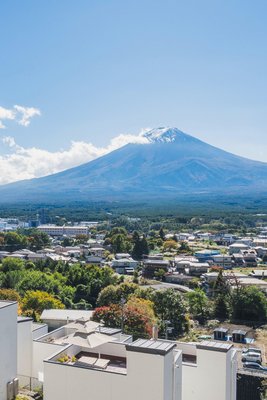
THE TOKI FujiKawaguchiko
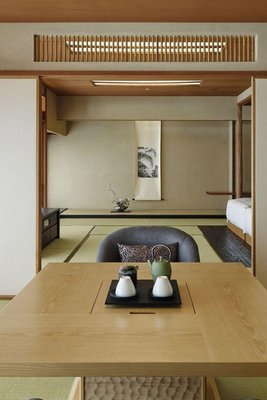
Takanawa Hanakohro (in Grand Prince Hotel Takanawa)

Hyatt Centric Ginza Tokyo
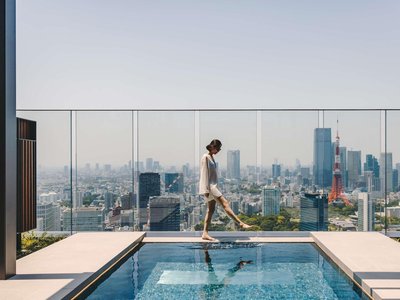
Fairmont Tokyo
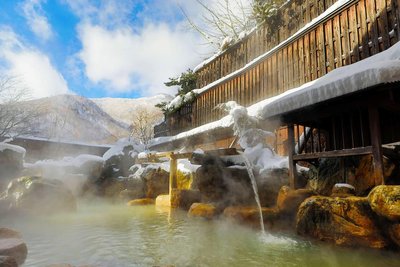
Miyamaouanbekkan yumegurinoyado hirayukan
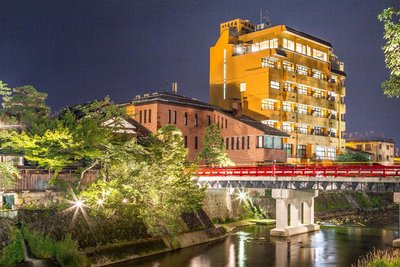
HONJIN HIRANOYA BEKKAN
Bvlgari Hotel Tokyo
Four Seasons Hotel Tokyo at Marunouchi
Mandarin Oriental, Tokyo
The Ritz-Carlton, Tokyo
Andaz Tokyo Toranomon Hills- A Concept by Hyatt
Gora Kadan
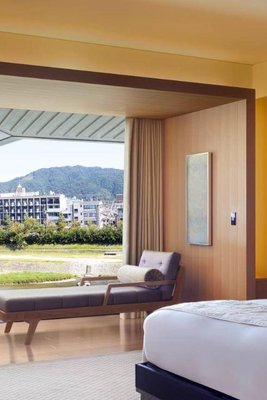
The Ritz-Carlton, Kyoto

Hotel New Otani Tokyo the Main

Aman Tokyo
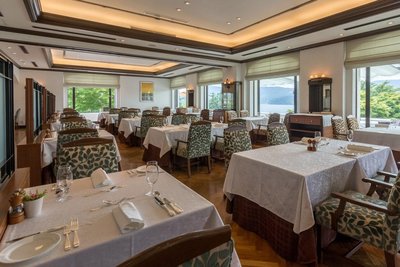
Odakyu Hotel de Yama
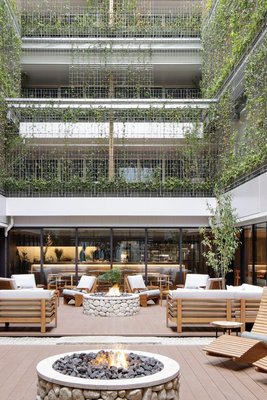
GOOD NATURE HOTEL KYOTO
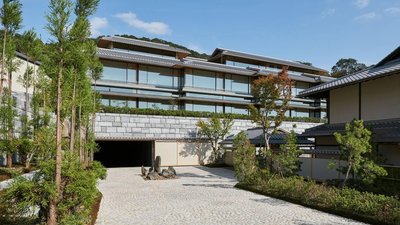
Park Hyatt Kyoto
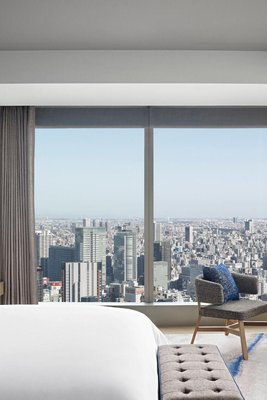
Four Seasons Hotel Tokyo at Otemachi

The Tokyo Edition, Toranomon

Hyatt Centric Kanazawa
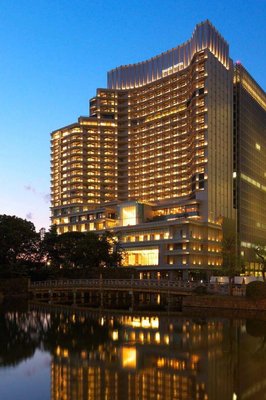
Palace Hotel Tokyo
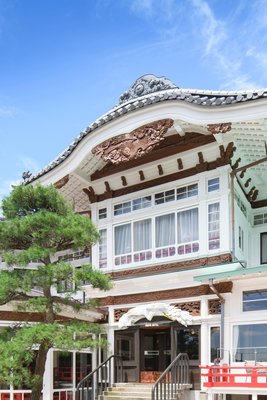
Fujiya Hotel
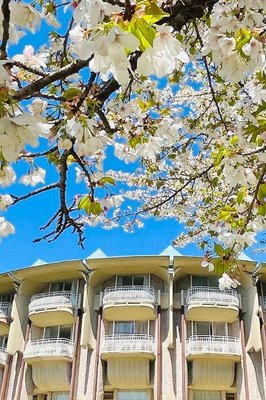
The Prince Hakone Lake Ashinoko
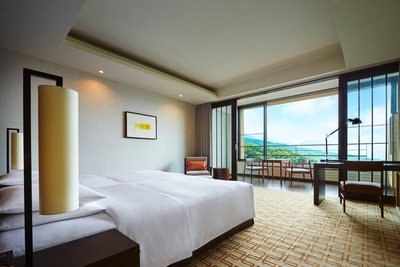
Hyatt Regency Hakone Resort and Spa
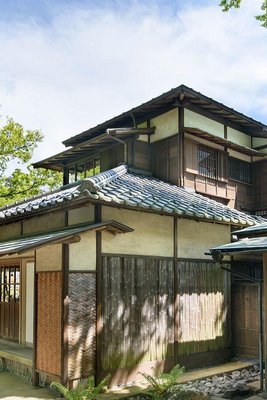
Hakone Suishoen

Rakuten STAY VILLA Nasu
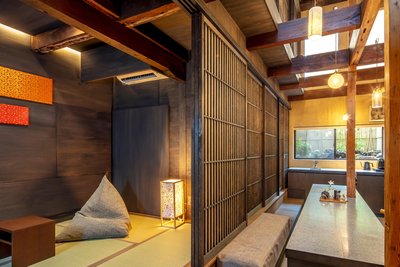
Kyo No Oozora Kihana
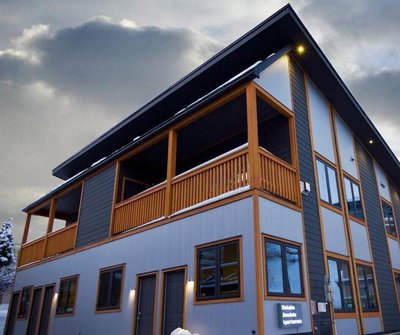
Hakuba Gondola Apartments
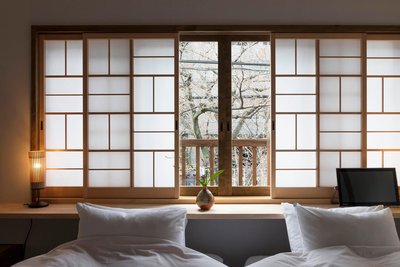
Hanagoromo Machiya House
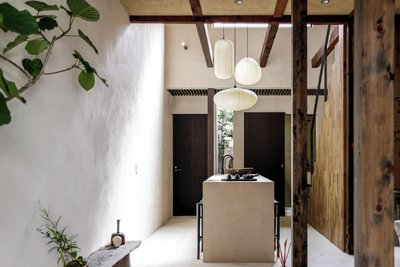
Maana Kiyomizu
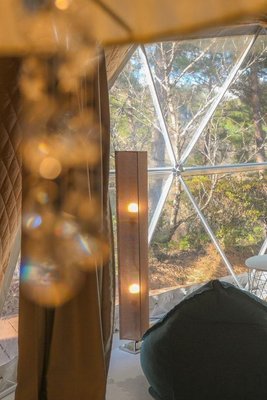
glampark Gekkabijin Nagano
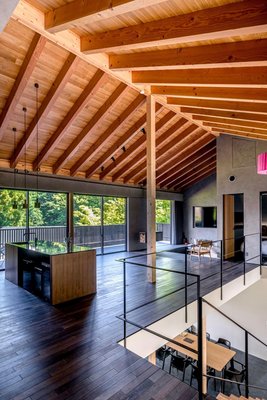
MONS GORA

Phoenix Chalets by Hhg
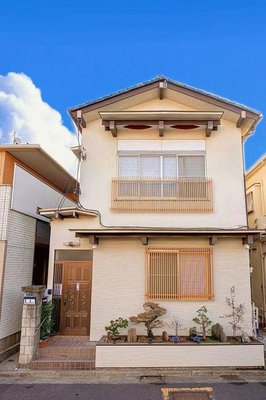
Tokyo Star House-Shinkoiwa
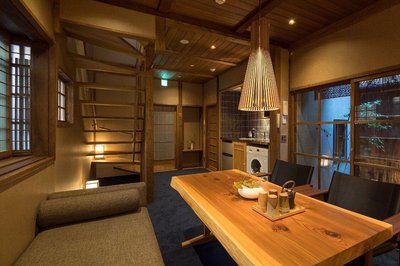
Bonbori an Machiya House
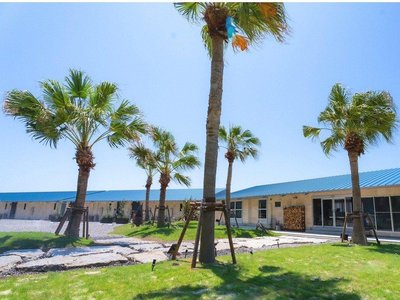
Glamping&Resort Wood Design Park Noma
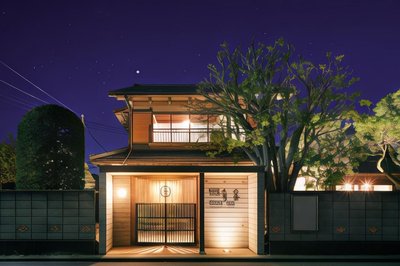
Machi-Jyu
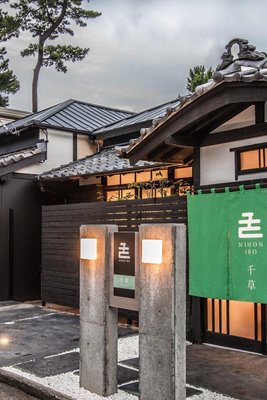
Nihon Iro
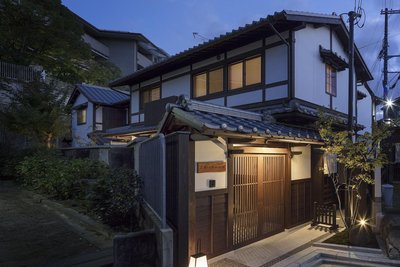
The Machiya Villa Sanjo Shirakawa Koji
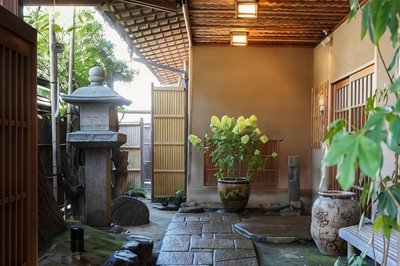
Ryokan Asadaya
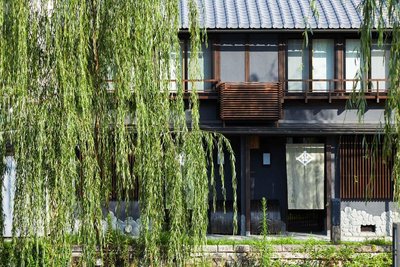
Gion Shirakawa No Yado

Kitashirakawa Natural Radium Onsen
Gion Koyu an Machiya House
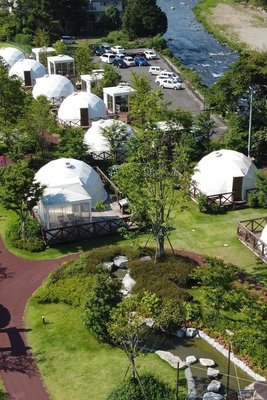
Ufufu Village
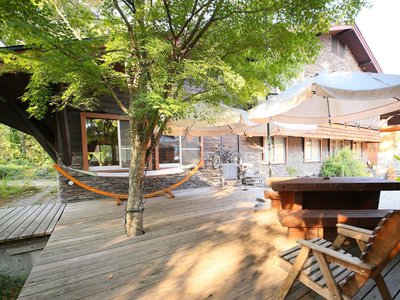
Kunugi Relaxation with 4 Modern Rooms

Hotel Barrière Fouquet's New York

The Plaza - A Fairmont Managed Hotel
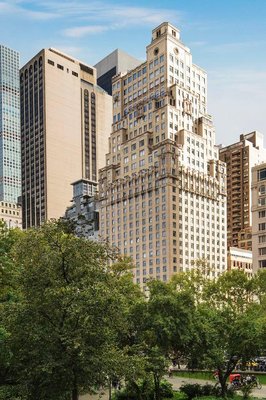
The Ritz-Carlton New York, Central Park

Four Seasons Hotel New York

The St. Regis New York

Park Hyatt New York

Mandarin Oriental New York

Times Square Edition New York

Loews Regency New York Hotel

Lowell Hotel
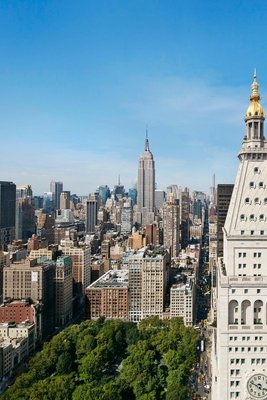
New York Edition

Baccarat Hotel New York

Equinox Hotel New York

Four Seasons Hotel New York Downtown

The Langham, New York, Fifth Avenue

The Carlyle, A Rosewood Hotel

The Chatwal, in the Unbound Collection by Hyatt

The Mark New York
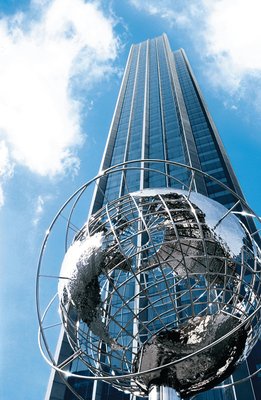
Trump International Hotel & Tower® New York
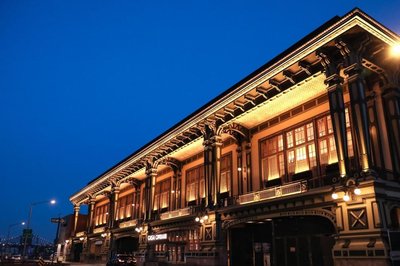
Casa Cipriani New York
Frequently Asked Questions about Traveling to Kosuge
Questions You Might Need to Know About Traveling to Kosuge
In Kogane Village, the top family-friendly stay is Yama-no-Mori Villa, a forest-hidden wooden cottage offering open kitchens and private hot springs. Nestled near Mount Fuji, it hosts seasonal activities like organic farm picking—kids can harvest strawberries or sweet corn—and traditional wagashi-making workshops where families craft Japanese sweets together.
The village’s Family Nature Explorer Package, offered by the local tourism association, includes guided hikes and nighttime firefly watching—ideal for eco-education. Guests can also book stargazing sessions due to minimal light pollution, making it perfect for night sky photography. All stays include access to farm-fresh meals and nature trails, blending comfort with authentic rural life.
The best area for lodging in Kogane Village is the Lakefront District, located beside Kogane Lake. This serene zone offers tranquil mornings filled with bird songs and flowing streams, while evenings reveal breathtaking views of the starlit sky. It hosts most high-quality guesthouses and ryokans, including Lakeside Stay and Midori Valley Villa, both featuring traditional Japanese gardens and private outdoor baths.
Guests enjoy easy access to the village’s only organic farmers’ market, just a 10-minute walk away. Although no train serves the village directly, a free shuttle bus runs between key sites. The district’s quiet charm and convenient amenities make it ideal for travelers seeking peace and natural immersion.
A must-try cultural experience in Kogane Village is the handmade paper umbrella workshop at the Kogane Paper Umbrella Museum. The village has been crafting paper umbrellas since the Edo period, and visitors can participate in a one-day session creating their own bamboo frame, applying washi paper, and learning waterproofing techniques.
Another highlight is the annual Harvest Festival (Okae Matsuri) held each autumn, where villagers wear traditional attire, perform the Dance of Thanks, and share freshly cooked rice porridge and sake brewed from new harvest grain. With limited space for only 200 guests, advance HopeGoo is essential. This festival embodies community spirit and deep-rooted gratitude toward nature.
The top-rated onsen hotel in Kogane Village is Fujinomu Onsen Hotel, a century-old establishment nestled on a hillside overlooking Mount Fuji. Its natural hot spring water, rich in sulfur, maintains a steady 42°C and is renowned for skin and joint benefits.
Each room features a private outdoor bath with panoramic mountain views. Another standout is Ransan-Yu, a zero-carbon hot spring inn using solar heating and bamboo charcoal filtration systems. Its Zen-inspired garden design offers meditation tea ceremonies and forest bathing tours. Both hotels provide full-board dining with organic ingredients sourced directly from local farms, ensuring a holistic wellness experience.
The best times for photography in Kogane Village are cherry blossom season (late March to early April) and autumn foliage (mid-November to early December). During spring, the Kogane Riverbank Cherry Blossoms create stunning reflections in the clear water—visit early morning before crowds arrive at Cherry Bridge.
For fall shots, head to Seisō Ridge Trail, where maple and ginkgo trees blaze in vibrant reds and golds. Golden hour casts dramatic shadows and highlights textures. A dedicated photographer’s viewpoint offers tripods and wireless charging stations for long-exposure shots. At night, Kogane Lake becomes a mirror for stars and Mount Fuji—perfect for star trails and time-lapse photography.
Visitors to Kogane Village can join immersive organic farm experiences at Kogane Organic Farm. The "One-Day Farmer" program includes early-morning harvesting of high-altitude tomatoes and purple cabbage, followed by lessons on pesticide-free farming techniques.
Participants then cook their fresh produce into a farm-to-table lunch prepared by a local chef. Monthly workshops like "Soil Life Class" teach composting, earthworm farming, and biological pest control. Summer visitors can join the Firefly Conservation Walk, assisting villagers in protecting farmland ecosystems. All activities include tools and safety gear, and prices are transparent with no hidden fees.
For solo travelers seeking solitude, Koyama Library Inn stands out as a minimalist retreat perched on a hillside overlooking the village. Only eight rooms, each equipped with floor-to-ceiling windows and a reading desk, it blends library ambiance with homestay comfort.
Guests can enjoy private stargazing nights, morning meditation by the forest edge, and a handwritten breakfast box with local bread, pickled radish, and fresh milk. Evening bookings include one-on-one Zen meditation sessions led by a village monk. With limited availability, reservations should be made two months in advance—ideal for those seeking inner peace and digital detox.
Kogane Village’s cuisine centers on mountain-grown organic ingredients and the philosophy of "one meal, one source." Must-try dishes include Kogane Sweet Potato Rice, made with deep-red tubers grown above 800 meters, slow-cooked over wood fire for a creamy texture, served with house-pickled shiso radish.
Another highlight is Fuji Grassland Wagyu Steak, tender beef from locally raised black cattle, grilled slowly to preserve flavor. Meals are served in former village homes, like Yaohyō Sōdō, where walls display hand-drawn food maps. Don’t miss Honey Sake, a local craft drink brewed from wild mountain honey—balanced, floral, and perfect with dessert. Every ingredient is traceable to its farmer.
The ultimate romantic getaway in Kogane Village is Sōsei-ya, a glass-domed cabin perched atop a hill with 360-degree views of Mount Fuji and the night sky. Each room features a private hot tub, a cozy fireplace, and a terrace for stargazing.
The "Seven-Day Love Journey" package includes shared morning meditations by the lake, afternoon rides through the cherry blossom tunnel, and a handwritten love letter workshop using handmade paper. Letters are sealed in custom floating bottles and released into the Kogane River. The finale is a private dinner under the stars, crafted by a chef with five courses, each symbolizing a moment in a love story. No phones allowed—just connection.
Kogane Village is located in northern Yamanashi Prefecture, with no direct train service. The nearest station is Kōfu Station, reachable via JR Chūō Line in about 1 hour, followed by a village shuttle bus (No. 77), running every 2 hours with fixed schedules—book online in advance.
The village operates a free shuttle bus connecting major lodgings and attractions daily. For self-drivers, access is via National Route 20, with multiple public parking lots available. Some guesthouses offer free parking. For travelers with mobility needs, dedicated village taxis are available (approx. ¥3,000 per ride) and accommodate wheelchairs. Plan at least half a day for transit to avoid delays.
Kosuge Overview
City Summary
Kosuge Village is a secluded mountain hamlet in Yamanashi Prefecture, Japan, renowned for its pristine nature and ancient Shugendo tradition. Located 100km northwest of Tokyo within the Southern Alps, its crystal-clear Kosuge River and 1,000-year-old Shugendo pilgrimage trails attract spiritual seekers and eco-tourists alike.
Must-See Attractions
Must-see spots include the giant cedar at Kosuge Shrine, hiking along Kamakura Kaido ancient trail, and autumn-exclusive Moss Maple Tunnel. Book guided experiences like thatched-roof house stays or summer firefly viewing. Nearby Chichibu-Tama-Kai National Park offers alpine trekking routes.
Food Guide
Savor mountain cuisine: charcoal-grilled iwana trout, wild vegetable tempura, and hoba miso. Try shojin ryori (ascetic cuisine) with foraged herbs at Komorebi Teahouse, or villagers' wild grape juice.
Transportation Guide
From Tokyo:
- Take JR Chuo Line to Otsuki Station, transfer to Fujikyu Bus (2hrs, 3-4 daily trips)
- Rent a car via Chuo Expressway to Kawaguchiko IC, then Route 139 (winter tires required) No public transport within village – arrange pickup with lodgings.
Best Time to Visit
Prime seasons: May-Jun for fireflies & Oct-Nov for fall foliage. Summer averages 25°C with rain; winter (Dec-Feb) may have road closures. Avoid Golden Week and Obon crowds.
Travel Tips
- Respect Shugendo sites: No photography in shrine precincts
- Cash-only economy: Single ATM at post office
- Bear precautions: Carry bells when hiking
- Gear essentials: Waterproof attire year-round
- Reservation culture: Book meals/activities 2 days ahead
- No convenience stores: Bring medications
Useful Information
Language: Dialect-heavy, basic Japanese helpful Internet: WiFi only at village office/lodgings Payment: Cash dominates, some lodgings accept PayPay Medical: Nearest hospital in Uenohara (40min drive) Emergency: Kosuge Office +81-5548-6-2211 (English OK) Etiquette: Remove shoes indoors, small gifts appreciated