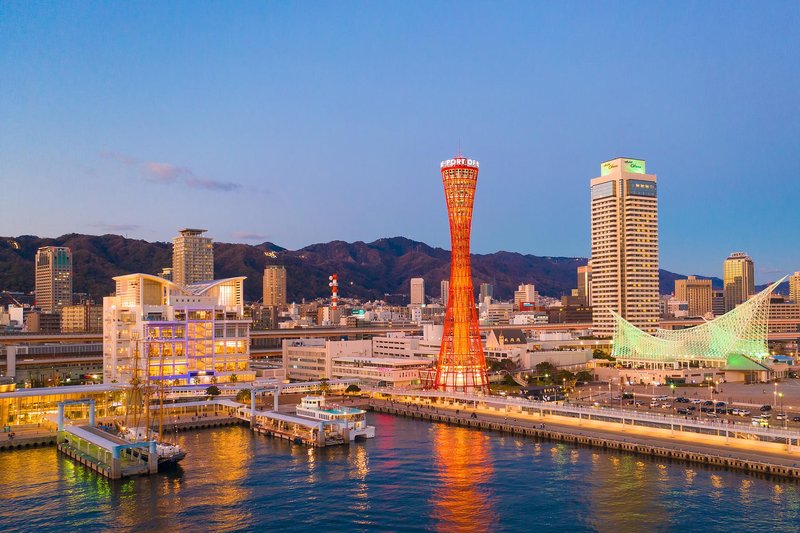
Hotels in Kotohira
Discover your perfect stay in Kotohira.
Kotohira(Japan) Travel 2026: Cheap Flights, Hotels & Top Attractions
Popular Landmarks in Kotohira
Discover the most iconic attractions in Kotohira
Recommended Hotels in Kotohira
Find the perfect place to stay in Kotohira
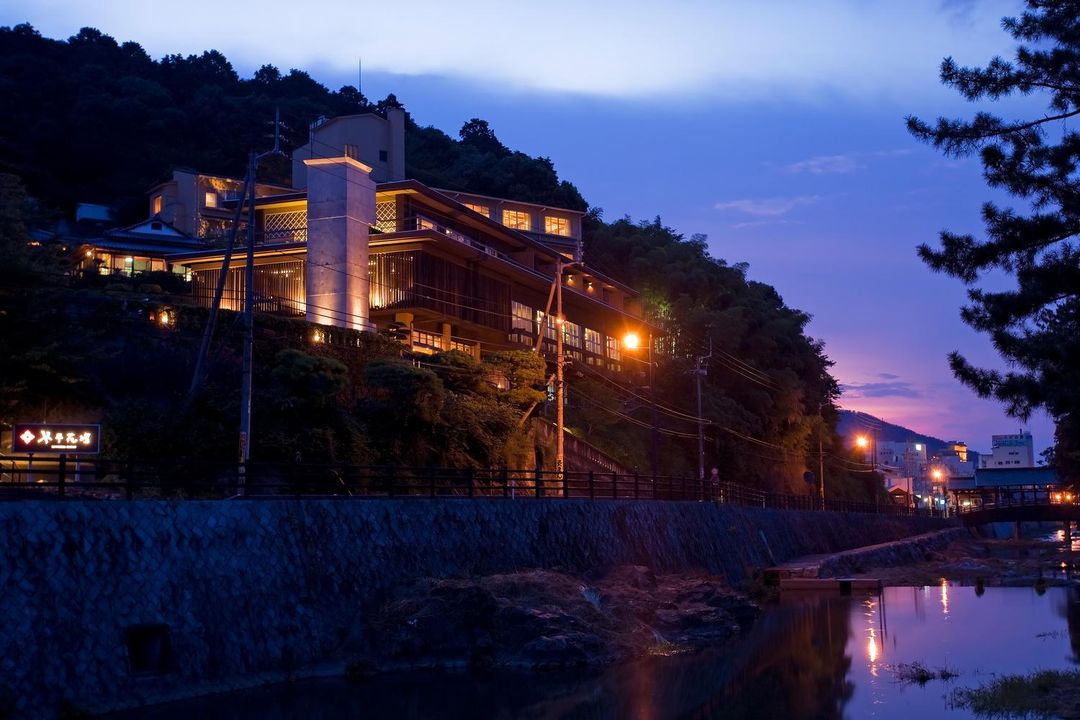
Kotohira Kadan
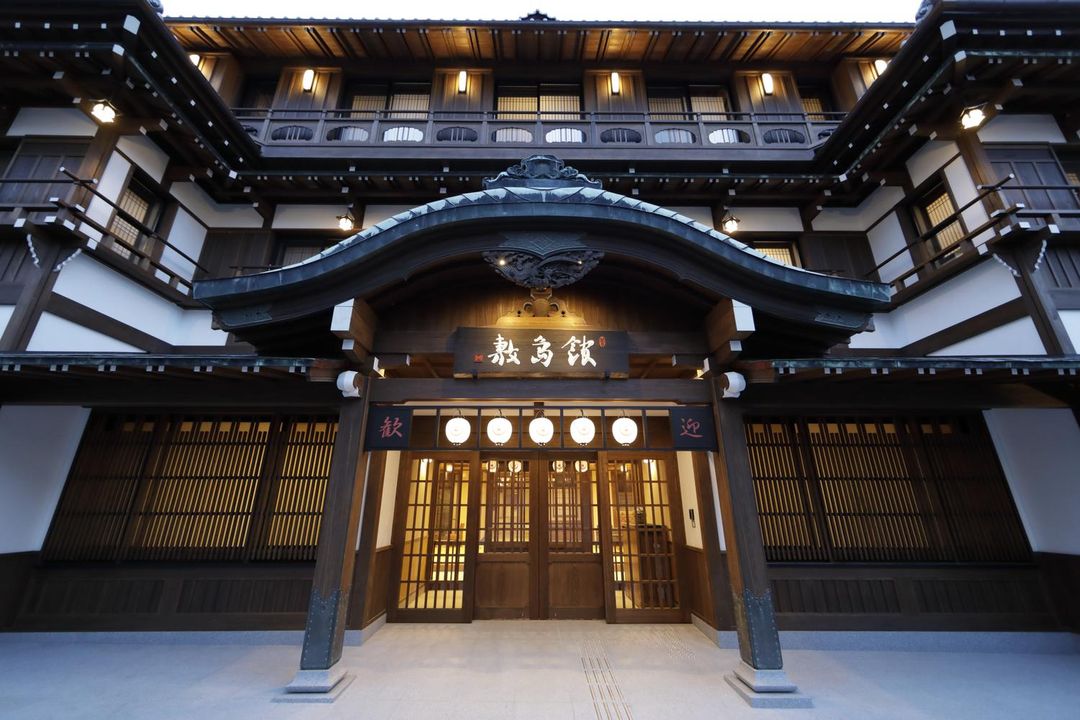
Onyado Shikishima-Kan
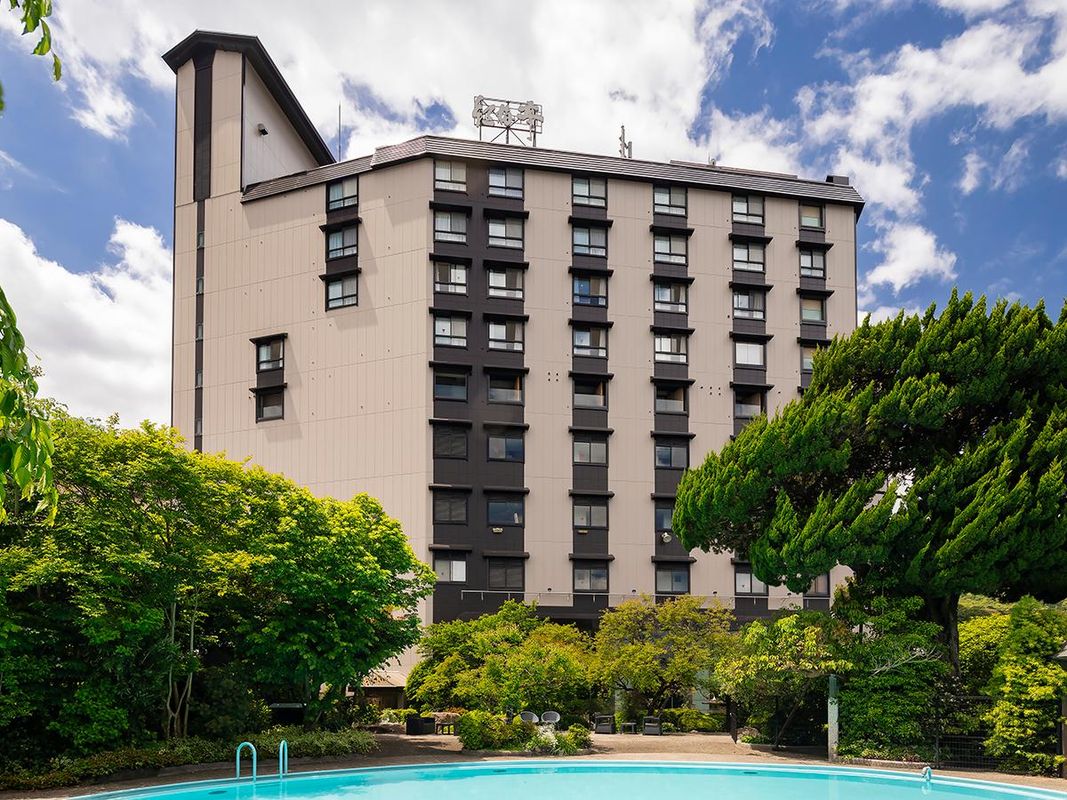
Yumoto Konpira Onsen Hananoyu Kobaitei
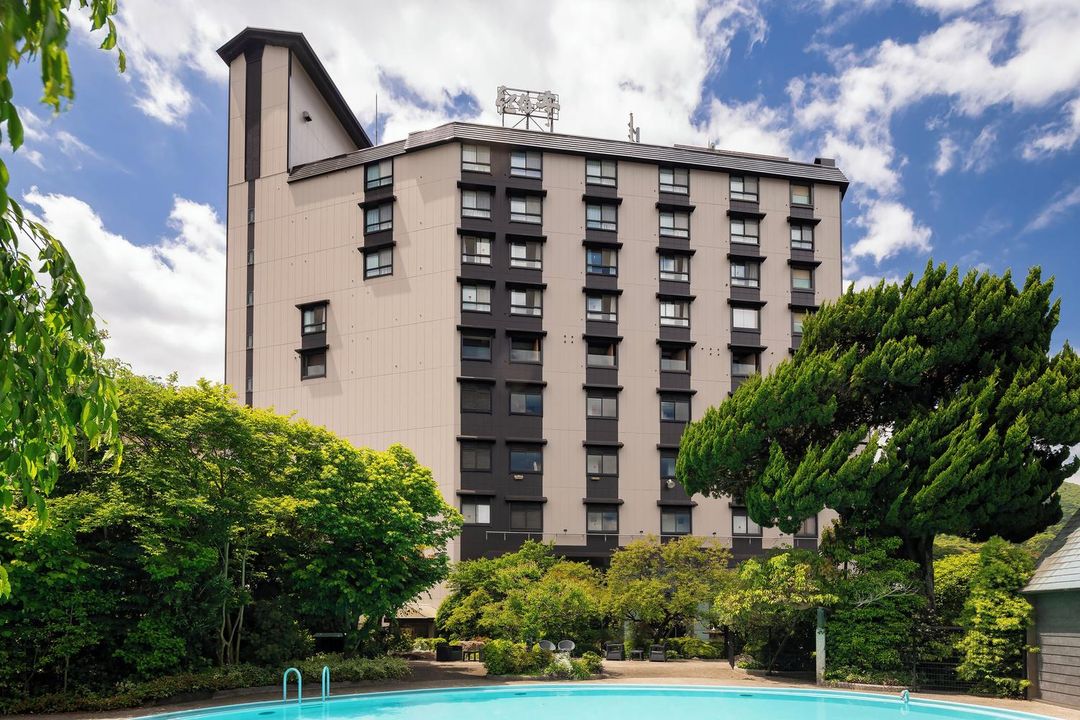
Yumoto Konpira Onsen Hananoyu Koubaitei
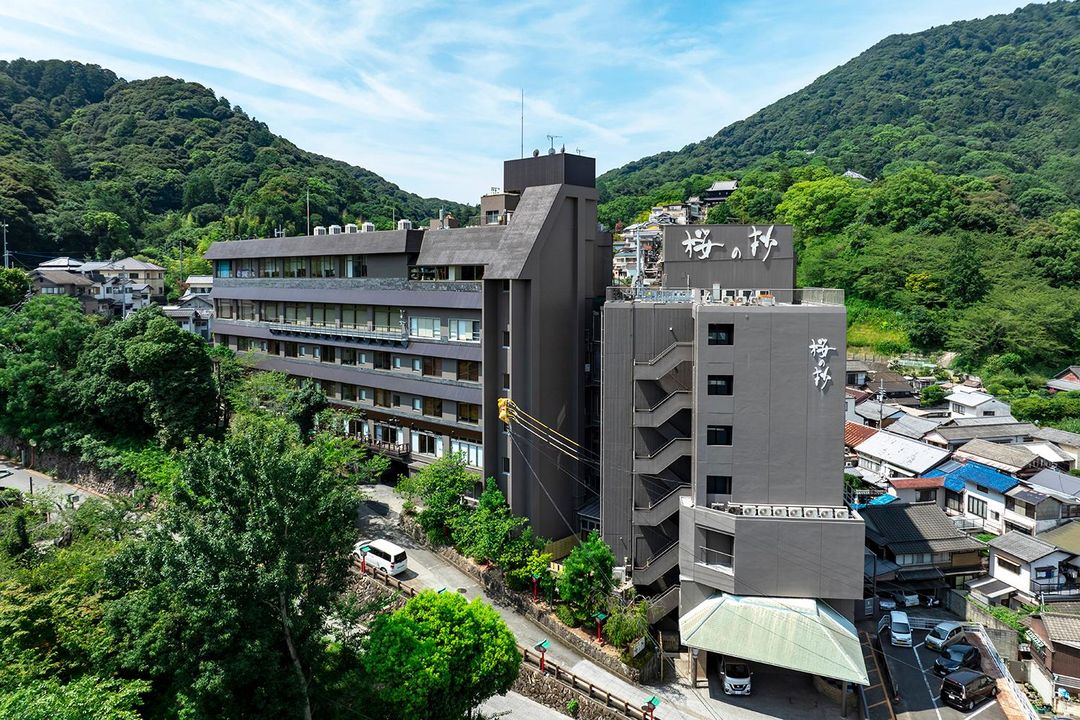
Kotohira Grand Hotel Sakuranosho
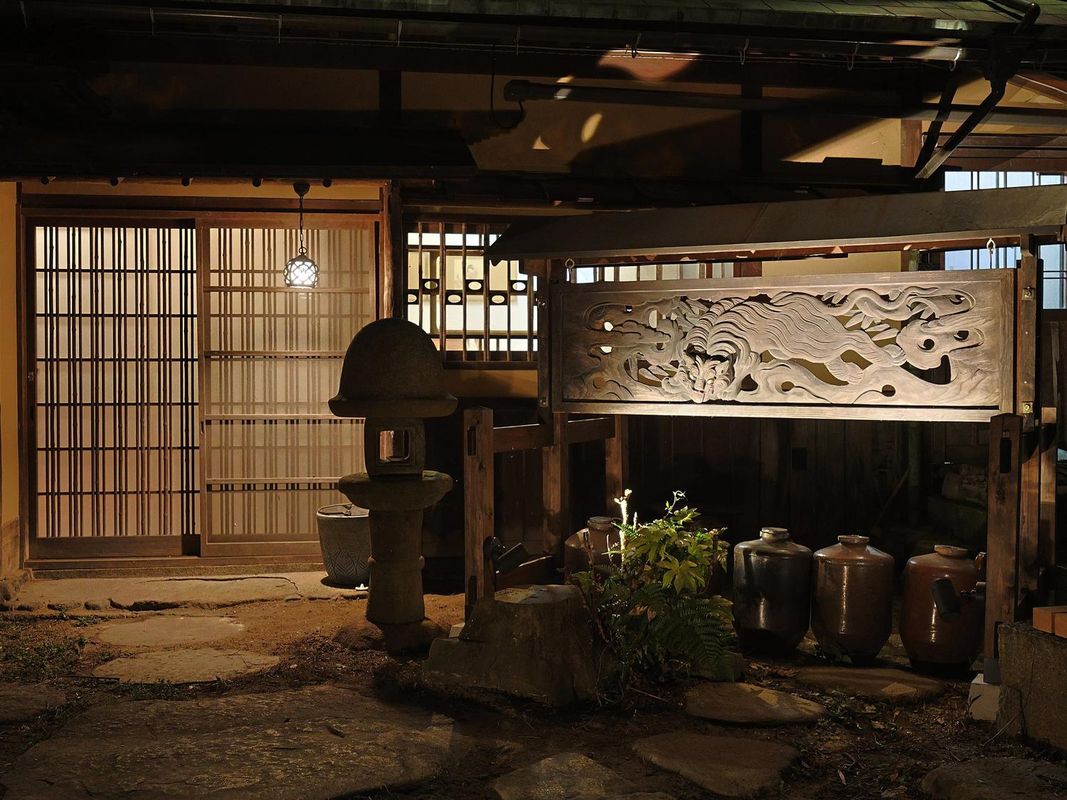
Toraya Annex
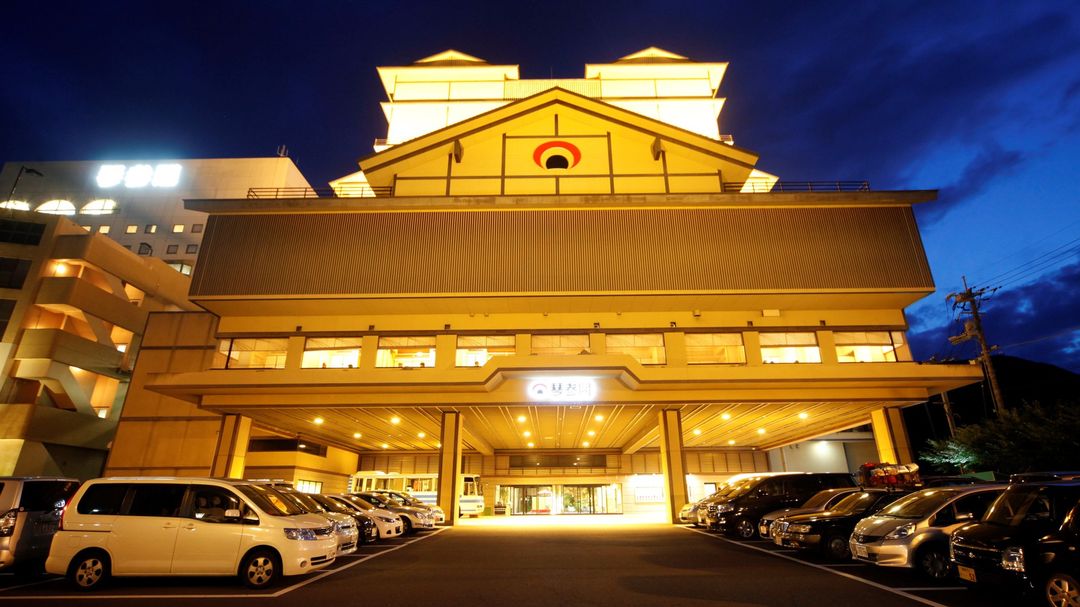
Kotohira Onsen Kotosankaku
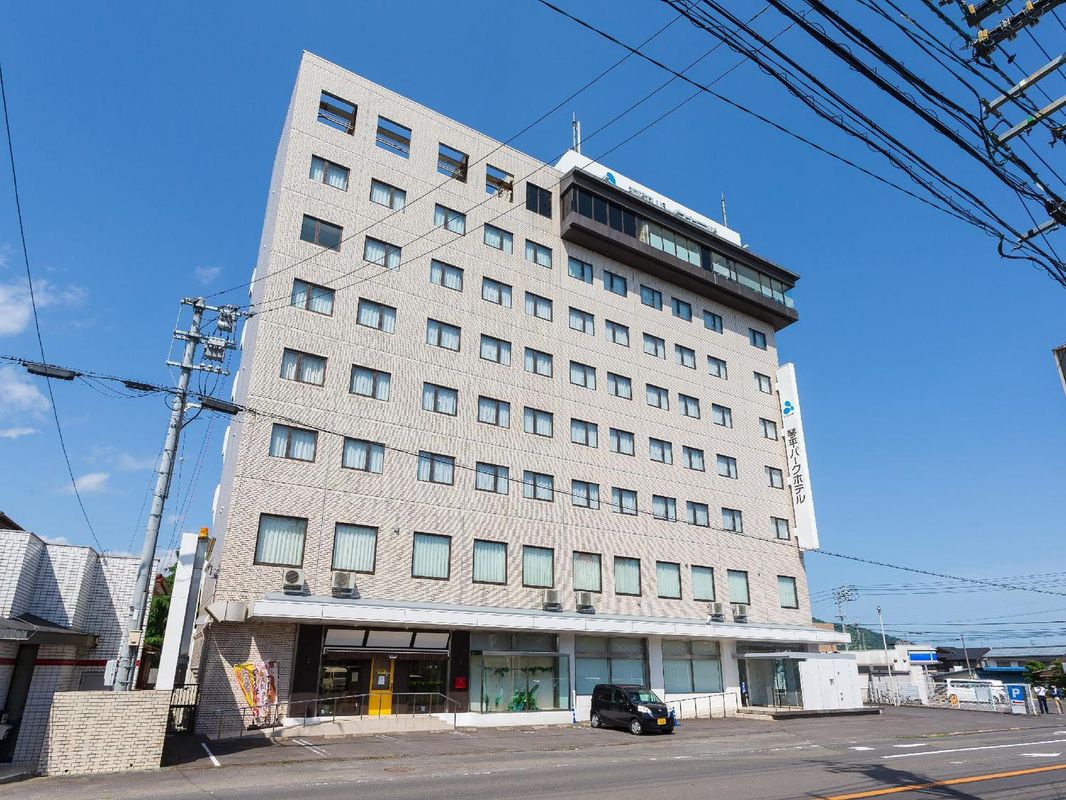
Kotohira Park Hotel
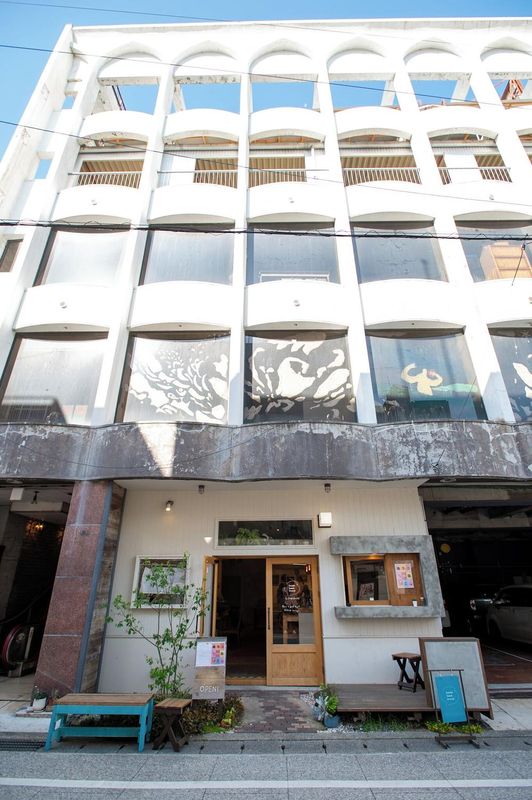
Cabin
Best Hotels in Kotohira
Discover curated hotel collections in Kotohira
Okuno Hosomichi
Kobe Suma Sea World Hotel
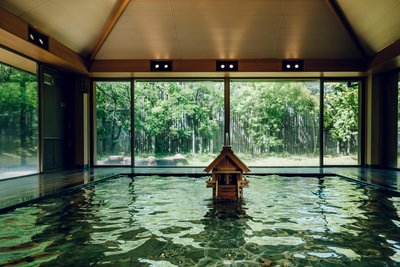
Hoshino Resorts KAI Tamatsukuri
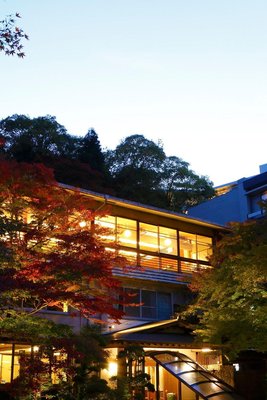
Negiya Ryofukaku
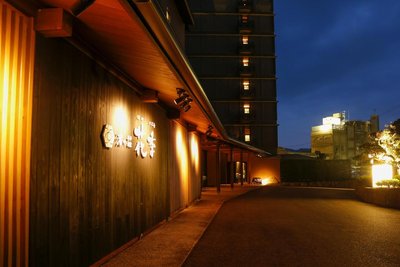
Hanagoyomi
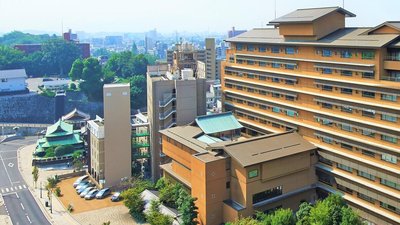
Yamatoya Honten
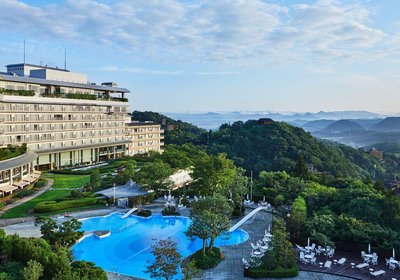
Arima Grand Hotel
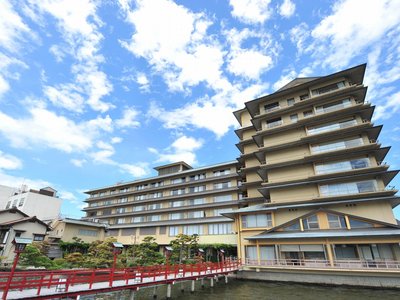
Bokoro Ryokan
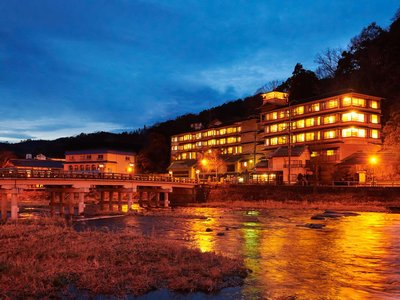
Mansuirou
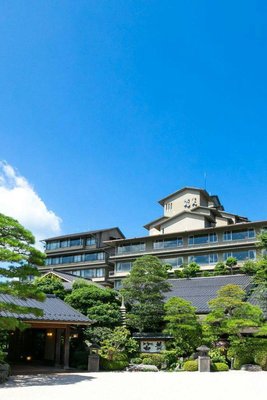
Kasuien Minami
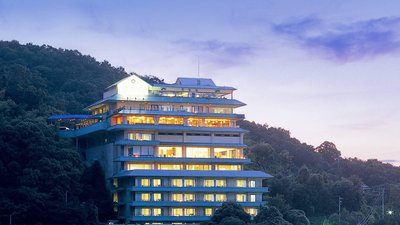
Hotel Hanajyukai
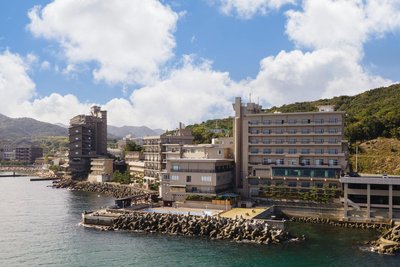
Awakan
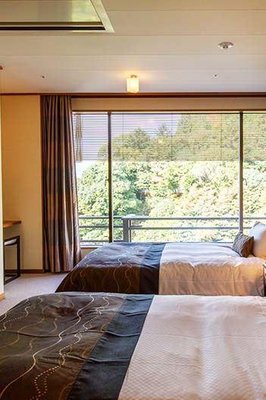
Nakanobo Zuien (Adult Only)
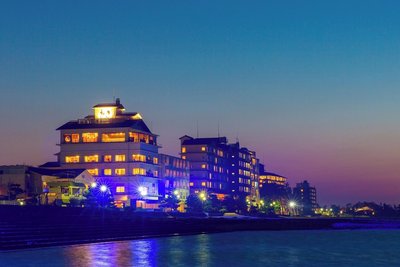
Kaike Shogetsu
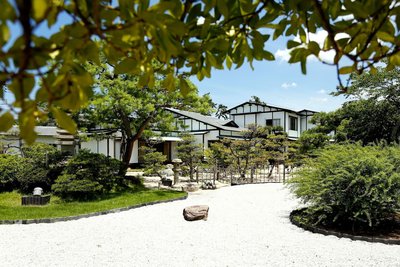
Kaike Fuga
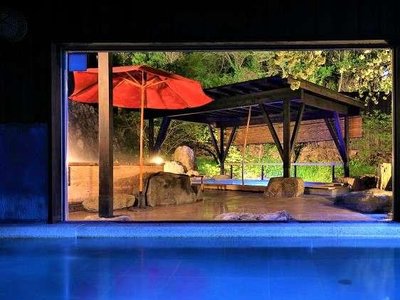
Sodayama Onsen Wa Yawaragi
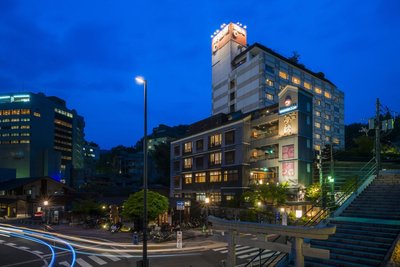
Chaharu Hanare Dogo Yumekura
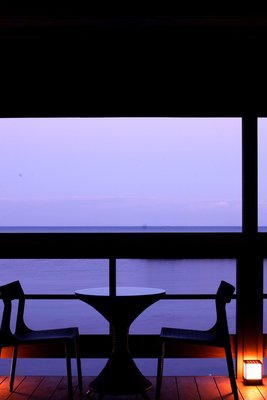
Amahara
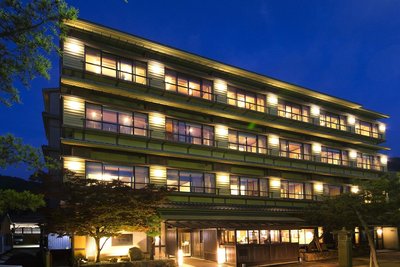
Kinsuikan
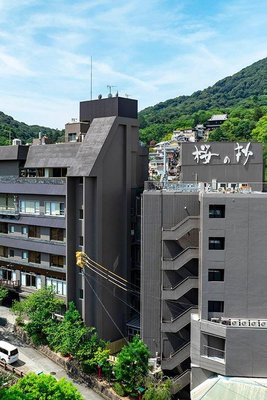
Kotohira Grand Hotel Sakuranosho
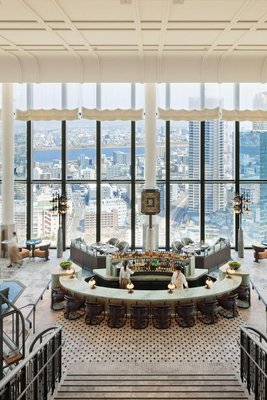
Waldorf Astoria Osaka
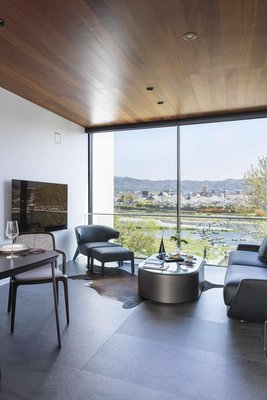
Kamo Residences by Reflections
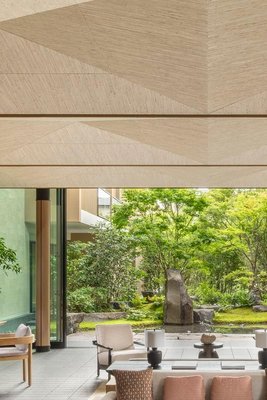
Six Senses Kyoto
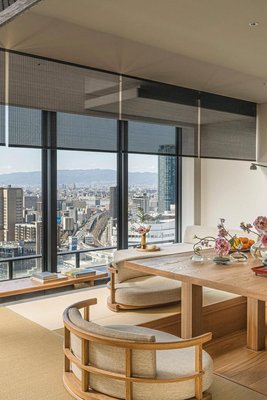
Four Seasons Hotel Osaka
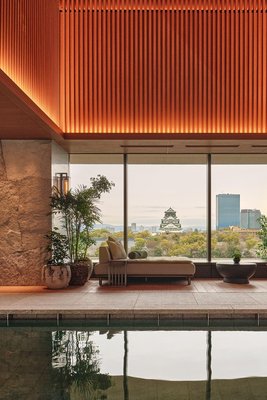
Patina Osaka
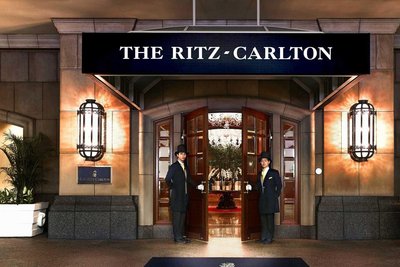
The Ritz-Carlton, Osaka
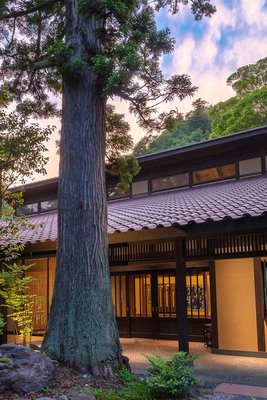
Arimasansoh Goshobessho
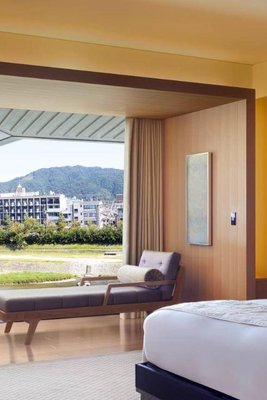
The Ritz-Carlton, Kyoto
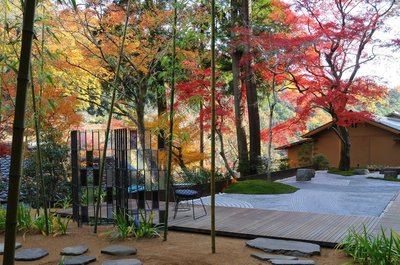
HOSHINOYA Kyoto
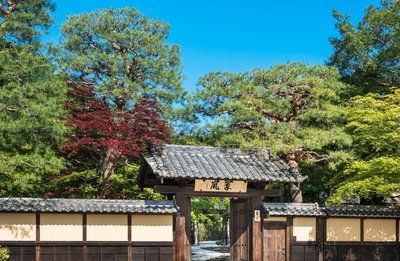
Suiran, a Luxury Collection Hotel, Kyoto
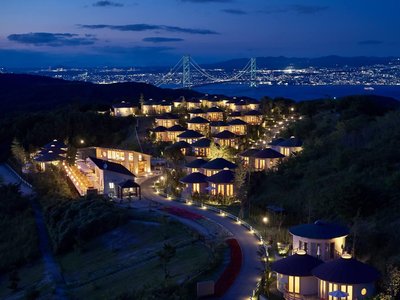
Grand Chariot Hokutoshichisei 135°
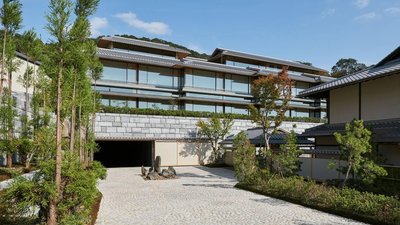
Park Hyatt Kyoto
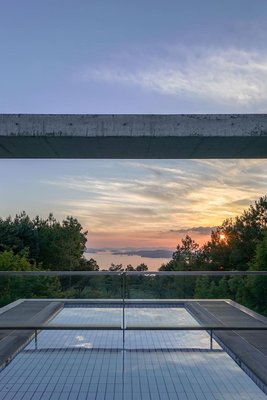
SETOUCHI RETREAT by Onko Chishin
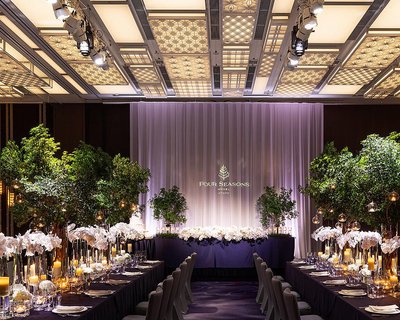
Four Seasons Hotel Kyoto
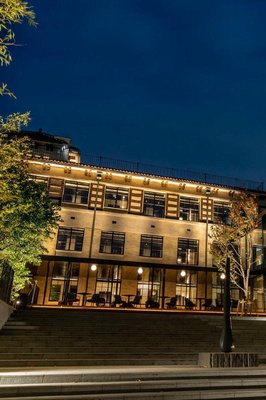
The Hotel Seiryu Kyoto Kiyomizu - a Member of the Leading Hotels of the World-
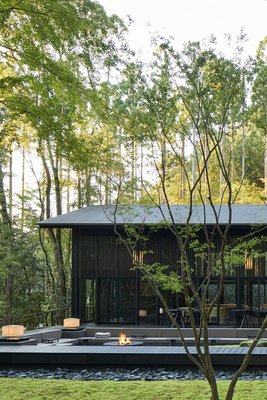
Aman Kyoto
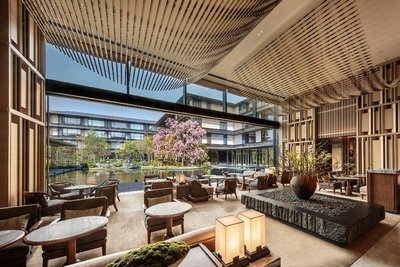
Hotel the Mitsui Kyoto, a Luxury Collection Hotel & Spa
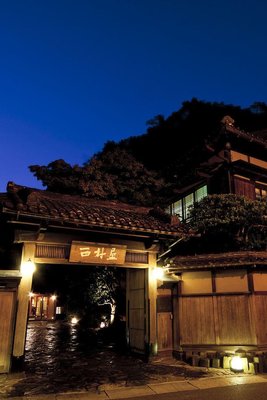
Nishimuraya Honkan
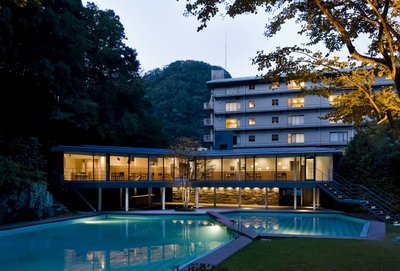
Kinosaki Onsen Nishimuraya Hotel Shogetsutei
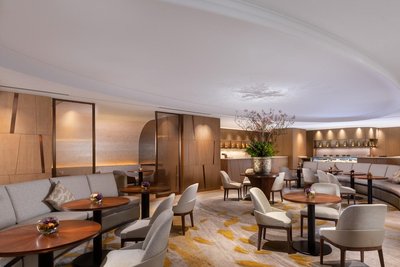
The Westin Miyako Kyoto (KASUI-EN)
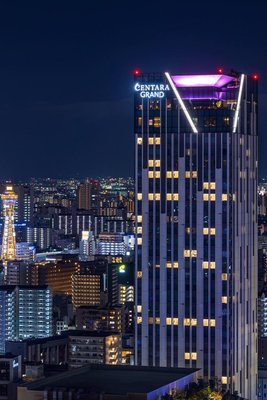
Centara Grand Hotel Osaka
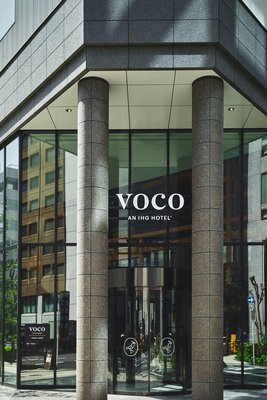
voco Osaka Central
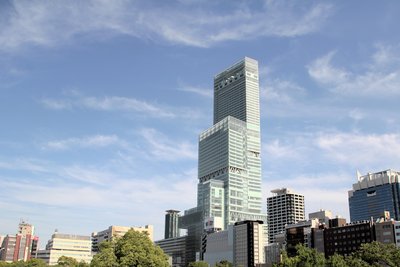
Osaka Marriott Miyako Hotel
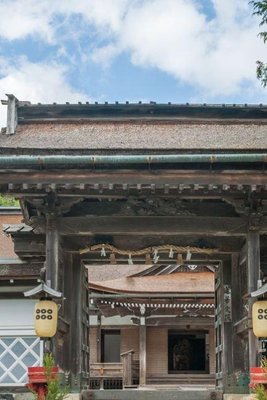
Koyasan Rengejoin
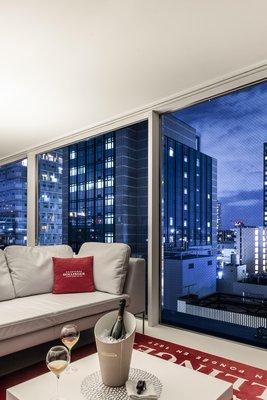
CUVÉE J2 HOTEL OSAKA by Onko Chishin
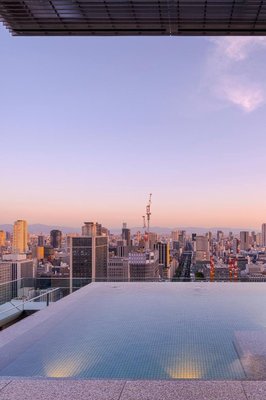
Candeo Hotels Osaka The Tower
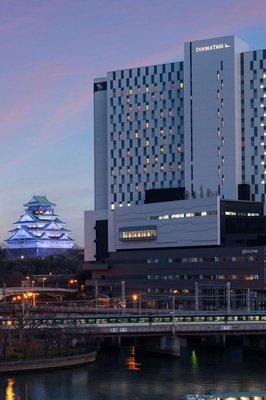
DoubleTree by Hilton Osaka Castle
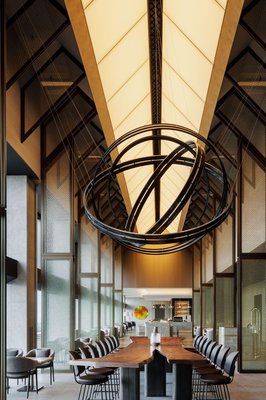
The Osaka Station Hotel, Autograph Collection
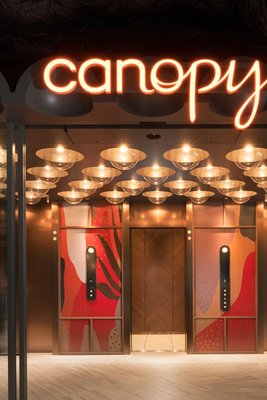
Canopy by Hilton Osaka Umeda
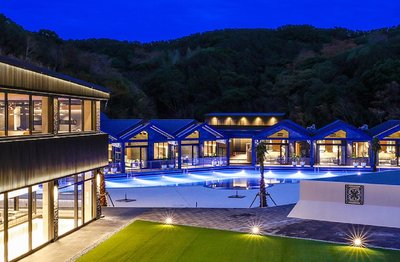
FIVE SPRING RESORT THE SHIRAHAMA
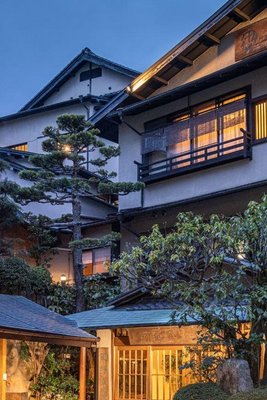
Arima Onsen Tocen Goshobo
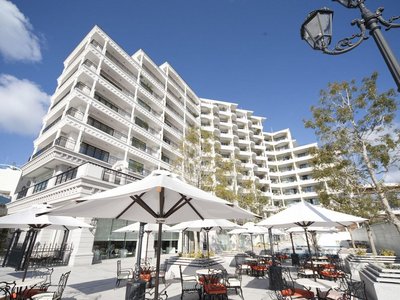
Hotel La Suite Kobe Harborland
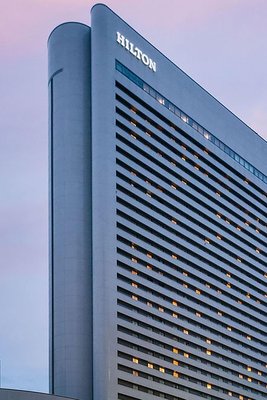
Hilton Osaka Hotel
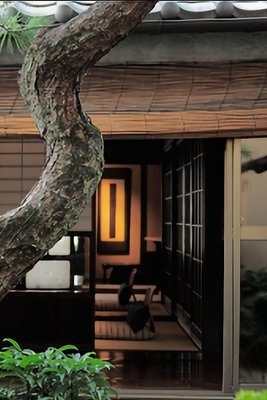
Shimayado Mari

AoAwo Naruto Resort
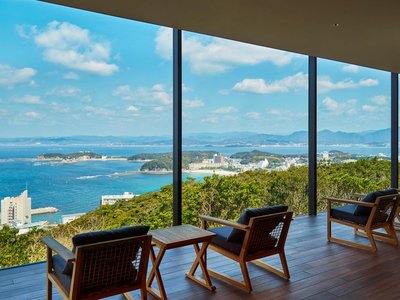
Infinito Hotel and Spa
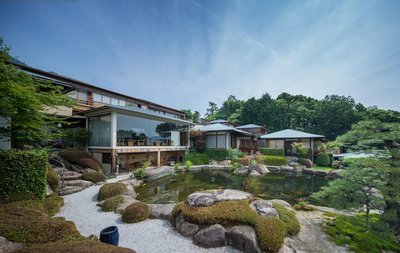
SEKITEI

Yamatoya Besso
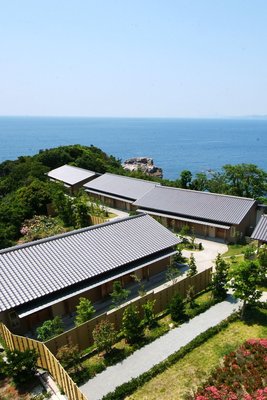
Hamachidorinoyu Kaisyu
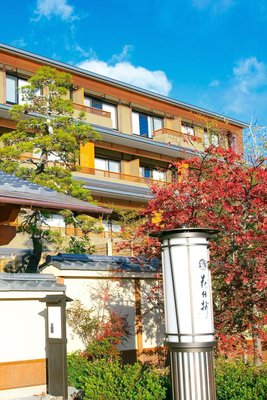
Kyoto Arashiyama Onsen Kadensho (Kyoritsu Resort)
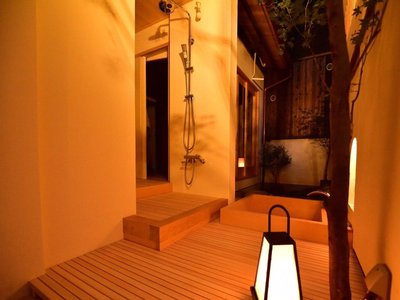
Yado Kiramachi
Arimasansoh Goshobessho
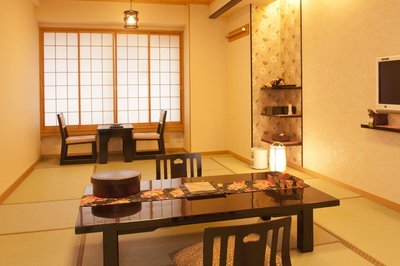
Matsui-Bekkan Hanakanzashi
Hoshino Resorts KAI Tamatsukuri

Taikyourou
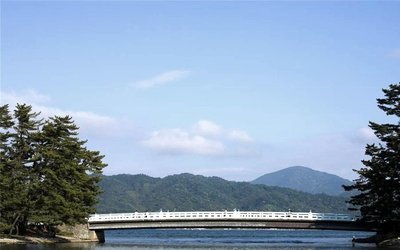
Monjusou Shourotei
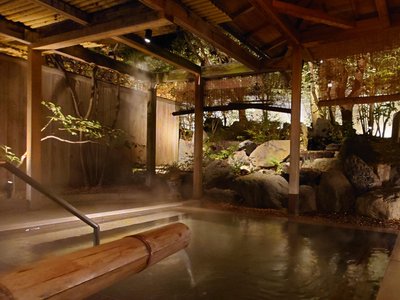
Kasuga Hotel
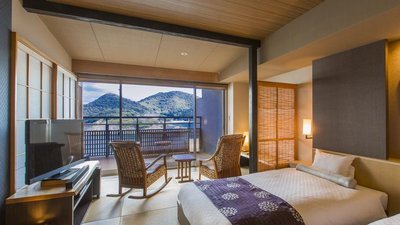
Migiwatei Ochi Kochi
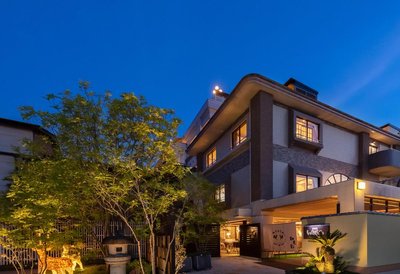
Hotel New Wakasa
Kyoto Arashiyama Onsen Kadensho (Kyoritsu Resort)
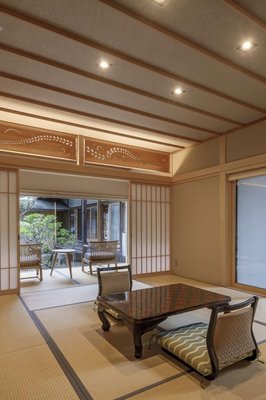
Ichijoin
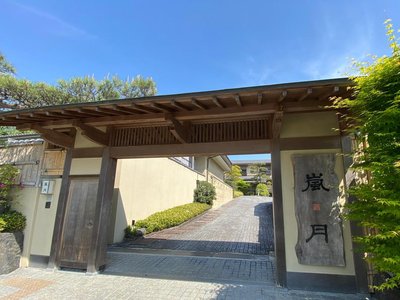
Rangetsu
The Ritz-Carlton, Kyoto
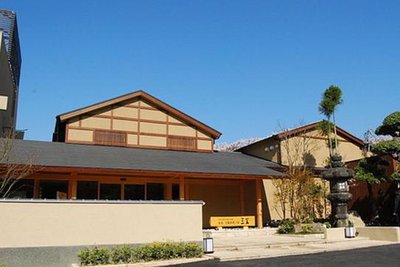
Mikasa
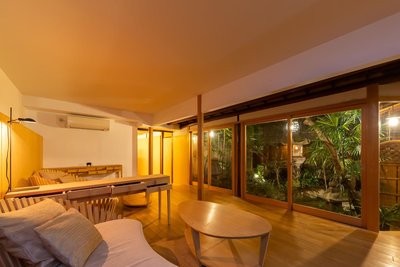
Izuyasu Traditional Kyoto Inn Serving Kyoto Cuisine
HOSHINOYA Kyoto
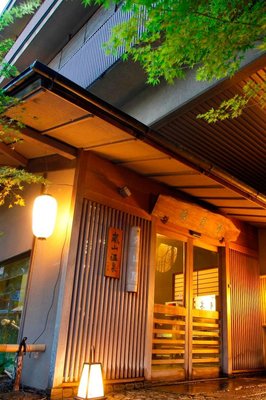
Togetsutei
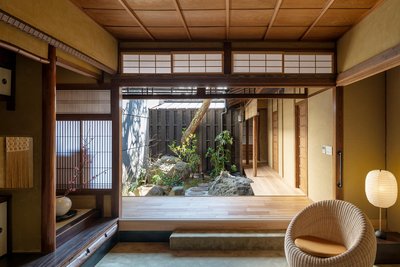
Nazuna Kyoto Gosho
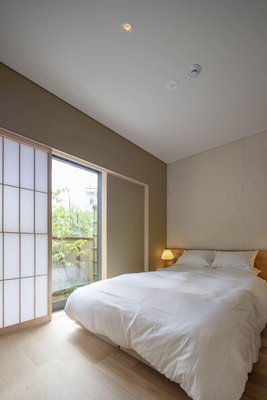
CAMPTON KIYOMIZU
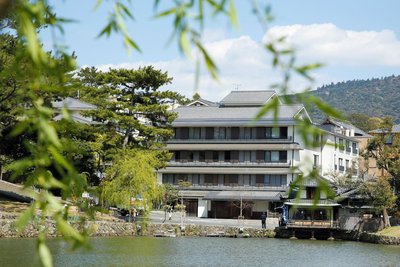
Sarusawaike Yoshidaya
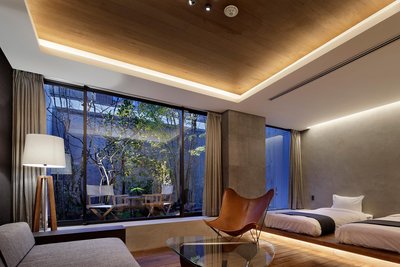
22 PIECES
The Ritz-Carlton, Osaka

The Thousand Kyoto
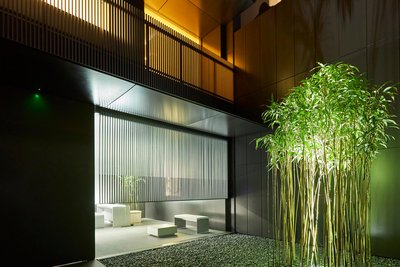
Mogana
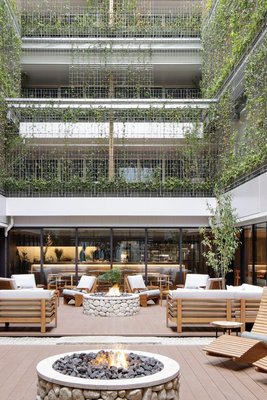
GOOD NATURE HOTEL KYOTO
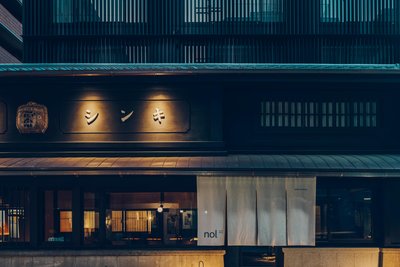
Nol Kyoto Sanjo
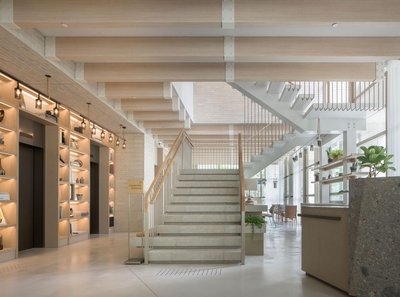
Zentis Osaka
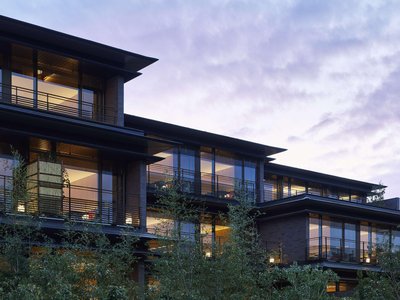
Garrya Nijo Castle Kyoto
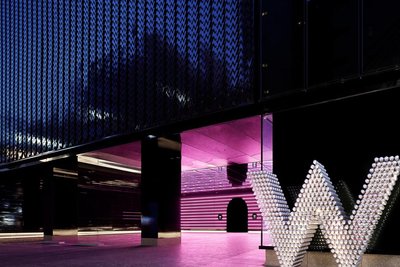
W Osaka
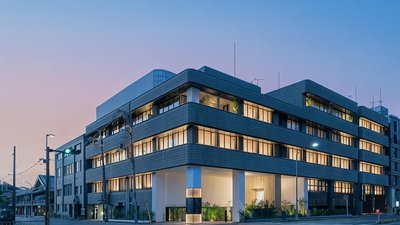
Hotel Kanra Kyoto
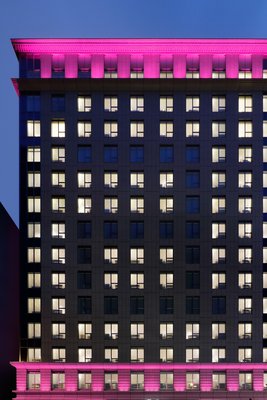
Aloft Osaka Dojima
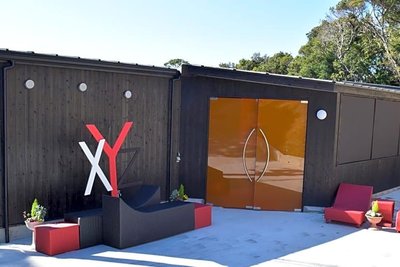
XYZ Private Spa and Seaside Resort
Osaka Marriott Miyako Hotel
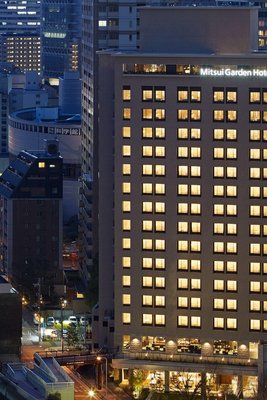
Mitsui Garden Hotel Osaka Premier
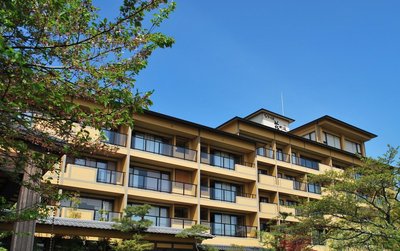
BIWAKO HANAKAIDO
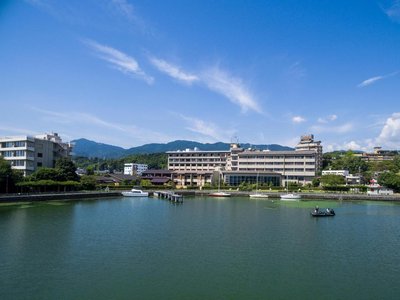
Biwako Ryokusuitei
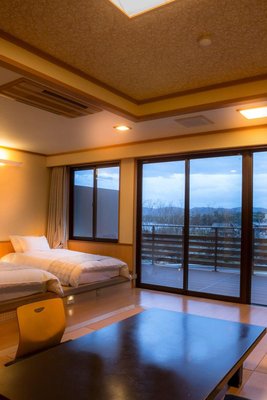
Hotel Kitanoya
Hanagoyomi
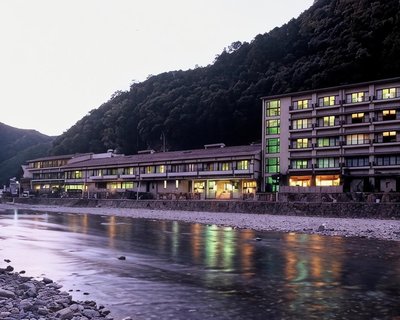
Kawayu Onsen Fujiya
Hotel La Suite Kobe Harborland
AoAwo Naruto Resort
Infinito Hotel and Spa
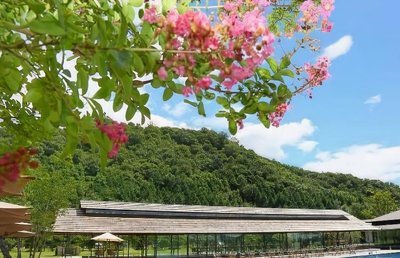
Bella Vista Spa and Marina Onomichi
Hamachidorinoyu Kaisyu
Kaike Shogetsu
The Ritz-Carlton, Kyoto
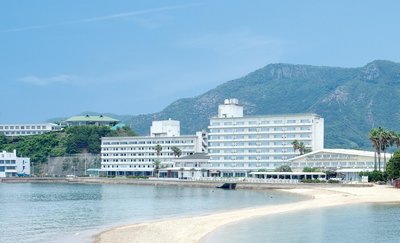
Shodoshima International Hotel
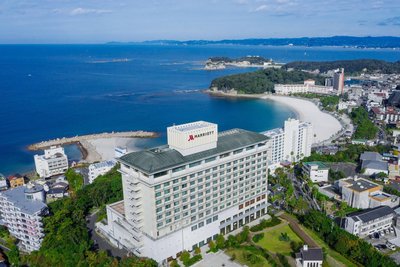
Nanki-Shirahama Marriott Hotel
Kinsuikan
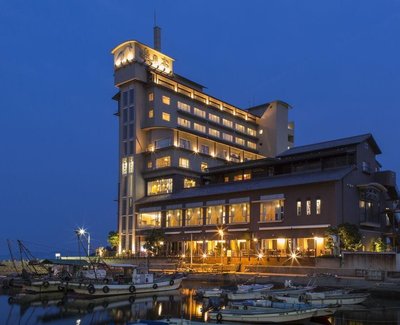
Hotel Ofutei
Suiran, a Luxury Collection Hotel, Kyoto
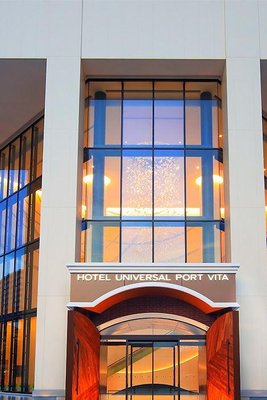
HOTEL UNIVERSAL PORT VITA

The Park Front Hotel at Universal Studios Japan
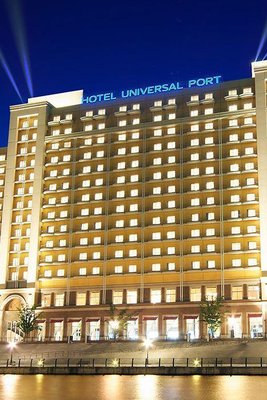
HOTEL UNIVERSAL PORT
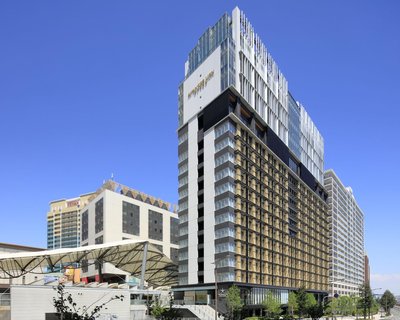
THE SINGULARI HOTEL & SKYSPA at UNIVERSAL STUDIOS JAPAN
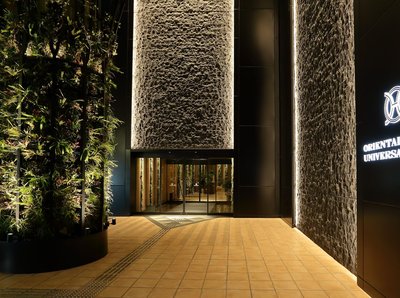
Oriental Hotel Universal City

Hotel Keihan Universal Tower
Okuno Hosomichi
Arimasansoh Goshobessho
Hoshino Resorts KAI Tamatsukuri
Negiya Ryofukaku
Arima Onsen Tocen Goshobo
Hanagoyomi
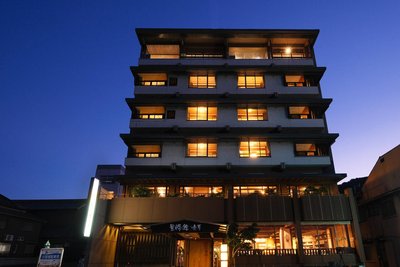
Keishokan Sazanamitei
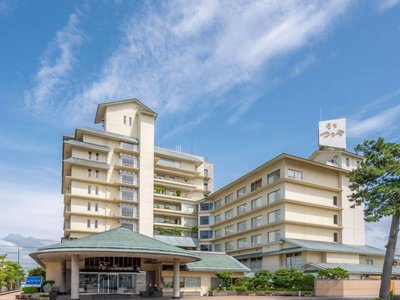
Kaike Tsuruya
Migiwatei Ochi Kochi
Yamatoya Honten
Arima Grand Hotel
Infinito Hotel and Spa
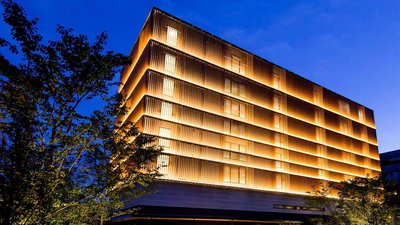
Dogo Miyu
Yamatoya Besso
Hamachidorinoyu Kaisyu
Bokoro Ryokan
Mansuirou
Kasuien Minami
Hotel Hanajyukai
Nakanobo Zuien (Adult Only)
Osaka Marriott Miyako Hotel
The Ritz-Carlton, Osaka
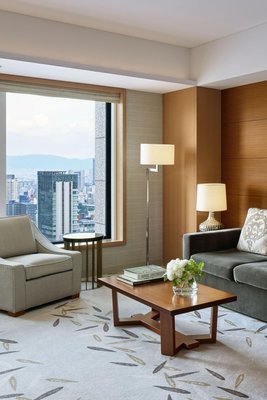
InterContinental Hotel Osaka
The Ritz-Carlton, Kyoto
Suiran, a Luxury Collection Hotel, Kyoto
GOOD NATURE HOTEL KYOTO
Park Hyatt Kyoto
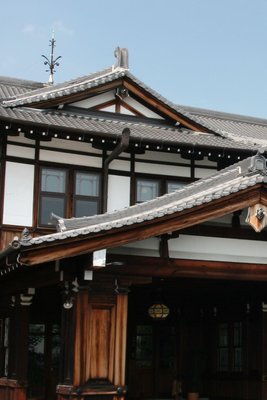
Nara Hotel
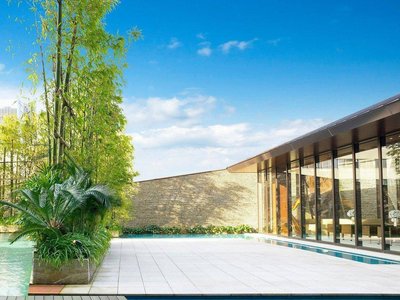
ORIENTAL HOTEL
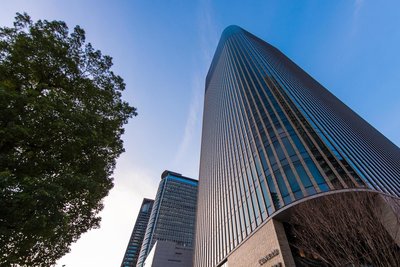
Conrad Osaka
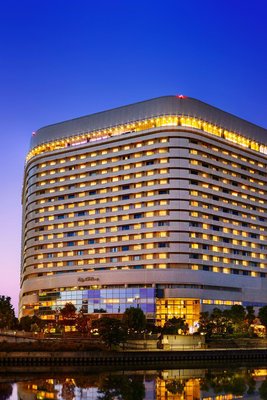
Hotel New Otani Osaka
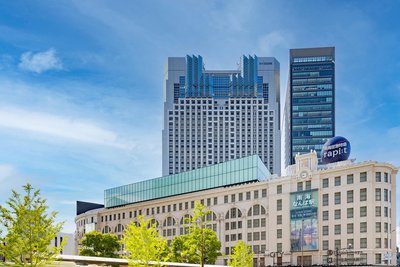
Swissotel Nankai Osaka
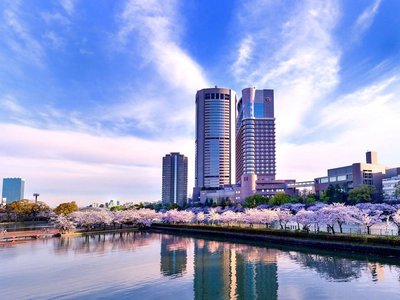
Imperial Hotel Osaka
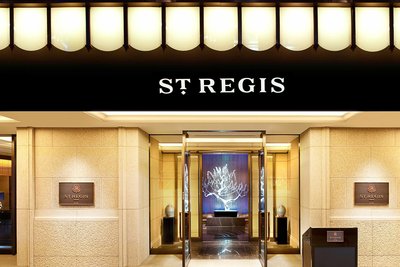
The St. Regis Osaka
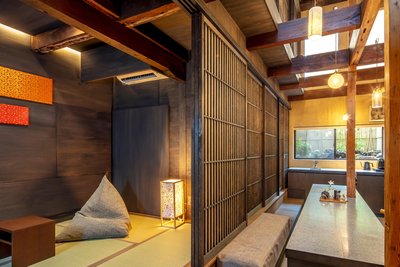
Kyo No Oozora Kihana
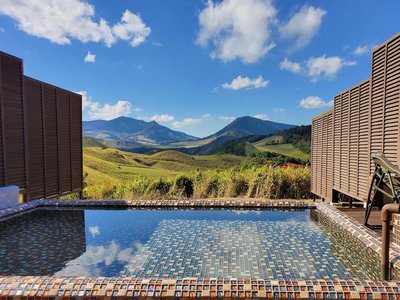
Grand Verde Resort
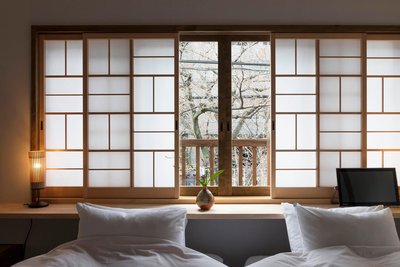
Hanagoromo Machiya House
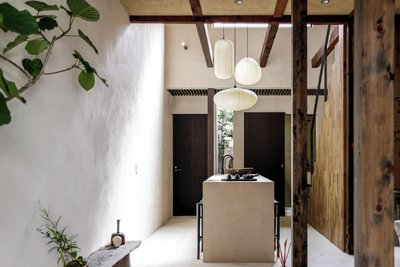
Maana Kiyomizu
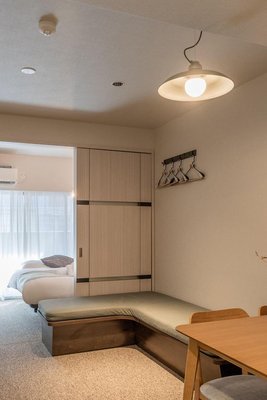
Apartment Hotel 11 Shinsaibashi
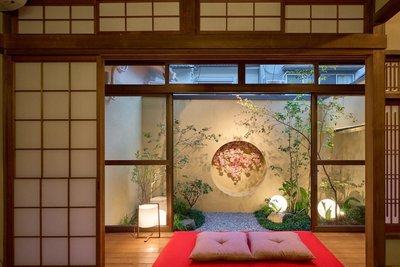
KONJAKUSO Osaka Tengachaya "NIHONCHA" Tea & Relax
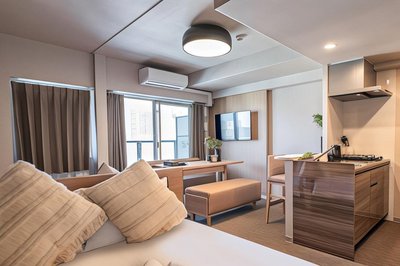
Apartment Hotel 11 Shinsaibashi III
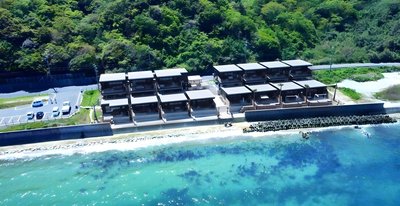
Solavilla Umi Terrace Minamiawaji
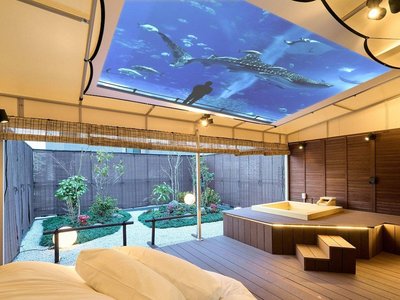
KONJAKUSO Osaka Bentencho "OKUJO-TEIEN" Rooftop Garden
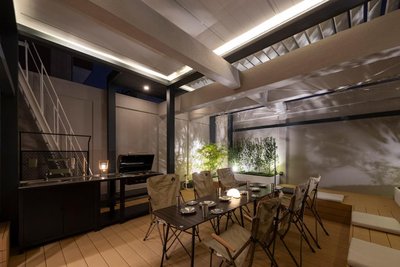
Shirakabanoyado-KINONOKI
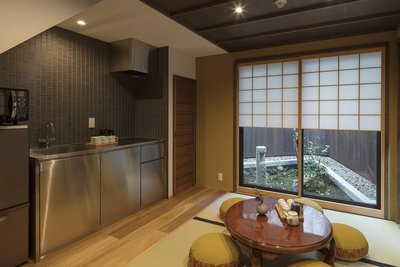
The Machiya Villa Sanjo Shirakawa Koji
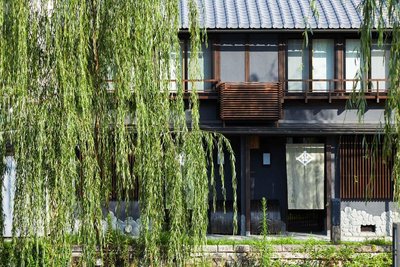
Gion Shirakawa No Yado

Kitashirakawa Natural Radium Onsen
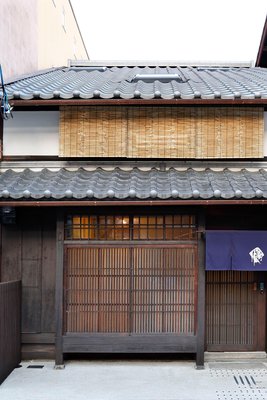
Kyo No Ondokoro Kamanza Nijo #2
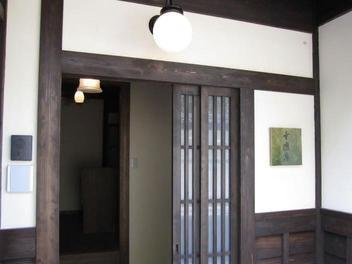
Gion Koyu an Machiya House
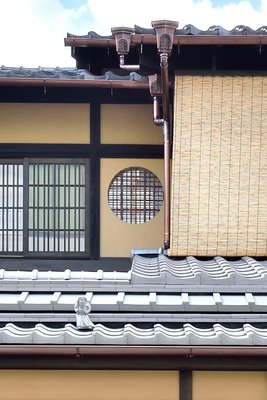
Kyo No Ondokoro Gokomachi Ebisugawa #3

Sana Mane - Glamp Domes
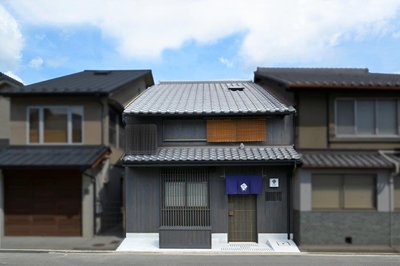
Kyo No Ondokoro Goshonishi #6
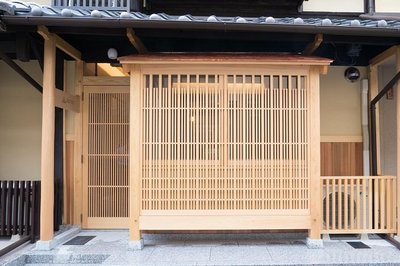
Kyomachiya Suite Rikyu
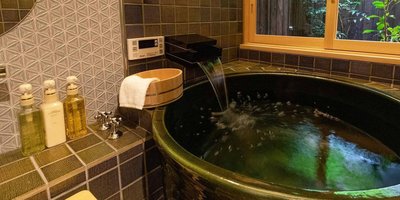
Kyoisuke
Frequently Asked Questions about Traveling to Kotohira
Questions You Might Need to Know About Traveling to Kotohira
In Takamatsu City, stay at Kotohira Onsen Ryokan, a traditional Japanese inn offering private outdoor baths and access to natural sulfur springs. Located just a 5-minute walk from Kotohira Shrine, it’s ideal for pilgrims and travelers seeking authentic cultural immersion. The inn features tatami rooms with views of the Seto Inland Sea and serves seasonal kaiseki meals. Its peaceful ambiance and proximity to historic sites make it a perfect base for exploring Shikoku’s spiritual heartland.
Stay near Kotohira Station for optimal convenience. This area offers easy access to Kotohira Shrine (just 10 minutes on foot), local restaurants, souvenir shops, and several ryokans. It's well-connected by train to Takamatsu City and other parts of Kagawa Prefecture. The neighborhood retains old-town charm with quiet streets and traditional architecture, making it perfect for slow travel and experiencing rural Shikoku life.
A must-do experience is hiking the 785-step path to Kotohira Shrine, a sacred Shinto site perched on Mount Oeyama. Along the way, you’ll pass small shrines, snack stalls, and tea houses, offering a vivid glimpse into Japanese religious traditions. At the summit, enjoy panoramic views of the Seto Inland Sea and the surrounding countryside. Don’t miss the annual Kotohira Festival in March, featuring elaborate mikoshi processions, traditional music, and fireworks—highlighting the region’s rich cultural heritage.
Takamatsu City’s hot springs are renowned for their natural sulfur-rich waters, known for soothing skin and relieving muscle fatigue. The Kotohira Onsen District features several ryokans with private open-air baths set amid wooden architecture and garden views. Try Oyado Taisho-ya, where the water comes from 300 meters underground, maintained at a steady 42°C. Many inns also offer herbal bath additives made from local ingredients, turning each soak into a holistic wellness ritual.
Yes, Takamatsu City is ideal for families. Visit the Kotohira Children’s Science Museum, which features interactive experiments and an observatory for learning about nature and space. Nearby, Seto Inland Sea cruises offer family-friendly boat tours with dolphin sightings and scenic views. Many ryokans provide kids’ yukata rentals, family meal plans, and free shuttle services. The town’s quiet, safe environment makes it perfect for children to explore and relax.
Must-try dishes include Sanuki Udon, served at Ichimensho, where handmade noodles are dipped in light bonito broth—deliciously chewy and refreshing. Sample Kotohira Mochi, a sweet rice cake made with red bean paste, often sold as a good-luck charm. For meat lovers, visit Kotohira Wagyu House for locally raised black beef grilled to perfection. End your day with a matcha latte at a traditional teahouse, savoring the calm essence of Shikoku’s culinary culture.
The easiest way is via Kotoden Railway (Kotoden Electric Railway). From Takamatsu Station, take a direct train to Kotohira Station, taking only 25 minutes with frequent departures. You can also take a taxi (~15 minutes, ~¥3,000), especially if traveling with luggage. Purchase a Kotoden One-Day Pass for unlimited rides across the network, saving money and enhancing travel flexibility.
Takamatsu City hosts vibrant seasonal festivals. The Kotohira Festival in March features grand mikoshi processions and traditional drum performances. Summer brings the Kotohira Summer Festival, with fireworks and street dances. While not in Takamatsu itself, the nearby Ritsurin Garden Light-Up Festival in autumn is worth a visit. During winter, the Kotohira Lantern Festival lights up the streets with warm red lanterns, creating a magical atmosphere—perfect for photography and cultural immersion.
Yes, Takamatsu City has excellent public transit. Kotohira Station is the terminus of the Kotoden line, connecting to Takamatsu and other destinations in Kagawa Prefecture. Local buses serve major attractions like the shrine, onsen district, and shopping areas. Consider purchasing a Kagawa County Tourist Bus Pass or Kotoden One-Day Pass for unlimited travel. The town is pedestrian- and bike-friendly, with flat roads and many ryokans offering free shuttle services.
Absolutely. The night view from Kotohira Shrine’s observation deck is breathtaking—overlooking the Seto Inland Sea and the illuminated cityscape of Takamatsu below. Strolling along the shrine’s lantern-lined path at dusk reveals a dreamlike atmosphere, with soft glows reflecting on stone steps. The Kotohira Onsen District also sparkles at night, with warm lights from wooden machiya houses. During festivals, the streets come alive with lantern displays and nighttime performances, making it a truly unforgettable experience.
Kotohira Overview
City Summary
Kotohira, located in Kagawa Prefecture, Japan, is a historic town steeped in religious significance. It is renowned for Kotohira-gu Shrine (Konpira-san), one of Japan's most important Shinto shrines, drawing countless pilgrims and tourists. The town retains traditional Edo-period charm with its preserved streetscapes. Kotohira is also the birthplace of Sanuki udon, a pillar of its culinary identity.
Must-See Attractions
The centerpiece is Kotohira-gu Shrine, requiring a climb of 785 stone steps with panoramic views of Sanuki Plain. The approach Omotesando Street is lined with century-old shops and teahouses. Relax at Kotohira Onsen, and visit Kanamaru-za, Japan's oldest surviving kabuki theater.
Food Guide
As the holy land of Sanuki udon, don't miss hand-kneaded noodles served with tempura or raw egg. Honetsuki-dori (bone-in chicken) is another local specialty. Street vendors sell sweet anko dango (red bean mochi) and shoyu dango.
Transportation Guide
Accessible via Kotoden Railway or JR Dosan Line from Takamatsu. Most attractions are walkable, but sturdy shoes are essential for the shrine steps. Taxis are scarce; bicycle rentals are ideal for town exploration.
Best Time to Visit
Spring (April) and autumn (November) offer pleasant weather and seasonal foliage. Summers are humid; winters may bring snow. Avoid New Year and Golden Week (late April-May) crowds.
Travel Tips
- Purify hands/mouth before shrine entry.
- Stone steps become slippery when wet.
- Carry cash as many eateries don't accept cards.
- Wash thoroughly before onsen bathing.
- Udon restaurants get crowded at lunchtime.
- Follow strict local waste sorting rules.
Useful Information
Japanese is primary; basic English signage exists. Limited free WiFi - consider a SIM card. Cash dominates; some stores take IC cards. Emergency: dial 110 (police) or 119 (ambulance). Drugstores cluster along Omotesando (open until 8pm). Electrical: 100V, two-flat-pin plugs.