Hotels in Kotoura
Discover your perfect stay in Kotoura.
Kotoura(Japan) Travel 2026: Cheap Flights, Hotels & Top Attractions
Popular Landmarks in Kotoura
Discover the most iconic attractions in Kotoura
Recommended Hotels in Kotoura
Find the perfect place to stay in Kotoura
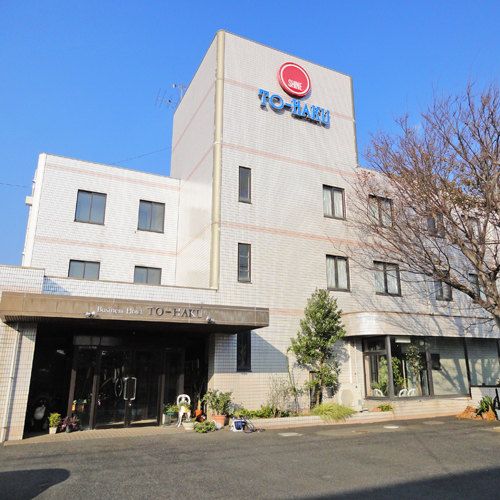
Hotel Sunshine Tohaku
Best Hotels in Kotoura
Discover curated hotel collections in Kotoura
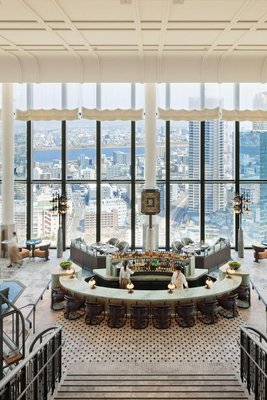
Waldorf Astoria Osaka
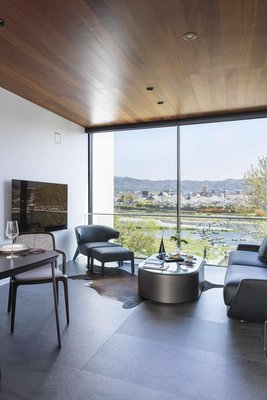
Kamo Residences by Reflections
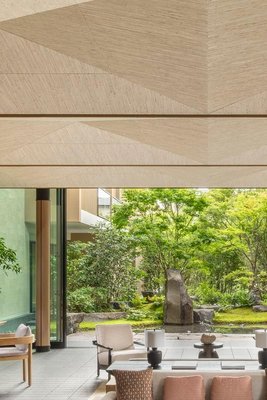
Six Senses Kyoto
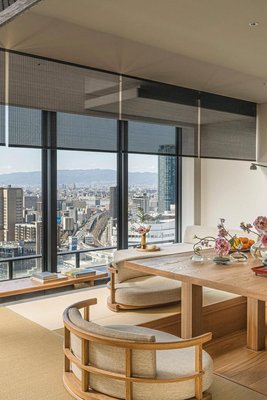
Four Seasons Hotel Osaka
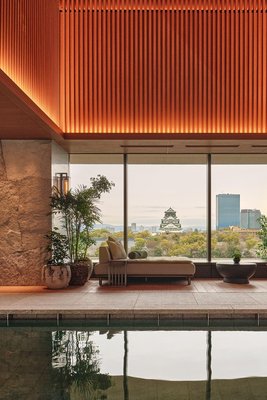
Patina Osaka
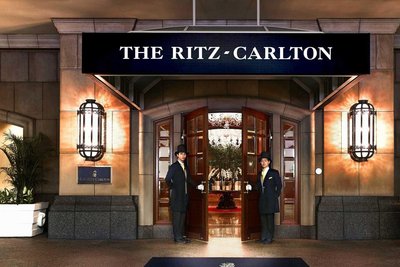
The Ritz-Carlton, Osaka
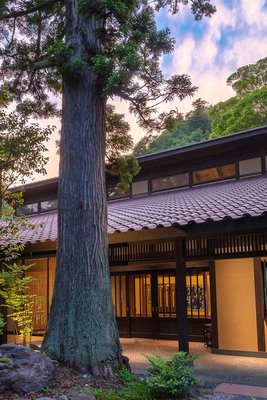
Arimasansoh Goshobessho
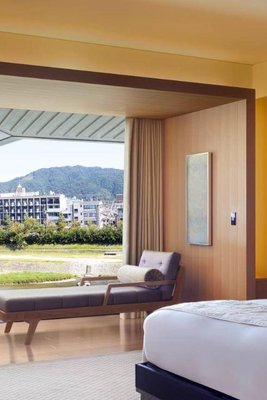
The Ritz-Carlton, Kyoto
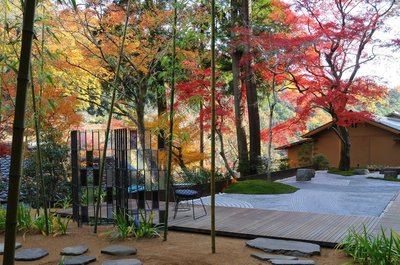
HOSHINOYA Kyoto
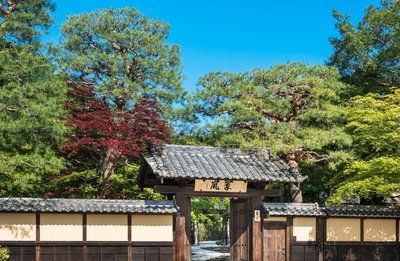
Suiran, a Luxury Collection Hotel, Kyoto
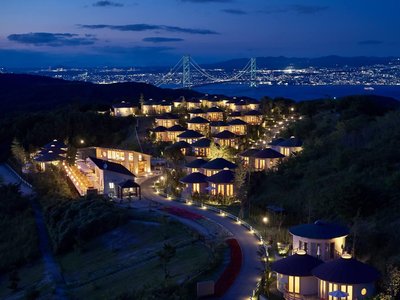
Grand Chariot Hokutoshichisei 135°
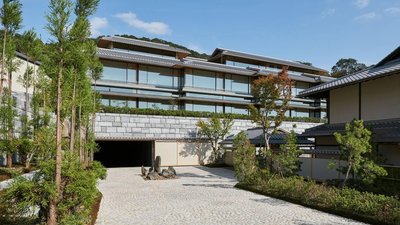
Park Hyatt Kyoto
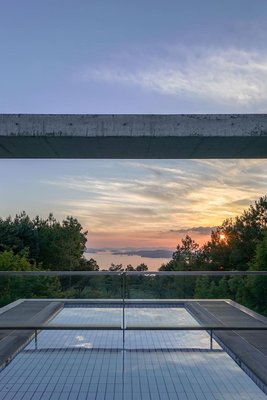
SETOUCHI RETREAT by Onko Chishin
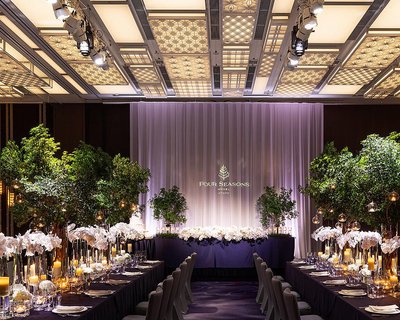
Four Seasons Hotel Kyoto
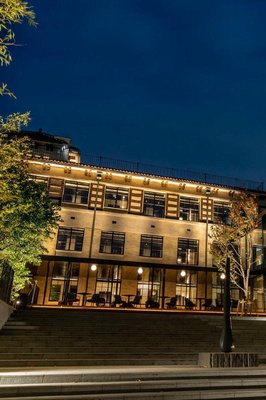
The Hotel Seiryu Kyoto Kiyomizu - a Member of the Leading Hotels of the World-
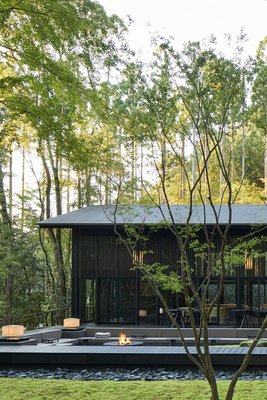
Aman Kyoto
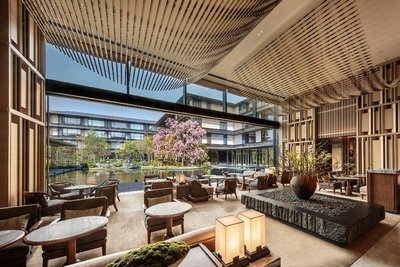
Hotel the Mitsui Kyoto, a Luxury Collection Hotel & Spa
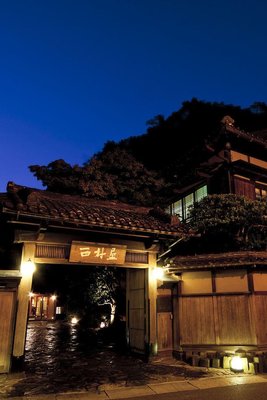
Nishimuraya Honkan
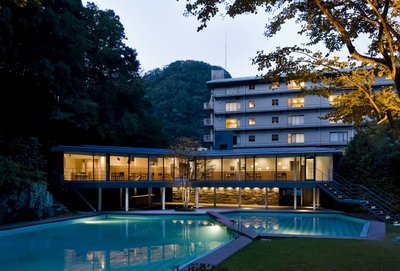
Kinosaki Onsen Nishimuraya Hotel Shogetsutei
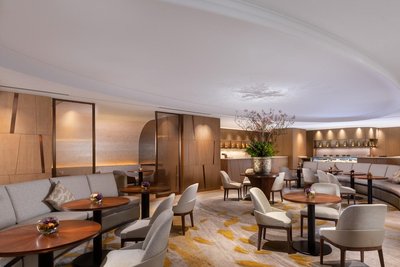
The Westin Miyako Kyoto (KASUI-EN)
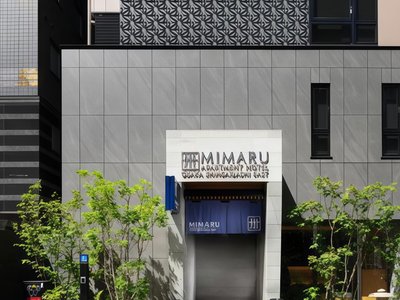
MIMARU Osaka Shinsaibashi East
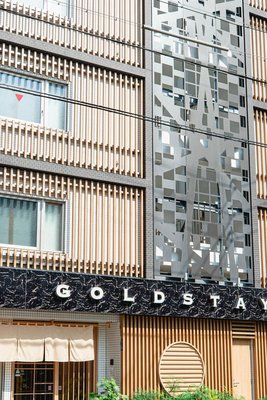
Gold Stay Nagoya OSU
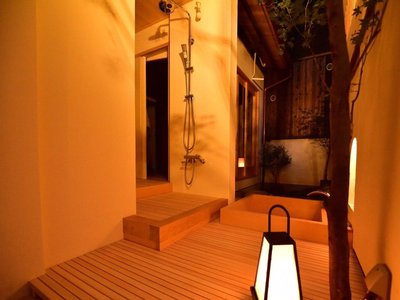
Yado Kiramachi
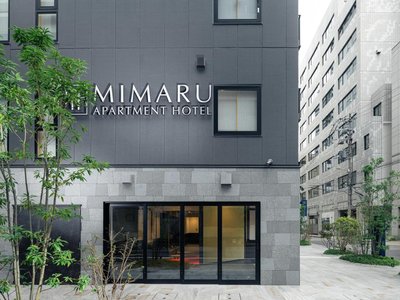
MIMARU Osaka Shinsaibashi North
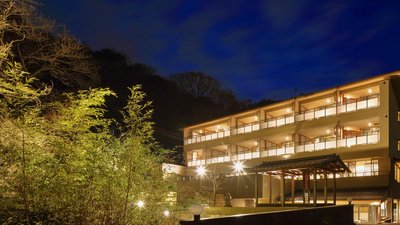
Okuno Hosomichi
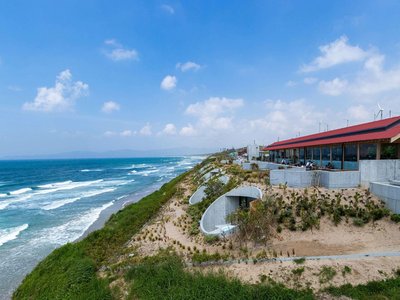
Izumo Hotel the Cliff
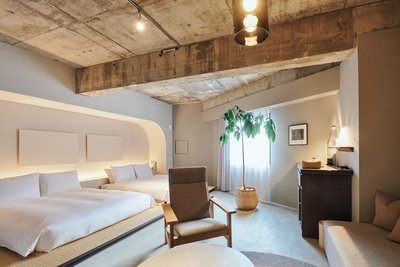
Korinkyo
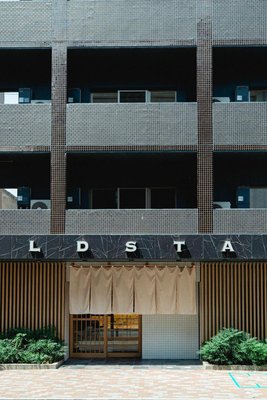
GOLD STAY Nagoya Sakae
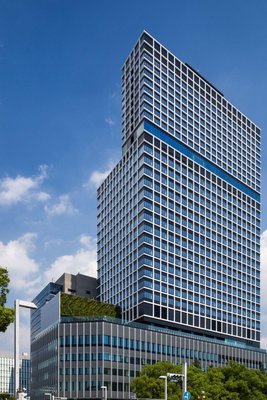
The Royal Park Hotel Iconic Nagoya
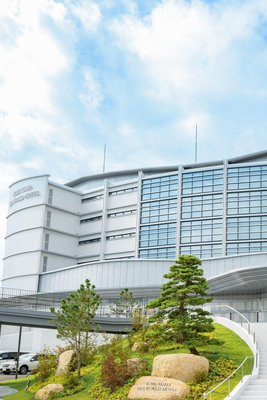
Kobe Suma Sea World Hotel
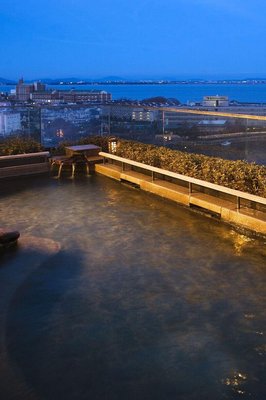
Yumotokan
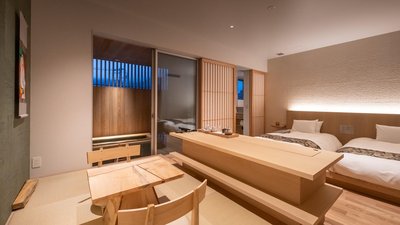
Japanese Auberge Kararako
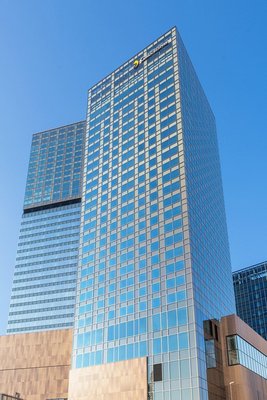
Hotel Hankyu GRAN RESPIRE OSAKA
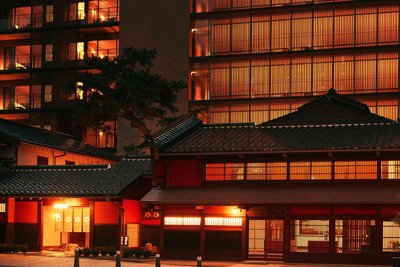
Hoshino Resorts Kai Kaga
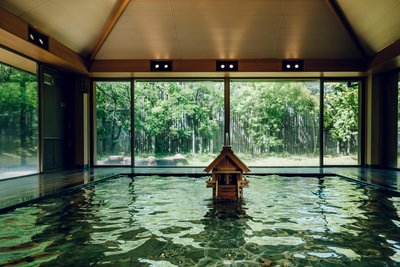
Hoshino Resorts KAI Tamatsukuri

Taikyourou
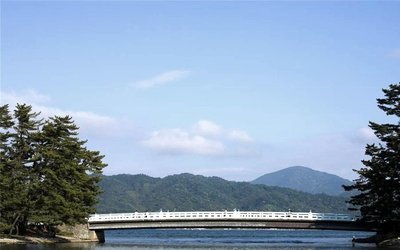
Monjusou Shourotei
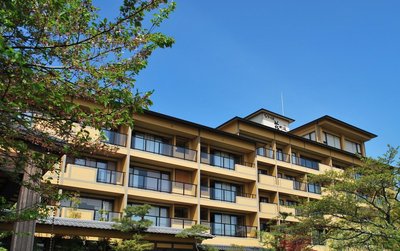
BIWAKO HANAKAIDO
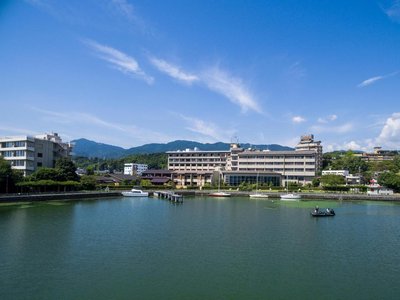
Biwako Ryokusuitei
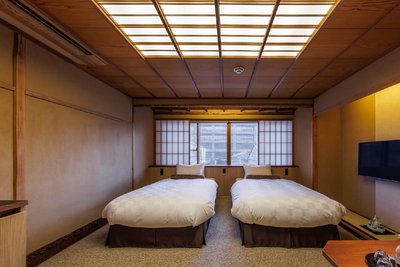
Kyoto Ryokan Sakanoue
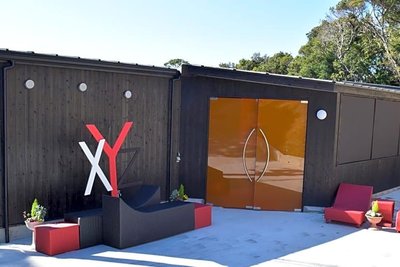
XYZ Private Spa and Seaside Resort
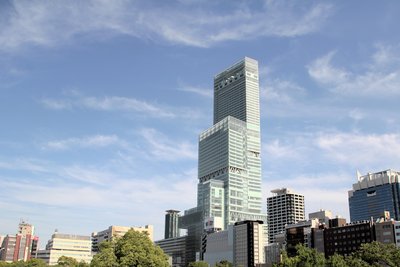
Osaka Marriott Miyako Hotel
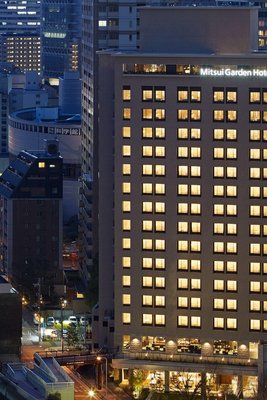
Mitsui Garden Hotel Osaka Premier
BIWAKO HANAKAIDO
Biwako Ryokusuitei
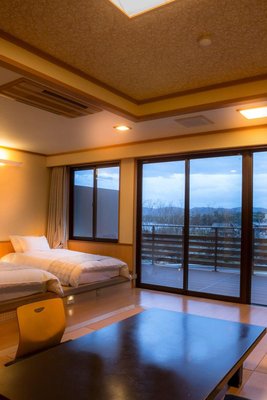
Hotel Kitanoya
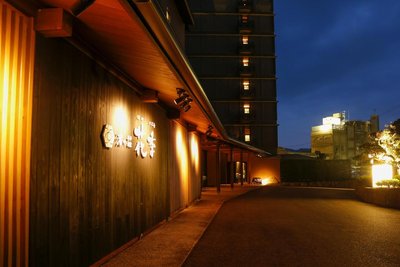
Hanagoyomi
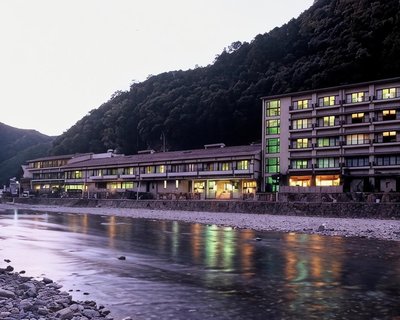
Kawayu Onsen Fujiya
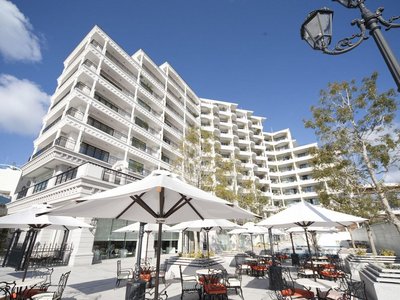
Hotel La Suite Kobe Harborland

AoAwo Naruto Resort
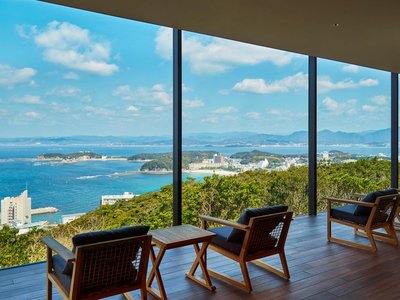
Infinito Hotel and Spa
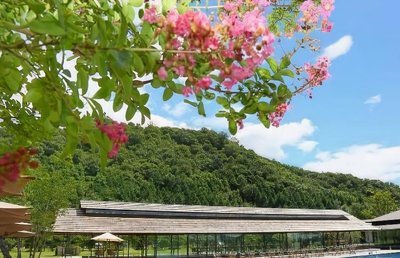
Bella Vista Spa and Marina Onomichi
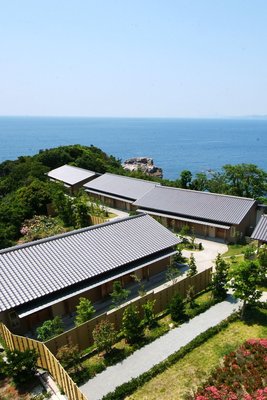
Hamachidorinoyu Kaisyu
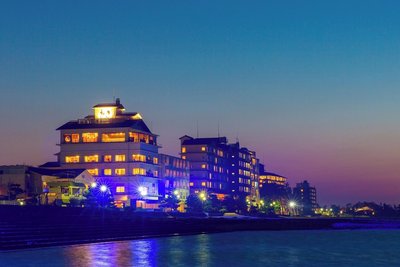
Kaike Shogetsu
The Ritz-Carlton, Kyoto
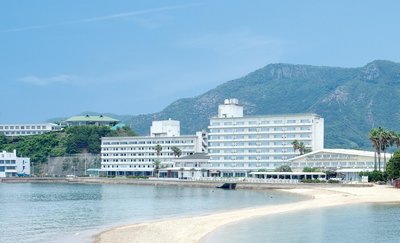
Shodoshima International Hotel
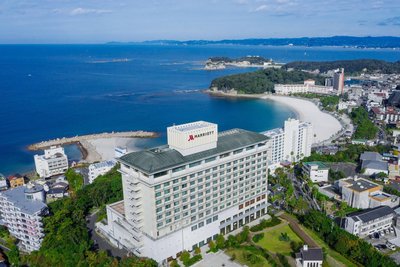
Nanki-Shirahama Marriott Hotel
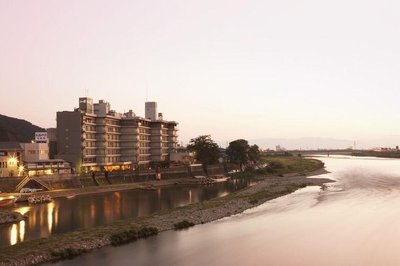
Juhachiro
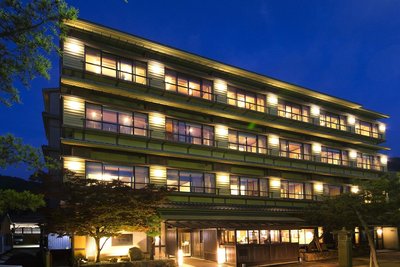
Kinsuikan
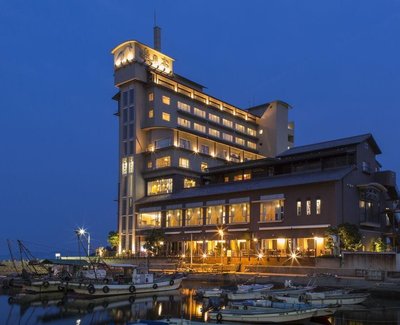
Hotel Ofutei
Yado Kiramachi
Arimasansoh Goshobessho
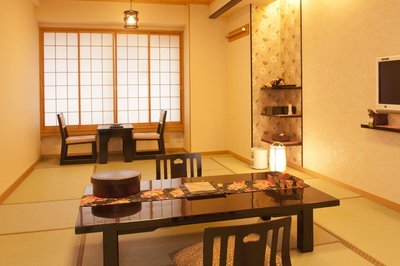
Matsui-Bekkan Hanakanzashi
Hoshino Resorts KAI Tamatsukuri
Taikyourou
Monjusou Shourotei
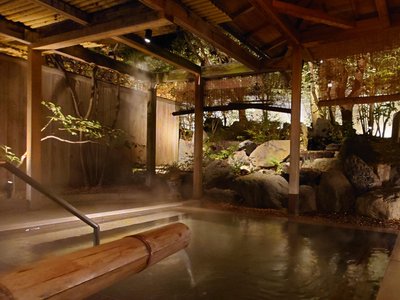
Kasuga Hotel
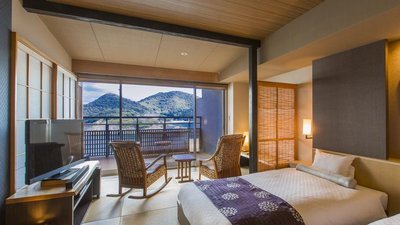
Migiwatei Ochi Kochi
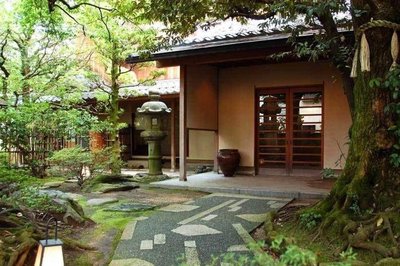
Kocho
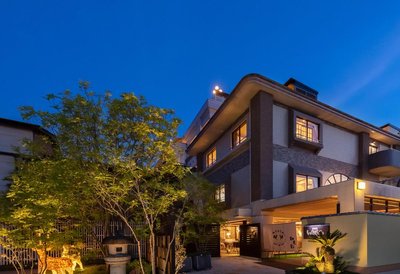
Hotel New Wakasa
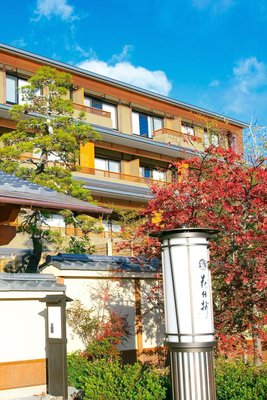
Kyoto Arashiyama Onsen Kadensho (Kyoritsu Resort)
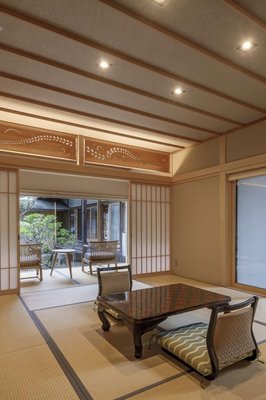
Ichijoin
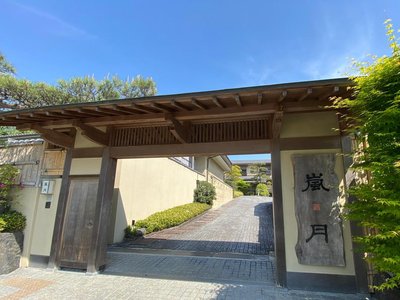
Rangetsu
The Ritz-Carlton, Kyoto
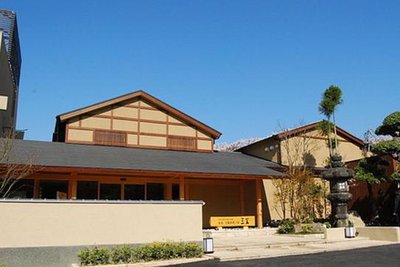
Mikasa
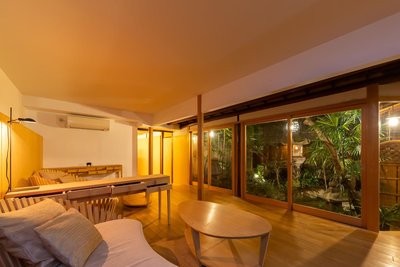
Izuyasu Traditional Kyoto Inn Serving Kyoto Cuisine
HOSHINOYA Kyoto
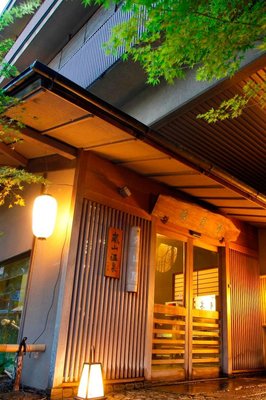
Togetsutei
Juhachiro
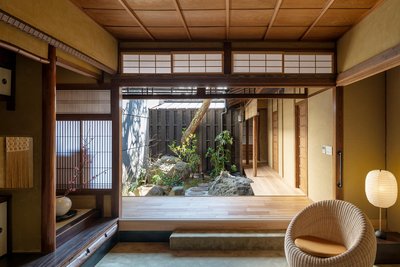
Nazuna Kyoto Gosho
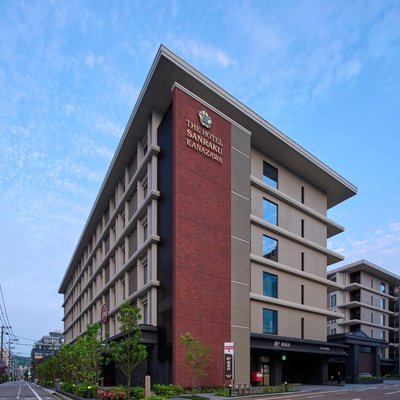
The Hotel Sanraku Kanazawa 21th December 2022 Open
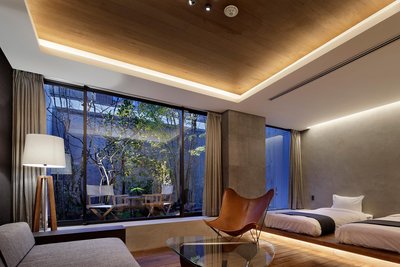
22 PIECES
The Ritz-Carlton, Osaka
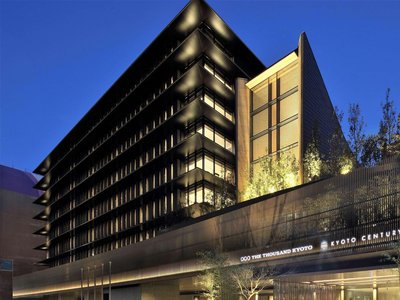
The Thousand Kyoto
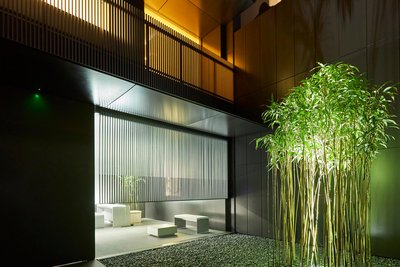
Mogana
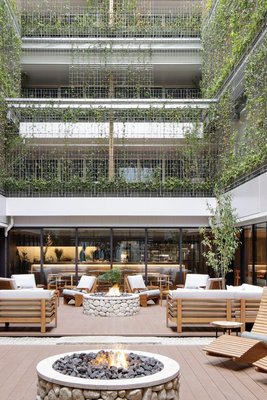
GOOD NATURE HOTEL KYOTO
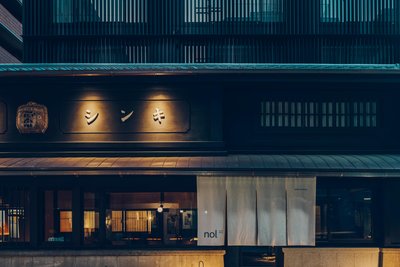
Nol Kyoto Sanjo
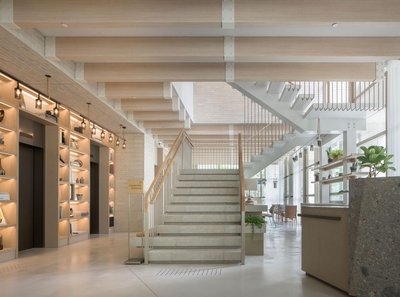
Zentis Osaka
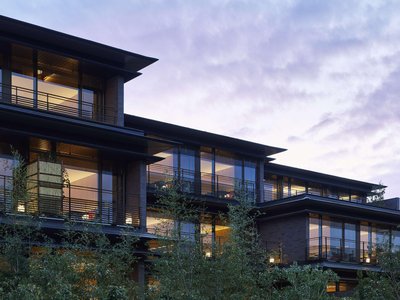
Garrya Nijo Castle Kyoto
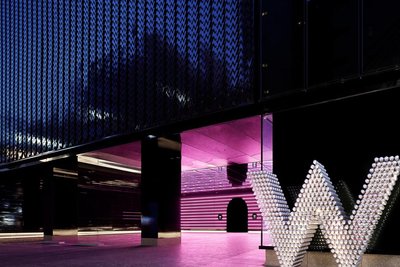
W Osaka
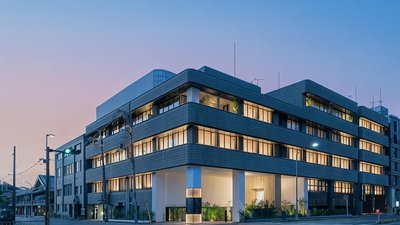
Hotel Kanra Kyoto
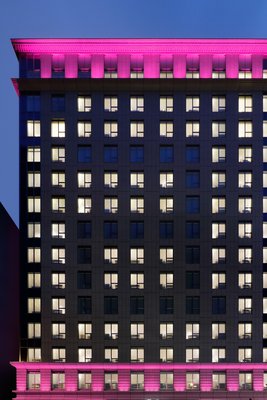
Aloft Osaka Dojima
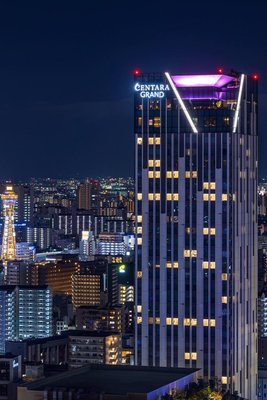
Centara Grand Hotel Osaka
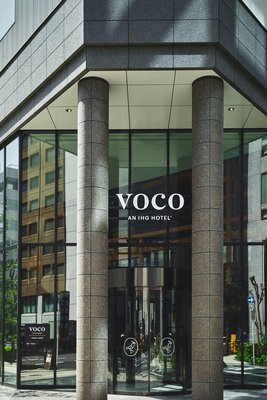
voco Osaka Central
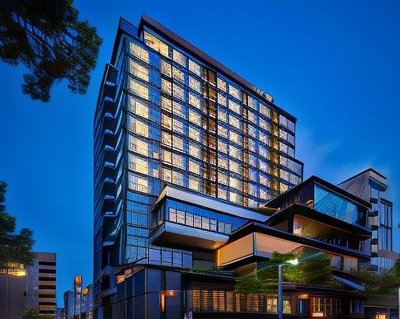
TIAD, AUTOGRAPH COLLECTION
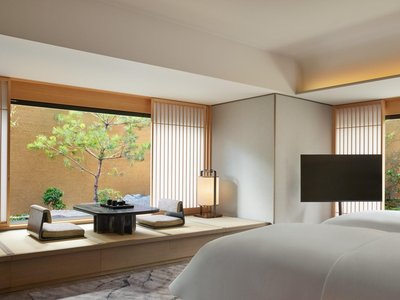
Dusit Thani Kyoto
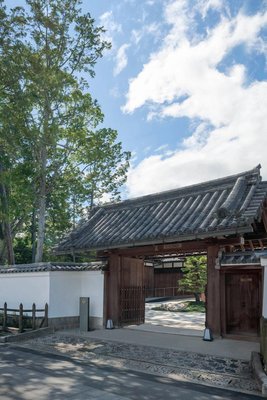
Shisui, a Luxury Collection Hotel, Nara
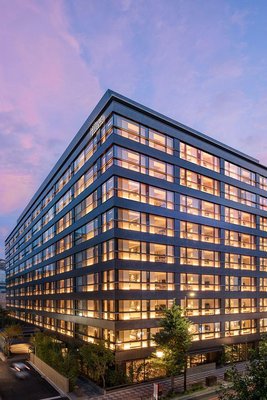
Hilton Kyoto
Osaka Marriott Miyako Hotel
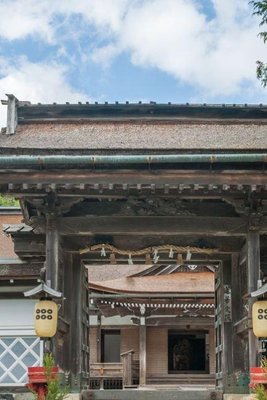
Koyasan Rengejoin
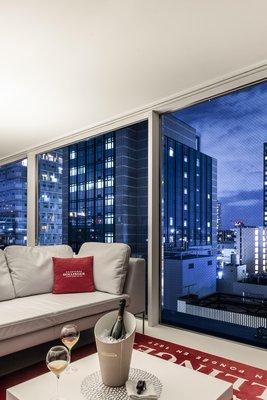
CUVÉE J2 HOTEL OSAKA by Onko Chishin
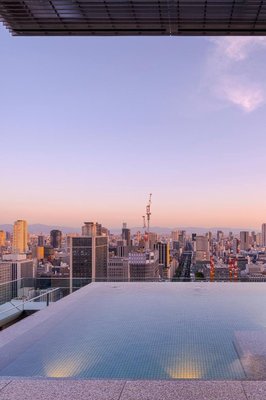
Candeo Hotels Osaka The Tower
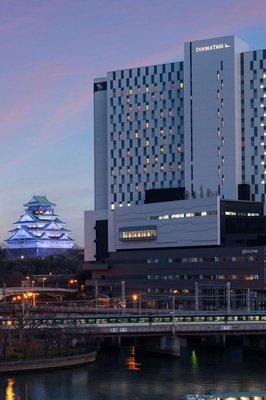
DoubleTree by Hilton Osaka Castle
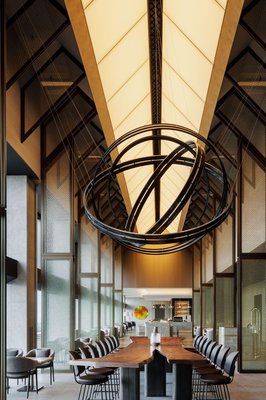
The Osaka Station Hotel, Autograph Collection
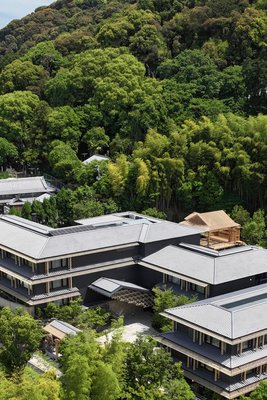
Banyan Tree Higashiyama Kyoto
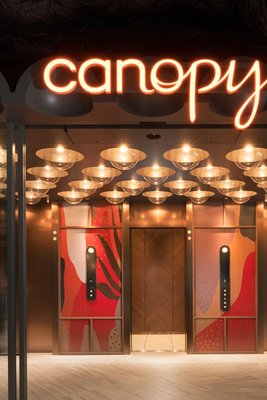
Canopy by Hilton Osaka Umeda
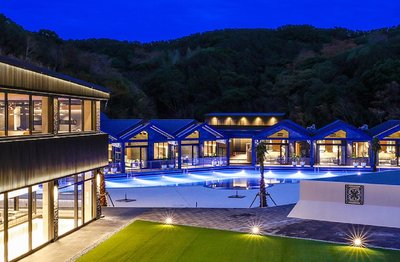
FIVE SPRING RESORT THE SHIRAHAMA
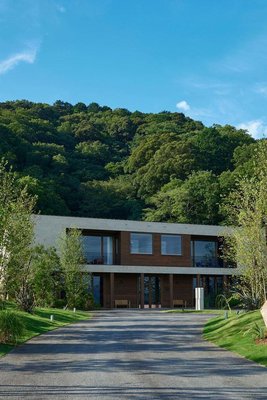
HACIENDA VISON
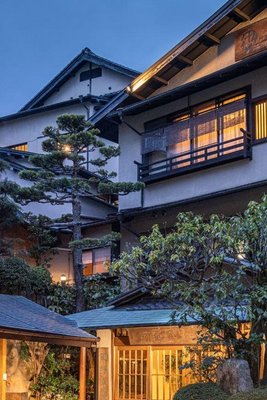
Arima Onsen Tocen Goshobo
Hotel La Suite Kobe Harborland
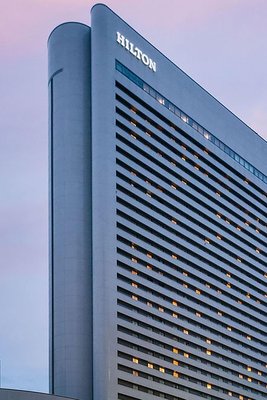
Hilton Osaka Hotel
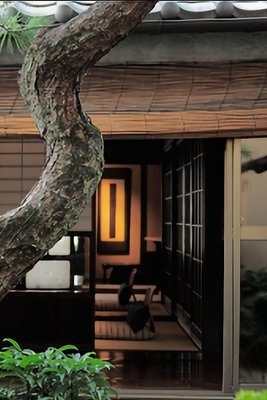
Shimayado Mari
Osaka Marriott Miyako Hotel
The Ritz-Carlton, Osaka
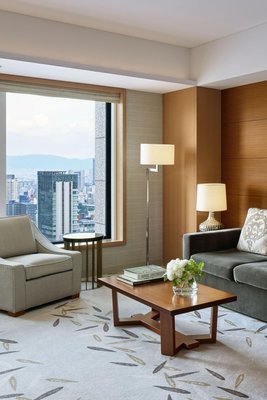
InterContinental Hotel Osaka
The Ritz-Carlton, Kyoto
Suiran, a Luxury Collection Hotel, Kyoto
GOOD NATURE HOTEL KYOTO
Park Hyatt Kyoto
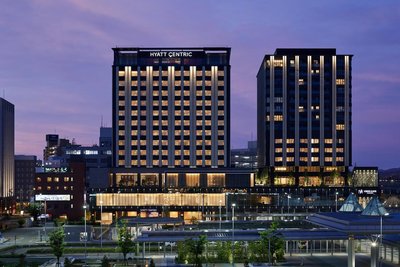
Hyatt Centric Kanazawa
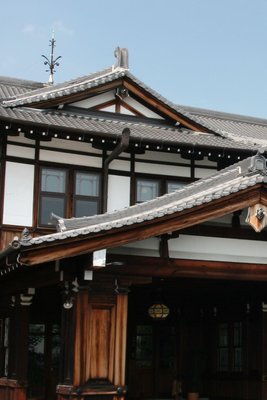
Nara Hotel
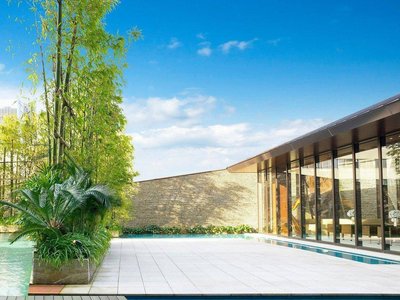
ORIENTAL HOTEL
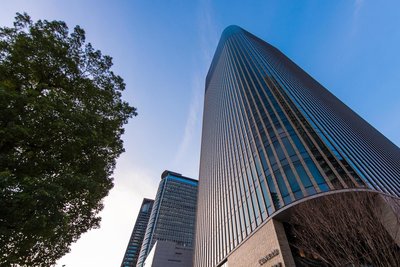
Conrad Osaka
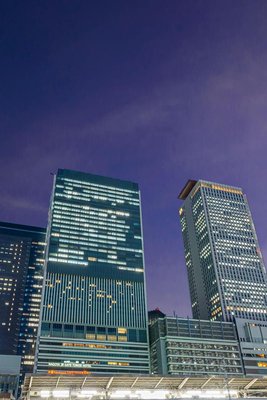
Nagoya JR Gate Tower Hotel (JR-Central Hotels)
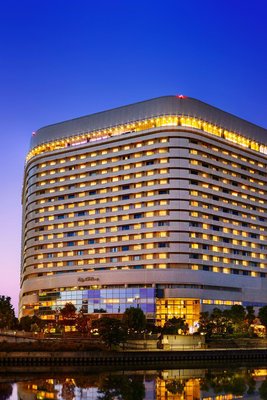
Hotel New Otani Osaka
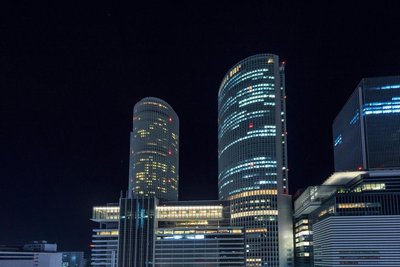
Nagoya Marriott Associa Hotel
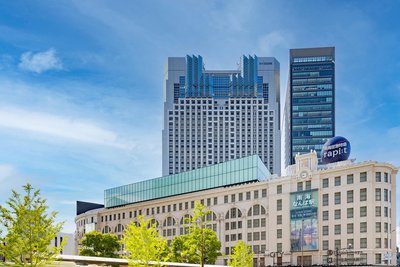
Swissotel Nankai Osaka
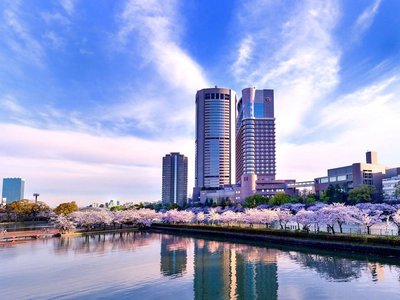
Imperial Hotel Osaka
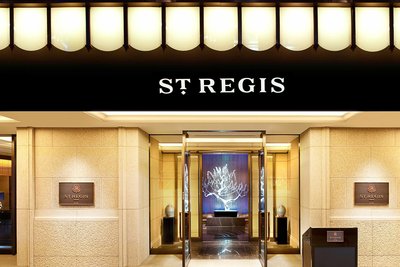
The St. Regis Osaka
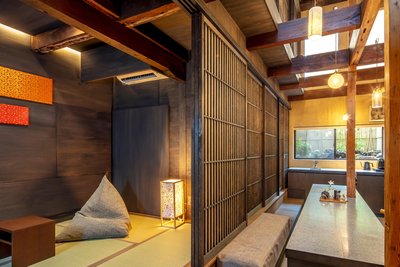
Kyo No Oozora Kihana
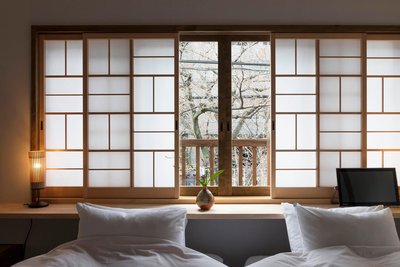
Hanagoromo Machiya House
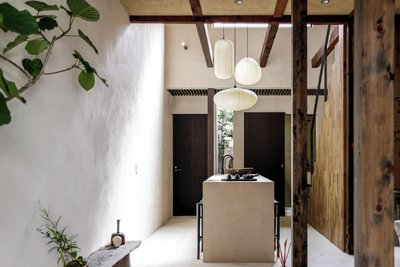
Maana Kiyomizu
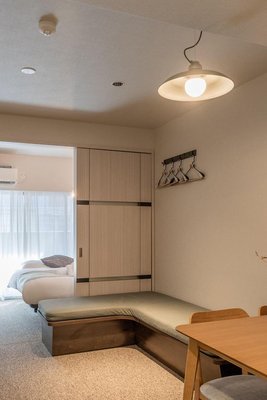
Apartment Hotel 11 Shinsaibashi
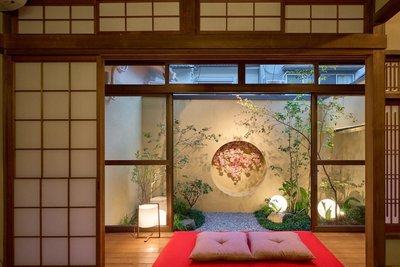
KONJAKUSO Osaka Tengachaya "NIHONCHA" Tea & Relax
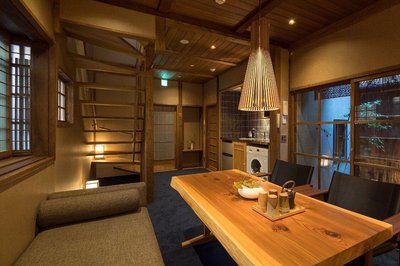
Bonbori an Machiya House
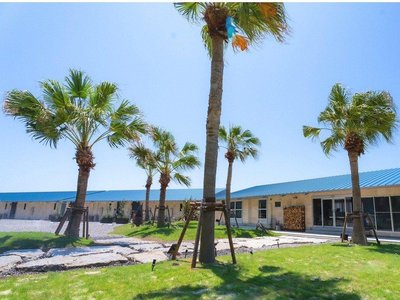
Glamping&Resort Wood Design Park Noma
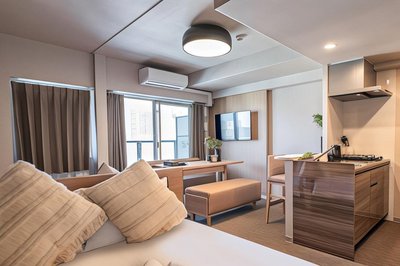
Apartment Hotel 11 Shinsaibashi III
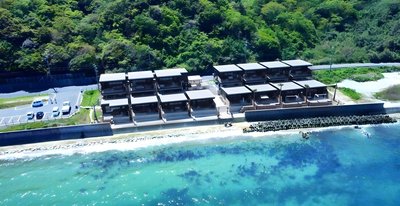
Solavilla Umi Terrace Minamiawaji
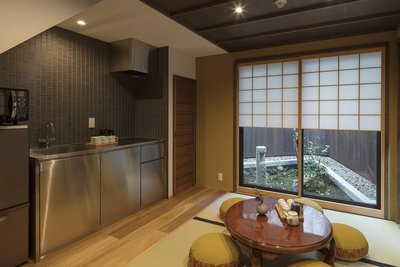
The Machiya Villa Sanjo Shirakawa Koji
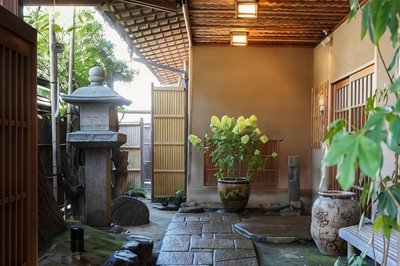
Ryokan Asadaya
Konjaku-So Dotonbori
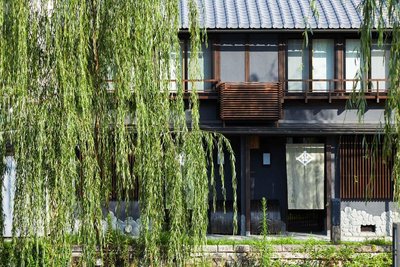
Gion Shirakawa No Yado

Kitashirakawa Natural Radium Onsen
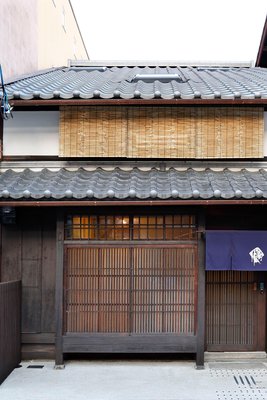
Kyo No Ondokoro Kamanza Nijo #2
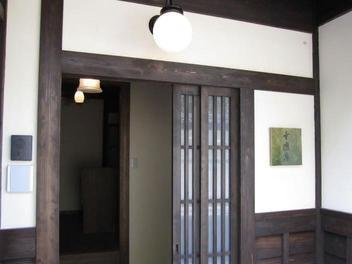
Gion Koyu an Machiya House
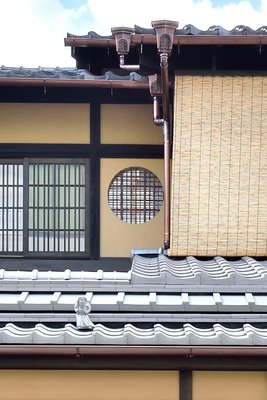
Kyo No Ondokoro Gokomachi Ebisugawa #3
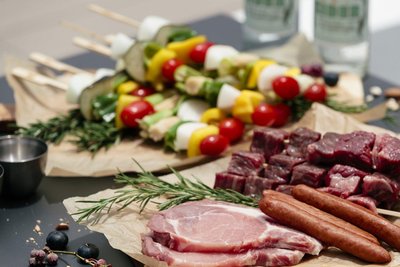
Sana Mane - Glamp Domes
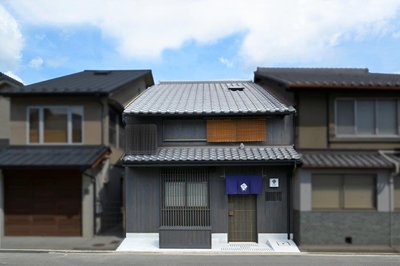
Kyo No Ondokoro Goshonishi #6
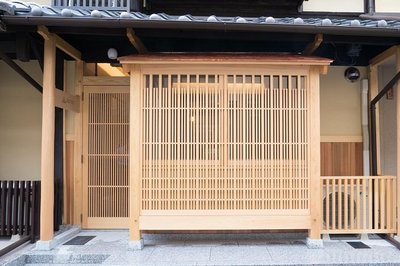
Kyomachiya Suite Rikyu

Hotel Barrière Fouquet's New York
Waldorf Astoria Osaka
Kamo Residences by Reflections
Six Senses Kyoto
Four Seasons Hotel Osaka
Patina Osaka
The Ritz-Carlton, Osaka
Arimasansoh Goshobessho
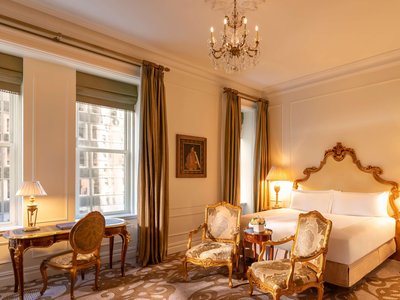
The Plaza - A Fairmont Managed Hotel
The Ritz-Carlton, Kyoto
HOSHINOYA Kyoto
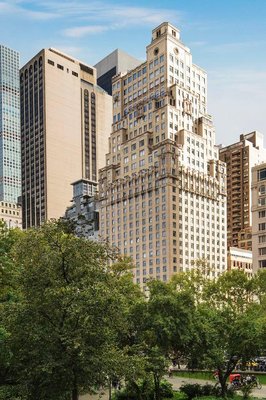
The Ritz-Carlton New York, Central Park
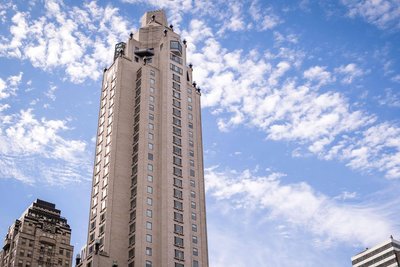
Four Seasons Hotel New York
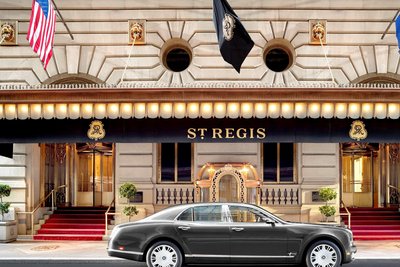
The St. Regis New York
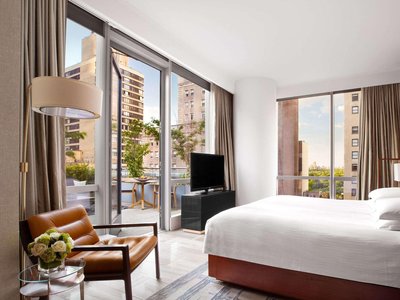
Park Hyatt New York
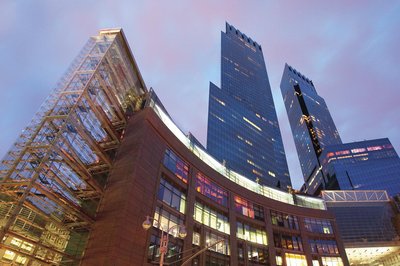
Mandarin Oriental New York
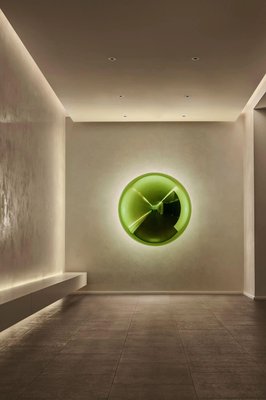
Times Square Edition New York
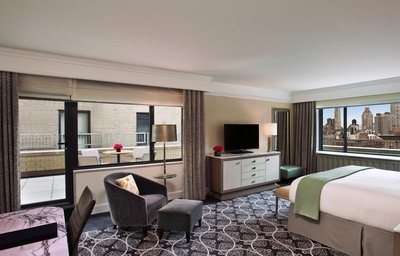
Loews Regency New York Hotel
Suiran, a Luxury Collection Hotel, Kyoto
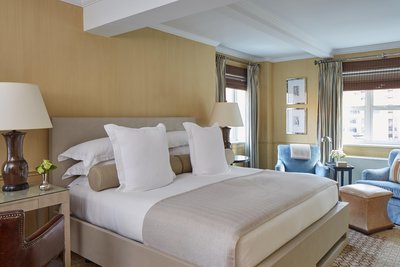
Lowell Hotel
Frequently Asked Questions about Traveling to Kotoura
Questions You Might Need to Know About Traveling to Kotoura
In Kotoura Town, the top family-friendly hotel is Kotoura Ryokan - Sea Breeze Cottage, a traditional Japanese-style guesthouse transformed from a coastal farmhouse. It offers spacious family rooms with ocean views, private balconies, and child-friendly amenities like a kitchenette for meals and an outdoor play area surrounded by native flora. Located just a 5-minute walk from Kotoura Beach Park, it’s ideal for families seeking quiet seaside relaxation.
The staff organizes hands-on experiences such as local seafood cooking workshops using fresh catch from the morning fish market, allowing kids to learn about Tottori’s coastal fishing culture. The inn also provides complimentary bicycles for exploring nearby villages and nature trails. HopeGoo ahead is highly recommended, especially during summer months when demand peaks.
The best area for accommodation in Kotoura Town is the Kotoura Port District, situated right beside the harbor and facing the Japan Sea. This vibrant yet peaceful zone offers easy access to key attractions including Kotoura Coastal Trail, Kotoura Town Museum, and scenic walking paths along the shore.
Stay at Kotoura Port Inn, a boutique-style inn with sea-facing rooms that provide panoramic views of the waves and sunrise. The neighborhood is safe, quiet, and perfect for couples or solo travelers who value tranquility. Additionally, free bicycle rentals are available near the port, enabling guests to explore rural lanes, hidden coves, and forested hillsides at their own pace—ideal for experiencing authentic Tottori Prefecture countryside life.
Must-try cultural experiences in Kotoura Town include attending the Yakata Fire Festival, held annually in summer at Kotoura Port. Locals light handmade lanterns and float them into the sea as prayers for safety and abundant harvests—a breathtaking sight illuminated by flickering flames against the dark water.
Guests can wear kimono for the ceremony and enjoy local delicacies like uni rice balls and seaweed tea. Another highlight is visiting the Kotoura Town Museum, which houses rare Jōmon period pottery and ancient fishing tools unearthed from the region, offering deep insights into the town’s role as a historic maritime trading hub. Guided tours are available upon request, led by knowledgeable local historians.
The most recommended trail in Kotoura Town is the Kotoura Coast Trail, a scenic 6-kilometer path winding through mangrove swamps, basalt cliffs, and ancient pine forests, with sweeping views of the Daisen Mountain Range. Key viewpoints include Umi-no-Oto Terrace, where the roar of waves crashing against rocks creates a powerful natural symphony.
The hike takes about 2.5 hours and features rest stops with water fountains and shaded benches. Ideal for early morning visits to avoid midday heat, the trail is also rich in wildlife—look out for seabirds and wading birds like the Japanese plover. For extended exploration, continue to Nishiura Beach, a secluded stretch of untouched sand perfect for photography and quiet reflection.
In Kotoura Town, must-try seafood dishes include Tottori Uni (sea urchin) and Kotoura-style mackerel sushi. The uni is famously sweet and creamy, often served in a bowl of rice or raw with a touch of soy sauce—best enjoyed fresh from the Kotoura Fish Market.
The mackerel sushi uses locally caught mackerel cured in salt and aged slowly, resulting in a rich, umami-packed flavor. Pair it with plum sauce for balance. Many ryokans offer family-style seafood dinners, featuring dishes like grilled eel rolls and kelp stew with tofu, showcasing the region’s deep connection to the sea. Don’t miss the chance to taste these seasonal treasures at their source.
While Kotoura Town itself lacks hot springs, nearby Oyama Onsen in central Tottori Prefecture offers excellent options. Stay at Oyama Sairan Ryokan, a traditional ryokan with private open-air baths (rotenburo) overlooking lush forest and mountain views. The mineral-rich waters originate over 300 meters underground, known for improving skin health and easing muscle fatigue.
Each day includes a kaiseki dinner made with seasonal ingredients, such as Kotoura uni and wild mountain vegetables. For those preferring to stay closer to Kotoura, Kotoura Shioin Kan offers heated stone therapy and ocean breeze massage services, blending wellness with natural healing elements—perfect for a rejuvenating retreat.
Romantic spots in Kotoura Town include the Kotoura Port Lighthouse at sunset, where golden light reflects on the calm sea, creating a dreamy backdrop for photos or quiet moments together. The Umi-no-Oto Terrace offers a cliffside vantage point with dramatic wave sounds, perfect for intimate conversations.
Stay at Kotoura Ryokan - Sea Breeze Cottage, which features private balcony suites with small outdoor tubs and starlit sky windows. The inn arranges custom candlelit dinners with local uni wine and homemade fruit preserves, enhancing the sense of seclusion and romance. A full-day itinerary could include a morning visit to Kotoura Beach Park, an afternoon boat tour (seasonal whale watching), and a final evening shared under the stars—creating unforgettable memories.
The easiest way to reach Kotoura Town is by taking a JR West train to Matsue Station, then transferring to a Matsue Bus (approx. 30 minutes) directly to Kotoura. For drivers, take the Chūgoku Expressway, exit at Matsue Interchange, and follow National Route 9 for about 15 minutes.
Once in town, use the community bus service, which covers major sites like Kotoura Port, Coastal Trail entrance, and the Museum—free with a guest pass from your accommodation. Bike rentals are also available throughout the town, offering eco-friendly access to quiet villages and forest trails. Detailed maps and safety tips are provided at local info centers.
Top seasonal events in Kotoura Town include the Spring Cherry Blossom Festival (Sakura Matsuri) and the Autumn Uni Harvest Festival.
During spring, cherry blossoms line the harbor, forming a pink tunnel lit by lanterns at night—perfect for hanami (flower viewing) picnics and night markets selling uni bento, cherry blossom mochi, and handmade crafts. In autumn, the Uni Harvest Festival celebrates the sea urchin season with tasting booths, live music, and workshops on how to select and prepare the freshest uni.
Winter brings the Sea Wind Lantern Festival, where locals hang handmade paper lanterns along the coast, casting soft glows across the water. These events not only highlight the town’s natural beauty but also strengthen community bonds, making them ideal for immersive cultural experiences.
Top photo spots in Kotoura Town include:
- Kotoura Port Lighthouse: Its white tower against the blue sea makes a striking silhouette, especially during golden hour.
- Umi-no-Oto Terrace: The cliff-edge platform captures dynamic wave action with dramatic lighting.
- Red Wooden Boardwalk at the End of the Coastal Trail: Connecting land to rock formations, this spot offers a wide-angle view of sea and sky.
- Kotoura Town Museum’s Stone Sculpture Garden: Depicting ancient fishermen, it blends history and art with natural textures.
- Sea Breeze Cottage’s Rooftop Garden: Covered in moss and wildflowers, it looks like a fairy tale scene under the open sky.
Visit early morning or late afternoon for soft, even lighting. Bring a wide-angle lens and tripod for long exposures. Wear non-slip shoes—some areas have uneven terrain and steep edges. Always respect safety signs and keep personal belongings secure.
Kotoura Overview
City Summary
Kotoura-cho, located in eastern Tottori Prefecture, is a coastal town renowned for its natural beauty and historical heritage. With expansive sandy beaches, traditional fishing culture, and the scenic Daisen-Oki National Park, it preserves Edo-period post town architecture while attracting gourmands with fresh seafood like snow crab.
Must-See Attractions
Higashihama Beach offers pristine white sands and crystal-clear waters for summer retreats. The dramatic rock formations of Uradome Coast, often called "Matsushima of San'in", are best explored via sightseeing boats. History buffs will adore the well-preserved merchant houses in Akasaki-shuku, while Daisenji Temple showcases Japanese mountain worship traditions.
Food Guide
As a seafood haven, winter snow crab (zuwaigani) is a must-try for its sweet, firm meat. Local specialty mackerel sushi (sabazushi) pairs vinegared mackerel with seasoned rice. Don't miss the oyster claypot rice at port-side eateries, featuring fresh Seto Inland Sea oysters.
Transportation Guide
Take JR San'in Line from Tottori City (40 mins to Akasaki Station). Limited local buses (5-6 daily) require careful scheduling; rental cars are ideal for coastal attractions via Route 9. Taxis to Uradome Coast cost ~¥3000 one way.
Best Time to Visit
Visit May-October for beach activities and mild weather. Seafood lovers should target September-November. Winter (Dec-Feb) brings fewer crowds and crab feasts despite chilly winds. Avoid Golden Week (late April-May) due to congestion.
Travel Tips
- Fish Market Etiquette: Negotiation is acceptable at morning markets unless marked "fixed price"
- Onsen Protocol: Rinse thoroughly before entering seaside hot springs
- Transport HopeGoo: Request hotels to arrange taxis for remote sites
- Wind Preparedness: Coastal winds are strong; pack windproof jackets
- Waste Management: Carry trash bags as public bins are scarce
- Dialect Awareness: Elderly locals may speak Izumo dialect - smiles bridge language gaps
Useful Information
Language: Japanese predominant; basic English pamphlets at tourist centers. Payment: Credit cards accepted at convenience stores and large restaurants; cash preferred elsewhere. Internet: Free Wi-Fi at JR stations/hotels; prepaid SIM cards recommended. Emergencies: Police station near Akasaki Station; dial #9110 for English assistance. Sockets: Type A (100V); no adapter needed. Pharmacies: Concentrated in Akasaki shopping street (open till 8PM).