Hotels in Kouge
Discover your perfect stay in Kouge.
Kouge(Japan) Travel 2026: Cheap Flights, Hotels & Top Attractions
Popular Landmarks in Kouge
Discover the most iconic attractions in Kouge
Recommended Hotels in Kouge
Find the perfect place to stay in Kouge
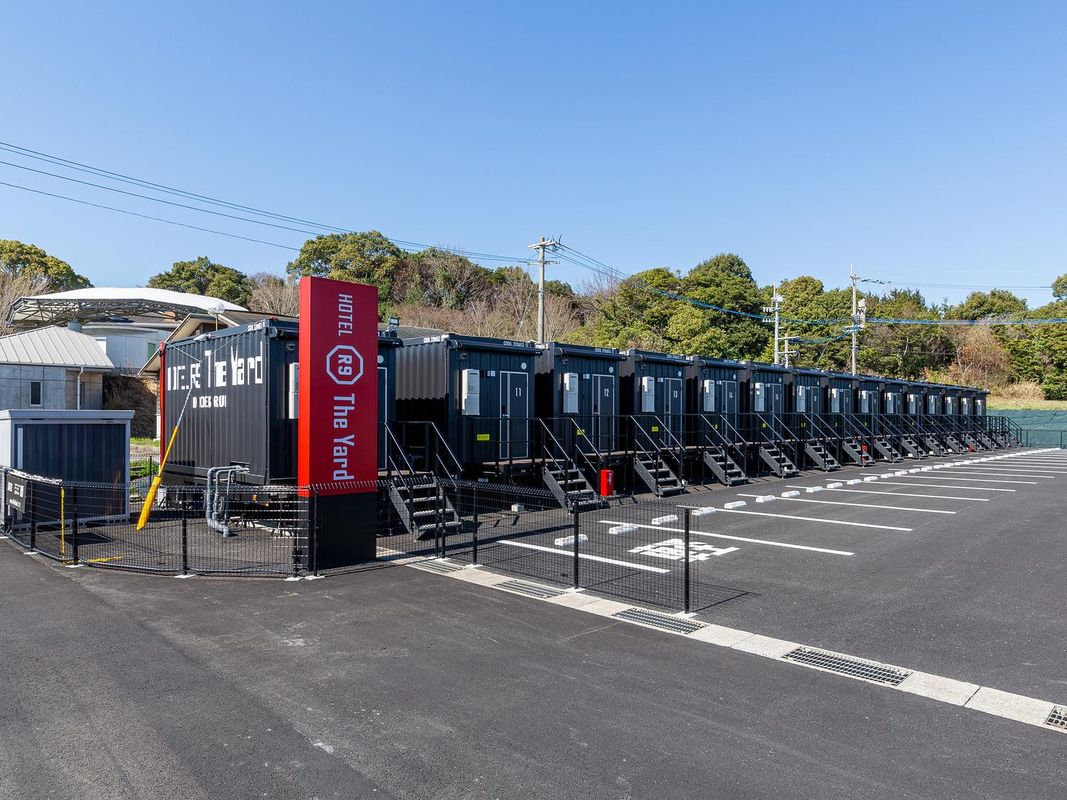
Hotel R9 the Yard Koge
Best Hotels in Kouge
Discover curated hotel collections in Kouge
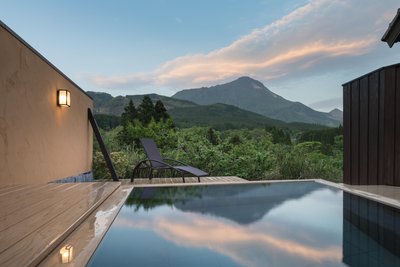
Ikkoten
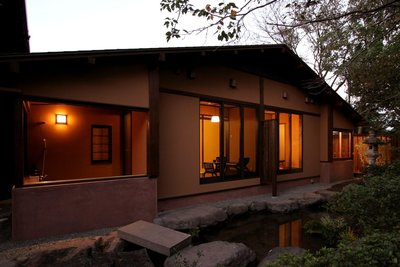
SEKIYA RESORT Bettei Haruki
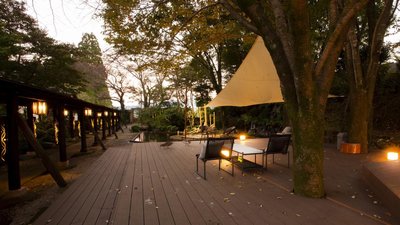
Chikurakutei

The Royal Park Canvas Fukuoka Nakasu

Izumo Hotel the Cliff
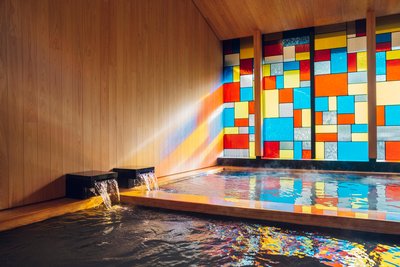
Hoshino Resorts Kai Unzen

Alfacio Resort Stay Itoshima

Ureshino Yadoya

seven x seven itoshima
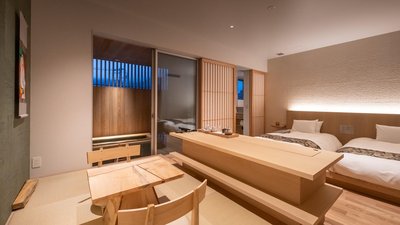
Japanese Auberge Kararako
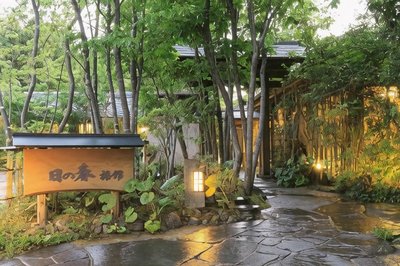
Yufuin Onsen Hinoharu Ryokan
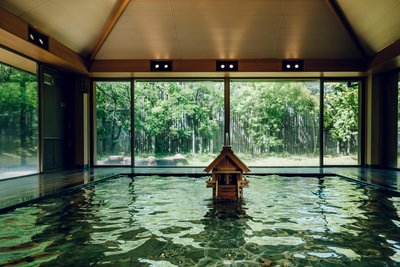
Hoshino Resorts KAI Tamatsukuri
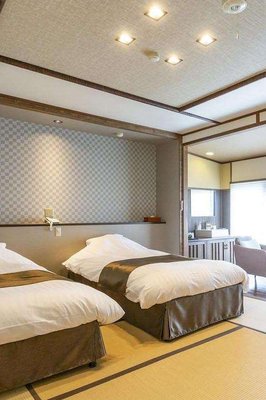
Sozankyo
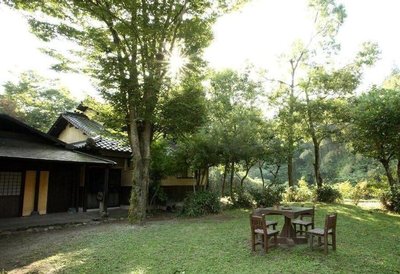
Yamashinobu
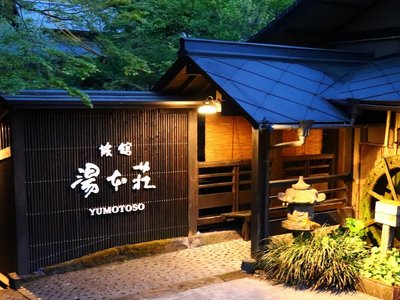
Ryokan Yumotosou
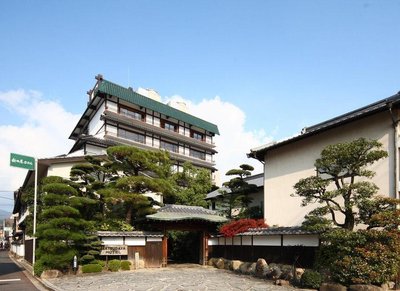
Matsudaya Hotel
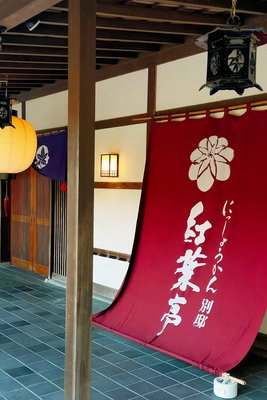
Nisshokan Bettei Koyotei
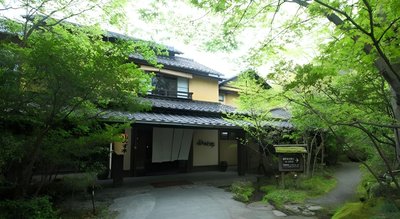
Kurokawaonsen Yamamizuki
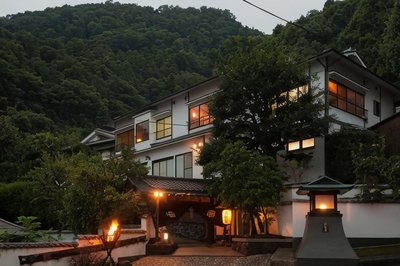
Beppu Showaen
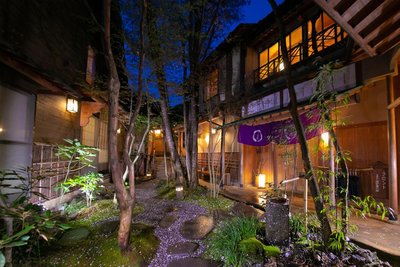
Oyado Ichizen

Garden Terrace Nagasaki Hotel & Resort

Holiday Inn Resort Miyazaki
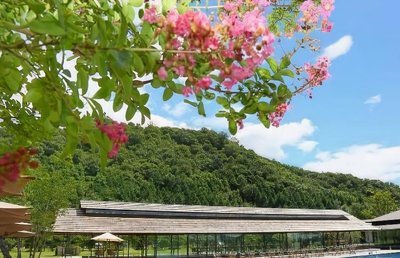
Bella Vista Spa and Marina Onomichi

Yufuin Kotobuki Hananosho

Karatsu Seaside Hotel
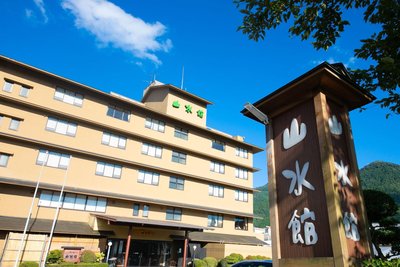
Yufuin Sansuikan

Kaike Shogetsu
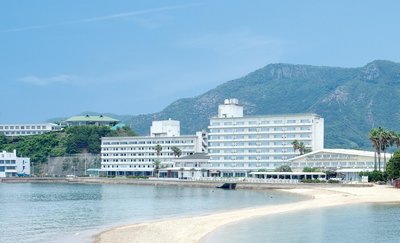
Shodoshima International Hotel

Kinsuikan

Hotel Ofutei
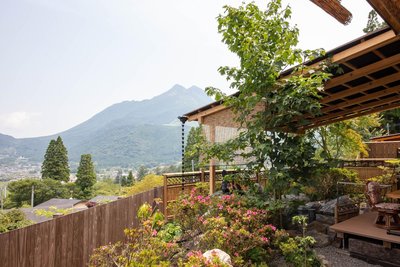
Yufuin-Sanso Waremokou
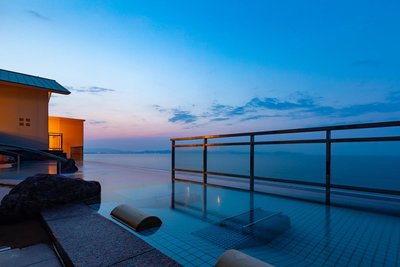
Kaike Yugetsu

Ana InterContinental Beppu Resort & Spa
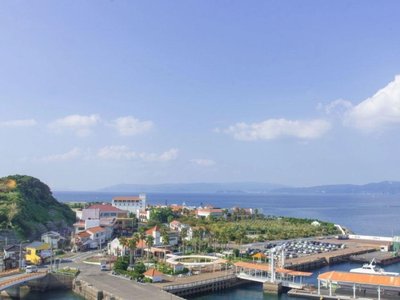
I+Land Nagasaki

The OneFive Villa Fukuoka

LiVEMAX RESORT MIYAHAMA ONSEN OCEAN
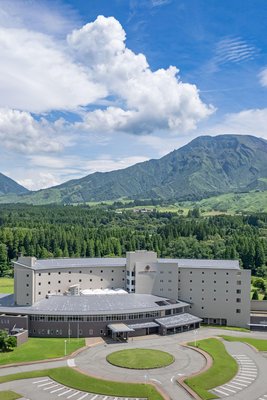
KAMENOI HOTEL ASO

Amane Resort Gahama

SEKIYA RESORT GALLERIA MIDOBARU

Beppu Suginoi Hotel
Hoshino Resorts KAI Tamatsukuri

Migiwatei Ochi Kochi
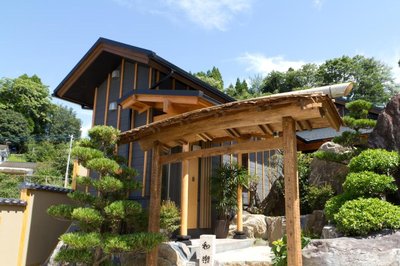
Ryokan Shinsen

Ryotei Matsuya Honkan Suizenji
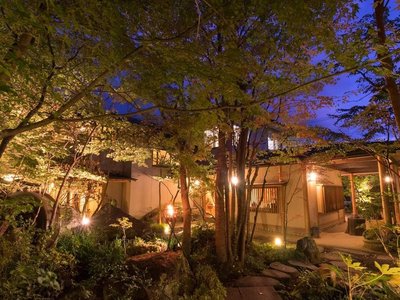
Ryoso Yufuin Yamadaya
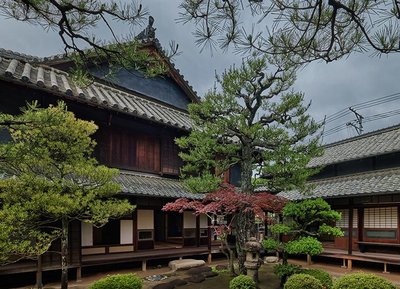
NIPPONIA HOTEL Takehara Saltworks Town
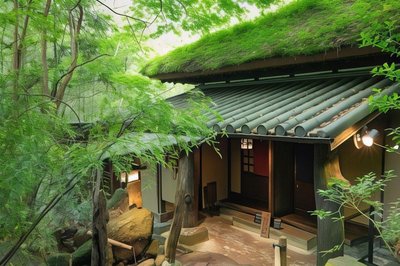
Sanso Tensui
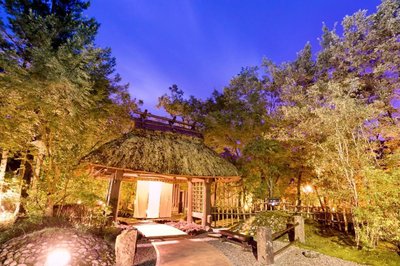
Satonoyu Waraku
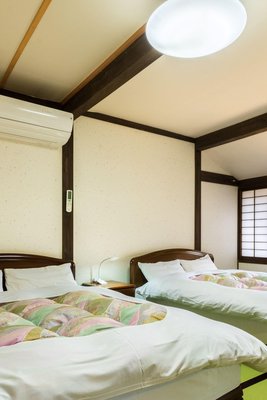
Tobise Onsen Tenga Sanso
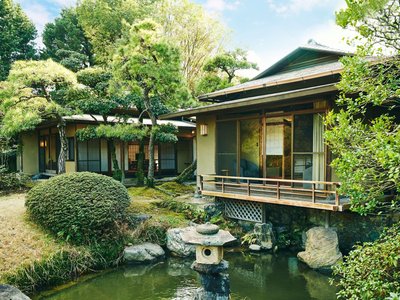
Suisui Garden Ryokan (in the Art Hotel Kokura New Tagawa)
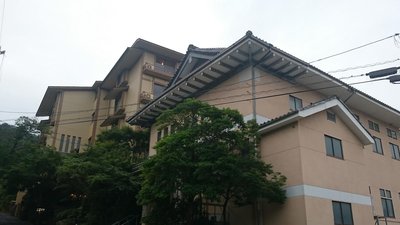
Miyajima Hotel Makoto
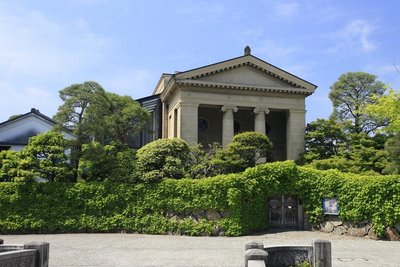
Ryori Ryokan Tsurugata
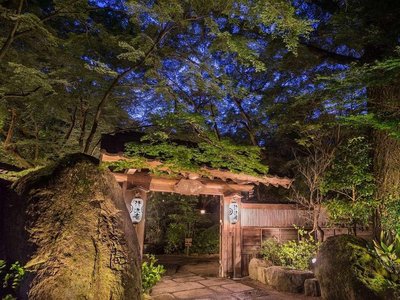
Akizuki Spa Ryokan Seiryuan
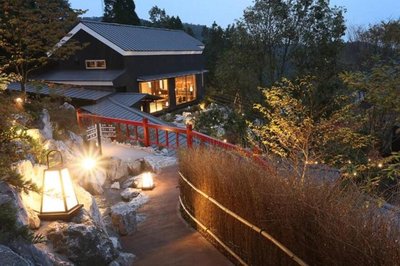
Gekkoju Kurokawa
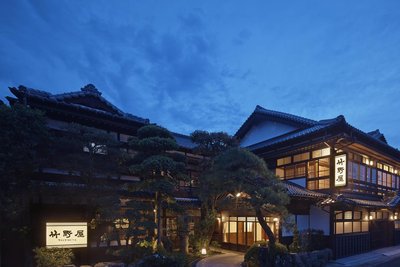
Takenoya

Sheraton Kagoshima
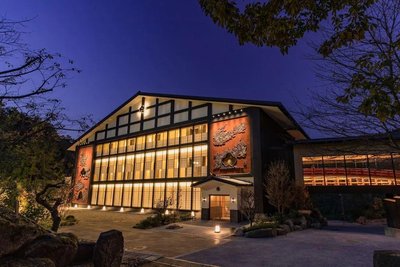
Okuhita Onsen Umehibiki

Nagasaki Marriott Hotel

Hotel Indigo Nagasaki Glover Street by IHG

Stadium City Hotel Nagasaki

ONE FUKUOKA HOTEL
Ryokan Shinsen
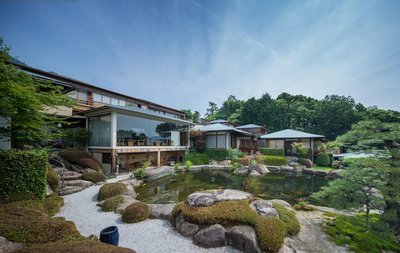
SEKITEI

Yamatoya Besso

Hilton Fukuoka Sea Hawk

Olive Bay Hotel
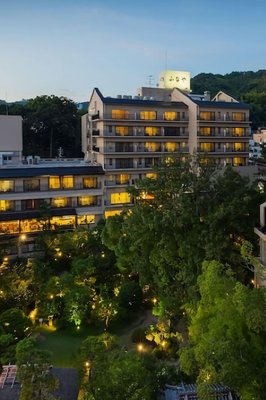
Funaya

Hotel Okura Jr Huis Ten Bosch

Bettei Oborozukiyo

La Vista Kirishima Hills

Hotel Amsterdam Huis Ten Bosch

Yumotoankiyohime
Ana InterContinental Beppu Resort & Spa

TheMana Village
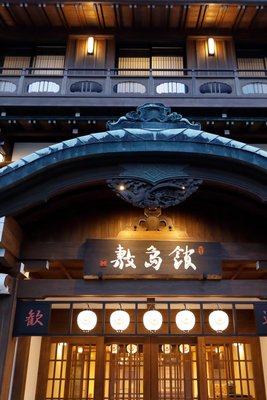
Onyado Shikishima-Kan
Frequently Asked Questions about Traveling to Kouge
Questions You Might Need to Know About Traveling to Kouge
In Ukomachi, the most acclaimed ryokan is Oono Onsen Yakan, nestled in a secluded valley with natural sulfur-rich hot springs. Its private outdoor baths overlook the Ukomachi River Gorge, offering panoramic views of autumn foliage and winter snowscapes. Each room features tatami mats, sliding shoji screens, and access to a seasonal kaiseki dinner using local ingredients like wild mountain vegetables and river fish. The onsen’s therapeutic waters are renowned for skin health and relaxation.
The Old Town District in Ukomachi is the heart of cultural immersion. Wander through preserved Meiji-era wooden houses, visit the Ukomachi Weaving Museum, and participate in hands-on workshops led by master artisans. Don’t miss the Yukari Tea Ceremony House, where visitors learn traditional tea preparation while enjoying views of cherry blossoms in spring. This district also hosts monthly folk craft markets, showcasing handmade pottery, bamboo crafts, and regional textiles.
Yes, Kodama Family Stay is a highly recommended family-friendly lodging in Ukomachi. Located near the Ukomachi Forest Zoo, it offers spacious rooms with bunk beds, a fenced garden, and a kids’ activity corner. Families can join guided rice planting sessions, stream fishing tours, and nighttime storytelling under the stars. The staff provides multilingual support and organizes themed days like "Forest Explorer" or "Farm Life," making it ideal for intergenerational travel.
Experience local cuisine at Kawa-ya Dining House, a family-run inn serving wild boar miso stew, river trout sushi, and mountain vegetable tempura made from ingredients harvested that morning. Many guesthouses offer dinner cooking classes, teaching guests how to prepare Ukomachi-style soba noodles using stone-ground flour. Evening highlights include bonfire gatherings with home-brewed plum wine and traditional folk songs, deepening your connection to the region’s culinary heritage.
For breathtaking night views, head to Takamatsu Hill Observatory, located atop a hill overlooking the entire Ukomachi Valley. From here, you’ll see the twinkling lights of the town, glowing lanterns along the Ukomachi River, and steam rising from the onsen areas. Some luxury lodges, like Hoshizora Guesthouse, provide private rooftop terraces with heated seating and complimentary sake, perfect for romantic evenings or solo stargazing.
Start your day with a sunrise visit to Ukomachi Shrine, followed by a walk through the Historic Wooden District. Stop by the Bamboo Craft Studio for a hands-on weaving lesson, then enjoy lunch at Sakura Soba, known for its fresh, hand-pulled noodles. In the afternoon, attend a tea ceremony workshop at Yukari House, then explore the Ancient Path Trail with a local guide. End the day with a soak at Oono Onsen, followed by a bonfire dinner with live folk music.
Ukomachi hosts several vibrant festivals: the July Ukomachi Festival features a grand float parade, taiko drum battles, and a bustling night market. The October Harvest Festival celebrates rice culture with paddy field rituals, mochi pounding demonstrations, and a farmers’ market. During winter, the Snow Lantern Festival transforms the riverbank into a magical corridor of hundreds of handcrafted paper lanterns, illuminated against snowy backdrops.
Green Valley Eco Village is a standout sustainable stay in Ukomachi, built from repurposed farm buildings with solar panels and rainwater harvesting. It offers treehouse suites and forest cabins equipped with compost toilets and organic linens. Guests can join evening owl-watching walks, wetland bird surveys, and native plant identification hikes. The lodge promotes low-impact tourism and donates proceeds to local conservation efforts.
Yes, the Ukomachi Weaving Workshop at the Weavers’ Guild Hall offers immersive sessions in handloom weaving using locally grown hemp and indigo-dyed threads. Visitors learn ancient techniques passed down for generations, creating a small fabric sample to take home. The workshop also includes a cultural talk on textile symbolism in rural Japan, enhancing appreciation for this intangible heritage.
Ukomachi stands out as a hidden gem due to its untouched landscapes, deep-rooted traditions, and minimal tourism impact. Unlike crowded destinations, it offers genuine interactions with locals, access to pristine nature, and authentic experiences—from early-morning shrine visits to seasonal harvest rituals. Its blend of quiet charm, cultural preservation, and sustainable tourism practices makes it ideal for travelers seeking meaningful, off-the-beaten-path journeys.
Kouge Overview
City Summary
Shōmachi is a small town in Fukuoka Prefecture, Japan, known for its serene rural landscapes and hot spring resources. It is an ideal destination to escape the hustle and bustle of the city. The town's historical sites and local handicrafts are also major attractions.
Must-See Attractions
Key attractions in Shōmachi include hot spring facilities and natural parks. Visitors can experience traditional Japanese onsen culture or hike along nearby trails to enjoy stunning views. The local temples and shrines are also worth visiting to immerse in Japan's religious culture.
Food Guide
Shōmachi's culinary scene focuses on local produce and traditional Japanese cuisine. Recommended dishes include fresh vegetable meals and onsen tamago (hot spring eggs), both local specialties. Street food like grilled fish and mochi dumplings are also popular among visitors.
Transportation Guide
Transportation in Shōmachi primarily relies on buses and taxis. Due to its small size, public transport is infrequent, so checking schedules in advance is advised. Renting a car is another good option for flexible exploration. The town is about 1.5 hours by bus from central Fukuoka.
Best Time to Visit
The best time to visit is spring (March-May) and autumn (September-November), when the weather is mild and ideal for outdoor activities. Summers can be hot, and winters may bring snow, but the hot springs offer a unique experience.
Travel Tips
- Respect local customs, such as removing shoes before entering temples.
- Cameras are usually prohibited in onsen areas—please follow the rules.
- Shops have limited operating hours, so plan shopping ahead.
- Carry cash as some small shops may not accept credit cards.
- Learn basic Japanese greetings for friendly interactions.
- Practice environmental care by properly sorting trash.
Useful Information
The primary language in Shōmachi is Japanese, with limited English proficiency, so a translation tool is helpful. Internet coverage is good, but some remote areas may have weak signals. Cash is the main payment method, though credit cards may be accepted at larger establishments. Emergency facilities are concentrated in the town center, so carrying basic medicine is recommended.









