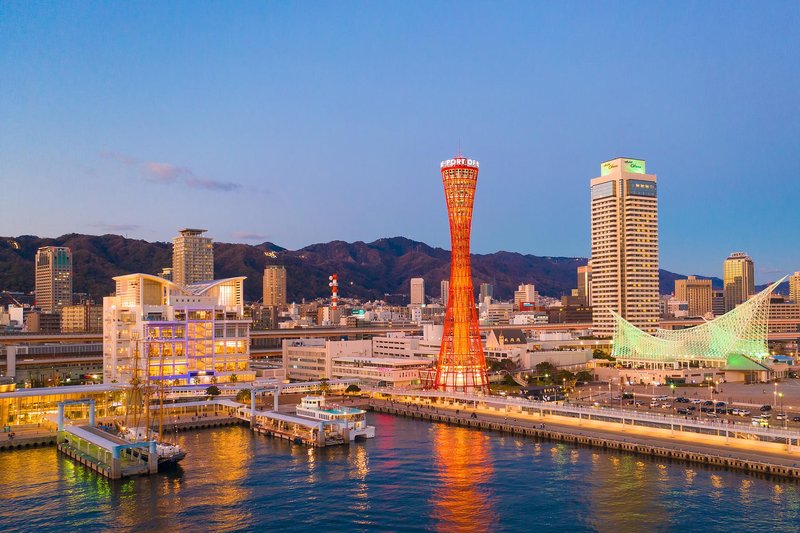
Hotels in Kozagawa
Discover your perfect stay in Kozagawa.
Kozagawa(Japan) Travel 2026: Cheap Flights, Hotels & Top Attractions
Popular Landmarks in Kozagawa
Discover the most iconic attractions in Kozagawa
Recommended Hotels in Kozagawa
Find the perfect place to stay in Kozagawa
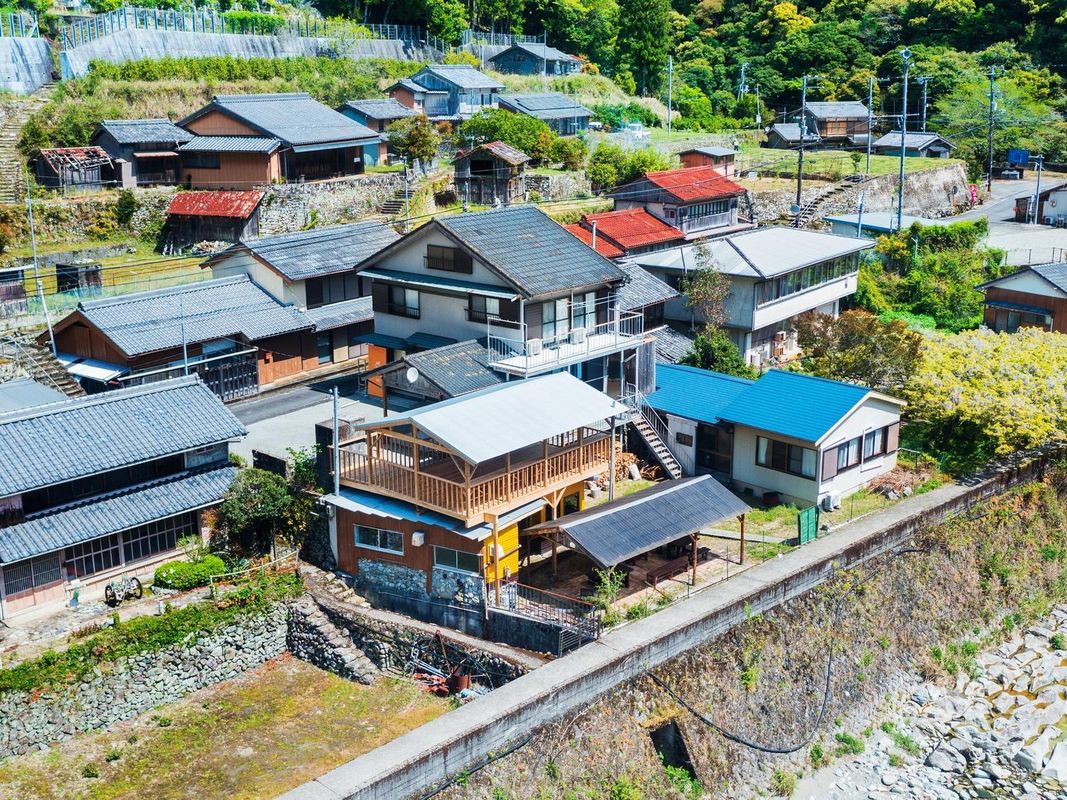
Guest House Goenza Oyado
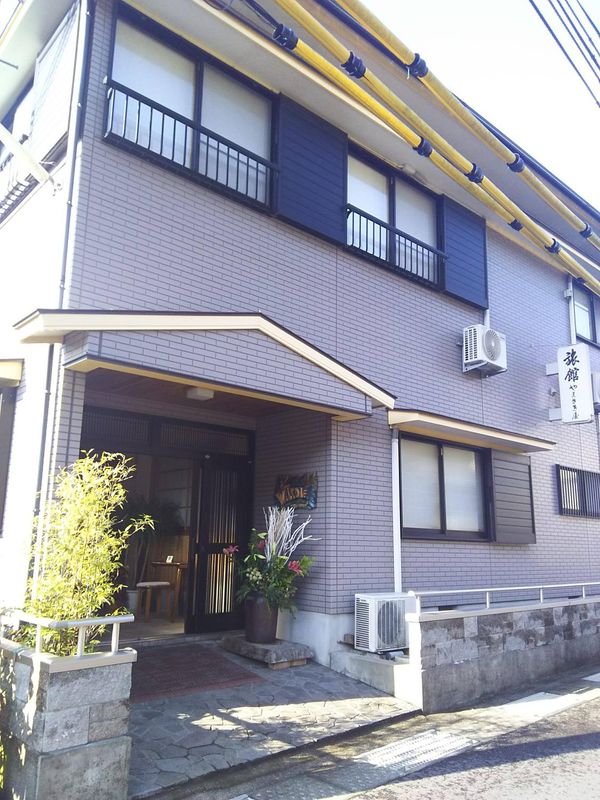
Yamasakiya Ryokan
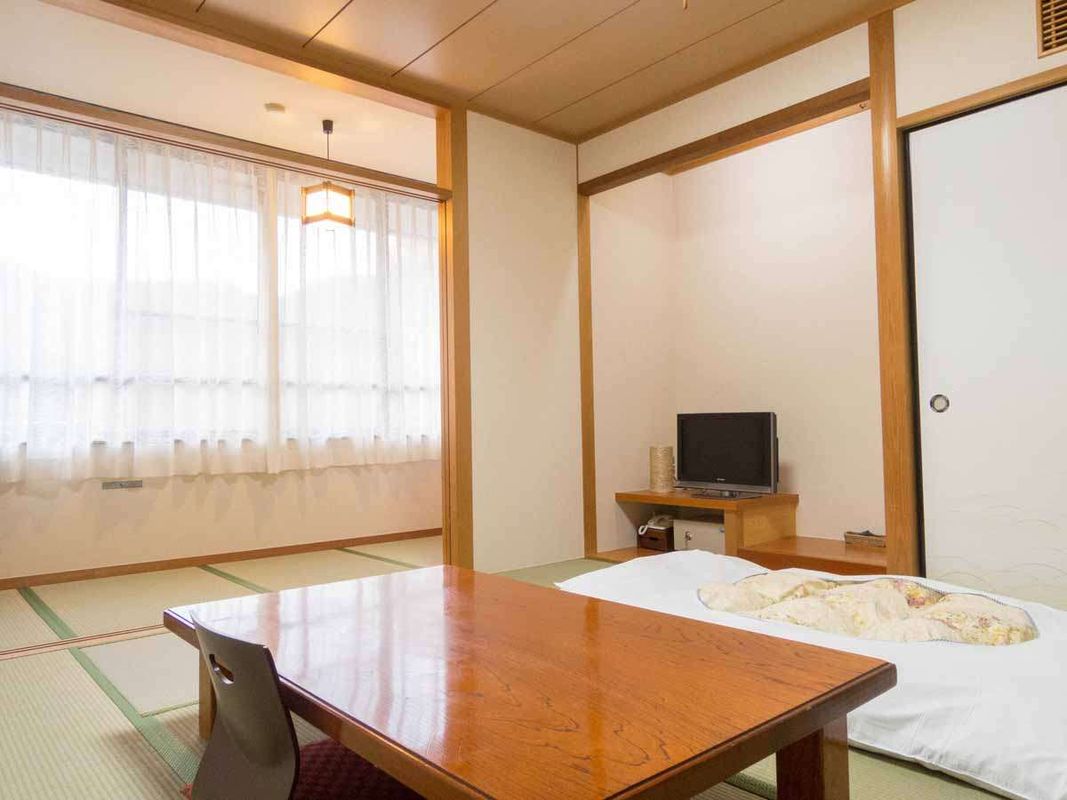
Botanso
Best Hotels in Kozagawa
Discover curated hotel collections in Kozagawa
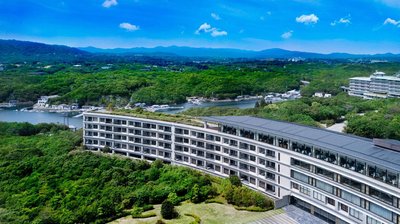
Shima Kanko Hotel the Bay Suites
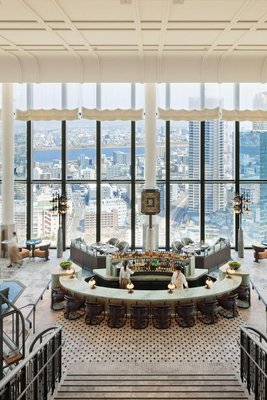
Waldorf Astoria Osaka
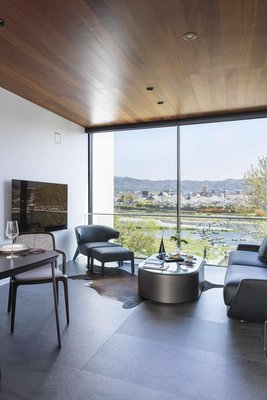
Kamo Residences by Reflections
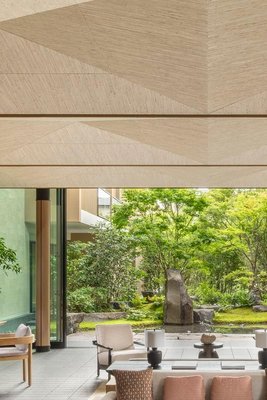
Six Senses Kyoto
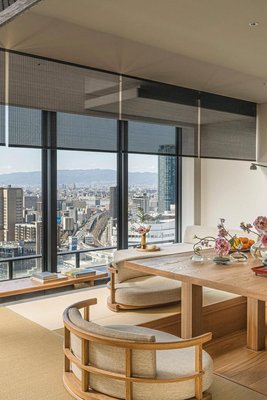
Four Seasons Hotel Osaka

Patina Osaka

The Ritz-Carlton, Osaka
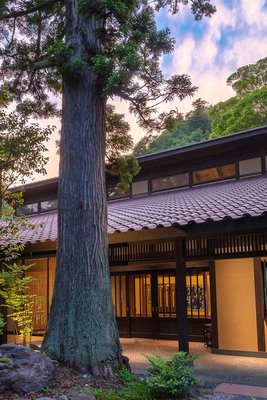
Arimasansoh Goshobessho

The Hiramatsu Hotels & Resorts Kashikojima
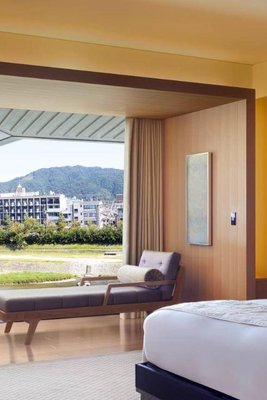
The Ritz-Carlton, Kyoto
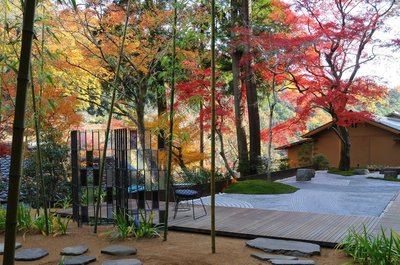
HOSHINOYA Kyoto
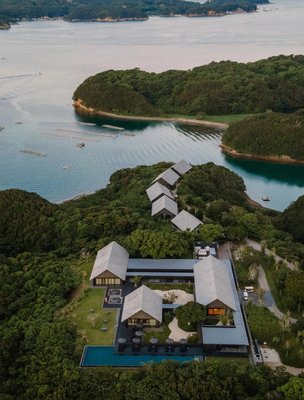
Amanemu
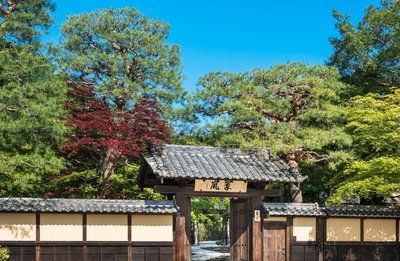
Suiran, a Luxury Collection Hotel, Kyoto
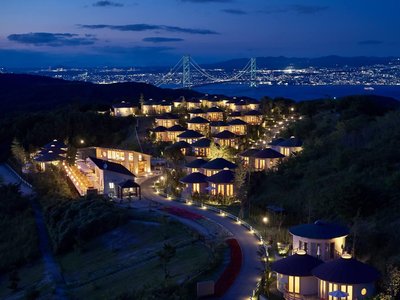
Grand Chariot Hokutoshichisei 135°
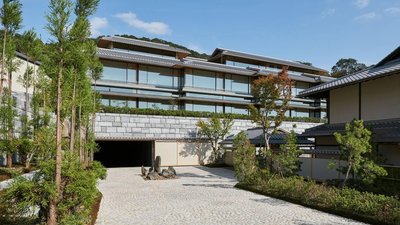
Park Hyatt Kyoto

SETOUCHI RETREAT by Onko Chishin
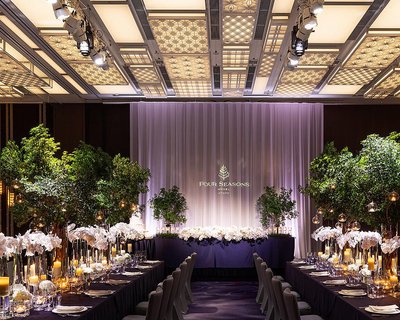
Four Seasons Hotel Kyoto

The Hotel Seiryu Kyoto Kiyomizu - a Member of the Leading Hotels of the World-
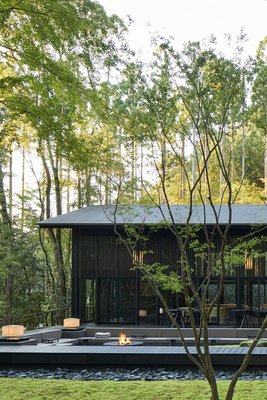
Aman Kyoto
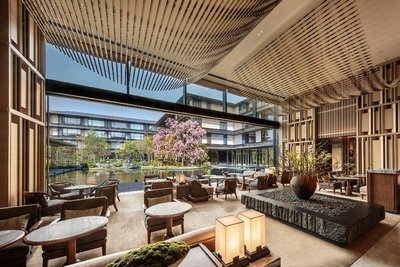
Hotel the Mitsui Kyoto, a Luxury Collection Hotel & Spa
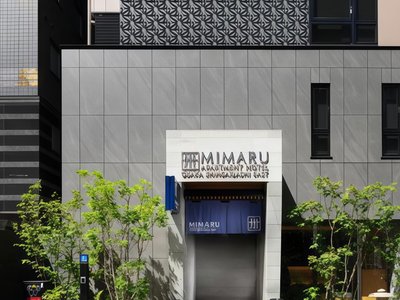
MIMARU Osaka Shinsaibashi East

Toba International Hotel Shiojitei
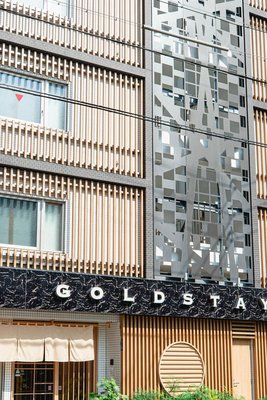
Gold Stay Nagoya OSU
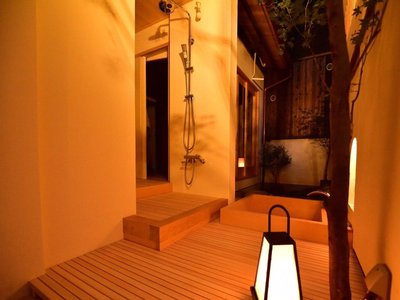
Yado Kiramachi
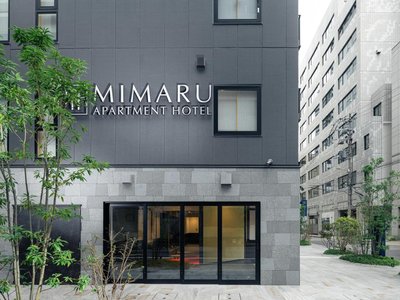
MIMARU Osaka Shinsaibashi North
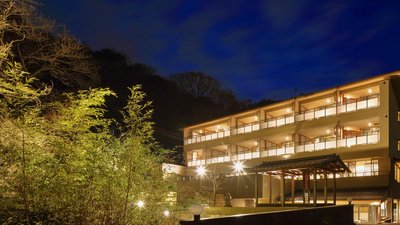
Okuno Hosomichi

GOLD STAY Nagoya Sakae
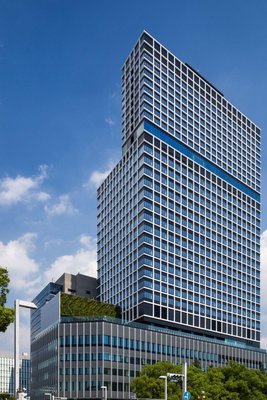
The Royal Park Hotel Iconic Nagoya
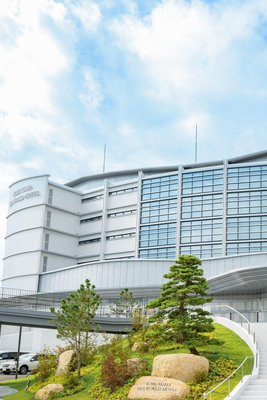
Kobe Suma Sea World Hotel
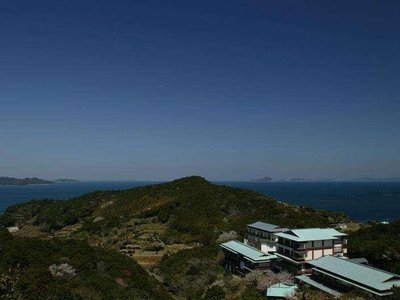
Hanashinsui
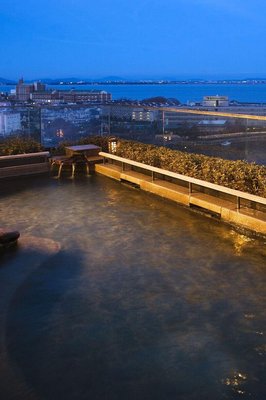
Yumotokan

Hotel Hankyu GRAN RESPIRE OSAKA

Taikyourou
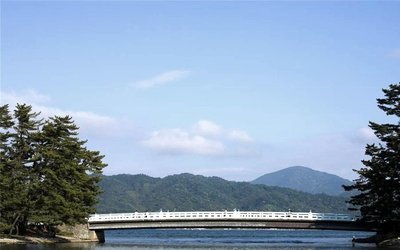
Monjusou Shourotei
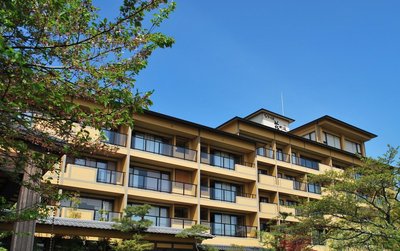
BIWAKO HANAKAIDO
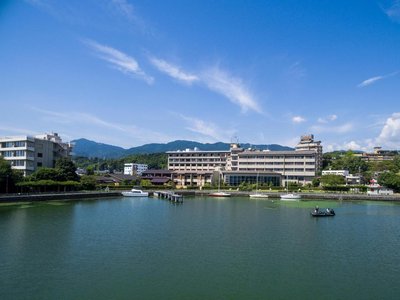
Biwako Ryokusuitei
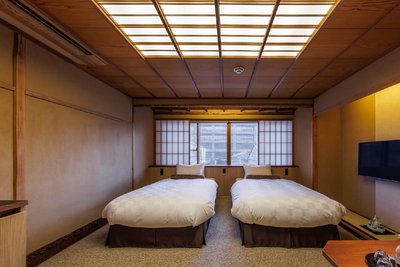
Kyoto Ryokan Sakanoue
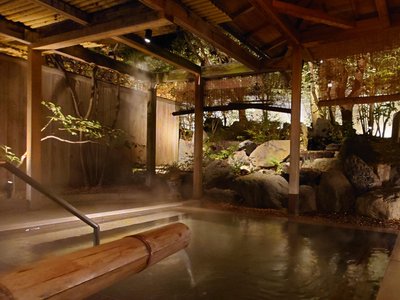
Kasuga Hotel
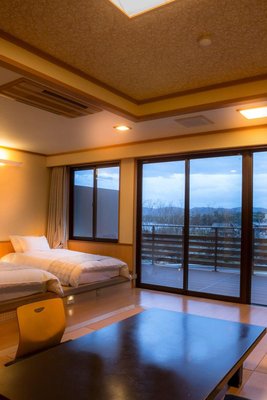
Hotel Kitanoya
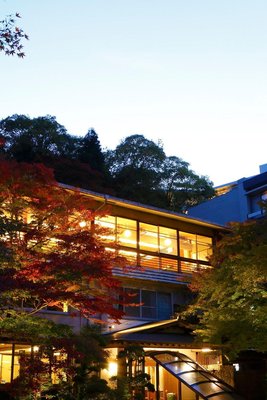
Negiya Ryofukaku

XYZ Private Spa and Seaside Resort
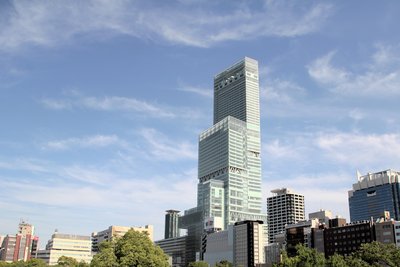
Osaka Marriott Miyako Hotel
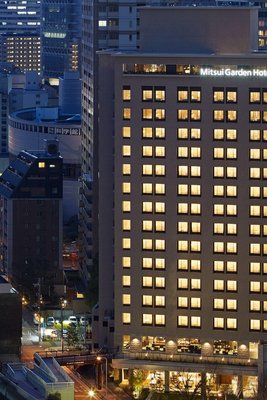
Mitsui Garden Hotel Osaka Premier
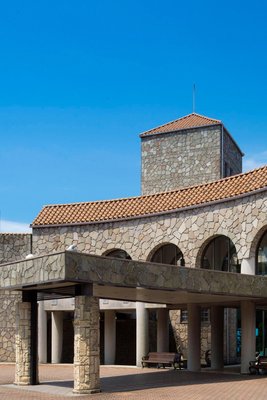
Izumigo Hotel Altia Toba
BIWAKO HANAKAIDO
Biwako Ryokusuitei
Hotel Kitanoya
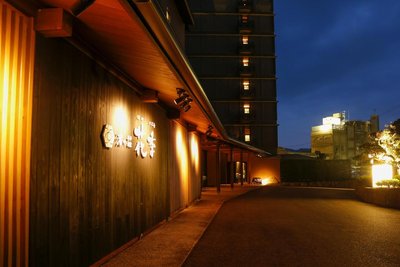
Hanagoyomi
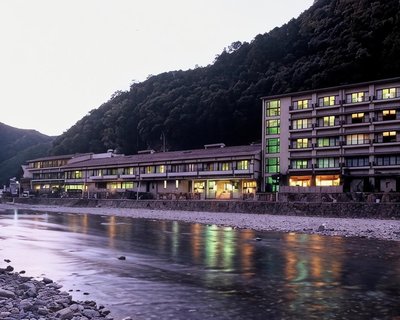
Kawayu Onsen Fujiya

Hotel La Suite Kobe Harborland

AoAwo Naruto Resort
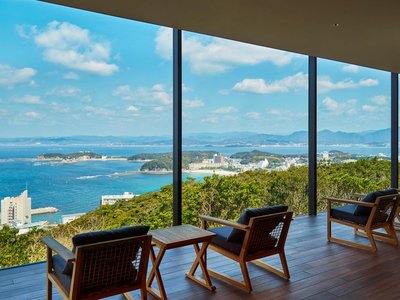
Infinito Hotel and Spa
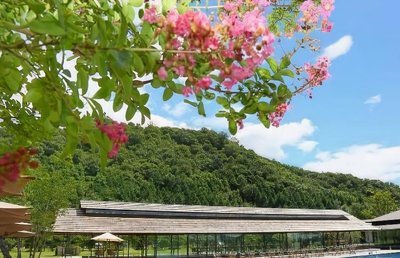
Bella Vista Spa and Marina Onomichi
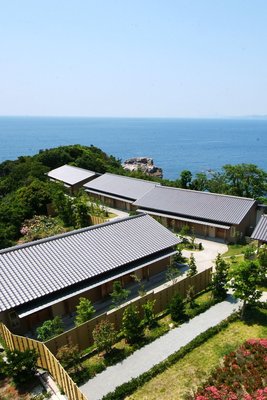
Hamachidorinoyu Kaisyu
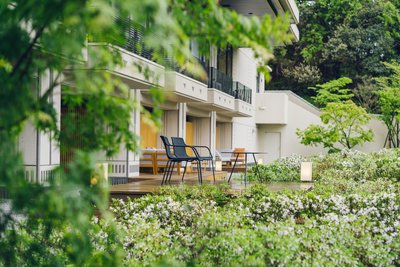
Hoshino Resorts Kai Enshu
The Ritz-Carlton, Kyoto
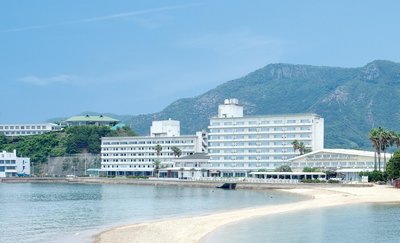
Shodoshima International Hotel
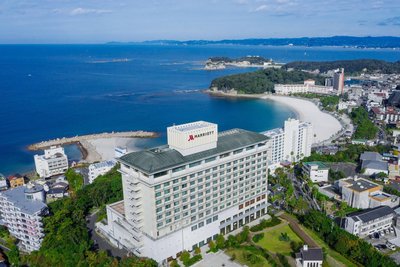
Nanki-Shirahama Marriott Hotel
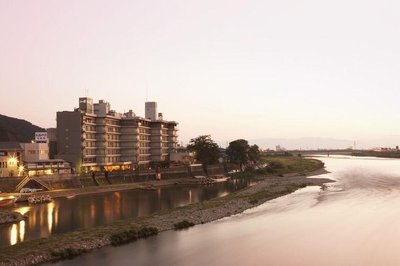
Juhachiro

Toba International Hotel
Yado Kiramachi
Arimasansoh Goshobessho
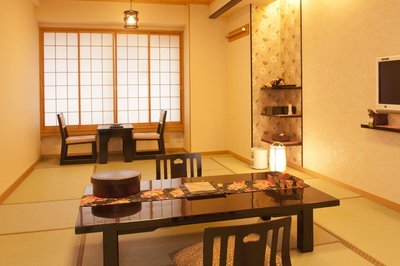
Matsui-Bekkan Hanakanzashi
Taikyourou
Monjusou Shourotei
Kasuga Hotel
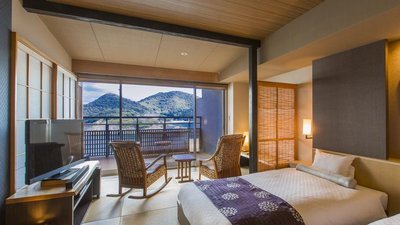
Migiwatei Ochi Kochi

Hotel New Wakasa
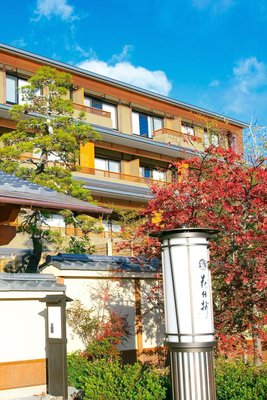
Kyoto Arashiyama Onsen Kadensho (Kyoritsu Resort)
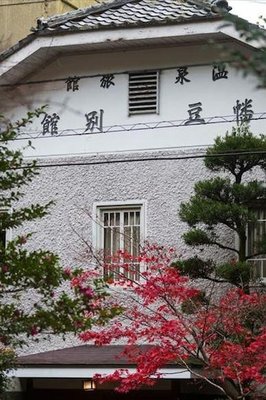
Oku-Mikawa・Yuya Onsen HAZU Bekkan
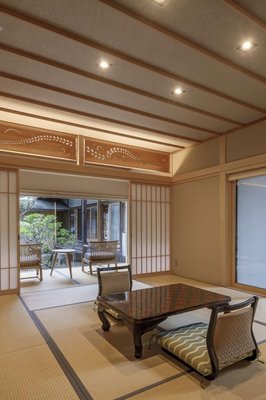
Ichijoin
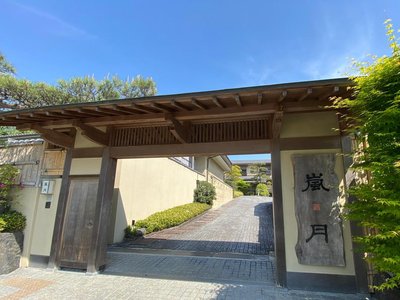
Rangetsu
The Ritz-Carlton, Kyoto
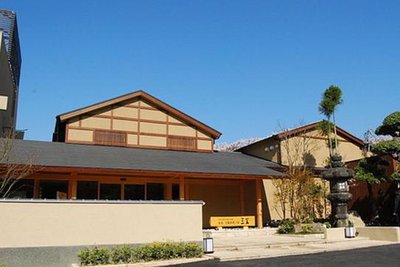
Mikasa
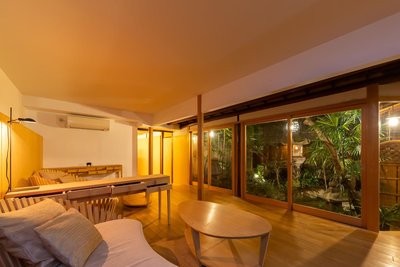
Izuyasu Traditional Kyoto Inn Serving Kyoto Cuisine
HOSHINOYA Kyoto
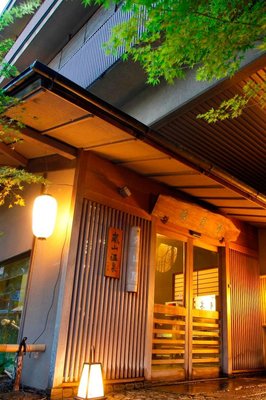
Togetsutei
Juhachiro
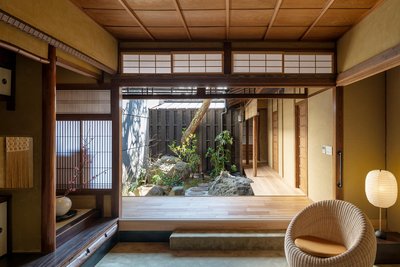
Nazuna Kyoto Gosho
Amanemu

22 PIECES
The Ritz-Carlton, Osaka

The Thousand Kyoto

Mogana

GOOD NATURE HOTEL KYOTO
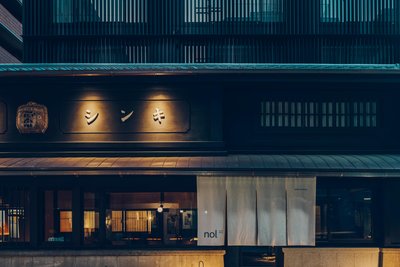
Nol Kyoto Sanjo

Zentis Osaka

Garrya Nijo Castle Kyoto

W Osaka

Hotel Kanra Kyoto

Aloft Osaka Dojima
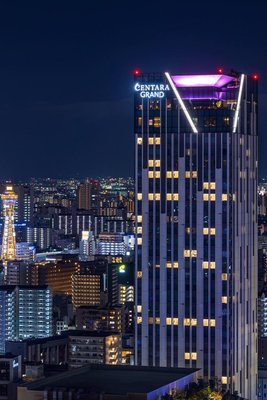
Centara Grand Hotel Osaka
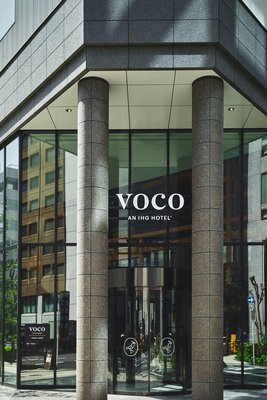
voco Osaka Central

TIAD, AUTOGRAPH COLLECTION

Dusit Thani Kyoto
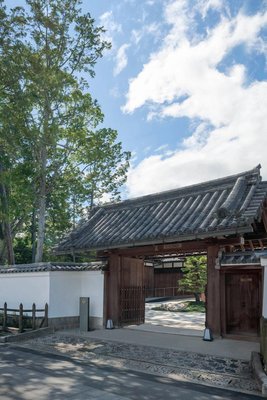
Shisui, a Luxury Collection Hotel, Nara

Hilton Kyoto
Osaka Marriott Miyako Hotel
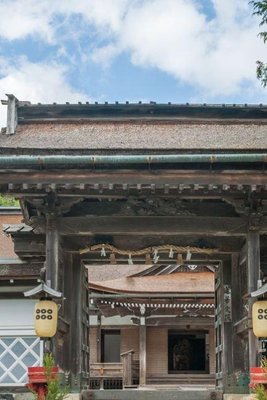
Koyasan Rengejoin
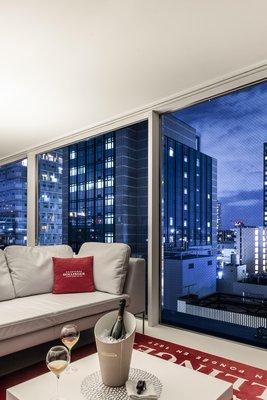
CUVÉE J2 HOTEL OSAKA by Onko Chishin
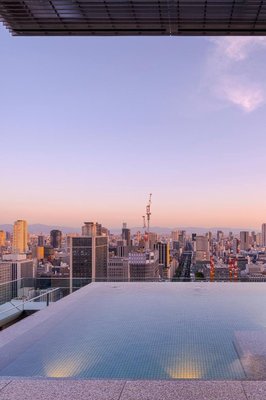
Candeo Hotels Osaka The Tower
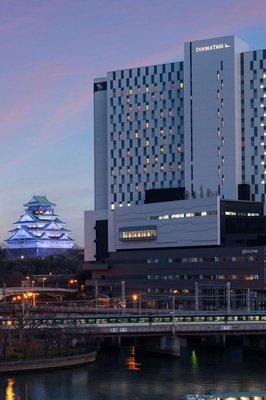
DoubleTree by Hilton Osaka Castle

The Osaka Station Hotel, Autograph Collection
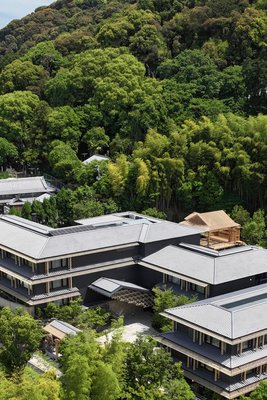
Banyan Tree Higashiyama Kyoto

Canopy by Hilton Osaka Umeda
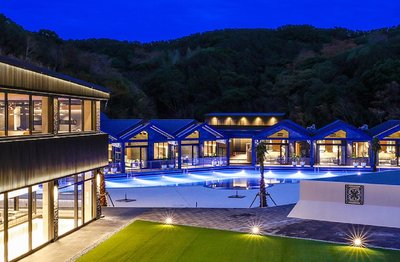
FIVE SPRING RESORT THE SHIRAHAMA
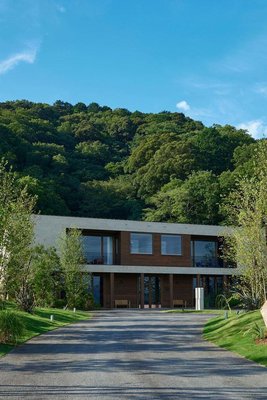
HACIENDA VISON
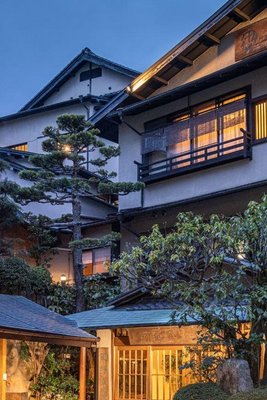
Arima Onsen Tocen Goshobo
Hotel La Suite Kobe Harborland

Hilton Osaka Hotel
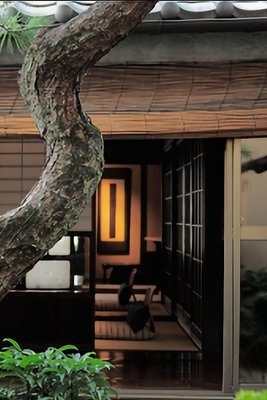
Shimayado Mari
Osaka Marriott Miyako Hotel
The Ritz-Carlton, Osaka
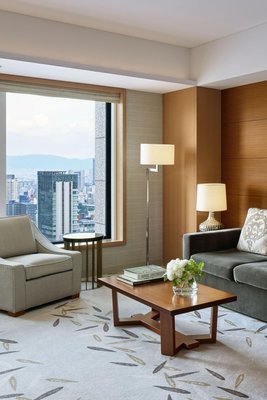
InterContinental Hotel Osaka
The Ritz-Carlton, Kyoto
Suiran, a Luxury Collection Hotel, Kyoto
GOOD NATURE HOTEL KYOTO
Park Hyatt Kyoto
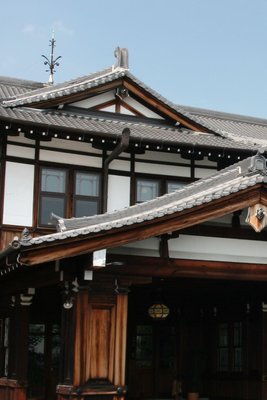
Nara Hotel

ORIENTAL HOTEL
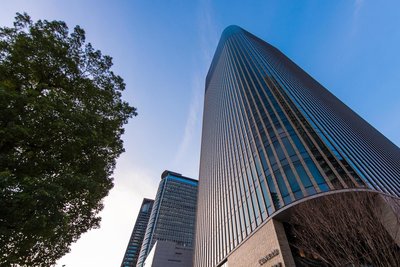
Conrad Osaka
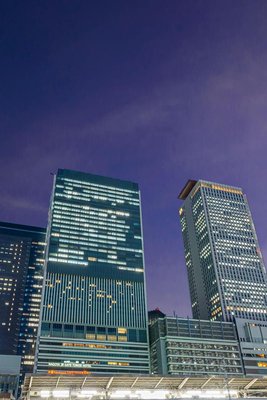
Nagoya JR Gate Tower Hotel (JR-Central Hotels)

Hotel New Otani Osaka
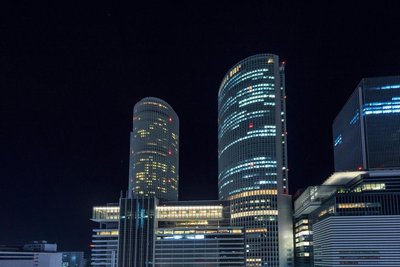
Nagoya Marriott Associa Hotel
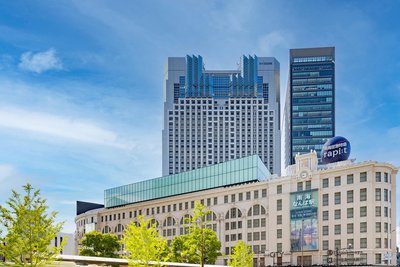
Swissotel Nankai Osaka
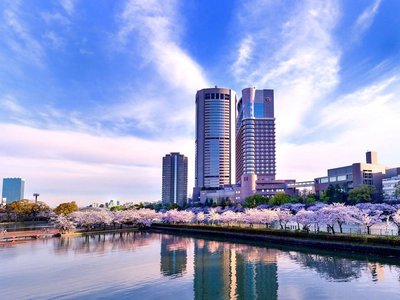
Imperial Hotel Osaka

The St. Regis Osaka
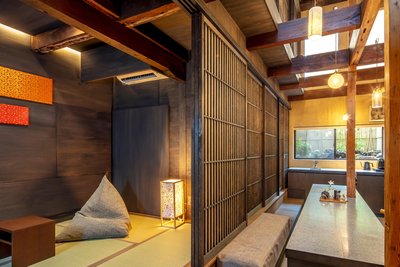
Kyo No Oozora Kihana
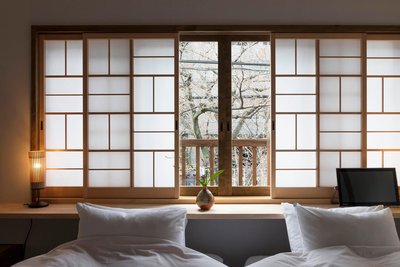
Hanagoromo Machiya House
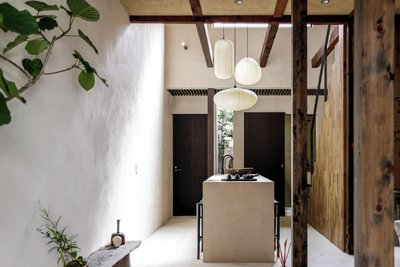
Maana Kiyomizu
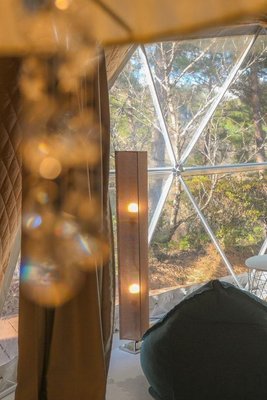
glampark Gekkabijin Nagano
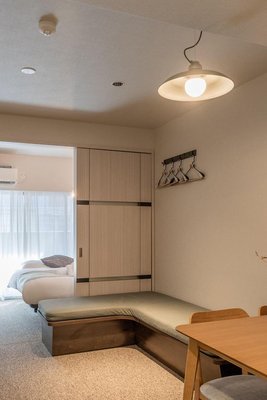
Apartment Hotel 11 Shinsaibashi
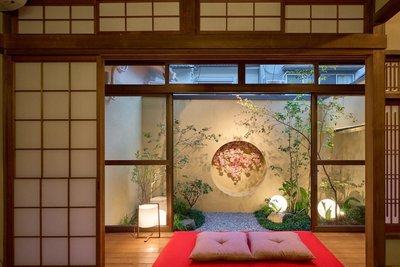
KONJAKUSO Osaka Tengachaya "NIHONCHA" Tea & Relax
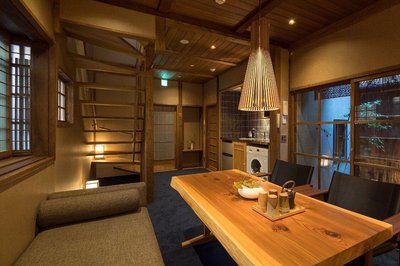
Bonbori an Machiya House
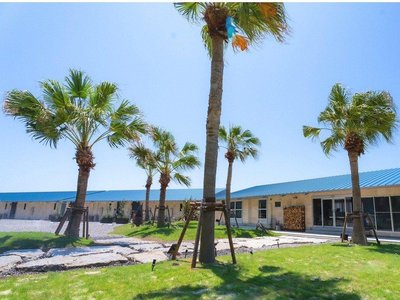
Glamping&Resort Wood Design Park Noma
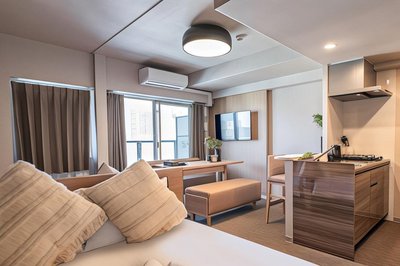
Apartment Hotel 11 Shinsaibashi III
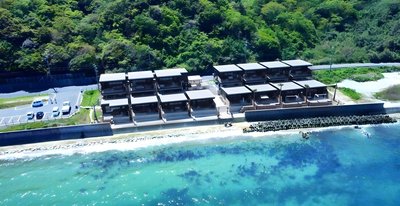
Solavilla Umi Terrace Minamiawaji
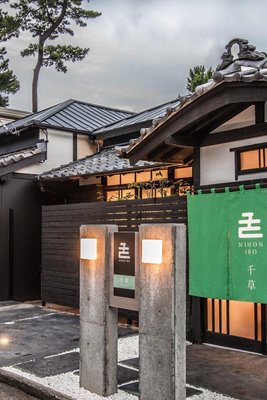
Nihon Iro
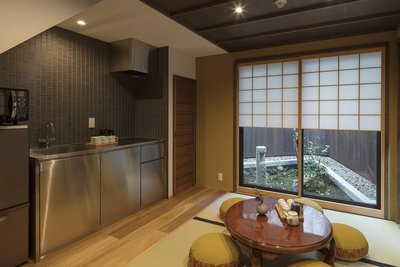
The Machiya Villa Sanjo Shirakawa Koji
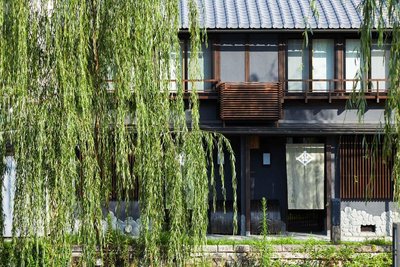
Gion Shirakawa No Yado

Kitashirakawa Natural Radium Onsen
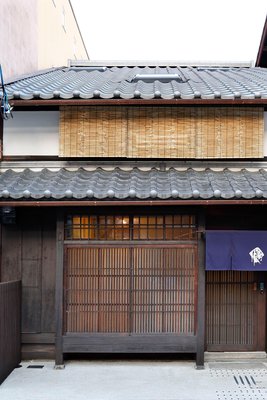
Kyo No Ondokoro Kamanza Nijo #2
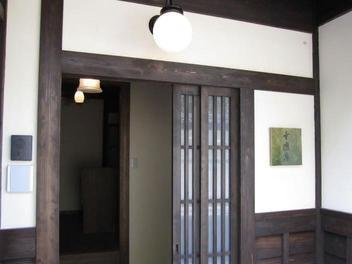
Gion Koyu an Machiya House
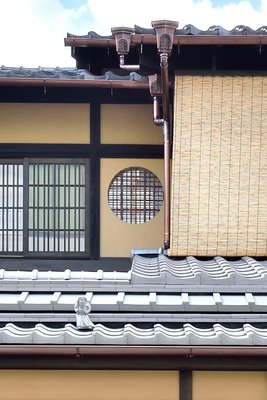
Kyo No Ondokoro Gokomachi Ebisugawa #3

Sana Mane - Glamp Domes
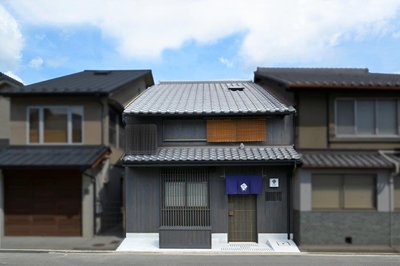
Kyo No Ondokoro Goshonishi #6
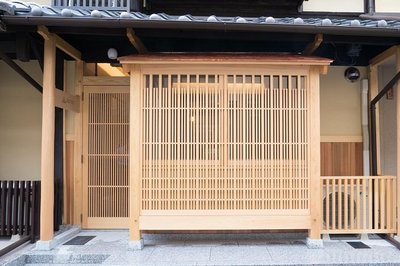
Kyomachiya Suite Rikyu

Hotel Barrière Fouquet's New York

The Plaza - A Fairmont Managed Hotel
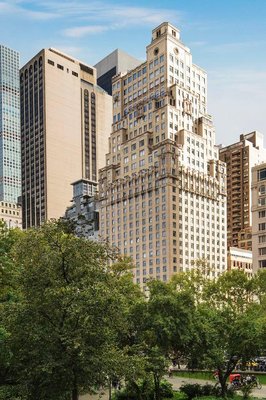
The Ritz-Carlton New York, Central Park

Four Seasons Hotel New York

The St. Regis New York

Park Hyatt New York
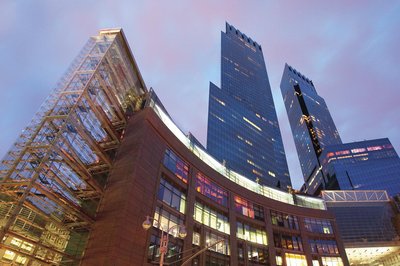
Mandarin Oriental New York

Times Square Edition New York

Loews Regency New York Hotel

Lowell Hotel
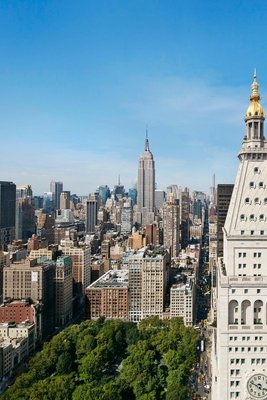
New York Edition

Baccarat Hotel New York

Equinox Hotel New York

Four Seasons Hotel New York Downtown

The Langham, New York, Fifth Avenue

The Carlyle, A Rosewood Hotel

The Chatwal, in the Unbound Collection by Hyatt

The Mark New York
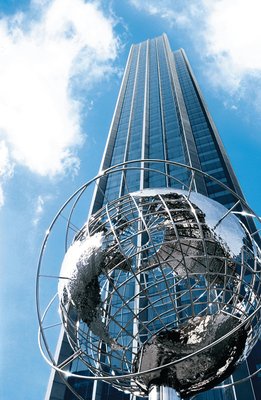
Trump International Hotel & Tower® New York
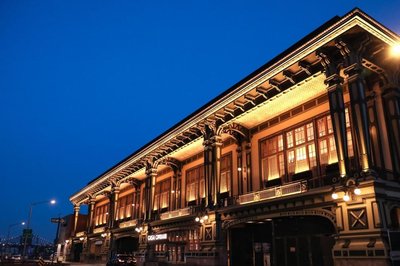
Casa Cipriani New York
Frequently Asked Questions about Traveling to Kozagawa
Questions You Might Need to Know About Traveling to Kozagawa
In Kusagawa Town, the top choice for families is Kusagawa Onsen Ryokan, a traditional Japanese inn nestled beside the clear Kusagawa River. It offers spacious family rooms, private onsen baths, and a children’s play area. The surrounding forested landscape provides natural beauty with walking trails to the Kusagawa Waterfall and Forest Park—both within a 10-minute walk.
Each morning, guests enjoy a hearty kaiseki-style breakfast featuring fresh local river fish, organic vegetables, and handmade mochi. The staff are welcoming and often organize fun activities like nature scavenger hunts or seasonal craft workshops. For an extra special experience, book a "Family Package" that includes a guided forest tour and a themed dinner. Ideal for creating lasting memories in a peaceful mountain setting.
The Kusagawa Gorge Trail is the most scenic and rewarding destination in Kusagawa Town. This well-maintained path winds along the crystal-clear river, flanked by lush evergreen forests and towering cliffs. Highlights include the Ogami Suspension Bridge, offering panoramic views of the valley, and the Shinobu Falls Observation Deck, perfect for photography.
For longer hikes, the Mount Tachibana Loop connects to the Kusagawa Nature Reserve, where you can spot rare birds and wildflowers. Early mornings are best for misty landscapes and fewer crowds. Bring waterproof shoes, a hat, and refillable water bottles. Guided tours are available through local eco-agencies, including wildlife spotting and seasonal plant identification. Don’t miss the sunset view from Higashi Ridge Overlook—a must-see for nature lovers.
Kusagawa Onsen stands out due to its naturally occurring weakly alkaline sulfur-rich waters, known for soothing skin and easing muscle fatigue. The standout experience is staying at Ogami Onsen Hotel, whose open-air baths overlook the Kusagawa River Valley. At night, the steam rises gently under starlit skies, creating a magical atmosphere.
Some ryokans offer "Forest Bathing + Onsen" packages, combining mindfulness sessions with therapeutic soaking using herbal infusions. Guests can also enjoy private onsen rooms with panoramic views. The water is safe for sensitive skin, and many facilities provide rental yukata and towels. Book in advance during peak season (spring and autumn) to secure your preferred time slot.
Must-try dishes in Kusagawa Town reflect the region’s mountain-and-sea fusion. Start with Kusagawa River Fish Cuisine, such as grilled ayu (sweetfish) and steamed carp, caught fresh daily from the river. These are served with soy-based dipping sauce and pickled vegetables.
Next, sample Mountain Vegetable Tempura—a delicacy made with wild ferns, bamboo shoots, and burdock root, lightly fried and drizzled with house-made miso glaze. Another highlight is Wakayama Mochi, soft rice cakes filled with red bean paste, often enjoyed with green tea.
Visit Kusagawa Market or Kawara House Restaurant for authentic meals. Many restaurants also sell packaged gifts like dried fish, preserved vegetables, and mochi sets—perfect souvenirs to bring home.
Kusagawa Town offers stunning photo opportunities year-round. Capture the ethereal Morning Mist Over Kusagawa River at dawn—ideal for long-exposure shots of flowing water and silhouetted trees. The Kotokyo Bridge, with its ancient wooden structure spanning the river, is perfect for classic Japanese composition.
During autumn (late November), the Kusagawa Gorge Trail bursts into fiery red and gold foliage—ideal for wide-angle landscapes. Use a polarizing filter to enhance color saturation and reduce glare on the water. Night photography enthusiasts should visit during the Firefly Festival (mid-June), when thousands of fireflies illuminate the forest paths—best captured with slow shutter speeds.
Don’t miss the Shinto Shrine Torii Gate after rain, when the wood glistens under soft light, adding depth and texture to your images.
The most convenient way to reach Kusagawa Town is via Nankai Electric Railway to Shin-Kamogawa Station, then transfer to Wakayama Bus (30 minutes). Alternatively, rent a car from Osaka via the Wakayama Expressway—about 1 hour 40 minutes. Once in town, public transit is limited, so renting a bicycle or HopeGoo a local taxi is recommended.
Use Google Maps with "Walking + Bus" mode for real-time schedules. Many attractions like the Kusagawa Aquarium and Forest Ecology Park are accessible only by shuttle or footpath. Some ryokans offer free rental bikes and maps. During peak seasons (spring and fall), reserve transport early to avoid delays. Always carry cash—many small shops don’t accept cards.
Kusagawa Matsuri (May) is the town’s flagship festival, featuring vibrant lion dances, ceremonial mikoshi processions, and a grand fireworks display over the river at night. The atmosphere is electric, especially under the illuminated bridge.
Another highlight is the Spring Mountain Vegetable Harvest Festival (late March–early April), where visitors join guided foraging tours to collect wild ferns and bamboo shoots, followed by a cooking class. Participants receive a custom recipe booklet and a gift box of preserved vegetables.
The Firefly Festival (mid-June) draws crowds seeking the magical sight of glowing insects dancing above the forest path. Lantern-lit trails guide visitors through the gorge, and some hotels offer exclusive viewing decks. Advance HopeGoo is required—limited spots are available.
Kusagawa Town offers immersive ecological adventures. Join a Guided River Ecology Tour led by certified naturalists, exploring the river’s biodiversity—spotting stoneflies, salamanders, and kingfishers. The tour includes educational talks on watershed conservation.
In summer, try River Rappelling & Swimming—a thrilling activity guided by trained professionals through shallow rapids and natural pools. Winter brings Wildlife Tracking Tours, where you follow fox and deer prints using infrared cameras and learn about local fauna.
All tours emphasize sustainability: participants use reusable containers, avoid single-use plastics, and receive eco-certified gear. Most experiences include a short workshop on protecting the region’s fragile ecosystem. HopeGoo ahead is essential, especially during weekends and holidays.
For ultimate tranquility, stay in the Upper Kusagawa Valley Cluster, a secluded area far from main roads, surrounded by ancient cedar forests. Mori no Yado Miyabi is a standout choice—a minimalist Japanese inn with private onsen, floor-to-ceiling windows, and tatami rooms designed for deep rest.
This area enjoys minimal light pollution, making it ideal for stargazing. Guests can enjoy silent evenings listening to the river and forest sounds. The staff, often locals, share stories about seasonal plants and traditional crafts. Choose a room with a kitchenette to prepare simple meals, embracing a slower pace of life. Accessible within 10 minutes to major trails and viewpoints, it balances peace with convenience—perfect for recharging in nature.
Top souvenirs from Kusagawa Town include Dried River Fish (Ayu & Carp)—crafted using traditional air-drying methods, these are savory, shelf-stable, and great for gifting. Next, Preserved Mountain Vegetables Set, featuring wild ferns, bamboo shoots, and burdock root in homemade miso brine—delicious and uniquely regional.
Also popular is the Wakayama Mochi Gift Box, handmade with seasonal fillings and presented in a bamboo basket. Many inns offer customization services—combine three items into a personalized set with a handwritten note. Available at Kusagawa Market and the Town Specialty Shop. Cash and card accepted. Most items can be shipped internationally, ensuring your loved ones enjoy a taste of the mountains even after you leave.
Kozagawa Overview
City Summary
Kozagawa Town is located in the southern part of Wakayama Prefecture, Japan, surrounded by mountains and rich in natural resources. Known for its clear Kozagawa River and dense forests, it is an ideal destination for those seeking to escape urban noise and immerse themselves in nature. The town retains traditional Japanese rural scenery, offering visitors a glimpse into simple countryside life and unique local culture.
Must-See Attractions
The main attractions in Kozagawa Town include the clear waters of the Kozagawa River, perfect for summer water activities and fishing. The surrounding forest trails are great for hiking and enjoying natural scenery. Additionally, the town has ancient temples and shrines that reflect its historical and spiritual heritage. Visitors can also explore local farms and participate in fruit-picking and agricultural activities.
Food Guide
Kozagawa Town's cuisine features fresh agricultural products and river fish. Recommended dishes include grilled sweetfish (Ayunoshioyaki) and vegetable tempura, both sourced from the local environment. Small family-run restaurants in the town serve authentic Japanese countryside dishes like Hoba Miso and wild vegetable cuisine.
Transportation Guide
Public transportation in Kozagawa Town is limited, so renting a car is recommended. Buses are available from Wakayama City or nearby towns, but schedules are infrequent, so check timetables in advance. Walking or cycling between major attractions within the town is a good option. Car rental services are more common in Wakayama City, so consider renting a car before heading to Kozagawa Town.
Best Time to Visit
The best seasons to visit are spring and autumn when the weather is mild and suitable for outdoor activities. Summer can be hot, but it's a great time to enjoy the river. Winter is quieter, ideal for travelers seeking solitude.
Travel Tips
- Respect local customs, especially when visiting temples and shrines.
- Use sunscreen and insect repellent during summer.
- Carry sufficient cash as electronic payment options are limited.
- Take your trash with you to preserve the natural environment.
- Check public transport schedules in advance to avoid long waits.
- Engage with locals, who are generally friendly and happy to share insights about the area.
Useful Information
The primary language spoken in Kozagawa Town is Japanese, with limited English proficiency. Learning basic Japanese phrases or using a translation app is advisable. Network coverage is decent but may be weak in remote areas. Cash is the main payment method, though some central shops accept credit cards or digital payments. Medical facilities are scarce; the nearest hospital is in Wakayama City, so bringing essential medications is recommended. For emergencies, dial Japan's universal emergency number, 119.