Hotels in Kudamatsu
Discover your perfect stay in Kudamatsu.
Kudamatsu(Japan) Travel 2026: Cheap Flights, Hotels & Top Attractions
Popular Landmarks in Kudamatsu
Discover the most iconic attractions in Kudamatsu
Recommended Hotels in Kudamatsu
Find the perfect place to stay in Kudamatsu
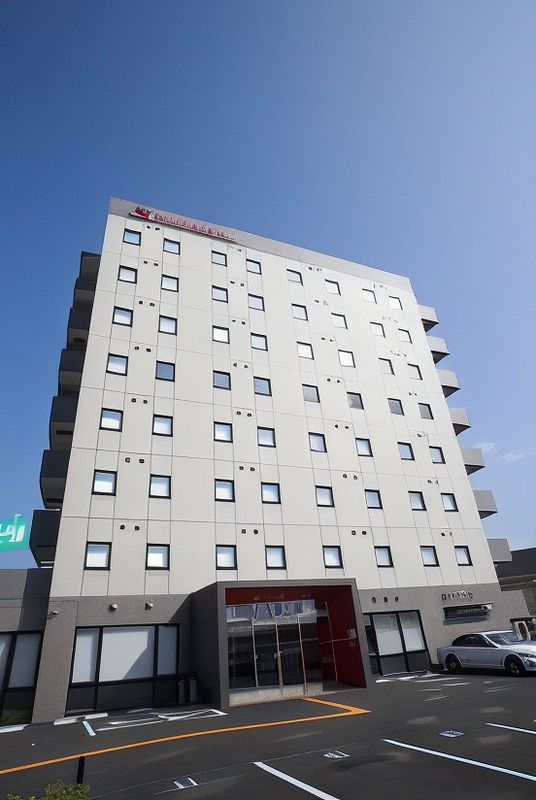
Sun Hotel Kudamatsu
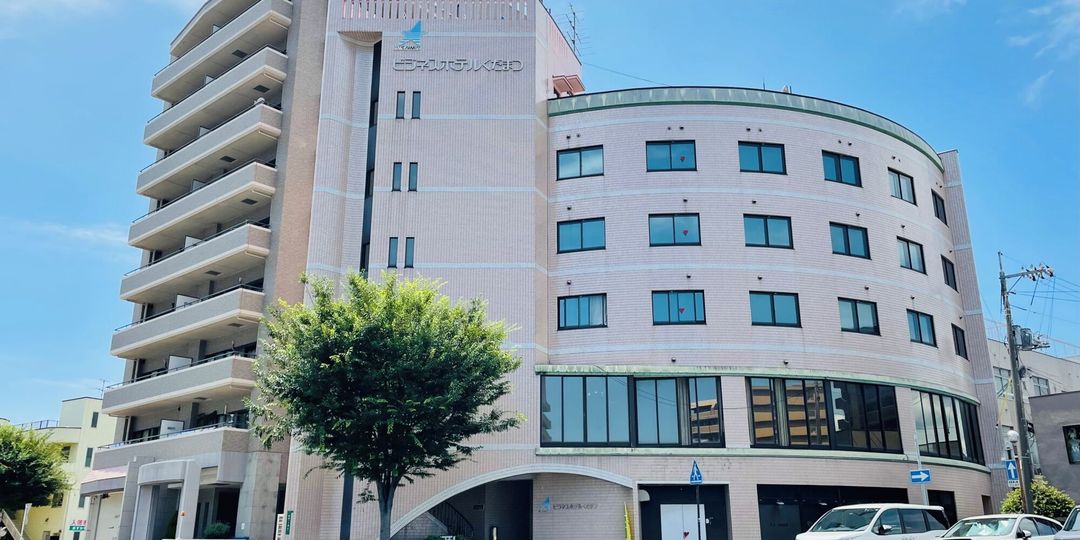
Business Hotel Kudamatsu
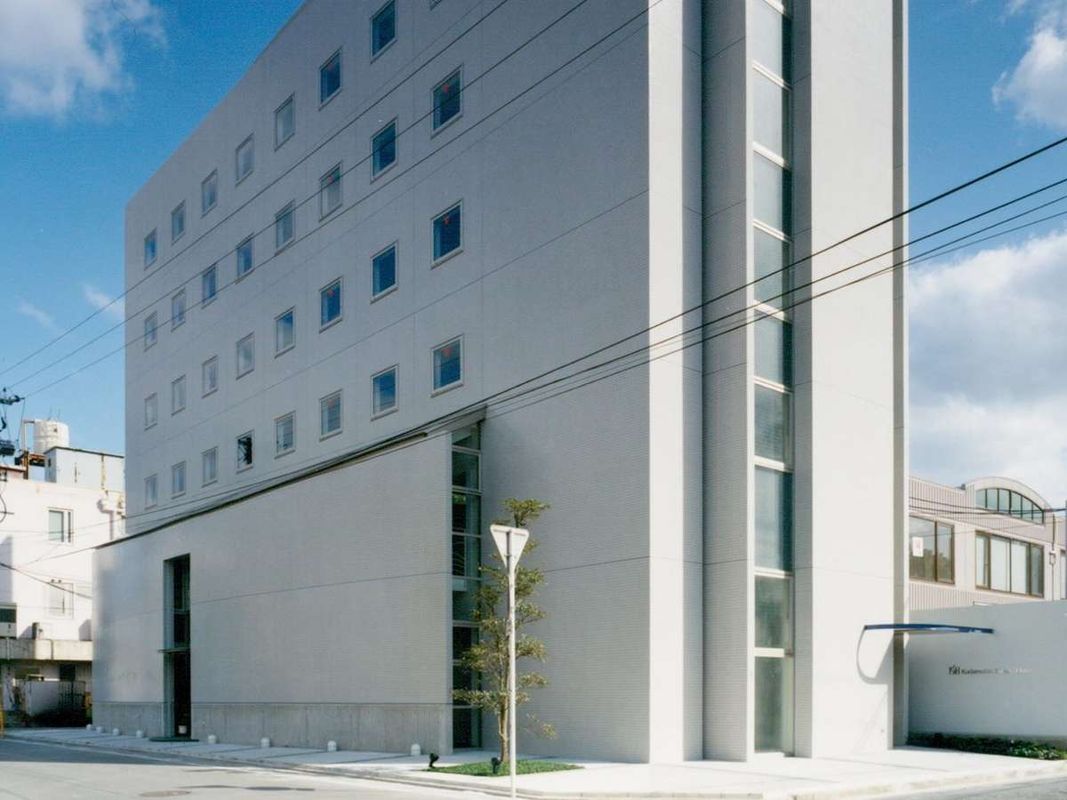
Kudamatsu Station Hotel
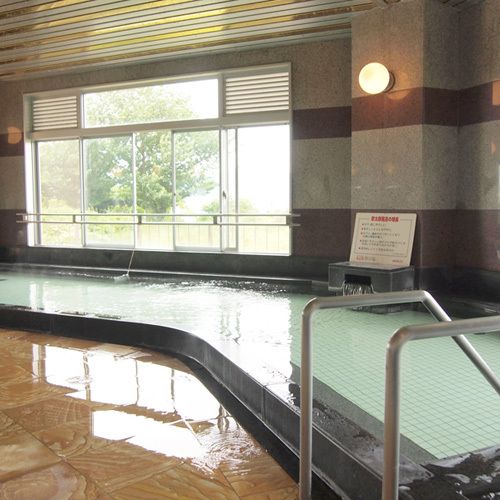
Kasadojima Heights
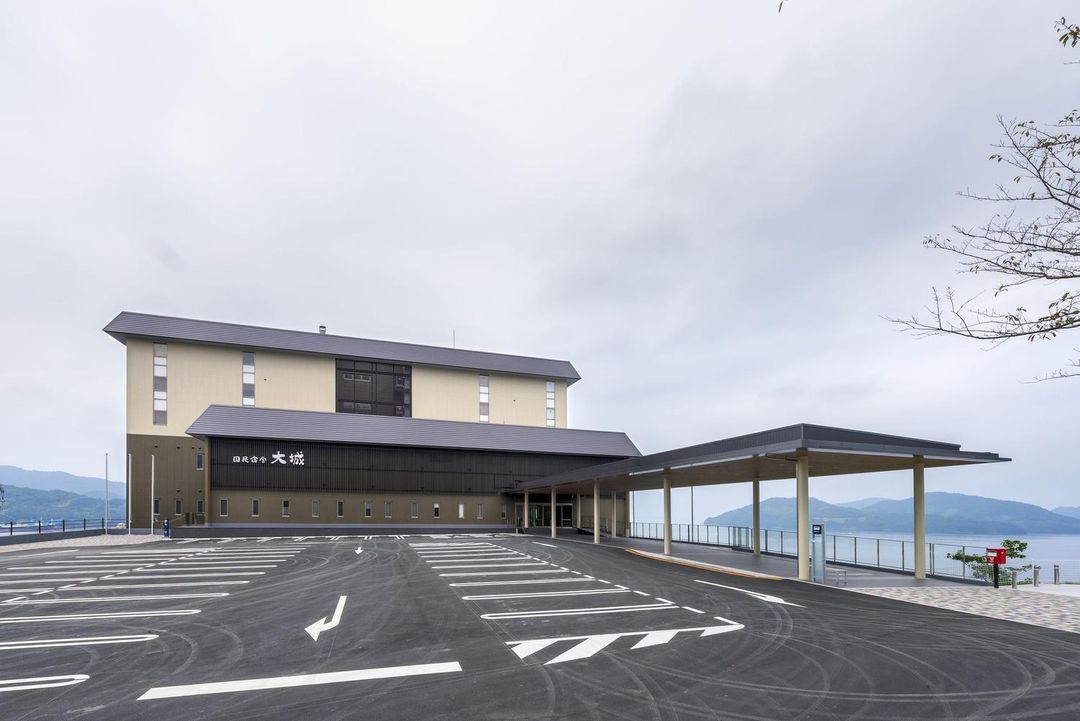
Kasadoshima Ojo Onsen Kokumin Shukusha Ojo
Best Hotels in Kudamatsu
Discover curated hotel collections in Kudamatsu
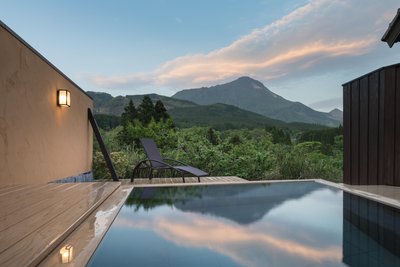
Ikkoten
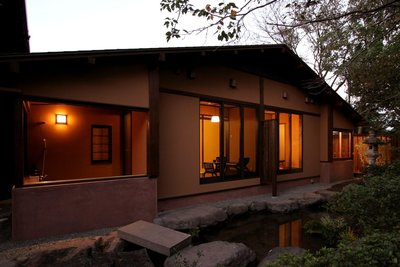
SEKIYA RESORT Bettei Haruki
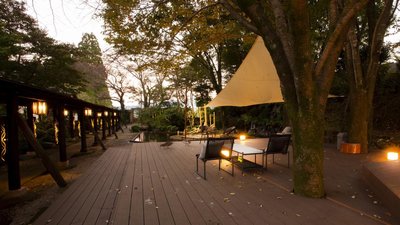
Chikurakutei
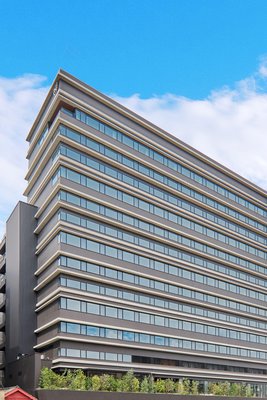
The Royal Park Canvas Fukuoka Nakasu
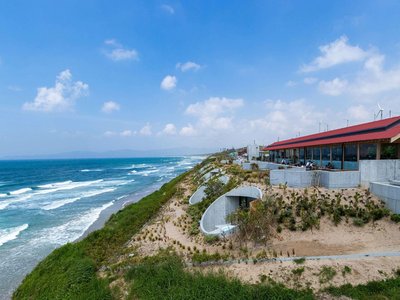
Izumo Hotel the Cliff
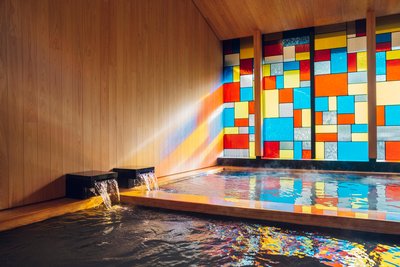
Hoshino Resorts Kai Unzen
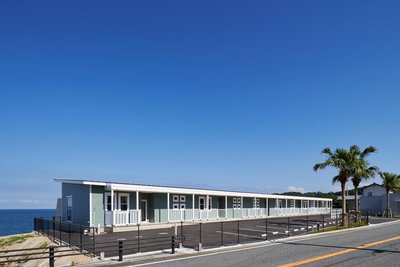
Alfacio Resort Stay Itoshima
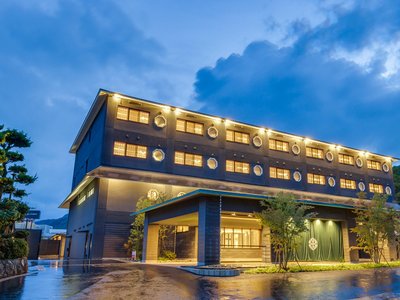
Ureshino Yadoya
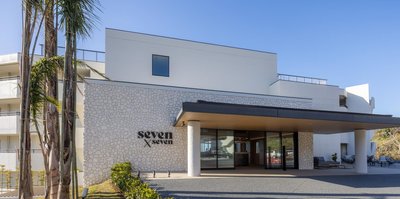
seven x seven itoshima
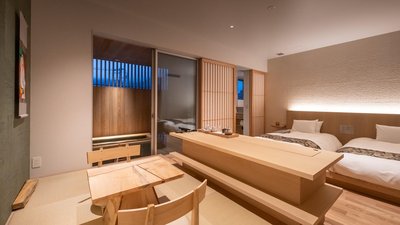
Japanese Auberge Kararako
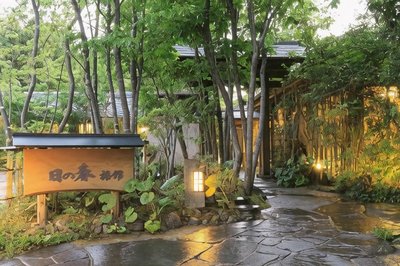
Yufuin Onsen Hinoharu Ryokan
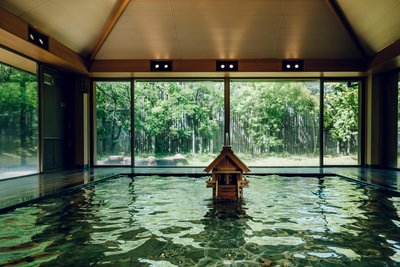
Hoshino Resorts KAI Tamatsukuri
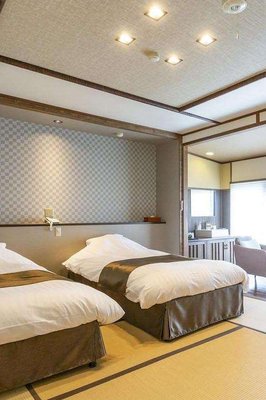
Sozankyo
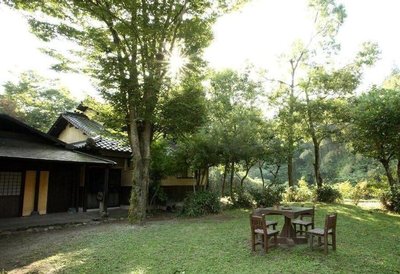
Yamashinobu
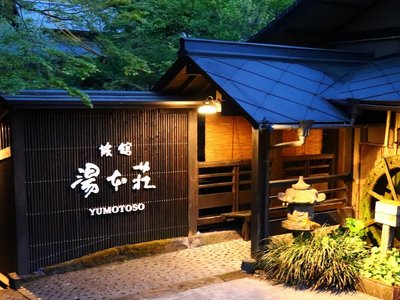
Ryokan Yumotosou
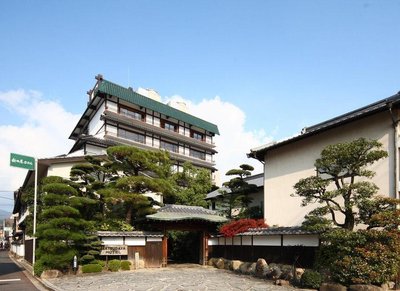
Matsudaya Hotel
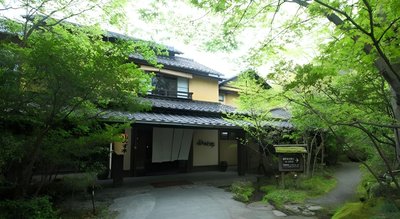
Kurokawaonsen Yamamizuki
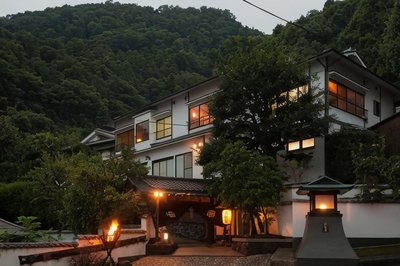
Beppu Showaen
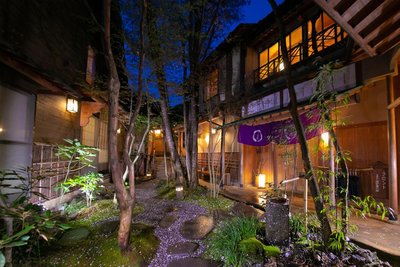
Oyado Ichizen
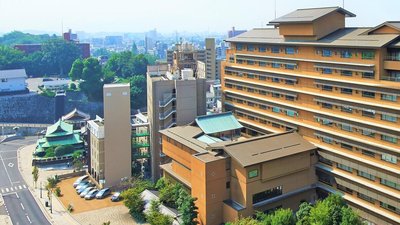
Yamatoya Honten
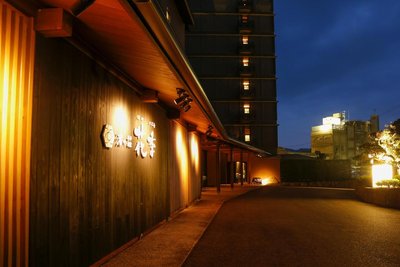
Hanagoyomi

AoAwo Naruto Resort
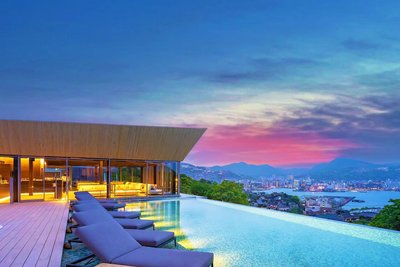
Garden Terrace Nagasaki Hotel & Resort
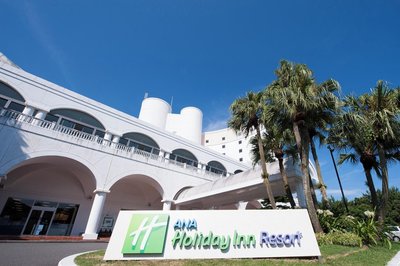
Holiday Inn Resort Miyazaki
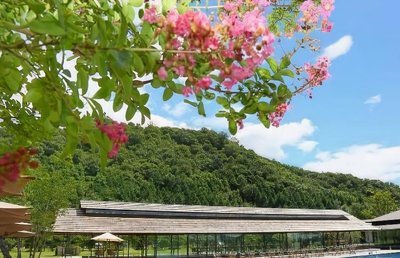
Bella Vista Spa and Marina Onomichi
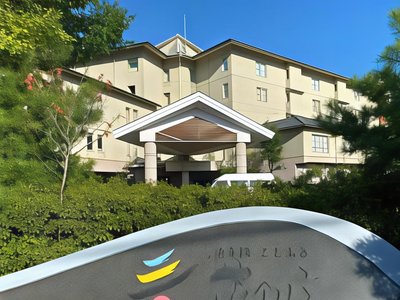
Yufuin Kotobuki Hananosho
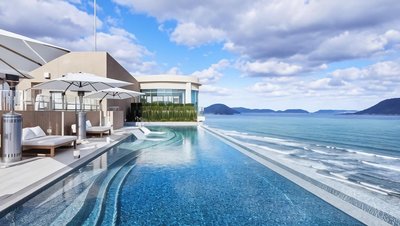
Karatsu Seaside Hotel
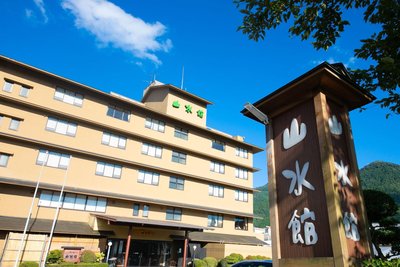
Yufuin Sansuikan
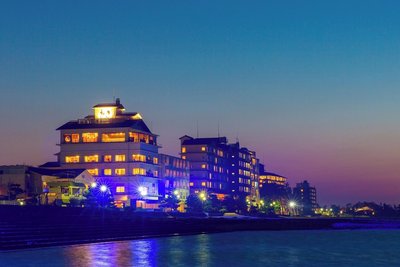
Kaike Shogetsu
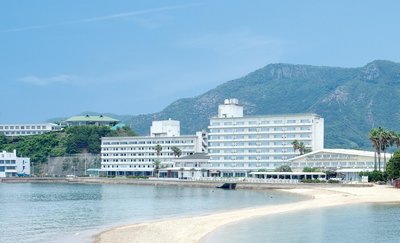
Shodoshima International Hotel
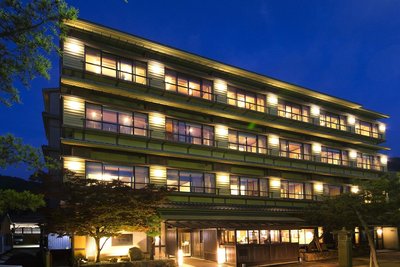
Kinsuikan
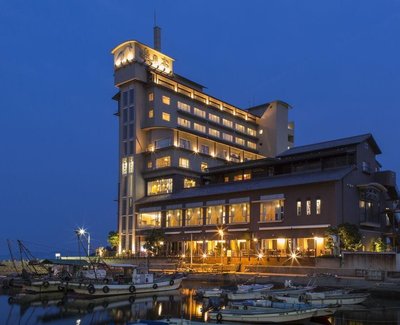
Hotel Ofutei
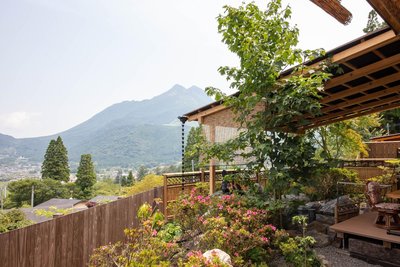
Yufuin-Sanso Waremokou
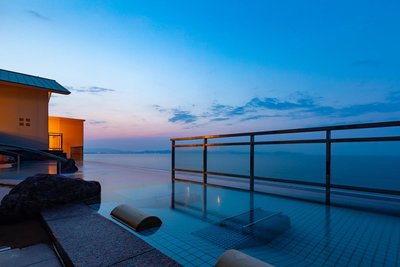
Kaike Yugetsu
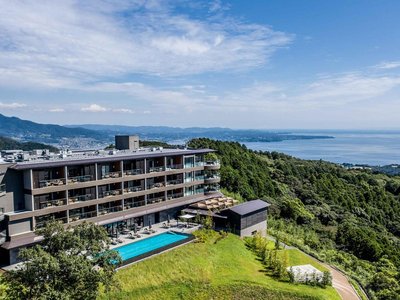
Ana InterContinental Beppu Resort & Spa
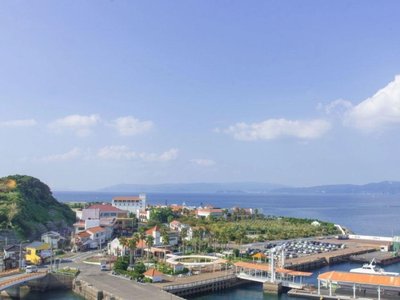
I+Land Nagasaki
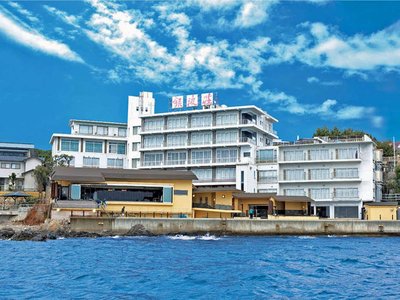
Ginpaso
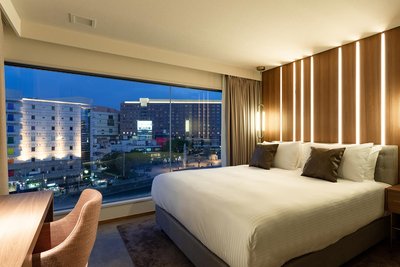
The OneFive Villa Fukuoka
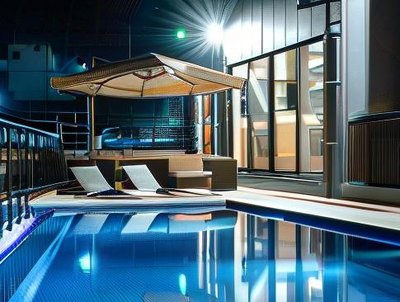
LiVEMAX RESORT MIYAHAMA ONSEN OCEAN
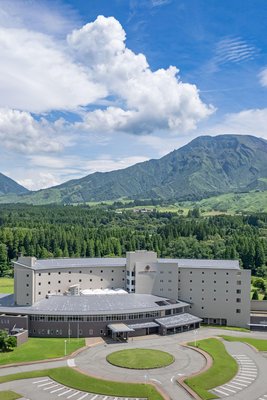
KAMENOI HOTEL ASO
Hoshino Resorts KAI Tamatsukuri
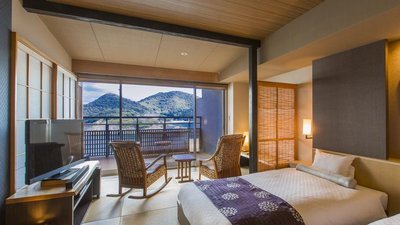
Migiwatei Ochi Kochi
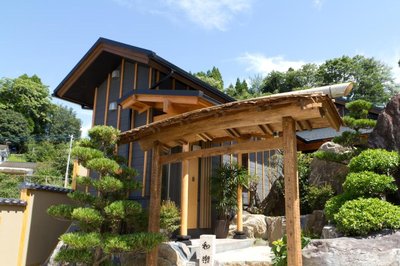
Ryokan Shinsen
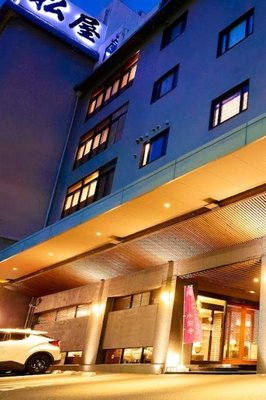
Ryotei Matsuya Honkan Suizenji
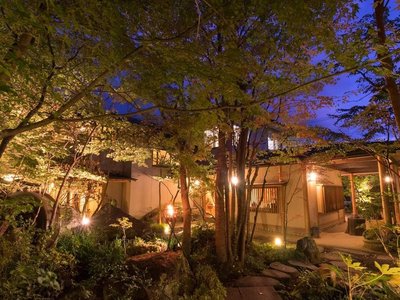
Ryoso Yufuin Yamadaya
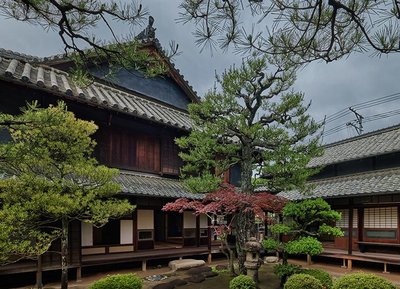
NIPPONIA HOTEL Takehara Saltworks Town
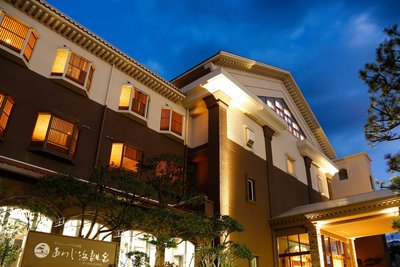
Awaji Hamarikyu
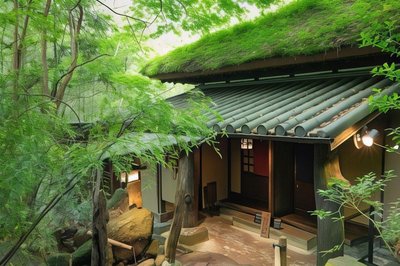
Sanso Tensui
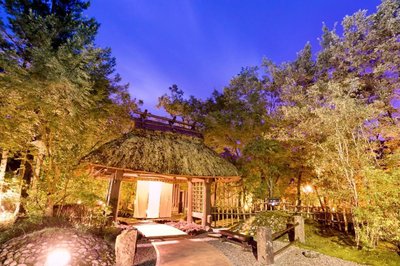
Satonoyu Waraku
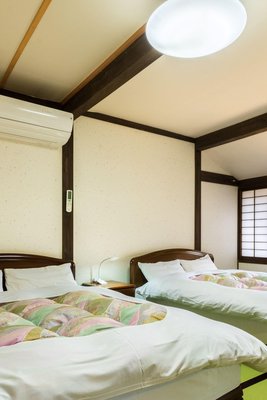
Tobise Onsen Tenga Sanso
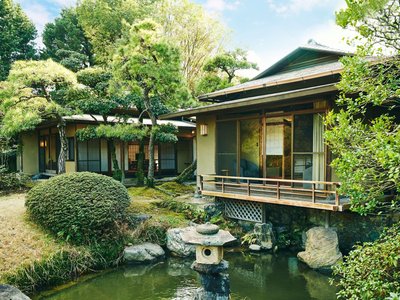
Suisui Garden Ryokan (in the Art Hotel Kokura New Tagawa)
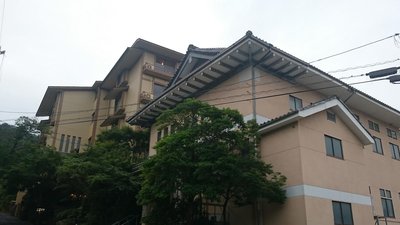
Miyajima Hotel Makoto
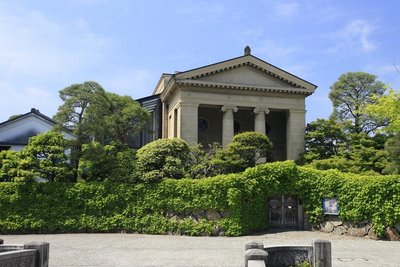
Ryori Ryokan Tsurugata
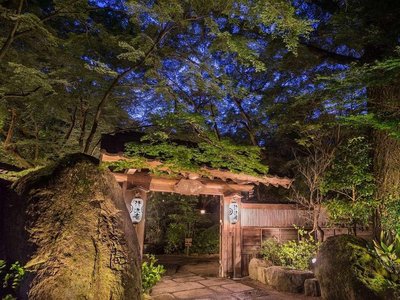
Akizuki Spa Ryokan Seiryuan
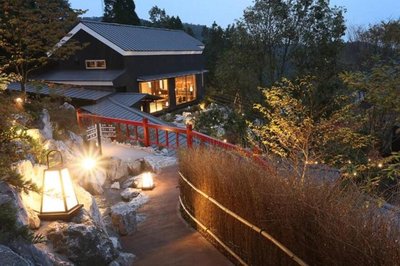
Gekkoju Kurokawa
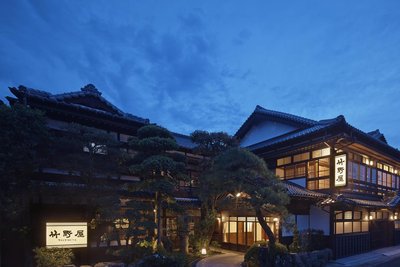
Takenoya
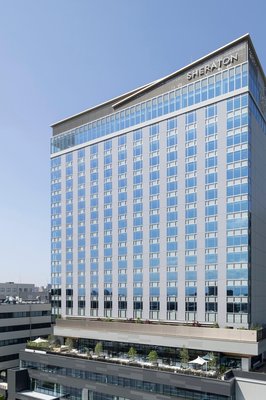
Sheraton Kagoshima
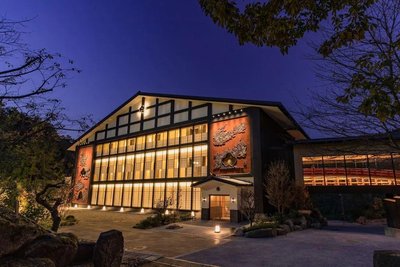
Okuhita Onsen Umehibiki
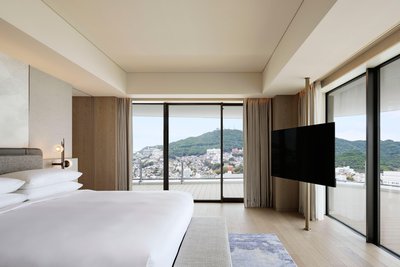
Nagasaki Marriott Hotel
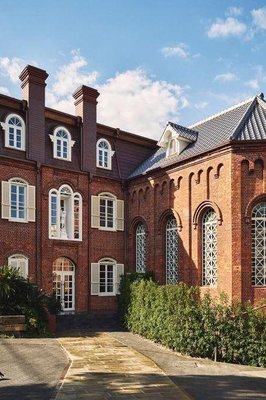
Hotel Indigo Nagasaki Glover Street by IHG
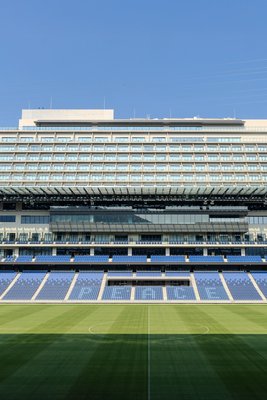
Stadium City Hotel Nagasaki
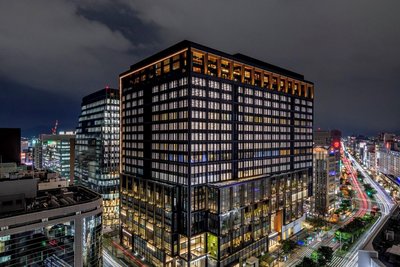
ONE FUKUOKA HOTEL
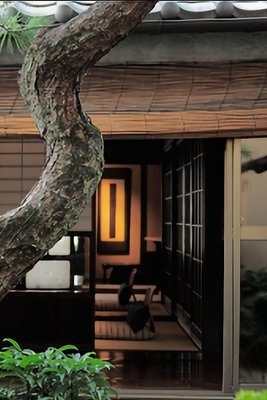
Shimayado Mari
AoAwo Naruto Resort
Ryokan Shinsen
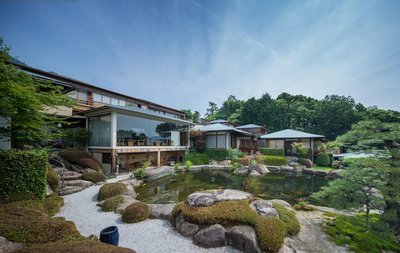
SEKITEI

Yamatoya Besso
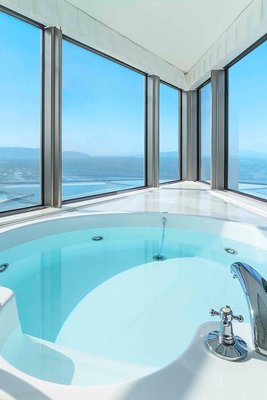
Hilton Fukuoka Sea Hawk

Olive Bay Hotel
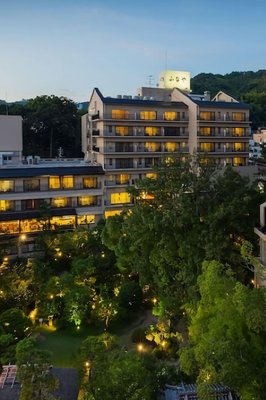
Funaya
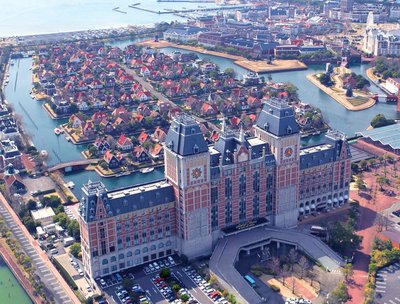
Hotel Okura Jr Huis Ten Bosch
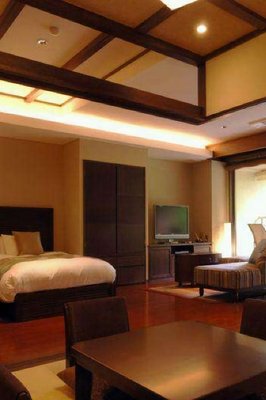
Bettei Oborozukiyo
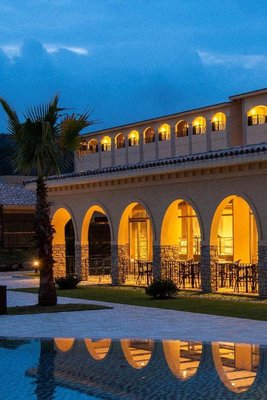
La Vista Kirishima Hills
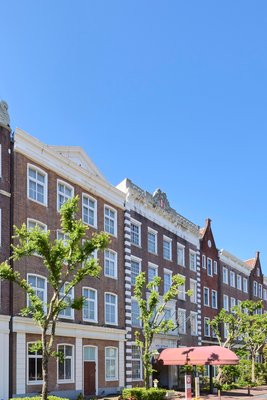
Hotel Amsterdam Huis Ten Bosch

Yumotoankiyohime
Ana InterContinental Beppu Resort & Spa
Frequently Asked Questions about Traveling to Kudamatsu
Questions You Might Need to Know About Traveling to Kudamatsu
In Shimonoseki, the top choice for families is Shimonoseki City Hotel, located in the heart of town with easy access to Shimonoseki Port and Yamaguchi Prefectural Natural Park. The hotel offers spacious family rooms, a children's play area, and daily guided tours to local seafood markets and cultural sites. Its on-site restaurant serves authentic katsuo-drying fish dishes and kid-friendly Japanese meals.
Another excellent option is Toyoko Inn Shimonoseki Station Front, just a 3-minute walk from the train station. With affordable rates and reliable amenities, it’s ideal for short trips or business travelers with kids. Nearby attractions include Shimonoseki City Museum and Seafood Market, perfect for hands-on exploration. Families can also enjoy local souvenirs like katsuobushi (dried bonito) as gifts.
The Shimonoseki Port area is the most scenic and recommended region for hotel stays. Overlooking the Seto Inland Sea, this waterfront zone features boutique inns and guesthouses like Umi no Mori Guesthouse and Harbor View Cottage, offering panoramic sea views and peaceful morning sunrises.
Guests can easily explore nearby attractions such as Shimonoseki City Cultural Center, Old Town Market, and historical sites like Shimonoseki Shrine and Former Shimonoseki Town Hall. At night, strolling along the illuminated harbor promenade provides a romantic atmosphere. The area combines natural beauty with rich cultural heritage, making it ideal for both relaxation and discovery.
Guests in Shimonoseki can participate in authentic local experiences at Umibayashi Ryokan, where the "Fisherman's Home Visit" program invites travelers to join early-morning market shopping with local fishermen. Learn how to prepare traditional katsuobushi (dried bonito) and seaweed rolls while hearing stories about Seto Inland Sea fishing traditions.
Another highlight is the "Harbor Tea Ceremony" held at Shimonoseki Port Garden, using locally grown matcha and handmade sweets. The experience embodies the Japanese tea philosophy of wa-kei-sei-jaku (harmony, respect, purity, tranquility). These immersive activities offer deep insights into Shimonoseki’s maritime lifestyle and community spirit.
The best vantage point for night views in Shimonoseki is the Shimonoseki Port Observation Deck, located on the western side of the Shimonoseki Port Bridge. From here, visitors enjoy unobstructed views of the illuminated harbor, distant lighthouses, and the gentle glow of fishing boats returning at night.
During summer, the deck hosts the Sea Festival Light Show and fireworks displays. Nearby, Kaigetsu Café offers cozy seating with hot drinks and a warm ambiance—perfect for enjoying the city lights. For an elevated experience, stay at Harbor Terrace Hotel, whose rooftop terrace features heaters and telescopes, ideal for photography and intimate evening moments.
For creative travelers, Seto Inland Book Inn stands out as a literary haven. Housed in a renovated century-old building, it contains over 2,000 secondhand books and works by local authors. Each room is named after a poem, painting, or song, and guests receive hand-written postcards with original verses.
Another standout is Sea Breeze Library Hostel, featuring a "Ocean Sound Wall" that plays waves and seabird calls. The public space hosts rotating exhibitions of local art and ceramics. Monthly events like "Coastal Reading Circle" invite guests to read novels centered on the sea, such as Haruki Murakami’s Kafka on the Shore. This blend of literature, nature, and community makes it a favorite among artists and writers.
Many hotels in Shimonoseki offer authentic regional cuisine. At Portside Dining Hotel, try the "Morning Seafood Set", featuring fresh katsuo sashimi, uni rice balls, and Seto citrus-glazed grilled fish, all sourced directly from the morning market.
Umi no Mori Ryokan runs a "One-Day Fisherman Cooking Class", where guests learn to make katsuobushi sushi and seaweed miso soup, then enjoy their creations in a garden setting. Some hotels also host "Beachside Bonfire Dinners" with homemade sake and local desserts like sea breeze mikan mochi. These meals not only delight the palate but honor Shimonoseki’s culinary heritage.
Photography enthusiasts should consider staying at Shimonoseki Port View Inn, which features a 360-degree open observation deck equipped with tripod mounts and adjustable lighting. It’s perfect for capturing sunrise, sunset, and star trails over the Seto Inland Sea.
The inn provides free rental of wide-angle lenses and tripods and arranges guided photo walks to historic spots like the Old Shimonoseki Dock and coastal trails. Another top pick is Sea Wind Photography Stay, designed with white walls and adjustable ambient lighting for still-life and portrait shoots. The property hosts monthly "Seto Inland Sea Photo Workshops" led by professional photographers, helping guests capture the essence of Shimonoseki’s landscapes and culture.
Shimonoseki’s prime cherry blossom season unfolds at Shimonoseki Cherry Blossom Park, where over 500 Yoshino cherry trees bloom from late March to early April, creating a stunning pink canopy along the riverbank.
Stay at Sakura no Yado Shimonoseki, just a 5-minute walk away. The hotel’s rooms feature "Cherry Blossom Snowfall" windowsills that project falling petals via LED tech. They offer "Blossom Picnic Sets" and "Hanami Lantern Services" for evening viewing. Seasonal events include "Cherry Blossom Tea Ceremonies" and "Sakura Painting Workshops", enriching the connection between nature and tradition.
The Former Shimonoseki Town Hall, built in 1908, is a striking example of Meiji-era architecture and now operates as a cultural venue and boutique hotel. This red-brick and wood structure once housed local government offices and features original clerical desks, oil lamps, and vintage signage.
Guests at Former Shimonoseki Town Hall Inn experience a recreated Edo-period official residence with period furnishings and handwritten journals. Daily "Town Mayor Story Sessions" bring history to life through live performances. Nearby, Machi-nori Street offers charming old shops and artisan studios, perfect for walking tours and capturing nostalgic moments.
While not a traditional onsen town, Shimonoseki has embraced the concept of sea-view hot springs. Umi no Yume Onsen Hotel draws mineral-rich water from deep beneath the Seto Inland Sea floor. The water is high in sulfur, known for relieving muscle tension and improving skin health.
The hotel features a semi-outdoor ocean-facing bath, allowing guests to soak while gazing at distant islands. There’s also a "Starlight Sauna Room" with a glass ceiling for stargazing. Additional offerings include sea breeze essential oil massages and onsen wellness workshops, combining coastal serenity with therapeutic benefits—a perfect retreat for urban dwellers seeking renewal.
Kudamatsu Overview
City Summary
Kudamatsu City in Yamaguchi Prefecture blends industrial prowess with coastal charm, where petrochemical plants coexist with Edo-period heritage. Key attractions include the Seto Inland Sea vistas, egret-inhabited wetlands, and the 400-year-old Kudamatsu Castle ruins. Known for manufacturing yet retaining fishing village tranquility, it offers an authentic non-touristy Japanese experience.
Must-See Attractions
Top sights feature the Kudamatsu History Museum showcasing industrial evolution and samurai artifacts. Kasado Island's volcanic formations and sea caves appeal to geologists, with summer fishing tours available. Nishinosaka Park transforms during cherry blossom season with mesmerizing night illuminations. Cultural highlights include tea ceremonies in Kubo Chaya District and the monthly fishermen's market for fresh seafood tastings.
Food Guide
Renowned for sea bream cuisine, don't miss sashimi and chazuke made with harbor-fresh fish. Kasado Seafood Market excels in grilled oysters and winter-only fugu hotpot. Quirky snacks include "oil-tank shaped dorayaki" inspired by refineries, and soy sauce dumplings using Seto seawater salt. Visit morning markets near JR Kudamatsu Station for artisanal fish jerky and pickles.
Transportation Guide
JR Sanyo Line and coastal buses are primary options. From Hiroshima/Fukuoka, JR takes ~1.5 hours. Recommended "Setouchi Pass" covers ferries and buses. Taxis start at ¥680 but most sights are within 3km walking distance. Note ferries to Kasado Island run every 2 hours (last 18:00), with extra weekend sightseeing boats. Free parking available at city hall (reservation required).
Best Time to Visit
Prime seasons are early April (cherry blossoms) and October-November (mild autumn). Avoid humid July-August rains. Industrial smokestacks create dramatic fogscapes in winter but require warm clothing. Accommodation prices triple during Golden Week/Obon - consider off-peak travel.
Travel Tips
- Factory tours require 3-day advance HopeGoo; photography restrictions apply
- Bargaining at fish markets is frowned upon, though evening discounts occur
- Apply mosquito repellent in wetlands; drones prohibited during egret nesting (May-Jun)
- Most onsens don't rent towels - bring your own
- Buses are punctual but last departures usually before 20:30
- Strict garbage separation; convenience stores sell special disposal bags
Useful Information
Language: Tourist centers have English staff (9:00-17:00), but most menus are Japanese-only. Internet: Free "KUDAMATSU_FREE" WiFi (password: area code 0833). Payments: Cards accepted at major sites; cash-only at fish markets. Medical: Municipal Hospital offers EN/CN interpretation (24/7). OTC drugs available at Matsumotokiyoshi pharmacies. Voltage: 100V, bring Type A/B plugs. Emergencies: Police English line #9110, Chinese Embassy protection hotline +81-90def-8096 (Hiroshima jurisdiction).









