Hotels in Kudoyama
Discover your perfect stay in Kudoyama.
Kudoyama(Japan) Travel 2026: Cheap Flights, Hotels & Top Attractions
Popular Landmarks in Kudoyama
Discover the most iconic attractions in Kudoyama
Recommended Hotels in Kudoyama
Find the perfect place to stay in Kudoyama
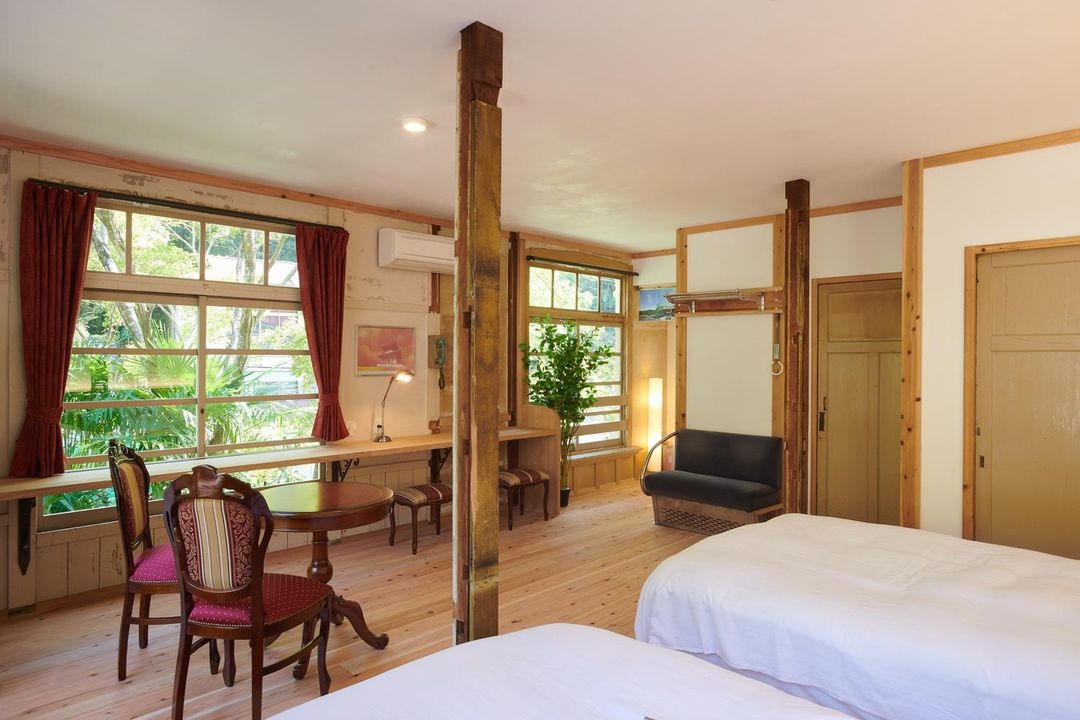
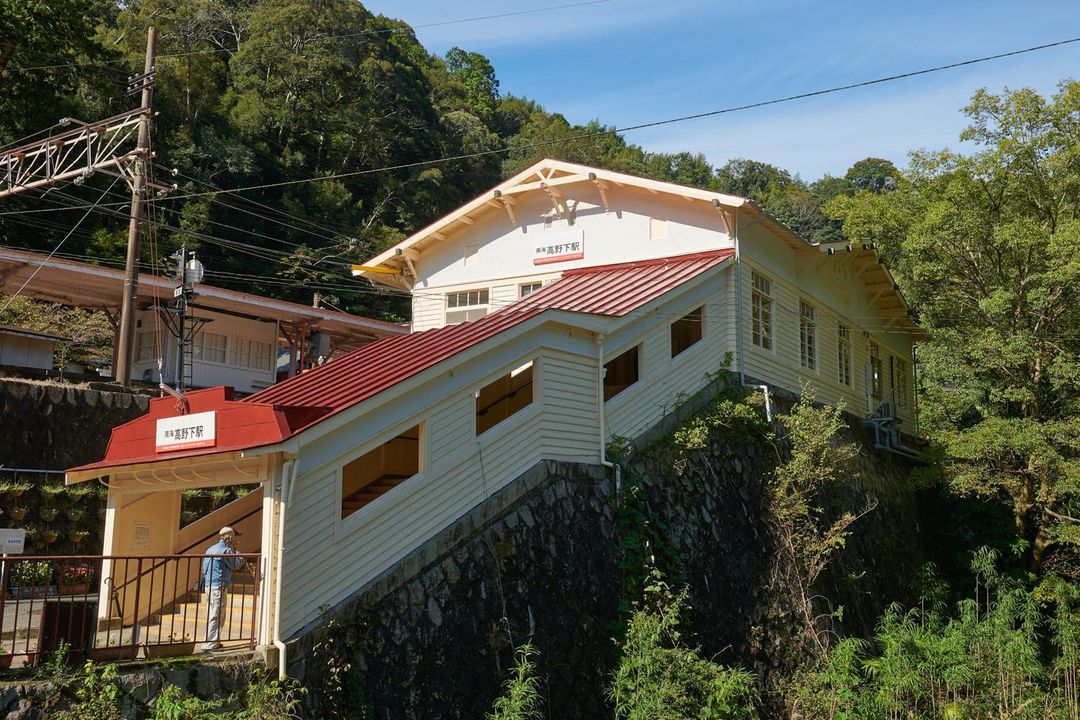
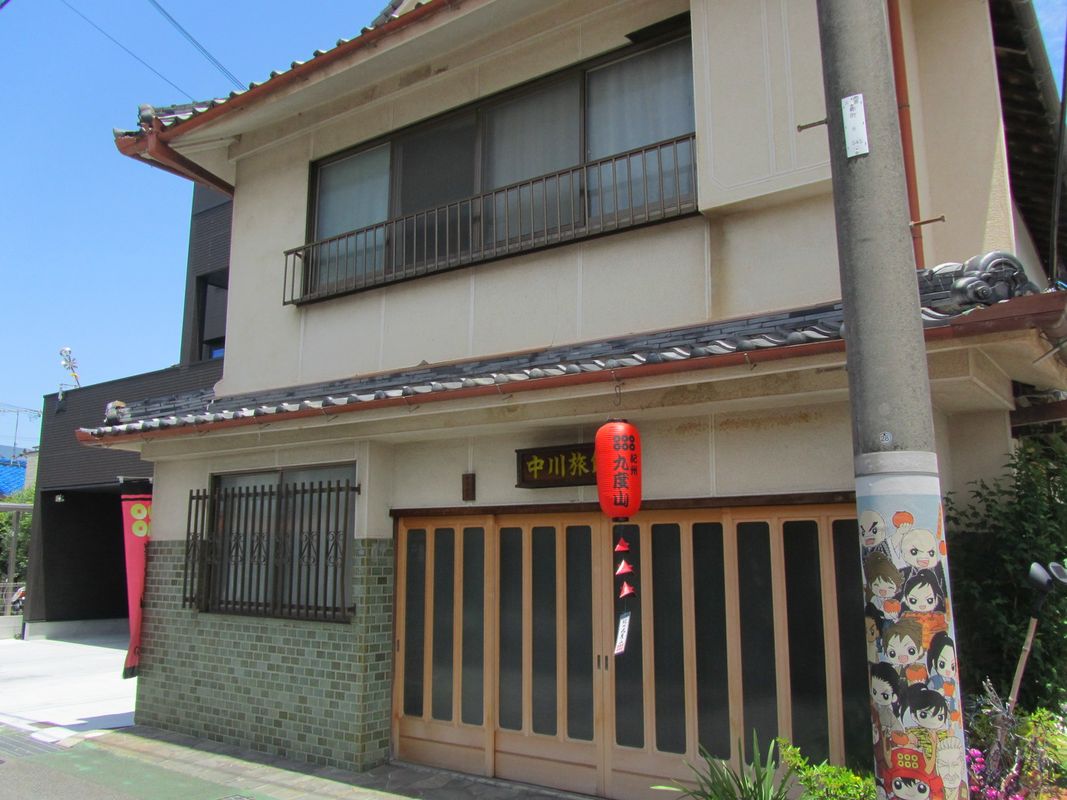
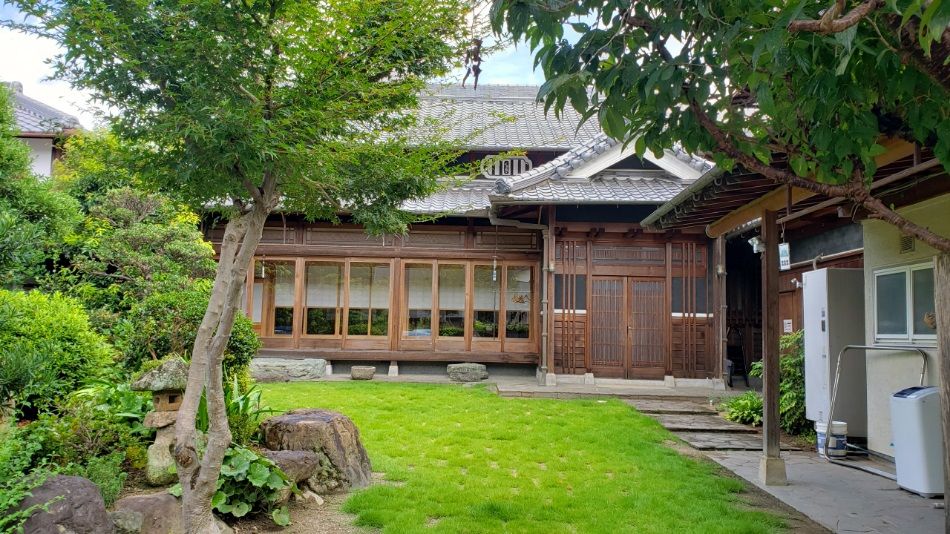
Best Hotels in Kudoyama
Discover curated hotel collections in Kudoyama







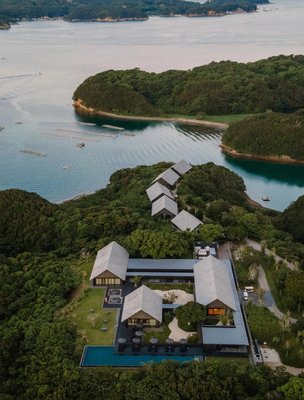
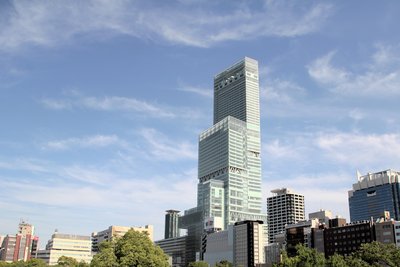

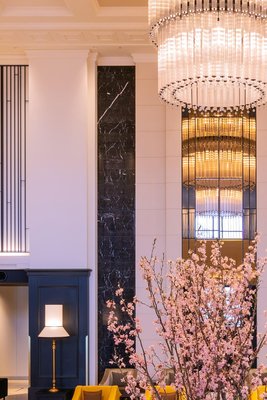





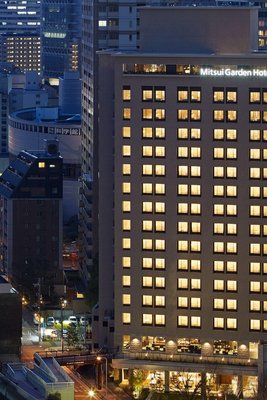


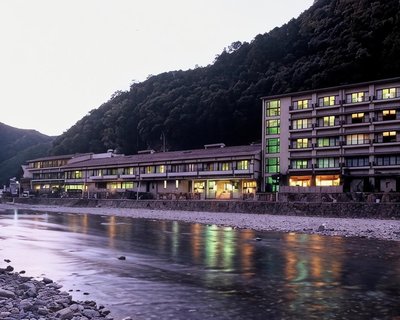
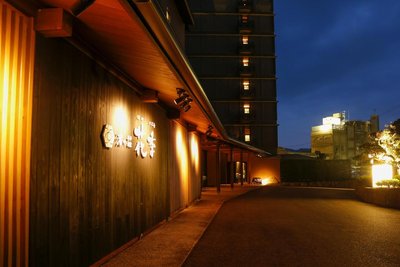

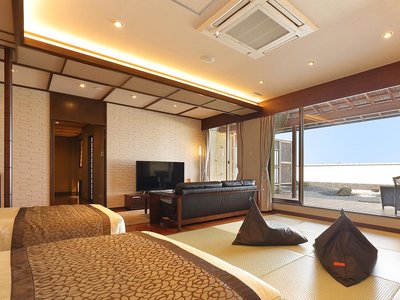
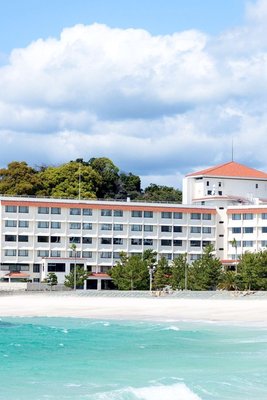
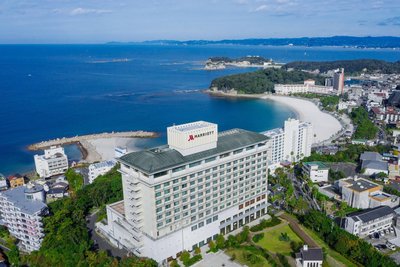


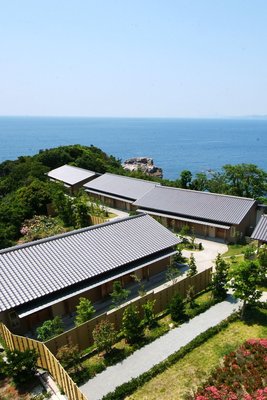
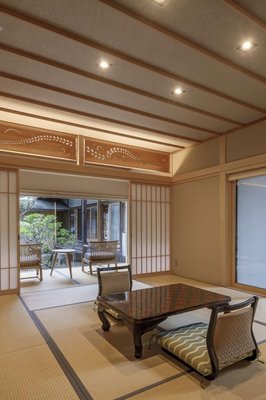
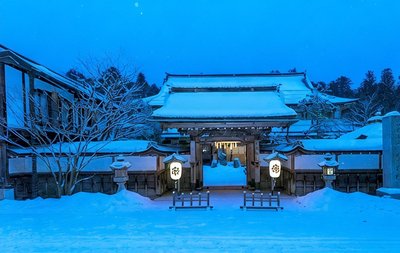


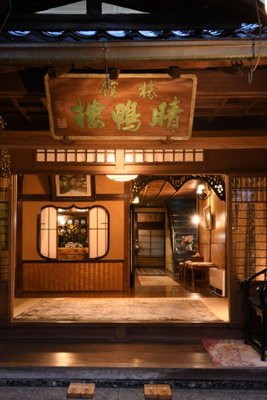
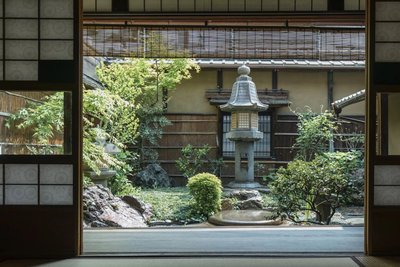
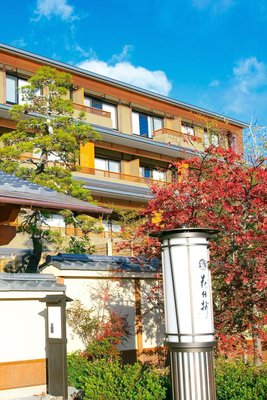
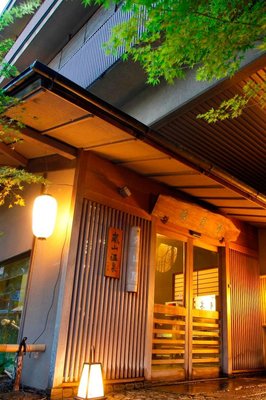
































Frequently Asked Questions about Traveling to Kudoyama
Questions You Might Need to Know About Traveling to Kudoyama
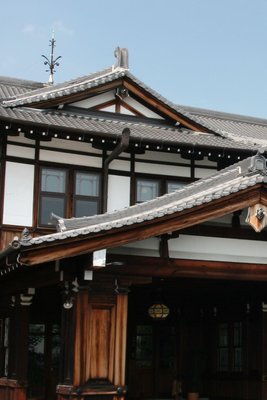
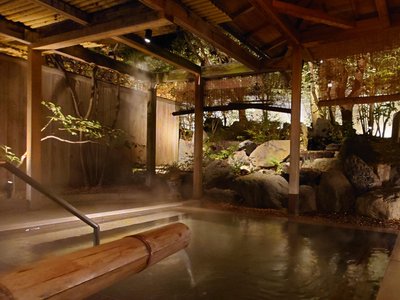
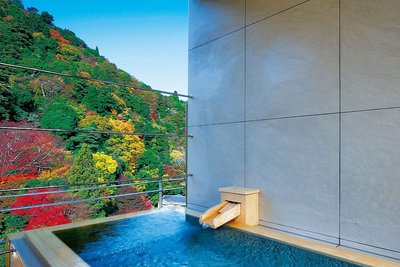
In Katsuragi Town, the top choice for cultural immersion is Shōsen-ji Temple Stay (Katsuragi-cho Zen Guesthouse), nestled at the foot of Mount Kōya. This traditional zendo-style lodging offers guests a chance to participate in morning sutra chanting, tea ceremony, and meditation sessions led by resident monks. Another excellent option is Kawazuru Onsen Ryokan, which combines private outdoor baths with seasonal kaiseki cuisine made from local ingredients like Wakayama citrus and wild mountain vegetables. Both properties emphasize shinrin-yoku (forest bathing) and spiritual retreats, making them ideal for travelers seeking authenticity and quiet reflection in Japan’s sacred landscape.
The best area for first-time visitors is Kōya-san Entrance (Kōya-san Guchi), located just steps from Kōya-san Station on the Nankai Line. This district is surrounded by major religious sites including Kongō-ji Temple, Okunoin Cemetery, and Sanmon Gate, all accessible on foot. It also hosts several temple lodges (sōbō) offering budget-friendly stays with communal dining and daily rituals. With clear signage, English guides, and shuttle buses to key attractions, this zone balances convenience with spiritual atmosphere—perfect for those exploring Japan’s spiritual heartland without overwhelming logistics.
Guests in Katsuragi Town can take part in authentic Shingon Buddhist retreats, including early-morning sutra chanting, candlelight meditation, and copying Buddhist scriptures at Shōsen-ji Temple. Another highlight is visiting the Katsuragi Washi Workshop, where you’ll learn to craft handmade washi paper using centuries-old techniques passed down through generations. Seasonal events like the Gion Festival Night Parade (if available) offer insight into local faith and tradition. These immersive activities, often hosted by temple communities, provide a rare opportunity to engage directly with Katsuragi’s living heritage and Buddhist philosophy.
Yes, Kawazuru Onsen Ryokan and Kōya-san Children’s Nature Classroom offer excellent family-friendly options. The ryokan features child-safe baths, themed storytelling sessions, and guided forest walks with native plant identification. The classroom provides interactive lessons on mountain ecology, seasonal food, and Buddhist nature symbolism, perfect for kids aged 5–12. Families can also explore the Katsuragi Castle Ruins Park, with safe trails and educational signs. All locations prioritize safety, quiet surroundings, and low-impact tourism, making it an ideal destination for intergenerational travel rooted in nature and culture.
Must-try dishes in Katsuragi Town include Wakayama citrus miso chicken, a tangy-sweet stew using fresh local citrus; Kōya Mountain tofu, made from pure soybeans and served with kombu dashi; and wild mountain vegetable tempura, featuring seasonal greens like ferns and bamboo shoots. At temple lodges, don’t miss shōjin ryōri (Buddhist vegetarian cuisine), a multi-course meal emphasizing balance, color, and seasonality. These meals are not only delicious but reflect the spiritual values of purity and gratitude central to the region’s identity. Try them at local markets or recommended restaurants in the town center.
The best times to visit Katsuragi Town for breathtaking scenery are spring (March–May) and autumn (September–November). Spring brings blooming azaleas around Kongō-ji Temple and cherry blossoms along the riverbanks, while autumn paints the forests in fiery reds and golds, especially visible along the Okunoin pilgrimage path. The weather is mild, and crowds are smaller than during Golden Week. Summer offers lush greenery and cool mountain air, ideal for hiking, while winter may bring snow-dusted temples—particularly magical at Shōsen-ji Temple. Avoid peak holidays for a more serene experience.
From Osaka, take the Nankai Koya Line Express to Kōya-san Station, a journey of about 1 hour. From there, transfer to the Kōya-san Cable Car or a local bus to reach Katsuragi Town Center, taking roughly 20 minutes. Alternatively, rent a car via Wakayama Expressway for a scenic 1.5-hour drive, ideal for groups or those planning multiple stops. For a structured experience, join a one-day pilgrimage tour that includes transport, guided visits to temples, and overnight stay at a temple lodge—offering both comfort and cultural depth.
Key historical sites in Katsuragi Town include Katsuragi Castle Ruins, once the stronghold of Yukimura Sanada, now a peaceful park with panoramic views. Nearby, Sanada Shrine honors his legacy and samurai spirit. The Kongō-ji Temple complex houses the Sanmon Gate, a National Treasure with intricate woodcarving. Most significant is Okunoin Cemetery, the final resting place of Kūkai (Oda), the founder of Shingon Buddhism, stretching across a vast forested valley. These sites collectively represent Japan’s spiritual and feudal history, offering profound insights into medieval warfare, religious devotion, and architectural mastery.
Recommended nighttime experiences in Katsuragi Town include the Okunoin Lantern Procession, where visitors walk through dark forest paths lit by thousands of paper lanterns, creating a meditative, otherworldly atmosphere. Some temples, like Shōsen-ji, host night meditation sessions and chanting ceremonies under candlelight. At Kawazuru Onsen Ryokan, guests can enjoy stargazing from private decks—thanks to minimal light pollution and crystal-clear skies. Occasionally, traditional Japanese music performances are held at the Katsuragi Cultural Hall. These quiet, reflective experiences allow travelers to connect deeply with nature and spirituality after a day of exploration.
Absolutely. Katsuragi Town is ideal for solo travelers seeking peace and introspection. Staying at a temple lodge (sōbō) allows for daily participation in mindfulness practices like zazen meditation, morning sutra reading, and silent walks through forested grounds. The lack of nightlife and limited crowds create a sanctuary-like environment. Many lodges offer single rooms with private baths and simple yet elegant interiors. Whether journaling by a stream, attending a tea ceremony, or simply listening to temple bells, the town fosters deep personal stillness—making it one of Japan’s most authentic destinations for solo spiritual retreats.
Kudoyama Overview
City Summary
Kudoyama Town, located in Wakayama Prefecture, Japan, is a small town rich in history and natural beauty. Known as the隐居地 of Sanada Yukimura, it boasts significant historical and cultural heritage. Surrounded by mountains, the town offers stunning seasonal views, particularly cherry blossoms in spring and autumn foliage. The tranquil atmosphere and traditional Japanese charm make it an ideal escape from urban hustle.
Must-See Attractions
Key attractions in Kudoyama include Sanada-an, the former residence of Sanada Yukimura, now a museum showcasing his life. Jison-in Temple, part of the UNESCO World Heritage Site "Sacred Sites and Pilgrimage Routes in the Kii Mountain Range," holds deep Buddhist history. The surrounding nature trails are perfect for hiking, offering breathtaking mountain and river views.
Food Guide
Kudoyama's cuisine reflects Wakayama's traditions. Try umeboshi (pickled plums), a local specialty with a sweet-sour flavor. Kaki-no-ha zushi (persimmon leaf sushi) is another must-try, with its unique aroma. Street snacks like soy sauce dango (sweet-savory rice dumplings) are also delightful.
Transportation Guide
Kudoyama is accessible by bus from Wakayama City via the Nankai Koya Line to Kudoyama Station. The town is compact, so walking or renting a bicycle is recommended. Taxis are limited; advance HopeGoo is advised. Buses or trains to nearby sites like Mount Koya take about 30 minutes.
Best Time to Visit
The best times to visit are spring (March-May) and autumn (September-November), with pleasant weather and scenic beauty. Cherry blossoms bloom in spring, while autumn offers vibrant foliage, but these seasons are busier. Summers are humid, and winters may see snow, ideal for quieter visits.
Travel Tips
- Respect local customs; maintain silence at temples.
- Some sites require shoe removal; wear slip-on shoes.
- Shops close early; stock up on essentials beforehand.
- Mountain weather is unpredictable; carry rain gear and warm layers.
- Strict waste separation rules; follow local guidelines.
- Some restaurants are cash-only; carry sufficient yen.
Useful Information
Japanese is the primary language; English signage is rare, so a translation app is helpful. Mobile coverage is good; consider a local SIM or roaming. Cash is preferred, though some shops accept cards. Medical facilities are limited; the nearest hospital is in Wakayama City. Travel insurance is recommended. Emergency numbers: 110 (police) and 119 (ambulance).









