Hotels in Kujūkuri
Discover your perfect stay in Kujūkuri.
Kujūkuri(Japan) Travel 2026: Cheap Flights, Hotels & Top Attractions
Popular Landmarks in Kujūkuri
Discover the most iconic attractions in Kujūkuri
Recommended Hotels in Kujūkuri
Find the perfect place to stay in Kujūkuri
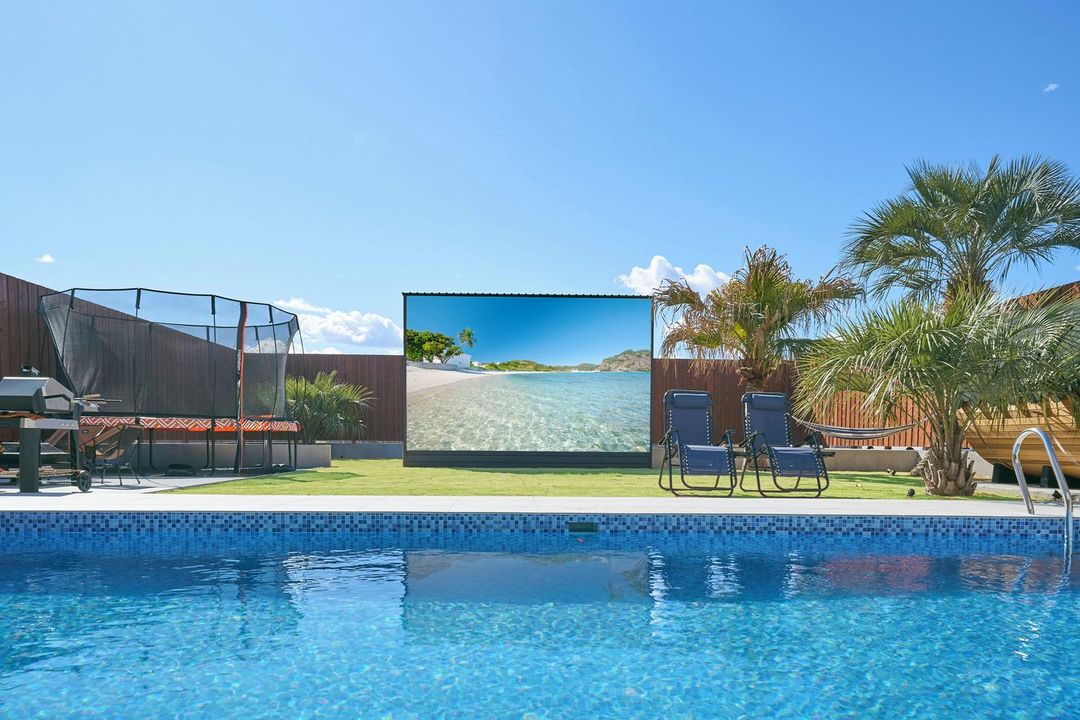
VILLA SENSE kujukuri
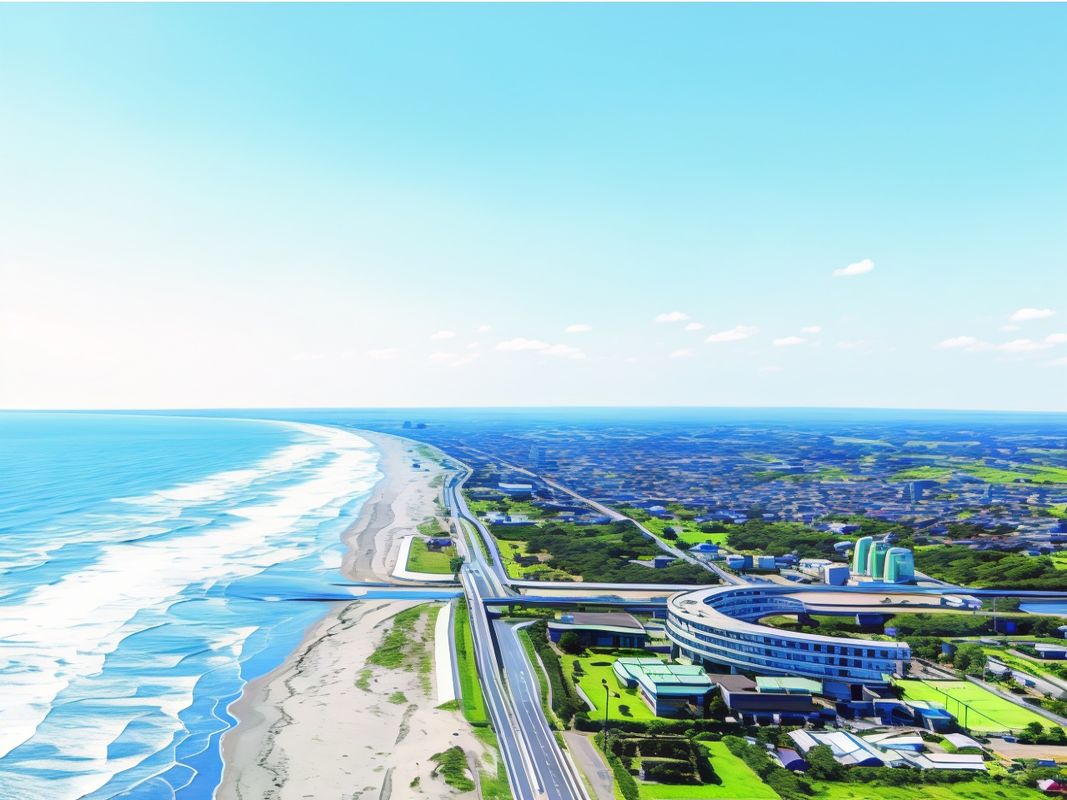
Sunrise Kujukuri
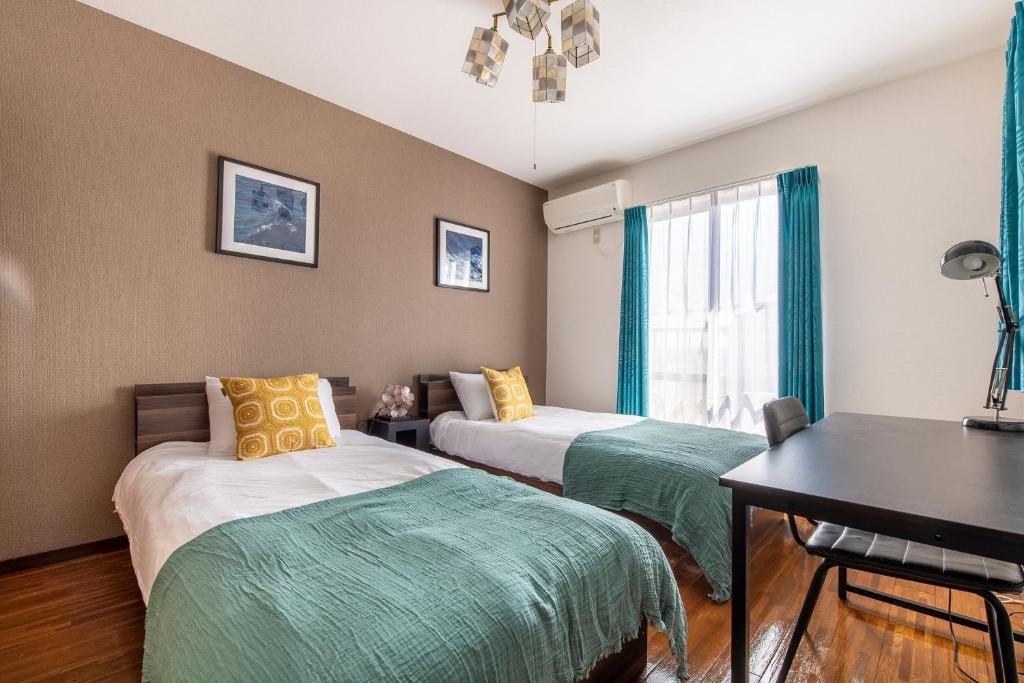
Kujukuri
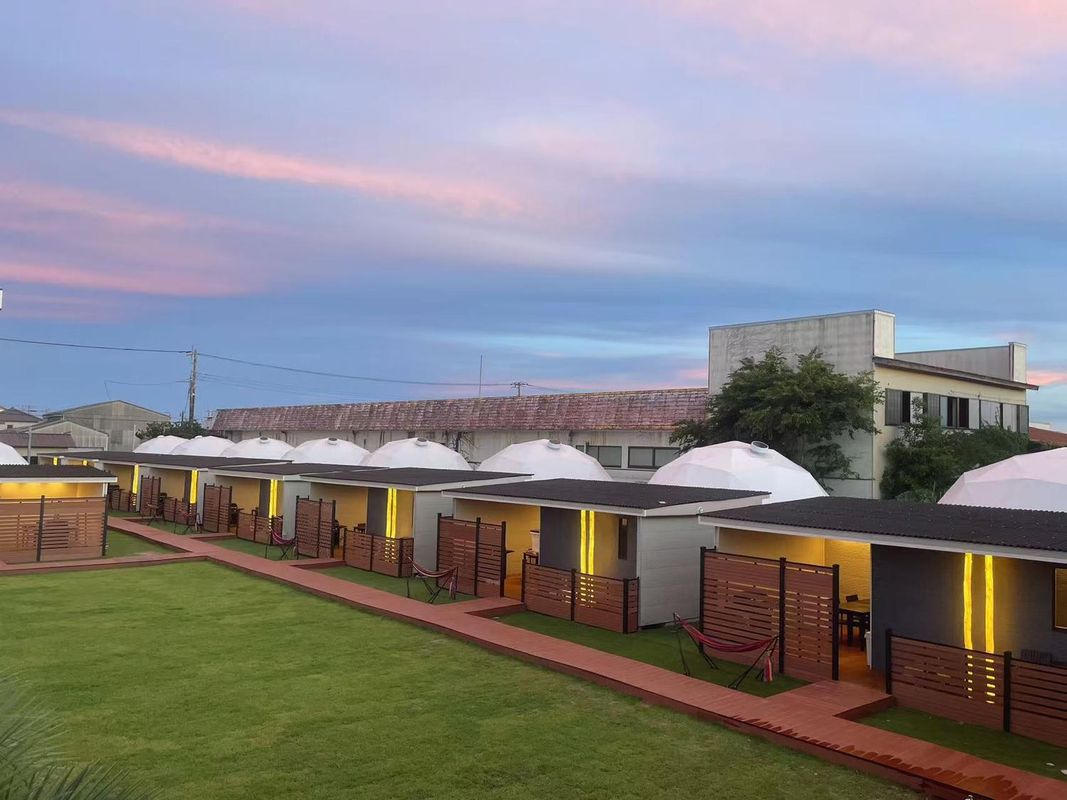
Ducale Garden Hotel Kujukuri
Best Hotels in Kujūkuri
Discover curated hotel collections in Kujūkuri
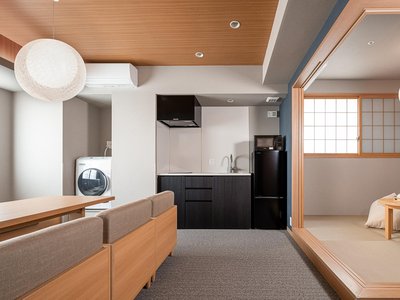
MIMARU SUITES Tokyo Asakusa

La Terra Resort
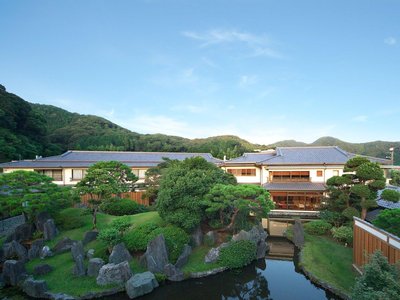
Kagetsutei
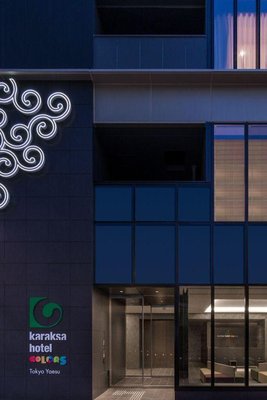
karaksa hotel colors Tokyo Yaesu
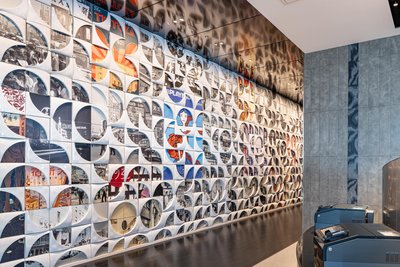
HOTEL GROOVE SHINJUKU, A PARKROYAL Hotel

EN Resort Grandeco Hotel
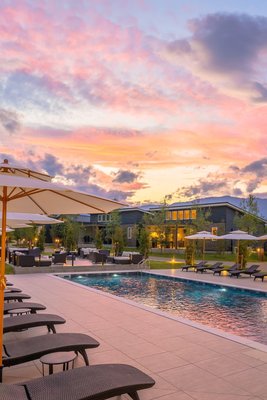
Awaumi Fujikawaguchiko Resort
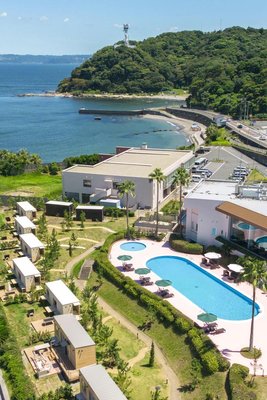
La vista Yokosuka Kannonzaki Terrace
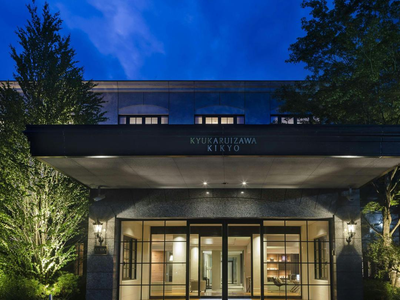
Fufu Karuizawa Wind of Sunshine
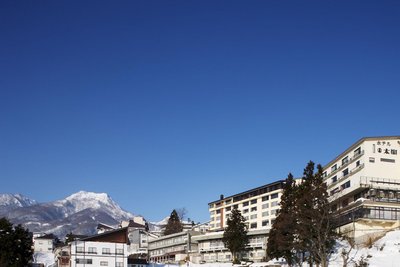
Hotel Taiko, Akakura Onsen
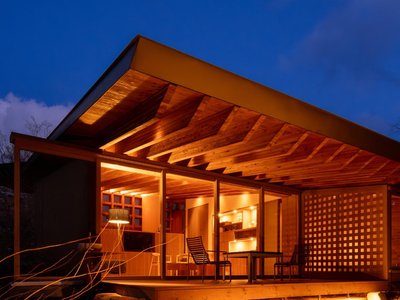
Nasu Mukunone
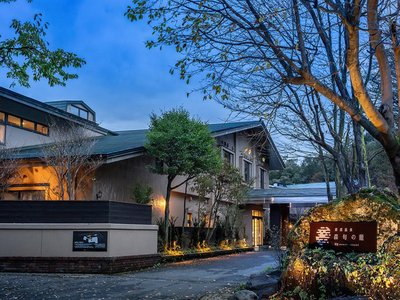
Nasu Onsen Shinshun no Kago Hewitt Resort

Scapes the Suite
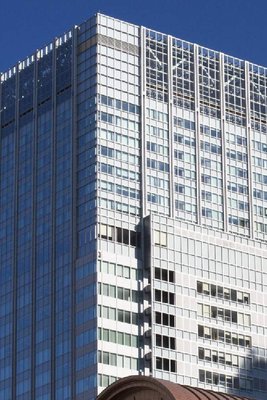
Hotel Metropolitan Tokyo Marunouchi
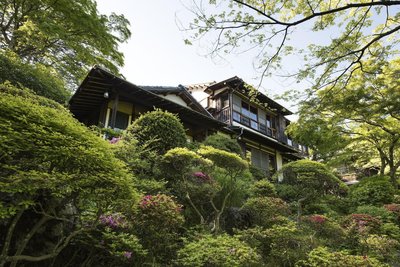
Gora Kansuiro
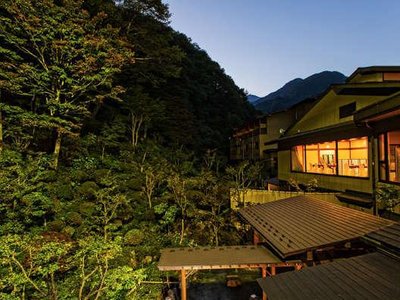
Futari Shizuka
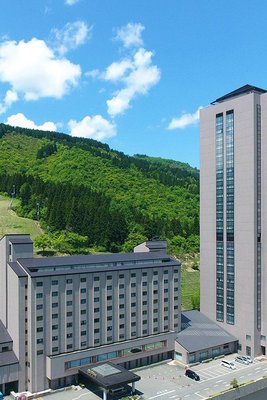
Naspa New Otani
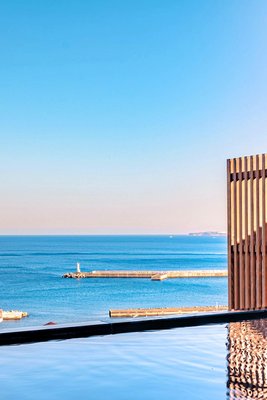
HOTEL KANICHI
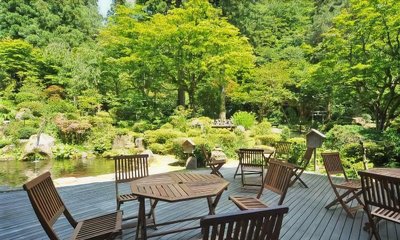
Choseikan
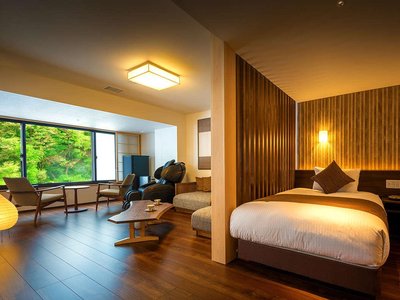
Harataki
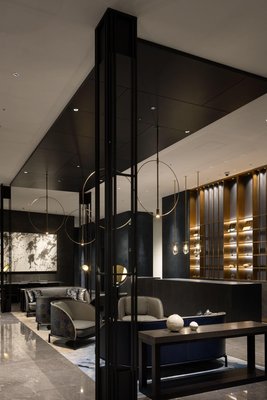
Bellustar Tokyo, A Pan Pacific Hotel
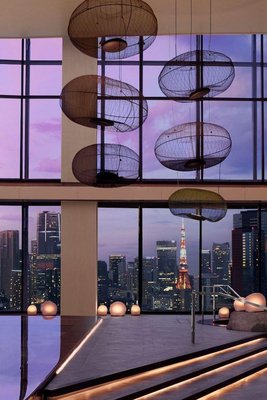
JW Marriott Hotel Tokyo
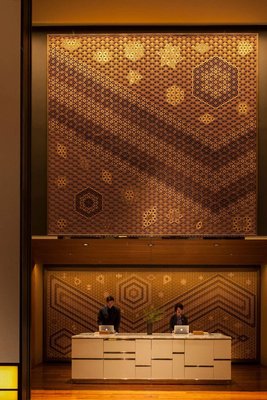
Andaz Tokyo Toranomon Hills- A Concept by Hyatt
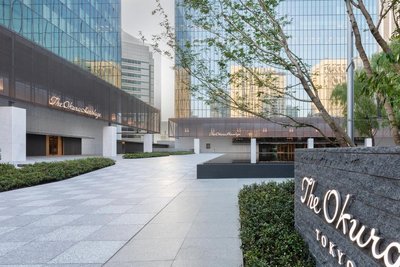
The Okura Tokyo
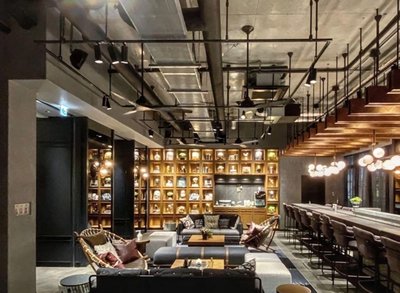
The Lively Azabujuban Tokyo
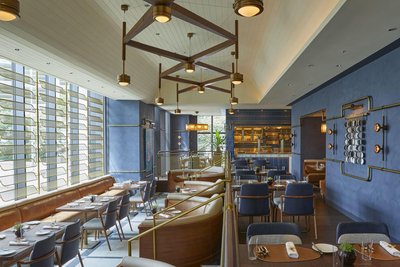
Kimpton Shinjuku Tokyo

HOTEL K5
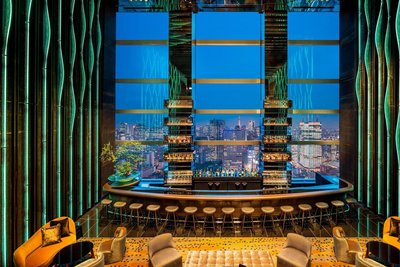
The Prince Gallery Tokyo Kioicho, a Luxury Collection Hotel
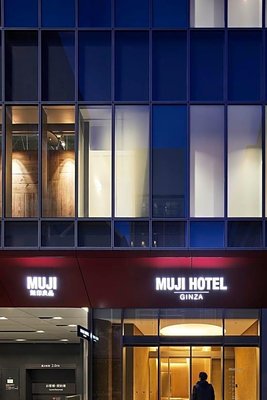
Muji Hotel Ginza
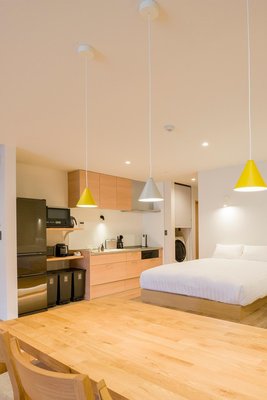
Rakuten STAY VILLA Nasu
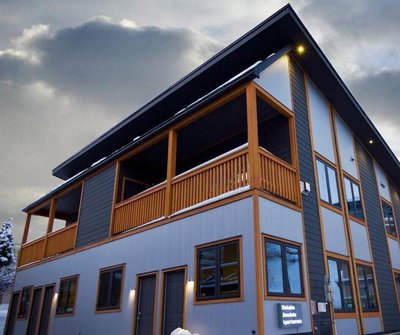
Hakuba Gondola Apartments
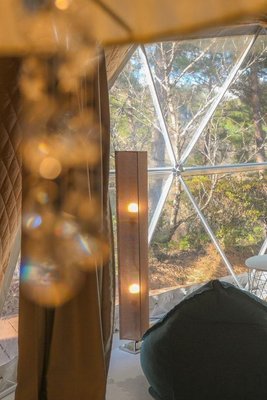
glampark Gekkabijin Nagano
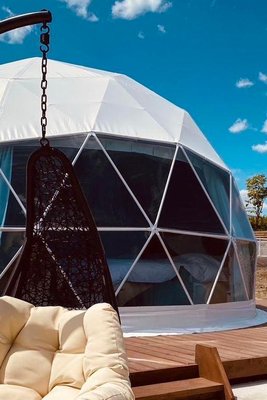
chillout glamping zao
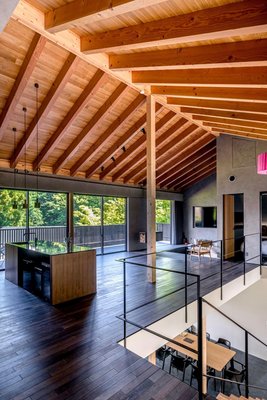
MONS GORA
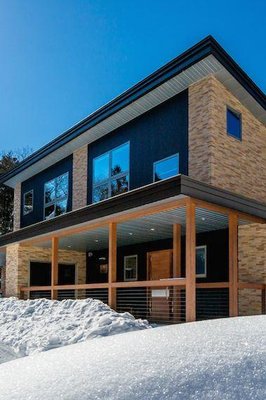
Phoenix Chalets by Hhg
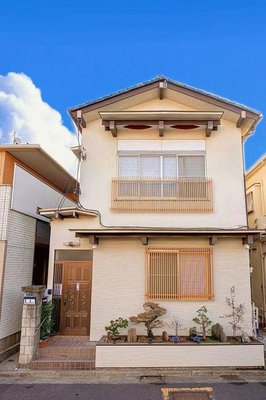
Tokyo Star House-Shinkoiwa
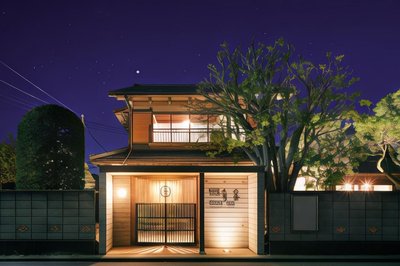
Machi-Jyu
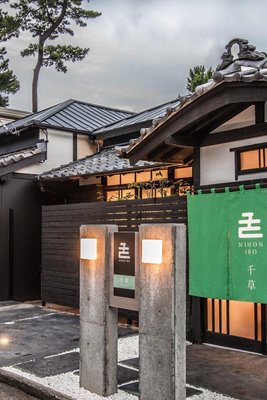
Nihon Iro
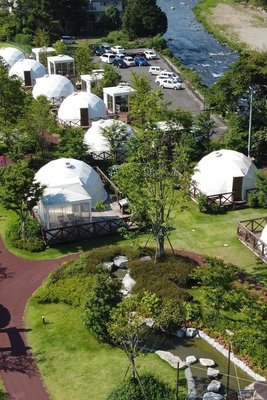
Ufufu Village
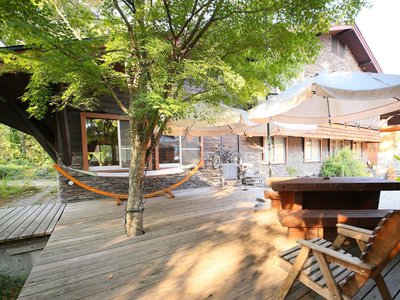
Kunugi Relaxation with 4 Modern Rooms
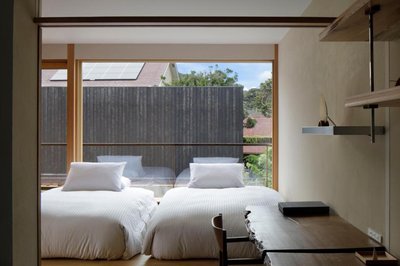
Modern Ryokan Kishi-ke
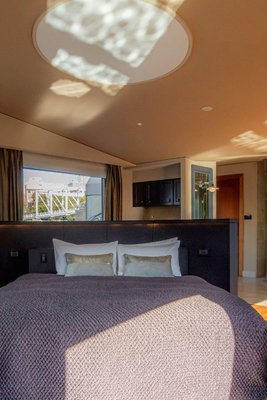
Petals Tokyo - Floating Hotel
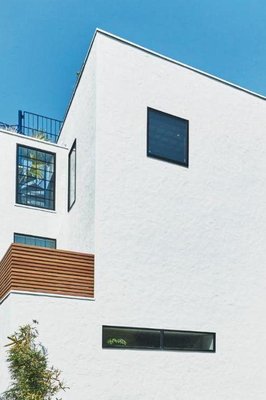
The Flow Kamakura
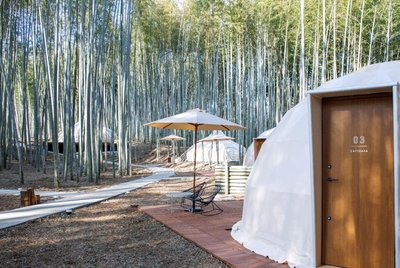
THE BAMBOO FOREST
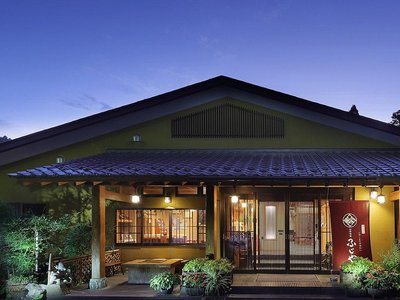
Shikimitei Fujiya
Bellustar Tokyo, A Pan Pacific Hotel
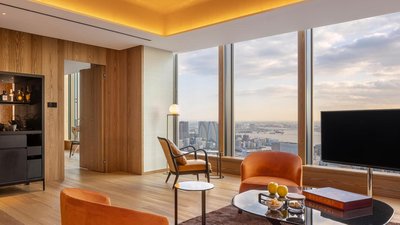
Bvlgari Hotel Tokyo
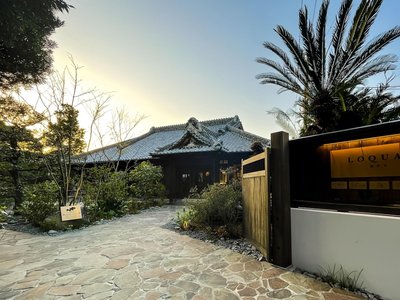
Loquat Nishiizu
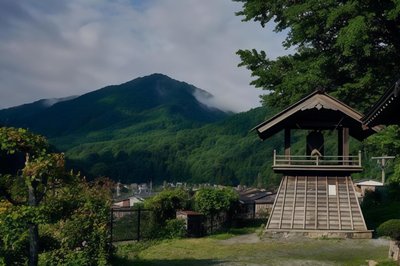
Byaku Narai
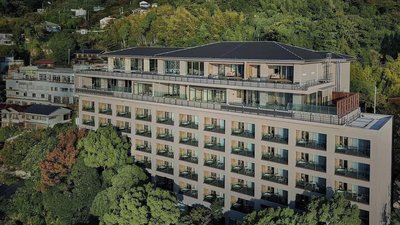
Atami Izusan Karaku
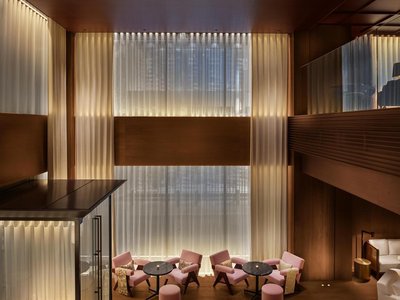
The Tokyo Edition, Ginza
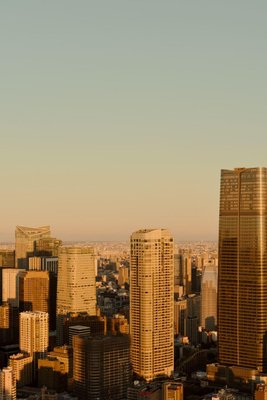
Janu Tokyo
JW Marriott Hotel Tokyo
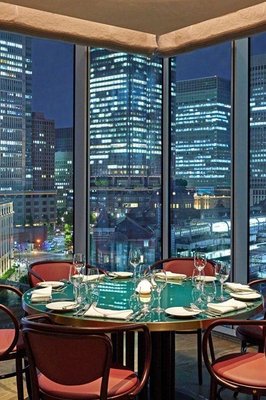
Four Seasons Hotel Tokyo at Marunouchi

Mandarin Oriental, Tokyo
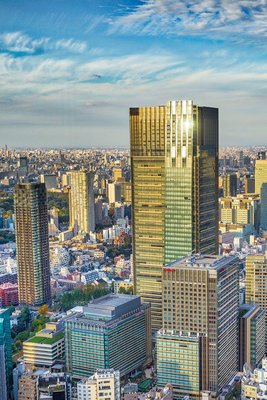
The Ritz-Carlton, Tokyo
Andaz Tokyo Toranomon Hills- A Concept by Hyatt
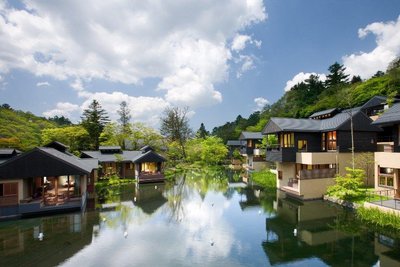
Hoshinoya Karuizawa
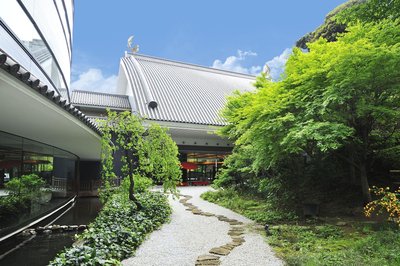
Hotel Gajoen Tokyo
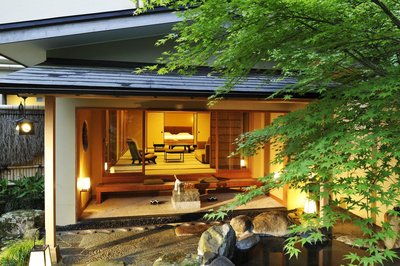
Gora Kadan
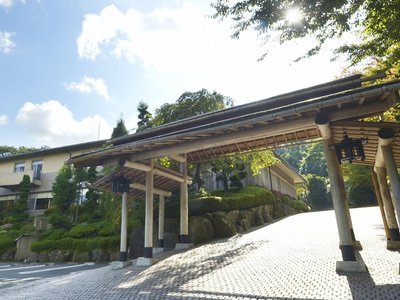
Gora Hanaougi
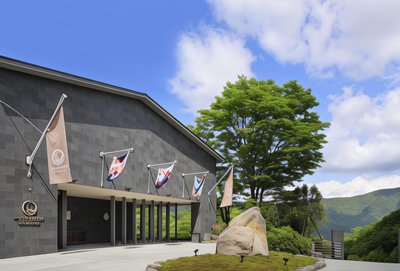
The Hiramatsu Hotels & Resorts Sengokuhara Hakone
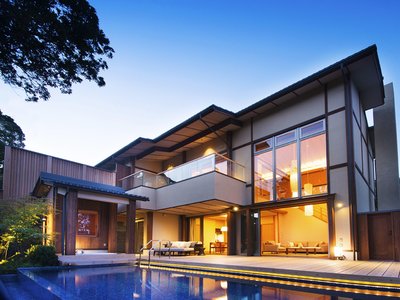
Abba Resorts Izu - Zagyosoh
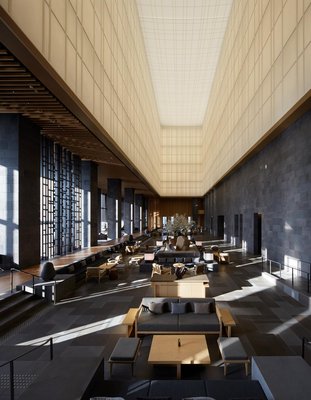
Aman Tokyo
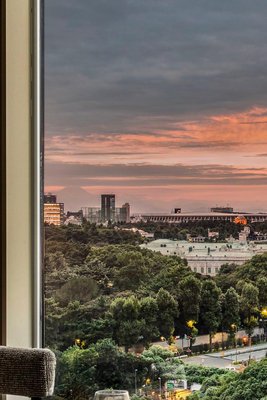
Hotel New Otani Tokyo, Executive House Zen
Frequently Asked Questions about Traveling to Kujūkuri
Questions You Might Need to Know About Traveling to Kujūkuri
In Kunokuni Town, recommended for families is Kunokuni Beach Resort Hotel, located just steps from the Kunokuni Beach. It offers spacious family rooms, private balconies with ocean views, and a children’s pool with lifeguard supervision. The hotel also hosts daily beachside activities like sandcastle building and marine life discovery walks. Nearby, the Kunokuni Coast Trail provides a safe, scenic path for family strolls. With traditional Japanese gardens and local seafood dining—such as fresh eel rice and sea bream sushi—the resort blends comfort, nature, and culture for an unforgettable coastal getaway.
The ideal area to stay in Kunokuni Town is Kunokuni Beach, renowned for its pristine white sands and tranquil seaside atmosphere. This stretch of coastline hosts a cluster of seaside inns and boutique resorts, including Kunokuni Kaigan Hotel, which offers direct beach access and ocean-view rooms. The area is well-connected via Kunokuni Station, making it easy to explore nearby attractions. With its quiet fishing village charm, evening sea breezes, and starlit skies, this district is perfect for travelers seeking peace, natural beauty, and authentic coastal living.
Visitors can participate in the Kunokuni Fishing Port Festival, held annually in summer, showcasing traditional net-weaving techniques, boat ceremonies, and fish auctions. Guests may try crafting bamboo fish traps or savor freshly caught Kunokuni shrimp and yellowtail sushi. Another highlight is the ritual at the Kunokuni Coast Shrine, built in the 18th century and dedicated to the Sea God—a symbol of reverence for the ocean. These immersive experiences offer deep insight into the town’s maritime heritage and enduring connection to the sea.
Yes, several beachfront hotels in Kunokuni Town provide complimentary bicycle rentals. Kunokuni Beach Resort Hotel and Umi Kaze Minka Inn both offer bikes equipped with helmets and route maps. Riders can explore the Kunokuni Coastal Cycling Path, a 15-kilometer greenway stretching along the shoreline, passing salt fields, mangrove wetlands, and secluded fishing villages. Many hotels also offer guided tours and safety briefings, ensuring a secure and enjoyable ride through one of Japan’s most scenic coastal routes.
Top photo locations include the Kunokuni Beach Sunrise Viewing Deck, where golden light spills across the endless Pacific horizon—ideal for long-exposure shots. The Salt Field Heritage Park features geometric patterns formed by reflective salt pans, creating striking abstract compositions. The Kunokuni Lighthouse at dusk, glowing against the darkening sky and crashing waves, presents a dramatic silhouette. Bring a tripod and wide-angle lens, and time your visit during spring cherry blossoms or autumn foliage for even more evocative imagery.
Must-try dishes include Kunokuni Eel Rice (Unagi Don), made with locally farmed eel grilled in rich, savory sauce. Salt-cured Shrimp, preserved using natural sea salt from nearby salt pans, offers a sweet, crisp texture. Other highlights are sea urchin nigiri and seaweed ramen soup. Restaurants like Umi Kaze Shokudō serve fresh, catch-of-the-day seafood, often prepared on-site. During festivals, guests can sample Sea God Festival Special Dishes, blending traditional recipes with modern flair—offering a true taste of Kunokuni’s coastal culinary identity.
While Kunokuni Town is primarily known for its beaches, nearby Kunokuni Onsen Ryokan offers a serene hot spring retreat with outdoor baths overlooking the Pacific Ocean. The mineral-rich waters come from deep underground, promoting relaxation and wellness. The ryokan serves kaiseki dinner and hosts tea ceremony experiences. Another option is Kaigan Onsen Minka, a rustic-style inn with private soaking tubs and wooden architecture. Both provide a peaceful escape combining natural healing, traditional hospitality, and breathtaking sea views.
The peak tourist season in Kunokuni Town is summer (June to September), when warm weather invites beachgoers and festival lovers. The busiest period is late July to mid-August, coinciding with school holidays and events like the Kunokuni Fishing Port Festival and Beach Fireworks Display. Spring (March to May) is another excellent time to visit—mild temperatures, blooming cherry trees, and fewer crowds make it ideal for relaxed travel and photography. Winter is quieter but perfect for solitude, star-gazing, and observing migratory seabirds.
Kunokuni Beach Children’s Playground features sand pits, slides, and shallow pools designed for young kids. Many hotels, such as Umi Kaze Minka Inn, offer baby cots, high chairs, and toy lending services. The Kunokuni Coastal Nature Education Center runs interactive marine biology workshops where children learn about crabs, sea stars, and tide pools. Weekend events like Family Sand Treasure Hunts add fun and engagement. These facilities ensure that families enjoy both recreation and meaningful learning in a safe, natural setting.
From Kunokuni Station, visitors can take local buses or rent bicycles to reach key sites. Kunokuni Beach and Salt Field Heritage Park are within a 10-minute walk. For farther destinations like the Lighthouse or Coastal Shrine, taxis or shared electric scooters are convenient—about 15 minutes away. Some hotels offer free shuttle services to main attractions. The Kunokuni Coastal Cycling Path runs the entire length of the coast, with clear signage and rest stops, making it ideal for self-guided exploration by bike or scooter.
Kujūkuri Overview
City Summary
Kujukuri Town in Chiba Prefecture boasts a 66km crescent-shaped coastline, one of the longest pure sand beaches in Japan. Famous for its pine forest belt and traditional yellowtail fishing culture, this fishing village offers pristine shores for summer swimming and dramatic winter fishing scenes. The morning market at Katsuura Port showcases authentic local seafood culture.
Must-See Attractions
Must-see spots include Kujukuri Beach where you can walk to "Hamagongen" rock formations at low tide. Ioka Lighthouse, among Japan's top three observation towers, provides panoramic Pacific views. Learn 400-year-old bonito processing at the Dried Sardine Museum, or cycle through pine groves in Washinodai Park. Witness spectacular fixed-net fishing fleets hauling in yellowtail from January to March.
Food Guide
Don't miss yellowtail sashimi and stewed yellowtail head at their winter prime. Sardine rice bowls feature fish caught that morning, while seaweed salt ice cream surprises as local dessert. Shop for smoked bonito flakes at morning markets - try "Uoya no Daidokoro" for fishermens' set meals or "Umii Cafe Shiokaze" for seafood rice soup.
Transportation Guide
From Tokyo Station, take JR Sobu Line to Choshi Station (2hrs) then transfer to local buses (30min). The "Umineko" loop bus (6 daily trips, ¥200/ride) connects major spots. Taxis from Choshi cost ¥5,000. Self-driving is ideal with free parking along Route 126, but coastal roads get crowded during winter fishing season. Note: Last buses depart before 18:00.
Best Time to Visit
May-September offers beach activities, with July-August being peak (and crowded) seasons. November-March brings the freshest seafood, especially January-February fishing spectacles, though coastal winds require warm layers. Avoid Golden Week (late April-May) and Obon (mid-August) crowds.
Travel Tips
- Collecting shells/corals on beaches is strictly prohibited (¥500k fine)
- Maintain 50m distance from winter fishing operations - nets are dangerous
- Smoking/camping in pine forests triggers automatic sprinklers
- Bring own towel/washbasin to "Kujukuri-yu" public bath
- Most port restaurants are cash-only - carry ¥1,000 bills for change
- Protect camera gear from salty sea winds with anti-dust bags
Useful Information
Language: Basic English signage at tourist sites, restaurants Japanese-only. Download Google Translate offline packs. Internet: Free WiFi at visitor center (2hr limit), prepaid SoftBank SIM recommended. Payments: Only AEON Mall near Choshi Station accepts cards - 90% shops are cash-based. Medical: Kujukuri Clinic (Mon-Fri 9-5) handles minor issues; emergencies go to Choshi City Hospital. Emergency: Dial 118 for Coast Guard at beaches. Town hall's tourism section provides English/Chinese assistance forms (+81-479-72-2111).