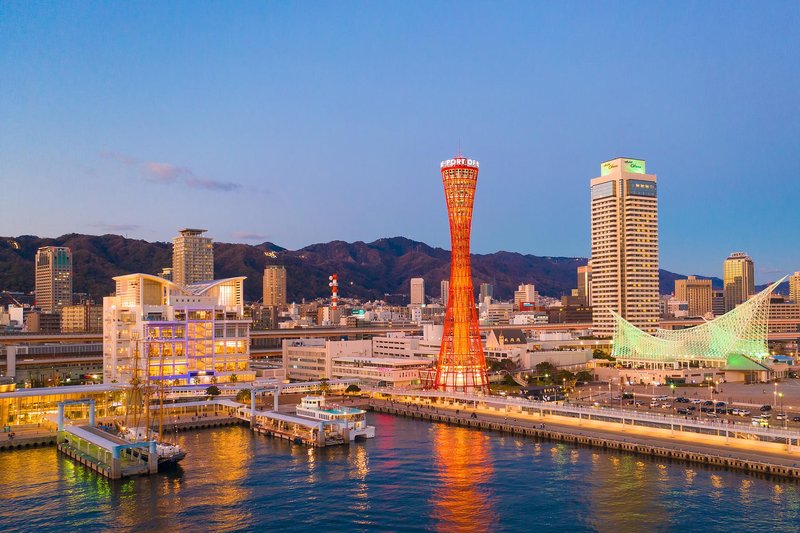
Hotels in Kumakōgen
Discover your perfect stay in Kumakōgen.
Kumakōgen(Japan) Travel 2026: Cheap Flights, Hotels & Top Attractions
Popular Landmarks in Kumakōgen
Discover the most iconic attractions in Kumakōgen
Recommended Hotels in Kumakōgen
Find the perfect place to stay in Kumakōgen

Kokumin Shukusha Furuiwayaso
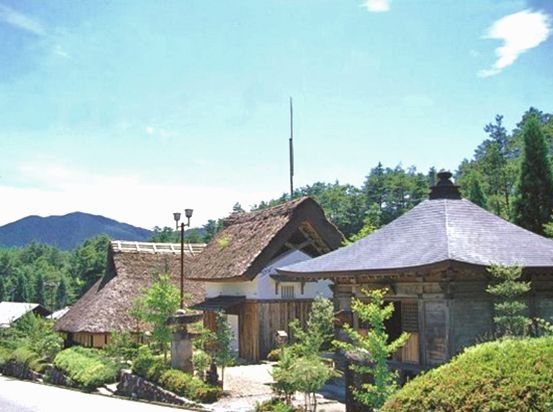
Kuma Kogen Furusato Ryokomura

Furuiwaya Sou' Public Hotel Kokumin-Shukusya
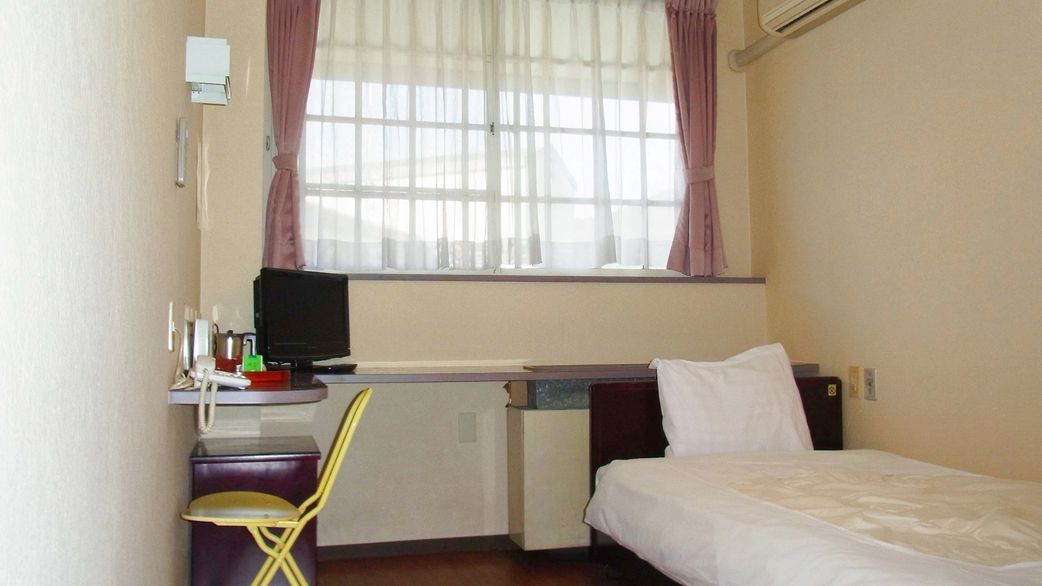
Garden Time
Best Hotels in Kumakōgen
Discover curated hotel collections in Kumakōgen

The Ritz-Carlton, Fukuoka
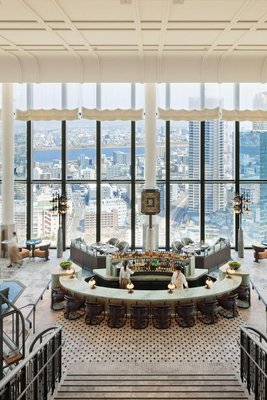
Waldorf Astoria Osaka
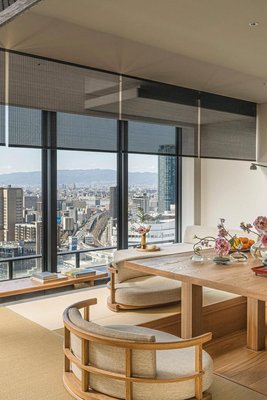
Four Seasons Hotel Osaka

Patina Osaka

The Ritz-Carlton, Osaka
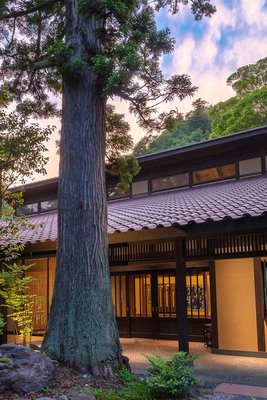
Arimasansoh Goshobessho
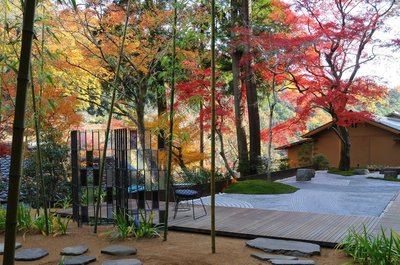
HOSHINOYA Kyoto
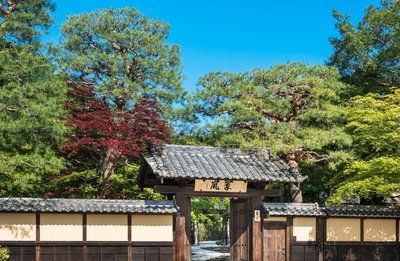
Suiran, a Luxury Collection Hotel, Kyoto
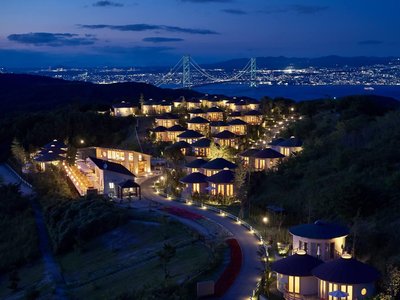
Grand Chariot Hokutoshichisei 135°
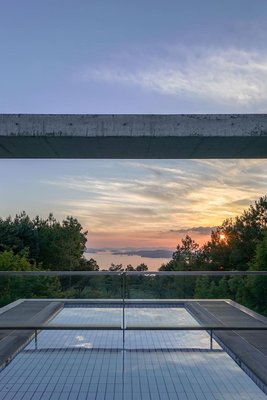
SETOUCHI RETREAT by Onko Chishin
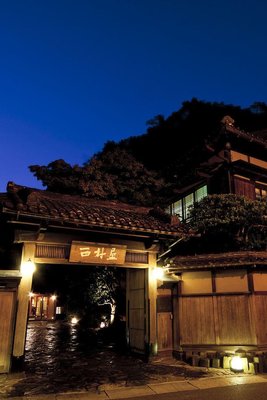
Nishimuraya Honkan
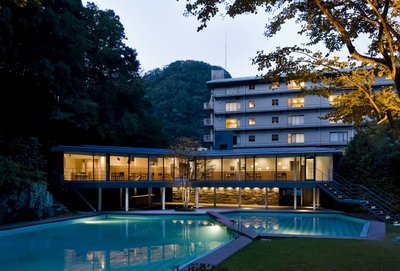
Kinosaki Onsen Nishimuraya Hotel Shogetsutei
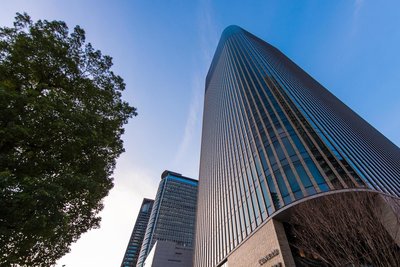
Conrad Osaka
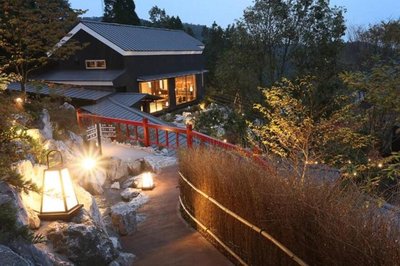
Gekkoju Kurokawa
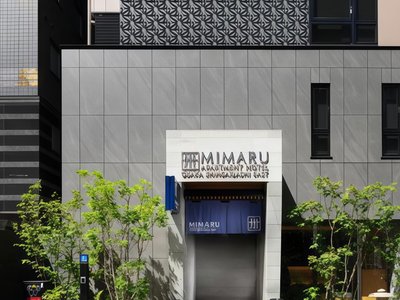
MIMARU Osaka Shinsaibashi East
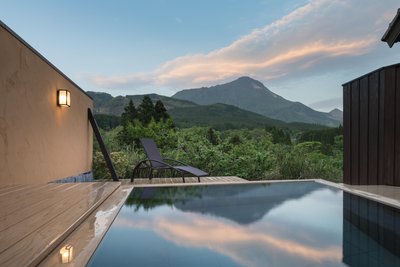
Ikkoten
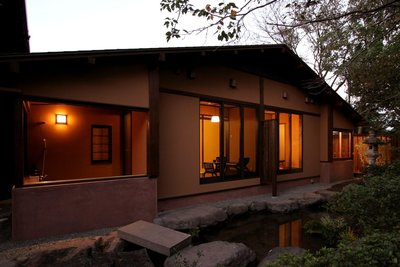
SEKIYA RESORT Bettei Haruki
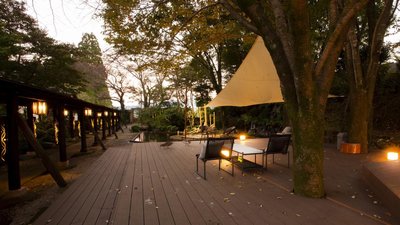
Chikurakutei
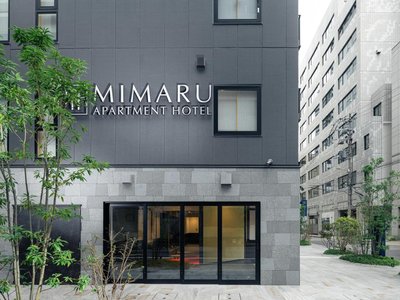
MIMARU Osaka Shinsaibashi North
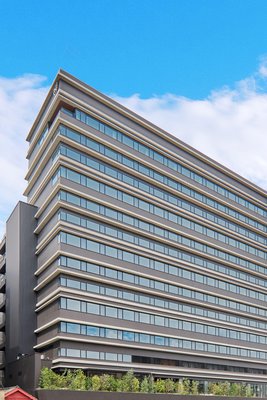
The Royal Park Canvas Fukuoka Nakasu
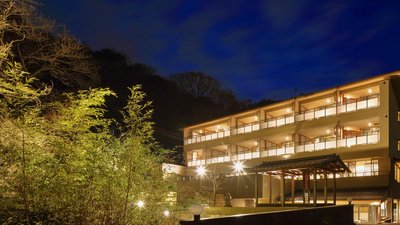
Okuno Hosomichi
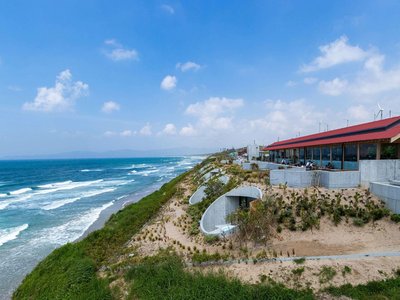
Izumo Hotel the Cliff
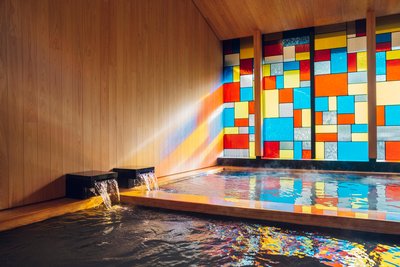
Hoshino Resorts Kai Unzen

Alfacio Resort Stay Itoshima
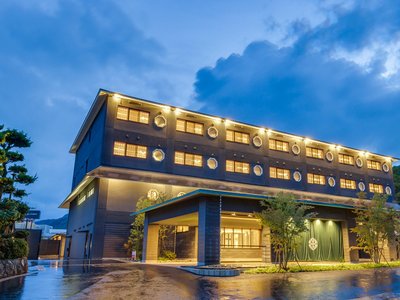
Ureshino Yadoya
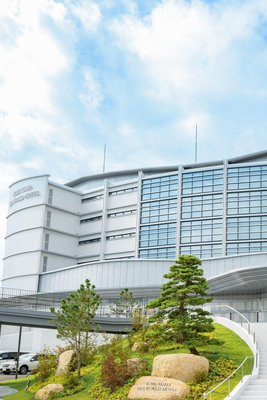
Kobe Suma Sea World Hotel

seven x seven itoshima
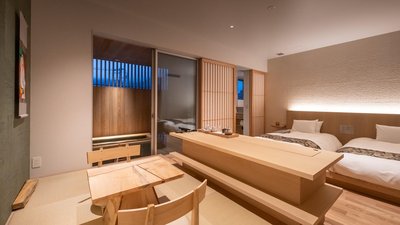
Japanese Auberge Kararako
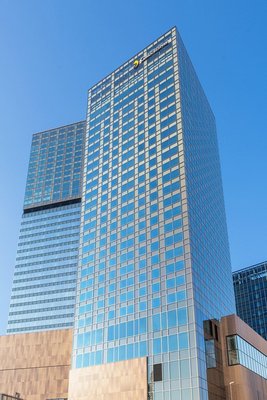
Hotel Hankyu GRAN RESPIRE OSAKA
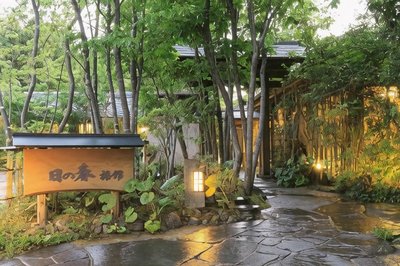
Yufuin Onsen Hinoharu Ryokan
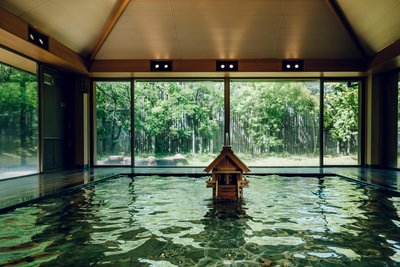
Hoshino Resorts KAI Tamatsukuri
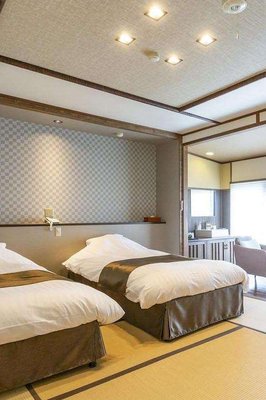
Sozankyo

Taikyourou
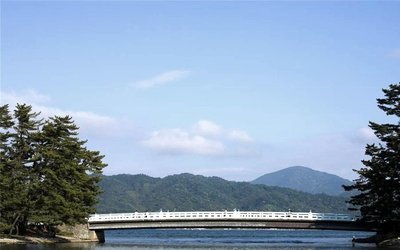
Monjusou Shourotei

XYZ Private Spa and Seaside Resort
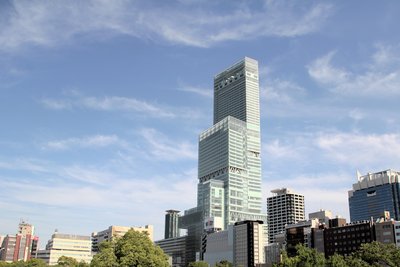
Osaka Marriott Miyako Hotel
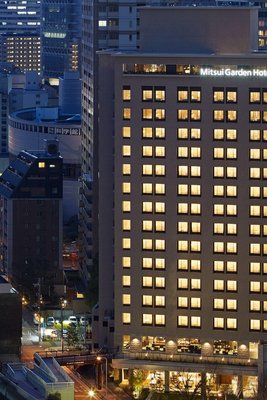
Mitsui Garden Hotel Osaka Premier
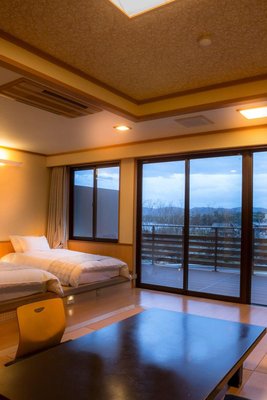
Hotel Kitanoya
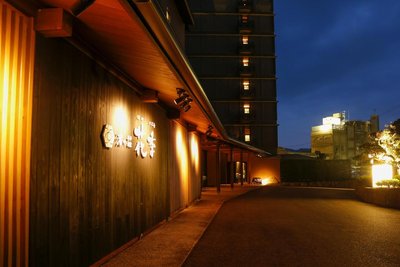
Hanagoyomi
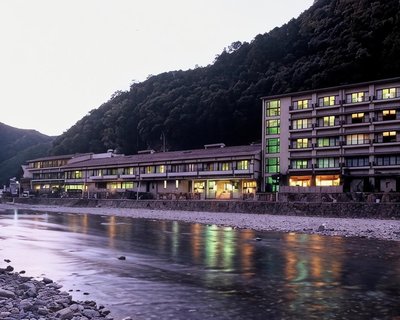
Kawayu Onsen Fujiya
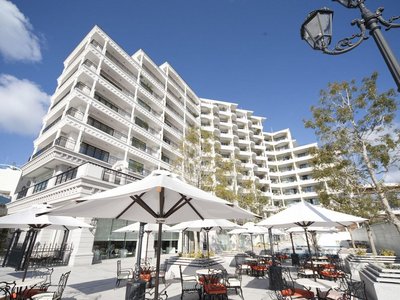
Hotel La Suite Kobe Harborland

AoAwo Naruto Resort

Holiday Inn Resort Miyazaki
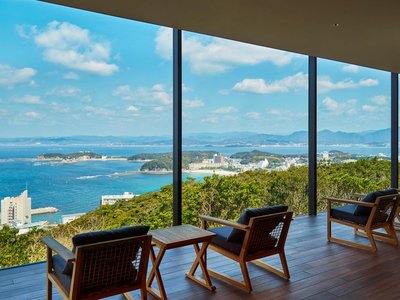
Infinito Hotel and Spa
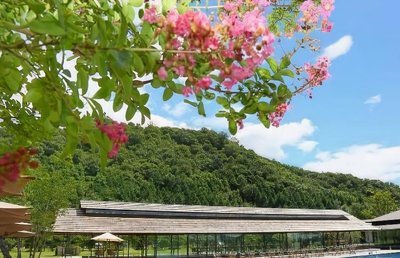
Bella Vista Spa and Marina Onomichi
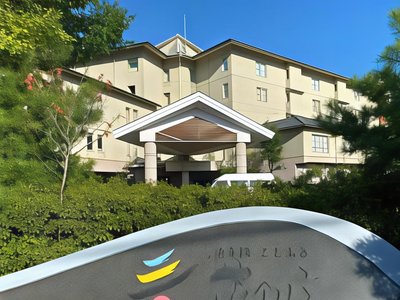
Yufuin Kotobuki Hananosho
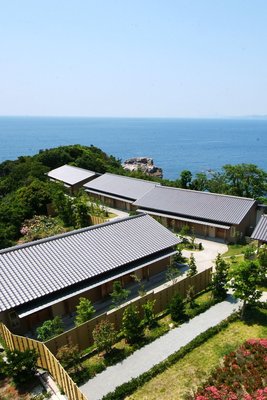
Hamachidorinoyu Kaisyu
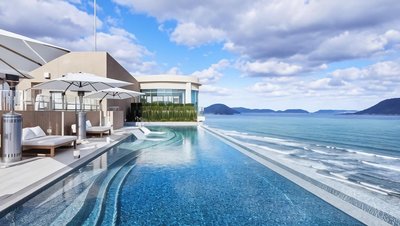
Karatsu Seaside Hotel
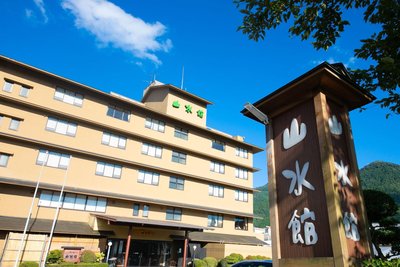
Yufuin Sansuikan
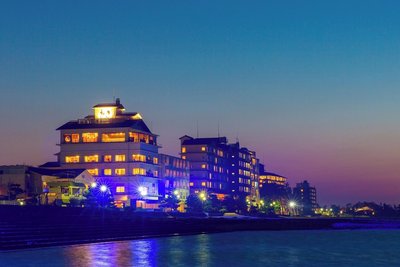
Kaike Shogetsu
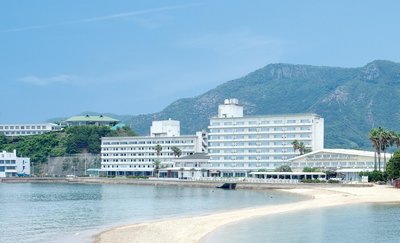
Shodoshima International Hotel
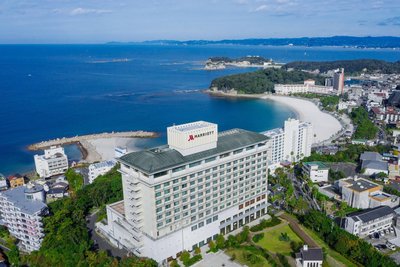
Nanki-Shirahama Marriott Hotel
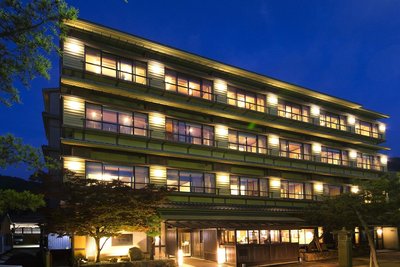
Kinsuikan
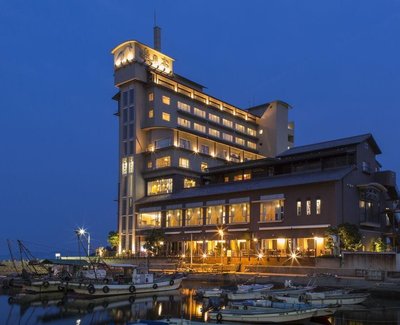
Hotel Ofutei
Arimasansoh Goshobessho
Hoshino Resorts KAI Tamatsukuri
Taikyourou
Monjusou Shourotei
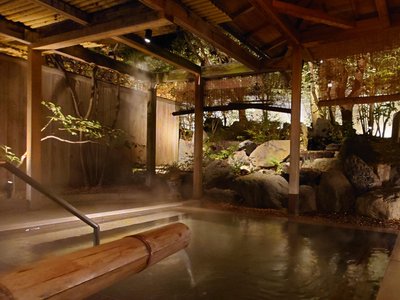
Kasuga Hotel
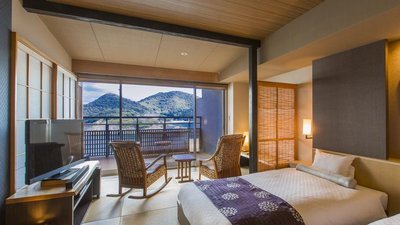
Migiwatei Ochi Kochi
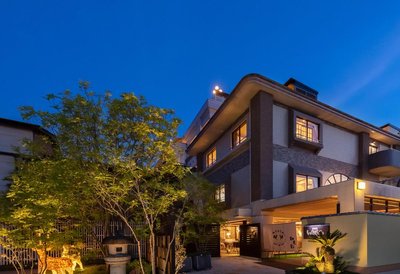
Hotel New Wakasa
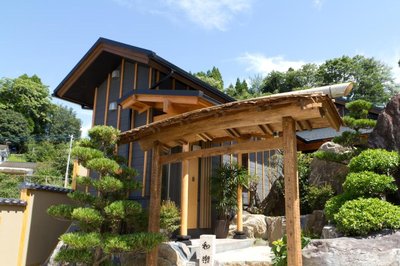
Ryokan Shinsen
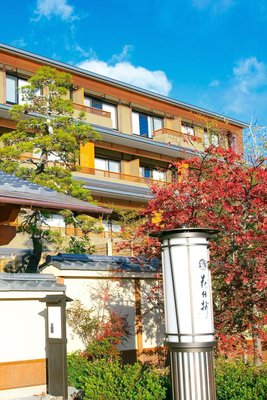
Kyoto Arashiyama Onsen Kadensho (Kyoritsu Resort)
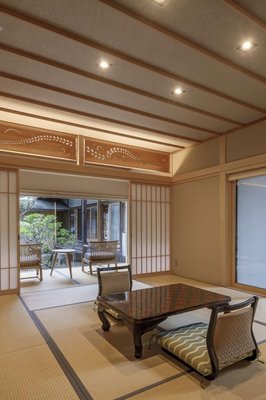
Ichijoin
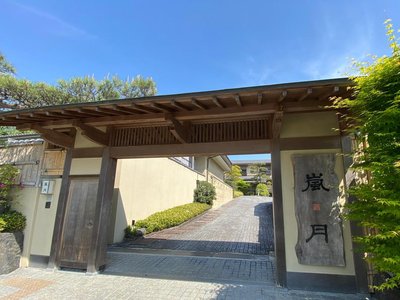
Rangetsu
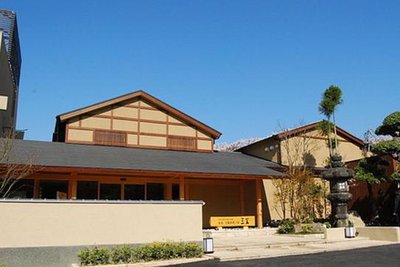
Mikasa
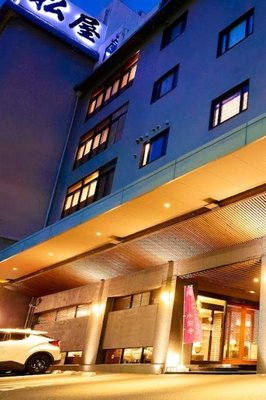
Ryotei Matsuya Honkan Suizenji
HOSHINOYA Kyoto
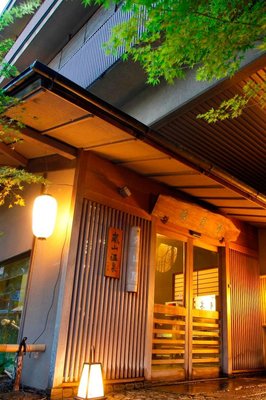
Togetsutei
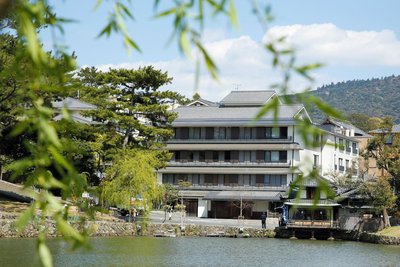
Sarusawaike Yoshidaya
Suiran, a Luxury Collection Hotel, Kyoto
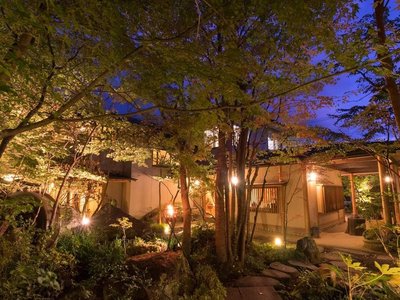
Ryoso Yufuin Yamadaya
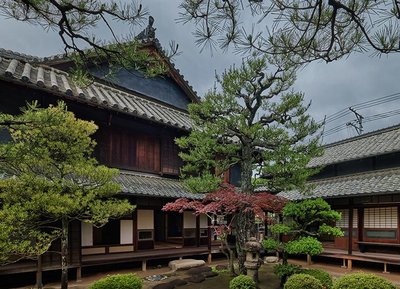
NIPPONIA HOTEL Takehara Saltworks Town
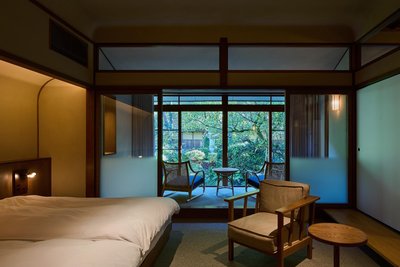
Mikiya' Famous for Shiga Naoya at Kinosaki Hot Springs
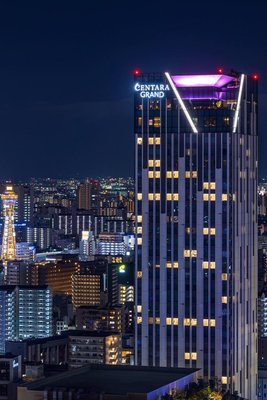
Centara Grand Hotel Osaka
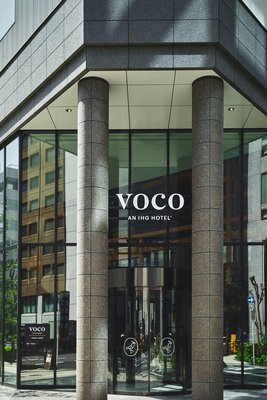
voco Osaka Central
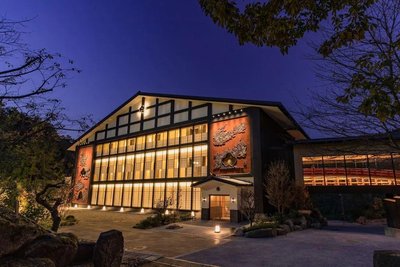
Okuhita Onsen Umehibiki
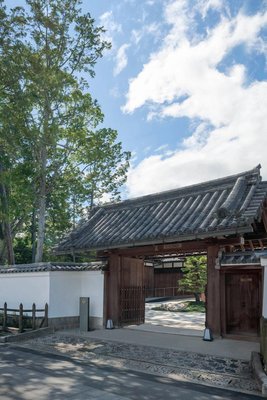
Shisui, a Luxury Collection Hotel, Nara
Osaka Marriott Miyako Hotel
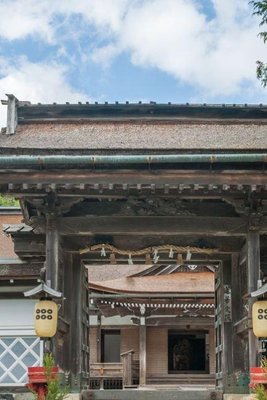
Koyasan Rengejoin
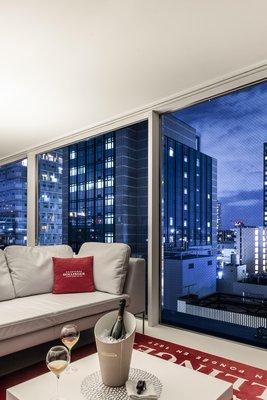
CUVÉE J2 HOTEL OSAKA by Onko Chishin
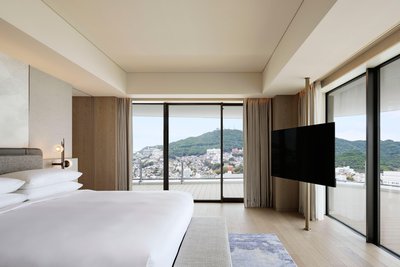
Nagasaki Marriott Hotel
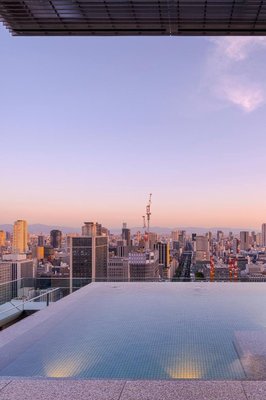
Candeo Hotels Osaka The Tower
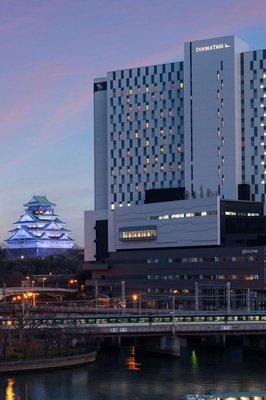
DoubleTree by Hilton Osaka Castle
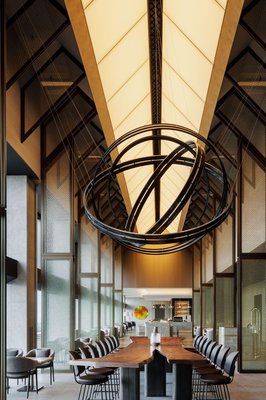
The Osaka Station Hotel, Autograph Collection

Canopy by Hilton Osaka Umeda
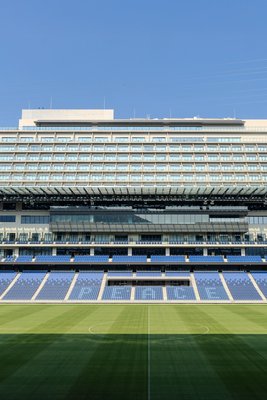
Stadium City Hotel Nagasaki
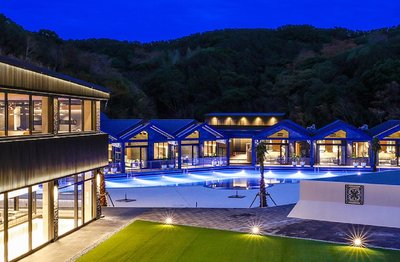
FIVE SPRING RESORT THE SHIRAHAMA
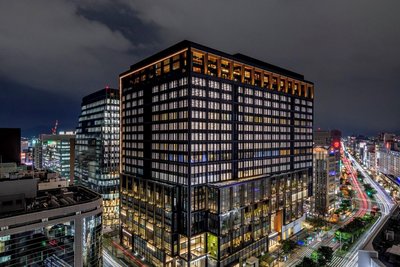
ONE FUKUOKA HOTEL
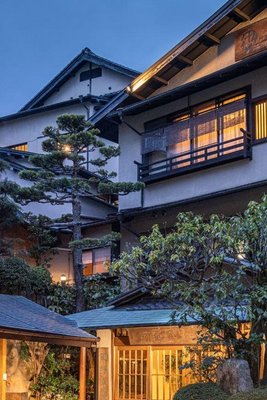
Arima Onsen Tocen Goshobo
Hotel La Suite Kobe Harborland

Hilton Osaka Hotel
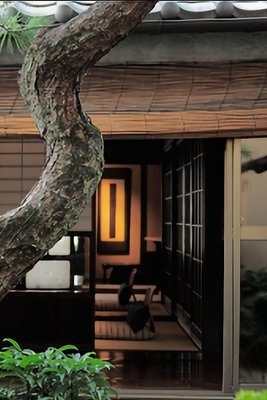
Shimayado Mari
AoAwo Naruto Resort
The Ritz-Carlton, Fukuoka
Osaka Marriott Miyako Hotel
The Ritz-Carlton, Osaka
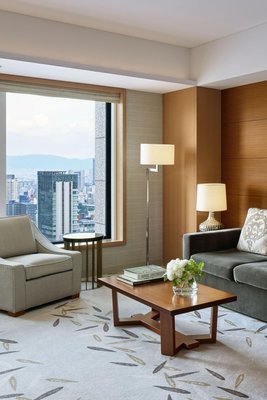
InterContinental Hotel Osaka
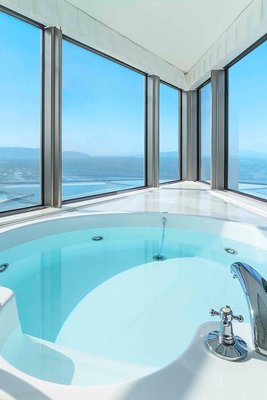
Hilton Fukuoka Sea Hawk
Suiran, a Luxury Collection Hotel, Kyoto
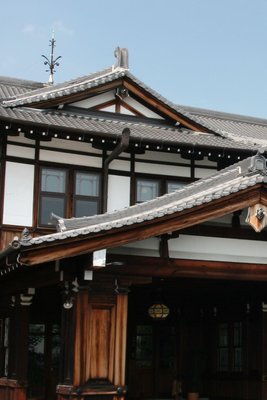
Nara Hotel
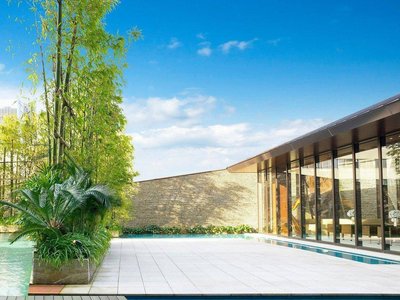
ORIENTAL HOTEL
Conrad Osaka
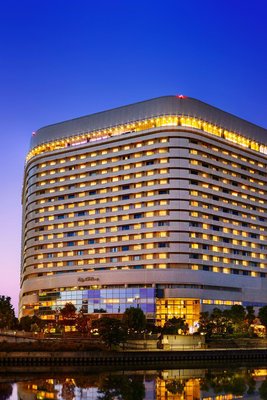
Hotel New Otani Osaka
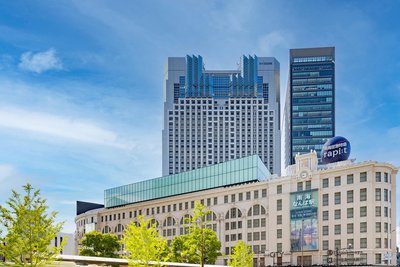
Swissotel Nankai Osaka
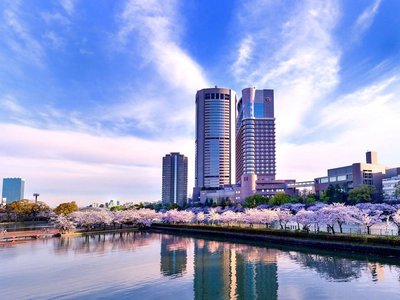
Imperial Hotel Osaka
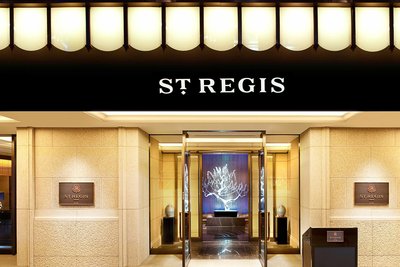
The St. Regis Osaka
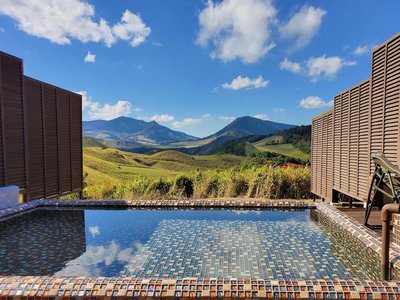
Grand Verde Resort
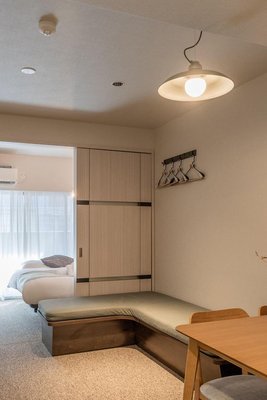
Apartment Hotel 11 Shinsaibashi
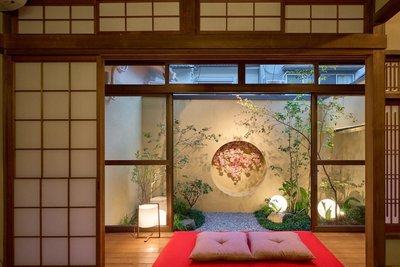
KONJAKUSO Osaka Tengachaya "NIHONCHA" Tea & Relax
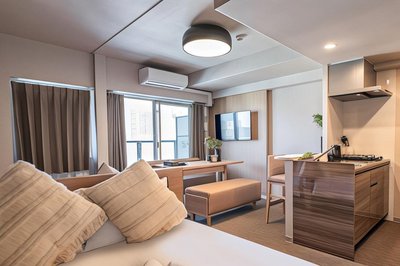
Apartment Hotel 11 Shinsaibashi III
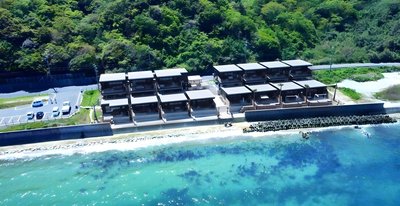
Solavilla Umi Terrace Minamiawaji
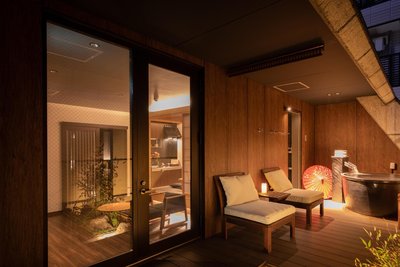
Konjaku-So Dotonbori

Sana Mane - Glamp Domes
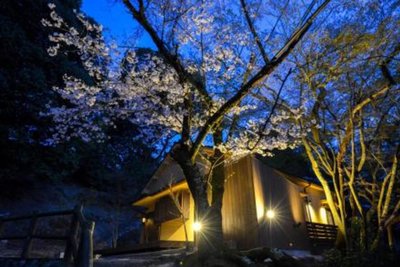
Villa Hamorebi
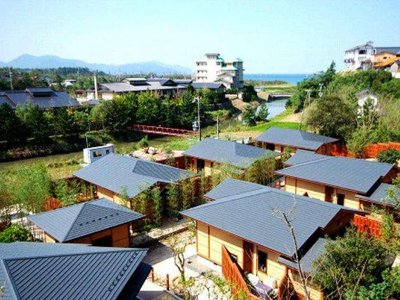
Ujo Soan (Adult Only)

Hotel Barrière Fouquet's New York
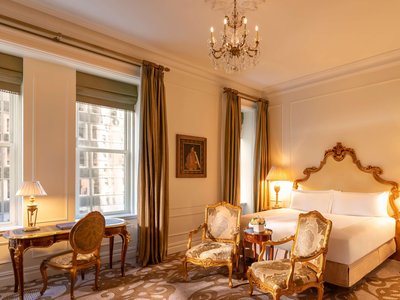
The Plaza - A Fairmont Managed Hotel
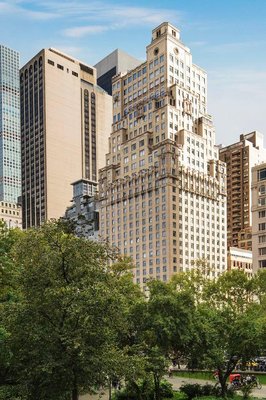
The Ritz-Carlton New York, Central Park
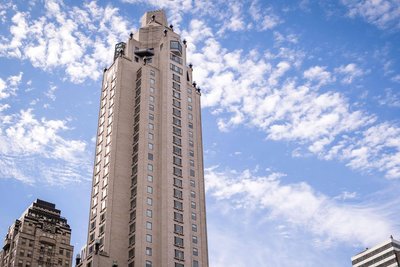
Four Seasons Hotel New York

The St. Regis New York
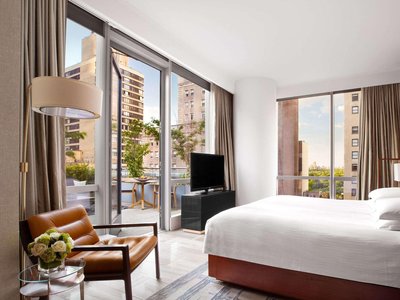
Park Hyatt New York
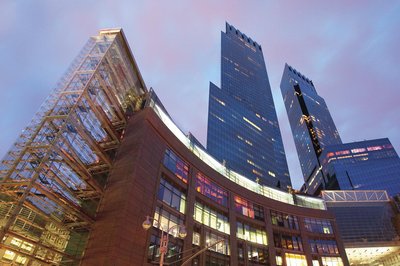
Mandarin Oriental New York

Times Square Edition New York

Loews Regency New York Hotel

Lowell Hotel
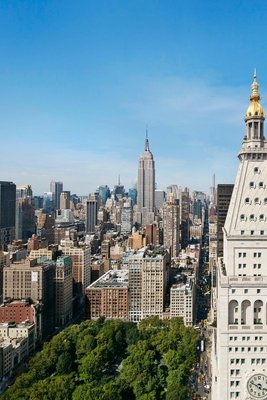
New York Edition
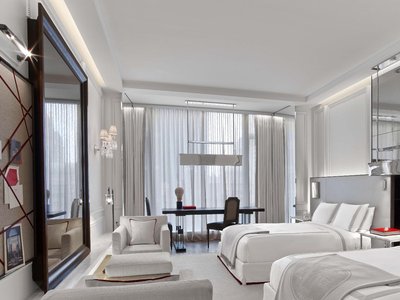
Baccarat Hotel New York

Equinox Hotel New York

Four Seasons Hotel New York Downtown
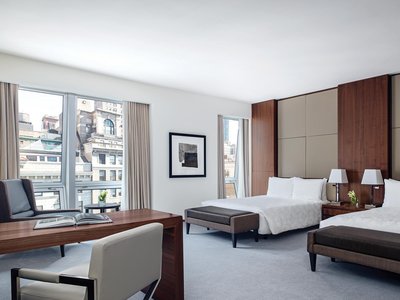
The Langham, New York, Fifth Avenue

The Carlyle, A Rosewood Hotel

The Chatwal, in the Unbound Collection by Hyatt

The Mark New York
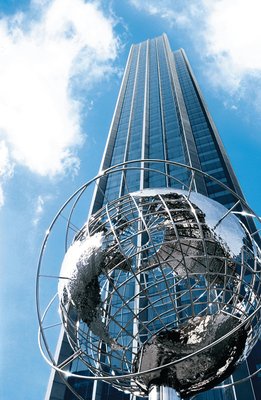
Trump International Hotel & Tower® New York
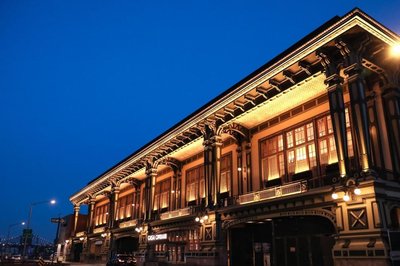
Casa Cipriani New York
Frequently Asked Questions about Traveling to Kumakōgen
Questions You Might Need to Know About Traveling to Kumakōgen
In Kumanomine, the top family-friendly ryokan is Kumano no Sato Ryokan, offering spacious tatami rooms with private onsen baths and children’s activity kits. Located near the Oigawa River, it provides guided nature walks, traditional crafts like washi paper making, and farm-to-table meals featuring local ingredients such as "Iyo Tsuru" chicken and fresh mountain vegetables. The property also features a safe, enclosed garden with wooden play structures. Ideal for reconnecting with nature while enjoying authentic Japanese hospitality.
Key Highlights: Kumano no Sato Ryokan, Family Rooms, Onsen, Local Food
The Higashi-Kogen Area in Kumanomine delivers the most breathtaking views, with panoramic vistas of the Takamagahara Plateau and surrounding forested peaks. Staying at Yukimura Hotel, situated at 800 meters above sea level, grants guests floor-to-ceiling windows overlooking the valley and access to private hiking trails. This elevated zone enjoys pristine air quality and nightly star-gazing opportunities. It's just a 5-minute walk from the town hall and local farmers' market, blending tranquility with convenience for travelers seeking both serenity and cultural immersion.
Key Highlights: Higashi-Kogen, Yukimura Hotel, Mountain Views, Starlight
Visitors to Kumanomine can participate in the annual Yahata Shrine Festival, where locals wear traditional attire and perform sacred dances. Another highlight is the Washi Paper Workshop, led by master artisans who teach how to craft handmade paper using kōzo bark from local forests. For a deeper connection with nature, join the Wild Foraging Excursion, where guides lead guests through alpine meadows to harvest seasonal herbs, mushrooms, and edible flowers, then prepare them into a gourmet meal. These immersive activities reflect Kumanomine’s deep-rooted respect for tradition and ecology.
Key Highlights: Yahata Shrine Festival, Washi Workshop, Wild Foraging, Nature Connection
During winter, Kumanomine shines with unique stay options like Yuki-no-Mori Hotel, which features heated floors, private outdoor onsen, and a "Snow Bath Tour" package. Guests can visit secluded Birch Forest Hot Springs under snow-laden trees, creating a serene, fairy-tale atmosphere. The hotel hosts a monthly Snow Lantern Festival, illuminating forest paths with handcrafted paper lanterns. Additionally, guided snowshoe hikes explore animal tracks and winter plant adaptations, offering both adventure and education in a pristine alpine setting.
Key Highlights: Yuki-no-Mori Hotel, Snow Bath, Snow Lantern Festival, Snowshoe Hiking
Breakfast in Kumanomine showcases hyper-local ingredients: expect dishes like mountain corn porridge, honey made from highland wildflowers, and tofu made from local cow milk. Some hotels serve bamboo-steamed rice (in bamboo tubes), infused with natural forest scents. Others feature wild mushroom & tofu soup, combining seasonal foraged fungi with soft house-made tofu. These meals emphasize sustainability, seasonality, and the region’s "food culture" values—perfect for travelers seeking authentic, nourishing starts to the day.
Key Highlights: Bamboo Rice, Wild Mushroom Soup, Highland Honey, Seasonal Ingredients
Absolutely. Kumanomine is a photographer’s paradise, renowned for its dramatic seasonal landscapes. Capture azalea fields in spring, misty valleys at dawn, vibrant autumn foliage around Takamagahara Peak, or frozen tree branches in winter. Popular spots include the Oigawa Riverbank for reflections and the Highland Vista Point for sunrise over the clouds. Many lodges offer free photography tours with local experts who know the best lighting angles and hidden viewpoints. Bring your wide-angle lens—it’s essential for capturing the grandeur of this remote mountain haven.
Key Highlights: Seasonal Landscapes, Oigawa River, Sunrise Vista, Photography Tours
Yes, Kumanomine has well-maintained cycling loops like the Kogen Ring Route—a 12-km paved path along the Oigawa River with shaded rest stops. The route passes ancient stone bridges, quiet farmlands, and forest groves, perfect for families and beginners. Rental stations like Kogen Bike Hub provide electric-assist bikes and child seats. Extend your ride to Yahata Shrine or the Mountain Ruins Park for historical context. Best visited early morning or late afternoon to avoid heat and enjoy soft light. A must-do for nature lovers.
Key Highlights: Kogen Ring Route, Oigawa River, Electric Bikes, Family-Friendly
Nighttime in Kumanomine offers magical experiences. Join the Stargazing Lecture & Telescope Viewing at the Highland Observatory, where experts identify constellations and meteor showers. Some ryokans host Moonlit Forest Walks, lit only by headlamps, immersing guests in silence and rustling leaves. During summer, the Bonfire Festival brings locals together to dance around a central fire, share homemade sweets, and tell stories. These events foster mindfulness, community spirit, and a deep appreciation for the mountain’s nocturnal beauty.
Key Highlights: Stargazing, Moonlit Walks, Bonfire Festival, Nighttime Serenity
Must-buy souvenirs from Kumanomine include highland plum wine—crafted from wild plums with a crisp, balanced flavor—and washi notebook sets made from kōzo bark, ideal for journaling. Try dried wild matsutake mushrooms, carefully preserved for year-round use in cooking. Also popular are local honey gift boxes, blended from multiple mountain flower types, known for their rich aroma and smooth texture. These gifts carry the essence of Kumanomine’s sustainable lifestyle and artisan craftsmanship.
Key Highlights: Highland Plum Wine, Washi Notebooks, Dried Matsutake, Mountain Honey
While Kumanomine lies in a remote mountainous region, it’s well-connected via public transit. Daily bus services from Matsuyama City take about 90 minutes to reach the town center, with reliable schedules. The Kogen Bus Terminal links to major sites like Oigawa River, Yahata Shrine, and Takamagahara Peak. For self-drivers, follow Prefectural Road 47 from the Nishi-Ehime Expressway—clear signage ensures easy navigation. During festivals, the town offers free shuttle buses. HopeGoo a pickup service through your accommodation is recommended, especially in snowy conditions.
Key Highlights: Matsuyama Bus, Kogen Bus Terminal, Self-Drive Routes, Free Shuttles
Kumakōgen Overview
City Summary
Kumakogen Town is located in the central part of Ehime Prefecture, Japan, surrounded by mountains and known as the "Town in the Sky" due to its elevation of about 700 meters. It is famous for its fresh air, stunning natural scenery, and hot springs, making it an ideal escape from urban life. The town is also renowned for its traditional rural culture and handicrafts, particularly woodworking and pottery.
Must-See Attractions
Key attractions in Kumakogen Town include Kumakogen Sky Park, which offers breathtaking views of mountains and sea of clouds, and the historic Kumakogen Shrine, a central place of worship. The town's hot spring facilities, such as Kumakogen Onsen, provide a relaxing experience. Nature enthusiasts will enjoy the surrounding hiking trails and waterfalls.
Food Guide
Kumakogen Town's cuisine focuses on local farm produce. Must-try dishes include soba noodles and wild game hot pot made with fresh local ingredients. Traditional Japanese sweets like red bean soup and mochi are also popular in the town's dessert shops.
Transportation Guide
Public transportation in Kumakogen Town is limited, so renting a car is recommended. From Matsuyama City, it takes about 1.5 hours by bus or car. Major attractions can be explored on foot or by bicycle, and some hot springs offer shuttle services.
Best Time to Visit
The best times to visit Kumakogen Town are spring and autumn, when the weather is pleasant and the scenery is at its best. Summer is cool and ideal for escaping the heat, while winter offers snowy landscapes, though some roads may be closed.
Travel Tips
- Respect local customs, especially when visiting shrines.
- Drivers should be cautious on narrow and winding mountain roads.
- Bring your own towel for hot spring visits.
- Some restaurants may only accept cash.
- Mountain weather can change quickly; pack rain gear and warm clothing.
- Dispose of trash properly or take it with you.
Useful Information
The primary language in Kumakogen Town is Japanese, with limited English spoken. Most shops and restaurants accept cash, but credit cards are less common. Internet coverage is good, though some mountainous areas may have weak signals. For emergencies, dial 110 (police) or 119 (ambulance). The town has small clinics, but serious cases require travel to hospitals in Matsuyama.