Hotels in Kumamoto City
Discover your perfect stay in Kumamoto City.
Kumamoto City(Japan) Travel 2026: Cheap Flights, Hotels & Top Attractions
Popular Landmarks in Kumamoto City
Discover the most iconic attractions in Kumamoto City
Recommended Hotels in Kumamoto City
Find the perfect place to stay in Kumamoto City
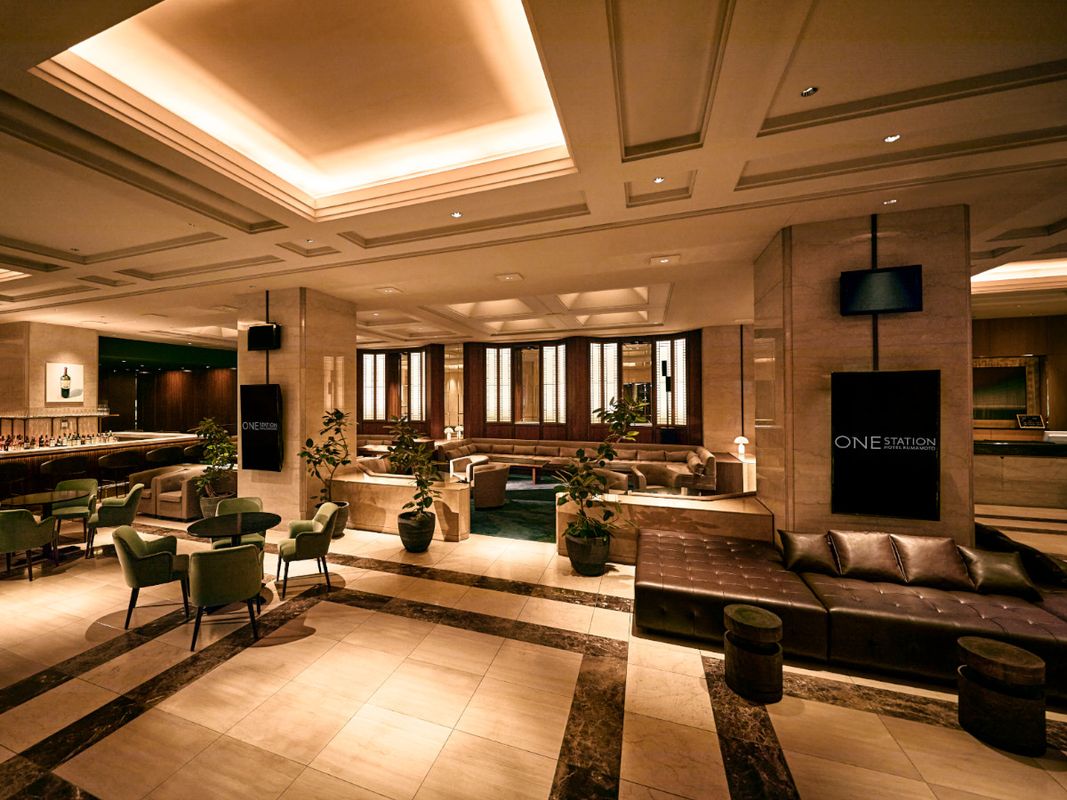
ONE STATION HOTEL KUMAMOTO~DLIGHT LIFE&HOTELS (Formerly The New Hotel Kumamoto)
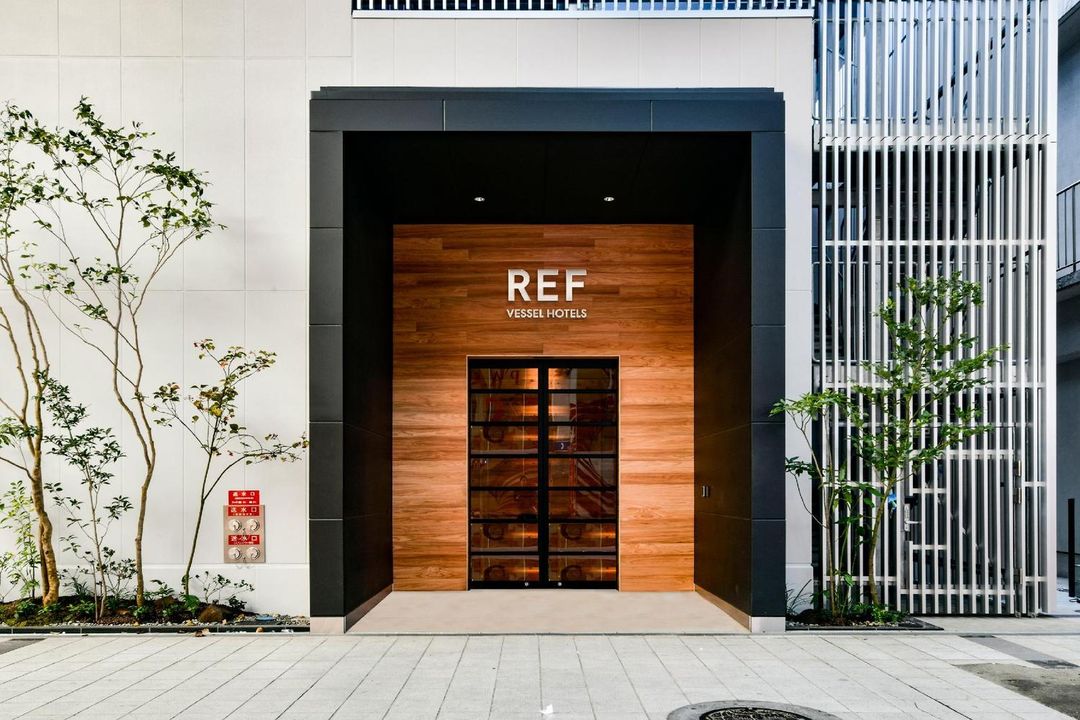
Ref Kumamoto by Vessel Hotels
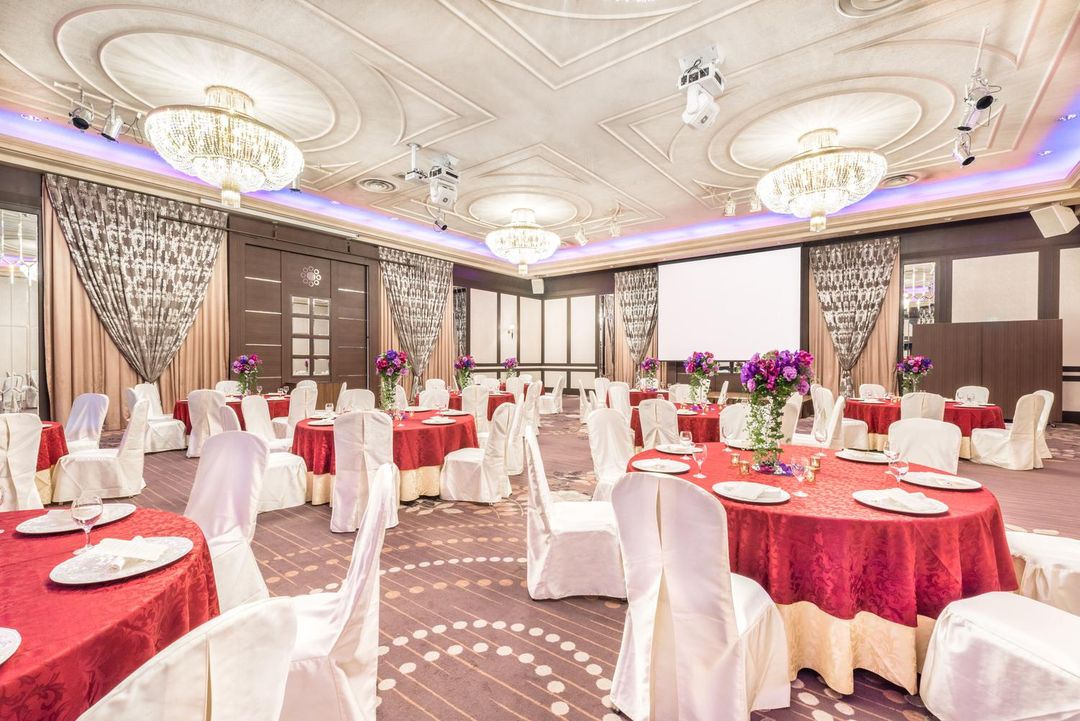
ANA Crowne Plaza Kumamoto New Sky
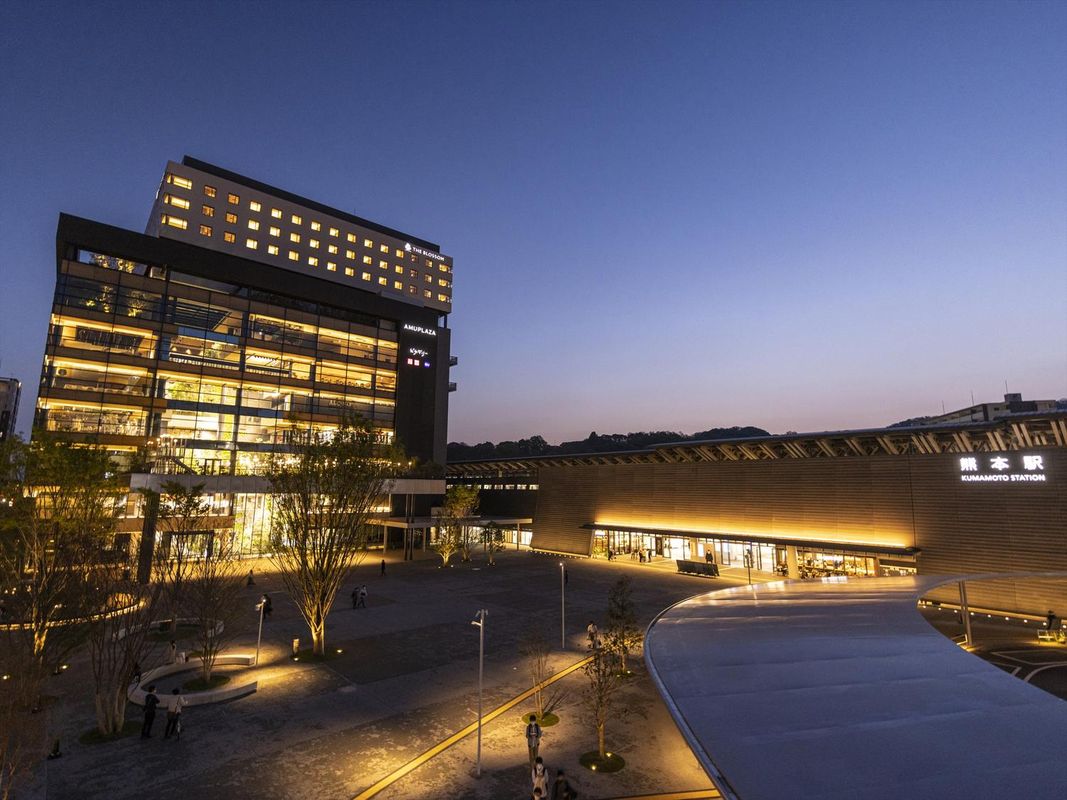
The Blossom Kumamoto
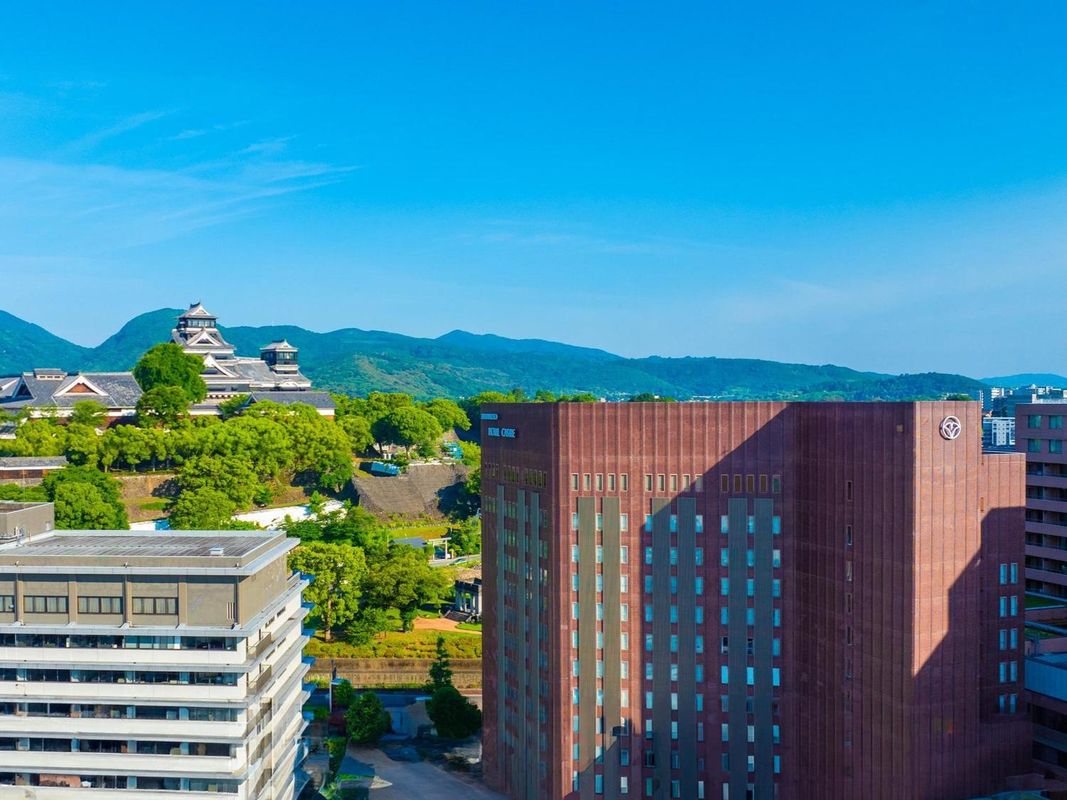
Kumamoto Hotel Castle
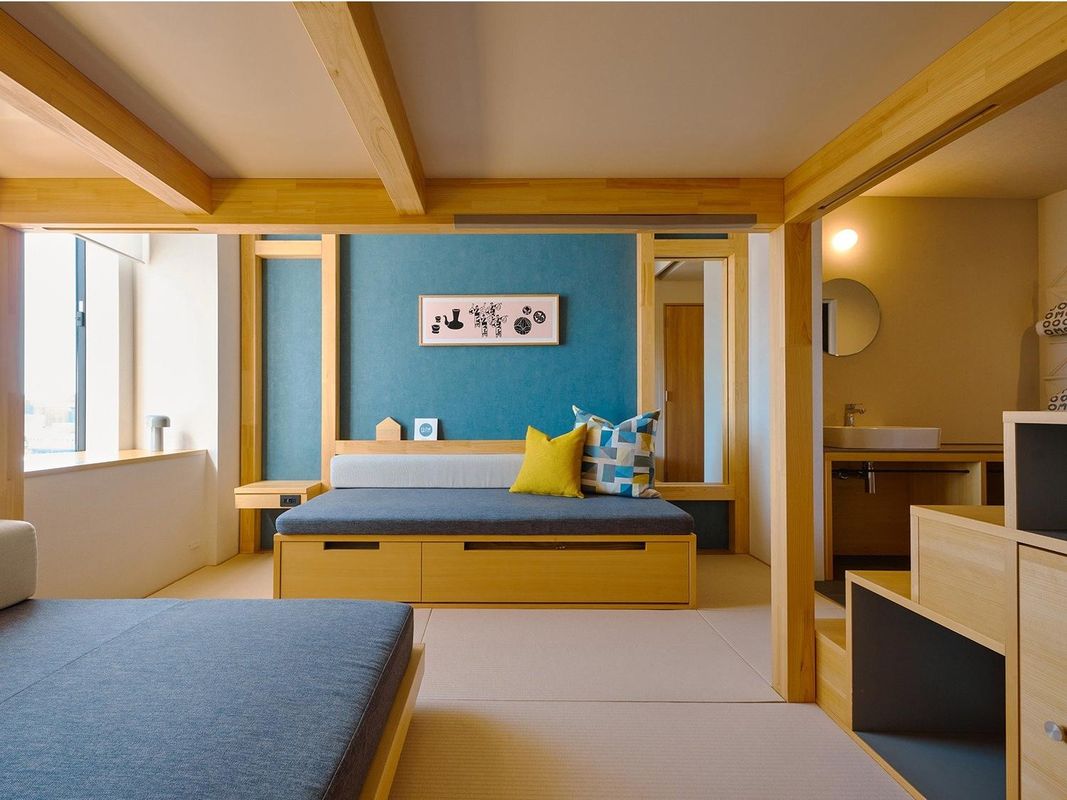
OMO5 Kumamoto by Hoshino Resorts
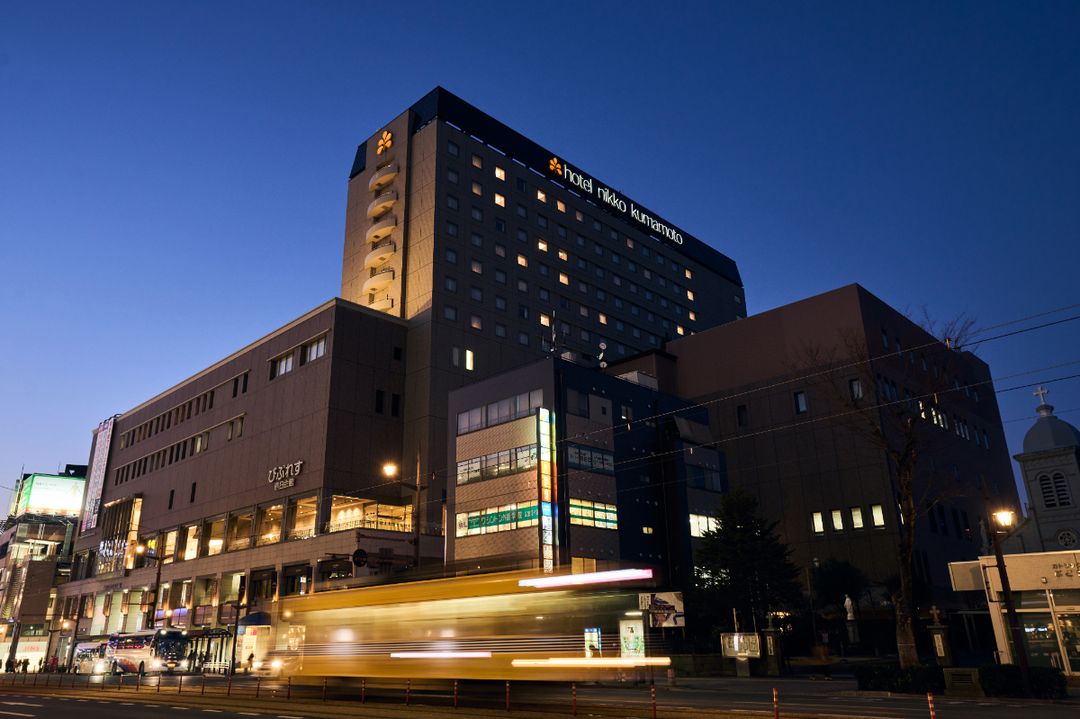
Hotel Nikko Kumamoto

Mitsui Garden Hotel Kumamoto
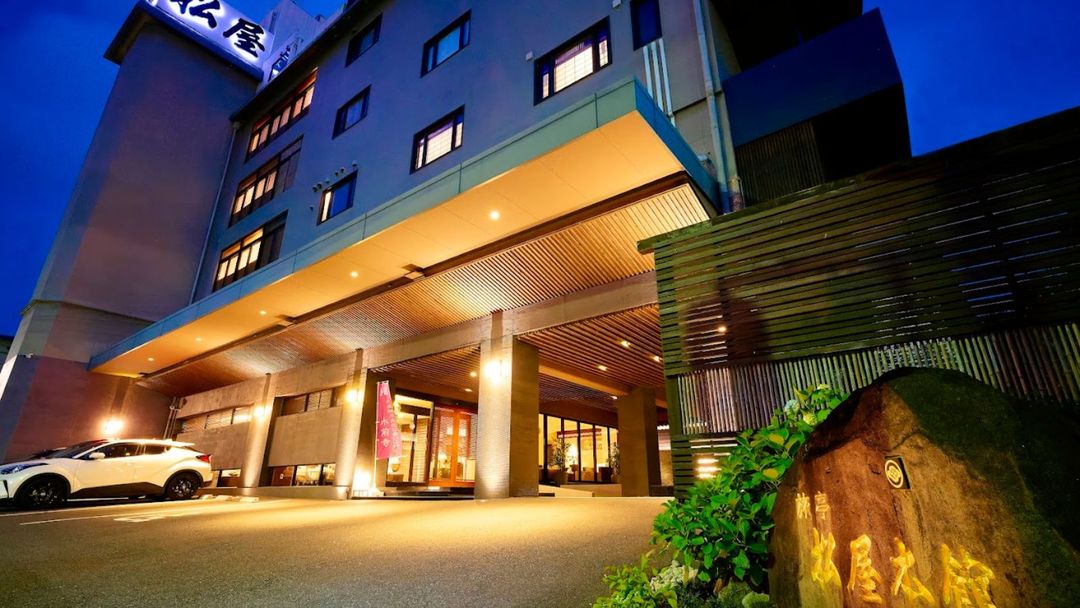
Ryotei Matsuya Honkan Suizenji
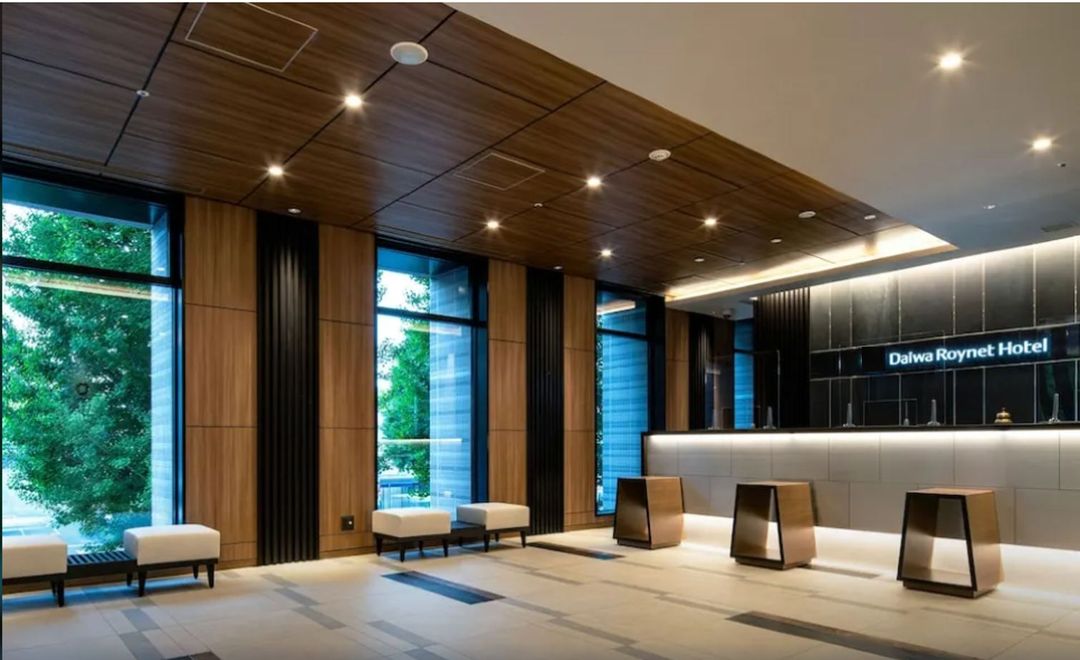
Daiwa Roynet Hotel Kumamoto
Best Hotels in Kumamoto City
Discover curated hotel collections in Kumamoto City
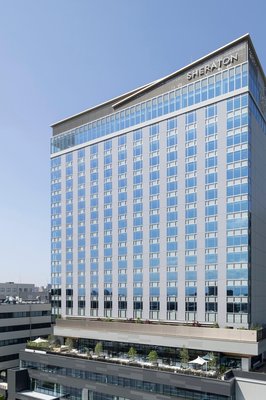
Sheraton Kagoshima
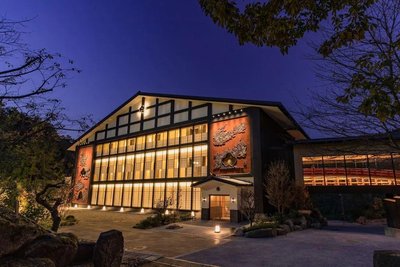
Okuhita Onsen Umehibiki
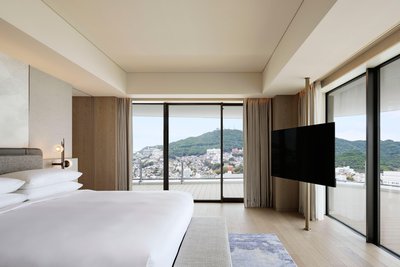
Nagasaki Marriott Hotel
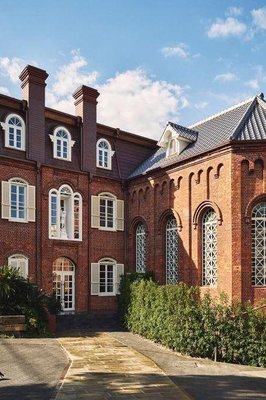
Hotel Indigo Nagasaki Glover Street by IHG
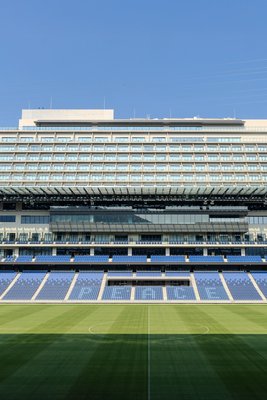
Stadium City Hotel Nagasaki
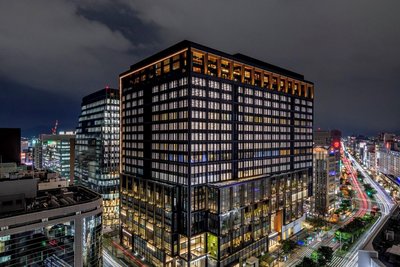
ONE FUKUOKA HOTEL
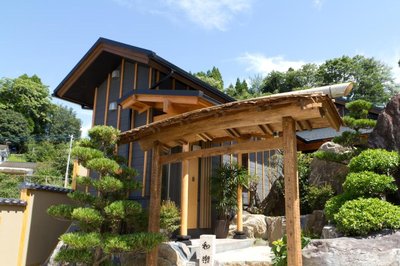
Ryokan Shinsen
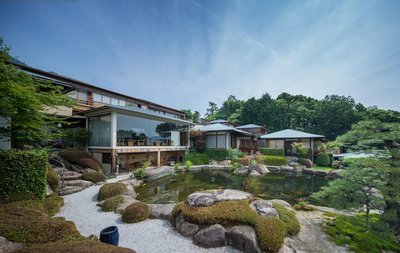
SEKITEI

Yamatoya Besso
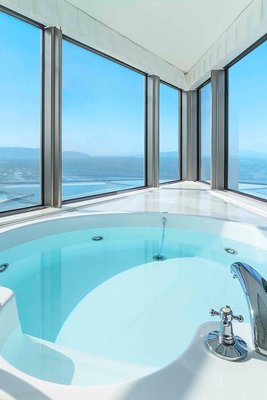
Hilton Fukuoka Sea Hawk

Olive Bay Hotel
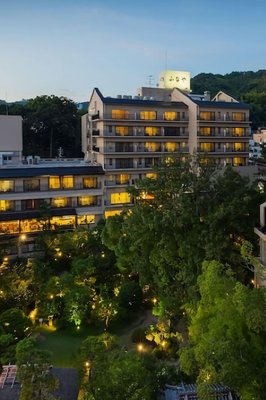
Funaya
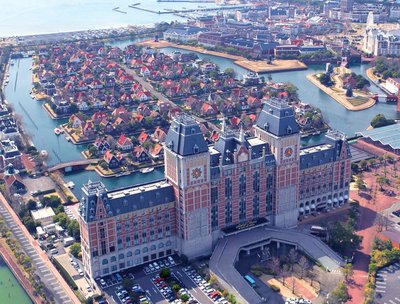
Hotel Okura Jr Huis Ten Bosch
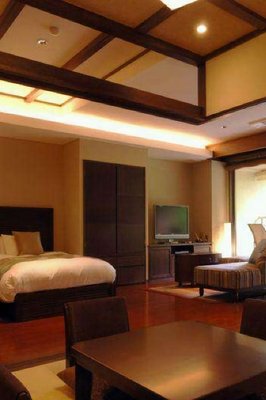
Bettei Oborozukiyo

La Vista Kirishima Hills
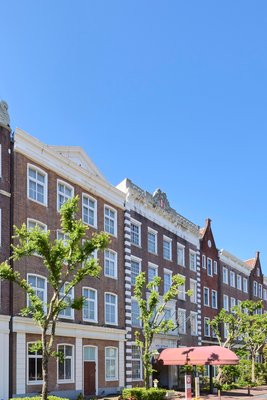
Hotel Amsterdam Huis Ten Bosch

Yumotoankiyohime
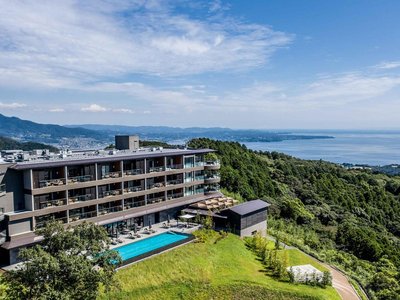
Ana InterContinental Beppu Resort & Spa
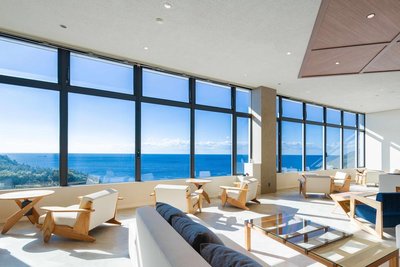
TheMana Village
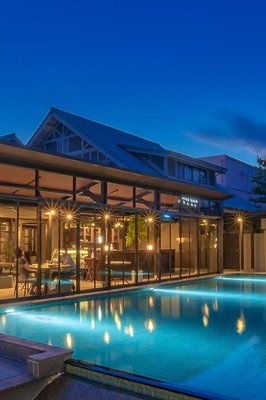
Amane Resort Gahama
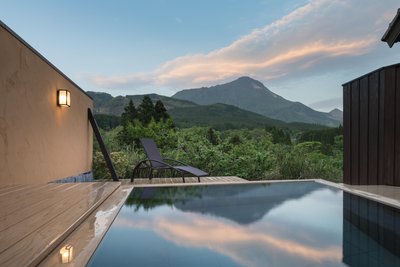
Ikkoten
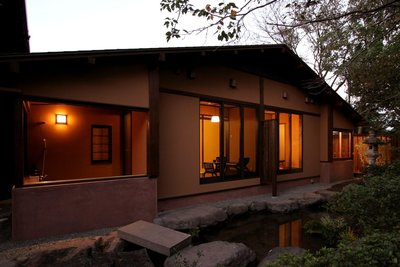
SEKIYA RESORT Bettei Haruki
Okuhita Onsen Umehibiki
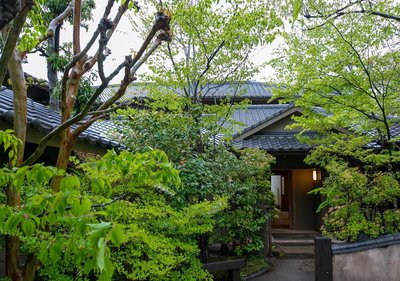
Yufuin Onsen Hinoharu Ryokan
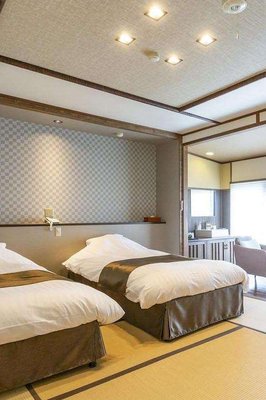
Sozankyo
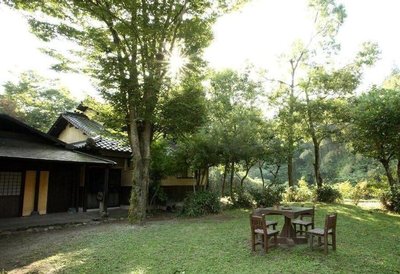
Yamashinobu
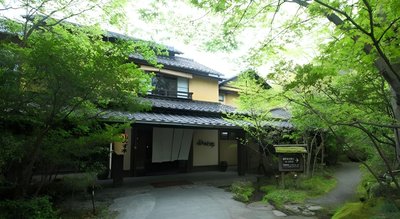
Kurokawaonsen Yamamizuki
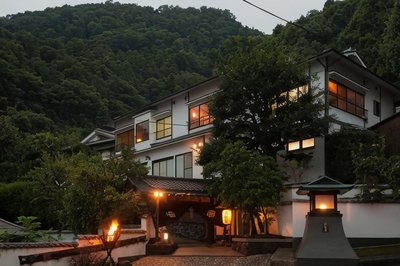
Beppu Showaen
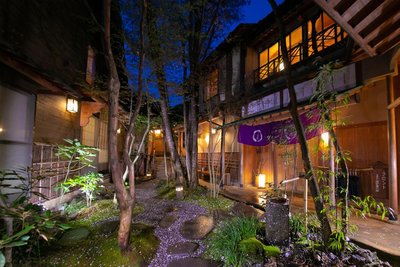
Oyado Ichizen
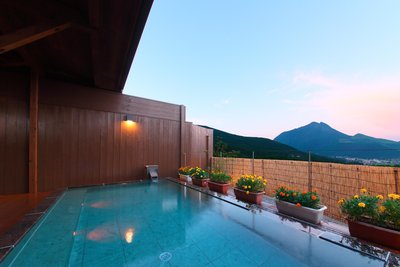
Asagirinomieru Yado Yufuin Hanayoshi
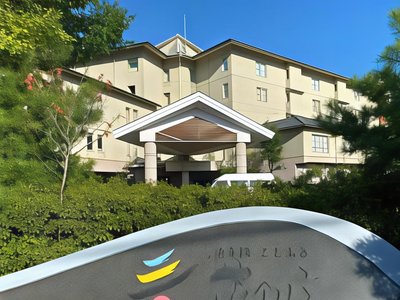
Yufuin Kotobuki Hananosho
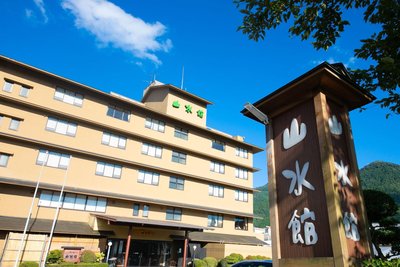
Yufuin Sansuikan
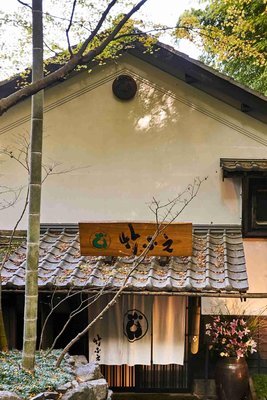
Hikyou Shirakawagensen Sansou Takefue
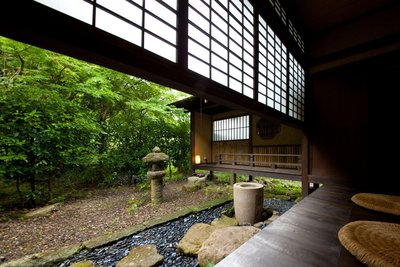
Yufuin Gettouan
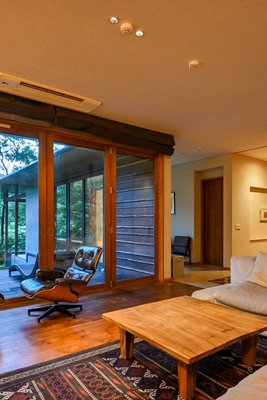
Oita kokonoe Kuoritei
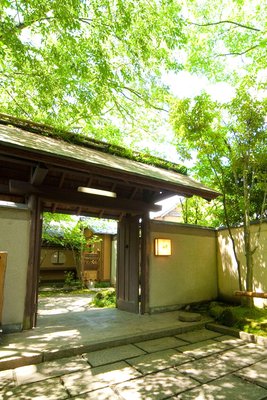
Kutsurogi-No-Yado Nanakawa
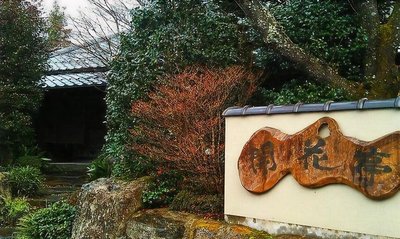
Oyado Kaikatei Ryokan
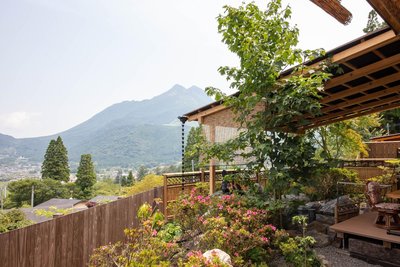
Yufuin-Sanso Waremokou
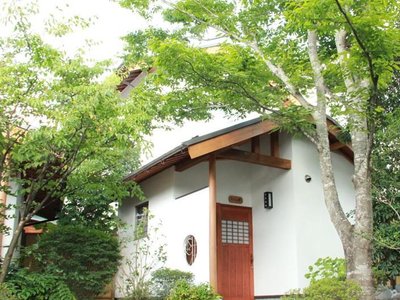
Oyado Sakuratei
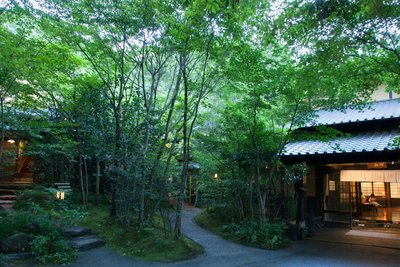
Ryokan Sanga

Garden Terrace Nagasaki Hotel & Resort

Holiday Inn Resort Miyazaki
Yufuin Kotobuki Hananosho
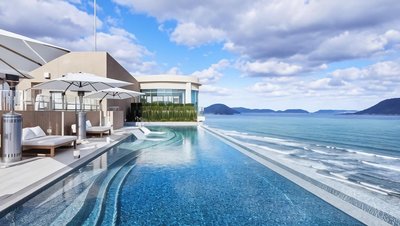
Karatsu Seaside Hotel
Yufuin Sansuikan
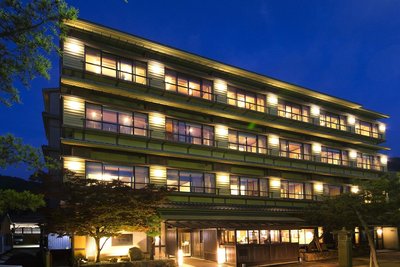
Kinsuikan
Yufuin-Sanso Waremokou
Ana InterContinental Beppu Resort & Spa
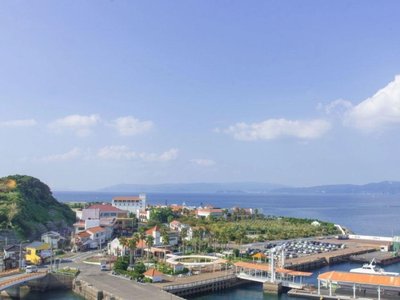
I+Land Nagasaki

The OneFive Villa Fukuoka
LiVEMAX RESORT MIYAHAMA ONSEN OCEAN
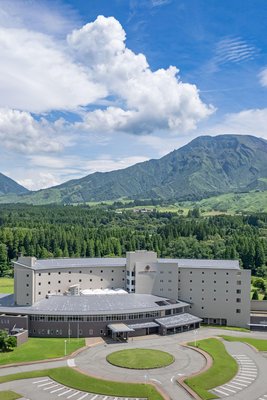
KAMENOI HOTEL ASO
Amane Resort Gahama

SEKIYA RESORT GALLERIA MIDOBARU
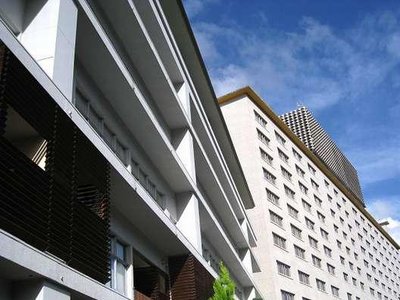
Beppu Suginoi Hotel

Phoenix Seagaia Ocean Tower
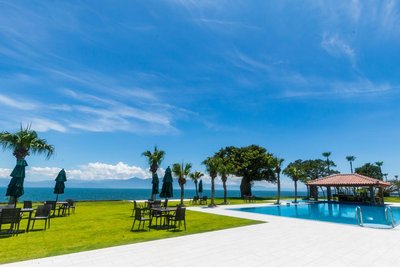
Kagoshima Sunamushi Onsen Ibusuki Hakusuikan
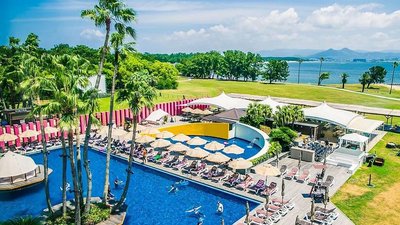
The Luigans Spa and Resort
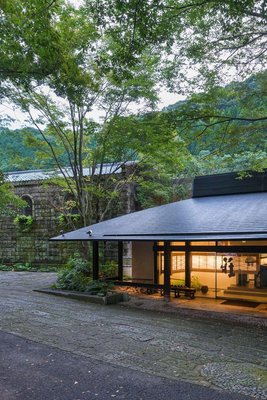
Myoken Ishiharaso

SHIROYAMA HOTEL kagoshima
Frequently Asked Questions about Traveling to Kumamoto City
Questions You Might Need to Know About Traveling to Kumamoto City
For first-time visitors, Kumamoto Grand Hotel is ideal—located near Kumamoto Castle and offering modern Japanese-Western fusion rooms with free Wi-Fi. Another top pick is Hotel Ido, just steps from Kumamoto Station, perfect for travelers connecting via rail. Both hotels provide local cultural touches, excellent service, and easy access to key attractions like Suizen-ji Park and Nagamachi Shopping District.
The central district around Kumamoto Station and Kumamoto Castle is the best area for lodging. It offers convenience, safety, and proximity to major sights such as Suizen-ji Park, Amegakko, and New Town Shopping Street. Staying here also gives easy access to local cuisine like Kumamoto ramen and black pork dishes. The area buzzes with energy day and night, making it perfect for exploring on foot.
Tourists must visit Kumamoto Castle, one of Japan’s three great castles, with its impressive stone walls and restored keep. Don’t miss the Kumamoto Castle Cherry Blossom Festival in spring or the Aso Volcano Observation Tour—a short drive away. Participate in a local pottery workshop using traditional Kyushu clay, or attend a Shinto shrine ritual at Kumano Shrine to experience deep-rooted spiritual traditions unique to the region.
Must-try dishes include Kumamoto Ramen—rich pork broth with soy flavor, topped with black pork chashu and a soft-boiled egg. Try Mabatake Steak, made from locally raised black pork, tender and juicy. Kumamoto Curry Rice is another standout, served at local favorites like Toko Curry House. For street food, sample yakitori skewers—especially chicken skin and offal—paired with cold beer at night markets.
The best times to visit are spring (March to May) and autumn (September to November). Spring brings cherry blossoms at Suizen-ji Park, while autumn paints Aso Mountain in vibrant hues. Events like the Kumamoto Castle Cherry Blossom Festival and Aso Red Leaf Festival draw crowds. Avoid summer (June–August) due to heat and typhoons. Winter offers snowscapes and hot springs, ideal for quiet retreats.
Yes, Kumamoto City is well-connected. Kumamoto Station serves the Kyushu Shinkansen and regional trains. The city has an efficient Kumamoto Electric Railway (trams) linking main sites like Kumamoto Castle and Suizen-ji Park. Renting bicycles is popular for exploring the city center. For trips to Aso Volcano or Amakusa Islands, buses and private transfers are readily available—most destinations within 1–2 hours.
Suizen-ji Park is perfect for families—featuring small ponds, tea houses, and the famous Kumamon statue. Kumamoto Castle Park includes playgrounds and educational walking trails about Edo-era history. The Kumamoto Prefectural Art Museum hosts regular children’s art workshops. For nature lovers, Aso Volcanic Geopark offers safe, scenic hiking paths and volcano observation points suitable for kids.
Recommended onsen stays include Kinko Onsen Ryokan in Aso, a 1-hour drive from Kumamoto, featuring natural sulfur baths and traditional wooden rooms. Another option is Kumamoto Castle Onsen Hotel, combining views of the castle with thermal baths. Both offer kaiseki meals and tatami-style accommodations, ideal for guests seeking authentic relaxation and cultural immersion.
Nighttime highlights include Shinmachi Shopping Street, lit with lanterns and bustling with izakayas and street performers. The Kumamoto Castle Night Illumination turns the historic keep into a glowing spectacle. Kumamoto Port Light Show features music and projection mapping every weekend. For tranquility, join a night stay at a shrine to hear ancient bells and wind chimes under starlit skies.
Top souvenirs include Kumamon-themed merchandise—plush toys, keychains, and stationery—at the official Kumamon Store. Also try black pork ham and Kumamoto dried abalone—premium gifts. Suizen-ji Senbei crackers, crispy and flavorful, are perfect for travel. Don’t miss Aso honey and Kumamoto green tea, beautifully packaged and widely available at local shops.
Kumamoto City Overview
City Summary
Kumamoto City, located in central Kyushu, Japan, is the capital of Kumamoto Prefecture and famous for Kumamoto Castle and Kumamon, the beloved mascot. The city blends history and modernity, boasting rich cultural heritage and natural landscapes. Suizenji Jojuen Garden is a masterpiece of Japanese gardens, while the majestic Mount Aso is nearby. Kumamoto's culinary culture is equally captivating, especially its horse meat dishes and Kumamoto ramen.
Must-See Attractions
Kumamoto Castle, one of Japan's three great castles, impresses with its black exterior and unique architecture. Suizenji Jojuen Garden is a scenic garden modeled after the journey from Tokyo to Kyoto. Kumamon Square is a must-visit for fans, offering adorable merchandise. Additionally, Tochoji Shopping Street is perfect for shopping and sampling local snacks.
Food Guide
Kumamoto's horse meat dishes (like basashi and horse meat hot pot) are local specialties—adventurous eaters should give them a try. Kumamoto ramen, known for its rich pork bone broth and thin noodles, is enhanced with garlic and black sesame oil. Street food like Taipeiyan (a vermicelli soup) and karashi renkon (mustard-stuffed lotus root) are also worth trying.
Transportation Guide
Kumamoto's tram system (two lines) is the main way to explore the city, covering major attractions. Buses are available but less frequent. Taxis start at around 730 yen and are suitable for short trips. Consider purchasing a "Kumamoto City Tram One-Day Pass" (500 yen) to save on transportation costs.
Best Time to Visit
The best times to visit are spring (March-May) and autumn (September-November), when the weather is mild. Cherry blossom season (late March to early April) and autumn foliage (November) are peak periods—book accommodations early. Summers are hot and humid, while winters can be chilly.
Travel Tips
- Etiquette: Remove shoes and stay quiet when entering shrines or temples.
- Safety: Kumamoto is prone to earthquakes; download a disaster app and learn evacuation routes.
- Payment: Cash is king; small shops may not accept cards.
- Language: English isn't widely spoken; learning basic Japanese phrases helps.
- Internet: Free Wi-Fi spots exist, but renting a pocket Wi-Fi is more reliable.
- Shopping: Tax-free shops require your passport; spending over 5,000 yen qualifies for tax refunds.
Useful Information
Language: Japanese is primary; English is available at tourist spots and major hotels. Internet: Rent a pocket Wi-Fi or buy a local SIM card. Payment: Cash is widely used; cards work at larger stores. Emergencies: Kumamoto University Hospital offers 24/7 emergency care (phone: 096-344-2111). Voltage: 100V, with two-flat-pin plugs (Type A). Emergency numbers: Police 110, ambulance 119.









