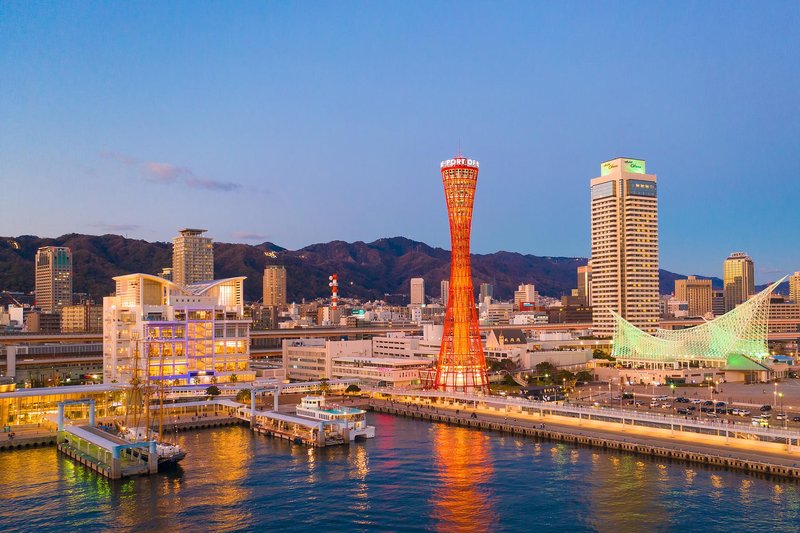
Hotels in Kumano
Discover your perfect stay in Kumano.
Kumano(Japan) Travel 2026: Cheap Flights, Hotels & Top Attractions
Popular Landmarks in Kumano
Discover the most iconic attractions in Kumano
Recommended Hotels in Kumano
Find the perfect place to stay in Kumano
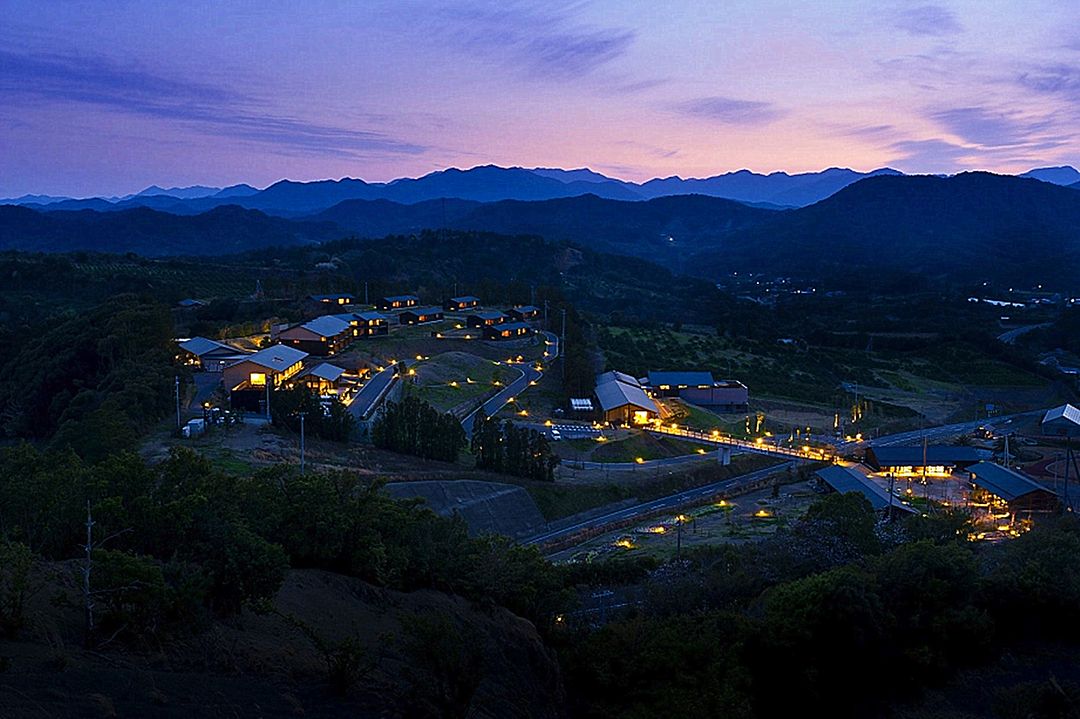
Resort Kumano Club
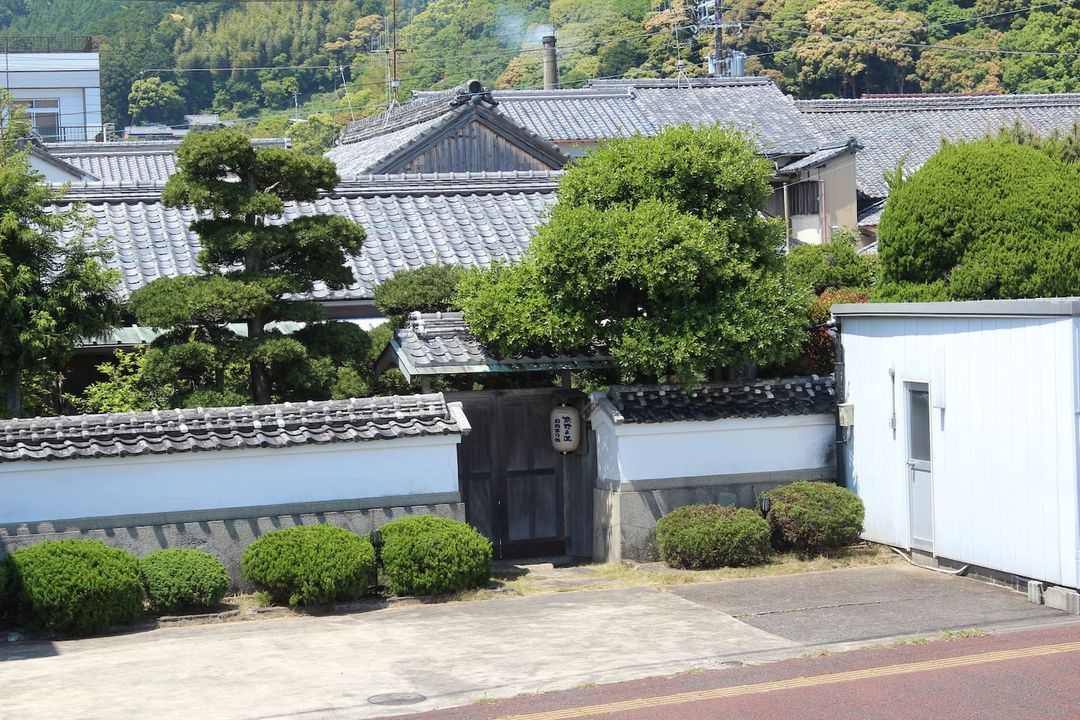
Guest House Wagaranchi Kai
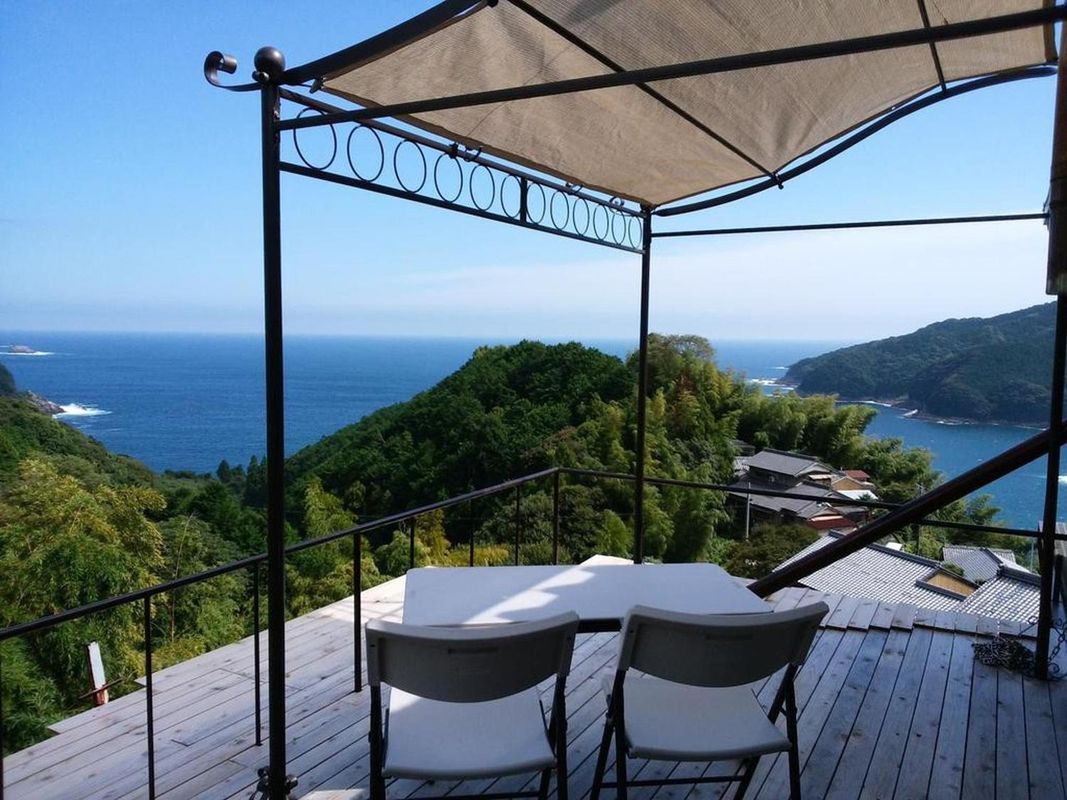
Tenjoza Entertainment Guest House
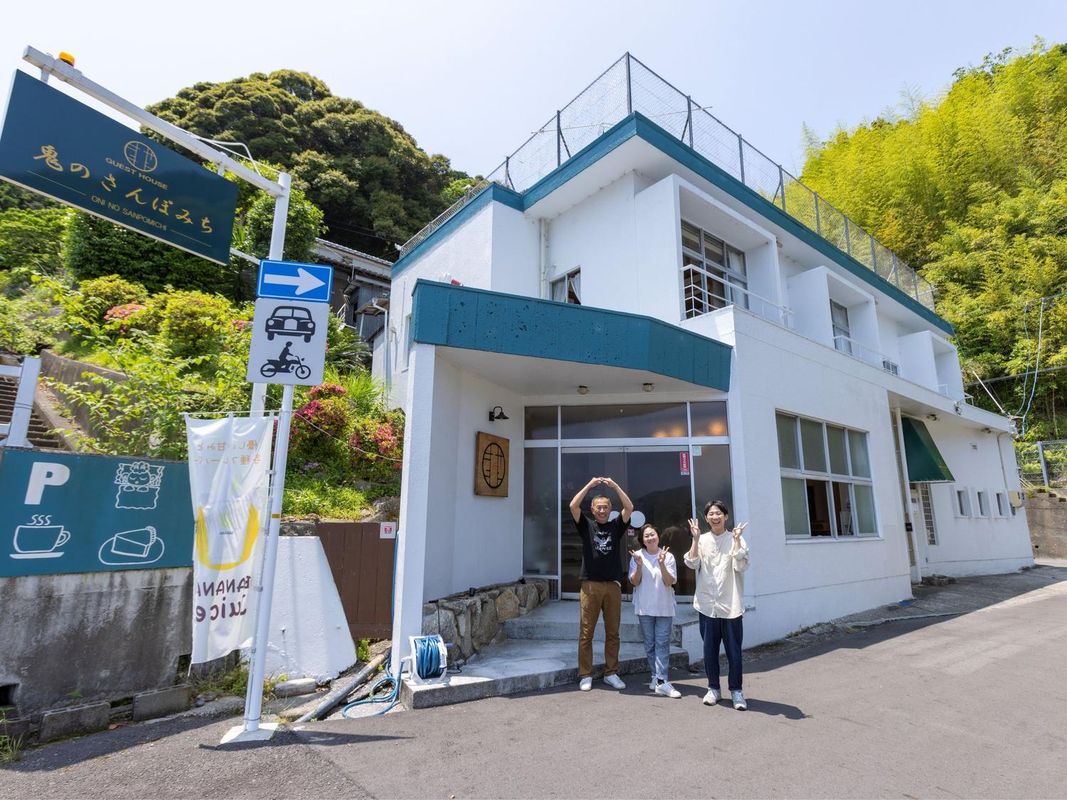
Hotel Oni No Sanpomichi
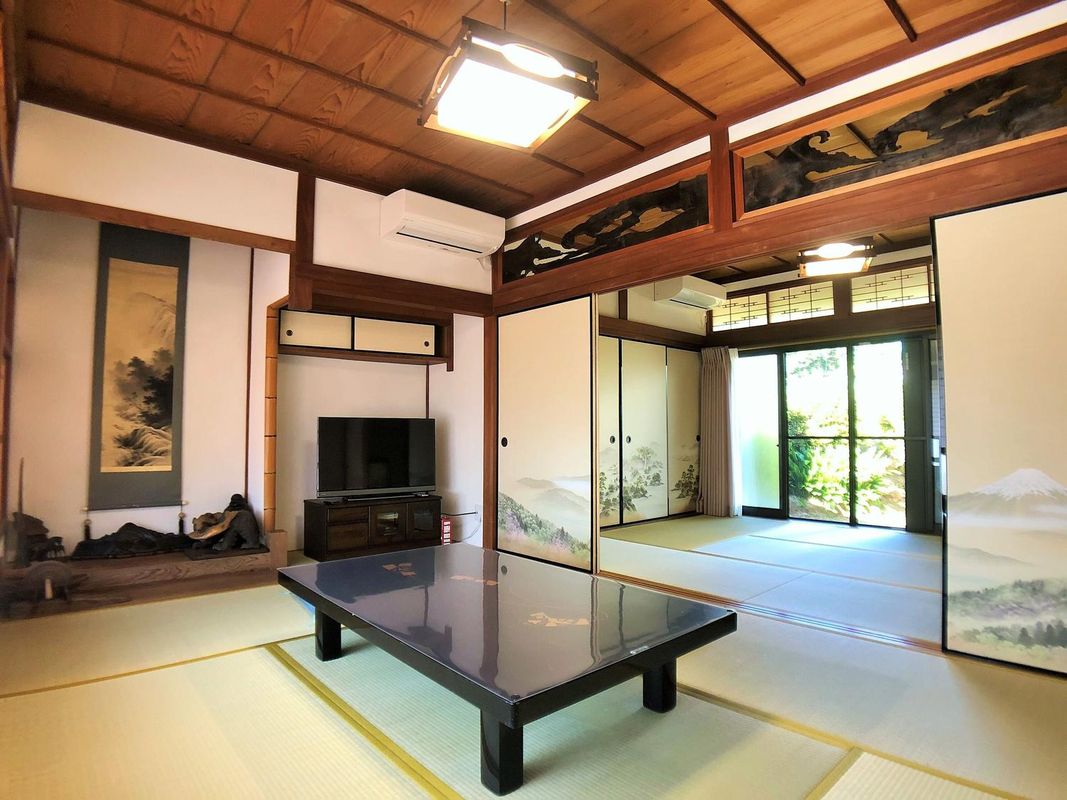
Yadokari Kumano
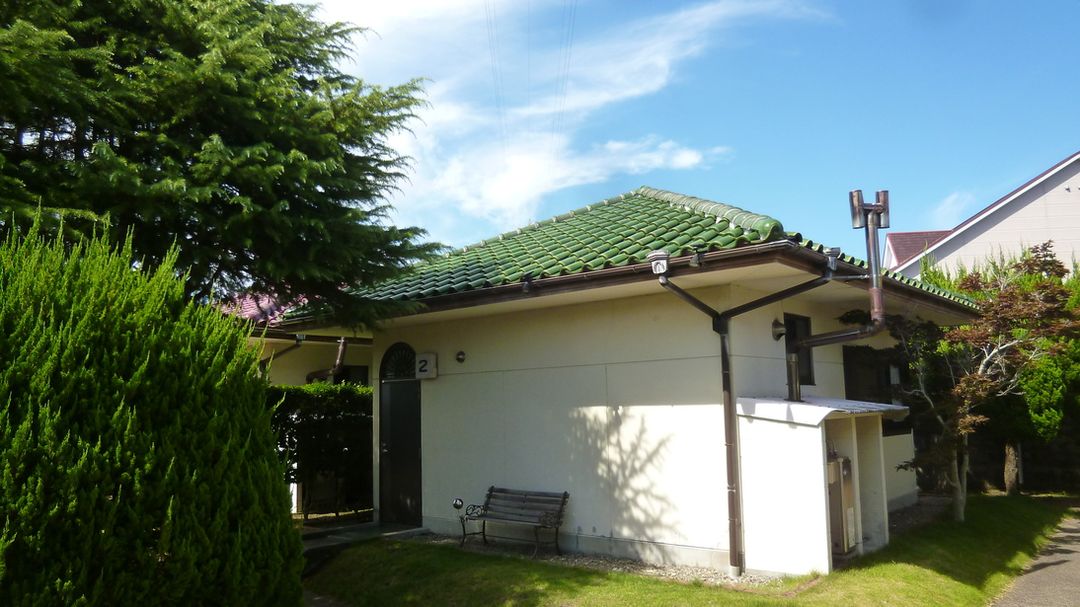
Tabi No Yado Harusame
Best Hotels in Kumano
Discover curated hotel collections in Kumano
Shima Kanko Hotel the Bay Suites
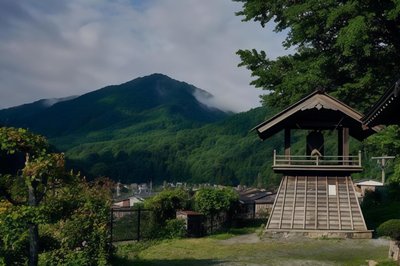
Byaku Narai
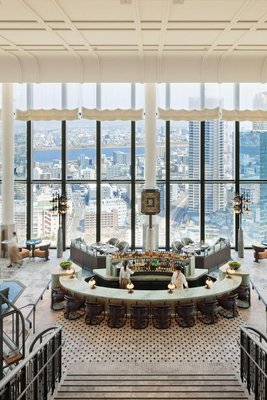
Waldorf Astoria Osaka
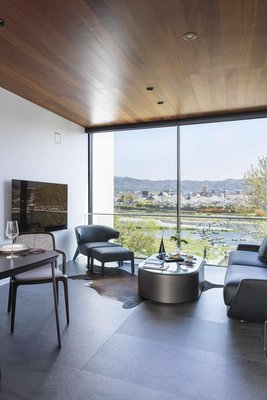
Kamo Residences by Reflections
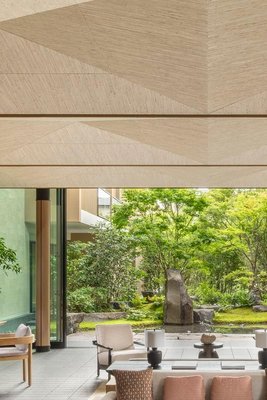
Six Senses Kyoto
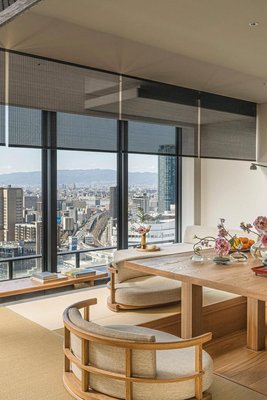
Four Seasons Hotel Osaka
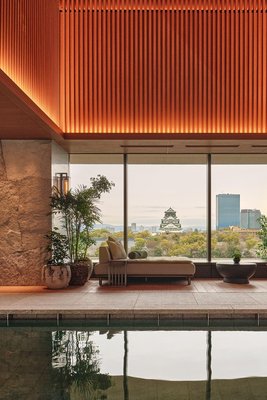
Patina Osaka

The Ritz-Carlton, Osaka
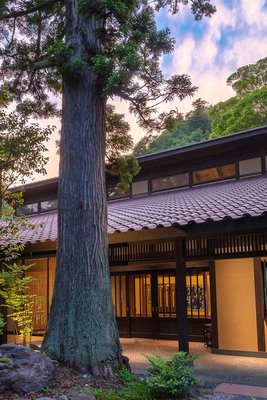
Arimasansoh Goshobessho

The Hiramatsu Hotels & Resorts Kashikojima
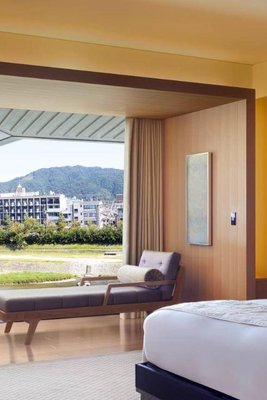
The Ritz-Carlton, Kyoto
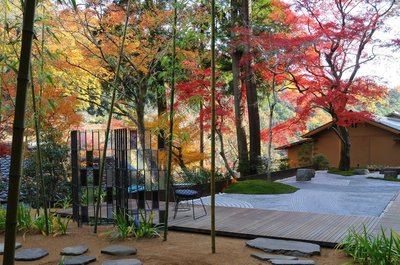
HOSHINOYA Kyoto
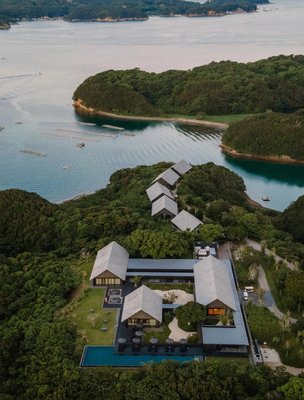
Amanemu
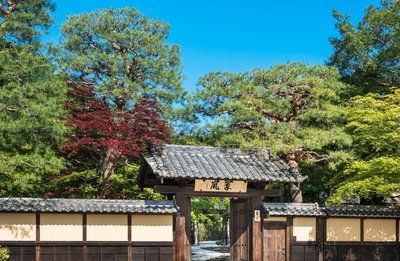
Suiran, a Luxury Collection Hotel, Kyoto
Grand Chariot Hokutoshichisei 135°
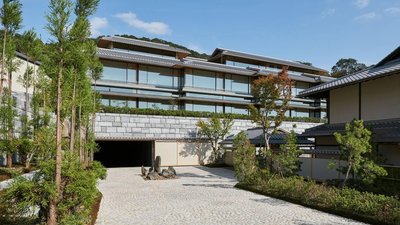
Park Hyatt Kyoto
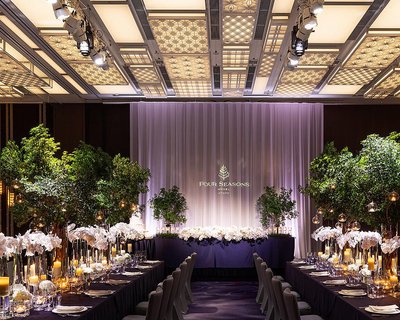
Four Seasons Hotel Kyoto
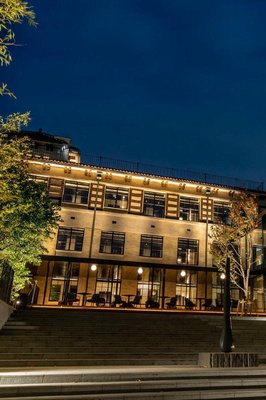
The Hotel Seiryu Kyoto Kiyomizu - a Member of the Leading Hotels of the World-
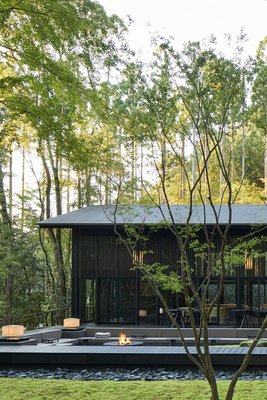
Aman Kyoto
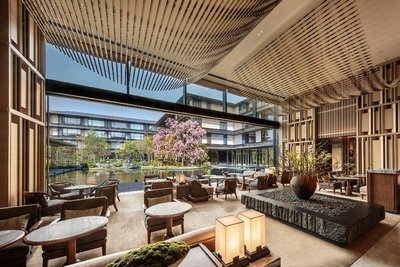
Hotel the Mitsui Kyoto, a Luxury Collection Hotel & Spa
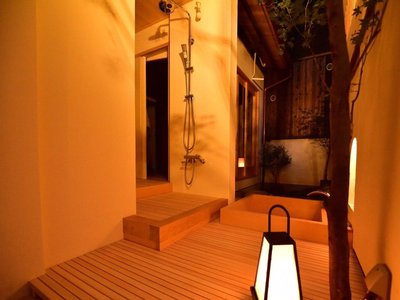
Yado Kiramachi
Arimasansoh Goshobessho
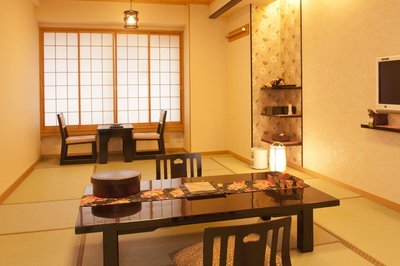
Matsui-Bekkan Hanakanzashi

Taikyourou
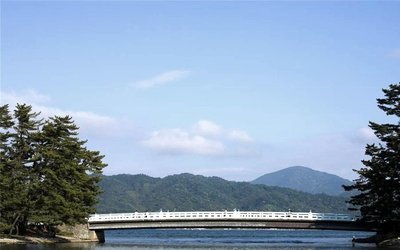
Monjusou Shourotei
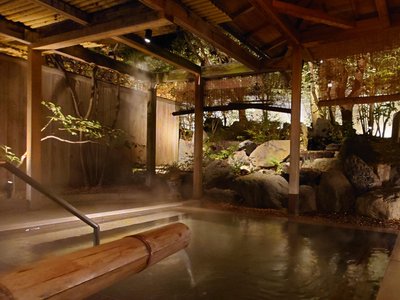
Kasuga Hotel
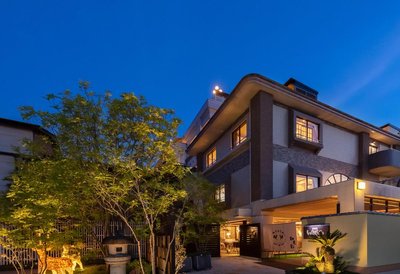
Hotel New Wakasa
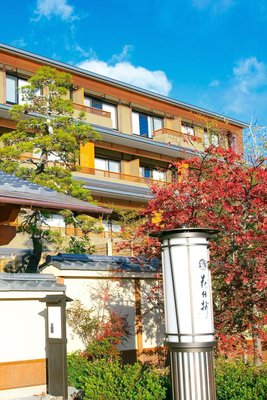
Kyoto Arashiyama Onsen Kadensho (Kyoritsu Resort)
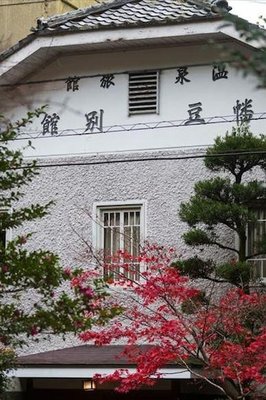
Oku-Mikawa・Yuya Onsen HAZU Bekkan
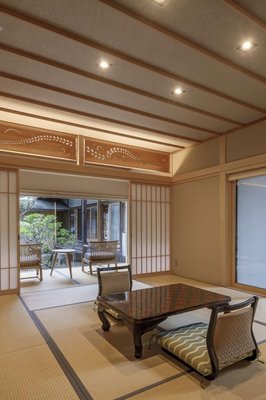
Ichijoin
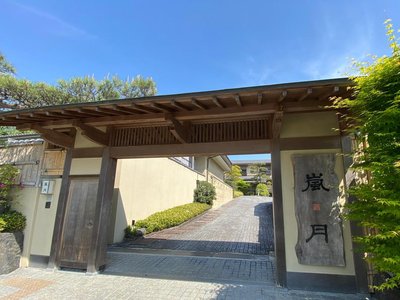
Rangetsu
The Ritz-Carlton, Kyoto
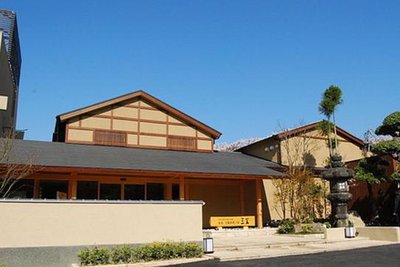
Mikasa
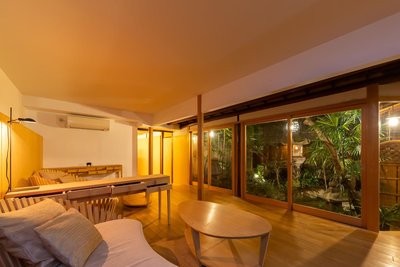
Izuyasu Traditional Kyoto Inn Serving Kyoto Cuisine
HOSHINOYA Kyoto
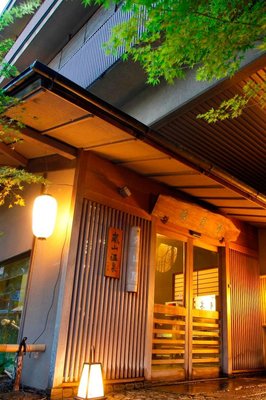
Togetsutei
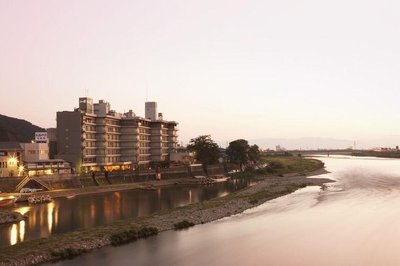
Juhachiro
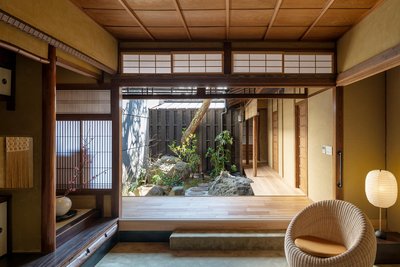
Nazuna Kyoto Gosho
Amanemu
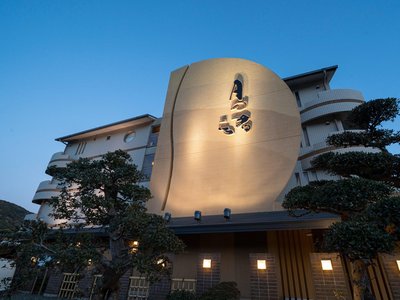
Tsukino Nagisa

22 PIECES
The Ritz-Carlton, Osaka

The Thousand Kyoto
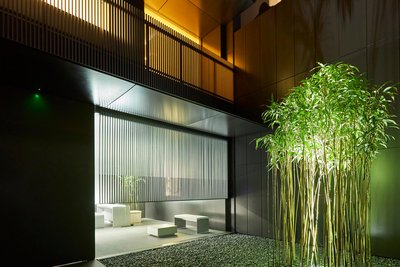
Mogana
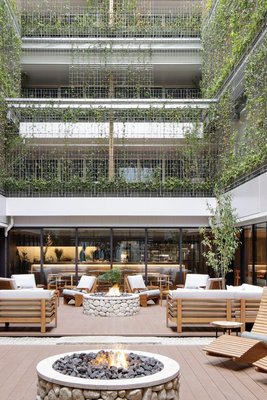
GOOD NATURE HOTEL KYOTO
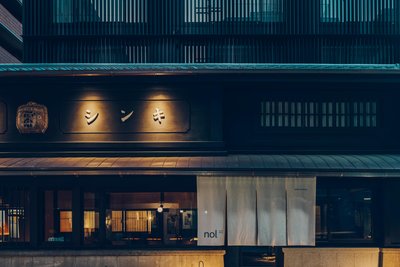
Nol Kyoto Sanjo

Zentis Osaka

Garrya Nijo Castle Kyoto

W Osaka

Hotel Kanra Kyoto

Aloft Osaka Dojima
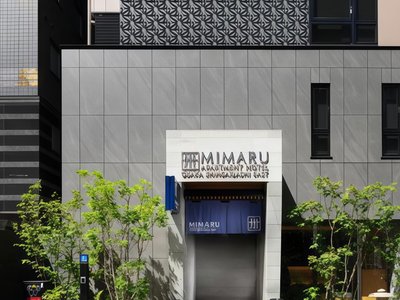
MIMARU Osaka Shinsaibashi East

Toba International Hotel Shiojitei
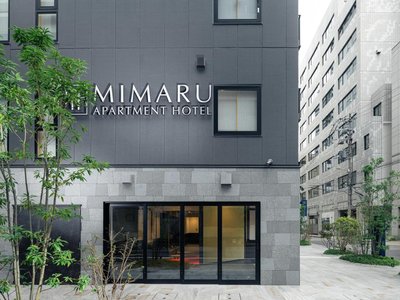
MIMARU Osaka Shinsaibashi North

Candeo Hotels Osaka Shinsaibashi

Caption by Hyatt Namba Osaka
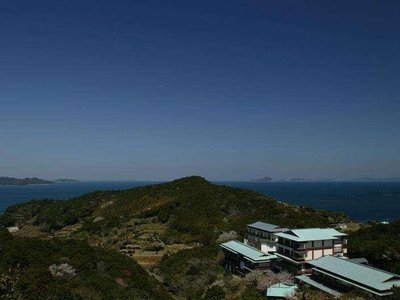
Hanashinsui

UH SUITE NAMBA STATION
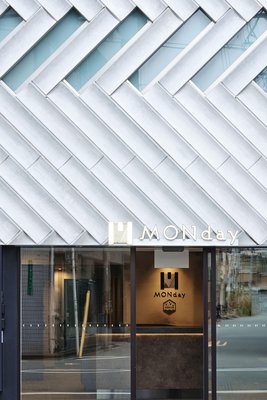
MONday Apart Premium OSAKA NAMBA WEST

30 PIECES Namba
Kasuga Hotel
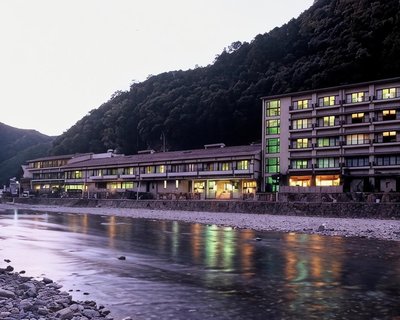
Kawayu Onsen Fujiya
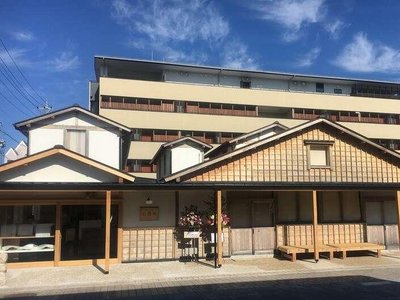
Isegekusando Iseshinsen

TOBA GRAND HOTEL
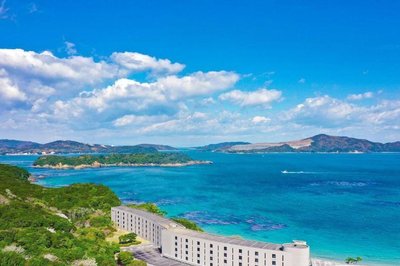
Taoya Shima
Hotel New Wakasa
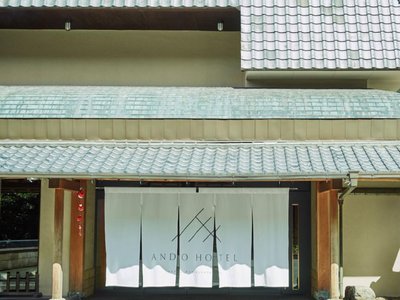
Ando Hotel Nara Wakakusayama -Dlight Life & Hotels-
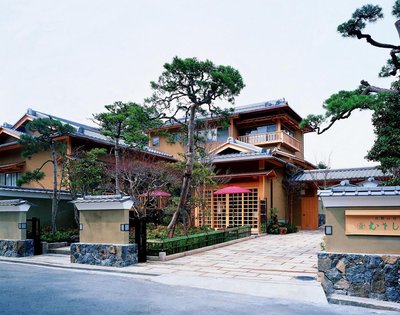
Kotonoyado Musashino
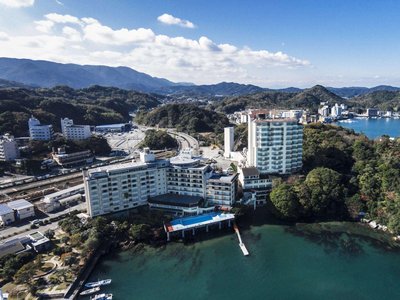
Todaya
Mikasa
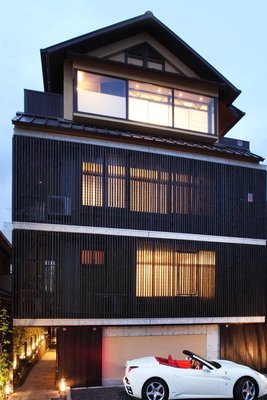
Wakasa Annex
Toba International Hotel Shiojitei
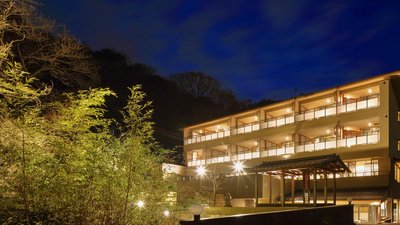
Okuno Hosomichi

XYZ Private Spa and Seaside Resort
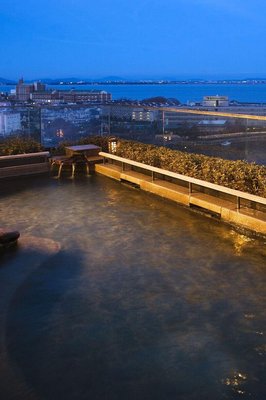
Yumotokan
Arimasansoh Goshobessho
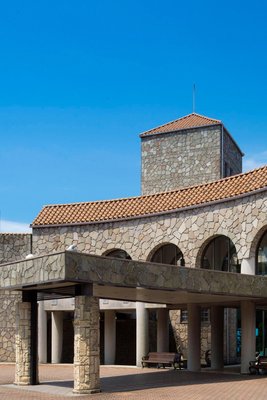
Izumigo Hotel Altia Toba
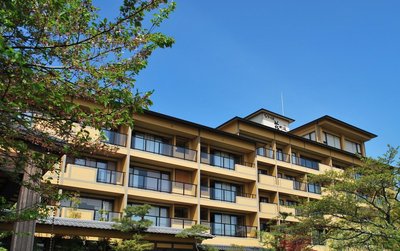
BIWAKO HANAKAIDO
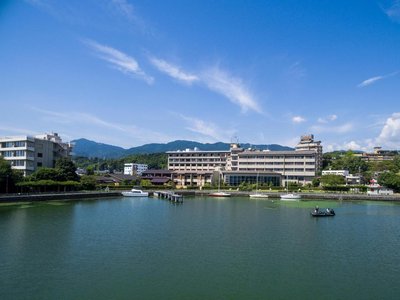
Biwako Ryokusuitei
Kasuga Hotel
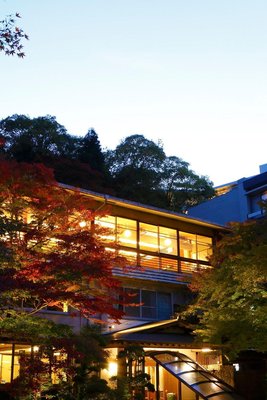
Negiya Ryofukaku
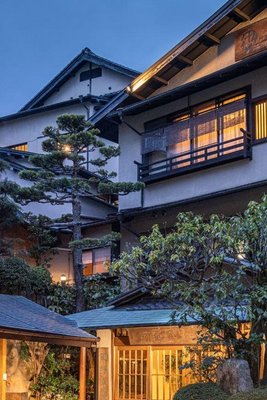
Arima Onsen Tocen Goshobo
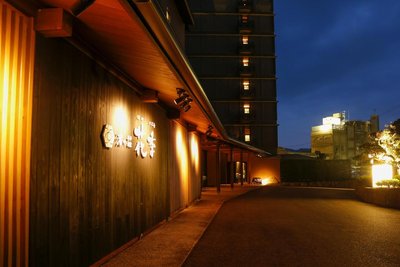
Hanagoyomi
Kawayu Onsen Fujiya
Isegekusando Iseshinsen
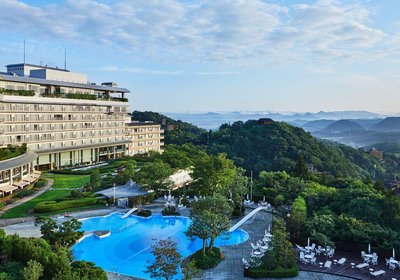
Arima Grand Hotel
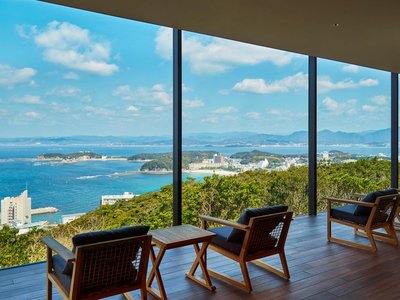
Infinito Hotel and Spa
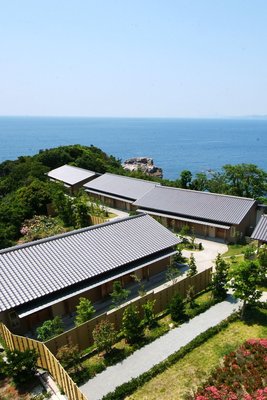
Hamachidorinoyu Kaisyu
Kyoto Arashiyama Onsen Kadensho (Kyoritsu Resort)

Nakanobo Zuien (Adult Only)
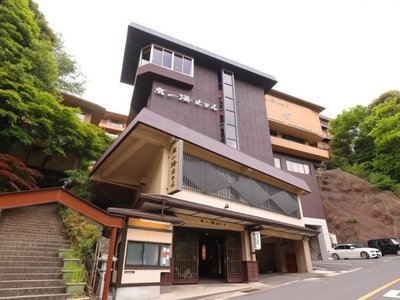
Shikanoyu Hotel
XYZ Private Spa and Seaside Resort
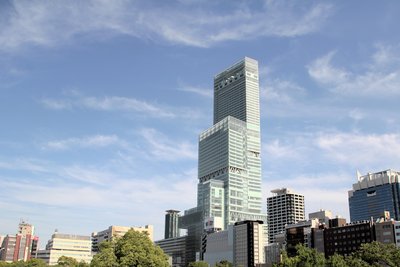
Osaka Marriott Miyako Hotel
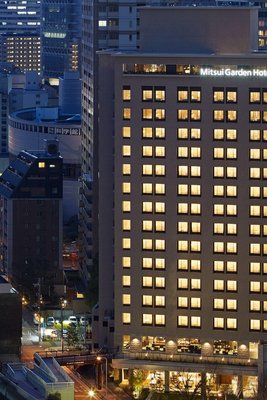
Mitsui Garden Hotel Osaka Premier
Izumigo Hotel Altia Toba
BIWAKO HANAKAIDO
Biwako Ryokusuitei
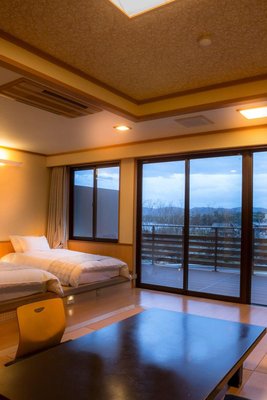
Hotel Kitanoya
Hanagoyomi
Kawayu Onsen Fujiya
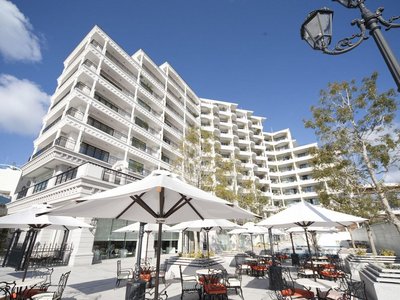
Hotel La Suite Kobe Harborland

AoAwo Naruto Resort
Infinito Hotel and Spa
Hamachidorinoyu Kaisyu
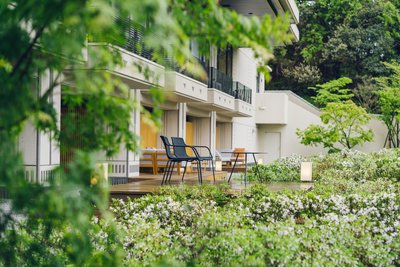
Hoshino Resorts Kai Enshu
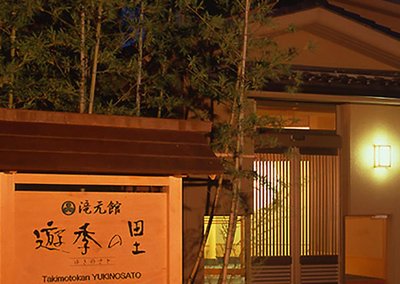
Takimotokan Yuki No Sato
The Ritz-Carlton, Kyoto
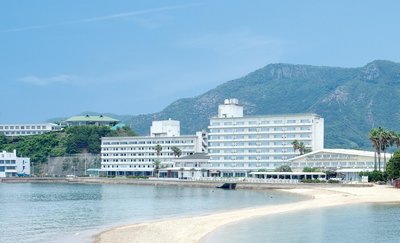
Shodoshima International Hotel
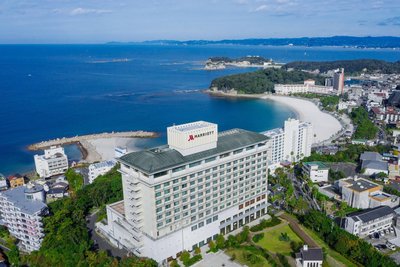
Nanki-Shirahama Marriott Hotel
Juhachiro

Toba International Hotel

Legoland Japan Hotel

HOTEL UNIVERSAL PORT VITA

The Park Front Hotel at Universal Studios Japan

HOTEL UNIVERSAL PORT

THE SINGULARI HOTEL & SKYSPA at UNIVERSAL STUDIOS JAPAN
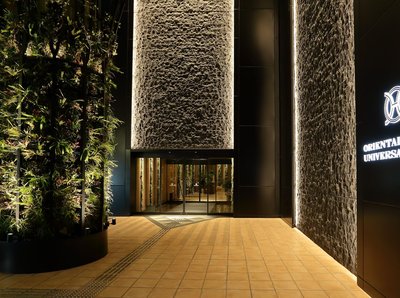
Oriental Hotel Universal City

Hotel Keihan Universal Tower
Osaka Marriott Miyako Hotel
The Ritz-Carlton, Osaka
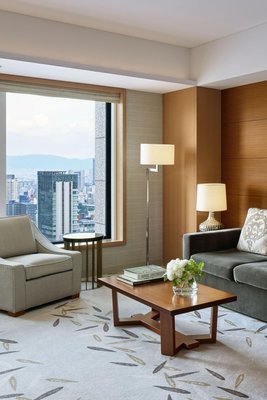
InterContinental Hotel Osaka
The Ritz-Carlton, Kyoto
Suiran, a Luxury Collection Hotel, Kyoto
GOOD NATURE HOTEL KYOTO
Park Hyatt Kyoto
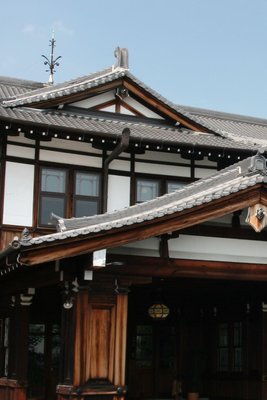
Nara Hotel
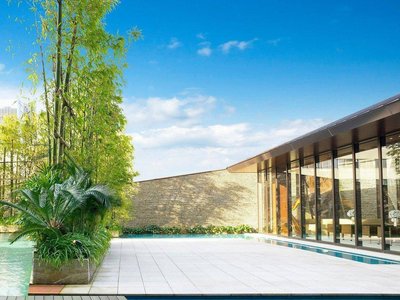
ORIENTAL HOTEL
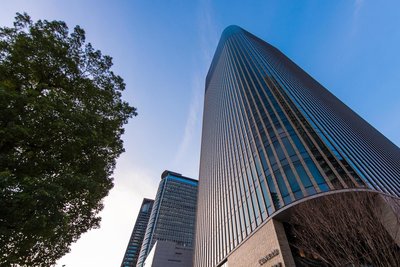
Conrad Osaka
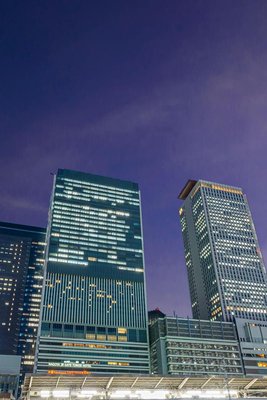
Nagoya JR Gate Tower Hotel (JR-Central Hotels)
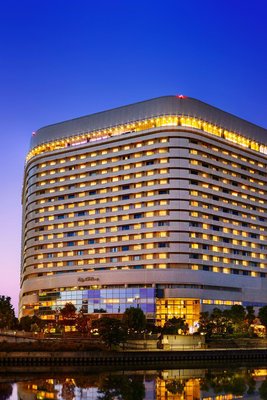
Hotel New Otani Osaka
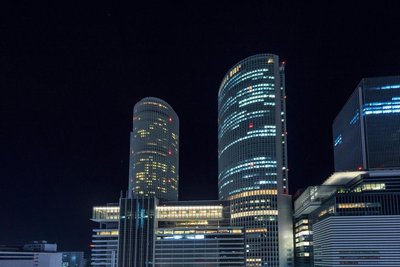
Nagoya Marriott Associa Hotel
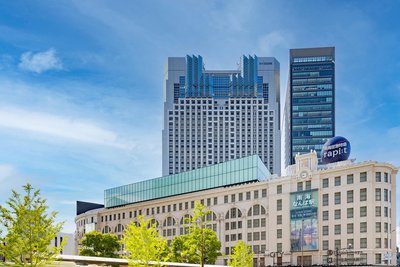
Swissotel Nankai Osaka
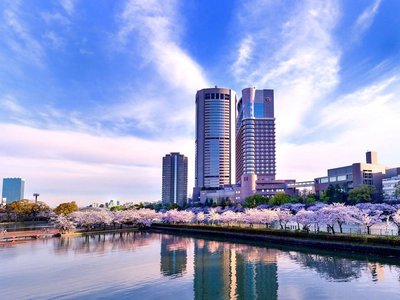
Imperial Hotel Osaka

The St. Regis Osaka
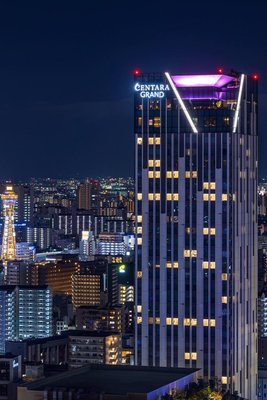
Centara Grand Hotel Osaka
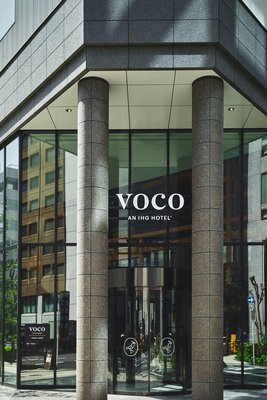
voco Osaka Central
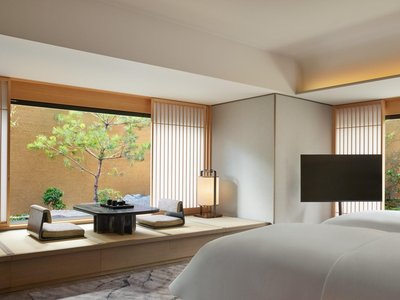
Dusit Thani Kyoto
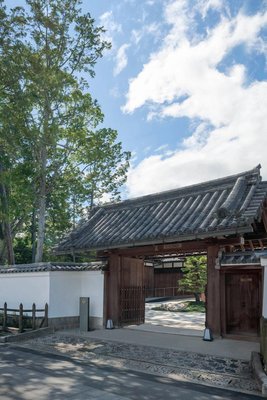
Shisui, a Luxury Collection Hotel, Nara

Hilton Kyoto
Osaka Marriott Miyako Hotel
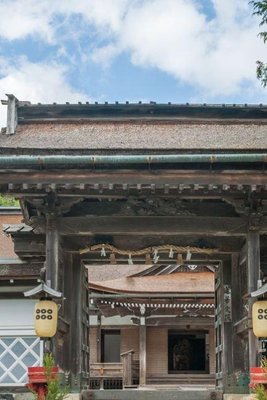
Koyasan Rengejoin
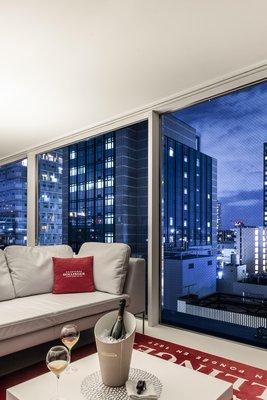
CUVÉE J2 HOTEL OSAKA by Onko Chishin
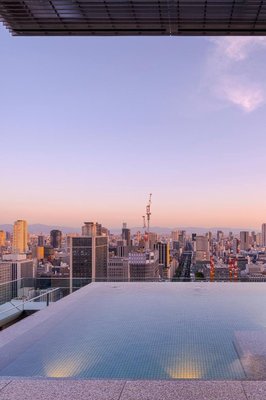
Candeo Hotels Osaka The Tower
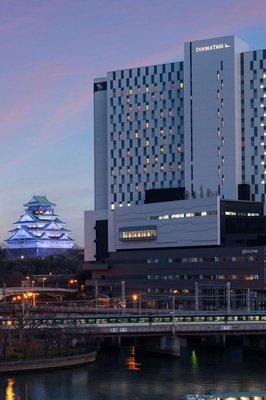
DoubleTree by Hilton Osaka Castle
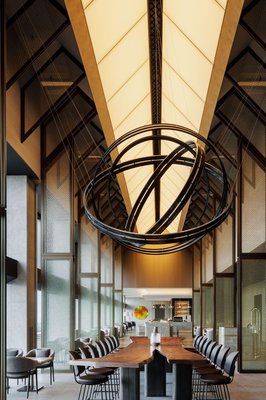
The Osaka Station Hotel, Autograph Collection
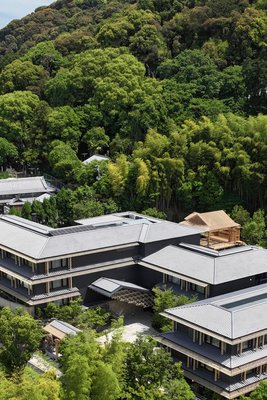
Banyan Tree Higashiyama Kyoto

Canopy by Hilton Osaka Umeda
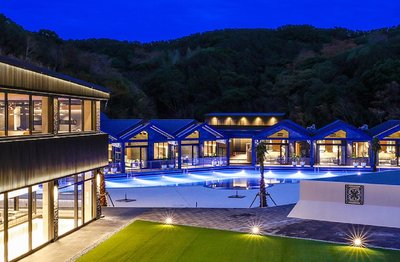
FIVE SPRING RESORT THE SHIRAHAMA
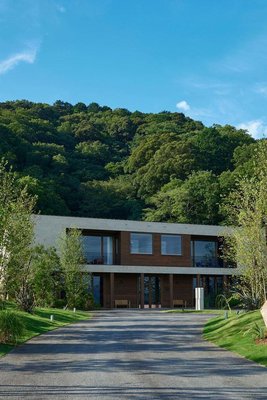
HACIENDA VISON

Hilton Osaka Hotel
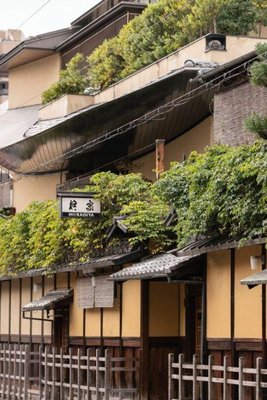
Hiiragiya Ryokan
Infinito Hotel and Spa
Hamachidorinoyu Kaisyu
Ichijoin
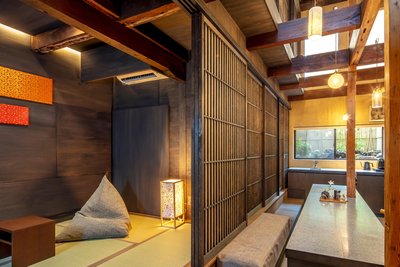
Kyo No Oozora Kihana
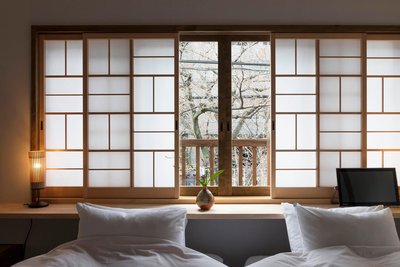
Hanagoromo Machiya House
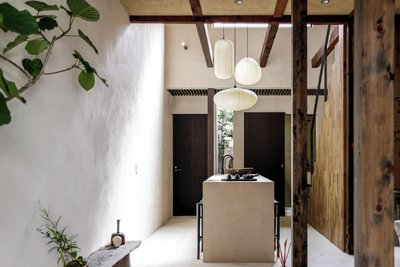
Maana Kiyomizu
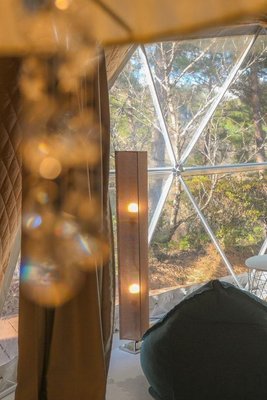
glampark Gekkabijin Nagano
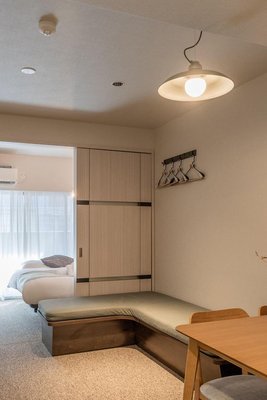
Apartment Hotel 11 Shinsaibashi
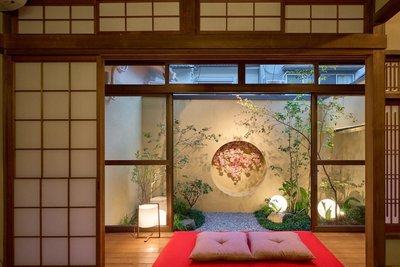
KONJAKUSO Osaka Tengachaya "NIHONCHA" Tea & Relax
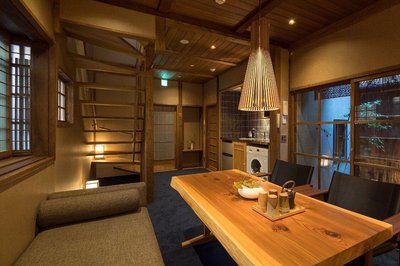
Bonbori an Machiya House
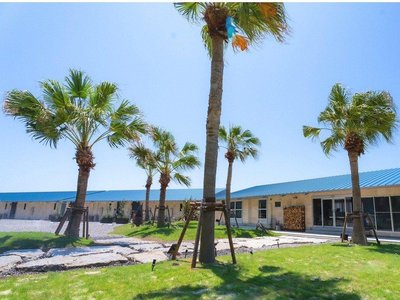
Glamping&Resort Wood Design Park Noma
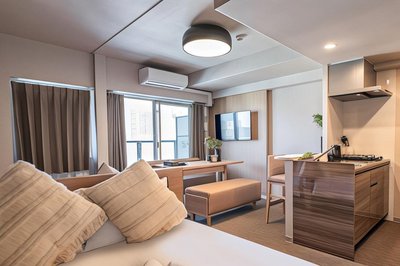
Apartment Hotel 11 Shinsaibashi III
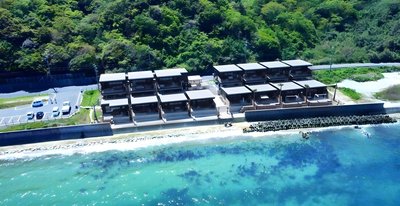
Solavilla Umi Terrace Minamiawaji
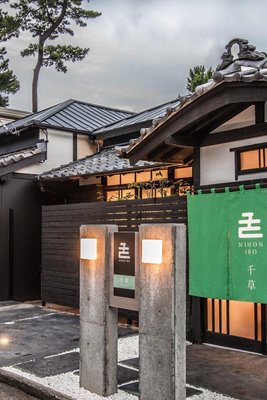
Nihon Iro
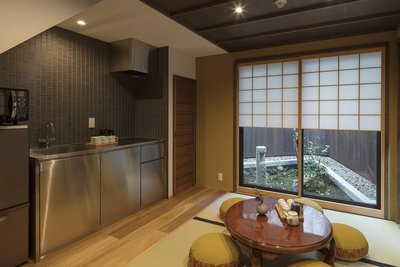
The Machiya Villa Sanjo Shirakawa Koji
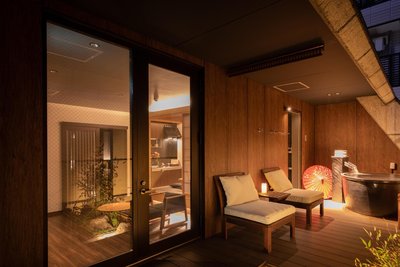
Konjaku-So Dotonbori
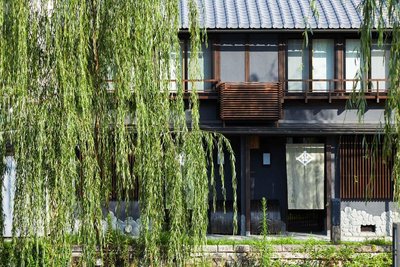
Gion Shirakawa No Yado

Kitashirakawa Natural Radium Onsen
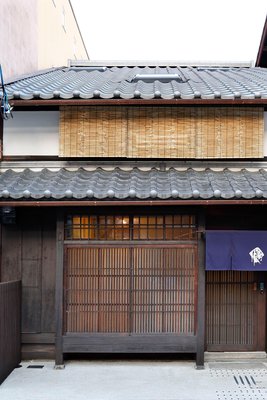
Kyo No Ondokoro Kamanza Nijo #2
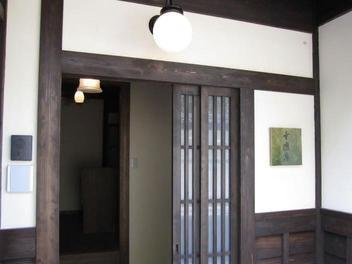
Gion Koyu an Machiya House
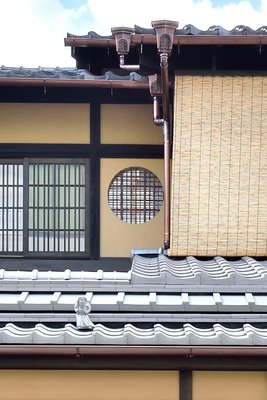
Kyo No Ondokoro Gokomachi Ebisugawa #3

Sana Mane - Glamp Domes
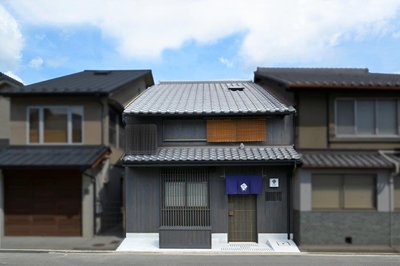
Kyo No Ondokoro Goshonishi #6
Frequently Asked Questions about Traveling to Kumano
Questions You Might Need to Know About Traveling to Kumano
For pilgrims walking the Kumano Kodo, stay at Kumano Shukubo Temple Lodges near Kumano Hongu Taisha. These traditional mountain inns offer simple, authentic rooms with tatami mats and shared baths, immersing guests in spiritual atmosphere.
Kumano Grand Shrine Front Inn provides easy access to sacred sites and features private onsen baths with forest views. Many lodges also host early morning prayer sessions and guided walks along ancient stone paths. Meals include vegetarian Shojin Ryori cuisine made from local mountain ingredients—perfect for a mindful journey through Japan’s sacred wilderness.
The Kumano Sanzan region—comprising Hongu Taisha, Hayatama Taisha, and Kumano Nachi Taisha—is the heart of cultural immersion. Stay at Nachi-san Onsen Ryokan or Kumano Shukubo to participate in daily Buddhist rituals like chanting, tea ceremonies, and lantern lighting ceremonies.
Guests can join Festival Processions during seasonal events such as Gozan no Okuribi (Mountain Fire Festival) or Kumano Sannai Matsuri. Local artisans also offer workshops in washi paper-making, woodblock printing, and traditional dyeing techniques, allowing travelers to take home handcrafted souvenirs rooted in Kumano’s heritage.
In Koyasan, savor Shojin Ryori—a Buddhist-inspired vegetarian cuisine served at temples and ryokans. Dishes like tahou-mochi (bean paste rice cakes), kinpira gobo (braised burdock root), and yuba (tofu skin) highlight mountain flavors and seasonality.
Try Kumano Beef, known for its marbled texture and rich umami, often grilled over charcoal. At night, visit local izakayas near Kumano Station for fresh seafood skewers and sake tasting. Some ryokans even offer private cooking classes, where you learn to prepare traditional dishes using ingredients foraged from nearby forests.
Yes, Kumano Shukubo Children's Experience Center offers spacious family rooms and dedicated activity spaces. Kids can walk the Kumano Kodo in traditional straw sandals, attend storytelling sessions about local legends, and participate in forest scavenger hunts.
The inn hosts family-friendly shrine visits, craft workshops (like making paper lanterns), and evening campfire gatherings. Meals are tailored for children with healthy, organic options. With wheelchair-accessible paths and safety measures, it’s ideal for intergenerational travel. Facilities are designed to blend tradition with modern comfort.
Best times to visit Koyasan are spring (March–May) and autumn (September–November). Spring brings cherry blossoms around Kumano Hongu Taisha, while autumn paints the hills in fiery reds and golds along the Kumano Kodo trails.
During these seasons, festivals like Kumano Sannai Matsuri and Gozan no Okuribi draw visitors. The weather is mild, perfect for hiking. Avoid summer due to humidity and typhoons; winter is quiet but magical with snow-dusted temples. Book ahead—especially during peak festival periods.
Access Koyasan via Kintetsu Railway to Kumano Station, then transfer to local buses (approx. 30 min). Major inns like Kumano Grand Shrine Front Inn offer free shuttle services.
For self-drive, use the Kisei Expressway—2.5 hours from Osaka or Nagoya. The Kumano Kodo Trail Network has clear signage and parking spots. Tourist buses run themed routes covering shrines, waterfalls, and hot springs. Tickets can be purchased at visitor centers or hotels, enhancing convenience for independent travelers.
Experience the mystical charm of Koyasan after dark. Attend the Nachi Falls Night Illumination—a stunning light show that transforms the waterfall into a glowing spectacle.
Visit Kumano Hongu Taisha during Night Prayer Rituals, where lanterns illuminate the path and chants echo through the forest. Some ryokans host moon-viewing tea ceremonies in garden courtyards, accompanied by traditional music.
Explore Kumano’s old town at night for street food stalls offering grilled fish, sweet mochi, and sake. The quiet streets, lit by paper lanterns, create an enchanting atmosphere unlike any other in Japan.
Must-buy souvenirs include Kumano Omamori (protective charms) from Kumano Hongu Taisha, featuring symbols of mountains, rivers, and deities. They’re excellent keepsakes for spiritual protection.
Try Nachi-san Matcha Products—matcha chocolate, cookies, and ice cream made from locally grown tea leaves. Yamato Forest Honey, harvested from wild bees, is another natural treat.
At temple shops, purchase handmade washi paper lanterns, wooden talismans, or calligraphy sets. Some inns offer custom engraving services, turning your name into a personalized shrine token—a truly unique memento.
Absolutely. Koyasan is ideal for solo travelers craving peace and introspection. Stay at Kumano Shukubo or Nachi-san Onsen Ryokan, where quiet rooms, serene gardens, and morning meditation sessions foster deep relaxation.
Walk the Kumano Kodo alone under the canopy of ancient trees, listen to birdsong, and reflect beside waterfalls. Temples welcome individual pilgrims with simple meals and peaceful spaces for contemplation.
Evenings are perfect for journaling, reading, or attending silent tea ceremonies. With low tourist density outside peak seasons, it’s one of Japan’s most restorative destinations for solo exploration.
The Kumano Kodo stands out due to its deep integration of nature, spirituality, and history. Unlike urban-focused routes, it winds through pristine forests, cascading waterfalls, and remote mountain villages—connecting three grand shrines across three regions.
It was designated a UNESCO World Heritage Site for its cultural significance and role in Shinto-Buddhist syncretism. Pilgrims historically walked for weeks, carrying symbolic staffs and offering prayers at each shrine. Today, the trail preserves this legacy through preserved stone steps, historic inns, and ongoing rituals—offering a rare, immersive spiritual journey unmatched elsewhere in Japan.
Kumano Overview
City Summary
Kumano City, located in the southern part of Mie Prefecture, Japan, is one of the starting points of the Kumano Kodo pilgrimage routes, renowned for its natural beauty and spiritual culture. The Kumano Sanzan (Kumano Hongu Taisha, Kumano Hayatama Taisha, and Kumano Nachi Taisha) are major Shinto shrines attracting many pilgrims. The city's coastline and forests offer stunning views, ideal for nature lovers.
Must-See Attractions
Must-see attractions include:
- Kumano Hongu Taisha: One of Japan's most important shrines, head of the Kumano Sanzan.
- Nachi Falls: Japan's tallest waterfall, with nearby Nachi Taisha and Seiganto-ji Temple.
- Kumano Kodo: UNESCO World Heritage site, perfect for hiking enthusiasts.
- Shichiri Mihama: A beautiful coastline offering panoramic views of the Pacific Ocean.
Food Guide
Local cuisine focuses on seafood and regional specialties:
- Kumano Beef: Premium Wagyu known for its tender texture.
- Ise Lobster: Freshly caught, a delicacy in the area.
- Bonito Dishes: Especially "Katsuo no Tataki" (seared bonito), a local favorite.
- Kishu Plums: A Mie Prefecture specialty, used in umeshu (plum wine) or preserves.
Transportation Guide
Transportation options:
- Train: JR Kisei Main Line to "Kumano City Station," but some sites require bus transfers.
- Bus: Multiple bus routes connect major attractions like Kumano Kodo and Nachi Falls.
- Car Rental: Recommended for accessing remote areas.
- Hiking: Kumano Kodo is ideal for hiking, but proper gear and maps are essential.
Best Time to Visit
Best time to visit is spring (March-May) and autumn (September-November) for mild weather and scenic beauty. Summers are humid, and winters can be cold but less crowded.
Travel Tips
- Shrine Etiquette: Purify hands and mouth before entering, maintain silence.
- Hiking Prep: Some Kumano Kodo sections are steep; wear suitable footwear.
- Cash Payments: Rural areas may only accept cash.
- Insect Protection: Forests may have mosquitoes; bring repellent.
- Bus Schedules: Rural buses are infrequent; check timetables in advance.
- Language Barrier: English is limited; use translation apps if needed.
Useful Information
Practical info:
- Language: Japanese is primary; English is limited.
- Internet: Urban areas have Wi-Fi, but rural zones may have weak signals.
- Payments: Credit cards work in cities, but cash is advised in rural areas.
- Medical Care: Hospitals are available in Kumano City, but remote areas lack facilities.
- Voltage: 100V, Type A two-flat-pin plugs.