Hotels in Kumenan
Discover your perfect stay in Kumenan.
Kumenan(Japan) Travel 2026: Cheap Flights, Hotels & Top Attractions
Popular Landmarks in Kumenan
Discover the most iconic attractions in Kumenan
Recommended Hotels in Kumenan
Find the perfect place to stay in Kumenan
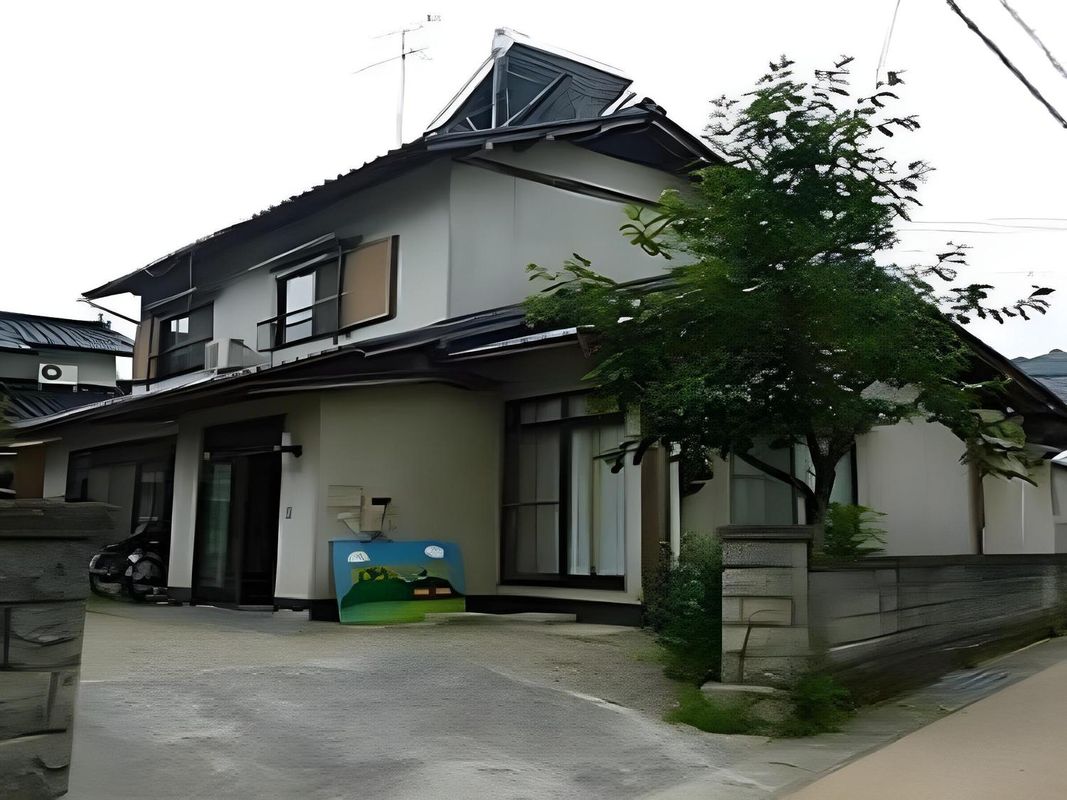
Tabinoashiato Guest House
Best Hotels in Kumenan
Discover curated hotel collections in Kumenan
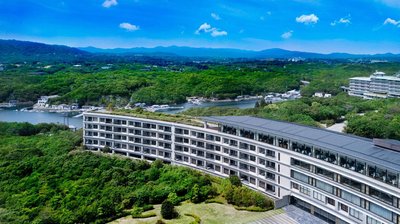
Shima Kanko Hotel the Bay Suites
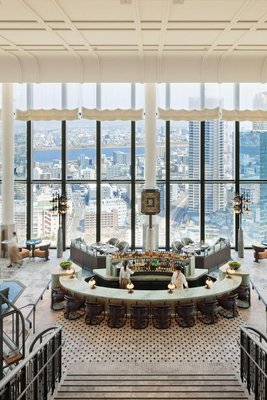
Waldorf Astoria Osaka
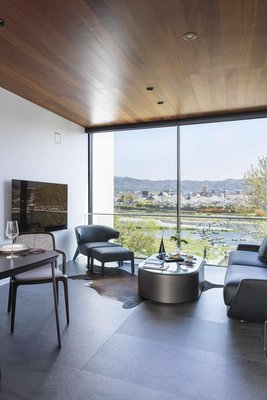
Kamo Residences by Reflections
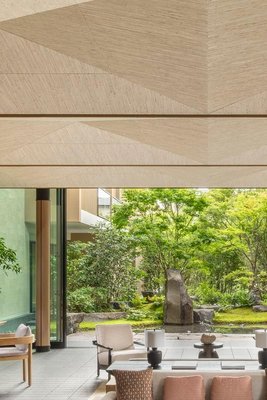
Six Senses Kyoto
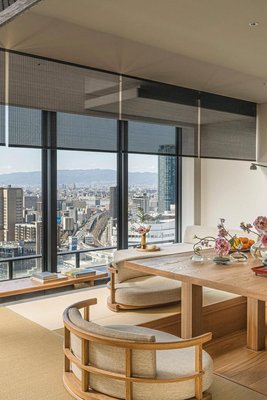
Four Seasons Hotel Osaka

Patina Osaka

The Ritz-Carlton, Osaka
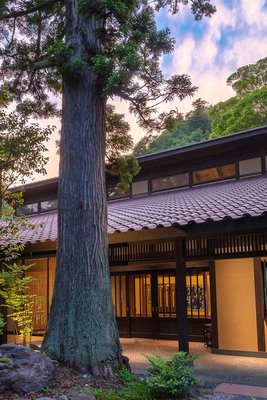
Arimasansoh Goshobessho

The Hiramatsu Hotels & Resorts Kashikojima
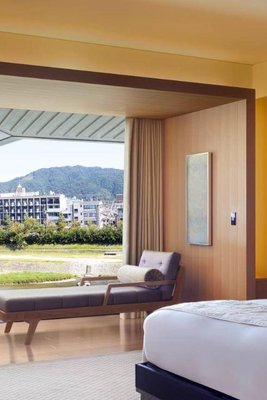
The Ritz-Carlton, Kyoto
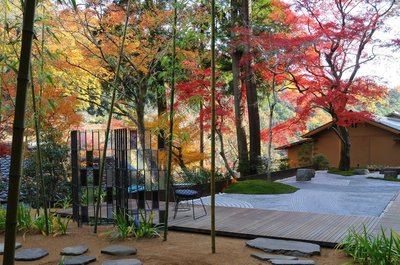
HOSHINOYA Kyoto
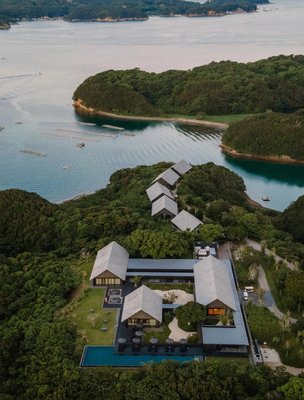
Amanemu
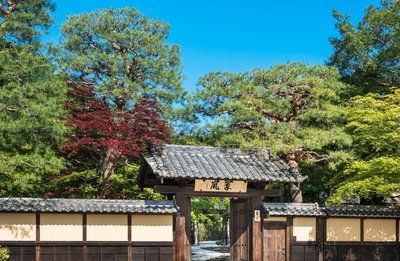
Suiran, a Luxury Collection Hotel, Kyoto
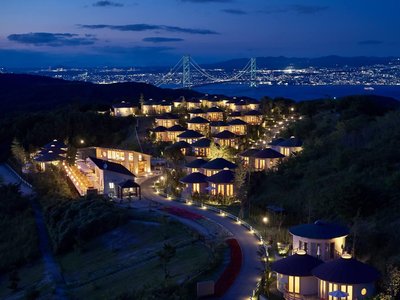
Grand Chariot Hokutoshichisei 135°
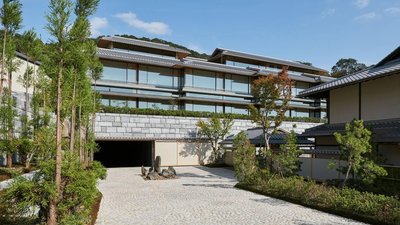
Park Hyatt Kyoto

SETOUCHI RETREAT by Onko Chishin
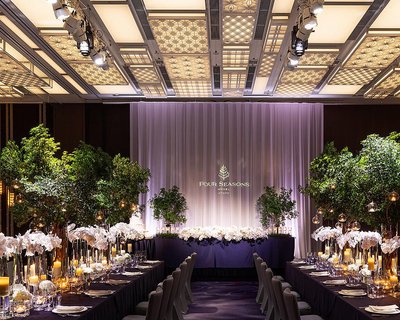
Four Seasons Hotel Kyoto
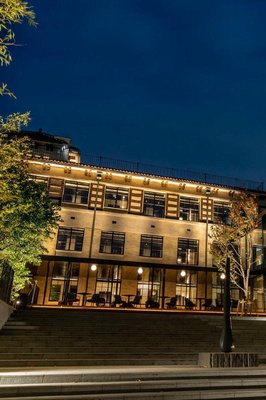
The Hotel Seiryu Kyoto Kiyomizu - a Member of the Leading Hotels of the World-
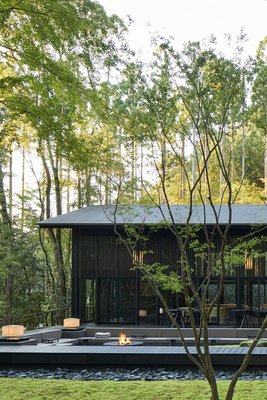
Aman Kyoto
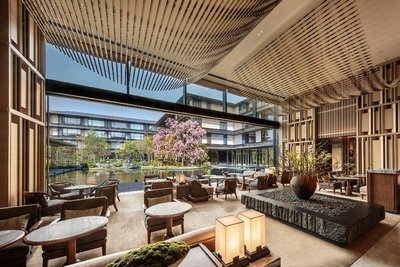
Hotel the Mitsui Kyoto, a Luxury Collection Hotel & Spa
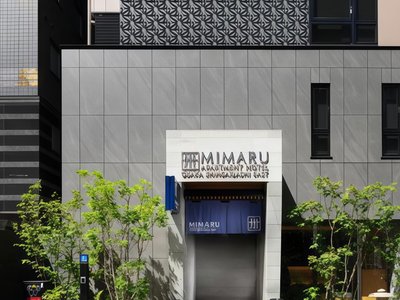
MIMARU Osaka Shinsaibashi East

Toba International Hotel Shiojitei
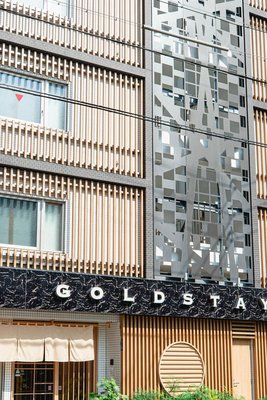
Gold Stay Nagoya OSU
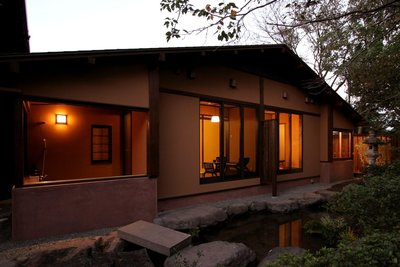
SEKIYA RESORT Bettei Haruki
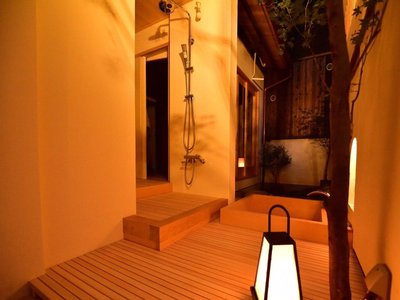
Yado Kiramachi
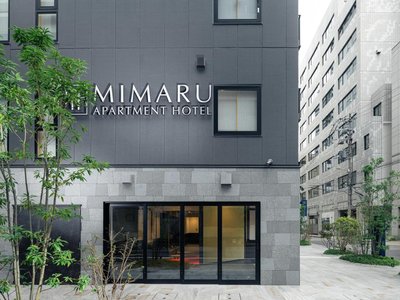
MIMARU Osaka Shinsaibashi North
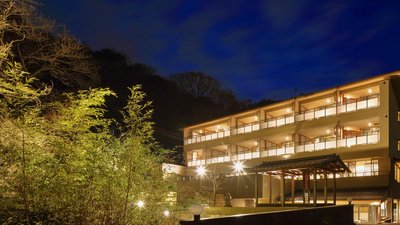
Okuno Hosomichi
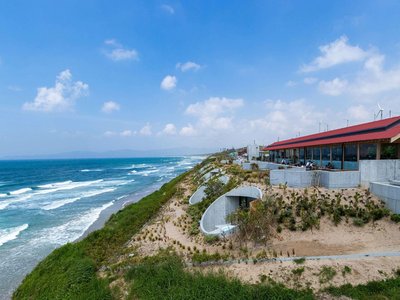
Izumo Hotel the Cliff

GOLD STAY Nagoya Sakae
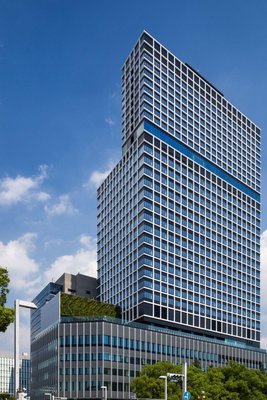
The Royal Park Hotel Iconic Nagoya
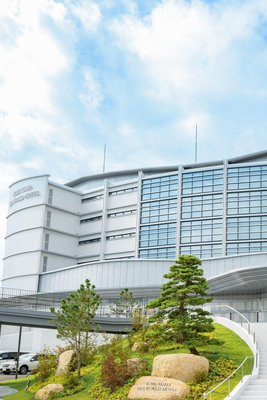
Kobe Suma Sea World Hotel
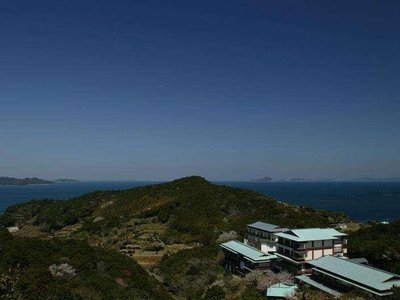
Hanashinsui
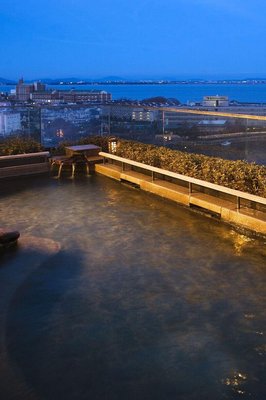
Yumotokan
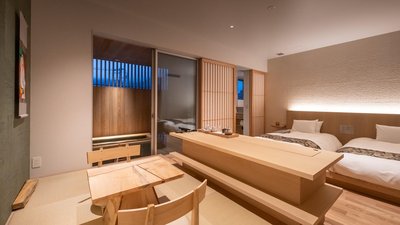
Japanese Auberge Kararako

Hotel Hankyu GRAN RESPIRE OSAKA
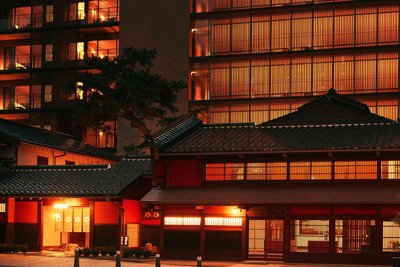
Hoshino Resorts Kai Kaga
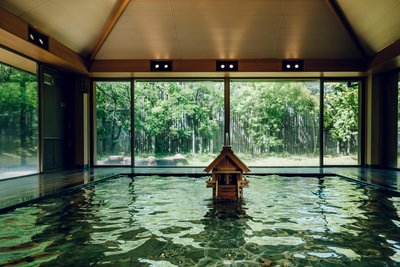
Hoshino Resorts KAI Tamatsukuri

Taikyourou
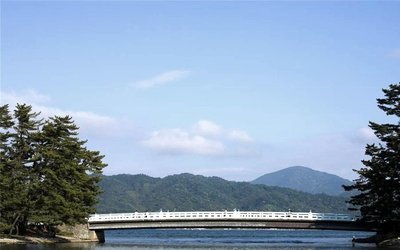
Monjusou Shourotei
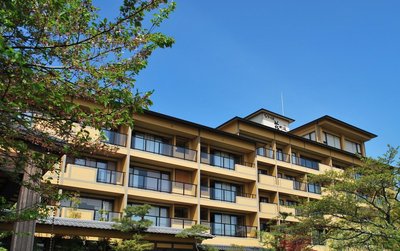
BIWAKO HANAKAIDO

XYZ Private Spa and Seaside Resort
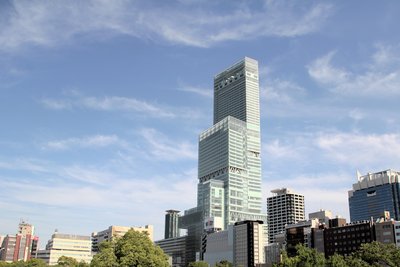
Osaka Marriott Miyako Hotel
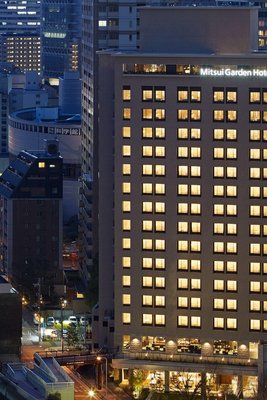
Mitsui Garden Hotel Osaka Premier

Izumigo Hotel Altia Toba
BIWAKO HANAKAIDO
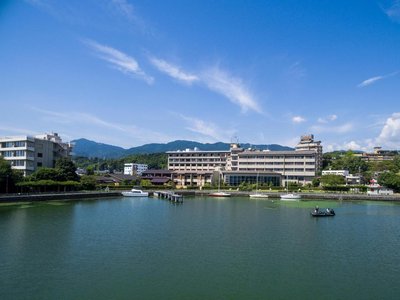
Biwako Ryokusuitei
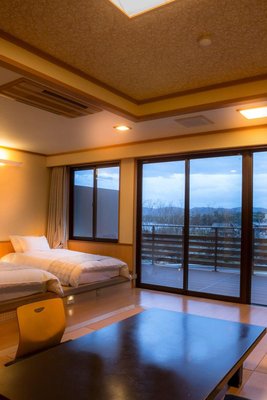
Hotel Kitanoya
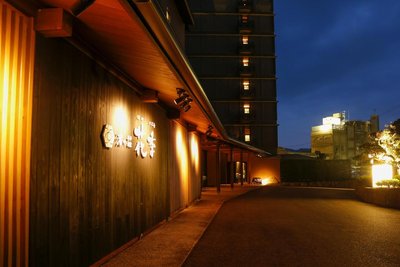
Hanagoyomi
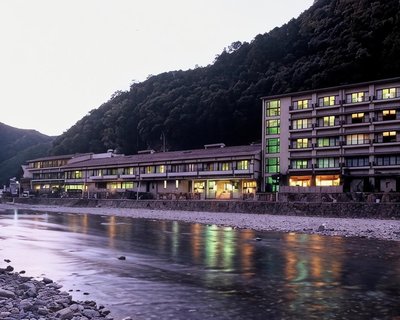
Kawayu Onsen Fujiya

Hotel La Suite Kobe Harborland

AoAwo Naruto Resort
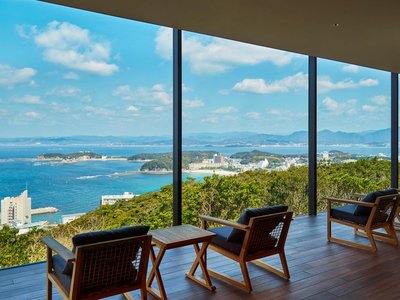
Infinito Hotel and Spa
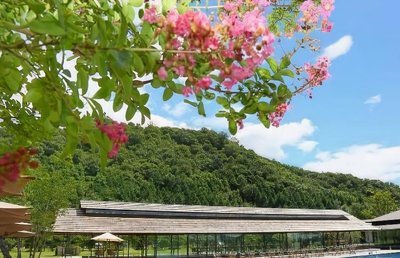
Bella Vista Spa and Marina Onomichi
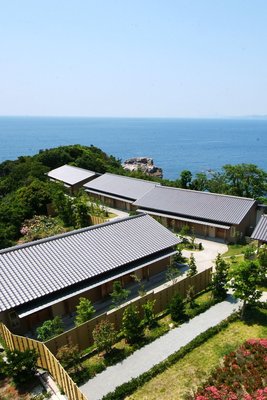
Hamachidorinoyu Kaisyu

Kaike Shogetsu
The Ritz-Carlton, Kyoto
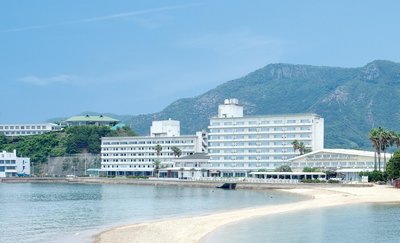
Shodoshima International Hotel
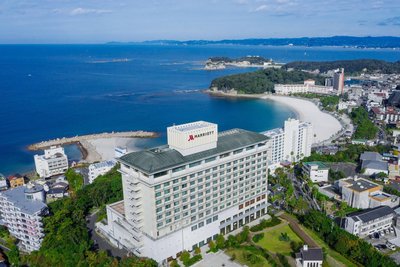
Nanki-Shirahama Marriott Hotel
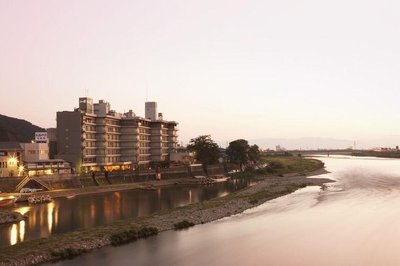
Juhachiro

Toba International Hotel
Yado Kiramachi
Arimasansoh Goshobessho
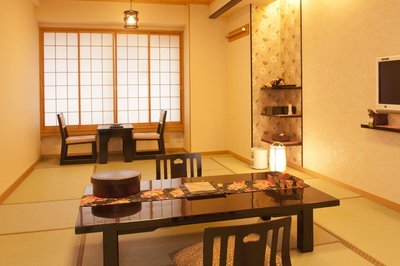
Matsui-Bekkan Hanakanzashi
Hoshino Resorts KAI Tamatsukuri
Taikyourou
Monjusou Shourotei
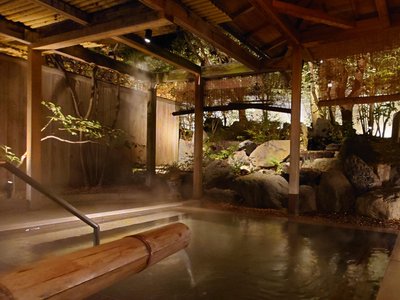
Kasuga Hotel
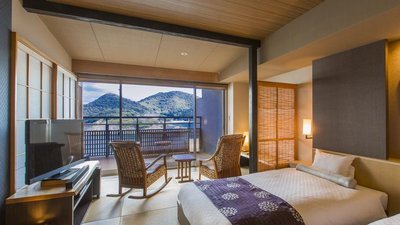
Migiwatei Ochi Kochi
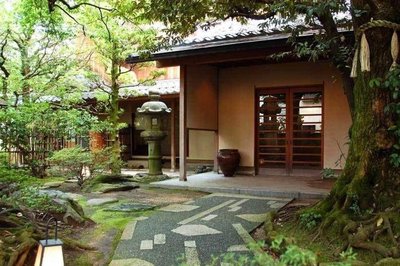
Kocho

Hotel New Wakasa
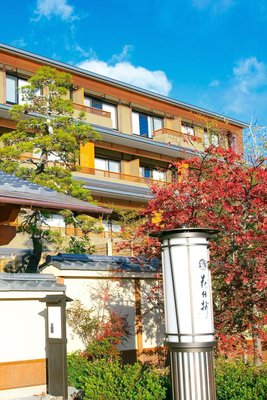
Kyoto Arashiyama Onsen Kadensho (Kyoritsu Resort)
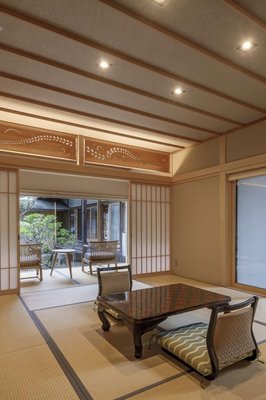
Ichijoin
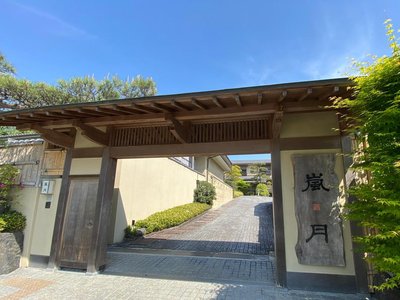
Rangetsu
The Ritz-Carlton, Kyoto
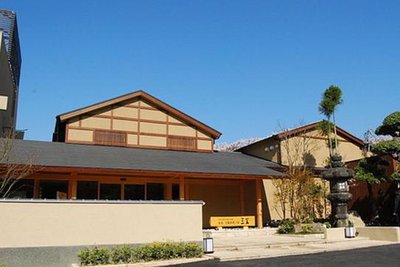
Mikasa
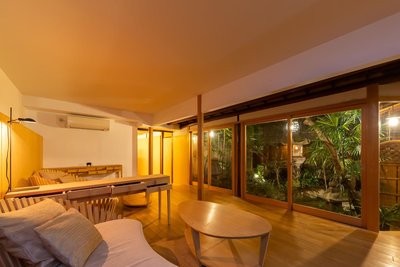
Izuyasu Traditional Kyoto Inn Serving Kyoto Cuisine
HOSHINOYA Kyoto
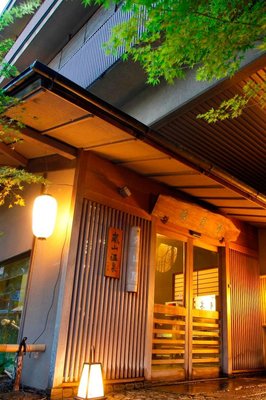
Togetsutei
Juhachiro
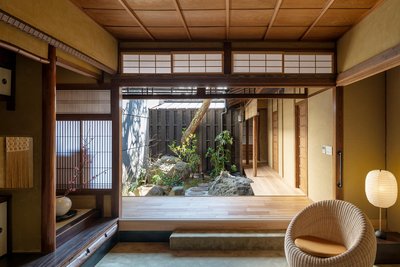
Nazuna Kyoto Gosho

22 PIECES
The Ritz-Carlton, Osaka

The Thousand Kyoto
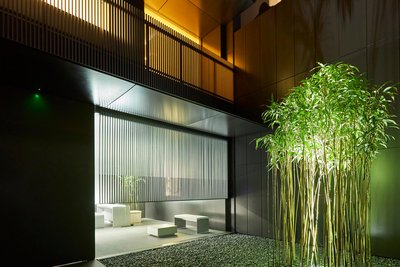
Mogana
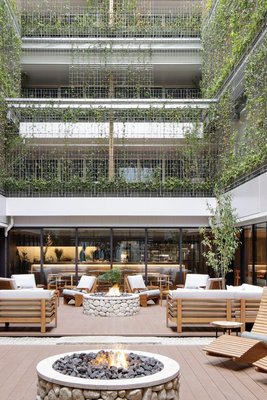
GOOD NATURE HOTEL KYOTO
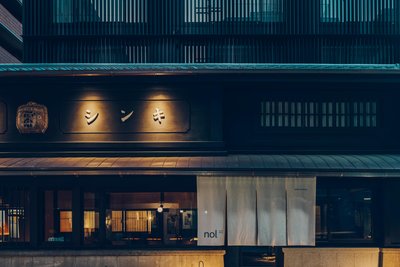
Nol Kyoto Sanjo

Zentis Osaka

Garrya Nijo Castle Kyoto

W Osaka

Hotel Kanra Kyoto

Aloft Osaka Dojima
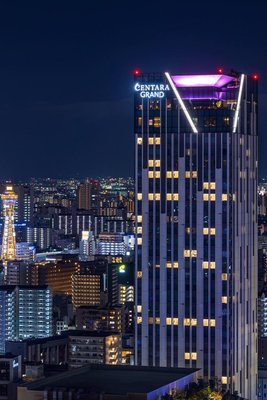
Centara Grand Hotel Osaka
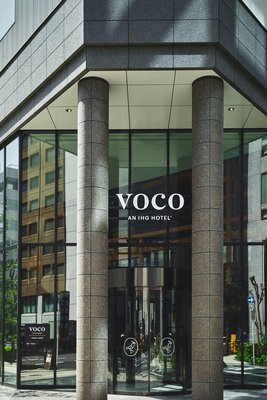
voco Osaka Central

TIAD, AUTOGRAPH COLLECTION

Dusit Thani Kyoto
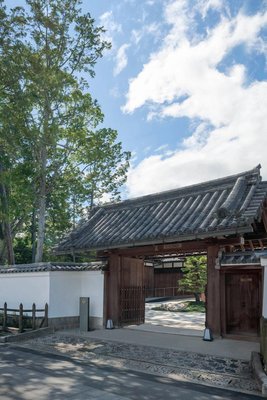
Shisui, a Luxury Collection Hotel, Nara

Hilton Kyoto
Osaka Marriott Miyako Hotel
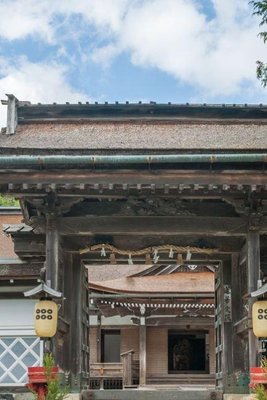
Koyasan Rengejoin
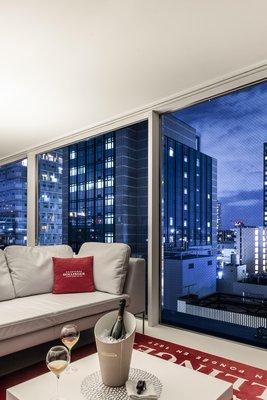
CUVÉE J2 HOTEL OSAKA by Onko Chishin
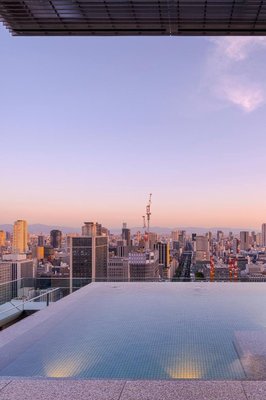
Candeo Hotels Osaka The Tower
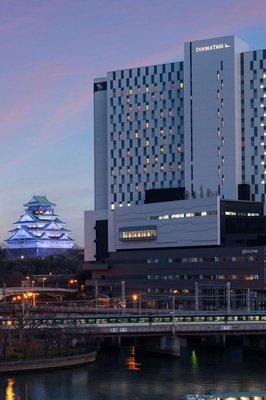
DoubleTree by Hilton Osaka Castle
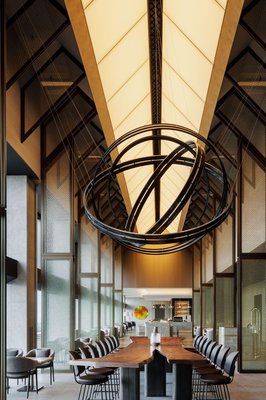
The Osaka Station Hotel, Autograph Collection
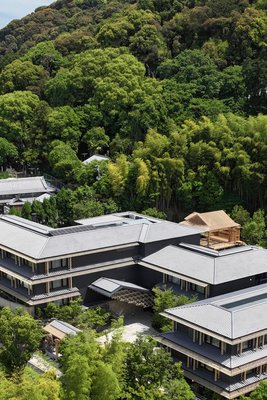
Banyan Tree Higashiyama Kyoto

Canopy by Hilton Osaka Umeda
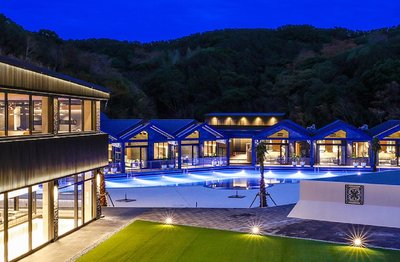
FIVE SPRING RESORT THE SHIRAHAMA
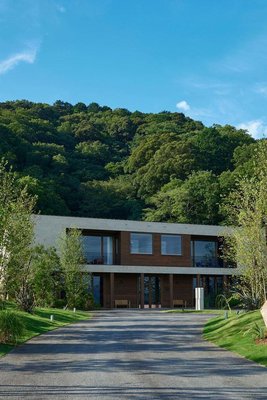
HACIENDA VISON
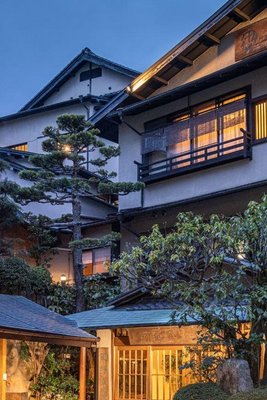
Arima Onsen Tocen Goshobo
Hotel La Suite Kobe Harborland

Hilton Osaka Hotel
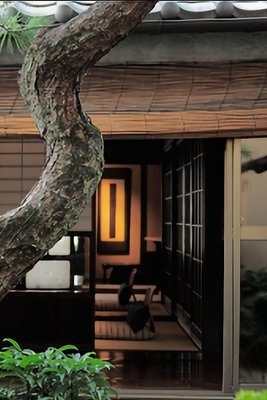
Shimayado Mari
Osaka Marriott Miyako Hotel
The Ritz-Carlton, Osaka
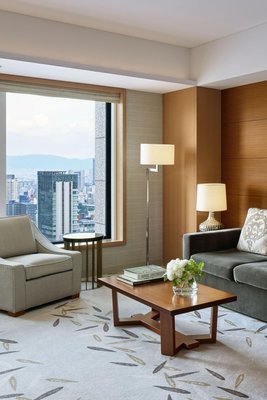
InterContinental Hotel Osaka
The Ritz-Carlton, Kyoto
Suiran, a Luxury Collection Hotel, Kyoto
GOOD NATURE HOTEL KYOTO
Park Hyatt Kyoto
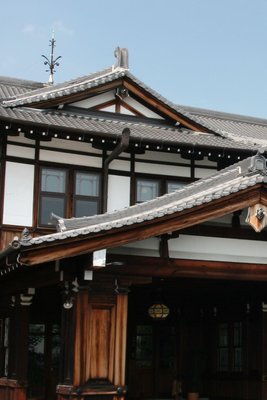
Nara Hotel
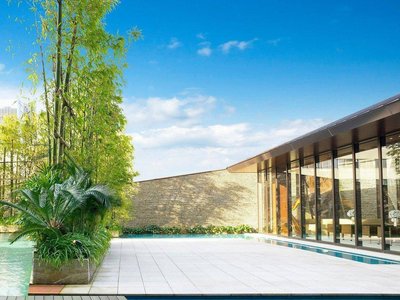
ORIENTAL HOTEL
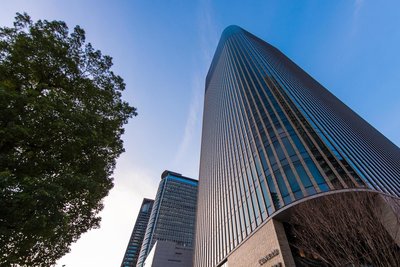
Conrad Osaka
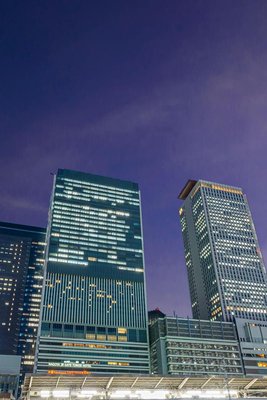
Nagoya JR Gate Tower Hotel (JR-Central Hotels)

Hotel New Otani Osaka
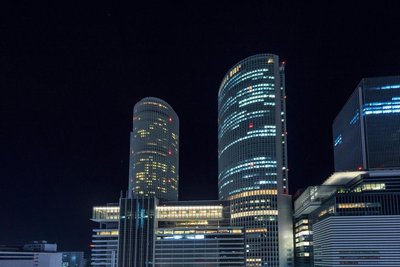
Nagoya Marriott Associa Hotel
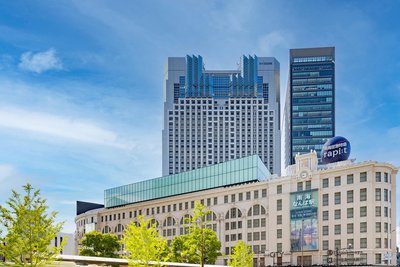
Swissotel Nankai Osaka
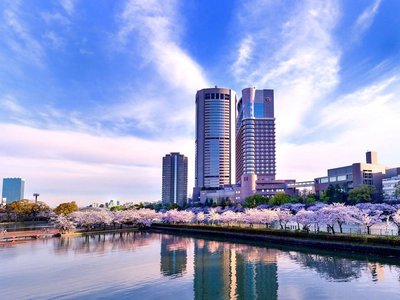
Imperial Hotel Osaka

The St. Regis Osaka
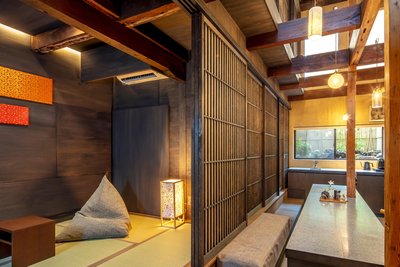
Kyo No Oozora Kihana
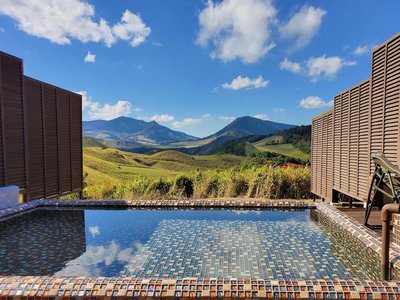
Grand Verde Resort
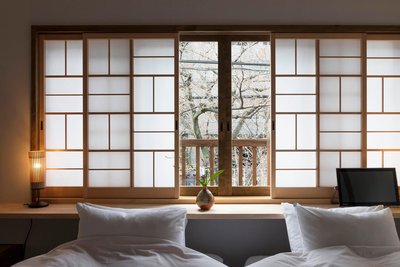
Hanagoromo Machiya House
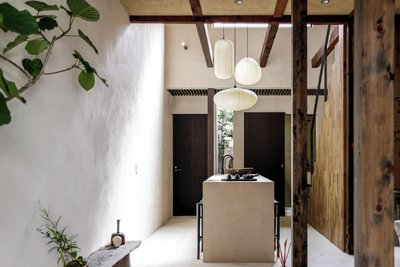
Maana Kiyomizu
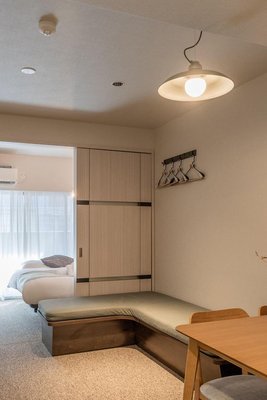
Apartment Hotel 11 Shinsaibashi
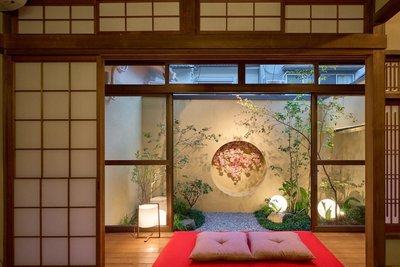
KONJAKUSO Osaka Tengachaya "NIHONCHA" Tea & Relax
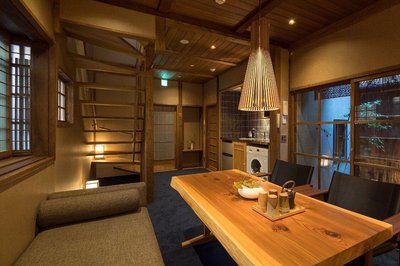
Bonbori an Machiya House
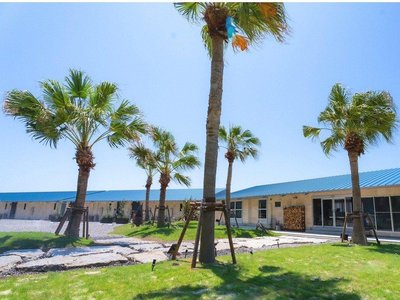
Glamping&Resort Wood Design Park Noma
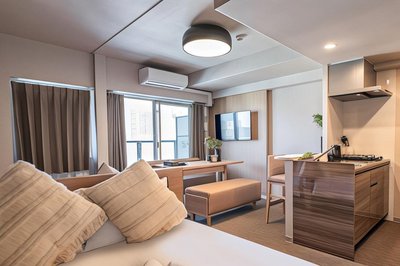
Apartment Hotel 11 Shinsaibashi III
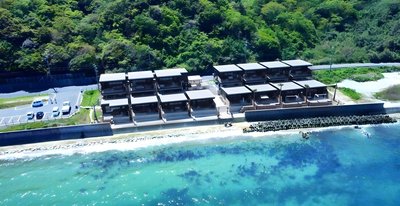
Solavilla Umi Terrace Minamiawaji
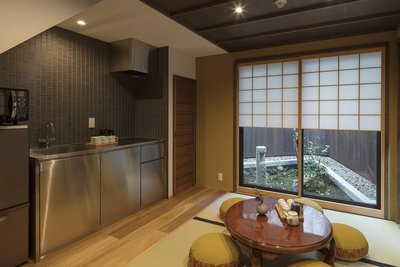
The Machiya Villa Sanjo Shirakawa Koji
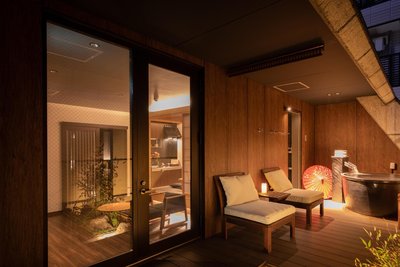
Konjaku-So Dotonbori
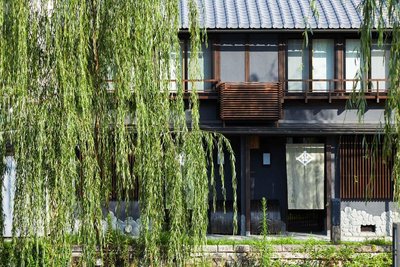
Gion Shirakawa No Yado

Kitashirakawa Natural Radium Onsen
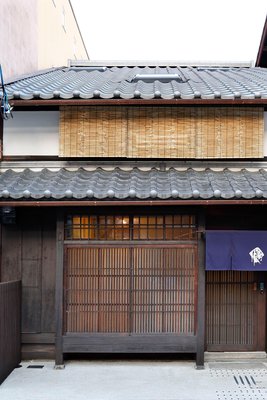
Kyo No Ondokoro Kamanza Nijo #2
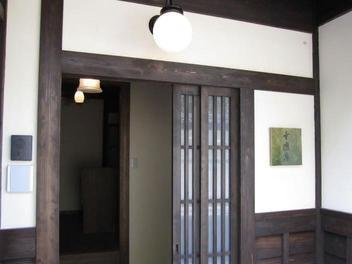
Gion Koyu an Machiya House
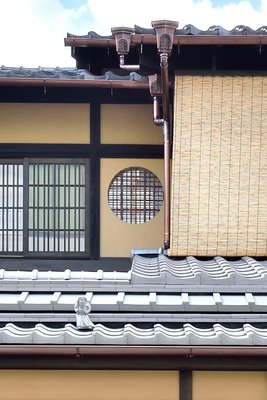
Kyo No Ondokoro Gokomachi Ebisugawa #3

Sana Mane - Glamp Domes
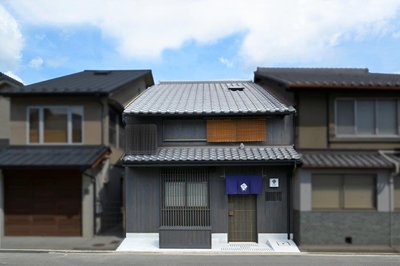
Kyo No Ondokoro Goshonishi #6
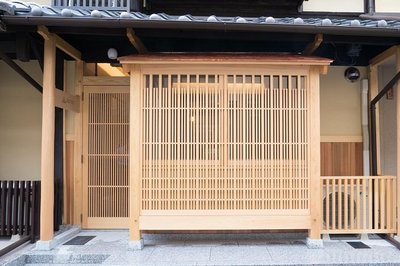
Kyomachiya Suite Rikyu

Hotel Barrière Fouquet's New York

Shima Kanko Hotel the Bay Suites
Waldorf Astoria Osaka
Kamo Residences by Reflections
Six Senses Kyoto
Four Seasons Hotel Osaka
Patina Osaka
The Ritz-Carlton, Osaka
Arimasansoh Goshobessho

The Plaza - A Fairmont Managed Hotel
The Hiramatsu Hotels & Resorts Kashikojima
The Ritz-Carlton, Kyoto
HOSHINOYA Kyoto

The Ritz-Carlton New York, Central Park

Four Seasons Hotel New York

The St. Regis New York

Park Hyatt New York

Mandarin Oriental New York
Amanemu

Times Square Edition New York
Frequently Asked Questions about Traveling to Kumenan
Questions You Might Need to Know About Traveling to Kumenan
In Kumano-machi, the top choice for cultural immersion is Kumano-machi Kōen Ryokan, a traditional Japanese inn nestled beside the Kumano River and surrounded by the Chihaya Mountains. This family-run ryokan preserves Edo-era architecture with tatami mats, sliding paper doors, and an authentic wood-fired onsen. Guests can participate in daily tea ceremonies, pottery workshops using local clay, and seasonal farm-to-table cooking classes featuring fresh mountain vegetables and river fish.
Another standout is Midoriyama Villa, blending modern design with rural aesthetics. It features private outdoor baths, a Zen garden, and curated experiences like sakura-viewing picnics and traditional drumming sessions during autumn festivals. Both accommodations emphasize sustainability—using solar power, rainwater harvesting, and locally sourced materials—making them ideal for travelers seeking deep connection with nature and heritage. Reservations are recommended, especially during peak seasons.
The optimal time to visit Kumano-machi for breathtaking scenery is late October to early December, when the Chihaya Mountains transform into a vibrant tapestry of red and gold foliage. The annual Kumano-machi Red Leaf Festival draws visitors with illuminated pathways, traditional performances, and panoramic views from the Kumano River Trail.
Spring (March–April) offers equally stunning visuals: cherry blossoms bloom along rice paddies and ancient temples, creating dreamlike reflections in flooded fields. Summer brings lush greenery and cool mountain air perfect for hiking, while winter showcases snow-dusted thatched roofs and quiet, frost-kissed landscapes. For photography enthusiasts, dawn or dusk provides soft light and fewer crowds, enhancing the natural beauty of this serene rural town.
Tourists in Kumano-machi can engage in several authentic cultural experiences:
-
Pottery Making Workshop: At Chihaya Ceramics Village, guests shape clay using local soil and fire their own pieces in a traditional kiln.
-
Seasonal Farming Experience: Join local farmers in rice planting or harvesting, learning about sustainable agriculture and enjoying meals made with freshly harvested rice.
-
Traditional Tea Ceremony: Held in preserved Edo-period homes, these intimate sessions teach the art of matcha preparation and mindfulness.
-
Festival Participation: Attend the Red Leaf Festival (Nov) or Spring Prayer Festival (Mar), featuring taiko drumming, folk dances, and community rituals.
These activities are led by residents, emphasizing intergenerational knowledge transfer. Many include multilingual guides and provide hands-on materials, ensuring meaningful engagement for international visitors.
Yes, Kumano-machi is highly suitable for families with children. The town offers safe, open spaces and nature-rich environments perfect for exploration. Key attractions include Kumano-machi Children’s Nature Park, featuring interactive trails, insect observation zones, and a mini-farm where kids can feed goats and collect eggs.
Many ryokans and guesthouses, such as Midoriyama Villa and Kumano-machi Kōen Ryokan, provide family-friendly rooms, baby cots, and child-oriented programs like paper umbrella painting and bamboo crafts. Parents can enjoy tea ceremonies or pottery classes while children participate in supervised activities.
Local staff often speak basic English, and rental options like electric bicycles make it easy to explore villages and riverside paths. With minimal traffic and strong community support, families can relax and bond over shared experiences in a peaceful, authentic setting.
Kumano-machi boasts distinctive regional cuisine centered on fresh, seasonal ingredients:
-
Chihaya Rice: Grown in terraced paddies, this aromatic rice is served plain or paired with pickled vegetables and grilled fish.
-
Mountain Vegetables (Yamagata): Spring harvests include wild ferns, bamboo shoots, and mountain parsley—prepared steamed, simmered, or in cold salads.
-
Kumano River Eel: Grilled over charcoal, this delicate fish has a rich flavor and is often served with a savory soy-based sauce.
-
Handmade Tofu: Crafted using stone grinders and local water, this silky tofu appears in soups, hot pots, and chilled dishes.
Dining spots like Den'en Shokudo and Kawa-side House source ingredients directly from farms and offer family-style meals. Some ryokans even host cooking classes where guests learn to prepare these dishes using traditional methods—perfect for bringing home a taste of Kumano-machi’s culinary soul.
Kumano-machi is accessible without a car, though public transport is limited. The nearest train station is Kumano-machi Station, served by JR West from Okayama Station (approx. 40 minutes). Buses run hourly to the town center and major attractions.
For flexibility, electric bike rentals are widely available at ryokans and tourist centers, allowing easy access to riverside trails, farmland, and historic sites. A dedicated tourist shuttle bus operates on weekends and holidays, connecting key locations like the Chihaya Mountain Trailhead and Red Leaf Festival venue.
Most accommodations offer free parking, but if arriving by train, passengers can use multi-language maps and real-time app updates via Japan Travel App or Google Maps. While not ideal for long-distance travel, the town’s compact layout and well-marked routes make it walkable and manageable for non-drivers.
Kumano-machi offers numerous photo-worthy scenes:
-
Kumano River Sunset Path: A wooden boardwalk reflecting golden light across the water, framed by autumn leaves and old houses.
-
Terraced Rice Fields: Especially striking in spring (when flooded) and autumn (golden harvest), offering dramatic perspective shots.
-
Ancient Minka Houses: Preserved Edo-era farmhouses with black-tiled roofs and intricate wooden details—ideal for architectural photography.
-
Red Leaf Festival Illumination: Nighttime lighting turns trees into glowing canopies, with dancers and lanterns adding dynamic movement.
-
Midoriyama Villa Garden: A modern minimalist space with karesansui (dry landscape) and flowing water features, perfect for serene compositions.
Bring a tripod and telephoto lens for early morning or twilight shots. Some areas have designated photography zones; respect local rules and avoid disturbing residents. Early season visits yield clearer skies and softer light.
Guesthouses in Kumano-machi stand out due to their deep integration with local heritage and sustainability:
-
Architecture: Many retain original wooden beams, tatami floors, and shoji screens, with some built using thatched roofs and locally quarried stone.
-
Host Culture: Owners are often lifelong residents who share personal stories, farming routines, and ancestral traditions—creating genuine human connections.
-
Eco-Friendly Design: Features include solar panels, rainwater collection systems, and zero-waste practices, aligning with Japan’s green tourism goals.
-
Private Onsen & Gardens: Unique offerings like private outdoor baths and Zen gardens ensure privacy and tranquility.
-
Locally-Sourced Meals: Breakfasts feature organic vegetables, homemade miso, and hand-picked herbs, all grown nearby.
These elements combine to deliver more than accommodation—they offer immersive, meaningful stays rooted in place and purpose.
Kumano-machi is blessed with diverse natural landscapes:
-
Chihaya Mountains: Lush forests with gentle trails, ideal for hiking year-round. Offers sweeping views of surrounding valleys and seasonal blooms.
-
Kumano River: Crystal-clear waters flow through meadows and villages, perfect for fishing, kayaking, and riverside strolls.
-
Rice Terraces: Cascading across hillsides, these fields change color with the seasons—green in spring, golden in autumn—and reflect sky and clouds beautifully.
-
Ancient Tree Groves: Includes the famed Senryō Sakura, a 300-year-old cherry tree protected as a natural monument.
-
Daisai Marshland: A wetland habitat for migratory birds like herons and eagles, best visited at dawn.
All areas are managed under strict conservation policies. Visitors are encouraged to use guided tours or audio guides to learn about ecosystems and biodiversity. Respect for nature ensures these pristine landscapes remain intact for future generations.
Top souvenir picks in Kumano-machi include:
-
Handcrafted Pottery: Made from local clay at Chihaya Ceramics Village, each piece is unique and fired in traditional kilns.
-
Dried Mountain Vegetables: Seasonal bundles of ferns, bamboo shoots, and wild herbs—perfect for gifting or cooking.
-
Handwoven Hemp Fabric: Produced by local women using vintage looms, used for bags, scarves, or decorative items.
-
Local Honey & Jams: Made from wildflowers and homegrown fruits like yuzu and cherries—natural and unprocessed.
-
Festival Edition Items: Limited-edition umbrellas, bookmarks, and talismans created during the Red Leaf Festival.
Available at town shops, ryokan boutiques, and farmer markets, these goods support local artisans. Most accept credit cards and offer English labels. Ask vendors about their story—each purchase contributes to preserving Kumano-machi’s living culture.
Kumenan Overview
City Summary
Kumenan-cho, nestled in Okayama Prefecture's countryside, is a town celebrated for its traditional agriculture and handicrafts, notably Kumenan washi paper and organic produce. With serene temples and natural landscapes, it offers a peaceful retreat from urban chaos, enriched by locals' warm hospitality.
Must-See Attractions
Must-sees include Tanjo-ji Temple, a sacred Nichiren Buddhism site with minimalist architecture, and Kumenan Washi Workshop for hands-on papermaking. Kasayama Natural Park offers scenic hikes, especially during autumn foliage. Pottery workshops let you craft unique souvenirs, while sunset walks through rice fields encapsulate slow living.
Food Guide
Savor Okayama Wagyu beef sukiyaki for its melt-in-the-mouth texture. Farm-to-table restaurants serve crisp organic vegetable tempura, while sweet-toothed travelers must try Kumenan dango (rice dumplings with red bean paste). Morning markets sell fresh soy sauce dango and fermented delicacies—early visits recommended.
Transportation Guide
No rail access; take buses from Okayama City (~1 hour) or drive via Route 180. Rent bicycles (~500 JPY/day) to explore scattered attractions—some lodgings offer free loans. Taxis require HopeGoo and cost ~700 JPY starting fare. Check sparse bus schedules in advance.
Best Time to Visit
Visit during spring (Mar-May) for cherry blossoms or autumn (Oct-Nov) for vibrant foliage. Summers (Jun-Sep) are humid with rain; winters (Dec-Feb) may see snow and closed attractions. Avoid Golden Week and Obon holidays for fewer crowds.
Travel Tips
- Cash is king: Most small vendors accept only JPY.
- Temple etiquette: Keep voices low in sacred spaces.
- Book ahead: Workshops need reservations 2-3 days prior.
- Pack trash: Public bins are rare—take waste to your lodging.
- Farm respect: Never step onto crop fields when photographing.
- Language bridge: Elders may speak dialect—smiles and gestures help.
Useful Information
Language: Basic English works at hotels; download a translation app for Japanese signs. Internet: Free Wi-Fi in town center; consider pocket Wi-Fi for rural areas. Payment: Cards accepted at supermarkets only; withdraw JPY at post office ATMs. Emergencies: Dial 119 (medical) or 110 (police). Kumenan Clinic offers basic care (closed Sundays). Drive left; bikes need lights at night. Exchange currency in Okayama City beforehand.









