Hotels in Kumiyama
Discover your perfect stay in Kumiyama.
Kumiyama(Japan) Travel 2026: Cheap Flights, Hotels & Top Attractions
Popular Landmarks in Kumiyama
Discover the most iconic attractions in Kumiyama
Recommended Hotels in Kumiyama
Find the perfect place to stay in Kumiyama

Best Hotels in Kumiyama
Discover curated hotel collections in Kumiyama






































Frequently Asked Questions about Traveling to Kumiyama
Questions You Might Need to Know About Traveling to Kumiyama
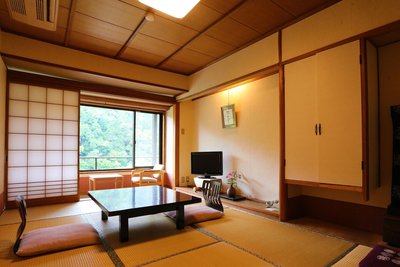
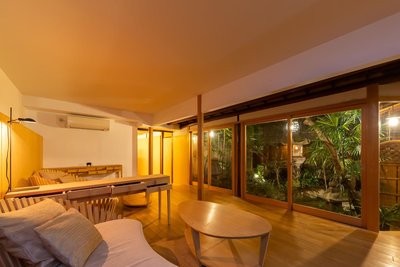
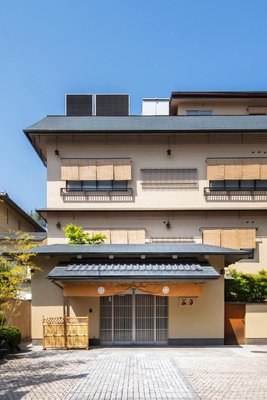
For families visiting Kugyōsan Town, the top recommendation is Ichinotani Inn, a traditional Japanese-style guesthouse nestled in the heart of rural Kyoto. This homestay features spacious tatami rooms with private gardens, ideal for children to explore safely. The property is just a 5-minute walk from Kugyōsan Shrine and close to the scenic Danbō Highlands hiking trails, perfect for outdoor adventures.
The inn offers free bicycle rentals, allowing families to easily tour local farms and seasonal flower fields. Each morning, guests enjoy a breakfast featuring organic produce from nearby farms, including fresh rice, vegetables, and homemade miso. Special family packages include cooking classes where kids can learn to make mochi or tempura under local guidance.
With its quiet, safe environment and deep connection to nature, Ichinotani Inn provides an authentic glimpse into rural Japanese life—ideal for creating lasting memories. Stay early during cherry blossom season (late March–early April) or autumn foliage months (November) to maximize the experience.
Key highlights: family-oriented layout, free bikes, organic farm-to-table meals, cultural workshops, proximity to nature trails.
Keywords: Ichinotani Inn, Kugyōsan Shrine, Danbō Highlands, organic breakfast, mochi-making class.
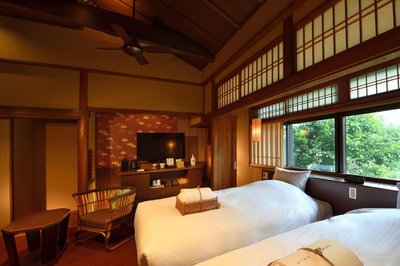
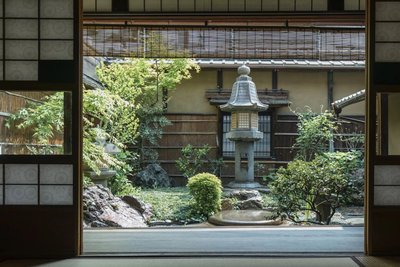
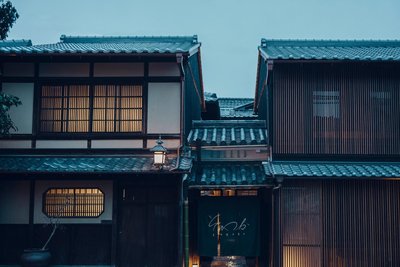
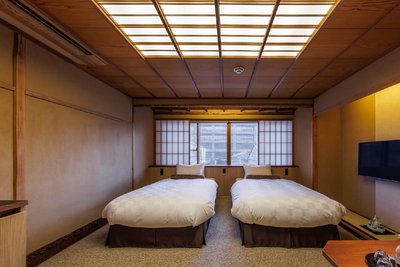
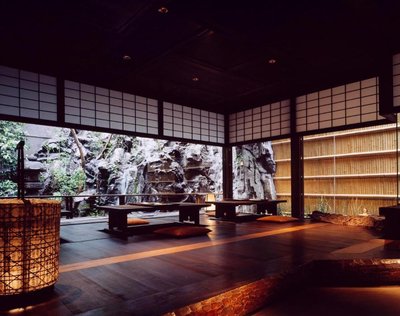
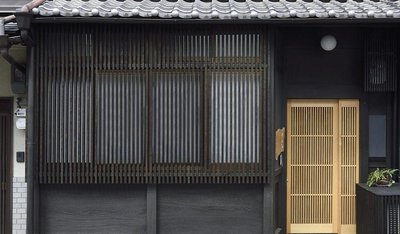
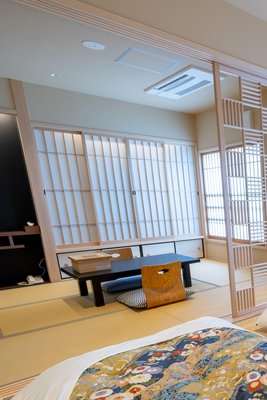
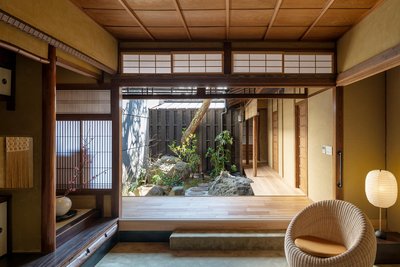
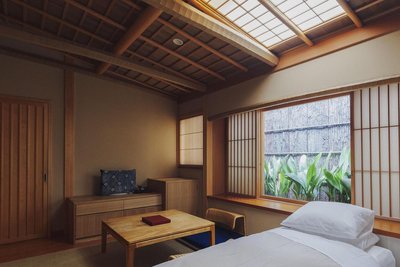
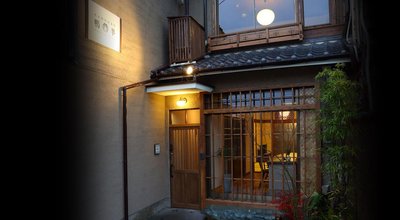
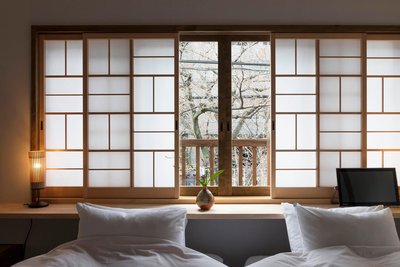
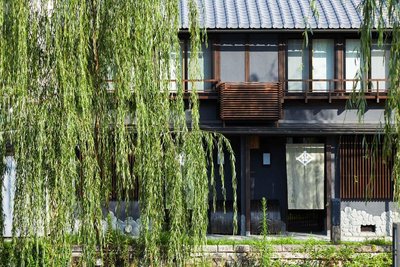
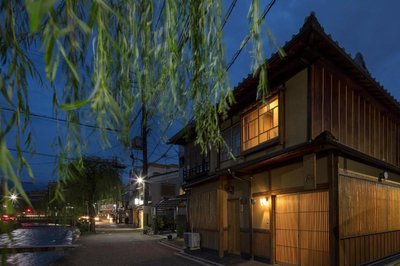
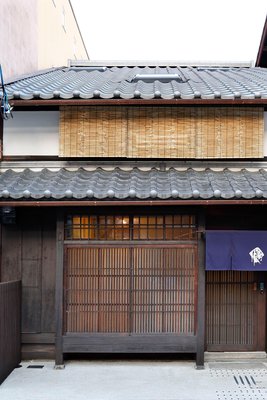
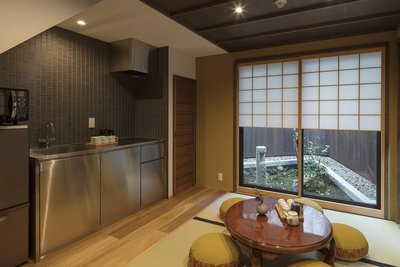
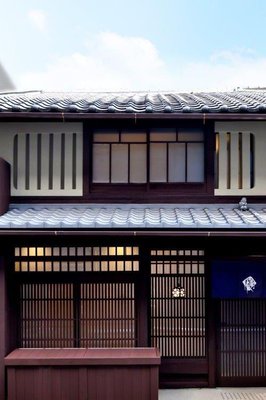
For the most immersive authentic cultural experience, stay at Chashitsu Ryokan, a meticulously restored Edo-era townhouse transformed into a boutique ryokan. Every room features sliding paper doors (shōji), low wooden tables, and a private courtyard where guests can meditate or practice tea ceremony rituals.
The inn’s owner is a fourth-generation tea master who hosts daily tea ceremony workshops—guests learn to prepare matcha, understand the etiquette of wabi-sabi, and even participate in seasonal ceremonies like the Spring Cherry Blossom Tea Gathering or Autumn Moon Viewing Ceremony.
Additionally, the ryokan collaborates with local artisans to offer craft sessions such as washi paper making, indigo dyeing, and calligraphy. During festivals like the Kugyōsan Gion Festival (held annually in August), guests are invited to join processions and wear traditional costumes.
Located just steps from Kugyōsan Shrine, the ryokan also offers guided walks through ancient farmland and forest paths, sharing stories of village history and farming traditions passed down through generations.
Ideal for travelers seeking meaningful connections with local heritage.
Keywords: Chashitsu Ryokan, tea ceremony workshop, wabi-sabi, Gion Festival, local artisan sessions.
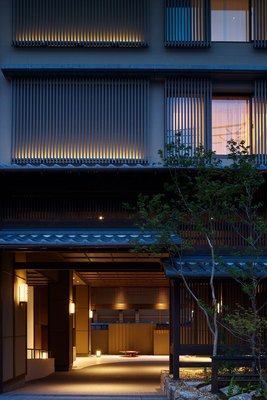
Kugyōsan Town is a dreamland for photographers thanks to its untouched natural beauty and artistic accommodations. At the forefront is Hikari no Niwa Ryokan, a light-focused inn designed by architects to create ever-changing patterns of sunlight throughout the day.
Each room features custom-built windows and reflective surfaces that transform the space into a living canvas—perfect for capturing sunrise glows over rice paddies, silhouettes of farmers at work, or moonlit reflections on quiet streams. The rooftop observatory offers panoramic views ideal for astrophotography, especially during meteor showers in winter.
The inn organizes monthly Photo Walks led by local photographers, guiding guests through hidden spots like abandoned stone bridges, old tea houses, and bamboo groves. They also host the Field Lens Exhibition, showcasing documentary photos of the region’s ecology and aging communities.
Guests can rent professional gear—including wide-angle lenses and tripods—and receive personalized editing tips. For those seeking solitude, the surrounding hills offer unspoiled landscapes with minimal human interference, making it ideal for long-exposure shots.
A must-visit for both hobbyists and professionals.
Keywords: Hikari no Niwa Ryokan, light art design, rice paddy photography, astrophotography, photo walks.
For ultimate tranquility, head to the western hillside region of Kugyōsan Town, surrounded by the Danbō Highlands and blanketed in dense woodland. This secluded area has no commercial development, minimal traffic, and almost zero light pollution—perfect for stargazing and deep relaxation.
Stay at Midoriyama Kuyu, a cluster of eco-luxury villas built with sustainable materials and nestled among native trees. Each villa features a private courtyard, indoor-outdoor flow, and an open-air bath overlooking the valley. Guests can wake up to the sound of birdsong and spend days walking forest trails, collecting wild herbs, or simply reading under a canopy of maple and oak trees.
The absence of nightlife means nights are silent except for crickets and distant owls. In summer, fireflies dance along the riverbanks; in winter, snow blankets the hills like a soft quilt. The inn offers a silent meditation program and nightly bonfire storytelling sessions led by elder villagers.
Though slightly remote, the property provides shuttle service from Kyoto Station (45 minutes). It’s ideal for digital detox, creative retreats, or couples seeking intimacy amid nature.
Keywords: western hillside, Midoriyama Kuyu, no light pollution, forest immersion, bonfire storytelling.
To savor the truest taste of Kugyōsan Town’s local cuisine, book a stay at Tsuchiya Family Kitchen, a family-run farmhouse inn where every meal is crafted from ingredients grown on-site. The kitchen is run by three generations of farmers who harvest seasonal produce daily—wild mountain greens, sweet potatoes, chestnuts, and locally milled rice.
Breakfast features seasonal dishes: spring brings fiddlehead fern tempura and mushroom miso soup; summer offers chilled tofu with plum sauce; autumn delivers chestnut rice and grilled ayu fish; winter warms with simmered burdock root and sake-steamed mochi.
Guests can join hands-on cooking classes—learn how to press rice in a stone mortar, ferment soy sauce, or make traditional pickles using heirloom recipes. Evenings often include a communal dinner around a hearth, where elders share stories of farming life and ancestral customs.
The inn emphasizes zero-waste cooking and uses compostable packaging. A special Farm-to-Table Dinner Experience includes a guided tour of the vegetable plots and a tasting menu curated by the family chef.
This is not just dining—it’s a cultural journey through flavor, land, and memory.
Keywords: Tsuchiya Family Kitchen, farm-to-table, seasonal menu, handmade fermentation, hearth dinner.
Cycling enthusiasts should choose Bike Base Kugyōsan, a purpose-built accommodation near the Danbō Highlands Greenway Trail. The inn offers complimentary bicycles—including mountain bikes, road bikes, and e-bikes—each professionally tuned for safety and performance.
The trail network spans 30 kilometers, connecting key points like Kugyōsan River Path, Mihon Bridge, and Meigensan Observation Deck, offering stunning views of rice fields, forests, and distant mountains. Guided rides include themed tours such as "Tracing the Old Tea Route" and "Discovering Abandoned Tea Houses."
Each evening, the inn hosts a Rider’s Feast, featuring locally sourced ingredients like roasted squash, wild greens, and craft beer brewed from regional barley. Guests also receive a detailed cycling map with rest stops, water refill points, and recommended photo spots.
Additional services include repair kits, helmets, and weather-appropriate clothing rentals. Early HopeGoo is advised during peak seasons (April–June, October–November).
Perfect for adventurers who want to explore Kugyōsan Town at their own pace while supporting sustainable travel.
Keywords: Bike Base Kugyōsan, Danbō Highlands Greenway, guided cycling tours, rider's feast, bike rental.
Don’t miss the Kugyōsan Gion Festival, held annually in early August—a vibrant celebration rooted in over 300 years of tradition. The highlight is the Yamaboko Parade, where locals carry elaborately decorated portable shrines (yamaboko) through the streets of the town, accompanied by taiko drumming and traditional dances.
At night, the Moonlight Dance Ceremony takes place at Kugyōsan Shrine, where participants form circles and perform the Bon Odori dance beneath lantern-lit trees. Visitors are welcome to join in, wearing yukata provided by the inn.
Stay at Gion Matsuri Soubou, a former temple converted into a festival-exclusive lodging, which offers guests access to VIP viewing areas, festival passes, and a special dinner featuring festival-themed dishes like grilled mochi and rice cakes.
During the event, a Handmade Lantern Market allows visitors to craft and hang personal lanterns in the shrine garden—a symbolic gesture of hope and remembrance.
This festival captures the soul of rural Japan and is one of the most authentic cultural experiences in Kyoto Prefecture.
Keywords: Kugyōsan Gion Festival, yamaboko parade, moonlight dance, lantern market, festival exclusive stay.
For a genuine farm life experience, stay at Inamura Farm, a working organic rice farm turned guesthouse. Guests participate in real agricultural activities throughout the year: planting seedlings in spring, weeding in summer, harvesting in autumn, and drying grain in winter.
Each activity is led by experienced local farmers who teach traditional techniques—such as using wooden sandals (geta) to walk through muddy paddies and hand-pounding rice with stone mortars. Children love helping with egg collection from free-range chickens or picking strawberries in the orchard.
The farm also offers agriculture workshops on crop rotation, composting, and natural pest control. Guests can use their own small plot to grow herbs or vegetables, with the harvest used in meals.
Evenings feature farm dinners served on wooden tables under the stars, featuring dishes made from the day’s harvest. A special Seasonal Harvest Celebration is held each fall, complete with music, storytelling, and a rice-cooking competition.
This immersive stay connects guests deeply with nature and rural sustainability.
Keywords: Inamura Farm, rice planting, stone mortar pounding, organic farming, harvest celebration.
While Kugyōsan Town does not have natural hot springs, Yamanoyu Onsen Ryokan offers a premium alternative with a geothermally heated bathing system. Using deep underground water heated sustainably, the baths reach a soothing 42°C and contain beneficial minerals like sulfur and silica, known for improving circulation and skin health.
Each room features a private outdoor soaking tub overlooking the Danbō Highlands, where guests can bathe under the stars or watch dawn break over rice fields. The facility uses no chemical additives—only natural filtration and temperature control.
Daily wellness programs include morning meditation by the bath, herbal foot soaks, and forest aromatherapy sessions. The ryokan also offers a full-day spa package with massage, facial treatments, and a kaiseki dinner.
Though not natural onsen, Yamanoyu Onsen Ryokan delivers a luxurious, therapeutic experience with the same spirit of relaxation found in traditional Japanese baths.
Perfect for those seeking rejuvenation without traveling far.
Keywords: Yamanoyu Onsen Ryokan, geothermal heating, private outdoor bath, wellness program, spa package.
For stunning Instagram-worthy shots, choose Kumakoma-ya, a minimalist architectural gem built atop a former warehouse. Its signature feature is the Skywalk Corridor—a 15-meter glass walkway suspended above golden rice paddies, offering surreal floating-in-the-clouds visuals.
The entire structure is designed to frame the changing seasons: spring blossoms, summer greenery, autumn hues, and winter snowscapes. Morning fog creates ethereal lighting perfect for portrait photography.
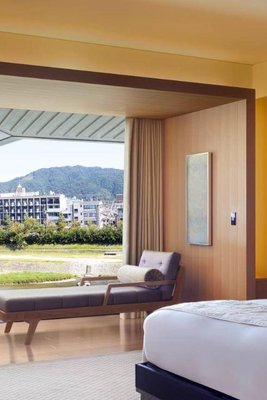
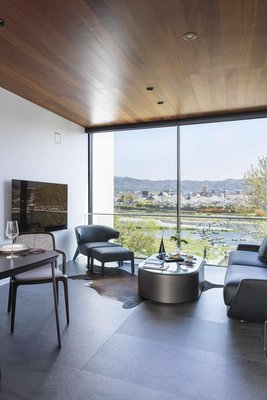
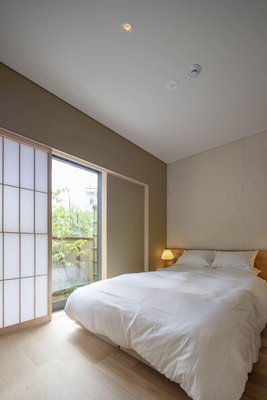
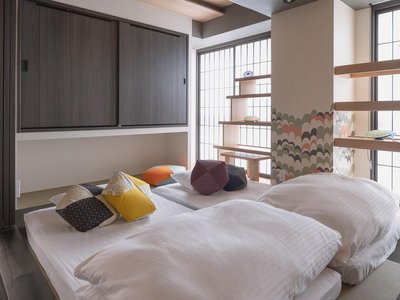
Inside, the rooms blend Nordic minimalism with Japanese wabi-sabi aesthetics—large floor-to-ceiling windows, raw wood finishes, and soft lighting. Each room has a private courtyard ideal for styled photoshoots.
The inn offers professional photography assistance from a team trained in fashion and editorial work. Monthly Light & Shadow Exhibitions showcase artworks inspired by the town’s landscapes.
Guests can rent high-end equipment like telephoto lenses and tripods. Whether you're a casual photographer or a pro, Kumakoma-ya delivers jaw-dropping content with ease.
Keywords: Kumakoma-ya, skywalk corridor, rice paddy photography, minimalist architecture, professional photo support.
Kumiyama Overview
City Summary
Kumiyama-cho, located in the southern part of Kyoto Prefecture, Japan, is a tranquil town that blends tradition and nature. Known for its rural landscapes and historical sites, it boasts a rich agricultural culture, particularly in rice and vegetable farming. Visitors can experience countryside life and enjoy a peaceful atmosphere away from urban hustle.
Must-See Attractions
Key attractions in Kumiyama-cho include the Kumiyama-cho Historical and Folk Museum, showcasing local history and culture; the Yodo River Park, ideal for walks and picnics; and nearby temples and shrines like Kumiyama Shrine. The farmland scenery is stunning year-round, especially during autumn when the rice fields turn golden.
Food Guide
Kumiyama-cho's culinary scene is influenced by Kyoto's traditional cuisine. Try local produce like fresh vegetables and rice-based dishes. Street snacks include grilled dango and soy sauce dango, while local restaurants serve Kyoto-style pickles and tsukudani.
Transportation Guide
Public transport in Kumiyama-cho is primarily buses, with services from Kyoto Station via Keihan buses. Driving is also convenient, as roads are spacious and traffic is light. Use IC cards (e.g., ICOCA) for fare payment and check bus schedules in advance due to limited frequency.
Best Time to Visit
The best times to visit are spring (March-May) and autumn (September-November), when the weather is pleasant and scenery is beautiful. Summers are hot, and winters are cold with fewer tourists.
Travel Tips
- Respect local farming culture; do not enter fields without permission.
- Buses are infrequent; plan your itinerary ahead.
- Some attractions, like the Historical Museum, require reservations.
- Dispose of trash properly or take it with you.
- Rural roads have limited lighting; be cautious at night.
- Some restaurants only accept cash; carry sufficient yen.
Useful Information
The primary language is Japanese, with limited English proficiency. Internet coverage is good; consider a local SIM or Wi-Fi hotspot. Cash is the main payment method, though some shops accept IC cards or credit cards. For emergencies, dial 119. Kumiyama-cho has clinics, but serious cases may require hospitals in Kyoto City.