Hotels in Kunisaki
Discover your perfect stay in Kunisaki.
Kunisaki(Japan) Travel 2026: Cheap Flights, Hotels & Top Attractions
Popular Landmarks in Kunisaki
Discover the most iconic attractions in Kunisaki
Recommended Hotels in Kunisaki
Find the perfect place to stay in Kunisaki
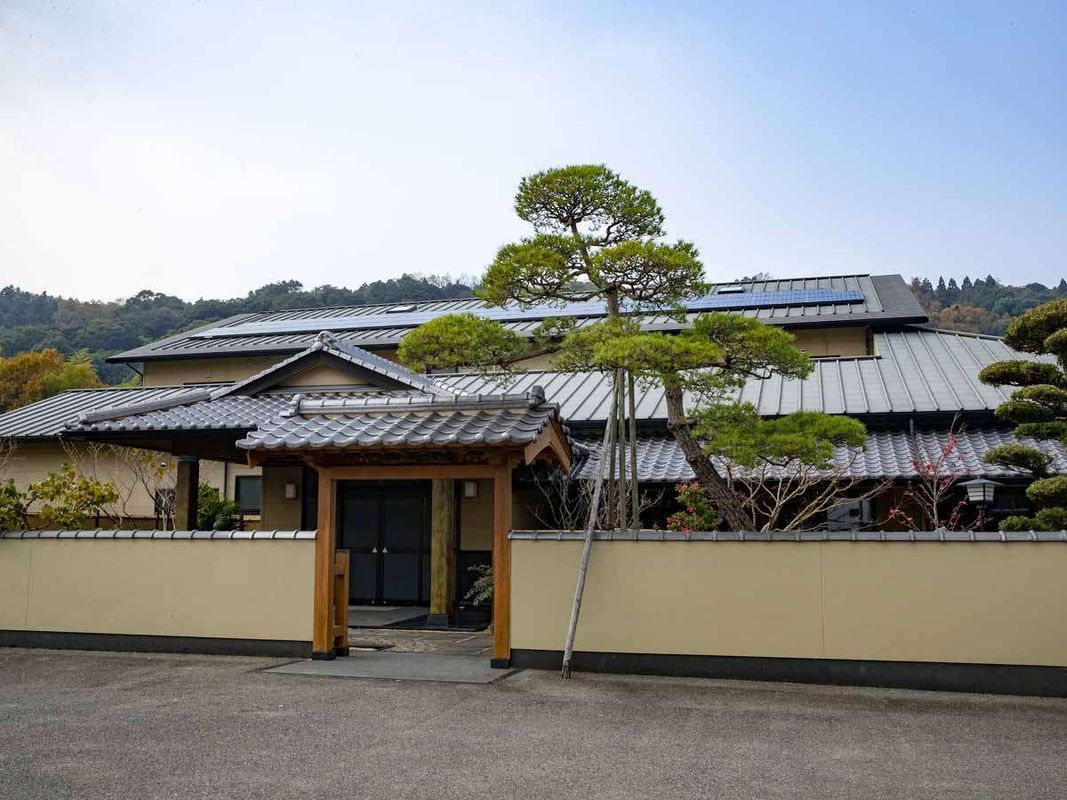
Mikuniya
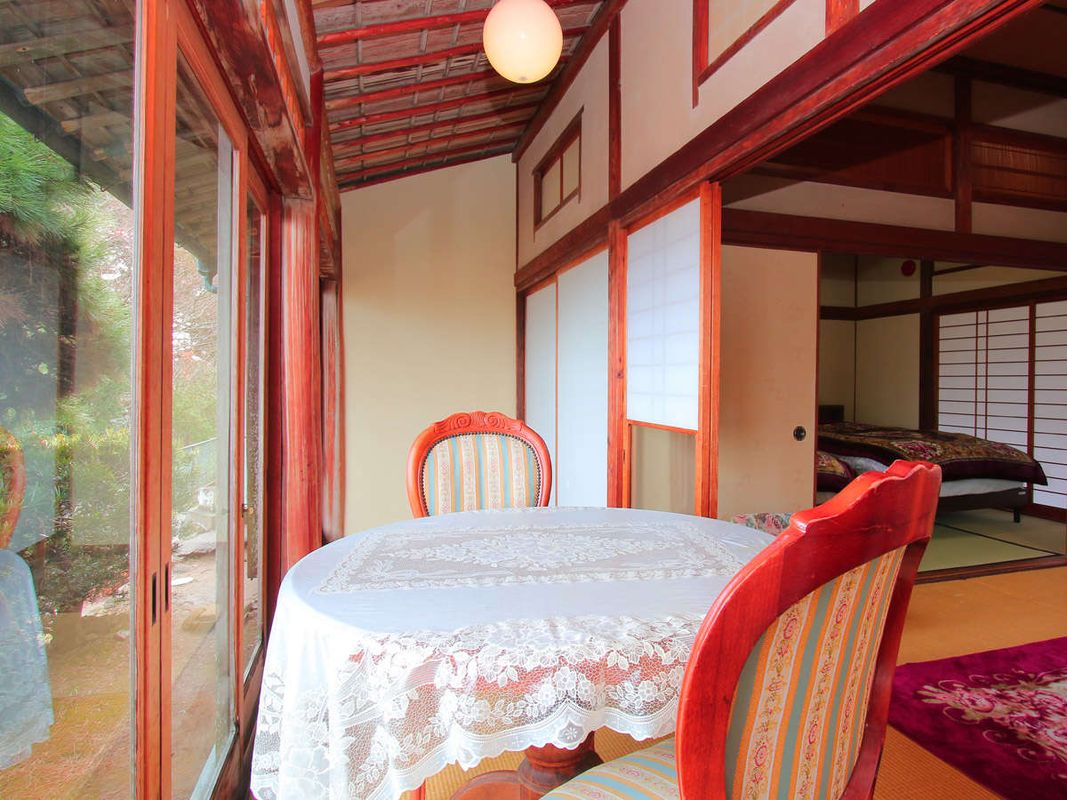
Kaikisou
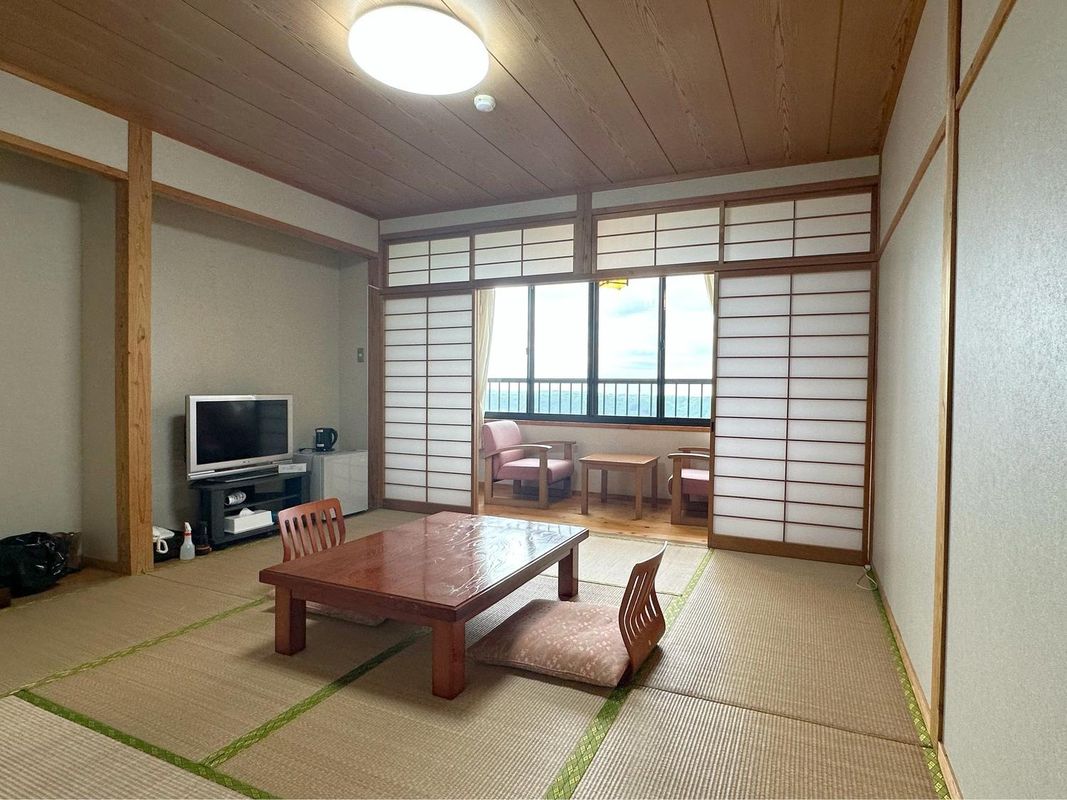
Baien No Sato
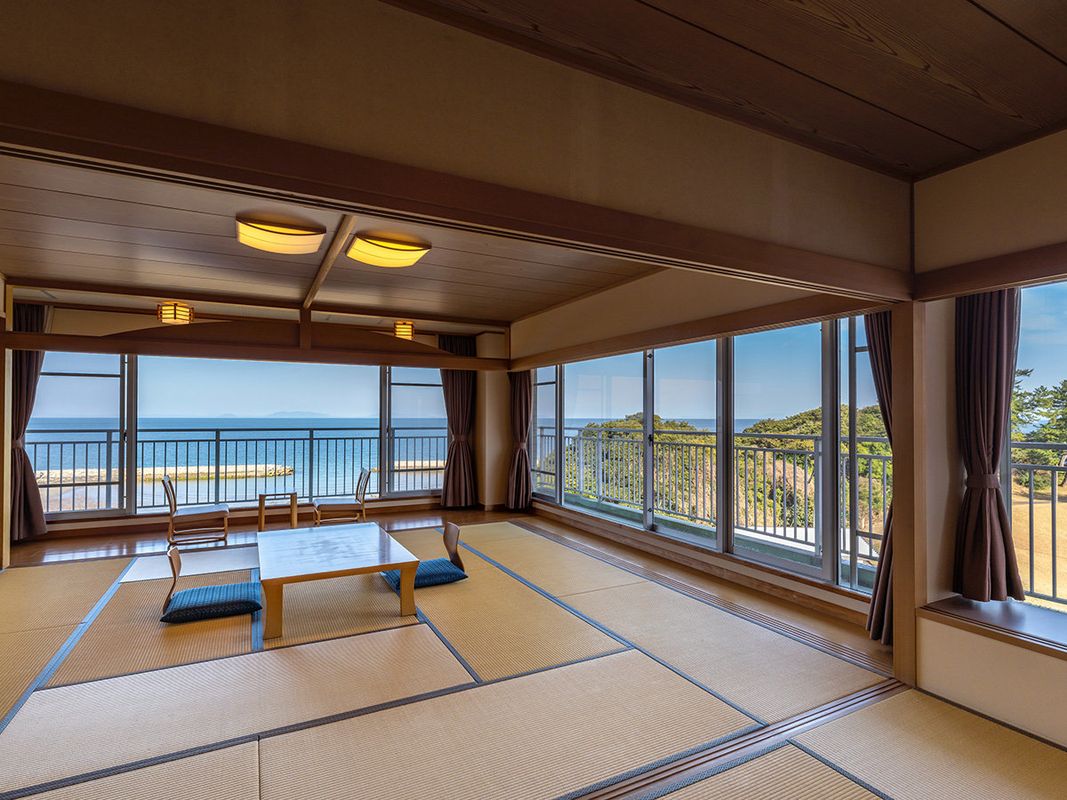
Villa Kunisaki
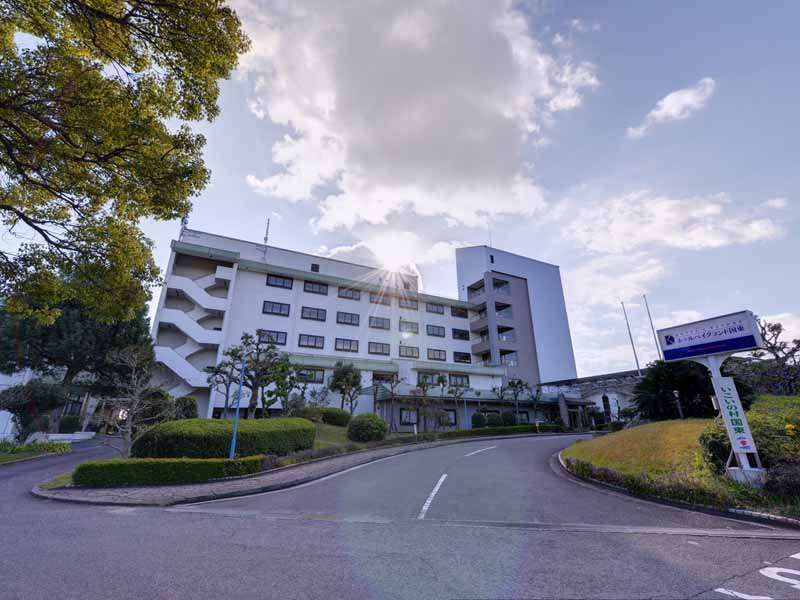
Hotel Bay Grand Kunisaki
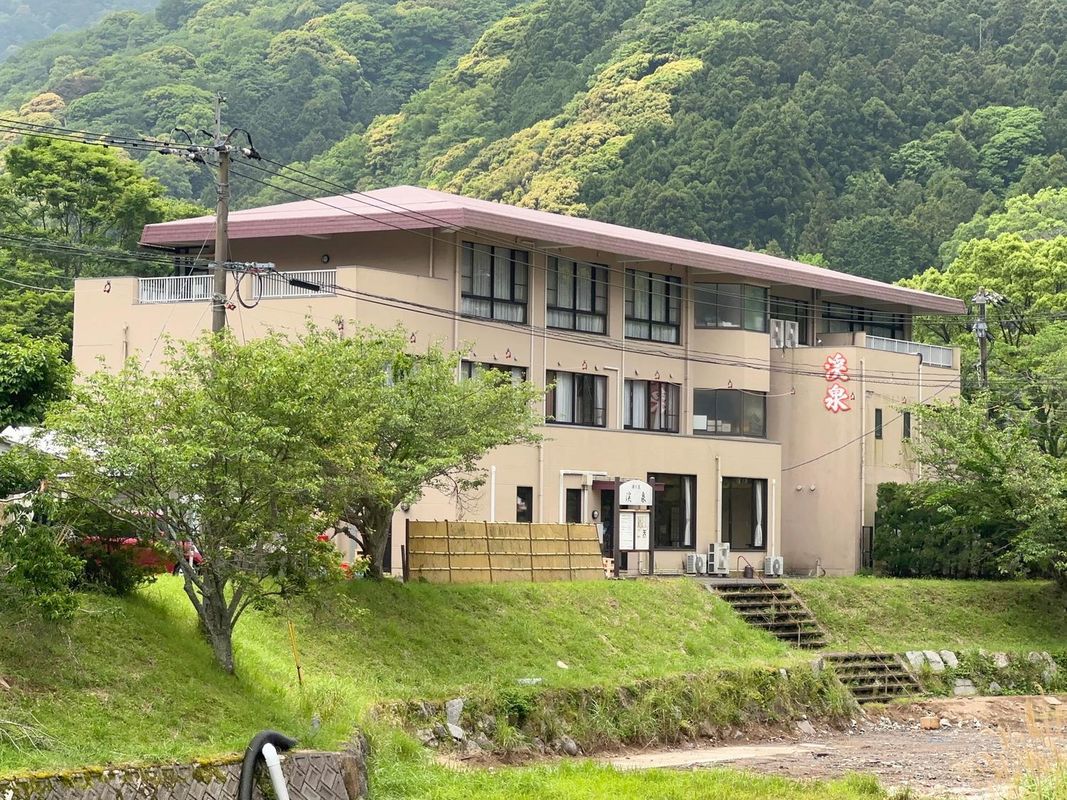
Yunosato Keisen
Best Hotels in Kunisaki
Discover curated hotel collections in Kunisaki
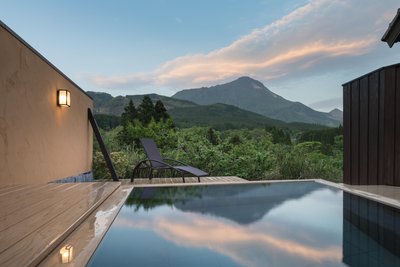
Ikkoten
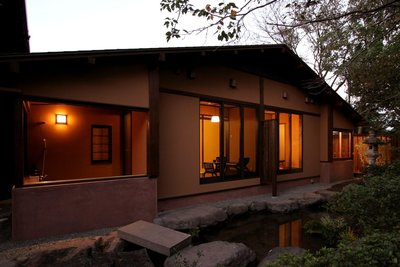
SEKIYA RESORT Bettei Haruki
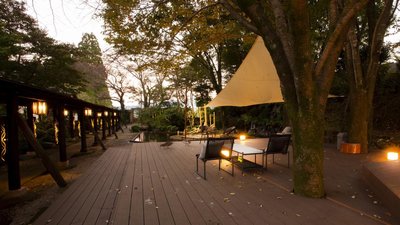
Chikurakutei
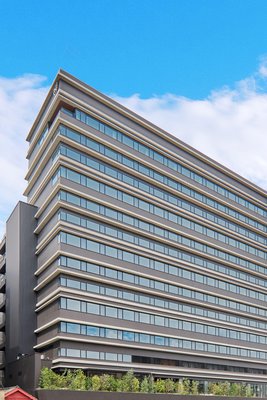
The Royal Park Canvas Fukuoka Nakasu
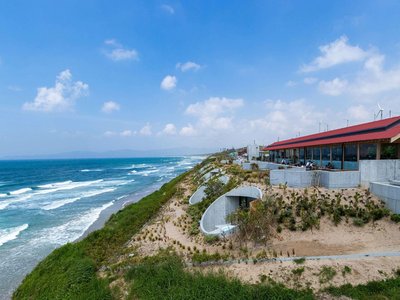
Izumo Hotel the Cliff
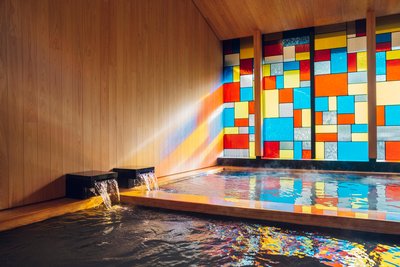
Hoshino Resorts Kai Unzen
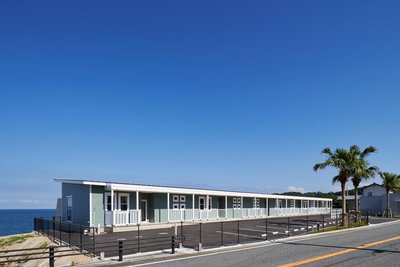
Alfacio Resort Stay Itoshima
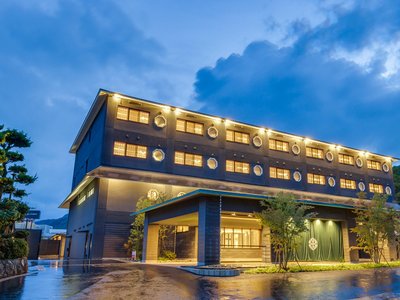
Ureshino Yadoya

seven x seven itoshima
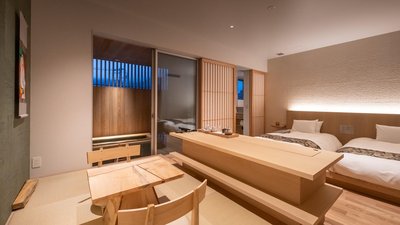
Japanese Auberge Kararako
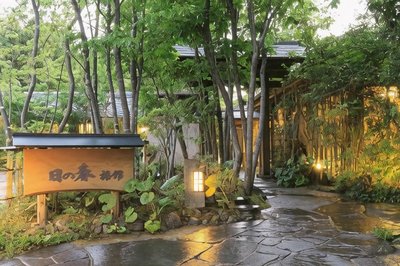
Yufuin Onsen Hinoharu Ryokan
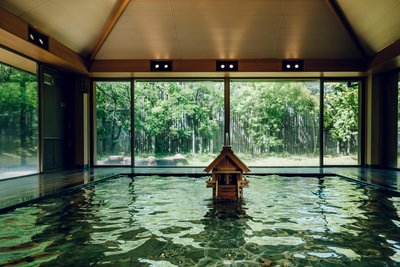
Hoshino Resorts KAI Tamatsukuri
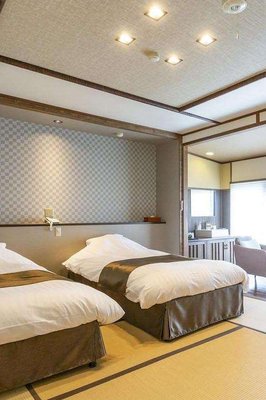
Sozankyo
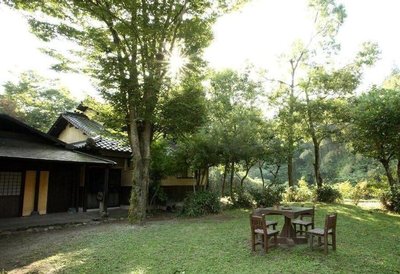
Yamashinobu
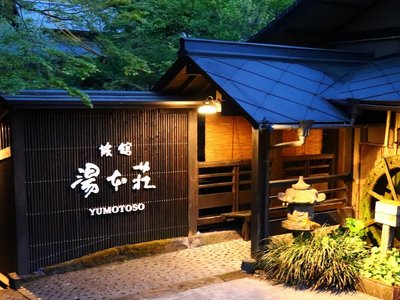
Ryokan Yumotosou
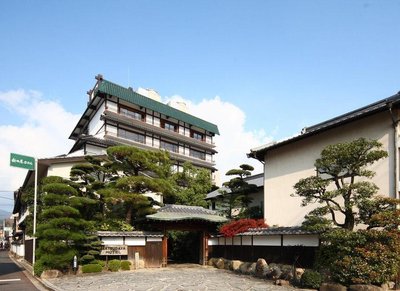
Matsudaya Hotel
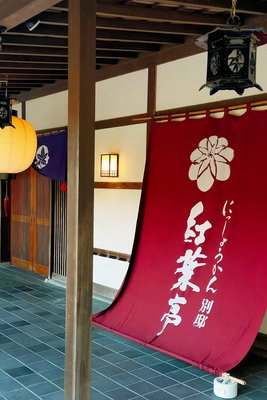
Nisshokan Bettei Koyotei
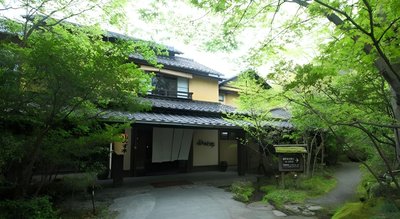
Kurokawaonsen Yamamizuki
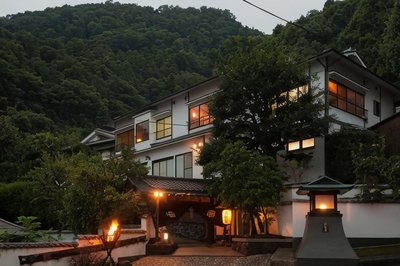
Beppu Showaen
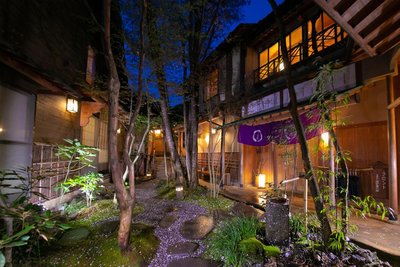
Oyado Ichizen

AoAwo Naruto Resort
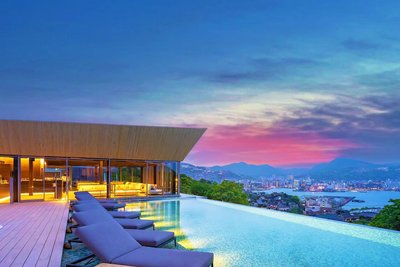
Garden Terrace Nagasaki Hotel & Resort
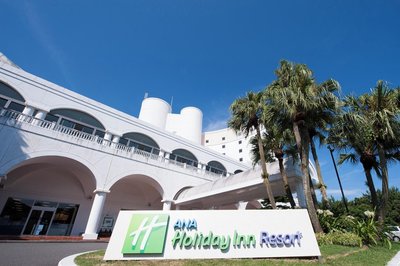
Holiday Inn Resort Miyazaki
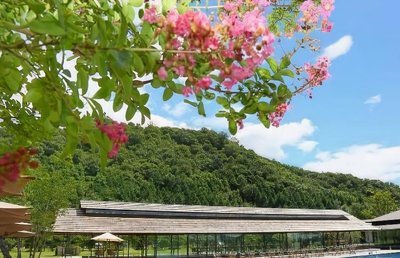
Bella Vista Spa and Marina Onomichi
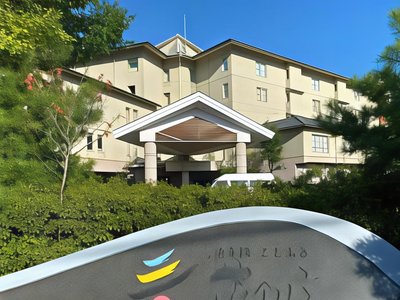
Yufuin Kotobuki Hananosho
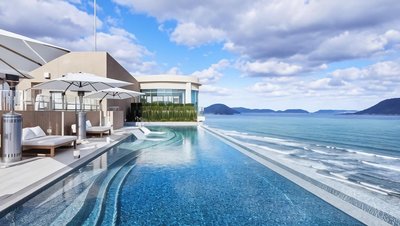
Karatsu Seaside Hotel
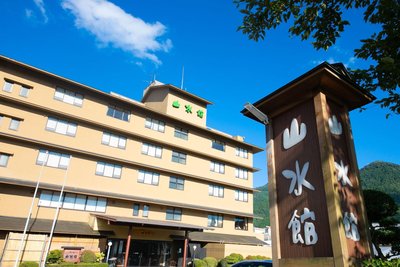
Yufuin Sansuikan
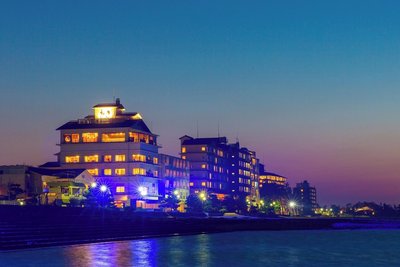
Kaike Shogetsu
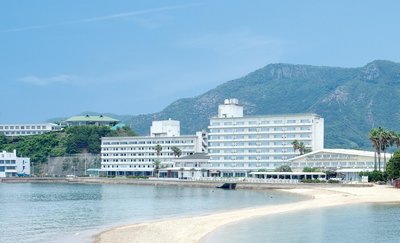
Shodoshima International Hotel
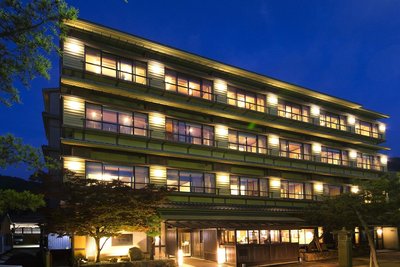
Kinsuikan
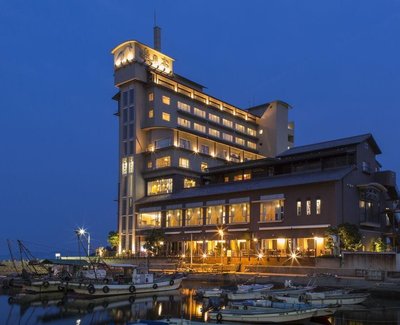
Hotel Ofutei
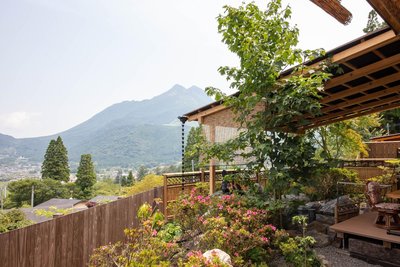
Yufuin-Sanso Waremokou
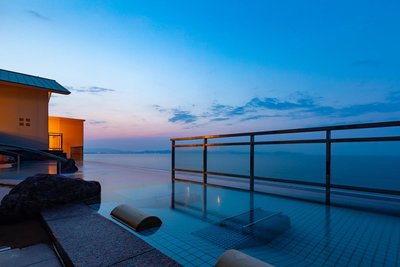
Kaike Yugetsu
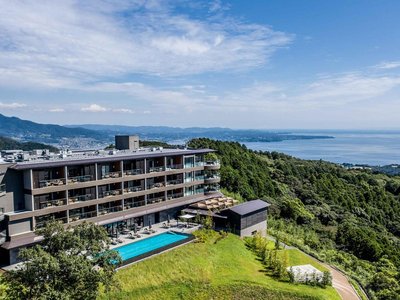
Ana InterContinental Beppu Resort & Spa
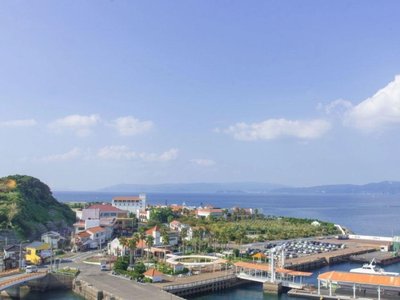
I+Land Nagasaki
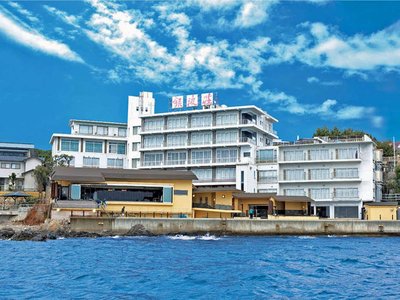
Ginpaso

The OneFive Villa Fukuoka
LiVEMAX RESORT MIYAHAMA ONSEN OCEAN
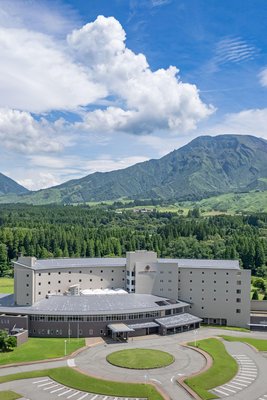
KAMENOI HOTEL ASO
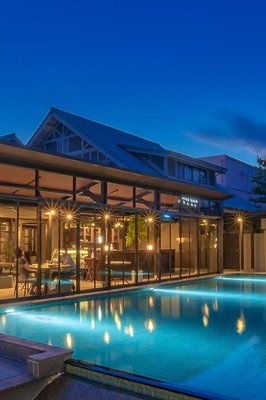
Amane Resort Gahama
Hoshino Resorts KAI Tamatsukuri
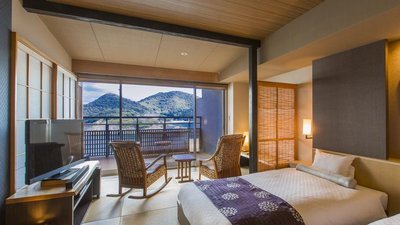
Migiwatei Ochi Kochi
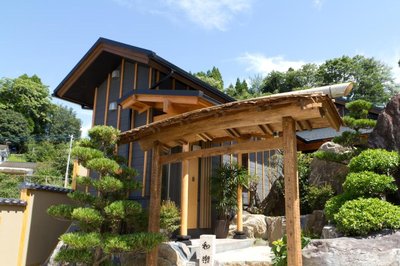
Ryokan Shinsen
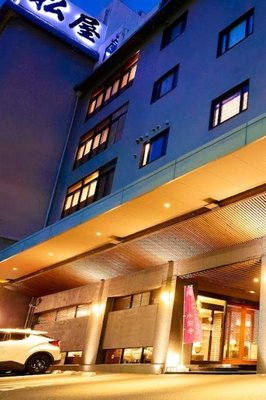
Ryotei Matsuya Honkan Suizenji
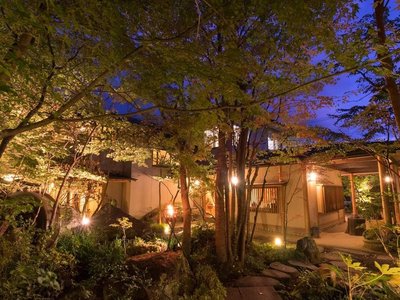
Ryoso Yufuin Yamadaya
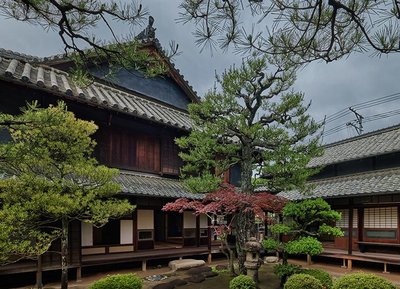
NIPPONIA HOTEL Takehara Saltworks Town
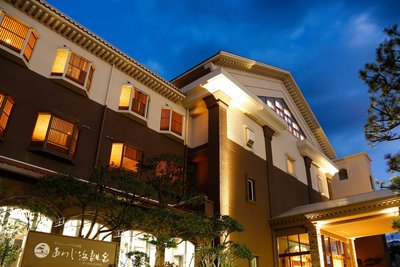
Awaji Hamarikyu
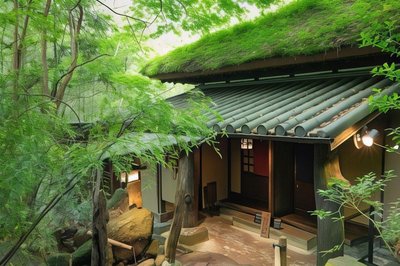
Sanso Tensui
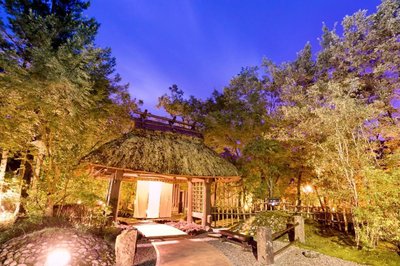
Satonoyu Waraku
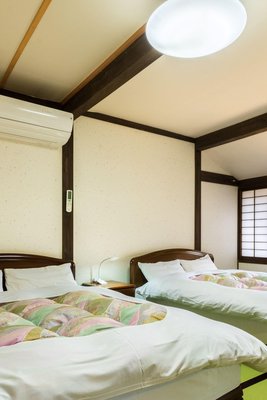
Tobise Onsen Tenga Sanso
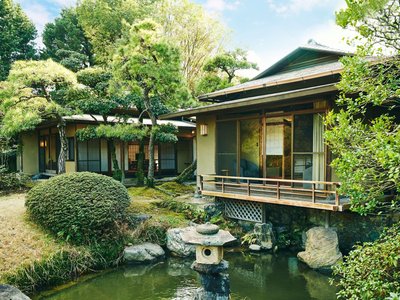
Suisui Garden Ryokan (in the Art Hotel Kokura New Tagawa)
Miyajima Hotel Makoto
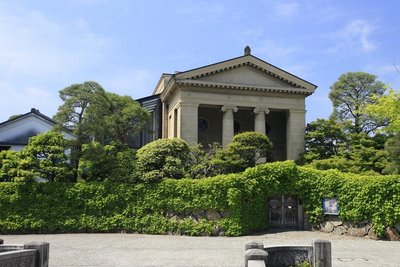
Ryori Ryokan Tsurugata
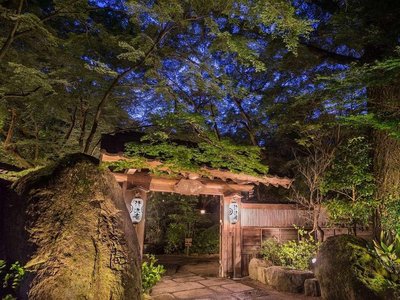
Akizuki Spa Ryokan Seiryuan
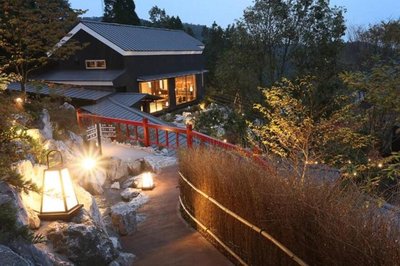
Gekkoju Kurokawa
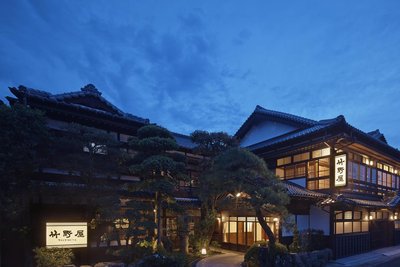
Takenoya
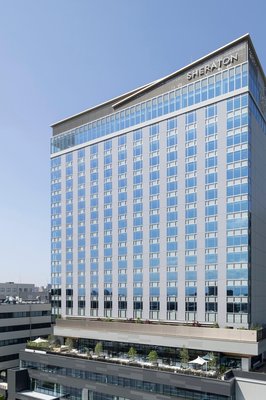
Sheraton Kagoshima
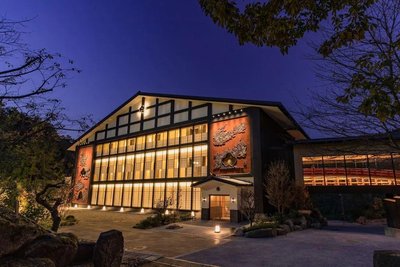
Okuhita Onsen Umehibiki
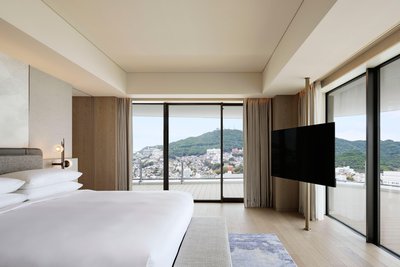
Nagasaki Marriott Hotel
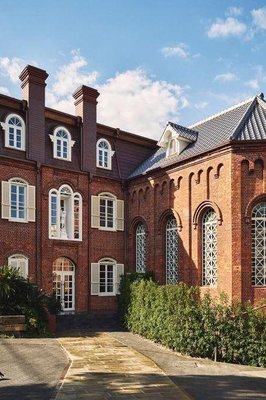
Hotel Indigo Nagasaki Glover Street by IHG
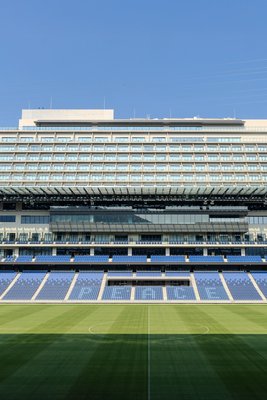
Stadium City Hotel Nagasaki
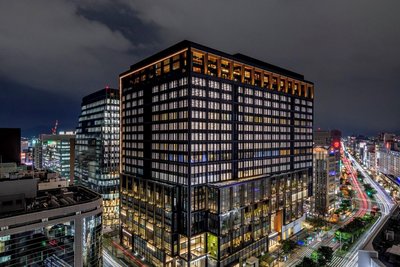
ONE FUKUOKA HOTEL
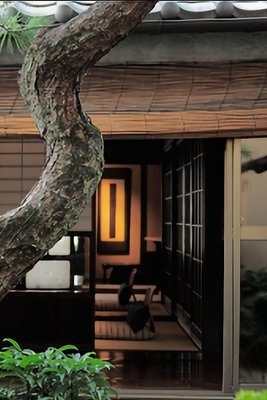
Shimayado Mari
AoAwo Naruto Resort
Ryokan Shinsen
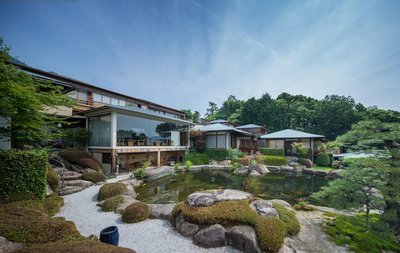
SEKITEI

Yamatoya Besso
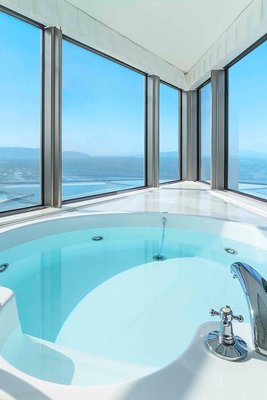
Hilton Fukuoka Sea Hawk

Olive Bay Hotel
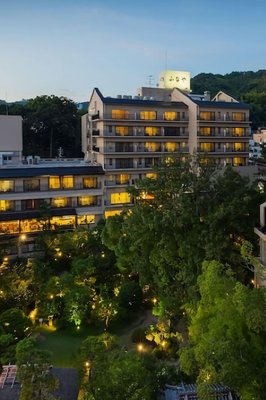
Funaya
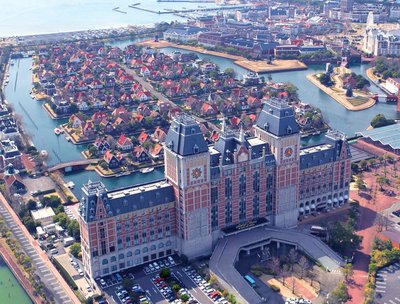
Hotel Okura Jr Huis Ten Bosch

Bettei Oborozukiyo
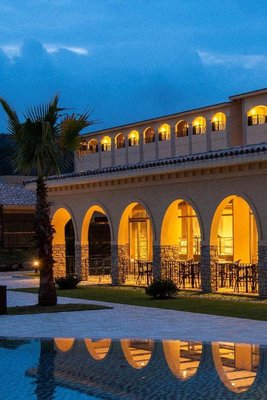
La Vista Kirishima Hills
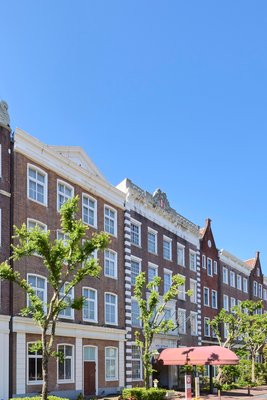
Hotel Amsterdam Huis Ten Bosch

Yumotoankiyohime
Ana InterContinental Beppu Resort & Spa

Hotel Barrière Fouquet's New York
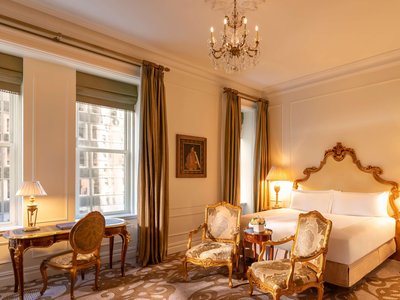
The Plaza - A Fairmont Managed Hotel
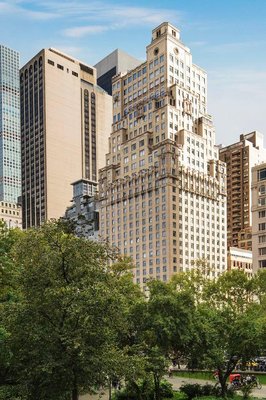
The Ritz-Carlton New York, Central Park
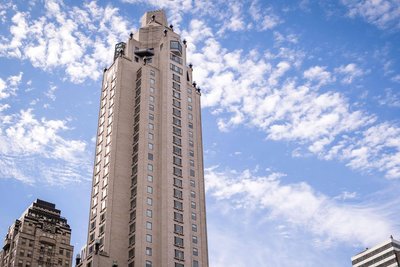
Four Seasons Hotel New York
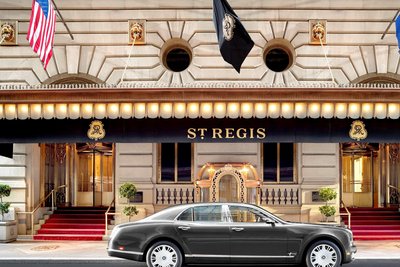
The St. Regis New York
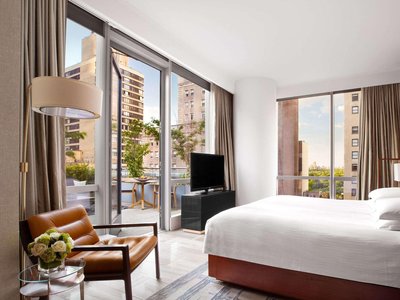
Park Hyatt New York
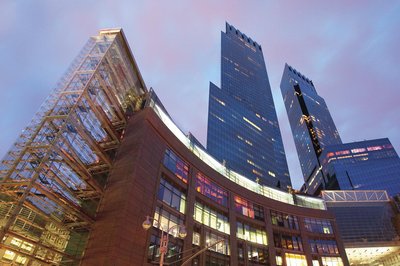
Mandarin Oriental New York

Times Square Edition New York

Loews Regency New York Hotel
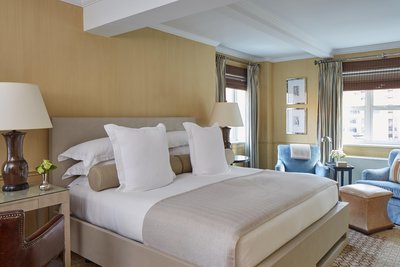
Lowell Hotel
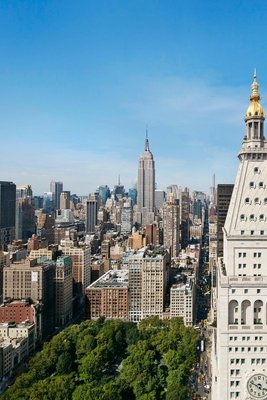
New York Edition

Baccarat Hotel New York

Equinox Hotel New York

Four Seasons Hotel New York Downtown
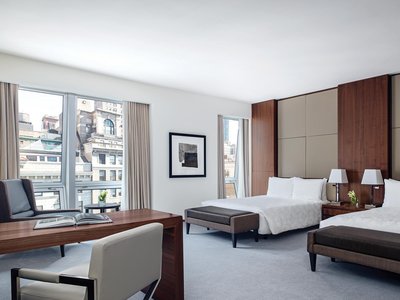
The Langham, New York, Fifth Avenue

The Carlyle, A Rosewood Hotel

The Chatwal, in the Unbound Collection by Hyatt

The Mark New York
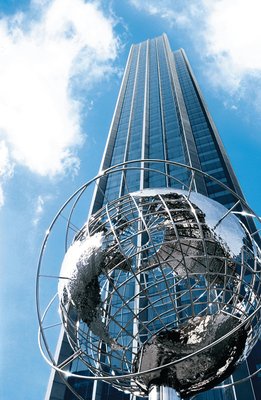
Trump International Hotel & Tower® New York
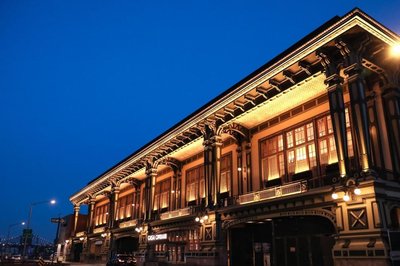
Casa Cipriani New York
Frequently Asked Questions about Traveling to Kunisaki
Questions You Might Need to Know About Traveling to Kunisaki
In Kōtō City, the top choice for cultural immersion is Kōtō Peninsula Cottage, a restored traditional farmhouse offering intimate stays infused with regional heritage. Guests can participate in hands-on seaweed farming workshops with local fishermen, enjoy farm-to-table meals featuring Kōtō beef and organic produce, and join guided walks through ancient paths led by longtime residents. The hotel’s design blends Japanese timber craftsmanship with modern comfort, creating a serene atmosphere perfect for connecting with nature and tradition. It's ideal for travelers seeking authentic, off-the-beaten-path experiences rooted in place.
The most family-friendly area in Kōtō City is Takachiho Town along the Oita Bay coast, known for its safe beaches, natural beauty, and child-oriented amenities. Stay at Takachiho Seaview Camp Lodge, which features playgrounds, barbecue pits, and nightly firefly watching tours. Families can easily visit nearby attractions like Kōtō Shrine and Takachiho Castle Ruins, both accessible via well-maintained trails with wheelchair-friendly sections. With spacious rooms, pet-friendly policies, and on-site activities, this region offers a perfect balance of adventure and relaxation for multi-generational travel.
Visitors to Kōtō City should not miss the offshore snorkeling and coral reef eco-tour organized by the Kōtō Marine Education Center. Led by certified guides, these full-day excursions explore the crystal-clear waters around Ono Island, where divers encounter over 50 species of tropical fish and vibrant coral colonies. Afterward, guests can take part in a kelp weaving workshop, crafting keepsakes from locally harvested Sargassum algae. This experience combines marine conservation education with hands-on creativity, offering a meaningful connection to the region’s fragile coastal ecosystem.
The most recommended hot spring hotel in Kōtō City is Kōtō Onsen Ryokan: Wafu Hakkan, nestled beside the Kōtō River with a history spanning over a century. Its natural hot springs originate from deep volcanic rock layers, rich in sulfur and iron—ideal for skin rejuvenation. The inn features traditional Japanese gardens with karesansui rock arrangements and tatami-mat rooms opening to river views. Each evening, guests enjoy a local cuisine kaiseki dinner featuring fresh mackerel sashimi and wild mountain mushroom stew. A true sanctuary for wellness and cultural authenticity.
Photography lovers should book a stay at Starlight Cliff: Observatory Suite, a former lighthouse transformed into a luxury retreat with panoramic glass decks overlooking the Sunrise Coast. This is the prime location for capturing dawn light breaking over fishing boats. The property provides professional tripods, star-tracking equipment, and free access to downloadable audio guides for night sky photography. Monthly **
For couples seeking romance, Kōtō City offers Starlight Sea: Private Villa—a secluded cliffside retreat with an infinity pool and private outdoor bath facing the ocean. Enjoy breakfast on your private beach, followed by a candlelit seafood dinner under the stars. The hotel also offers personalized touches like engraving names into handcrafted seashell lamps or arranging a private meteor shower viewing session. With minimal lighting and uninterrupted sea views, it’s the ultimate setting for love, silence, and connection.
Kōtō City’s culinary identity lies in the fusion of mountain and sea flavors. Signature dishes include salt-cured mackerel sushi and sansho-grilled oysters, crafted using natural sea salt and wild mountain herbs. During spring, visitors can join the Seaweed Festival, where they learn to harvest and roll fresh seaweed into edible bundles. The local Kōtō sake, brewed with water from Aso Volcano, boasts a crisp, sweet profile that pairs perfectly with grilled wild-caught fish—a must-try for food lovers eager to taste the soul of the region.
Yes, Kōtō City offers excellent hiking trails. The Kōtō River Gorge Trail (6 km) winds through ancient forests and limestone cliffs, passing cascading waterfalls and centuries-old trees. Another top route is the Takachiho Cliffs Loop, starting at Amaterasu Shrine, traversing the Monkey Rock and ending at the Stargazing Platform with sweeping views of Yatsugatake Bay. All trails are clearly marked with multilingual signage and have rest stops. For safety, bring insect repellent and trekking poles. Early mornings are ideal to avoid heat and capture stunning light across the landscape.
Must-visit cultural experiences in Kōtō City include the Takachiho Castle Ruins Night Illumination Festival, where historic walls glow under blue lights accompanied by traditional music and samurai reenactments. Visitors can also take part in the Iwai Ritual at Kōtō Shrine, purifying hands and mind under the guidance of a Shinto priest. Additionally, local artisans offer workshops in making washi paper lanterns and traditional bows, skills designated as intangible cultural heritage. These immersive activities provide deep insight into Japan’s artisanal traditions and spiritual roots.
While Kōtō City is remote, access has improved significantly. From Oita Airport, take a direct bus (approx. 1 hour), or rent a car for scenic drives along the Kōtō River and Aso Mountain vistas. Travelers from Fukuoka can take a shinkansen to Oita Station, then transfer to a high-speed bus (about 90 minutes). The city offers a free tourist shuttle service covering key attractions and accommodations, available via smartphone app. HopeGoo transport in advance is advised—especially during cherry blossom and autumn foliage seasons. Many lodges also provide complimentary pickup services, enhancing convenience for visitors.
Kunisaki Overview
City Summary
Located in eastern Oita Prefecture, Kunisaki City is famed for its lush nature and profound Buddhist heritage. As the heart of the Kunisaki Peninsula, it preserves thousand-year-old temples and the unique "Rokugo Manzan" spiritual culture blending Shinto and Buddhism. Key attractions include secluded mountain temples, traditional festivals, and onsens with panoramic views of the Seto Inland Sea.
Must-See Attractions
Visit the ancient wooden Fuki-ji Temple (National Treasure) and explore the mysterious stone carvings of Kumano Magaibutsu. The pilgrimage trail at Futago-ji Temple offers an immersive experience, especially during autumn foliage. Don't miss the Kunisaki Peninsula Art Festival showcasing contemporary art in traditional settings.
Food Guide
Savor the local specialty Kunisaki Wagyu Steak, renowned for its tenderness. Himesama Teishoku features fresh seafood and mountain vegetables. Street food lovers should try Mukimi Manju (fried red bean buns) paired with Yuzu Kosho pepper paste.
Transportation Guide
Take a 1.5-hour bus from Oita Airport or transfer at JR Usa Station. Renting a car is recommended (note mountain roads), as bus services to attractions are infrequent. Pro tip: Prepare for steep stone steps at mountain temples - wear non-slip shoes.
Best Time to Visit
Spring (Apr-May) for cherry blossoms and autumn (Oct-Nov) for foliage are ideal. Humid summers may hinder hiking, while some areas close in winter. Avoid Golden Week crowds.
Travel Tips
- Maintain silence at temples; photography restrictions apply
- Pack rain gear for sudden mountain weather changes
- Wash thoroughly before hot spring bathing
- Carry cash as rural shops rarely accept cards
- Double-check bus schedules in advance
- Observe local "lost items" customs (report findings to police)
Useful Information
Basic Japanese is helpful with limited English signage. Multilingual maps are available at tourist centers. For emergencies, Kunisaki Hospital offers translation services (book ahead). Carry ¥20,000+ in cash. Note: Mountain areas have spotty phone coverage - register hiking plans locally.